Azurita Restaurant
Our verdict
Azurita Restaurant sits in central Casablanca, where the city’s restaurant culture is shaped by Atlantic produce, business-district pacing, and a steady pull between Moroccan tradition and international dining habits. With few public claims around chef, awards, pricing, or format, the useful reading is contextual: treat it as part of Casablanca’s evolving urban dining circuit rather than a trophy-table destination.

Pearl is the En Primeur Club membership app, where members save venues, book tables and use the concierge.
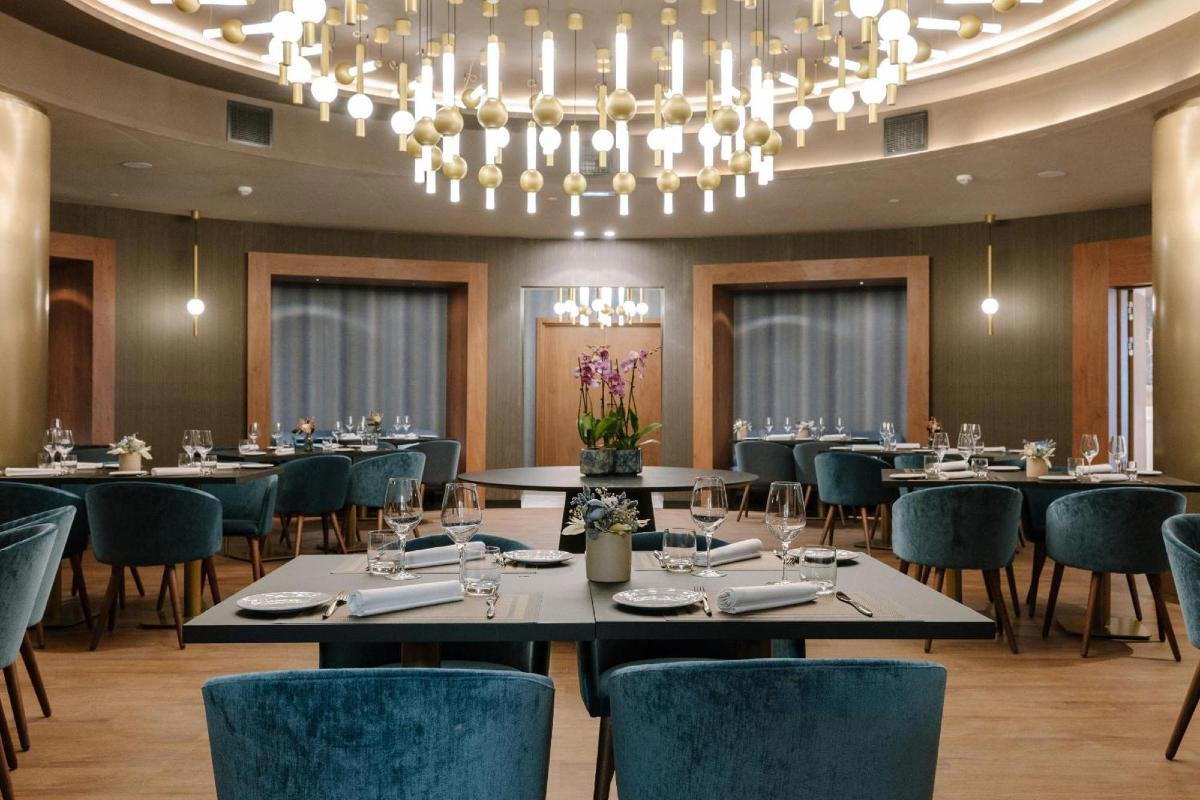
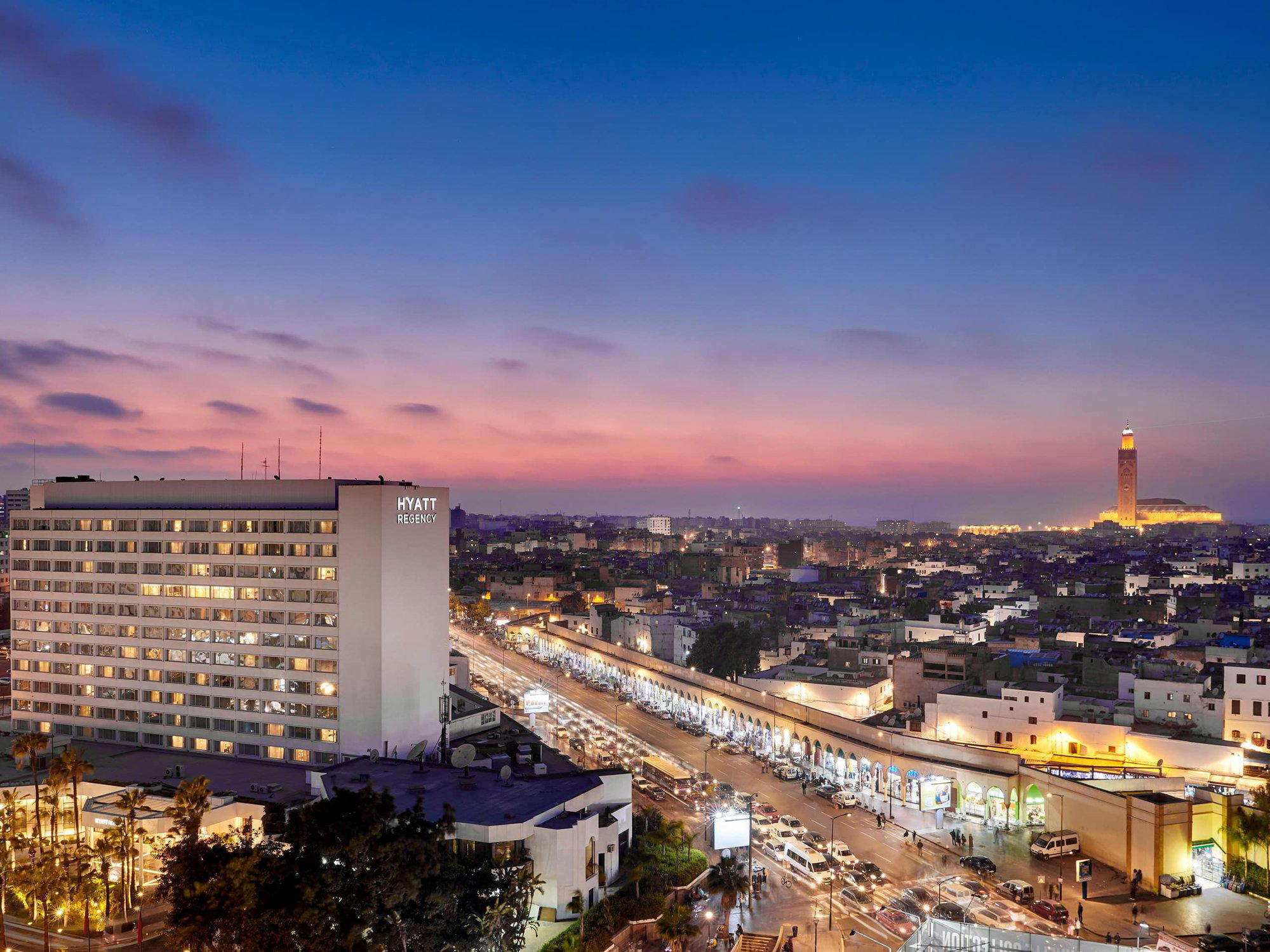
Approaching Casablanca as a working port city, the city feels less like a postcard than a practical urban dining environment: traffic, office façades, hotel lobbies, and the Atlantic somewhere beyond the grid. That setting matters for restaurants. Dining here is shaped by business lunches, late family meals, and a hospitality culture that can move from Moroccan formality to international ease within a short distance.
Azurita Restaurant belongs to that Casablanca conversation. The smarter way to read it is not through imported fine-dining vocabulary, but through the city around it: a place where restaurants respond to daily urban demand, and where Moroccan kitchens sit beside international references without needing to announce a manifesto.
Casablanca's ingredient logic starts with the Atlantic, not the dining room
Casablanca’s restaurant identity is closely tied to its port-city geography. The Atlantic gives the city a different culinary rhythm from inland destinations: seafood can have structural importance, citrus and herbs often cut through richer preparations, and grilled or simply dressed plates may make more sense than heavy ceremony. Even when a restaurant does not publish a detailed sourcing statement, the city’s supply chain can shape the table.
That is the useful frame for Azurita Restaurant. With no public chef narrative or named signature dishes attached to it, the editorial question becomes whether it participates convincingly in Casablanca’s broader dining economy. In this city, freshness is not a decorative claim; it is a baseline by which casual and polished restaurants alike are often judged. The market logic is direct: fish, vegetables, olives, preserved lemon, herbs, and bread can do much of the cultural work before technique enters the conversation.
Casablanca also rewards restaurants that understand pace. The city is Morocco’s commercial engine, and meals often have a functional edge: lunch needs to be efficient, dinner can stretch later, and central city restaurants draw a mix of residents, business travelers, and hotel guests. That puts Azurita Restaurant in a different category from destination dining rooms built around spectacle. The expectation should be urban usefulness first, with the experience assessed through clarity, consistency, and how well it feels grounded in Casablanca.
Where it fits among Casablanca's dining circuit
Casablanca’s higher-end dining map has become more segmented. Formal Moroccan rooms such as La Grande Table Marocaine - Royal Mansour Casablanca occupy one polished end of the spectrum, where national cuisine is framed through hotel service and careful presentation. Addresses such as Hôtel Le Doge sit in another lane, reflecting the city’s layered hospitality scene. More local-feeling names such as Dar El Kaid carry a different set of expectations around Moroccan hospitality and familiar formats.
Azurita Restaurant reads as part of the central city layer rather than the grand-hotel tier. That distinction is useful for travelers. Casablanca is not a city where every good meal needs to perform heritage at full volume. Some of its more revealing restaurant experiences come from how ordinary urban demand gets translated into menus: coastal references because the Atlantic is part of the city’s identity, international cues because Casablanca has absorbed them for generations, and Moroccan seasoning because it remains a familiar center of the table.
For a broader read on the city, compare it with other Casablanca dining rooms and the wider selection in our full Casablanca restaurants guide. The surrounding travel context also matters: hotel location can shape where dinner makes sense, which is why our full Casablanca hotels guide is useful for planning around central stays, while our full Casablanca bars guide, our full Casablanca wineries guide, and our full Casablanca experiences guide help place the meal inside a larger evening.
How to judge the table: sourcing, restraint, and city rhythm
In Casablanca, ingredient sourcing is not only about luxury suppliers. It is about whether a restaurant lets the region’s practical advantages show. Atlantic seafood, Moroccan produce, preserved elements, and bread service can tell a sharper story than a long menu written to satisfy every visitor. The stronger tables in the city tend to avoid treating Moroccan flavors as garnish; they understand that acidity, spice, smoke, and salinity can be structural tools.
Azurita Restaurant should be approached with that lens. Since no public chef credentials, pricing, or tasting-menu structure are attached to the restaurant, the better editorial stance is measured rather than inflated. It is a Casablanca address to assess by fit: how well it serves the city, how clear and coherent the cooking feels, and whether the experience seems grounded in Casablanca rather than copied from a generic international template.
Travelers building a Morocco-wide restaurant itinerary will see the contrast quickly. Marrakech dining often plays to garden settings, design, and a more leisure-driven rhythm. Fès carries a deeper association with historic craft and medina hospitality. Coastal and regional dining elsewhere in Morocco shows how sharply the country’s restaurant culture changes by geography.
That comparison also explains why Casablanca should not be judged by resort-city standards. Its strength is commercial, coastal, and metropolitan. A meal here can be more revealing when it is less theatrical. The practical editorial test for Azurita Restaurant is simple: look for a menu that respects the moment, avoids unnecessary complication, and lets Casablanca’s city character do some of the work.
For readers mapping dining habits beyond Morocco, the comparison can stretch even further to other cities and entirely different ingredient systems, where local formats are translated through local supply and demand. Casablanca’s version of that same question is specific to its setting: what does a restaurant do when the city gives it Atlantic proximity, spice, bread, citrus, and a clientele that moves between Moroccan and international expectations every day?
Frequently asked questions
Can I bring kids to Azurita Restaurant?
Azurita Restaurant is in Casablanca, which points to a standard city dining address rather than a members-only room. For children, the deciding factor is the house policy on the day, since no age rule is listed in the venue details.
Is Azurita Restaurant formal or casual?
The Casablanca setting suggests a conventional dine-in restaurant context, not a specialist counter or tasting-menu room. With no chef-led format listed, it reads as flexible rather than strictly formal.
How do I find Azurita Restaurant?
Azurita Restaurant is located in Casablanca.
How far ahead should I plan for Azurita Restaurant?
No booking window is provided for Azurita Restaurant, so there is no fixed lead time to cite. In Casablanca, a city dining address usually justifies planning ahead on busy evenings.
What's the defining dish or idea at Azurita Restaurant?
The defining fact here is the location: Azurita Restaurant is in Casablanca. With cuisine type and chef name both absent, the restaurant is better read as a city dining address than as a place defined by a named signature dish.
Can Azurita Restaurant adjust for dietary needs?
No dietary program is listed for Azurita Restaurant in Casablanca. If a specific requirement matters, the practical reference point is the venue itself, since no chef, menu, or service format is supplied.
Fast Comparison
Comparable venues by cuisine and price in the same metro.
| Venue | Cuisine | Price | Awards |
|---|---|---|---|
| Azurita RestaurantThis venue (the venue you are viewing) | Modern Moroccan–Spanish restaurant in a luxury hotel | $50–100 | Not listed |
| Lumina & Lumina Privé | International Cuisine with Moroccan Influences | Not listed | Not listed |
| La Grande Table Marocaine - Royal Mansour Casablanca | Refined Moroccan Fine Dining | $150–200 | La Liste Top Restaurants |
| Dar El Kaid | Traditional Moroccan | $20–30 | Not listed |
| Le Jasmine | Traditional Moroccan Fine Dining | Not listed | La Liste Top Restaurants · Relais Chateaux Award |
Continue exploring
More in Casablanca
Restaurants in Casablanca
All restaurants in Casablanca →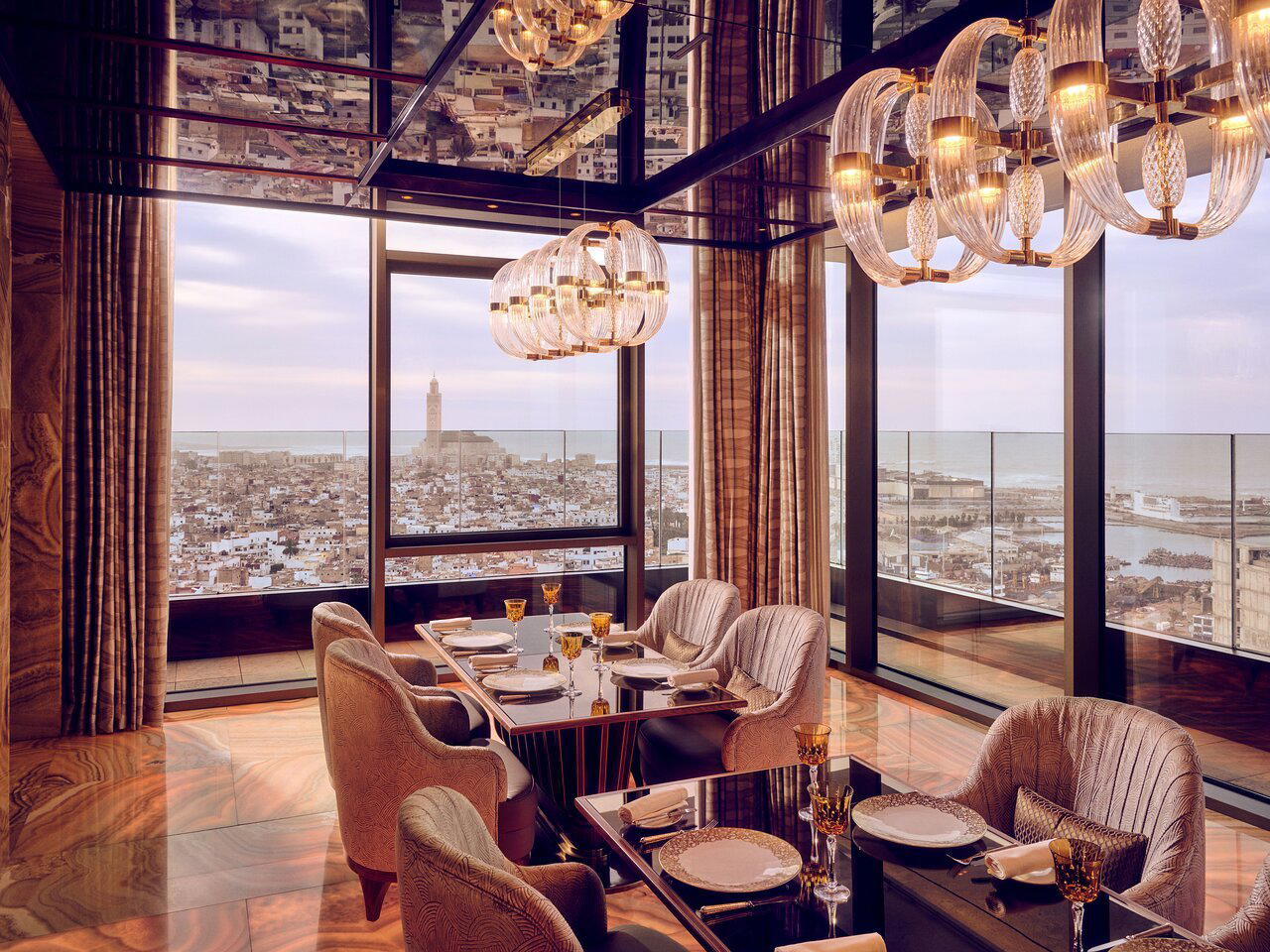
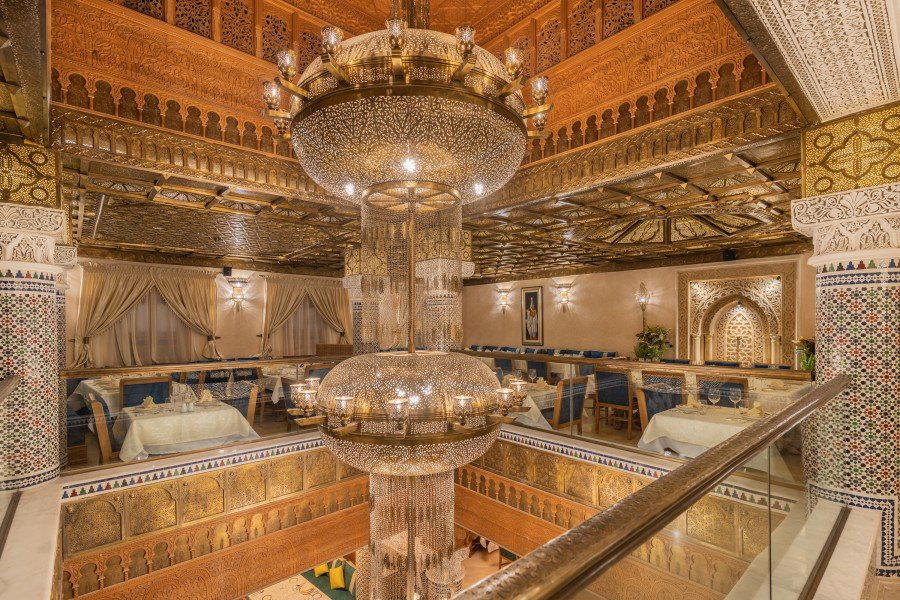
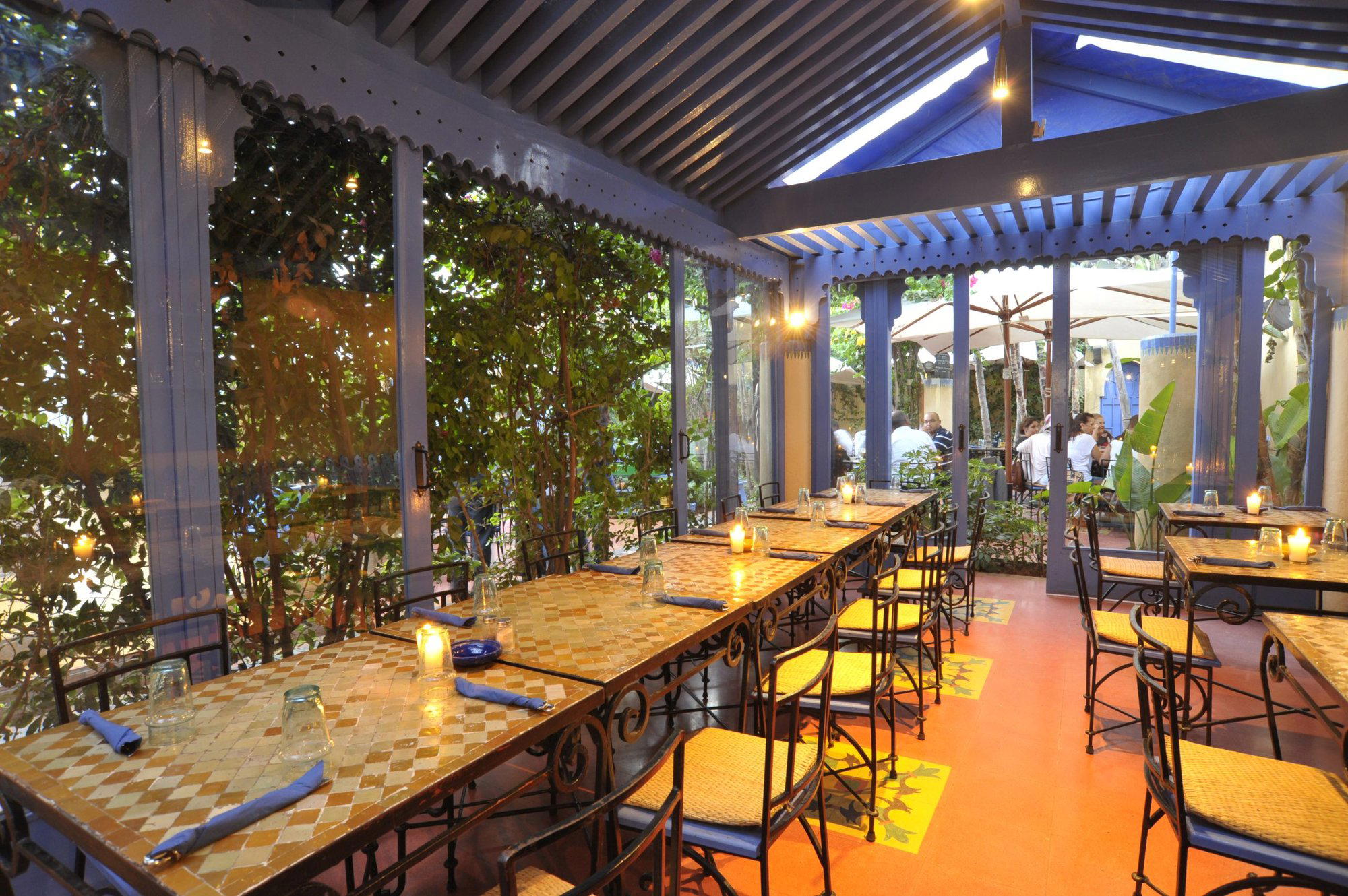
Bars in Casablanca
All bars in Casablanca →
Details
- Elegant
- Modern
- Sophisticated
- Business Dinner
- Date Night
- Group Dining
- Special Occasion
- After Work
- Hotel Restaurant
- Design Destination
- Craft Cocktails
- Extensive Wine List
- A La Carte
- Wine
- Cocktails
- Vegetarian Friendly
- Gluten Free Options
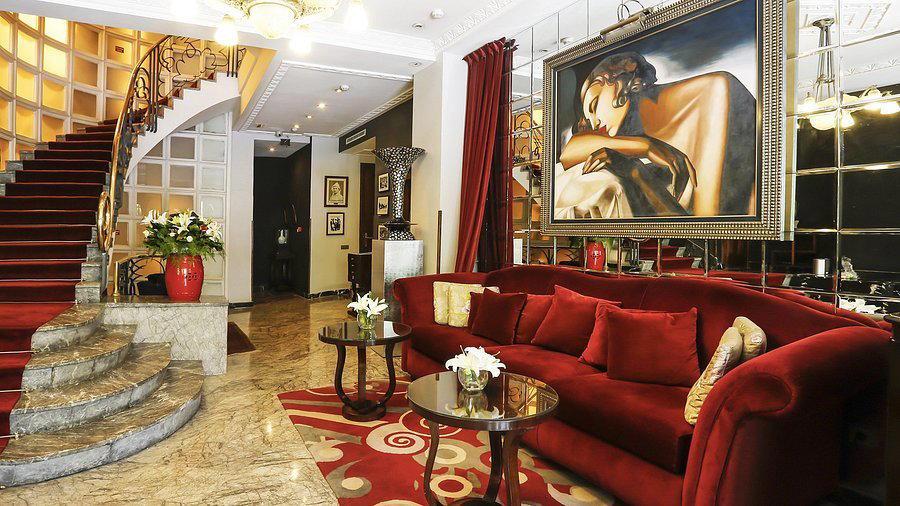
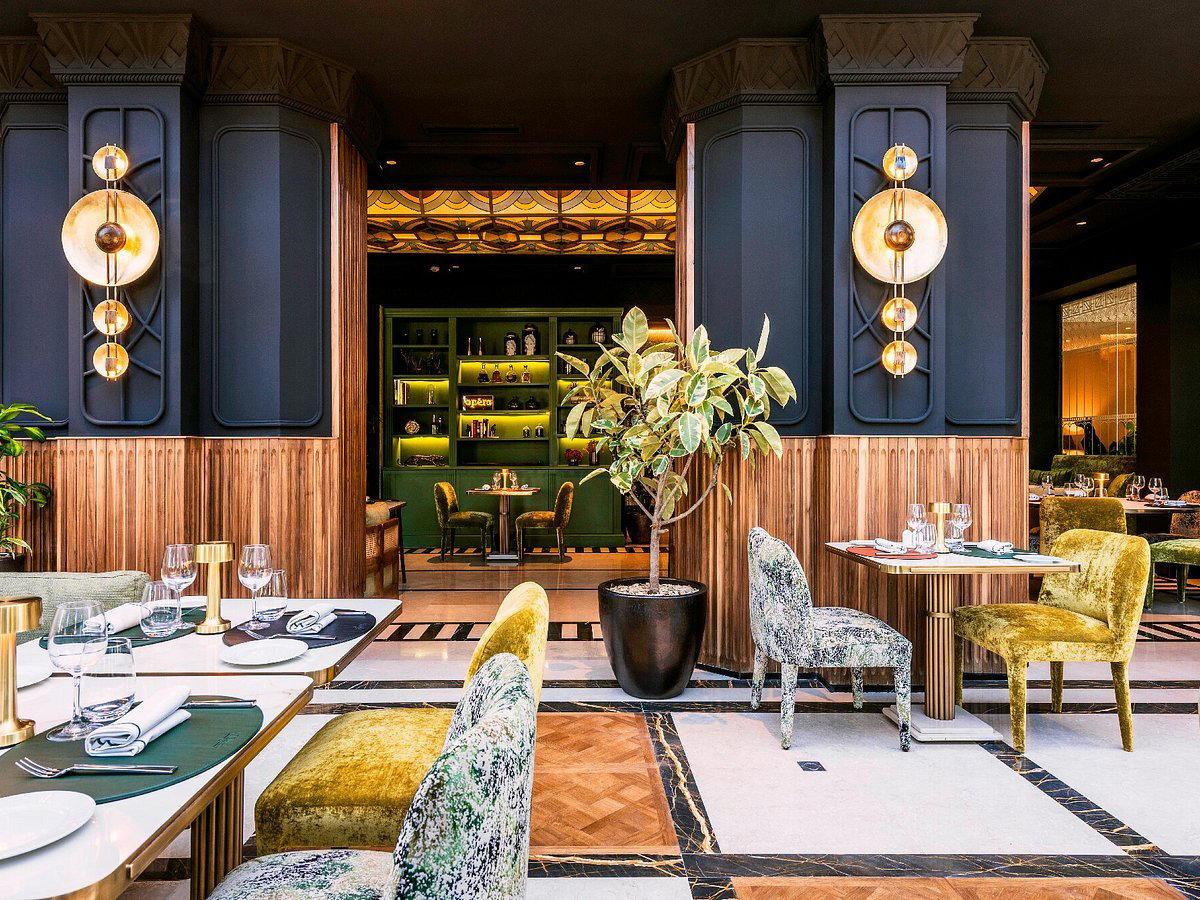
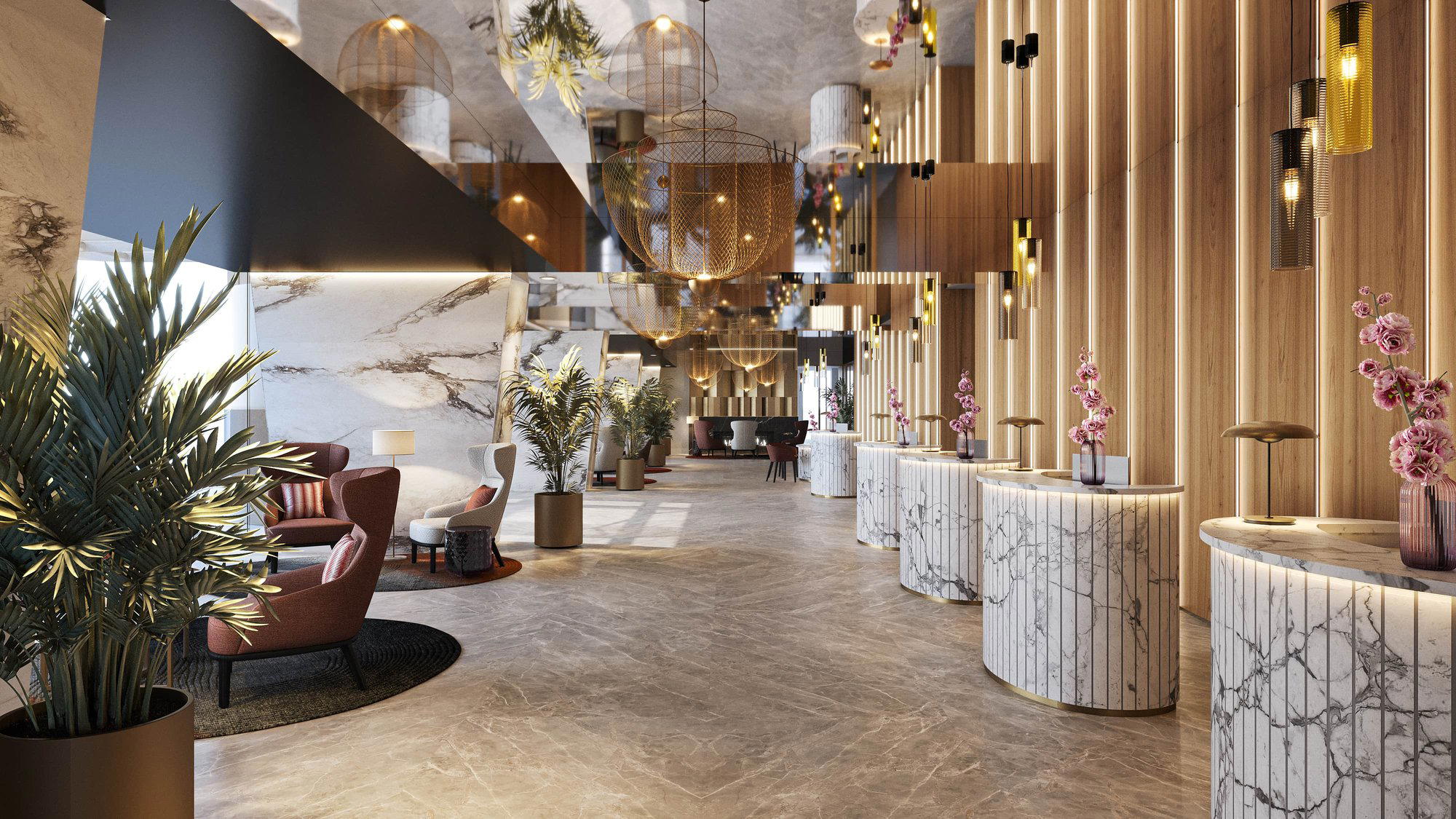
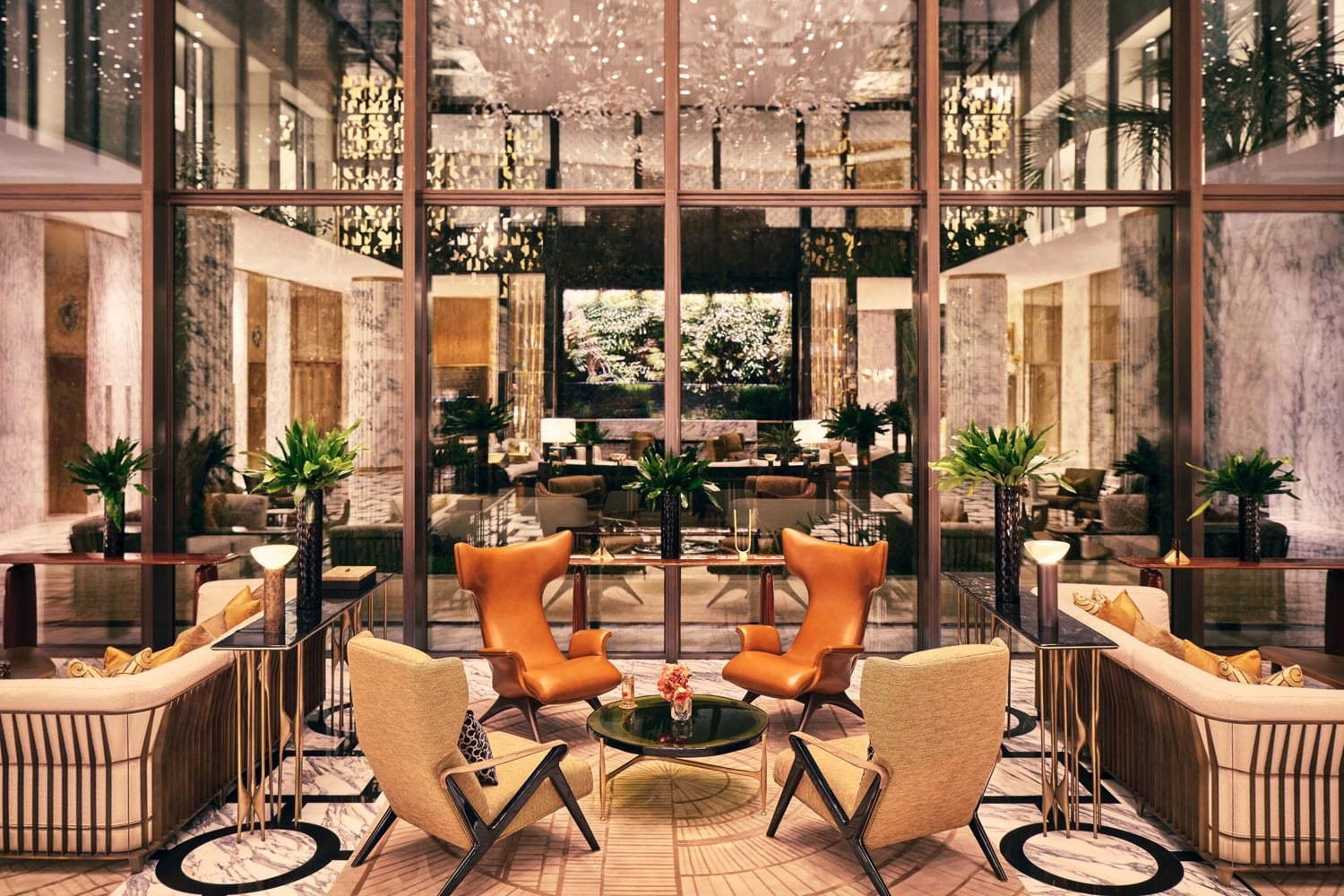
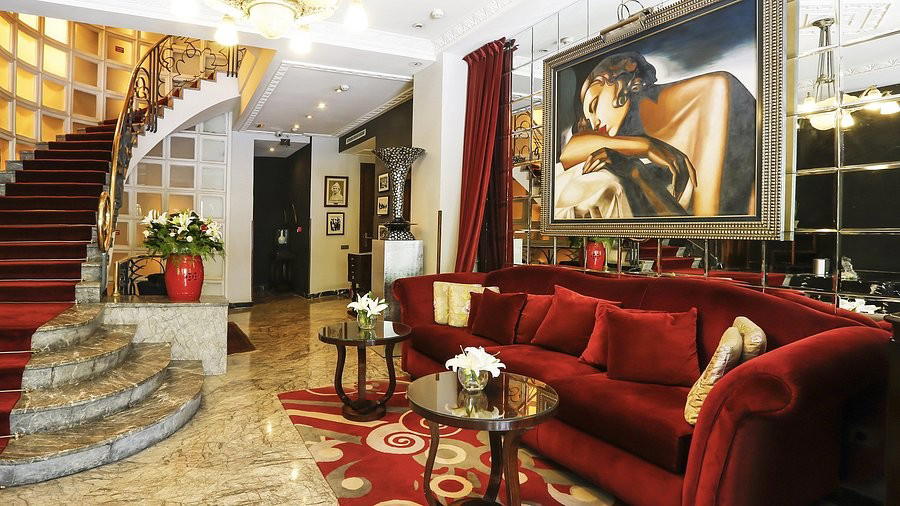
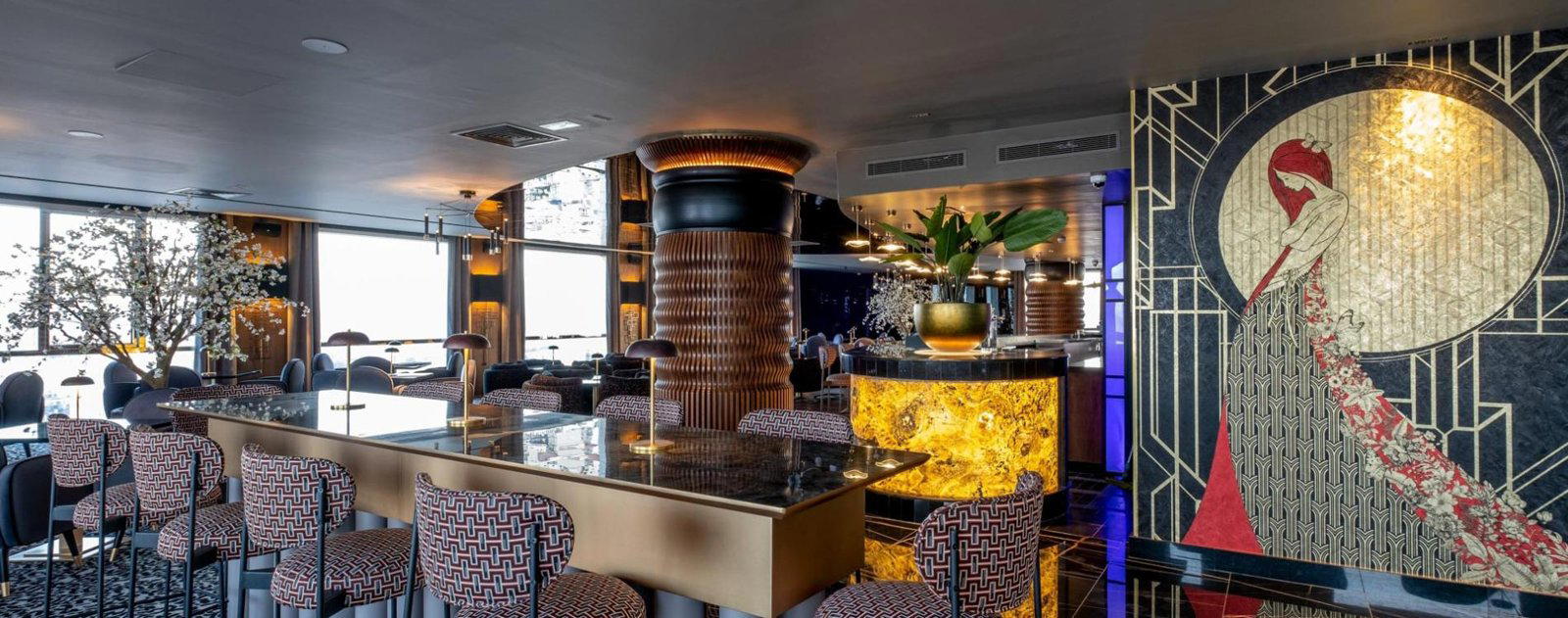
Contemporary-luxury hotel dining room with elegant, carefully designed interiors and warm Moroccan hospitality, suited to both business and leisure guests.