Bardo
Bardo belongs to Casablanca’s contemporary bar conversation, where the city’s Atlantic-facing social culture is moving beyond hotel lounges and late-night cafés into more defined cocktail rooms.

Pearl is the En Primeur Club membership app, where members save venues, book tables and use the concierge.
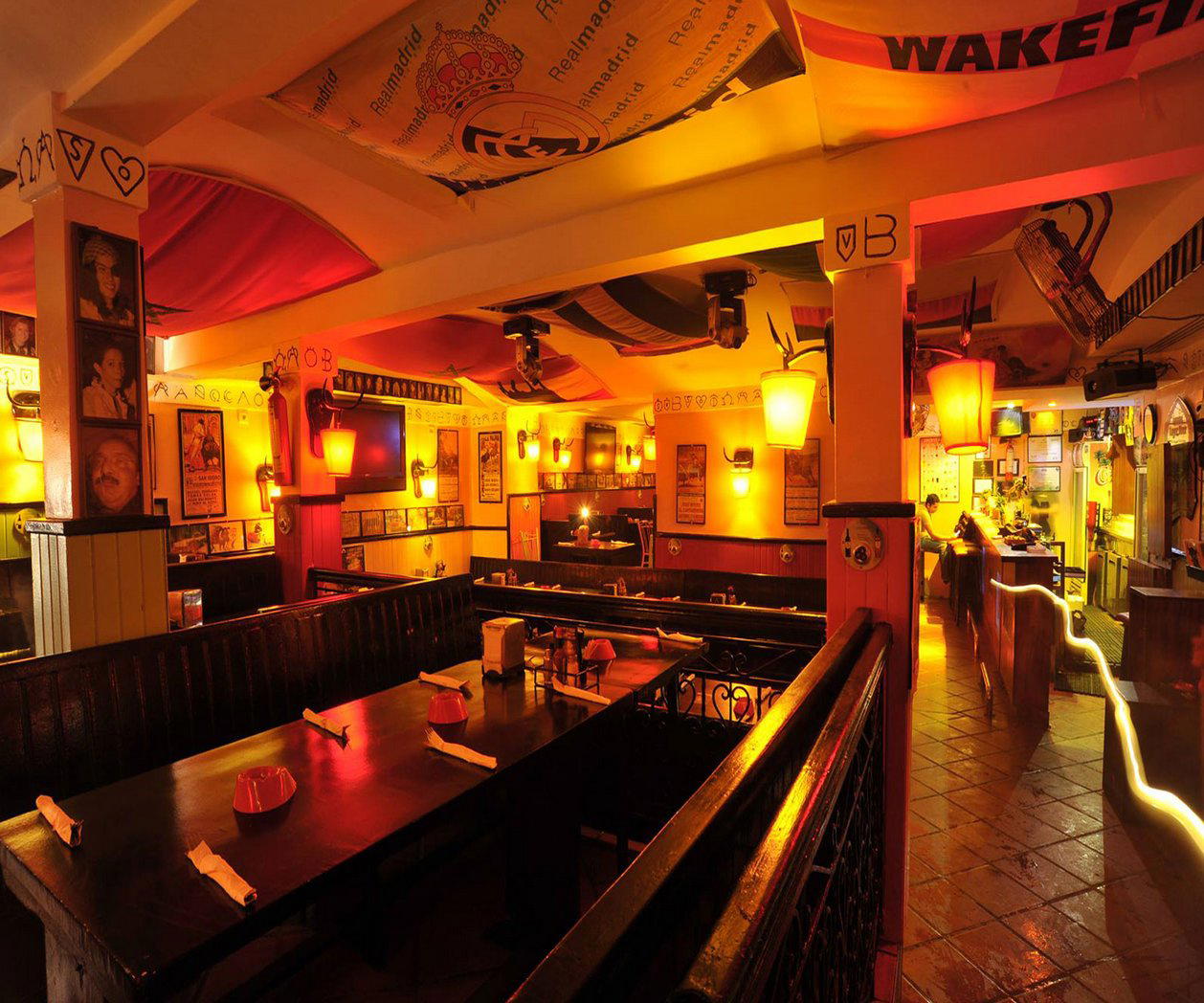
First impression: Casablanca after dark, without the hotel-lobby filter
Approaching a bar on Rue Mohyeddine Al Arabi puts the reader in a different Casablanca from the postcard version of oceanfront promenades, Art Deco façades, and grand hotel lounges. The city’s nightlife has long been split between polished hospitality spaces attached to hotels, café culture that stretches late into the evening, and private-feeling rooms where music, conversation, and drinks carry the night. Bardo sits inside that broader shift toward standalone bar identity: less about a formal dining script, more about how Casablanca is learning to treat the cocktail as a reason to go out rather than a prelude to something else.
That matters because Casablanca is not Marrakech. It does not sell nightlife through spectacle as aggressively, and its drinking culture tends to be more urban, local, and commercially minded. The interesting rooms are often measured by rhythm: when the room fills, how the soundtrack changes, whether the bar feels built for a first drink, a late one, or an entire evening. The confirmed facts are spare: the name, the city, the country, and the address. In a sparse record, restraint is useful. It keeps the focus where it belongs, on Casablanca’s developing cocktail culture and the practical decisions a traveller needs to make before placing it on an evening route.
The cocktail programme as the editorial lens
Casablanca’s bar scene is increasingly shaped by a question familiar in many business capitals: does a venue treat cocktails as décor, or as a programme? The former usually means a short list of international standards, a sweet house special, and little evidence of technique. The latter shows itself through structure: a menu that explains its point of view, bartenders who can guide without reciting, and a room designed around the pace of drinking rather than only the look of a table. Bardo is assigned here through the cocktail-programme lens, so the useful comparison is not against fine-dining restaurants, but against Casablanca bars where drinks, music, and room energy do the main work.
The lack of published EP Club details on signature drinks, bartender leadership, or awards prevents any responsible claim about clarified serves, house infusions, local botanicals, or a named creative director. That absence is itself instructive. In cities where cocktail culture is still consolidating, many bars develop reputations socially before they accumulate the public documentation that makes critical comparison easier. A traveller should therefore evaluate Bardo on arrival by reading the first five minutes: how the menu is organized, whether the bar team can discuss balance and spirit choice, how quickly tables turn, and whether drinks are built for speed or precision. Those signals say more than vague praise.
For a broader read on the category, compare Bardo with Al-Manara Rooftop, where the format is explicitly tied to fusion cuisine, signature mixology, and rooftop city-and-ocean views. That is a different promise: height, view, and a visual night-out logic. Club des Athlètes sits in another lane, built around casual dining, cocktails, and a sports-broadcast social concept. Bardo’s interest, by contrast, lies in how a central Casablanca address can operate as a more focused drinks room when the city’s bar choices often fall into hotel polish, rooftop display, or social-club informality.
What Casablanca's bar culture does differently
Casablanca’s hospitality character is tied to commerce, migration, and a coastal kind of pragmatism. The city has French colonial-era architecture, a large professional class, and a dining scene that moves between Moroccan cooking, French references, seafood, and international formats. Bars in this context often serve mixed purposes. They are meeting points after work, late-night music rooms, hotel-adjacent lounges, and dinner-adjacent holding patterns. A cocktail bar that wants to be taken seriously has to cut through that ambiguity.
The comparison with Marrakech is useful because the two Moroccan cities are often grouped together by visitors, but they reward different instincts. Marrakech leans into theatre: riad courtyards, rooftop sunsets, ornate interiors, and visitor-facing hospitality. Casablanca is more functional and less ceremonial. A bar that works here needs a local pulse, not just décor. Travellers moving between cities can see that contrast by placing Bardo beside Marrakesh in Marrakech, or by broadening the Moroccan coastal frame with ANAW BEACH in Taghazout. Fès adds another register: Riad Fes - Relais & Châteaux in Fès belongs to a heritage-hospitality context where the bar experience is filtered through the codes of a luxury riad.
Casablanca’s advantage is that it does not need to perform tradition at every turn. Its stronger contemporary bars can feel metropolitan rather than folkloric. That is where Bardo’s address in Casablanca becomes relevant. The venue is part of a city conversation about drinks after work, dinner before midnight, and late rooms where the soundtrack and the glass carry equal weight. For readers mapping the scene, the point is not to ask whether Casablanca mimics London, Paris, or New York. The sharper question is how local operators translate international cocktail grammar into a city that already has its own pace.
How to judge the room without invented certainty
No responsible editorial page should invent a signature serve, claim a hard-to-secure table, or describe the texture of the room as if from a documented visit. What can be said is that Bardo belongs to a bar category where a traveller should arrive with a critic’s checklist rather than a tourist’s hunger for certainty.
Start with the menu architecture. A serious cocktail list usually has a visible internal logic: classics, house drinks, spirit-led sections, low-ABV options, or a theme that does not collapse into gimmick. Then look at the back bar. A narrow but coherent selection can beat a crowded shelf if the choices support the drinks being made. Watch the build. If a bar team measures, chills glassware where appropriate, manages dilution, and keeps garnishes functional rather than ornamental, the programme is likely more disciplined than the average late-night lounge. None of those observations require advance mythology. They require attention.
The international comparison helps. Café La Trova in Miami shows how a bar can turn cultural memory and live energy into a structured drinks identity. Happy Accidents in Albuquerque reflects another model, where a bar’s personality can be carried through creative technique and a strong local following outside the usual coastal cocktail capitals. Casablanca’s scene is not the same as either, but the comparison makes the evaluation sharper: credible cocktail rooms are not defined only by luxury materials or imported spirits. They are defined by whether the drink, the room, and the service rhythm tell the same story.
Where Bardo fits in a Casablanca evening
The sensible approach is to place it within a Casablanca night that can adapt: dinner nearby, a drinks-focused stop, then a second room if the mood turns later. That is not glamorous advice, but in Casablanca it is often the difference between a smooth evening and a closed door.
That matters for expectations. Casablanca can swing from accessible café-style spending to hotel-bar pricing, and cocktail rooms often sit closer to the latter when imported spirits, glassware, and trained labour are involved. Without a listed price range, the safest editorial position is to avoid describing Bardo as either value-driven or luxury-priced. Treat it as a bar where the first round will reveal its positioning: the range of spirits, the ambition of the list, and the service cadence usually make the price tier clear within minutes.
For readers building a fuller city itinerary, the useful companion pages are category guides rather than isolated venue claims. The broader bar map sits in our full Casablanca bars guide. Dinner planning belongs in our full Casablanca restaurants guide, while hotel context sits in our full Casablanca hotels guide. Travellers extending the trip beyond bars can also use our full Casablanca experiences guide and, for the category even when local listings are limited, our full Casablanca wineries guide. Those links matter because Casablanca is better planned by neighbourhood rhythm and transport timing than by isolated venue desire.
Critical read: why restraint is the right way to cover it
The temptation with sparse venue data is to compensate with atmosphere-heavy invention. That is bad criticism. A name and address do not justify claims about candlelight, rare spirits, chef-led snacks, or a specific crowd. Bardo’s editorial value comes from what it signals inside Casablanca’s developing drinks culture: a city where cocktail identity is being negotiated between rooftops, hotel lounges, casual social concepts, and standalone rooms. There are no Michelin, 50 Best, James Beard, or comparable bar awards listed here, so the trust signal is contextual rather than trophy-based: Casablanca’s urban hospitality scene, the venue’s confirmed address, and its placement in a category that can be compared against other documented bars.
That does not make the page less useful. It makes it more honest. Readers looking for a guaranteed tasting-menu style experience should wait for richer venue data. Readers interested in how Casablanca drinks now should keep Bardo in the frame, then judge it by the mechanics that separate a serious cocktail room from a fashionable address: balance, temperature, menu clarity, staff fluency, and the room’s ability to hold its energy past the first round. In a city where many visitors default to hotel bars because they are easy to understand, a standalone name on Rue Mohyeddine Al Arabi deserves attention precisely because it asks for a more local reading.
Planning notes
Plan with that limitation in mind: confirm same-day opening details through a current local source, avoid building a tight schedule around unverified hours, and treat the visit as drinks-led unless a current menu states otherwise. For Casablanca, that is a practical position rather than a caveat. The city rewards flexible evening planning, especially when moving between dinner, cocktails, and late-night rooms.
Continue exploring
More in Casablanca
Bars in Casablanca
All bars in Casablanca →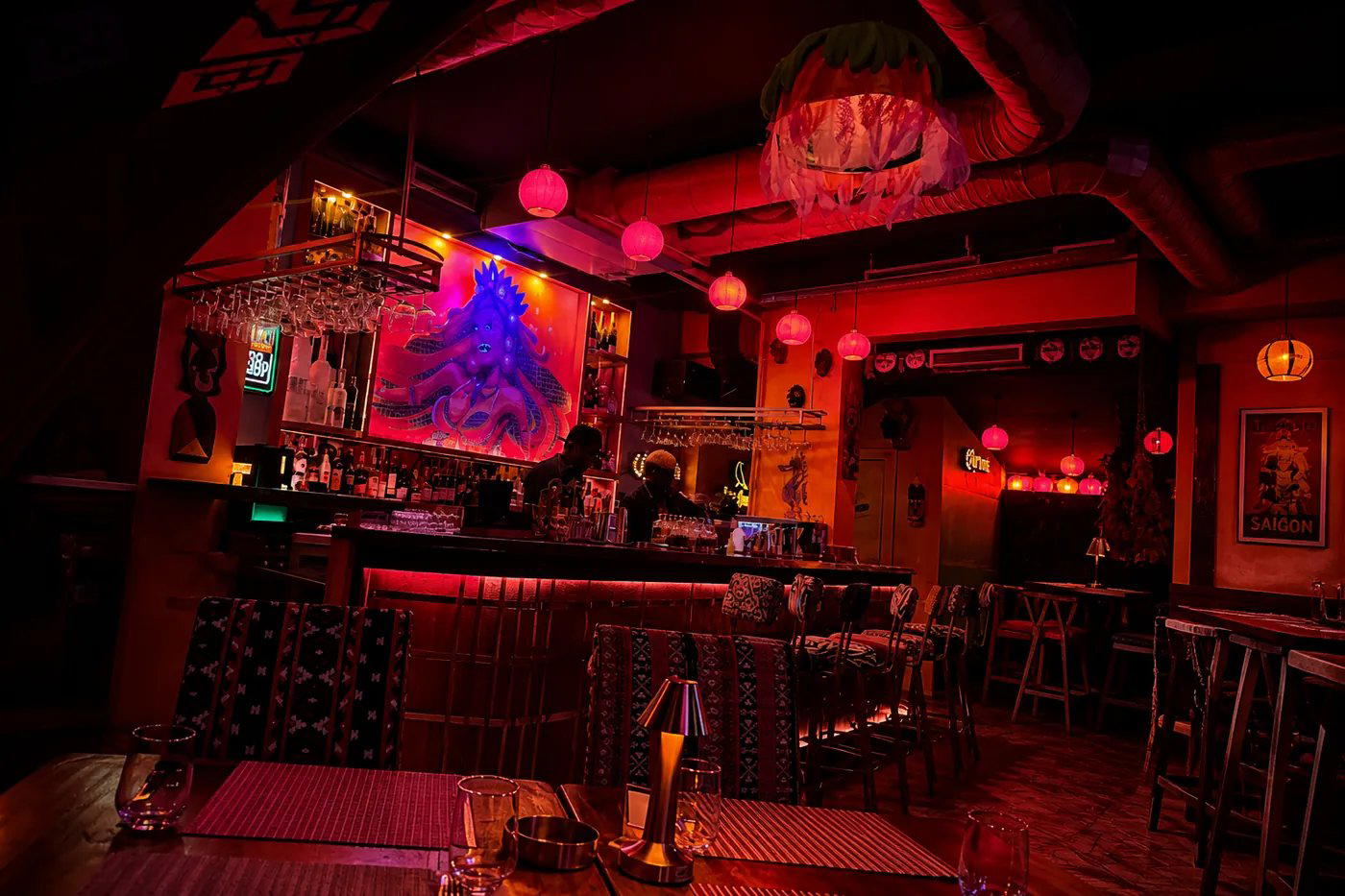
Restaurants in Casablanca
All restaurants in Casablanca →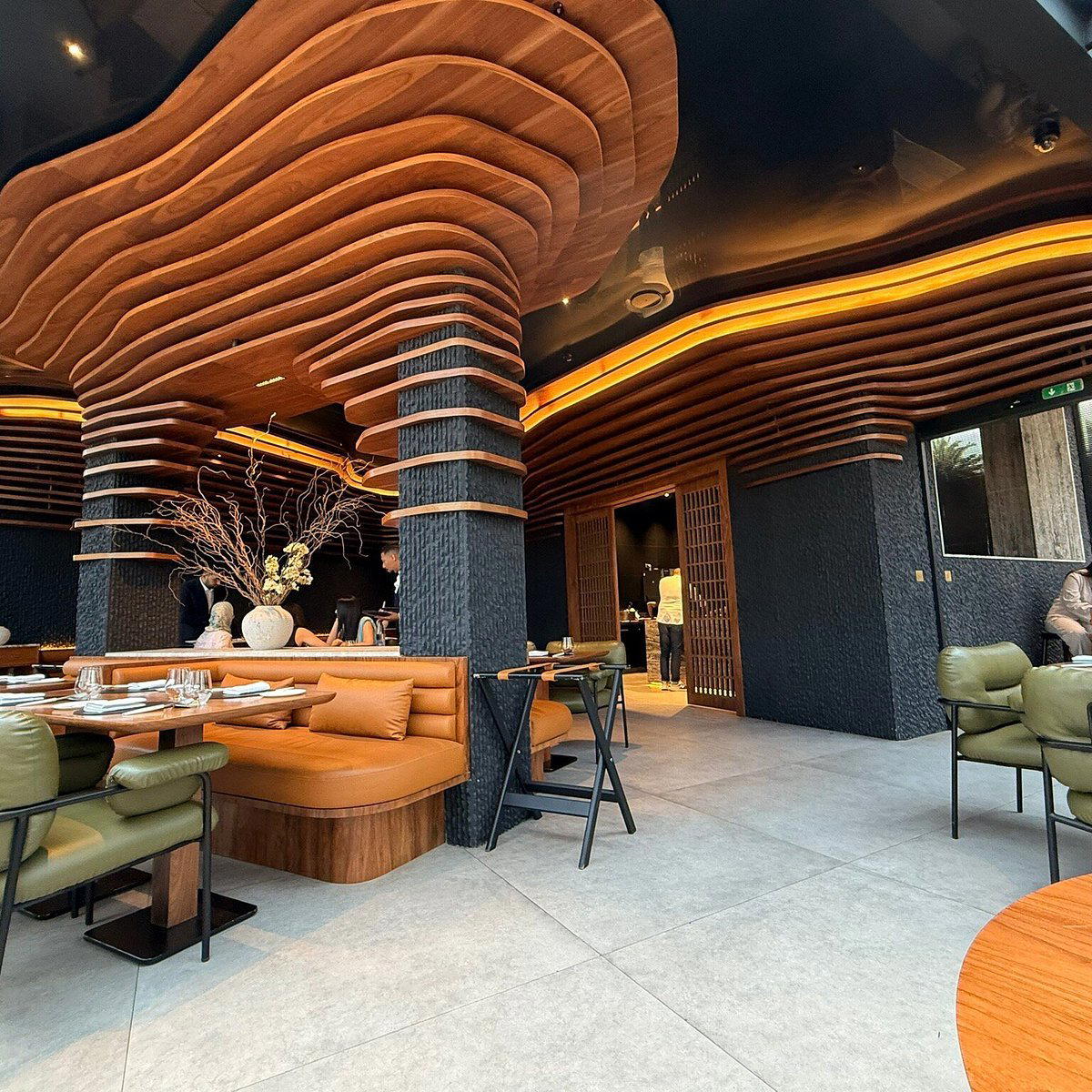
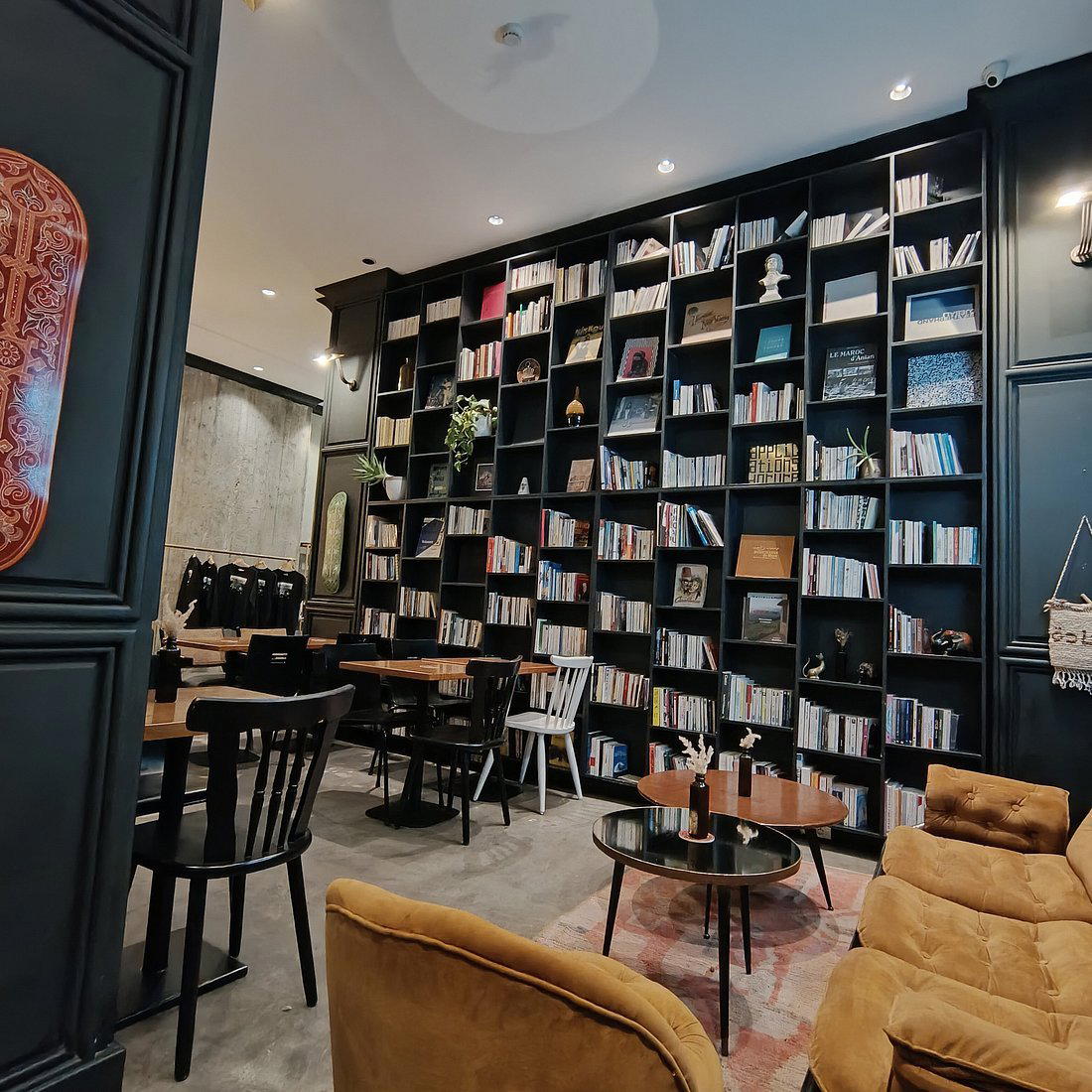
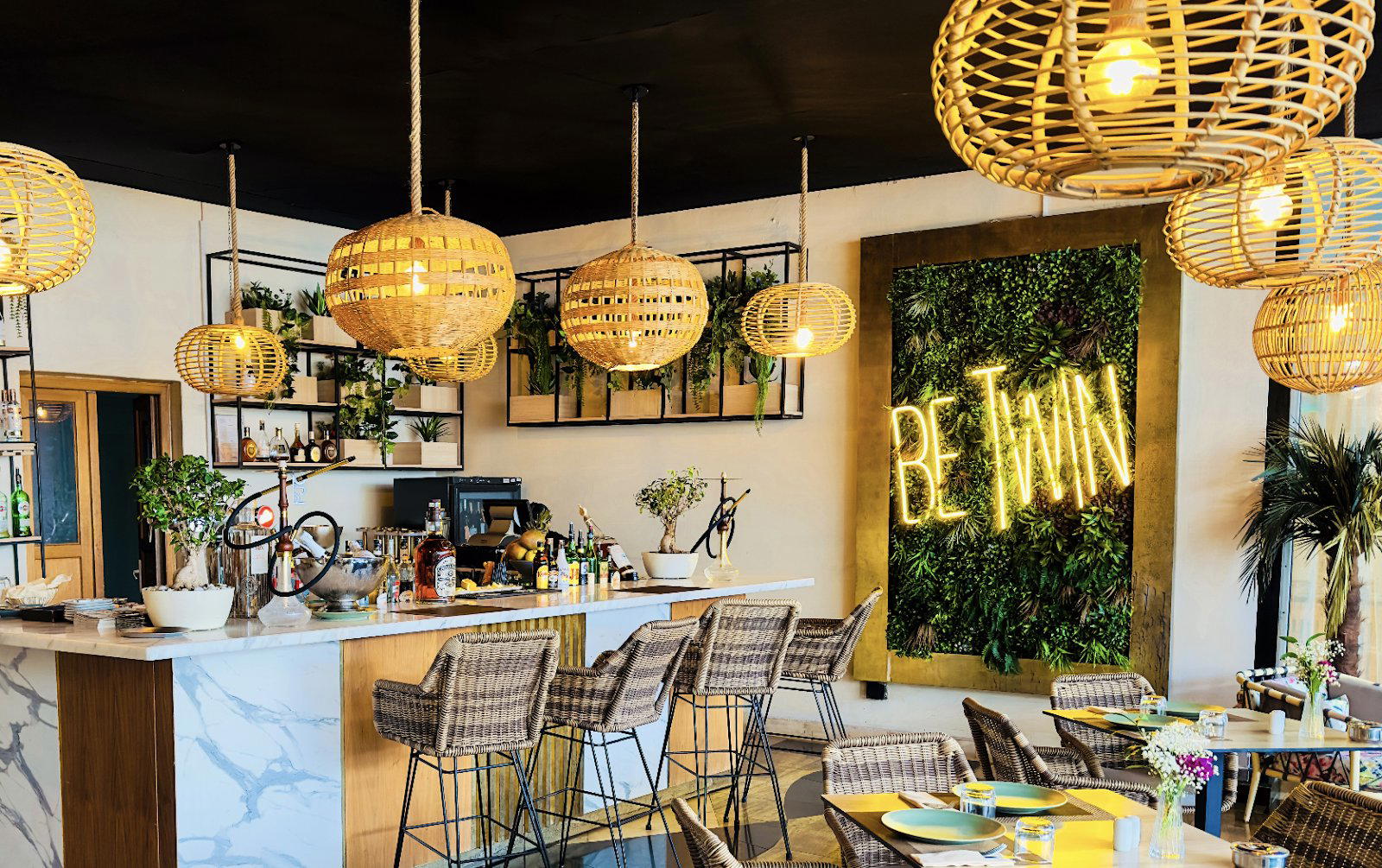
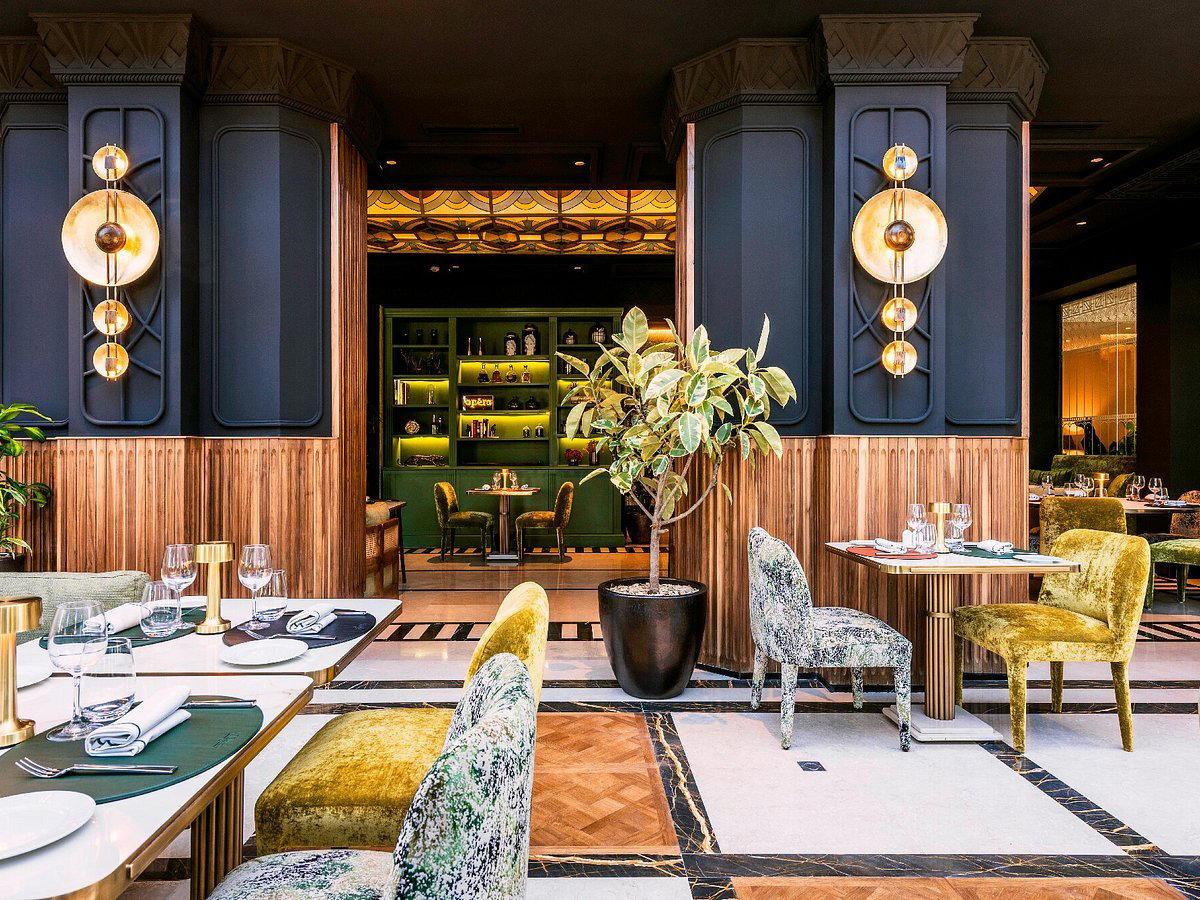
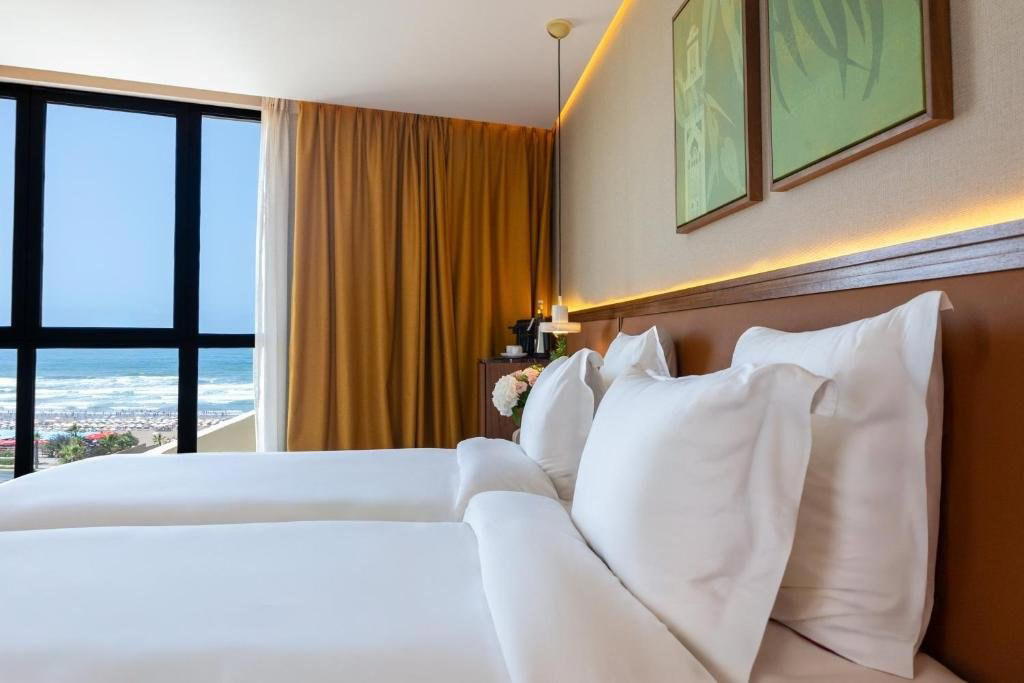
Details
- Trendy
- Lively
- Elegant
- Sophisticated
- Scenic
- Date Night
- After Work
- Late Night
- Group Outing
- Celebration
- Casual Hangout
- Rooftop
- Terrace
- Panoramic View
- Design Destination
- Standalone
- Outdoor Terrace
- Lounge Seating
- Seated Bar
- Classic Cocktails
- Craft Cocktails
- Conventional Wine
- Waterfront
- Skyline
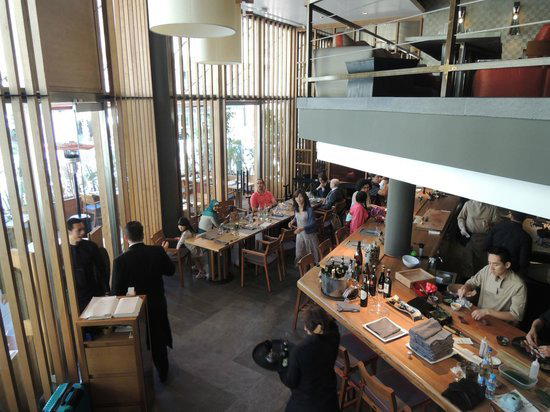
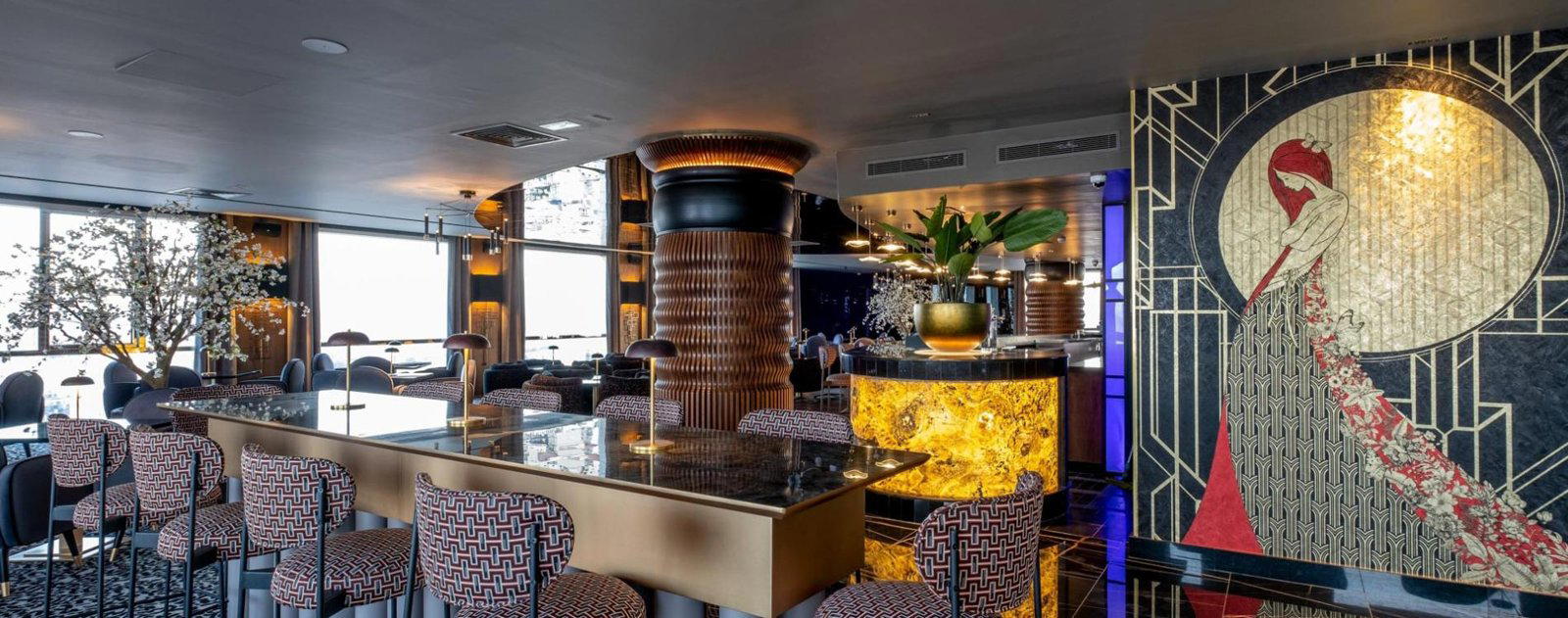
By day it feels like a sun‑drenched, laid‑back rooftop hideaway for lunches and golden‑hour cocktails; by night it shifts into a lively, social scene with a chic, contemporary design that channels Milan, Capri, and Rome aperitivo culture.