Ayşa occupies a corner of the historic Abacıoğlu Hanı on Anafartalar Caddesi, one of Konak's oldest commercial arteries. The address alone signals a specific kind of Izmir eating: anchored in the city's Aegean market traditions rather than reaching toward Istanbul's fine-dining register. For the broader Konak dining picture, see our full guide to eating and drinking in the district.
Pearl is the En Primeur Club membership app — saves, bookings, and concierge access live there. Same editors, same standards.
- Address
- Güneş, Anafartalar Cd. Abacioglu Hanı No
- Phone
- +902324841525
- Directions
- Get directions
 Saves & bookings on Pearl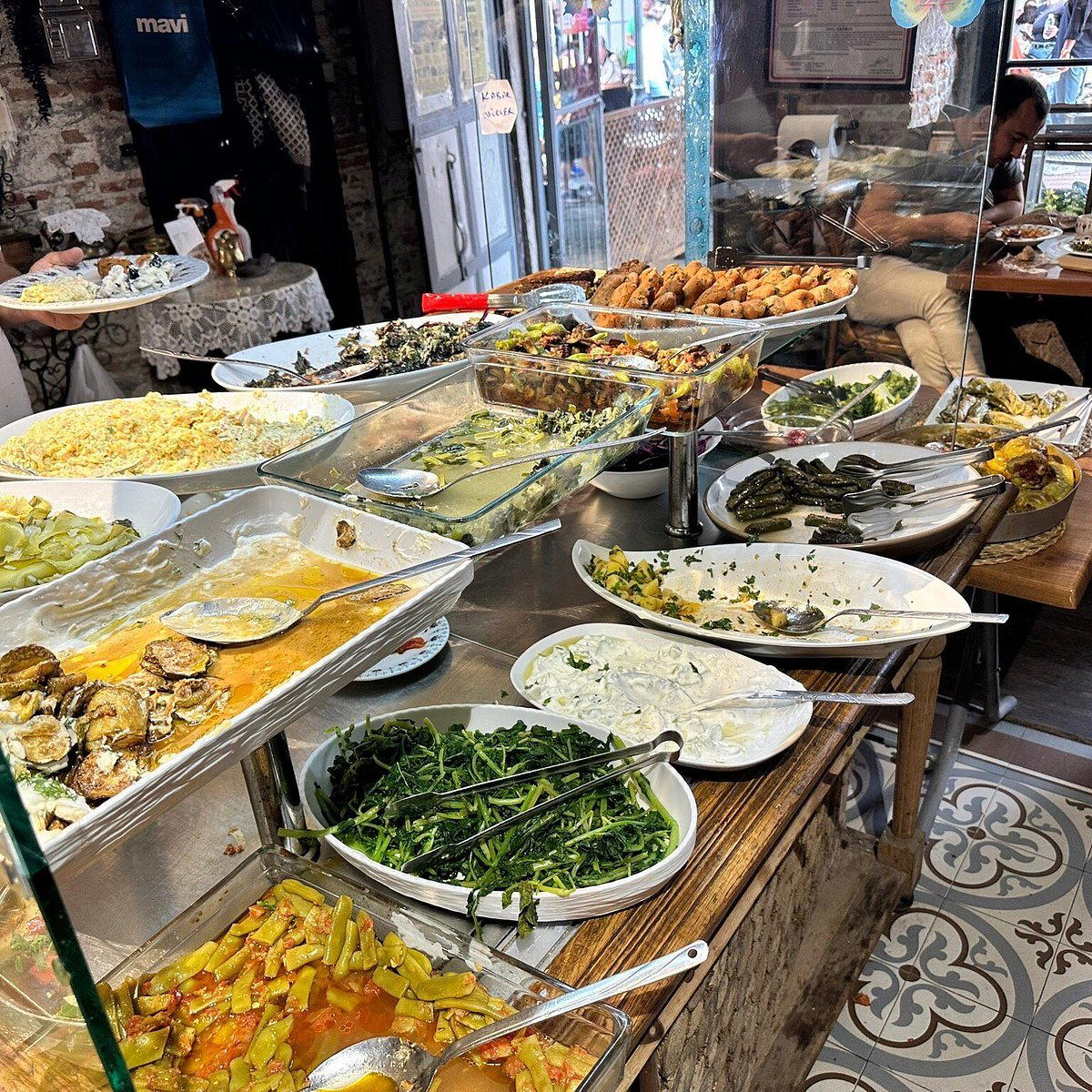
Where the Bazaar Quarter Still Feeds Its Own
Anafartalar Caddesi runs through the oldest commercial spine of Konak, connecting the covered bazaar district to the waterfront in a corridor that has housed traders, craftspeople, and eating places for well over a century. The Abacıoğlu Hanı, where Ayşa operates, is one of several hans along this stretch that have been repurposed without being sanitised, the kind of address where the building's provenance does more atmospheric work than any interior design intervention could. Arriving here, you are walking into a neighbourhood that still functions as a working district rather than a heritage tourism zone, and that distinction shapes what the restaurants inside it serve and who they serve it to.
Konak's dining character differs from Alsancak's cafe-bar strip or Karşıyaka's leisure waterfront. This is a district where eating is woven into the rhythms of commerce: market workers, shop owners, and locals on practical errands rather than destination diners. Venues in this district tend toward honest, portion-forward cooking rather than the edited tasting formats you find at the higher end of Turkey's modern restaurant tier, places like Turk Fatih Tutak in Istanbul or the coastal ambition of Maçakızı in Bodrum. Ayşa belongs to an older, less theorised tradition of Aegean cooking, one where the sourcing of ingredients is a matter of daily habit rather than a marketing statement.
The Aegean Sourcing Logic
The Aegean region around Izmir has among the more productive and diverse agricultural footprints in Turkey. The Gediz and Büyük Menderes river valleys supply vegetables and pulses that appear in İzmir's everyday cooking in quantities and varieties rarely seen further east. The Aegean coastline delivers fish from the relatively clean inshore waters of the gulf, and the hill towns behind the city have sustained olive oil production, much of it unbranded and sold through local markets, for millennia. Restaurants operating in Konak's bazaar district have historically had direct access to this supply chain through the city's wholesale markets, which means the gap between field and plate is short in a way that is structural rather than aspirational.
This stands in contrast to the sourcing narratives that have become standard at Turkey's prestige addresses. At Narımor in Izmir, for instance, the editorial framing of provenance is deliberate and visible. In Konak's older eating houses, the same sourcing logic applies without the framing: seasonal produce arrives because that is what the market has, not because a chef has curated a supplier relationship. Ayşa's position on Anafartalar Caddesi places it inside this supply web.
The broader pattern repeats across Turkey's Aegean towns. At Mezegi in Fethiye and Agora Pansiyon in Milas, a similar grounding in local produce defines the offering without requiring the vocabulary of farm-to-table. The Aegean has always eaten this way; the contemporary language is new, the practice is not.
Konak in Context: Where This Address Sits
Within Konak's eating options, the bazaar district restaurants occupy a specific tier: affordable, ingredient-driven, and largely unknown to visitors who confine themselves to Kordon or Alsancak. The district rewards walking: Tavacı Recep Usta Alsancak operates nearby in the broader Konak zone, representing the grilled-meat tradition that has its own loyal constituency in this part of the city. SushiCo represents the newer, international-format layer that has arrived in Konak alongside the district's commercial modernisation.
Ayşa's position in the Abacıoğlu Hanı places it closer to the historical-continuity end of that spectrum. The han format, common throughout Izmir's old commercial quarter, was built for trade rather than leisure, and the restaurants that occupy these spaces tend to reflect that utility: direct service, predictable hours tied to the working day, and menus that shift with what the city's markets are offering rather than with a seasonal tasting calendar. For visitors approaching from the direction of Cappadocia's more theatrical dining experiences, the kind of setting offered by Nahita Cappadocia in Nevsehir or Happena in Nevşehir, this is a deliberate change of register.
The contrast is also useful when thinking about how Turkish regional cooking is represented at different price points and formats. The ₺₺₺₺ tier at venues like Divia by Maksut Aşkar in Marmaris or the Anatolian register of Kardeşler Restoran in Aksaray shows how widely the category stretches. Konak's bazaar-district addresses sit at a different point in that range, one where price reflects daily-trade economics rather than a deliberate positioning decision.
Planning a Visit
Anafartalar Caddesi is walkable from the main Konak square and the Kemeraltı bazaar entrance, making Ayşa accessible as part of a longer pass through the historic district rather than as a standalone destination. The han address, Güneş, Anafartalar Cd. Abacıoğlu Hanı No, is leading approached on foot; the bazaar district's narrow streets and delivery traffic make driving into the core impractical during working hours. Lunchtime is the natural window for eating in this part of Konak, in line with how the district's working population uses it.
No booking data, phone number, or website is currently recorded for Ayşa, which is characteristic of smaller bazaar-district operations that rely on walk-in trade. Turning up during the midday service window is the practical approach. For a fuller picture of the district's options before you go,
Elsewhere in the Aegean and further afield, the parallel between neighbourhood utility restaurants and destination addresses is worth holding in mind. Poyraz Sahil Balık Restaurant in Beykoz occupies a similar position on Istanbul's Bosphorus edge: local in orientation, fish-forward by geography, and operating well outside the fine-dining conversation without being lesser for it. At the furthest end of the global register, addresses like Le Bernardin in New York City or Lazy Bear in San Francisco represent what happens when sourcing discipline is formalised into a fine-dining proposition. Ayşa's version of that discipline, if it exists, is informal and unremarked upon, which is precisely the point of eating in this part of Konak. The same logic applies across the Aegean, where each address operates at its own scale and with its own logic.
Quick Comparison
Comparable venues nearby, for context on price, style, and recognition.
| Venue | Cuisine | Price | Notes |
|---|---|---|---|
| AyşaThis venue — the venue you are viewing | Traditional Turkish Bosnian Börek | $ | Not listed |
| SushiCo | Japanese Sushi with Pan-Asian Fusion | $$ | Alsancak |
| Tavacı Recep Usta Alsancak | Traditional Turkish Grill | $$ | Alsancak |
| Kocak Baklava | Authentic Gaziantep Baklava | $$ | Şehitkamil |
| Baklavaci Zeki Inal | Traditional Turkish Baklava | $$ | Şahinbey |
| Durumcu Recep Usta | Turkish Dürüm Wraps | $ | Şahinbey |
Continue exploring
More in Konak
Restaurants in Konak
Browse all →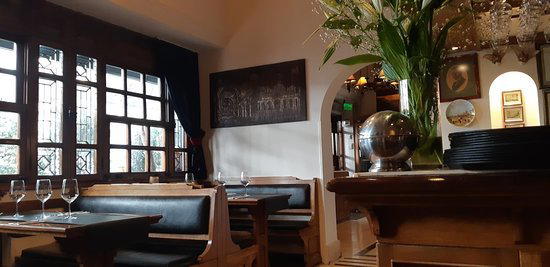
Hotels in Konak
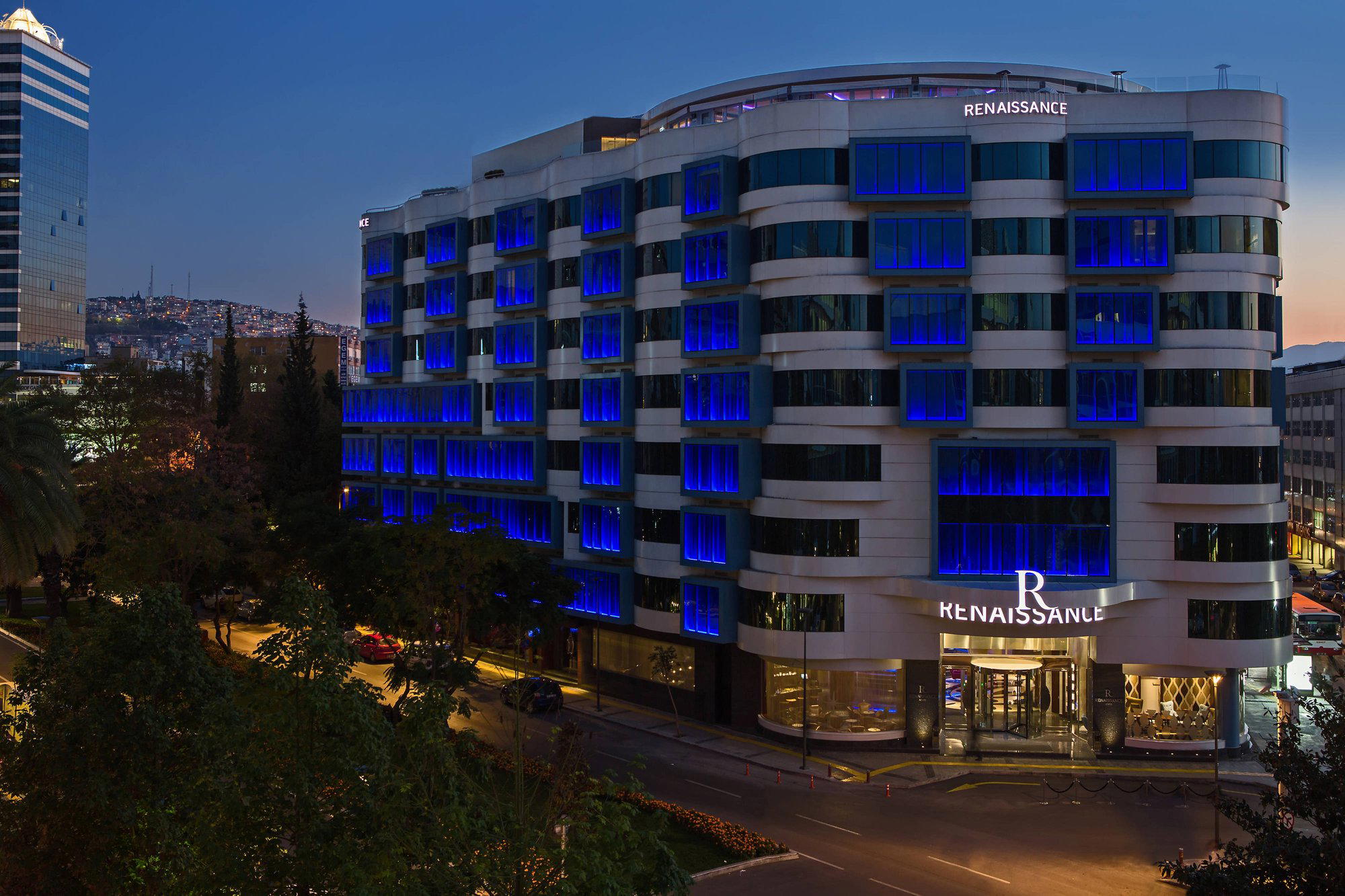
Browse all →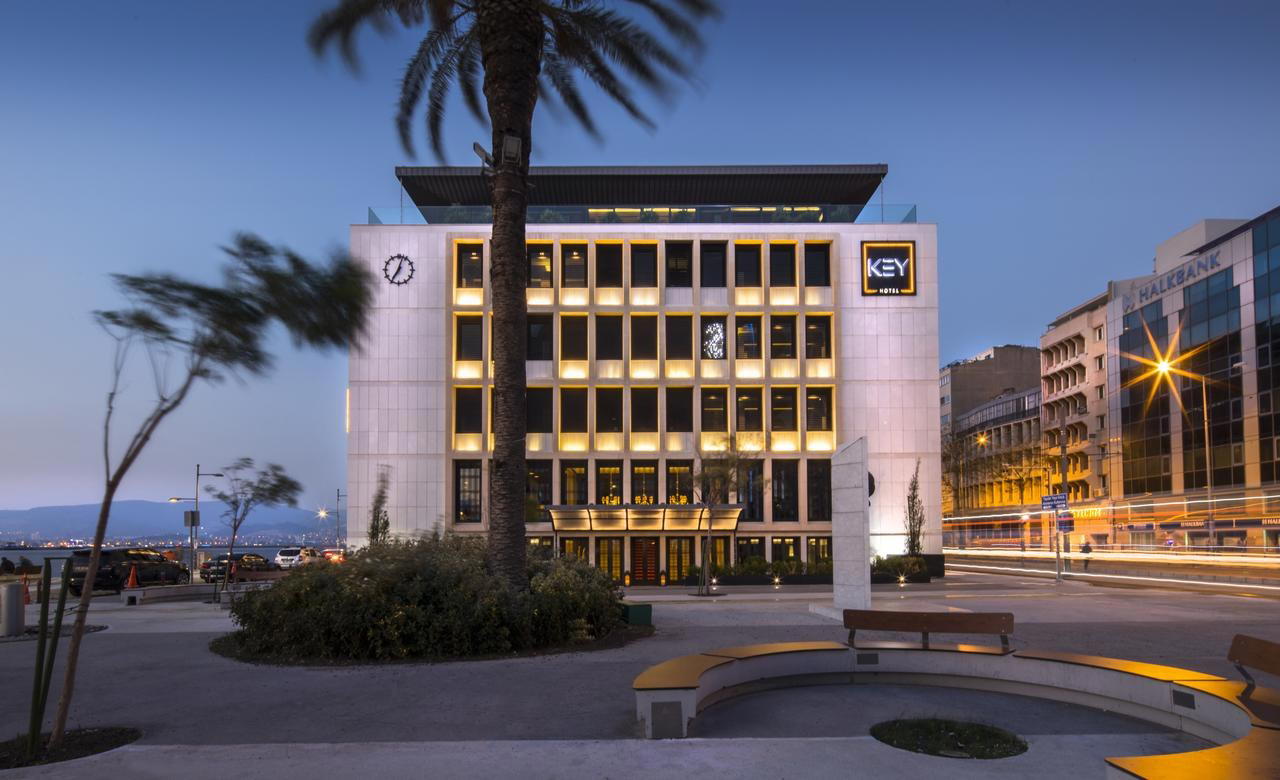
Wineries in Konak
Browse all →
At a Glance
- Rustic
- Cozy
- Classic
- Casual Hangout
- Family
- Historic Building
Warm, rustic atmosphere with stone walls that complements the traditional home-style cooking.