Avedano's Meats
Avedano's Meats occupies a corner of Bernal Heights that has little patience for pretension. At 235 Cortland Avenue, this neighborhood butcher operates at the intersection of craft sourcing and community trade, a format that San Francisco's hyper-local food culture has sustained and sharpened for decades. For visitors tracking the city's serious produce-and-protein circuit, it anchors the south-of-the-center itinerary.
Pearl is the En Primeur Club membership app — saves, bookings, and concierge access live there. Same editors, same standards.
- Address
- 235 Cortland Ave, San Francisco, CA 94110
- Phone
- +1 415 285 6328
- Website
- avedanos.com
- Directions
- Get directions
 Saves & bookings on Pearl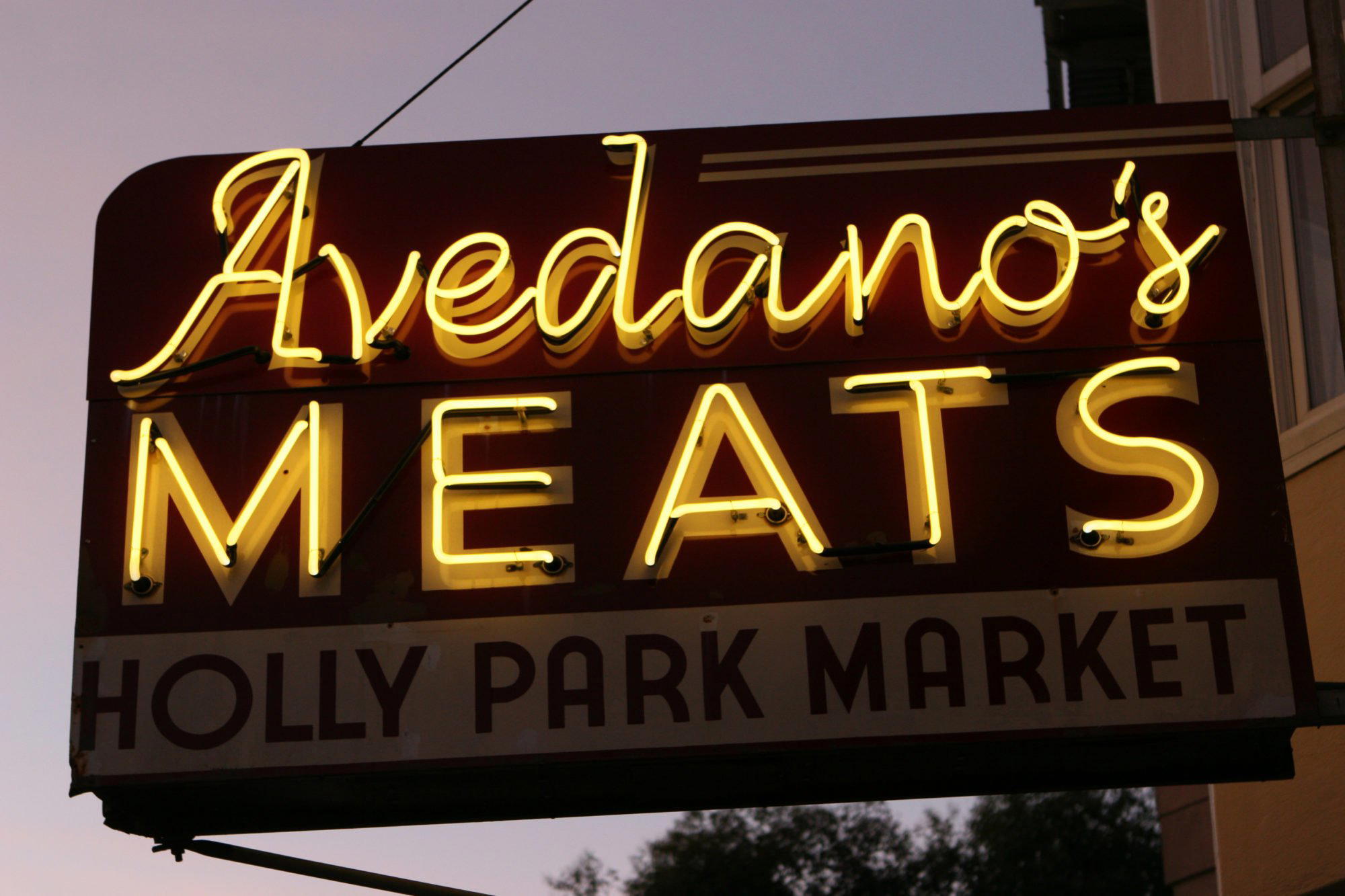
Cortland Avenue and the Anatomy of a Neighborhood Butcher
Bernal Heights sits at a remove from the Michelin-dense corridors of SoMa and the Financial District, and that distance is part of its character. The neighborhood runs on foot traffic and repeat custom rather than reservation platforms and tasting-menu tourism. Cortland Avenue, its commercial spine, holds the kind of small-format retail that most American cities have largely lost: independent hardware, corner bakeries, and butcher shops where the person behind the counter knows your order before you reach the front of the line. Avedano's Meats, at 235 Cortland, sits inside that tradition.
The physical environment signals its priorities immediately. There is no softening of the premise here, no gastropub annexe, no curated retail shelf of specialty oils. The address presents as a working butcher counter, which in San Francisco's current food moment carries more cultural weight than it might appear to. The city's fine-dining circuit, represented by operations like Saison, Lazy Bear, and Atelier Crenn, has spent years foregrounding provenance and direct sourcing as a philosophical position. The neighborhood butcher is where that philosophy resolves into something transactional and practical, where the sourcing conversation happens across a glass case rather than through a tasting-menu narrative.
The Butcher Counter as Curation Instrument
Across American food cities, the independent butcher has undergone a significant repositioning over the past two decades. What was once purely functional, a place to buy protein in the format you needed, has become a site of active curation. In New York, in Chicago, in Los Angeles, a cohort of butchers emerged from the nose-to-tail movement of the mid-2000s with direct farm relationships, dry-aging programs, and a customer base that cross-referenced their purchases with the sourcing language of restaurants like Blue Hill at Stone Barns. San Francisco developed its own version of this, inflected by proximity to some of the country's most serious agricultural production in the Central Valley, Sonoma, and Marin.
But the curatorial logic is structurally parallel. At operations like Frasca Food and Wine in Boulder, the wine list is a function of the buyer's regional conviction and producer relationships. At a serious independent butcher, the counter display is that same kind of document: a reflection of which farms the operation trusts, which breeds it considers worth the premium, and which cuts it believes the customer should be eating rather than defaulting to the commodity center. The curation is protein-forward, but the intellectual exercise is not dissimilar.
Bernal Heights in the San Francisco Food Map
San Francisco's dining geography is not uniform. The neighborhoods that attract Michelin attention, the blocks around Benu and Quince, operate in a different register than the residential corridors of Bernal Heights or the Outer Sunset. This is not a deficit. The residential neighborhoods sustain a different kind of food institution: one that measures success in years of community trust rather than annual award cycles. Cortland Avenue has maintained this character through several waves of San Francisco's rapid demographic and economic shifts, which in a city with this level of turnover represents a form of institutional resilience.
Bernal Heights offers a corrective to the assumption that San Francisco's food identity is entirely legible through its tasting-menu circuit. The neighborhood butcher, the weekend farmers' market, and the corner coffee operation with serious sourcing are part of the infrastructure beneath the city's celebrated restaurant scene. Chefs at the level of Single Thread in Healdsburg and operations further afield like The French Laundry in Napa have built their sourcing programs in dialogue with exactly this kind of producer-facing retail infrastructure.
What Craft Meat Retail Tells You About a Food City
The health of a city's independent butcher sector is a reasonable proxy for the health of its broader food culture. Cities with serious restaurant scenes, San Francisco, New York, New Orleans (where Emeril's helped establish a producer-forward culture), Washington D.C. (home to The Inn at Little Washington), tend to sustain independent butchers at a neighborhood level because the customer base has been educated by restaurants to think about protein sourcing with some specificity. San Diego's Addison and operations in other West Coast cities operate in the same sourcing ecosystem. San Francisco, with its agricultural hinterland and its high concentration of food-literate residents, has maintained a particularly active independent retail sector.
Avedano's, operating on Cortland Avenue, is part of that sector. Its value to the food-aware visitor is that the supply chain between California farm and San Francisco plate is visible and compressed. The counter format, the Bernal Heights address, and the absence of reservation infrastructure are not deficiencies relative to the tasting-menu operations often covered in city guides. They are features of a different register of food institution, one that operates on daily custom and neighborhood accountability rather than on the quarterly rhythms of the award circuit.
Operations at the high end of the American dining spectrum all depend on a functioning lower layer of food production and retail. The Cortland Avenue butcher is part of that lower layer in San Francisco, and understanding it as such is more useful than treating it as a curiosity.
Planning Your Visit
Avedano's Meats sits at 235 Cortland Avenue in Bernal Heights. Visits are walk-in friendly, with Friday through Sunday mornings offering the broadest selection.
A Quick Peer Check
Comparable venues nearby, for context on price, style, and recognition.
| Venue | Cuisine | Price | Notes |
|---|---|---|---|
| Avedano's MeatsThis venue — the venue you are viewing | Artisanal Butcher & Prepared Foods | $$ | Not listed |
| Joe's Cable Car Restaurant | Classic American Burgers | $$ | Outer Mission |
| Firefly | Seasonal American Comfort Cuisine | $$ | Noe Valley |
| Ballast Point Brewing | American Brew Pub | $$ | Mission Bay |
| Roam Artisan Burgers | Artisan Burgers | $$ | Marina |
| Super Mensch | Modern Jewish Deli | $$ | Marina |
Continue exploring
More in San Francisco
Restaurants in San Francisco
Browse all →
Bars in San Francisco
Browse all →
Hotels in San Francisco
Browse all →
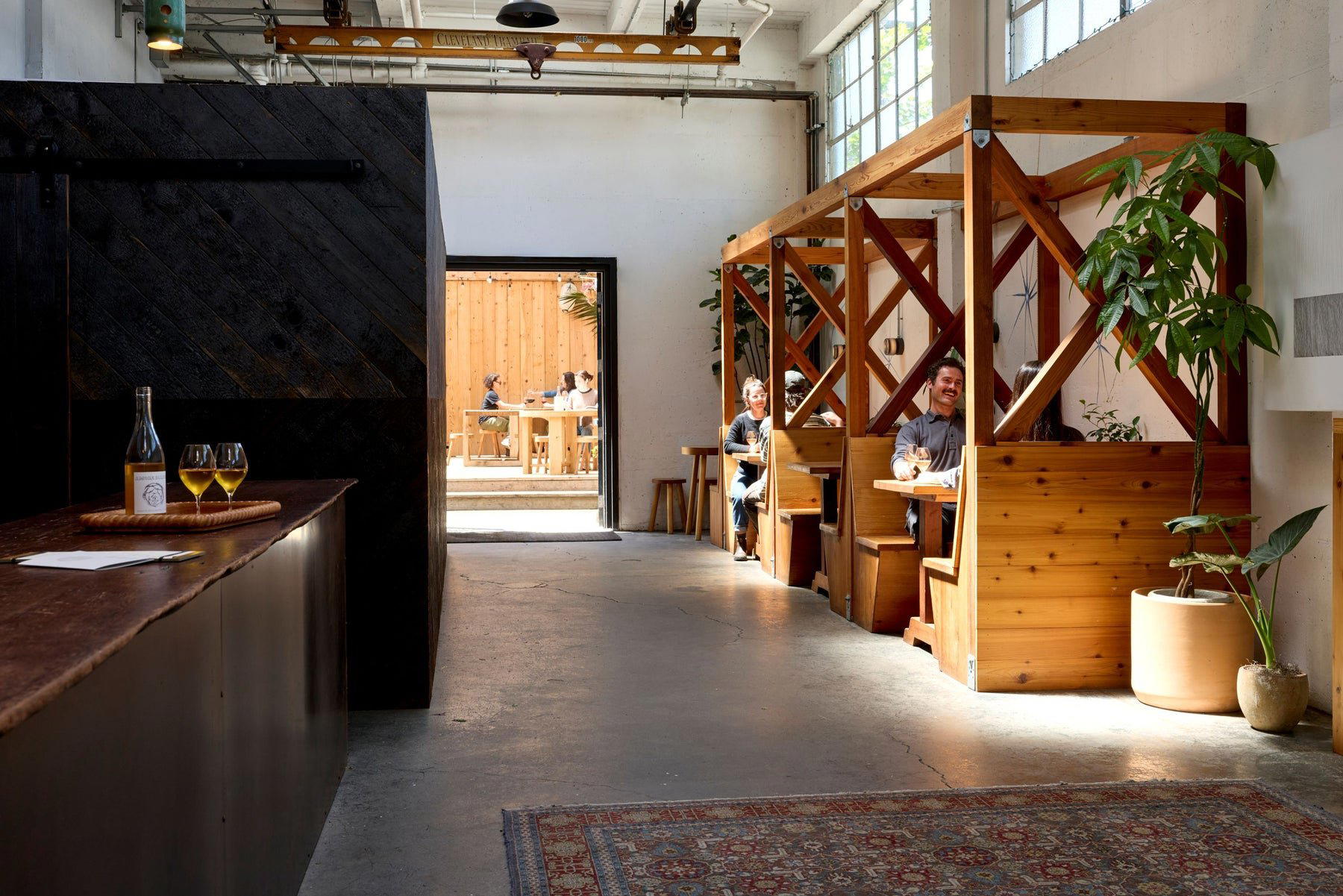
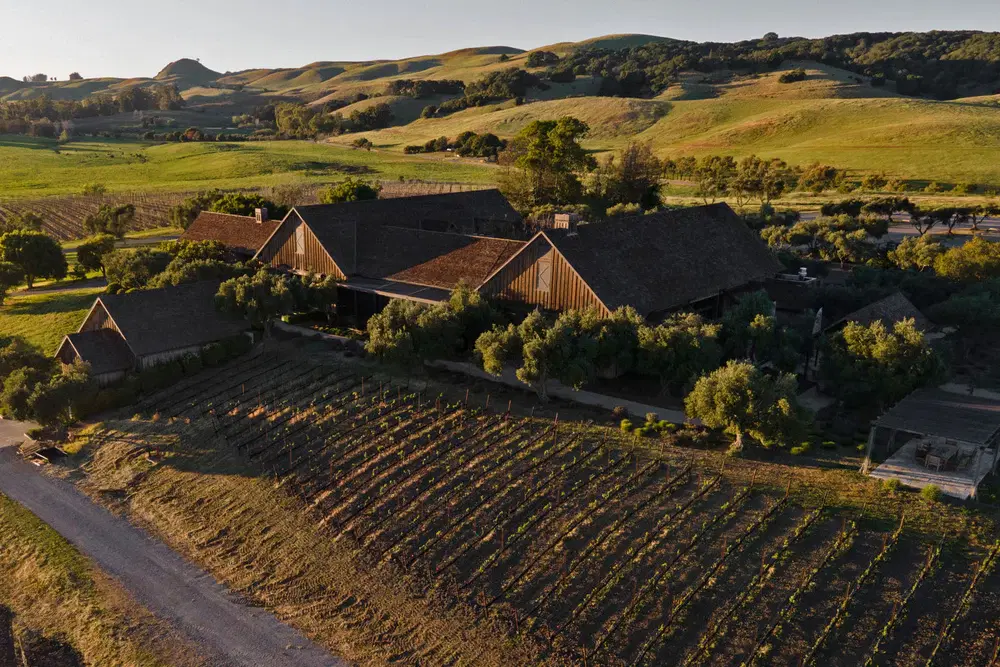

At a Glance
- Rustic
- Classic
- Casual Hangout
- Group Dining
- Open Kitchen
- Standalone
- Farm To Table
- Local Sourcing
- Organic
Current opening hours
- Monday
- 12–6 PM
- Tuesday
- 12–6 PM
- Wednesday
- 12–6 PM
- Thursday
- 12–6 PM
- Friday
- 9 AM–6 PM
- Saturday
- 9 AM–6 PM
- Sunday
- 9 AM–6 PM
Hours can change for holidays and private events. Last verified .
Charming old-fashioned butcher shop with a working kitchen atmosphere; customers often wait at opening and throughout the day for fresh sandwiches and prepared items.