Harry's Café
Our verdict
Harry's Café occupies Yew Tree Barn at Low Newton, a short drive from Cartmel in the southern Lake District — a corner of England where farm-to-table sourcing is less a trend than a geographic inevitability.

Pearl is the En Primeur Club membership app — saves, bookings, and concierge access live there. Same editors, same standards.
- Address
- Yew Tree Barn Low Newton Nr Cartmel, Grange-over-Sands LA11 6JP, United Kingdom
- Phone
- +441539531498
- Hours
- Mon ClosedTue–Sun 9:30 AM–4:30 PM
- Website
- yewtreebarn.co.uk
- Directions
- Get directions
- Booking
- Book on the venue's website
The menu
What to order
- Smoked Haddock Chowder
- Sunday Roast Sirloin of Beef
- Korean Fried Buttermilk Chicken
- Venison Chilli Nachos
- Seafood Pie
Where the Southern Lakes Meets the Barn
The southern Lake District has a particular way of narrowing the distance between producer and plate. Villages like Cartmel and Low Newton sit inside a radius of sheep farms, artisan smokehouses, estuary-caught fish, and kitchen gardens that supply some of the most awarded restaurants in the United Kingdom. Harry's Café, housed in Yew Tree Barn at Low Newton near Cartmel, operates within that same network of supply — and the setting makes the point before a single dish arrives. The barn conversion format, common across rural Cumbria, signals something deliberate: a preference for rootedness over urban polish, for the architecture of working land over the designed neutrality of a city dining room.
This is not incidental context. The area around Grange-over-Sands and Cartmel has become one of the more discussed clusters for ingredient-led British cooking, anchored by L'Enclume in Cartmel, which sources from its own farm, and Aulis Cartmel, the chef's table research kitchen attached to it. That gravity pulls the whole neighbourhood upward. Cafés and mid-range dining rooms in the area inherit a culture of sourcing expectations — customers who have eaten at the higher end arrive with calibrated palates and an interest in provenance that operators are expected to meet.
Ingredient Sourcing and What the Setting Implies
Cumbria's food supply infrastructure is unusually dense for a rural English county. Herdwick lamb from the central fells, Morecambe Bay shrimp potted by fishermen working the tidal sands just west of Grange-over-Sands, smoked fish from artisan producers in the Cartmel Valley, and soft fruit from Lake District kitchen gardens all reach the kitchens of this area through short, often direct supply chains. For a café operating out of a barn at Low Newton, proximity to those sources is a structural advantage.
The barn format itself tends to reinforce this kind of sourcing culture. Across rural Britain, converted agricultural buildings have become a preferred format for farm-adjacent hospitality, partly for practical reasons of space and planning, and partly because the visual language of exposed timber and stone communicates authenticity more efficiently than any amount of interior design effort. Diners who seek out venues like Harry's Café in Low Newton are generally not arriving for spectacle. They are arriving for the kind of cooking that makes sense in its geography, food that would feel slightly out of place anywhere else.
Compare this to the urban British dining tier, where sourcing credentials must be argued for and documented on menus. At CORE by Clare Smyth in London, provenance is explicitly narrated, course by course, because the city distance from source demands it. At a barn café in the Cartmel Valley, the sourcing argument is implicit in the postcode.
The Broader Cumbrian Dining Cluster
The concentration of serious cooking in this corner of the Lake District is not accidental. The region has attracted investment in food tourism over the past two decades, and the result is a layered dining ecosystem that runs from Michelin three-star level down through gastropubs, farm shops, and café-format venues. Moor Hall in Aughton extends this cluster southward into Lancashire; the cumulative effect is a stretch of northern England where the density of quality cooking per square mile rivals much larger metropolitan areas.
Rural café operations within this cluster occupy a specific role. They absorb the overflow of visitors who come to the area for its dining reputation but want something lower-register, a long lunch rather than a tasting menu, something that suits children or a post-walk appetite rather than a three-hour sit-down. Harry's Café at Yew Tree Barn addresses that demand from a location that places it squarely within the Cartmel orbit without competing directly with its Michelin-starred neighbours.
The comparison set for a venue of this type extends beyond the immediate postcode. Barn-conversion café dining in rural Britain has parallels in the Cotswolds, in the Welsh Marches, and across the Scottish countryside, but the Cumbrian version carries particular weight because of the regional sourcing culture around it. Venues further afield, like Ynyshir Hall in Machynlleth or Restaurant Andrew Fairlie in Auchterarder, operate in similarly remote settings with serious sourcing commitments, but serve a more formal register. The café format at Low Newton sits below that tier while drawing on the same regional logic.
Getting There and Planning a Visit
Low Newton sits between Grange-over-Sands and Cartmel, accessible by car along the minor roads that thread through the Cartmel Valley. The nearest train station is at Grange-over-Sands, on the Furness Line connecting Barrow-in-Furness to Lancaster. From there, the drive to Yew Tree Barn takes around fifteen minutes. The area is more naturally suited to visitors arriving by car, particularly those combining a stop at Harry's Café with a broader sweep of Cartmel and the southern Lakes. For a fuller picture of what the area offers across price points and formats, the EP Club Grange-over-Sands restaurants guide maps the cluster in detail. Visitors planning a more extended dining itinerary in this part of northern England might also consider Restaurant Sat Bains in Nottingham or Midsummer House in Cambridge for contrasting rural-adjacent British cooking in other regions.
Frequently asked questions
Does Harry's Café work for a family meal?
The barn setting at Yew Tree Barn, Low Newton lends itself to relaxed, all-ages dining. The rural Cartmel Valley location, reached by car along minor roads, suits families already exploring the southern Lake District rather than those making a standalone city trip.
Is Harry's Café formal or casual?
The address says it plainly: a converted barn in Low Newton near Cartmel is not a white-tablecloth room. Expect the kind of setting where the architecture does the heavy lifting — exposed timber, agricultural bones — and dress accordingly. No venue data suggests a dress code beyond what the surroundings imply.
Is Harry's Café at Yew Tree Barn a good stop when visiting Cartmel village?
Low Newton sits roughly between Grange-over-Sands and Cartmel along the Cartmel Valley's minor road network, making it a natural pause point on a day that takes in Cartmel Priory or the village's well-documented food scene. The barn address at Yew Tree Barn distinguishes it from the village-centre options in Cartmel itself. Visitors travelling by car will find it straightforward to combine; public transport connections to Low Newton are limited.
What should I order at Harry's Café?
What the Cartmel Valley context does reliably supply is strong raw material: Herdwick lamb, Morecambe Bay shrimp, and Cumbrian dairy all circulate through the kitchens of this corner of the Lake District. Ask staff what is running that day.
What's the address for Harry's Café?
Harry's Café is located at Yew Tree Barn Low Newton Nr Cartmel, Grange-over-Sands LA11 6JP, United Kingdom, Grange Over Sands.
How hard is it to get a table at Harry's Café?
No booking data is publicly documented for Harry's Café. Barn venues in the Cartmel cluster tend to fill quickly at weekends, particularly during the Cartmel Races and summer walking season. Contacting the venue directly in advance is the safer approach rather than arriving without a reservation.
What's the signature at Harry's Café?
The venue's position within the Cumbrian food corridor — between Grange-over-Sands and Cartmel, a stretch that has drawn sustained investment in ingredient-led cooking — points toward produce-driven plates rather than a chef-driven tasting format. Verify current offerings with the venue.
In Context: Similar Options
Comparable venues nearby, for context on price, style, and recognition.
| Venue | Cuisine | Price | Notes |
|---|---|---|---|
| Harry's CaféThis venue — the venue you are viewing | British Café with Local Seasonal Produce | $30–50 | Not listed |
| Aulis Cartmel | Modern British Fine Dining | $150–200 | Cartmel |
| TNQ | Modern British Seasonal | Not listed | Piccadilly |
| The Highland Laddie | Modern British Gastropub | $30–50 | Burley |
| LOWDOWN | Specialty Coffee Cafe | $10–20 | New Town |
| Billy's | Modern British Comfort Food | $20–30 | Hawkshead |
Continue exploring
More in Grange Over Sands
Restaurants in Grange Over Sands
Browse all →
Bars in Grange Over Sands
Browse all →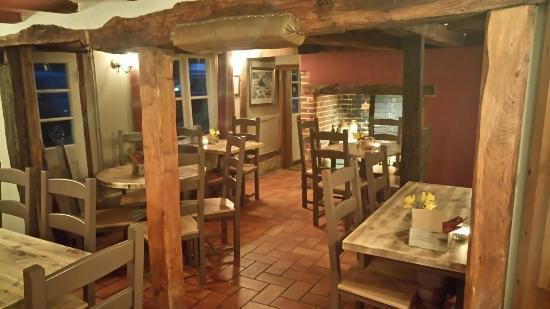
Details
- Cozy
- Rustic
- Whimsical
- Brunch
- Casual Hangout
- Family
- Group Dining
- Special Occasion
- Standalone
- Garden
- Beer Program
- Local Sourcing
- Farm To Table
- A La Carte
- Set Menu
- Coffee
- Tea
- Wine
- Vegetarian Friendly
- Vegan Options
- Gluten Free Options
Current opening hours
- Monday
- Closed
- Tuesday
- 9:30 AM–4:30 PM
- Wednesday
- 9:30 AM–4:30 PM
- Thursday
- 9:30 AM–4:30 PM
- Friday
- 9:30 AM–4:30 PM
- Saturday
- 9:30 AM–4:30 PM
- Sunday
- 9:30 AM–4:30 PM
Hours can change for holidays and private events. Last verified .
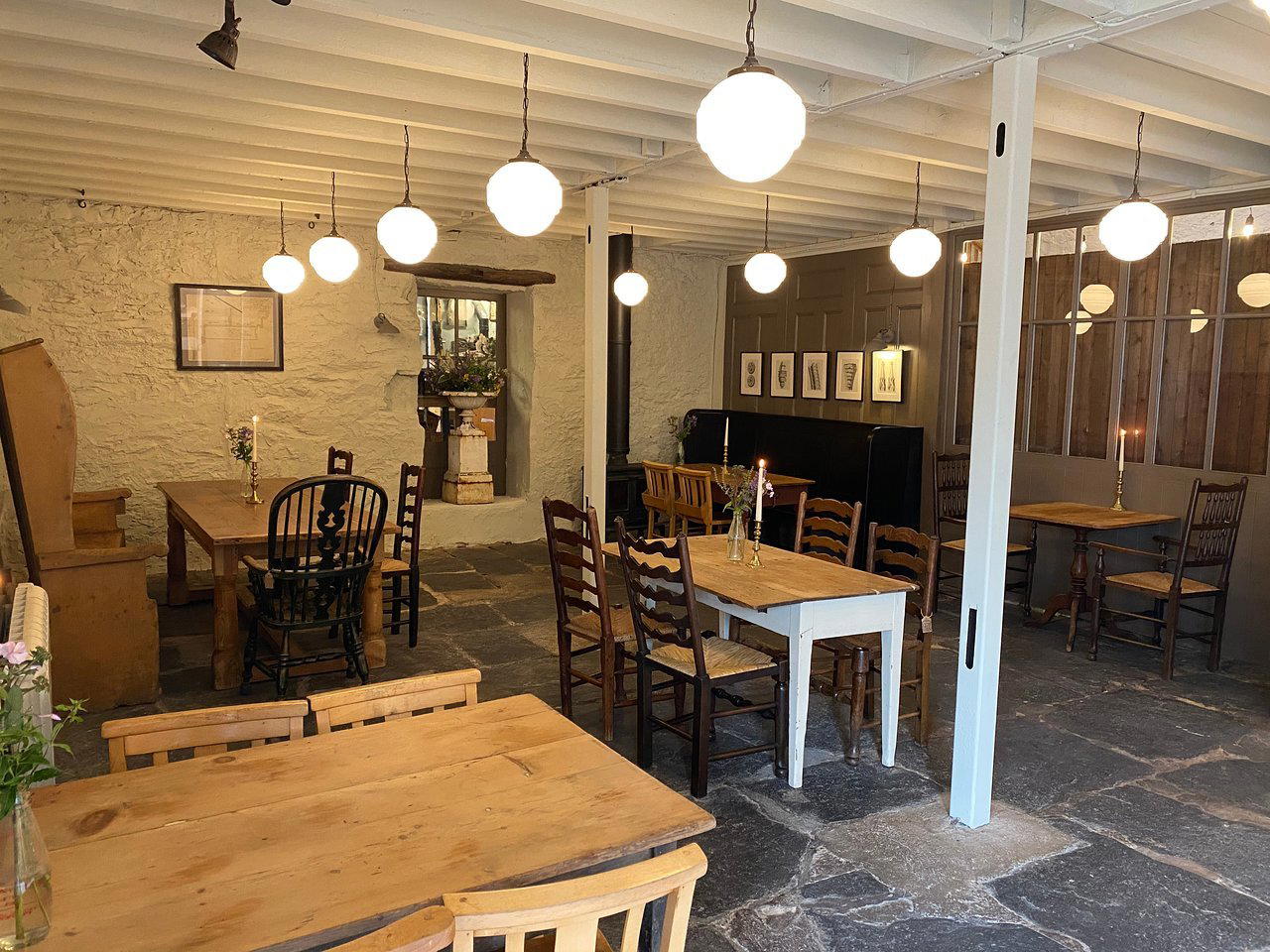
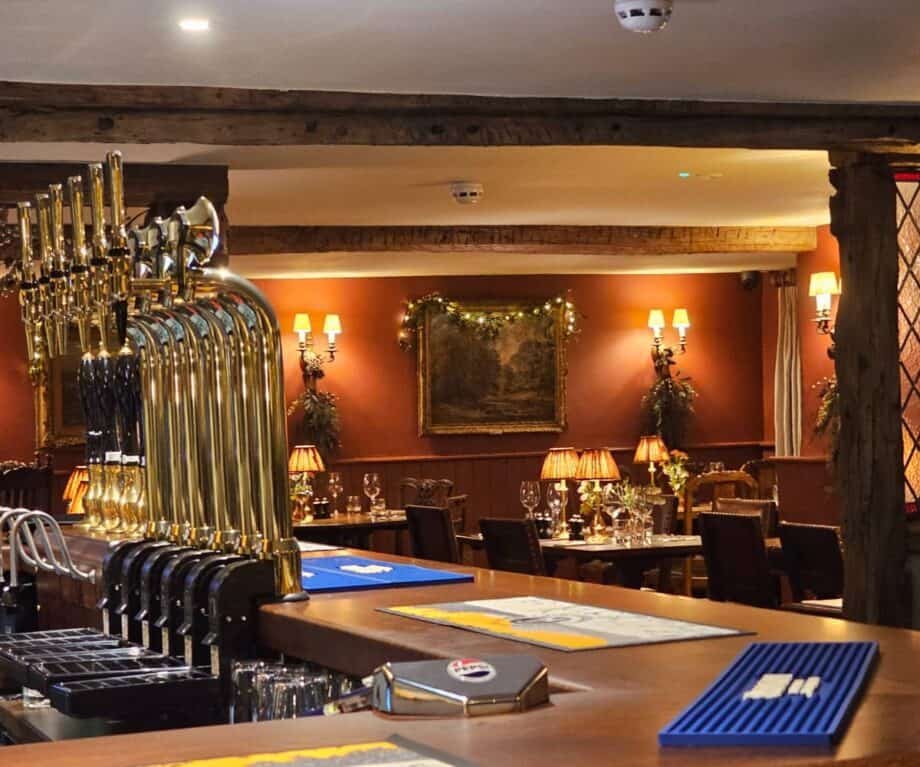
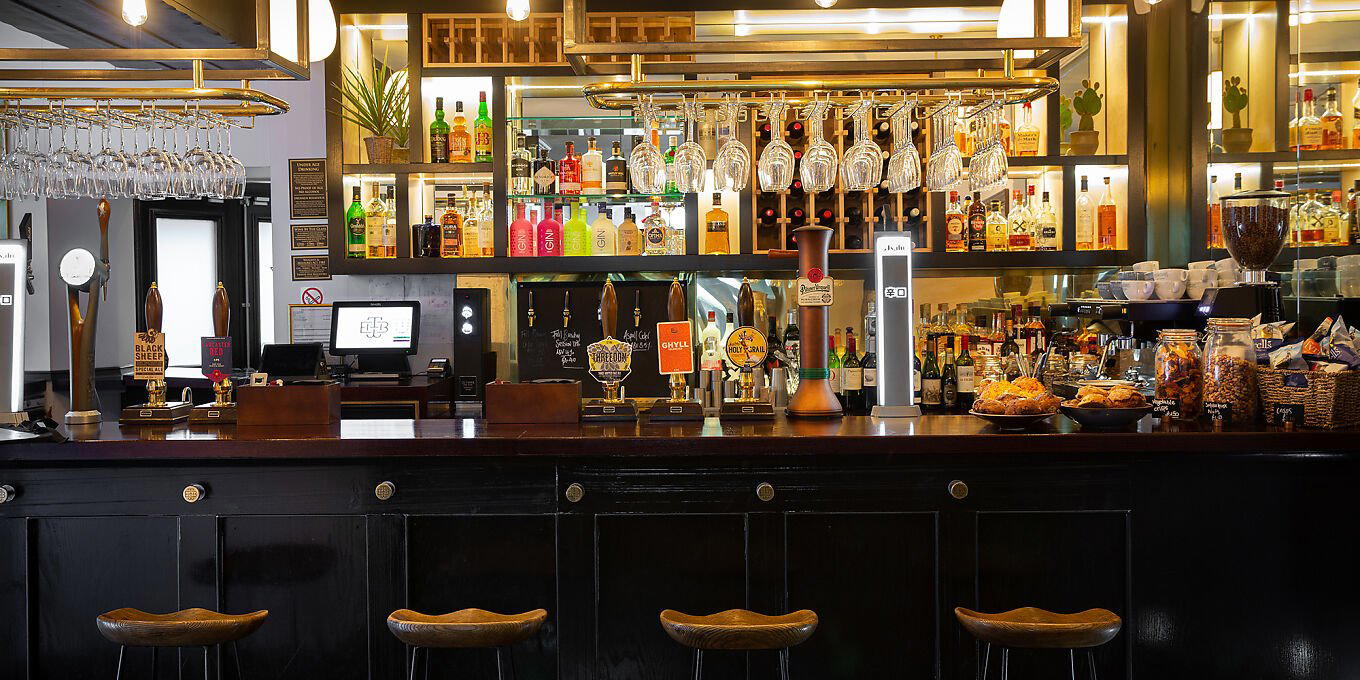
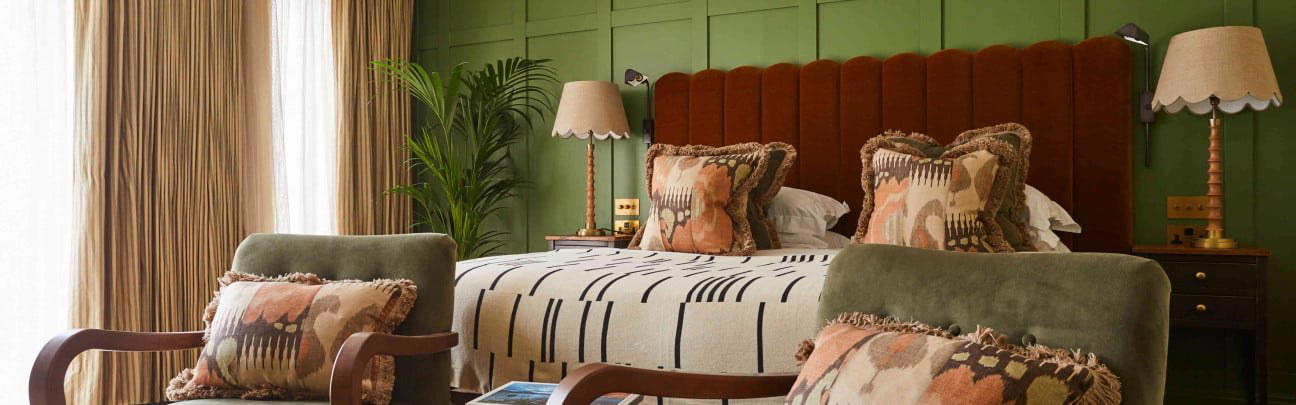
Stylish and quirky interior full of antiques and character, with well-spaced tables creating an intimate yet welcoming atmosphere; warm and comfortable lighting throughout the barn space.