Auberge du Pont d'Acigné


1 Michelin Star · Gault & Millau Remarkable Restaurant
Our verdict
A Michelin-starred auberge on the banks of the River Vilaine, roughly ten kilometres east of Rennes, Auberge du Pont d'Acigné makes a compelling case for Brittany's producer-driven cooking. The kitchen draws on direct relationships with regional farmers, seaweed harvesters, and smallholders to produce modern French cuisine that is rooted in place.

Pearl is the En Primeur Club membership app — saves, bookings, and concierge access live there. Same editors, same standards.
- Address
- 8 Le Pont d'Acigné, 35530 Noyal-sur-Vilaine, France
- Phone
- +33 6 42 79 35 91
- Website
- lepontdacigne.com
- Directions
- Get directions
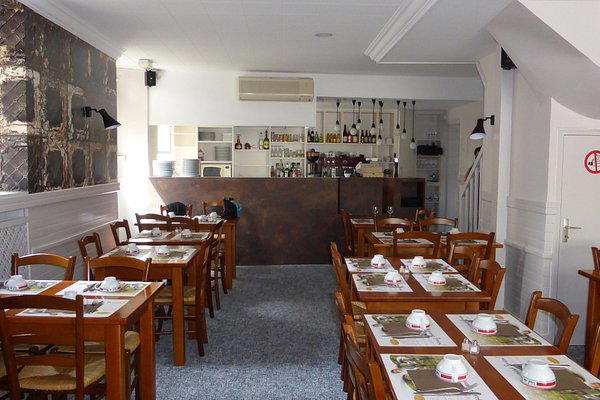
That physical rootedness is not incidental. It shapes the cooking directly. Auberge du Pont d'Acigné operates firmly in that mode. The question is no longer only what a chef can do with an ingredient, but how close the kitchen stands to the source. Auberge du Pont d'Acigné has built its identity around exactly that proximity. The kitchen works with a network of producer-friends, a term that carries more weight than supplier, implying ongoing relationships where the grower shapes the menu rather than simply fulfilling an order.
The specific ingredients that define this approach reflect the terroir of Ille-et-Vilaine and the wider Breton coast: seaweed harvested from the Atlantic fringe, chilli and ginger from growers who understand the kitchen's requirements, poultry raised to a standard that makes the provenance worth naming, and butter, the gravitational centre of Breton cooking, sourced with the same care given to the most complex preparations.
This sourcing model connects Auberge du Pont d'Acigné to a broader movement in French gastronomy that runs from Bras in Laguiole, where Michel Bras built a language around the Aubrac plateau, to Auberge du Vieux Puits in Fontjoncouse, where the kitchen's garden defines the menu's architecture. At Pont d'Acigné the geography is different but the logic is consistent: the region provides the vocabulary and the kitchen finds its range within it.
Instinct and Technique in the Same Kitchen
The descriptor applied to the cooking here, instinctive and up-to-the-minute, is a useful shorthand for a style that sits between classical rigour and spontaneous market response. It is a mode that requires a particular kind of technical foundation, because instinct without skill produces inconsistency rather than creativity. The Alain Passard connection, both owners, Sylvain and Marie-Pierre Guillemot, met while working at Arpège, provides that foundation. The experience shows in a kitchen that knows how to coax rather than force.
The difference between this model and the creative maximalism of, say, Alléno Paris au Pavillon Ledoyen or Mirazur in Menton is one of intent: where those kitchens build outward from technique into invention, this one draws inward toward the produce itself.enprimeurclub.com/restaurants/flocons-de-sel-megve-restaurant">Flocons de Sel in Megève offers an interesting mountain counterpoint, while Auberge de l'Ill in Illhaeusern shows how a long-established auberge format can sustain Michelin recognition across generations. The auberge tradition itself, most formally represented by Paul Bocuse - L'Auberge du Pont de Collonges, gives Pont d'Acigné's format a historical context worth noting: this is a format with deep roots in French hospitality, and its survival at a high level depends on the kind of sustained personal commitment that awards recognition tends to confirm. Michelin's recognition increasingly accounts for the full experience, not just the plate, and Auberge du Pont d'Acigné's light-filled interior and river-facing terrace are part of what makes the visit coherent. A terrace overlooking the Vilaine in good weather is a specific pleasure, one that belongs to this address and this geography in a way that no urban counterpart can replicate. The service, described in Michelin's citation as lovely, aligns with the auberge's register: attentive rather than formal, informed rather than performative.
The wine list is, by Michelin's account, very fine. At a one-star address running the €€€ price tier, a strong list represents considered investment. Loire Valley wines, given their proximity and their natural affinity with fish, shellfish, and lighter preparations, would be a logical anchor, though the list's specific scope is something to explore on arrival. The journey from Rennes city centre takes under fifteen minutes by car, which means the restaurant is accessible as a dinner destination for anyone staying in the city. Rennes itself is served by TGV from Paris Montparnasse in approximately one hour and twenty-five minutes, making Pont d'Acigné reachable as a day trip from Paris for those travelling around meal times.
Service runs Wednesday through Saturday for both lunch (12:00 to 13:30) and dinner (19:00 to 21:00 Wednesday and Thursday, 19:00 to 21:30 Friday and Saturday), with Sunday limited to lunch service (12:00 to 14:00). Monday and Tuesday are closed. The Friday and Saturday evening windows are the most relaxed in terms of time, and the Sunday lunch, finishing at 14:00, suits those who want a longer, unhurried midday meal. Seasonal timing matters here: the riverbank terrace is at its finest in spring and early summer, when the light on the Vilaine and the temperature conspire to make eating outside genuinely comfortable. If the visit is part of a broader Rennes itinerary, our bars guide, wineries guide, and Troisgros in Ouches, Assiette Champenoise in Reims, Au Crocodile in Strasbourg, and AM par Alexandre Mazzia in Marseille offer useful comparisons across different culinary registers. For those interested in how the modern cuisine format travels internationally, Frantzén in Stockholm and FZN by Björn Frantzén in Dubai show its reach.
Frequently asked questions
Is Auberge du Pont d'Acigné suitable for children?
The restaurant holds a Michelin star and operates at a formal gourmet register, with a focused service style and tasting-oriented menus. Families with younger children may find the pace and format better suited to older, patient diners. Lunch sittings, which run Wednesday through Sunday from 12 PM, tend to be a more relaxed entry point than evening service.
How would you describe the vibe at Auberge du Pont d'Acigné?
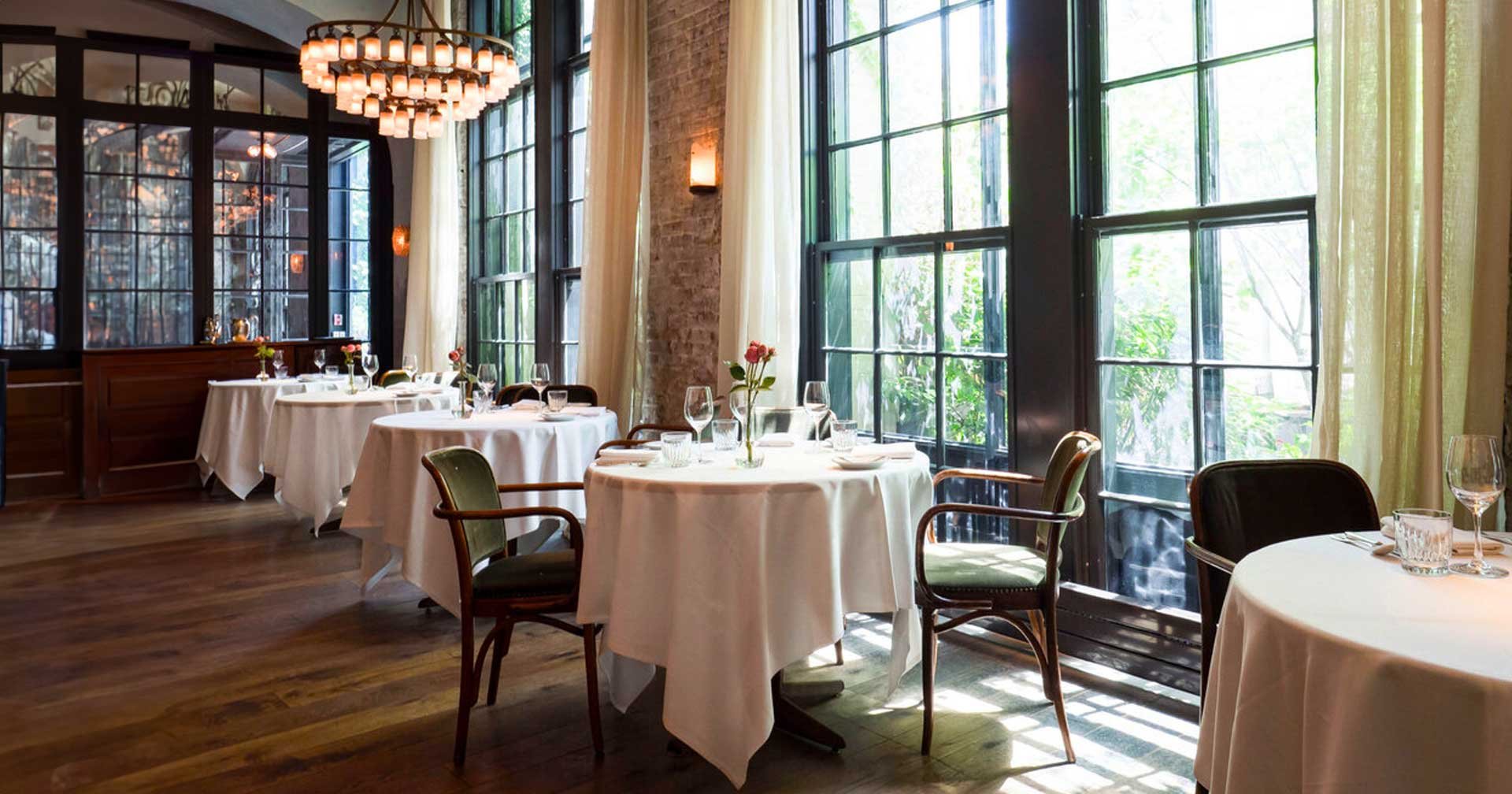
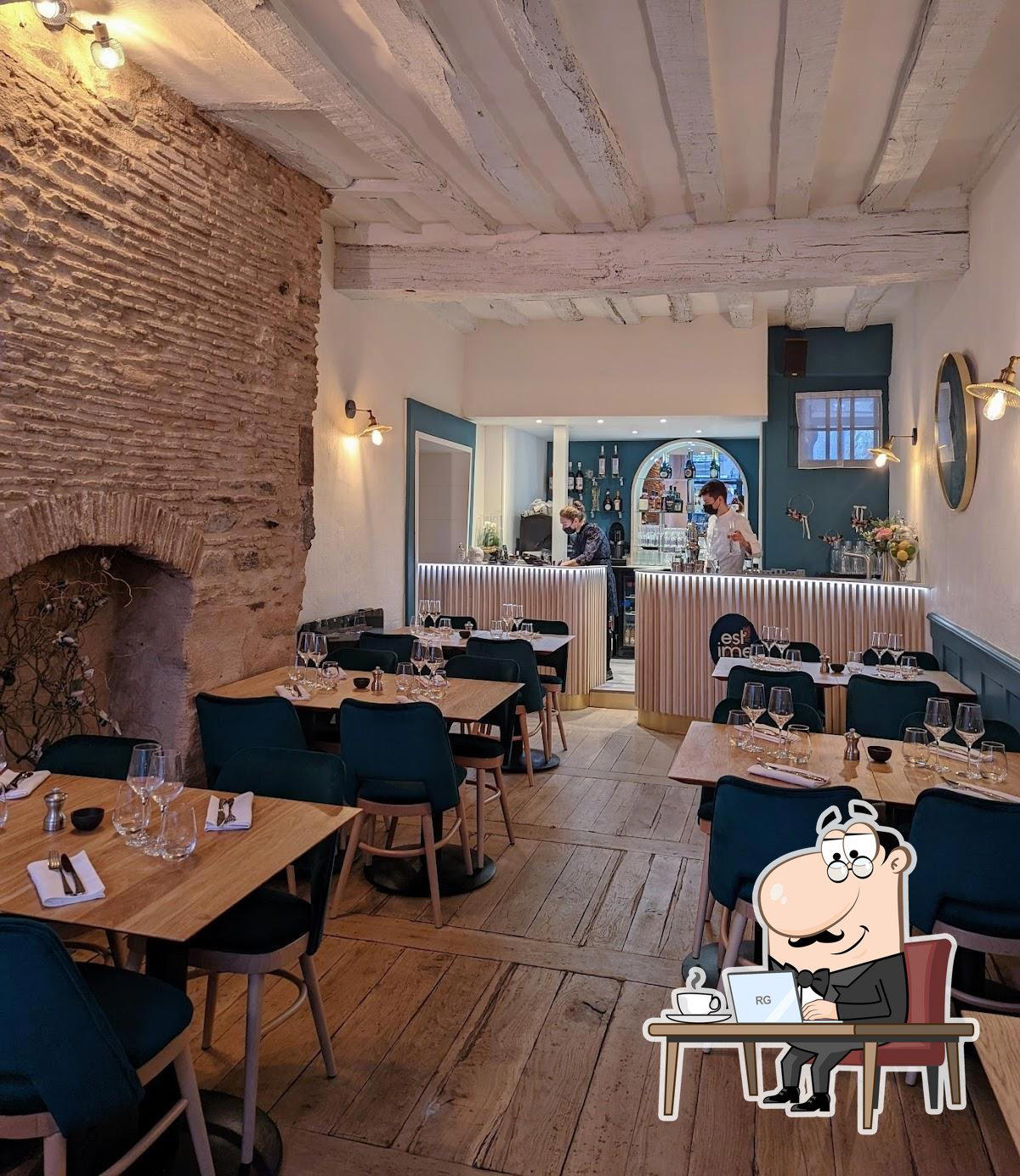
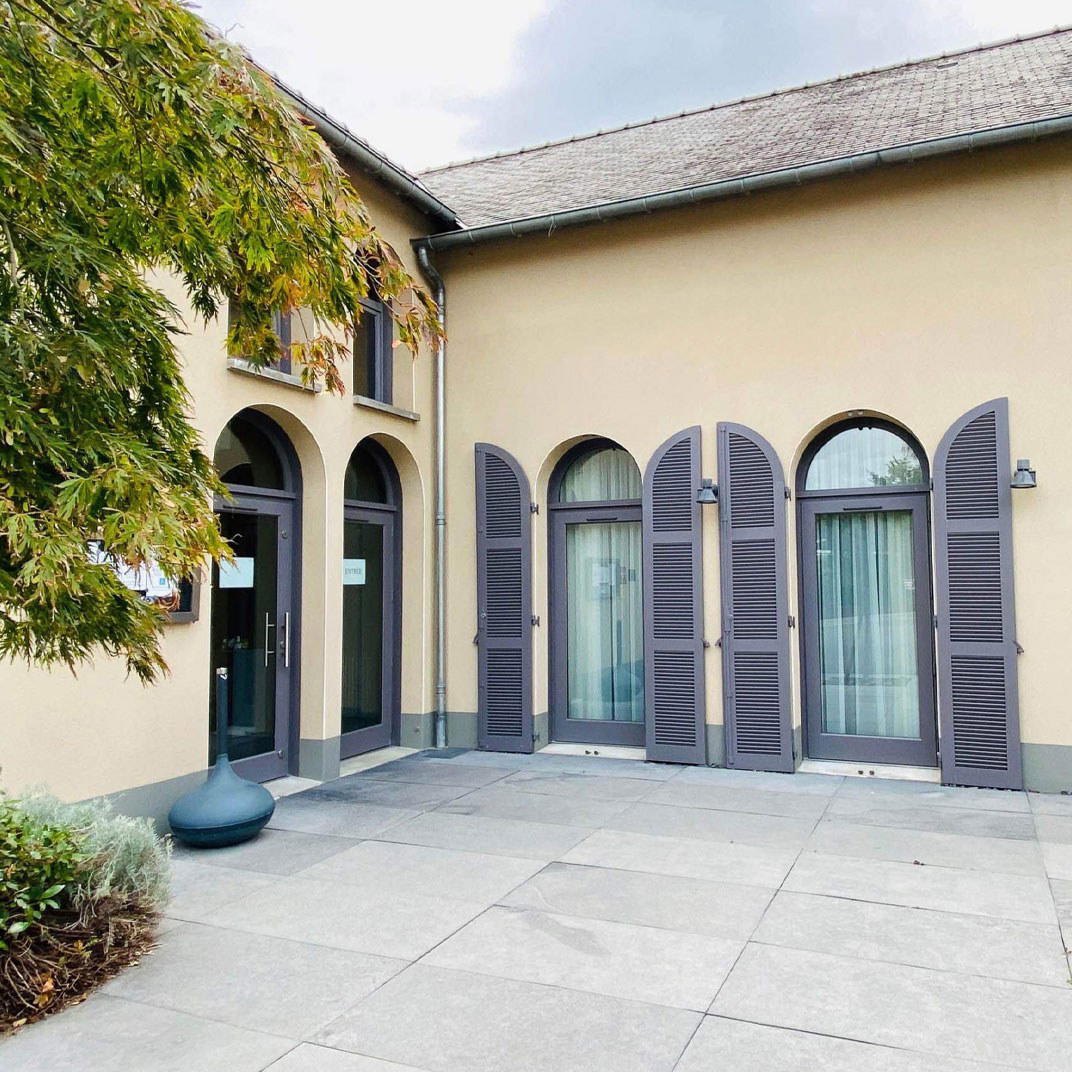
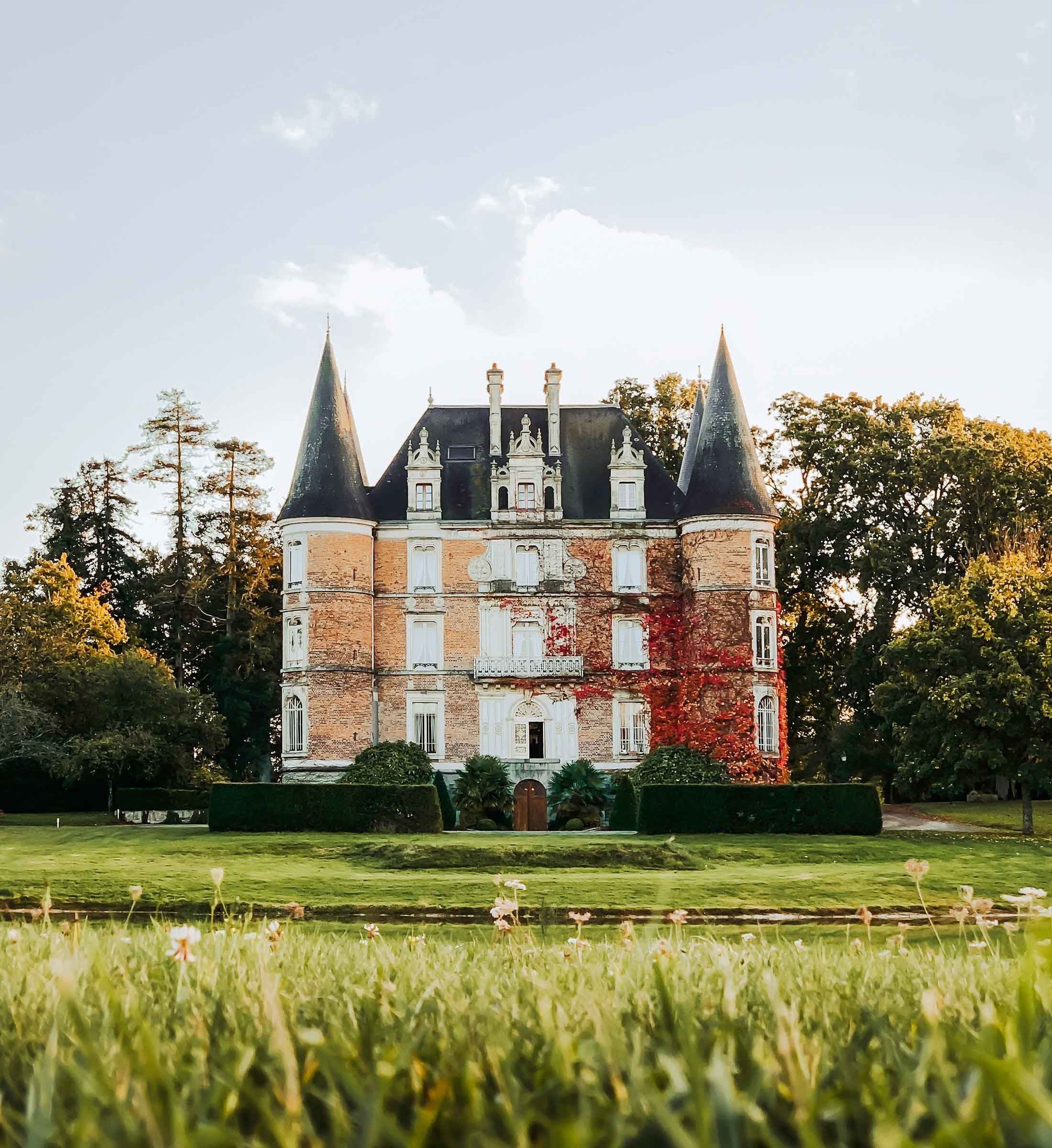
The setting is a granite building on the banks of the River Vilaine, with a light-filled interior and a terrace overlooking the water. Michelin's own notes cite the elegant room and attentive service as central to the experience, not secondary to it. The overall atmosphere is unhurried and quietly refined, more country auberge in spirit than urban fine dining room.
What distinctions does Auberge du Pont d'Acigné have?
Auberge du Pont d'Acigné has received recognition including: Category: Remarkable; Close to Rennes, on the banks of the River Vilaine, this granite building is worthy of our full attention. Owners Sylvain and Marie-Pierre Guillemot met while working for Alain Passard. Sylvain prides himself on his "i….
What do people recommend at Auberge du Pont d'Acigné?
Michelin recognises the cuisine as instinctive and technically skilled, drawing on local produce with a sense of invention. The wine list is specifically noted as very fine, making it worth consulting the sommelier for pairings.
Side-by-Side Snapshot
| Venue | Cuisine | Price | Awards |
|---|---|---|---|
| Auberge du Pont d'AcignéThis venue — the venue you are viewing | Modern French Gastronomic with Local Terroir Focus | $100–150 | 1 Michelin Star · Gault & Millau Remarkable Restaurant |
| Alléno Paris au Pavillon Ledoyen | Creative | Not listed | Michelin 3 Star |
| Kei | Contemporary French, Modern Cuisine | Not listed | Michelin 3 Star |
| L'Ambroisie | French, Classic Cuisine | Not listed | Michelin 3 Star |
| Le Cinq - Four Seasons Hôtel George V | French, Modern Cuisine | Not listed | Michelin 3 Star |
| Plénitude | Contemporary French | Not listed | Michelin 3 Star |
Recognition history
Dated appearances from independent guides and award organizations, with the underlying list record or original source where available.
Michelin 1 Star
Michelin
Gault & Millau Remarkable Restaurant
Gault & Millau
Full recognition history (4 entries)
Michelin 1 Star
Michelin
Michelin 1 Star
Michelin
Continue exploring
More in Noyal-sur-Vilaine
Restaurants in Noyal-sur-Vilaine
Browse all →
Auberge du Pont d'Acigné
The wine
- Wine program
- Exceptional wine program
- Extensive wine list
- Sommelier-led
Details
- Romantic
- Elegant
- Cozy
- Scenic
- Sophisticated
- Date Night
- Special Occasion
- Celebration
- Waterfront
- Terrace
- Historic Building
- Extensive Wine List
- Sommelier Led
- Local Sourcing
- Farm To Table
- Waterfront
- Garden
- Tasting Menu
- Prix Fixe
- Wine
- Vegetarian Friendly
- Allergy Accommodating
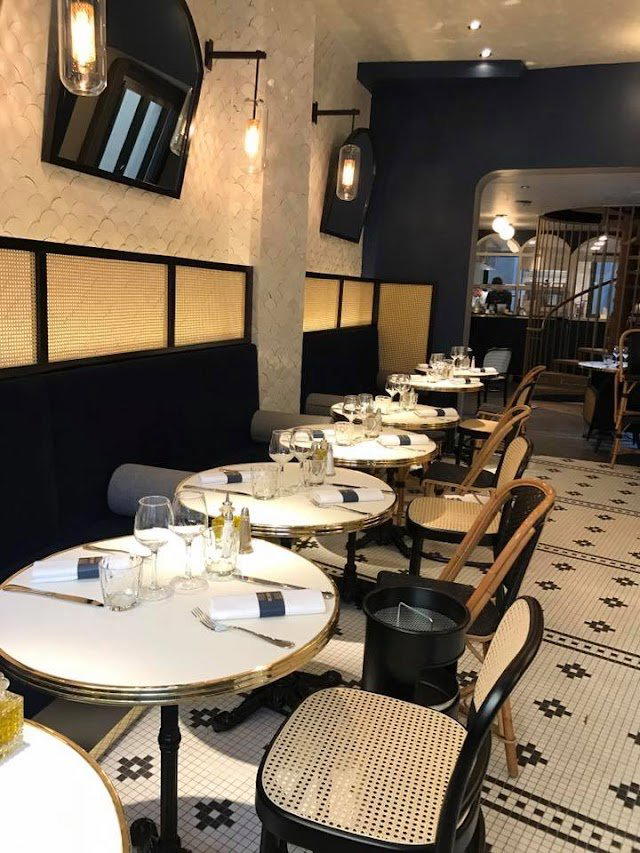
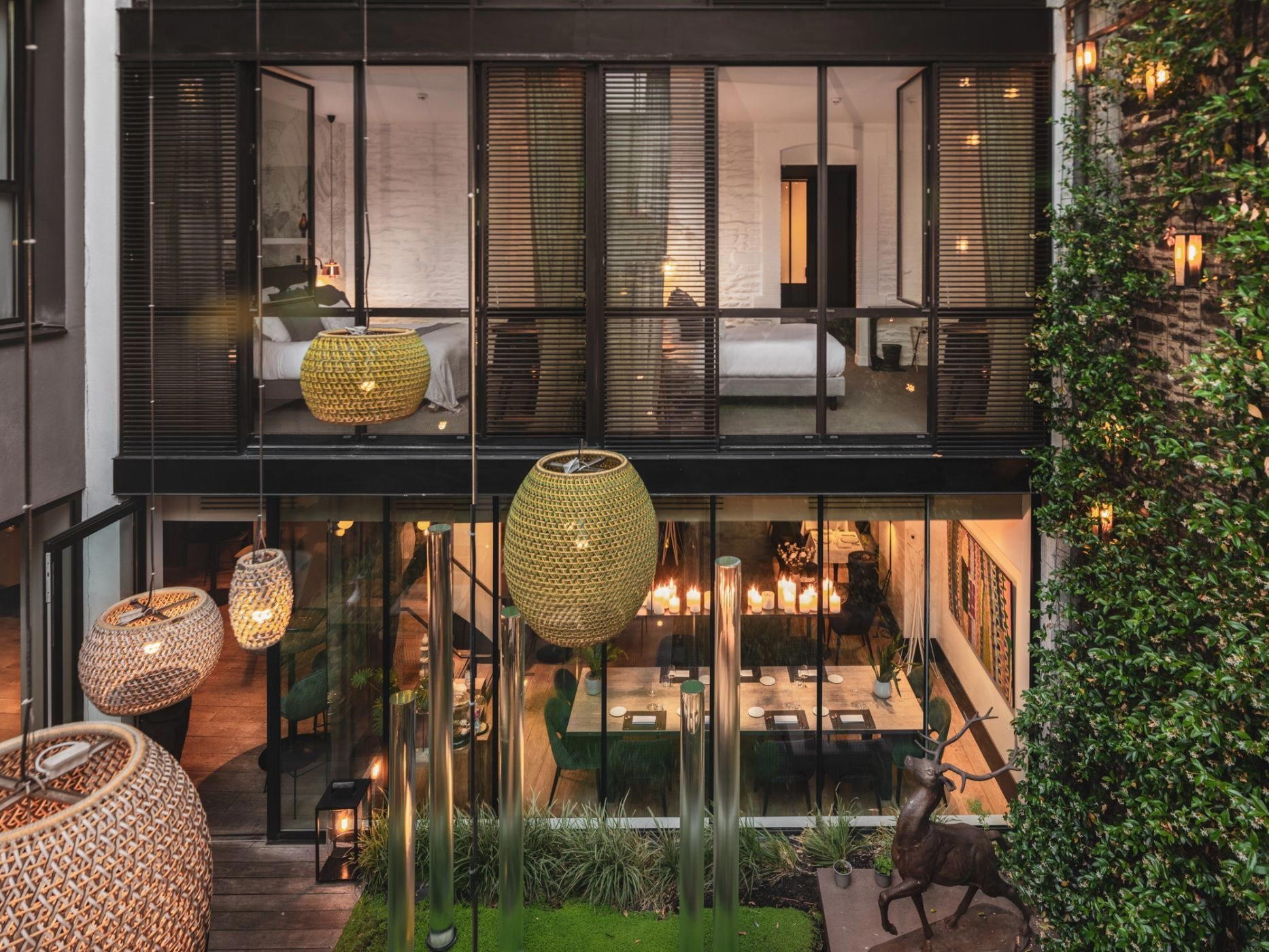
Modern, elegant, and luminous dining room with large windows offering verdant views of the Vilaine river and countryside, creating a warm, romantic, and serene atmosphere.