Auberge Du Menez
Auberge Du Menez serves Modern Breton Locavore cuisine at 2 Hent Sant-Mikael, 29190 Saint-Rivoal, France.
Pearl is the En Primeur Club membership app — saves, bookings, and concierge access live there. Same editors, same standards.
- Address
- 2 Hent Sant-Mikael, 29190 Saint-Rivoal, France
- Phone
- +33298930248
- Website
- facebook.com
- Directions
- Get directions
 Saves & bookings on Pearl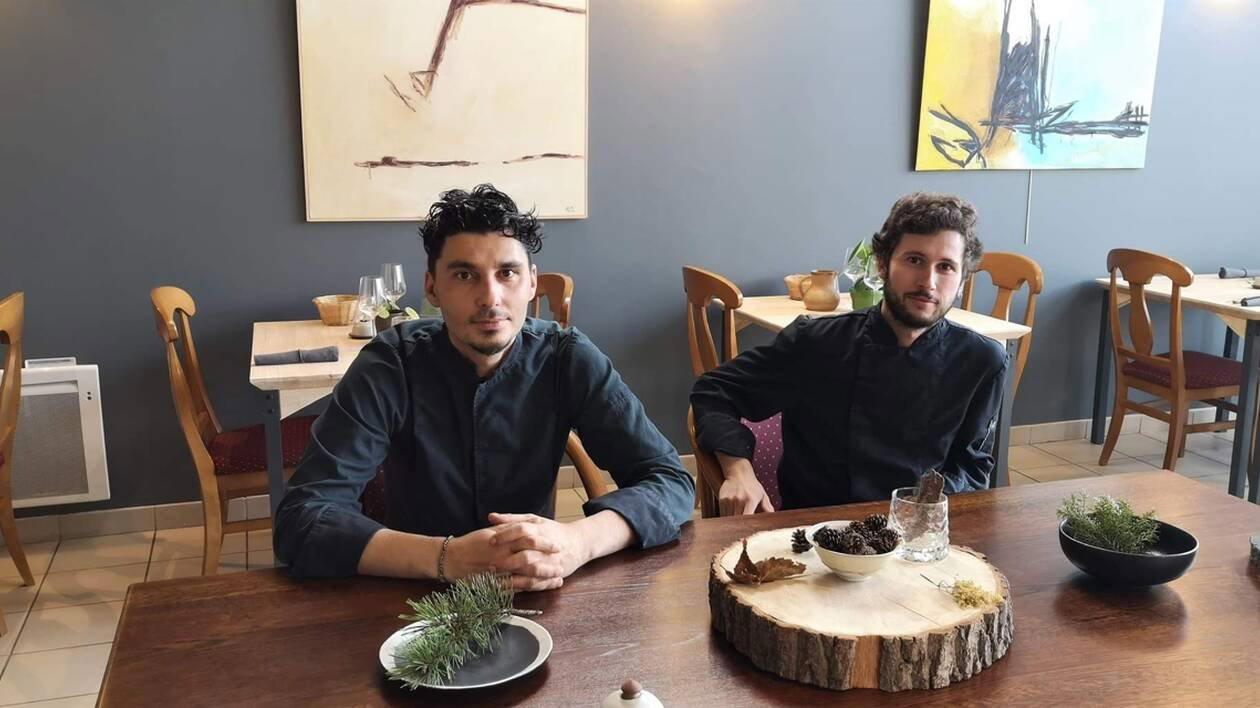
Where Breton Farmland Meets the Table
The village of Saint-Rivoal sits in the heart of the Parc Naturel Régional d'Armorique, a protected territory of moorland, ancient oak forest, and small granite farms that has shaped the food culture of inland Finistère for centuries. Driving into the village along the D42, the transition from coastal Brittany to this quieter, more agrarian interior is gradual but unmistakable: the salt air gives way to damp earth, the horizon contracts, and the settlements shrink to clusters of stone houses around a church.
The auberge tradition in France has always been rooted in proximity: the kitchen draws from what the surrounding land produces, and the room reflects the materials available locally. In Finistère, that means lamb and beef from the Monts d'Arrée plateau, freshwater sources from the river systems feeding into the Aulne, and a dairy culture that shapes sauces and accompaniments in ways the coastal kitchens, oriented toward shellfish and seaweed, simply do not replicate.
The Sourcing Logic of Inland Finistère
The Parc Armoricain designation is not merely scenic: it signals a commitment to maintaining traditional farming practices and local breed conservation that has real consequences for what ends up on the plate. The Breton Black Pie cattle breed, for instance, native to the region and once nearly extinct, has been rebuilt through conservation programmes centred on this plateau. Similarly, the vegetable traditions of the Pays du Léon to the north, one of France's most productive horticultural zones, supply the wider Finistère table with artichokes, cauliflower, and onions that carry genuine terroir specificity. A kitchen drawing on these supply chains is working with ingredients that carry a different weight than those sourced through centralised distribution networks.
This matters in the context of how French rural dining has repositioned itself over the past two decades. Where the auberge format was once dismissed as dowdy, useful only for filling stomachs on a long drive, a quieter reassessment has taken place. Venues like Bras in Laguiole and Auberge du Vieux Puits in Fontjoncouse demonstrated that rooting a kitchen in its specific agricultural territory is not a limitation but a discipline, one that produces cooking with a sense of place that urban fine dining struggles to replicate.
Atmosphere and Setting
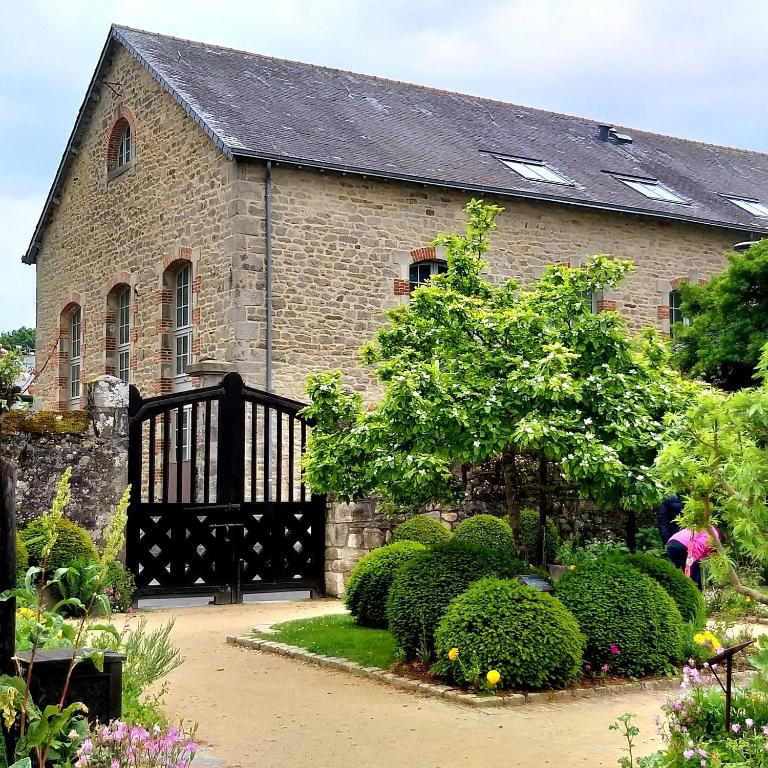
Saint-Rivoal is not a village that generates passing trade. The population is small, the infrastructure minimal, and the tourist infrastructure of the Monts d'Arrée is oriented toward walkers, cyclists, and the visitors to the Maison Cornec open-air museum rather than toward organised food tourism. This means the clientele at a village auberge here tends toward regulars from the surrounding communes, day-trippers from Brest (roughly 40 kilometres to the northwest), and the occasional visitor working through the Armorique park on foot or by car. That demographic shapes the atmosphere in ways worth noting: the room will likely feel communal rather than theatrical, unhurried rather than choreographed, anchored in the rhythms of the agricultural week rather than the restaurant week.
For dining comparison at the other end of the French spectrum, venues like Alléno Paris au Pavillon Ledoyen or Le 1947 à Cheval Blanc in Courchevel operate in an entirely different register, where the room is as designed as the menu. The Breton rural auberge runs on different priorities: warmth, sufficiency, and a certain directness that can read as informality but is actually its own form of hospitality discipline. Other notable French destination restaurants covered by EP Club, including Mirazur in Menton, Flocons de Sel in Megève, and Maison Lameloise in Chagny, share the auberge name or spirit but operate at price and formality levels that place them in a separate competitive set entirely.
Planning a Visit
Saint-Rivoal is most accessible by car. The nearest significant rail hub is Brest, from which the drive via the D764 and D42 takes approximately 45 minutes depending on conditions. The village is also reachable from Châteaulin to the south in under 30 minutes. Because the Monts d'Arrée attract walkers and cyclists in spring and summer, weekend lunches in particular are likely to see stronger demand; visiting on a weekday or arriving early in the service gives a better reading of the kitchen at its own pace.
Comparison Snapshot
Comparable venues nearby, for context on price, style, and recognition.
| Venue | Cuisine | Price | Notes |
|---|---|---|---|
| Auberge Du MenezThis venue — the venue you are viewing | Modern Breton Locavore | $$ | Not listed |
| Les Bonnets Rouges | Breton French Bistro with Pizzas | $$ | Carhaix-Plouguer |
| La Tatanerie | French Brasserie | $$ | Camaret-sur-Mer |
| La Marine | French Bistro Crêperie | $$ | Camaret-sur-Mer |
| Ty Brizec | Breton Crêperie | $$ | Place de la Libération |
| Le Casier | Modern French Seafood | $$ | Auray |
Continue exploring
More in Saint Rivoal
Restaurants in Saint Rivoal
Browse all →
At a Glance
- Rustic
- Cozy
- Intimate
- Special Occasion
- Date Night
- Natural Wine
- Local Sourcing
- Organic
Current opening hours
- Monday
- Closed
- Tuesday
- Closed
- Wednesday
- Closed
- Thursday
- 12–3 PM, 6 PM–12 AM
- Friday
- 12–3 PM, 6 PM–12 AM
- Saturday
- 12–3 PM, 6 PM–12 AM
- Sunday
- 12–3 PM
Hours can change for holidays and private events. Last verified .
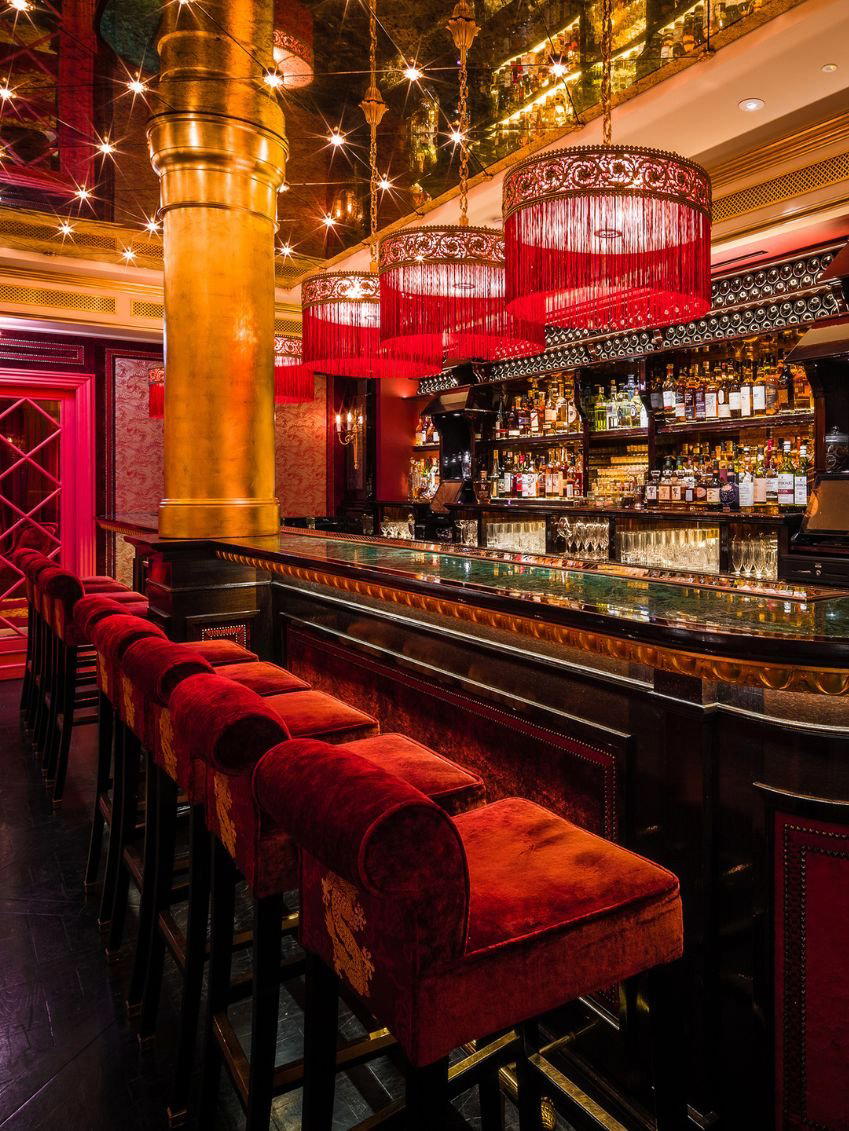
Traditional and contemporary setting with fireside conviviality and a naturisant repaire evoking a chalet atmosphere.