Café du Mont-Blanc
Our verdict
Café du Mont-Blanc occupies a quiet address on Route des Pressoirs in Lonay, a small Vaud commune sitting between Lake Geneva and the vine-covered slopes that define Swiss Romand agriculture. The café draws from a region where proximity to local producers is a structural advantage rather than a marketing claim. For visitors moving between Lausanne and the lake's western shore, it represents the kind of embedded neighbourhood address that regional dining culture depends on.

Pearl is the En Primeur Club membership app — saves, bookings, and concierge access live there. Same editors, same standards.
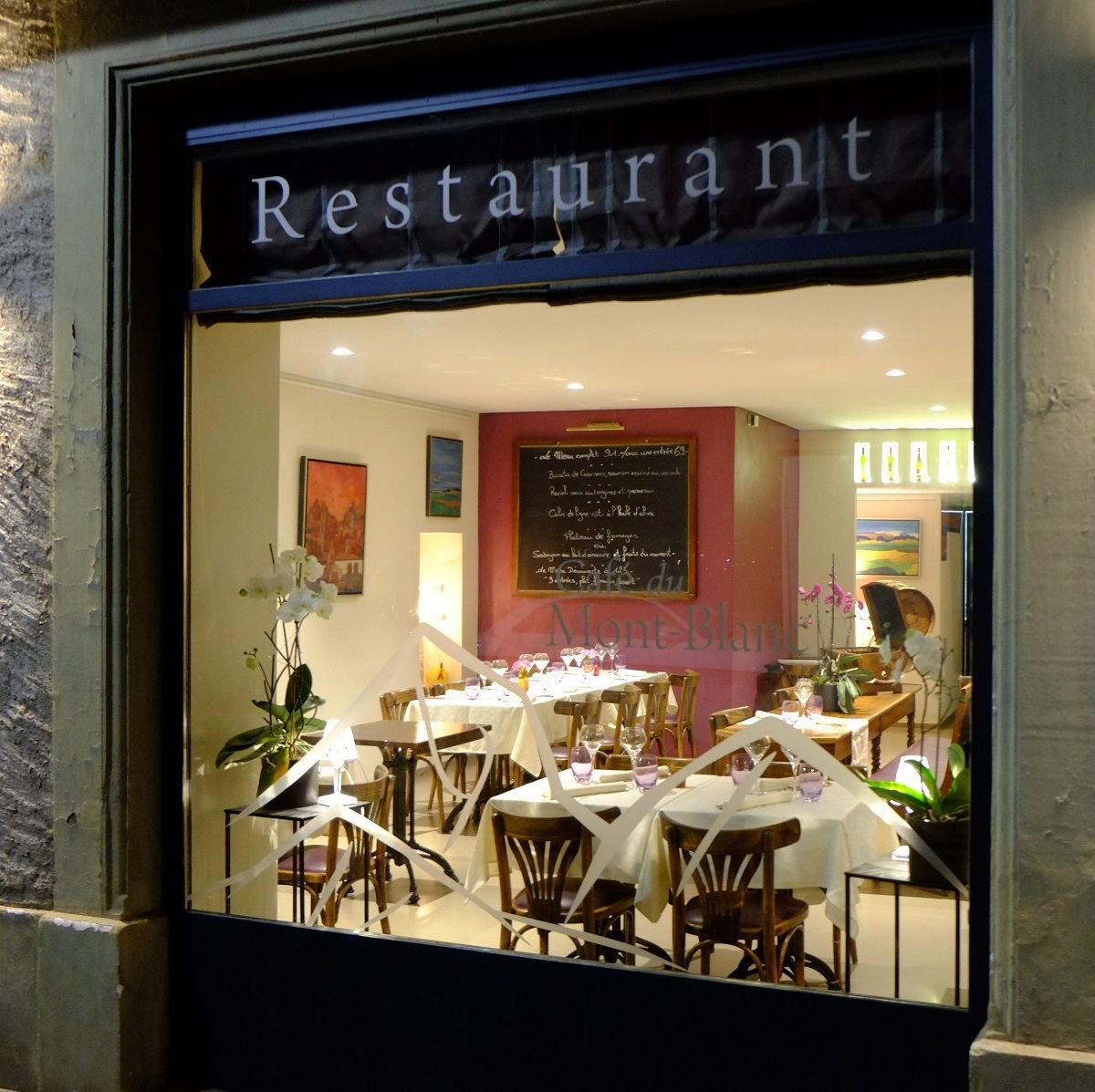
The menu
What to order
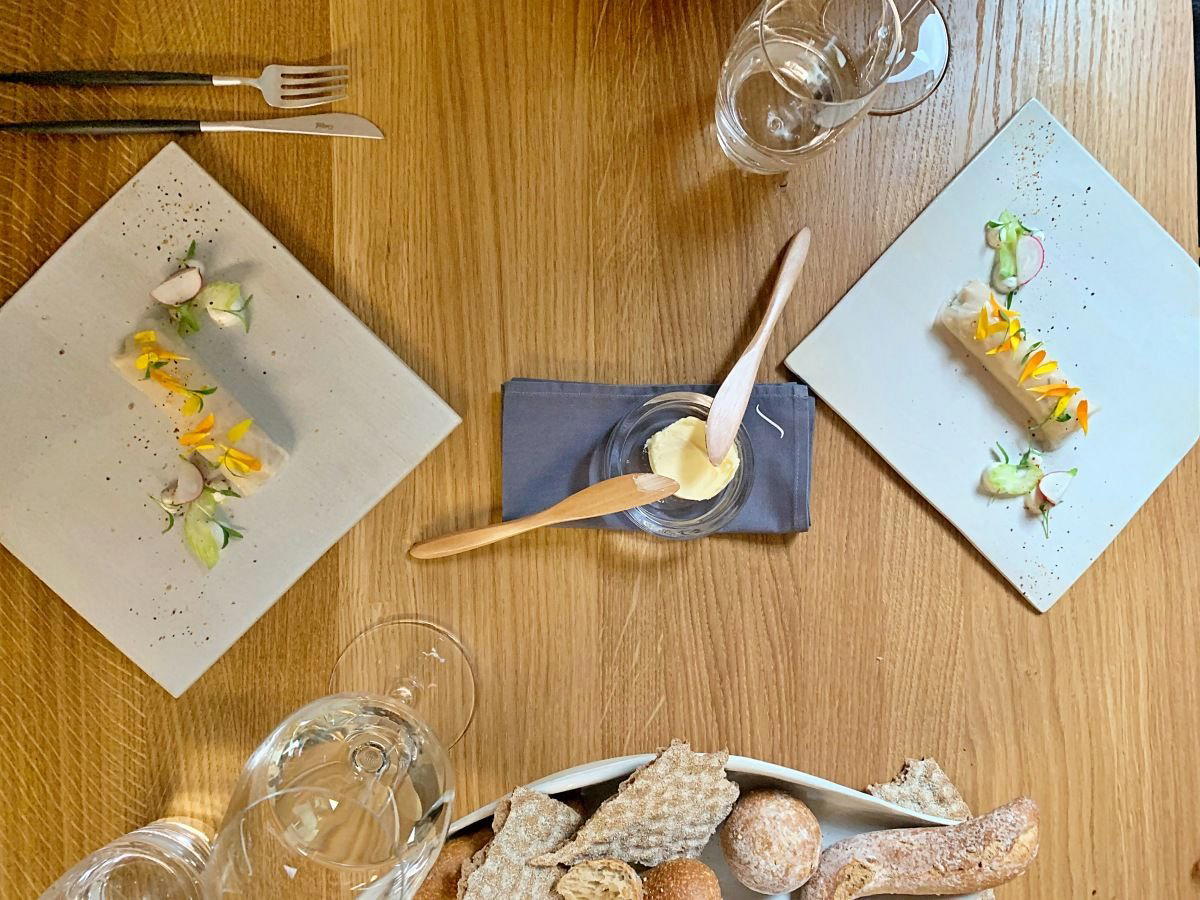
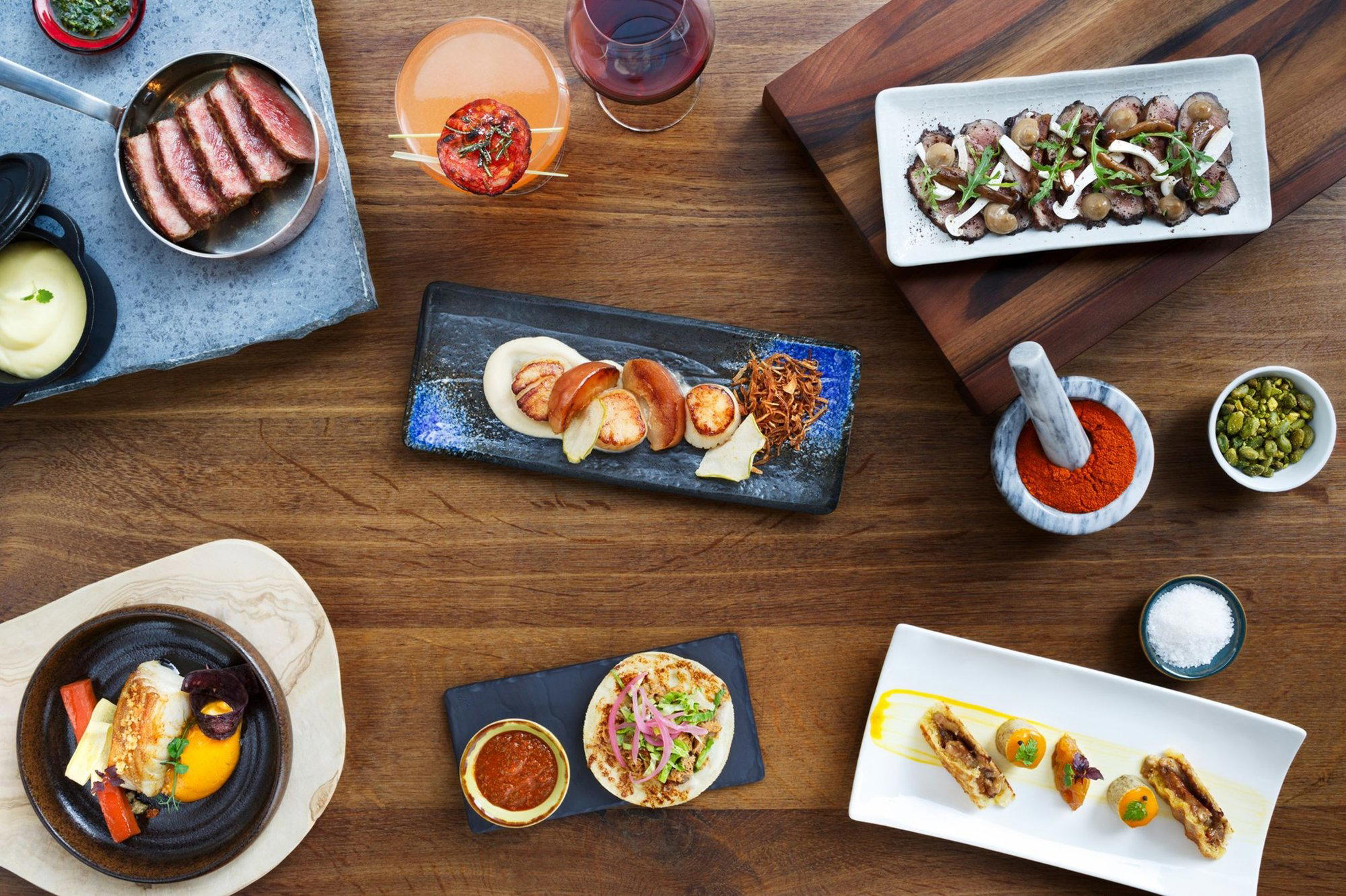
- Joue de Porc (Pork Cheeks with Foie Gras)
- Souris d'Agneau (Lamb Shank)
- Poularde de Bresse aux Morilles
- Noix de St Jacques (Scallops in Vin Jaune
Where Vaud's Agricultural Belt Meets the Table
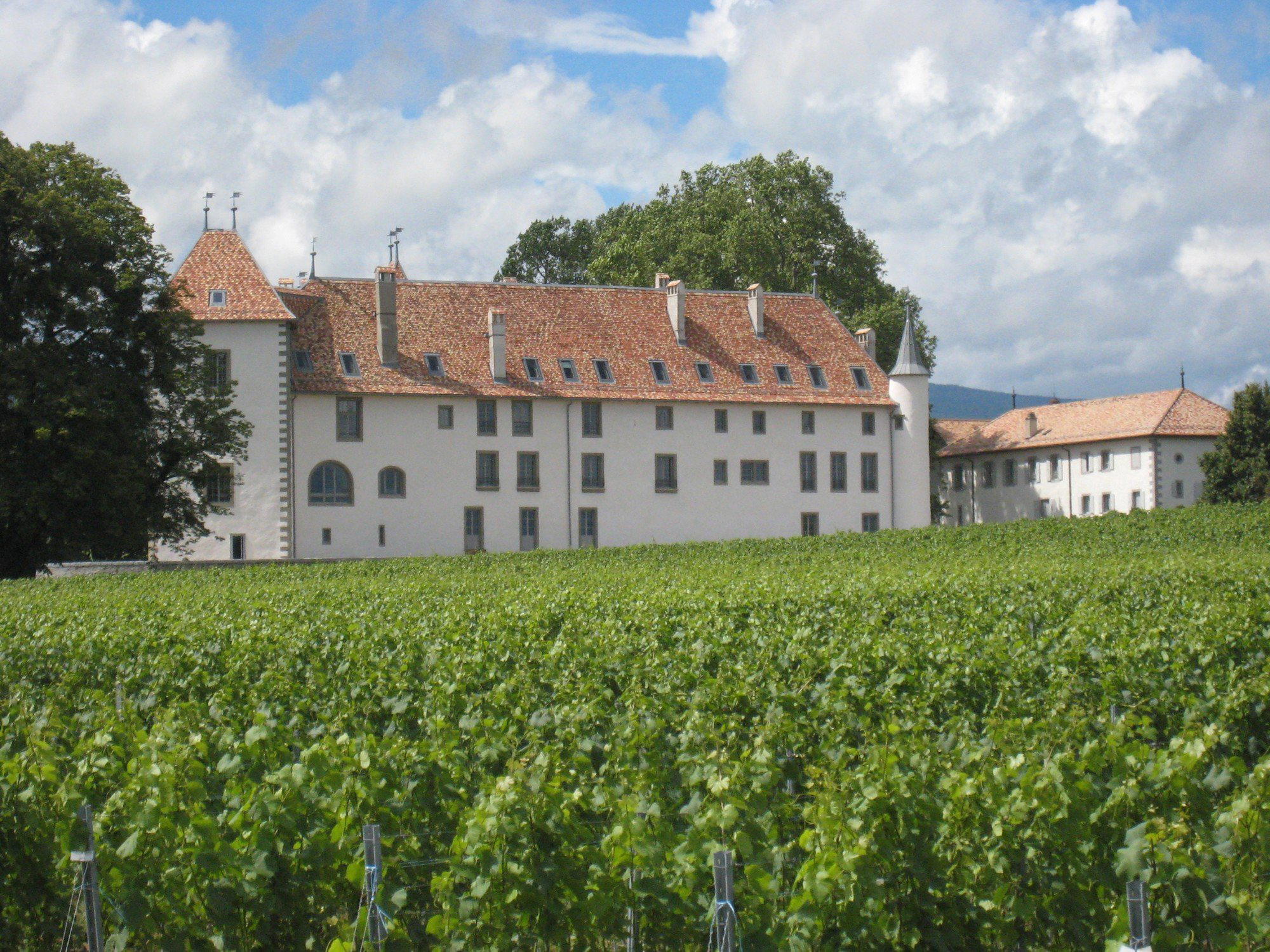
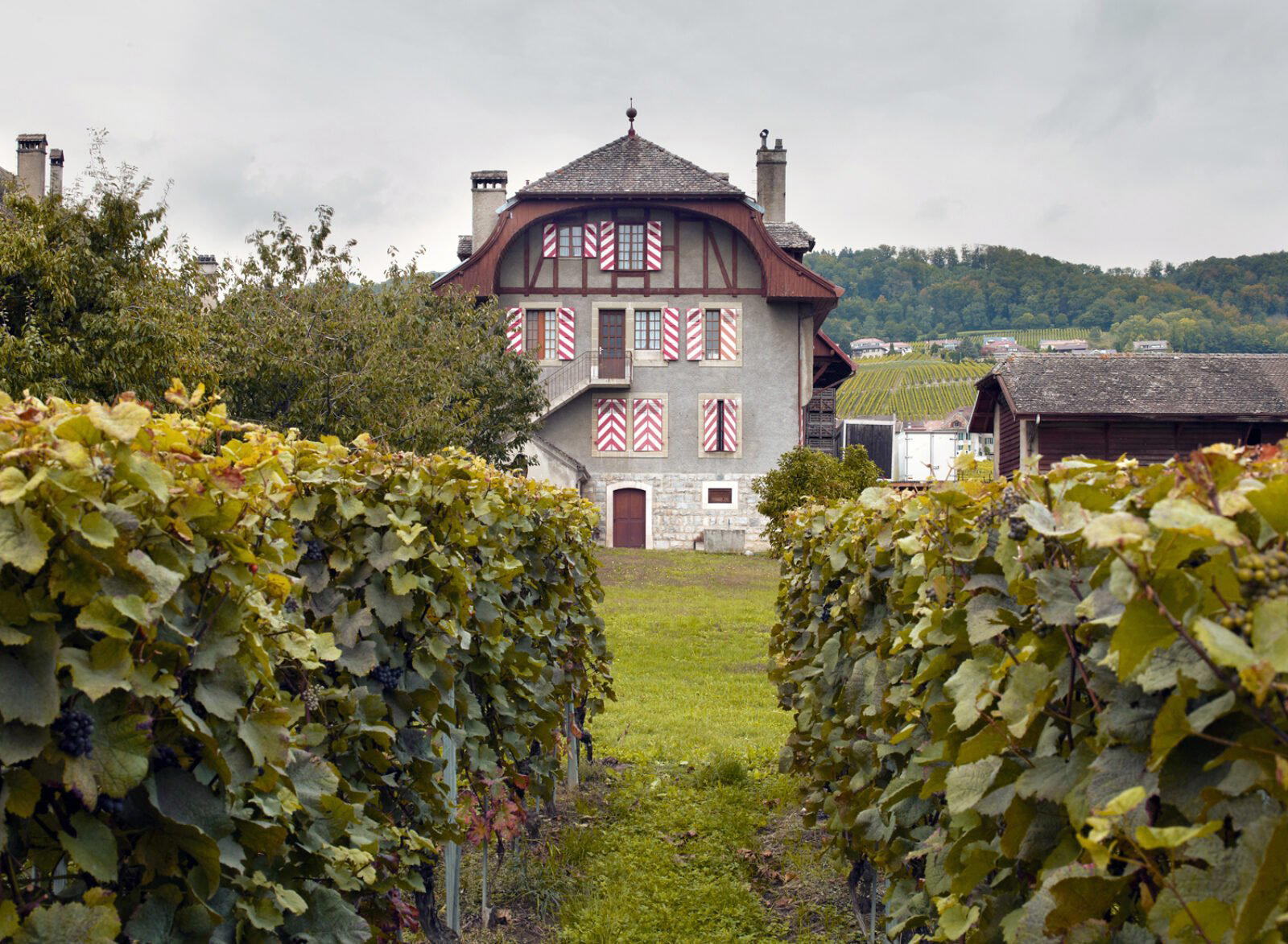
The canton of Vaud is one of Switzerland's most productive agricultural regions, with vineyards climbing above Lake Geneva, market gardens running through the Morges district, and dairy operations anchoring the inland communes. Lonay sits inside this productive belt, a small municipality where Route des Pressoirs, the street that gives Café du Mont-Blanc its address, takes its name from the pressoirs, the wine presses, that once defined the local harvest economy. That etymology matters at a café in this location: the food tradition here is rooted in what the land around it has historically produced.
This part of the Arc Lémanique, the crescent of settlements hugging Lake Geneva's northern shore, has a dining character distinct from Lausanne's urban restaurant scene eight kilometres to the east. The villages between Morges and the cantonal capital support a different kind of establishment, one where regulars arrive on foot or by bicycle, where the rhythm of service follows local agricultural seasons rather than urban dining trends, and where the sourcing of ingredients can be traced to producers close enough to name. Café du Mont-Blanc, at Rte des Pressoirs 4, occupies this local fabric.
Ingredient Geography in Swiss Romand Dining
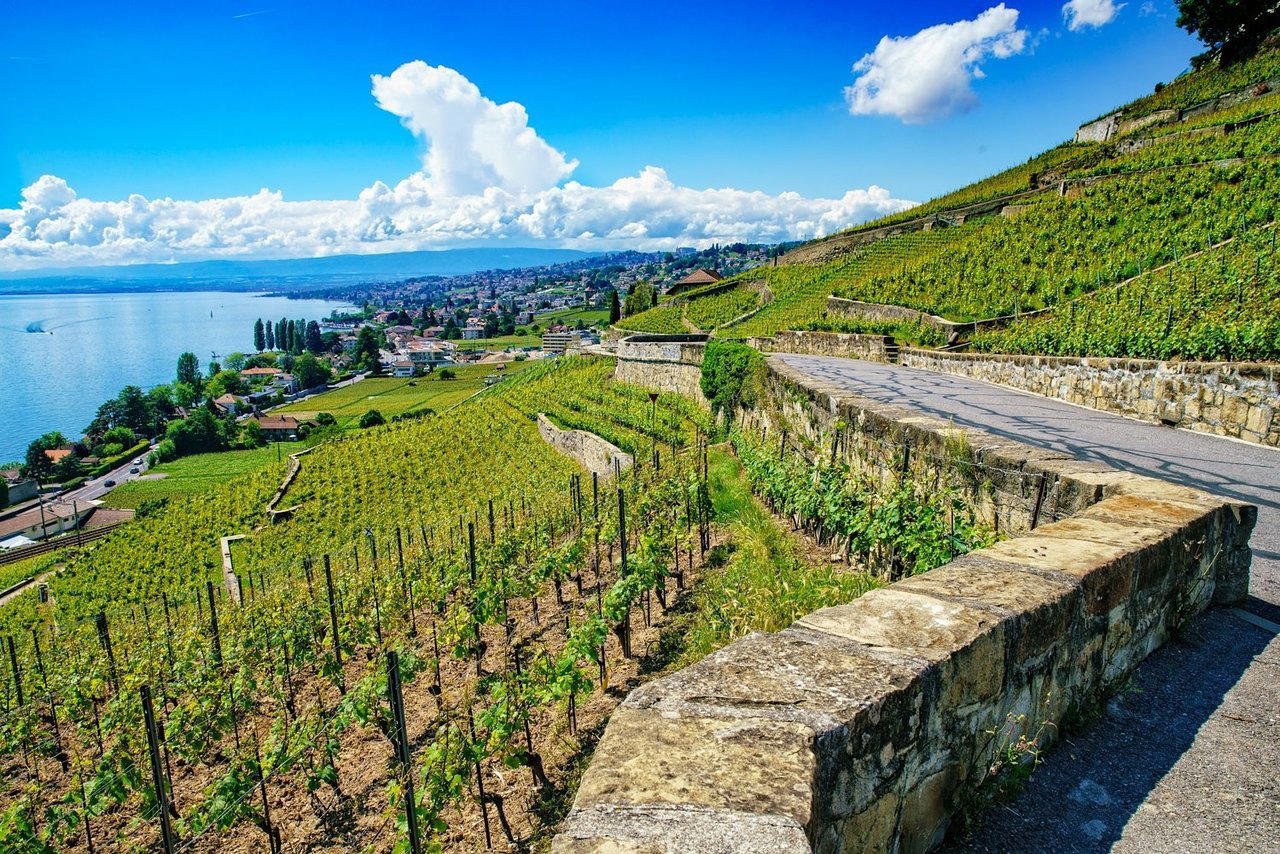
Switzerland's food culture is often reduced to its alpine clichés, but the Vaud lowlands around Lake Geneva tell a different story. The Lavaux vineyard terraces, recognised as a UNESCO World Heritage Site, produce Chasselas-based whites that define the region's wine identity. The Gros-de-Vaud plateau supplies root vegetables, grain, and livestock. The lake itself contributes freshwater fish, particularly perch, which appears as filets de perche on menus across the region with a consistency that signals genuine local supply rather than menu decoration.
This sourcing geography matters because it shapes what an address like Café du Mont-Blanc can credibly offer. A café embedded in Lonay has access, in principle, to producers that restaurants in Zurich or Geneva must negotiate with at greater distance and greater cost. Swiss Romand's strongest tables have always understood that proximity to ingredient origin is a competitive condition, not a lifestyle choice. For comparison, Mammertsberg in Freidorf and Magdalena in Schwyz have both built serious reputations on the same principle of translating regional agricultural specificity into a coherent dining offer.
The Lonay Address: What the Location Signals
Route des Pressoirs is a residential-agricultural edge in Lonay, not a high-footfall dining strip. That positioning places Café du Mont-Blanc in a category of Swiss addresses that sustain themselves through local loyalty rather than destination tourism. These are establishments where the dining proposition is almost entirely about the immediate community: the farmers, the commuters, the families who have eaten at the same table for decades.
This is the counterpart to the destination-restaurant model that defines Switzerland's most recognised tables. Hotel de Ville Crissier in Crissier, a few kilometres away, draws international attention and has held three Michelin stars across its history. Schloss Schauenstein in Fürstenau attracts diners willing to travel to a remote Graubünden village for a tasting menu. Memories in Bad Ragaz, Cheval Blanc by Peter Knogl in Basel, and Maison Wenger in Le Noirmont each occupy their own tier of Swiss fine dining with documented recognition. Café du Mont-Blanc is not competing in that register. It occupies the register below the destination tier, the everyday communal one, which is where most of a country's actual dining culture lives.
That distinction is worth holding. Switzerland's most-visited restaurants get the editorial attention, but the cafés and brasseries in communes like Lonay perform the more structurally important function of keeping local food culture connected to local production. Einstein Gourmet in Sankt Gallen, focus ATELIER in Vitznau, and Da Vittorio in St. Moritz are each operating at the high-ambition end of Swiss dining; addresses like Café du Mont-Blanc hold a different but necessary position in the ecosystem.
Swiss Romand Café Culture in Context
The café as a format has a specific function in French-speaking Switzerland that differs from the Italian-Swiss bar or the German-Swiss Beiz. In Swiss Romand, the café serves as a social infrastructure point, a place for coffee after the market, a meal at midday, a glass of local wine in the early evening. The format predates the restaurant as a commercial category and in many communes has outlasted several waves of restaurant trends. An address like Café du Mont-Blanc should be read within that tradition rather than against the benchmarks of destination dining.
The broader Swiss dining scene has moved dramatically toward international reference points in recent decades. Venues like The Japanese Restaurant in Andermatt, La Brezza in Ascona, and internationally framed comparisons such as Le Bernardin in New York City and Lazy Bear in San Francisco reflect how far Swiss hospitality has expanded its frame of reference. Against that backdrop, the persistence of the neighbourhood café format in Vaud communes speaks to the durability of a much older hospitality model.
Planning a Visit
Lonay is accessible from Lausanne by regional train, with Lonay-Préverenges station approximately a kilometre from the Route des Pressoirs address, making the journey manageable without a car. For visitors staying on the Arc Lémanique, the commune is also a natural stop between Morges and Lausanne. For a fuller picture of what the Lonay area offers, our full Lonay restaurants guide covers the range of options in the commune. Visitors interested in the broader Vaud dining circuit might also consider Skin's in Lenzburg, La Table du Valrose in Rougemont, or Taverne zum Schäfli in Wigoltingen for a cross-section of what Swiss regional dining looks like at different levels of ambition.
Frequently asked questions
Is Café du Mont-Blanc okay with children?
The Route des Pressoirs address in Lonay sits in a residential-agricultural setting, which generally points toward a relaxed, community-facing format rather than a formal dining room. That kind of neighbourhood positioning in Swiss Romand typically means families are a natural part of the clientele. check the venue's official channels to confirm any specific arrangements for younger guests.
Is Café du Mont-Blanc better for a quiet night or a lively one?
Lonay is not a high-footfall town, and Route des Pressoirs is away from any commercial strip, which sets expectations clearly: this is not the place for a high-energy Saturday night out. Swiss Romand café culture tends toward conviviality at a measured pace rather than late-night volume. A quiet dinner or long midweek lunch fits the address better than a celebratory group booking.
How does Café du Mont-Blanc's location in Lonay compare to dining in nearby Lausanne?
Lonay sits a short regional train ride from Lausanne, with Lonay-Préverenges station roughly a kilometre from the Route des Pressoirs address, making it a practical alternative to the city's denser dining scene. Where Lausanne offers urban variety, Lonay's agricultural setting means the café operates closer to the source of Vaud's produce, including vineyards and market gardens that define the Swiss Romand table. It is a different register entirely from a Lausanne city-centre address.
What should I eat at Café du Mont-Blanc?
The venue's position in the Vaud lowlands, one of Switzerland's most productive agricultural zones, suggests the kitchen has access to strong regional produce including market garden vegetables and proximity to the Lake Geneva wine corridor.
Where is Café du Mont-Blanc located?
Café du Mont-Blanc is located at îRte des Pressoirs 4, 1027 Lonay, Switzerland, Lonay.
Is Café du Mont-Blanc reservation-only?
Given its location off the main dining circuit in Vaud, it is worth calling or visiting the Route des Pressoirs address ahead of time, particularly for weekend visits or larger groups.
What's the defining dish or idea at Café du Mont-Blanc?
The defining idea is geographic before it is culinary: a café positioned on Lonay's agricultural edge, with the Vaud canton's vineyards and market gardens as the obvious supply chain. Swiss Romand café kitchens in this setting tend to anchor their menus in regional produce rather than imported or alpine-cliché formats.
Comparison Snapshot
Comparable venues nearby, for context on price, style, and recognition.
| Venue | Cuisine | Price | Awards | Notes |
|---|---|---|---|---|
| Café du Mont-BlancThis venue — the venue you are viewing | Classic French Fine Dining | $100–150 | Not listed | Not listed |
| L'Oxalis | Seasonal French Fine Dining | Not listed | Not listed | Les Evouettes |
| Restaurant Veranda | Alpine French Fine Dining | $50–100 | Not listed | Zermatt |
| Café Beau-Rivage | Luxury French Brasserie | $50–100 | Not listed | Ouchy |
| Anne-Sophie Pic | Modern French Fine Dining | $300–500 | 2 Michelin Stars · La Liste Top Restaurants | Ouchy |
| Sommet - Hôtel The Alpina | Modern French Fine Dining with Global Influences | $200–300 | La Liste Top Restaurants | Gstaad |
Continue exploring
More in Lonay
Restaurants in Lonay
All restaurants in Lonay →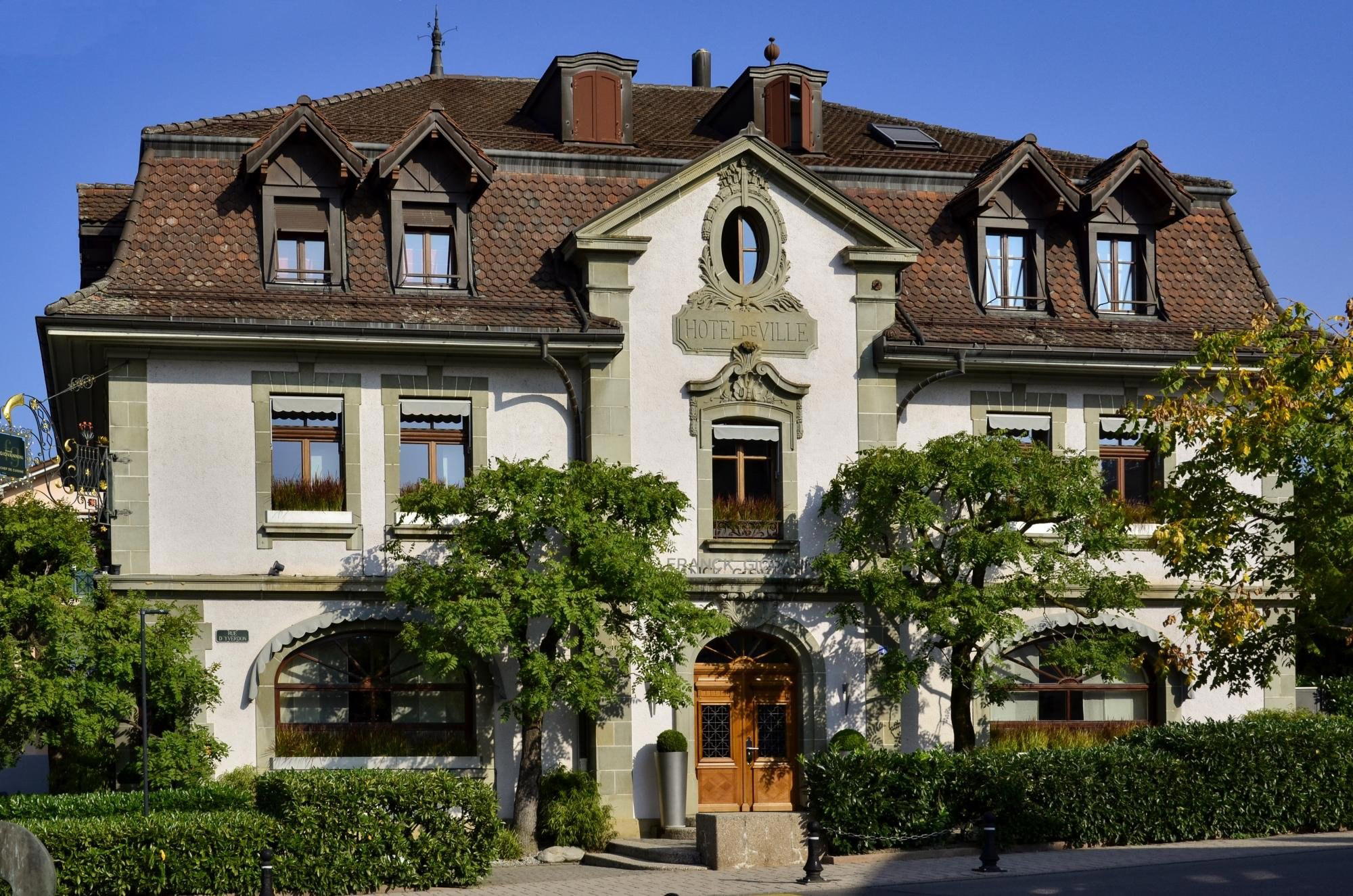
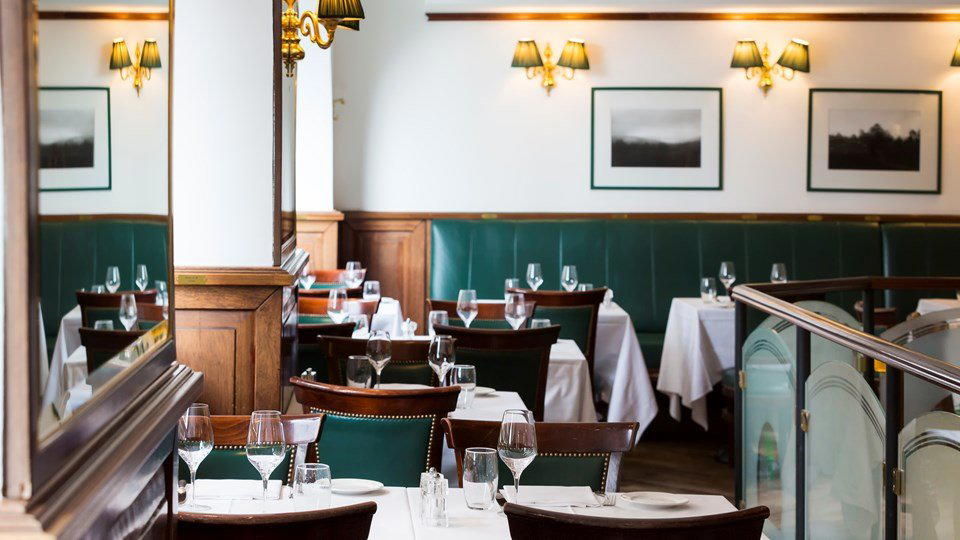
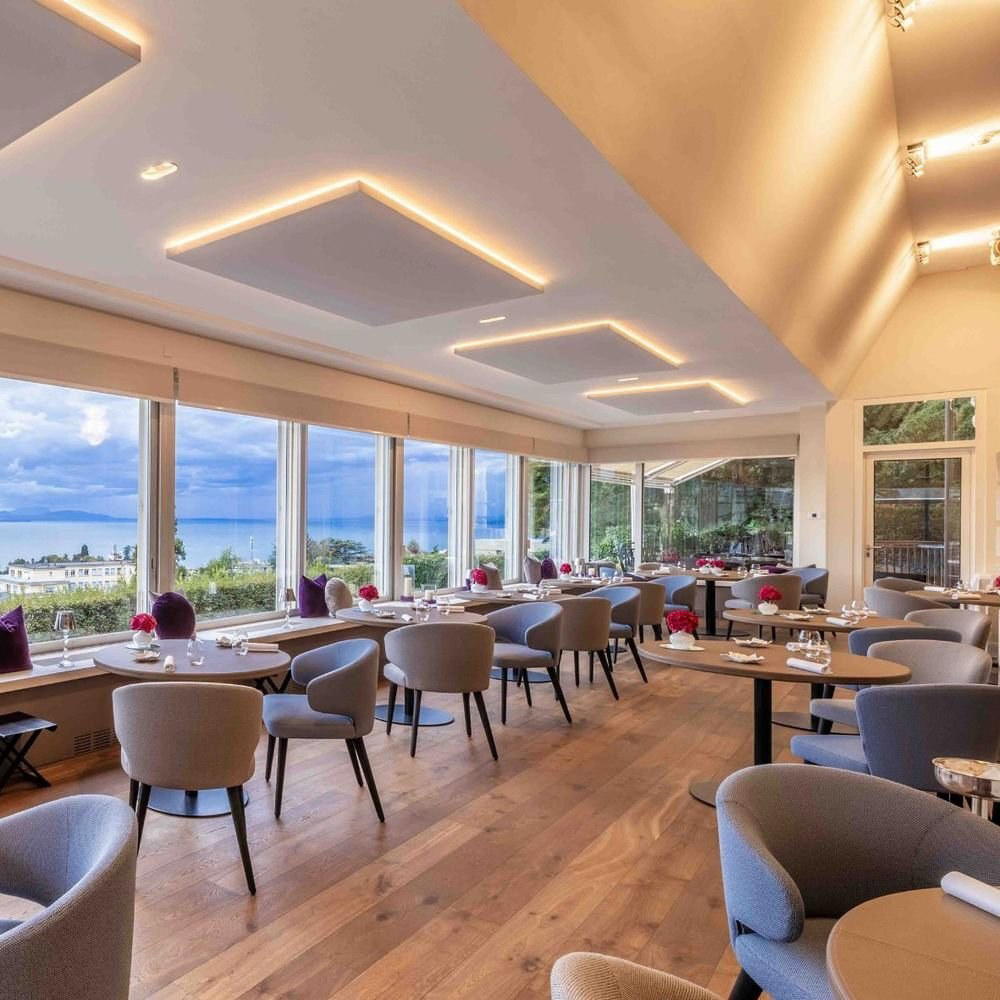
Bars in Lonay
Browse all →

Café du Mont-Blanc
The wine
- Wine program
- Curated wine list
- Extensive wine list
Details
- Intimate
- Elegant
- Classic
- Cozy
- Sophisticated
- Date Night
- Business Dinner
- Special Occasion
- Celebration
- Private Dining
- Terrace
- Standalone
- Extensive Wine List
- Local Sourcing
- A La Carte
- Prix Fixe
- Set Menu
- Wine
- Vegetarian Friendly
Current opening hours
- Monday
- Closed
- Tuesday
- 9:30 AM–3:30 PM, 6–11:15 PM
- Wednesday
- 9:30 AM–3:30 PM, 6–11:15 PM
- Thursday
- 9:30 AM–3:30 PM, 6–11:15 PM
- Friday
- 9:30 AM–3:30 PM, 6–11:15 PM
- Saturday
- 9:30 AM–3:30 PM, 6–11:15 PM
- Sunday
- Closed
Hours can change for holidays and private events. Last verified .
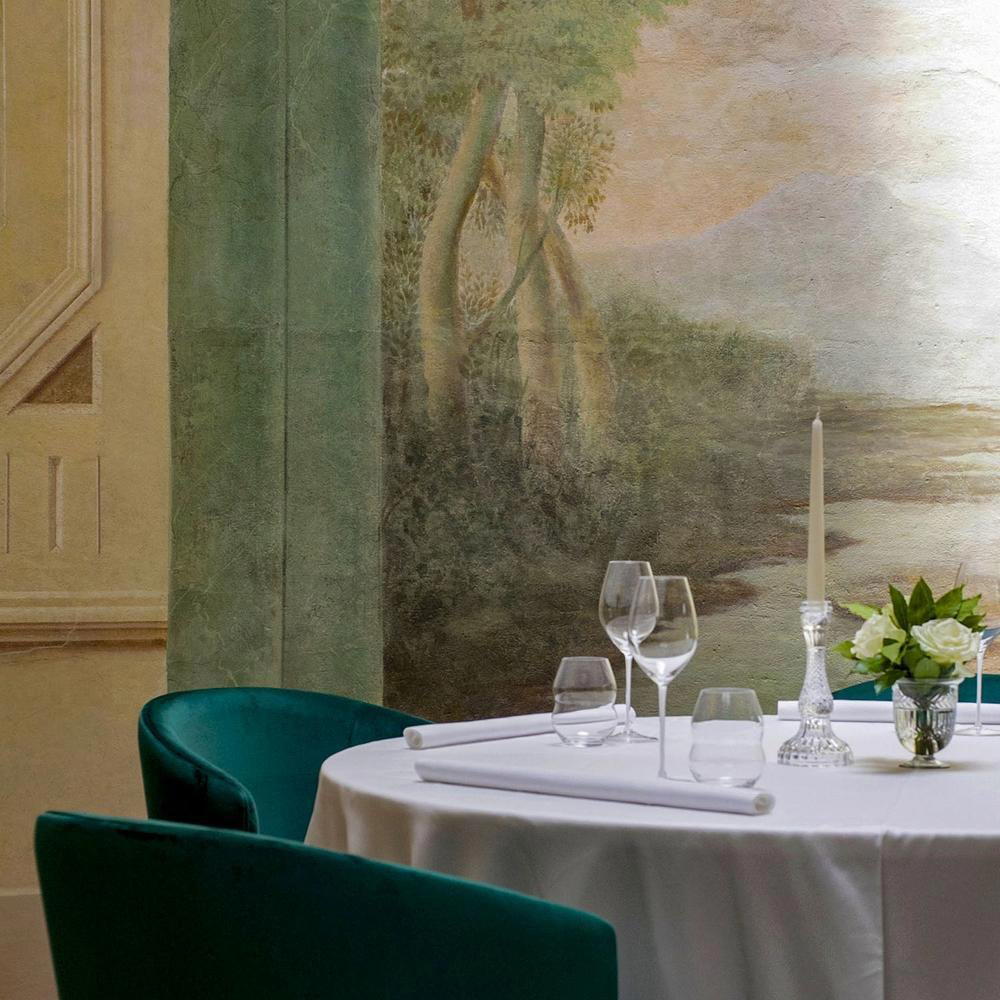
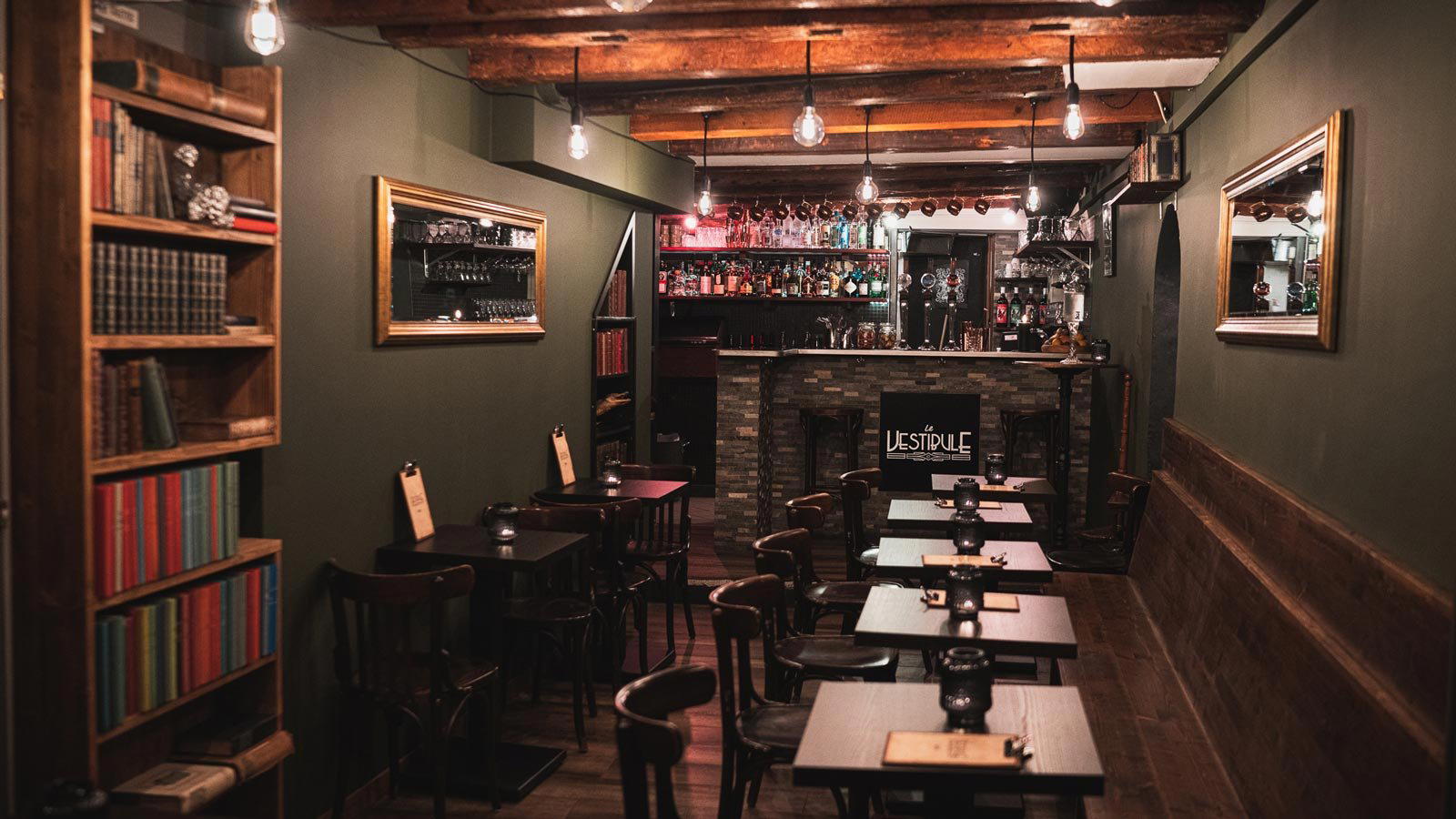
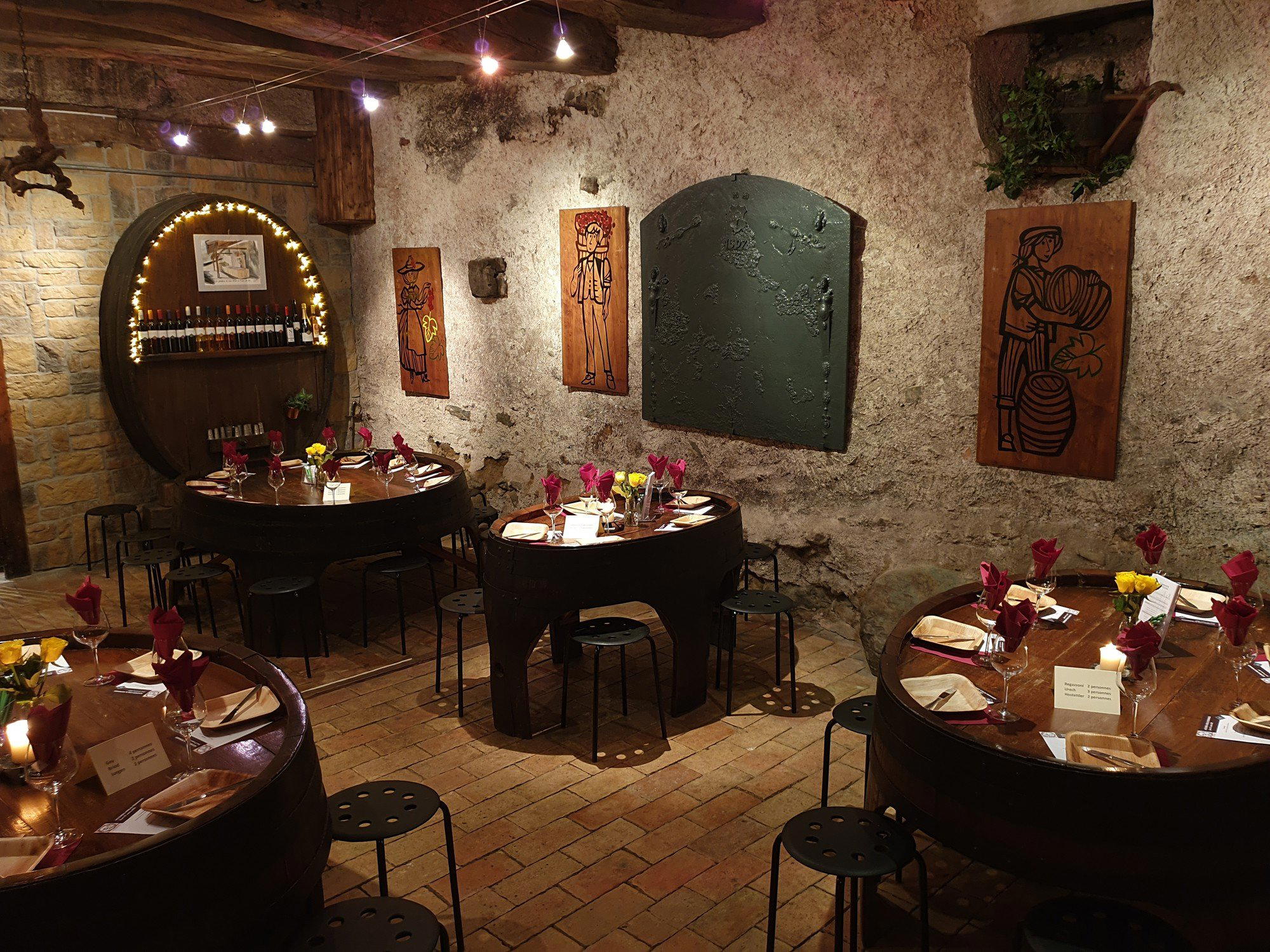
Tastefully simple Provençal French interior with warm, welcoming atmosphere; elegant and beautiful plating in a calm, private setting with well-separated tables.