
Tabelog 100 #25
Our verdict
Au petit matin is a Yokohama cake-and-cafe address with repeated Tabelog Sweets 100 recognition, placing it in the serious patisserie tier rather than the casual coffee-stop category. Its appeal is the measured Japanese cake-shop format: small-scale, family-friendly, and better read as part of Kanagawa’s destination-sweets circuit than as a central Yokohama dining room.

Pearl is the En Primeur Club membership app — saves, bookings, and concierge access live there. Same editors, same standards.
- Address
- Radiant City Yokohama Ruisseau 4, 7-4 Okawa, Kanazawa Ward, Yokohama, Kanagawa 236-0043, Japan
- Phone
- +81 45-786-0558
- Hours
- Mon–Tue 10 AM–8 PMWed–Thu ClosedFri–Sun 10 AM–8 PM
- Website
- aupetitmatin.stores.jp
- Directions
- Get directions
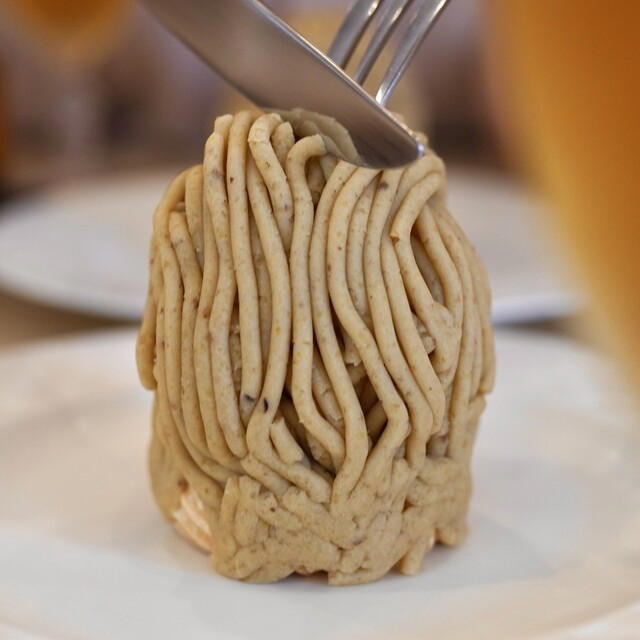
The menu
What to order
- Morning set with bread and drink
Kanazawa Ward is not the Yokohama of waterfront hotels and red-brick promenades. The approach shifts the mood: residential blocks, hillside roads, apartment complexes, and the quieter rhythm of a neighbourhood where a cake shop can become a local destination without needing spectacle. That setting matters. In Japan, serious patisserie is not confined to Ginza counters or department-store basements; some of the more telling addresses sit in suburban pockets where regulars buy whole cakes, families stop after errands, and recognition arrives because the work holds up beyond convenience.
Au petit matin belongs to that category. Its repeated selection for Tabelog Sweets 100, including the EAST list in 2023 and earlier selections in 2017, 2018, 2019, 2020, and 2022, puts it inside a competitive field where technical consistency counts more than novelty. The score attached to its listing, 3.70, is also meaningful in the Japanese review economy, where patisserie ratings tend to move slowly and where small shops do not benefit from the theatre that helps high-end restaurants accumulate attention.
Yokohama's serious sweets scene extends well beyond the harbour
Yokohama’s dining identity is usually told through Chinatown, port-city Western influence, ramen corridors, and hotel dining. Sweets complicate that story. The city’s patisserie culture has long absorbed French technique through Japanese retail discipline: precise portioning, seasonal fruit work, takeout packaging, and cafe seating where available. The result is a genre that can feel modest from the street but demands a trained hand behind the counter.
That is the context in which Au petit matin makes sense. The listing category is Cake and Cafe, a pairing that signals a Japanese format rather than a Western dessert restaurant. In this tier, the question is not whether a room delivers a long meal. It is whether the cakes justify a detour, whether the cafe function supports the pastry rather than diluting it, and whether recognition has been sustained across more than a single awards cycle. Repeated Tabelog Sweets 100 selections answer part of that question with a clear industry signal.
Compared with Yokohama peers in the same broad budget band, such as hoshinochuukasoba, the appeal is a different kind of precision: not broth concentration or noodle texture, but the controlled grammar of a cake case. Against Ganesh, which occupies a slightly higher dinner bracket while remaining approachable at lunch, the contrast is even clearer. Yokohama’s mid-range dining is not one scene but several: curry houses, ramen rooms, yakitori counters, cafes, and patisseries all compete for routine local loyalty before they compete for travellers’ attention.
Recognition matters here because the format is intentionally small
In a large dining room, reputation can be engineered through design, service choreography, and a media-friendly chef narrative. A neighbourhood cake-and-cafe address has fewer tools. Recognition has to come from repeat purchase, consistency, and the ability to satisfy both casual users and pastry-focused visitors. Au petit matin’s Tabelog Sweets 100 history is therefore more useful than a single broad restaurant accolade: it places the shop among sweets specialists in eastern Japan, not merely among Yokohama cafes.
The room itself is compact by category standards, with 20 seats listed, and the format includes takeout. That combination is typical of Japanese patisserie at this level. The seated experience is secondary to the cake counter, but not irrelevant; cafe use changes the pacing, particularly for visitors treating Kanazawa Ward as a planned stop rather than a quick errand. Private rooms are not part of the proposition, and the non-smoking policy aligns with the family-friendly, daytime-cafe character of the place.
For travellers mapping a broader Yokohama food day, this is not a replacement for a full dinner reservation. It is the kind of stop that works between neighbourhoods or as a deliberate sweets detour. The city’s drinking and leisure circuits sit elsewhere, covered in Our full Yokohama bars guide, Our full Yokohama wineries guide, and Our full Yokohama experiences guide.
How to place it in a wider Kanagawa food day
The strongest way to read this address is as part of Kanagawa’s distributed food geography. Yokohama rewards moving beyond a single postcard district: a yakitori stop such as 1000 (Yakitori (Grilled chicken skewers)), long-running local Chinese cooking at Aichun, curry at Ajowan, soup curry at Alpenjiro Honten, or a casual canteen rhythm at Anzen Shokudo all point to a city where specialisation is spread across neighbourhoods rather than concentrated in a single luxury district.
The same logic extends past Yokohama. Kamakura’s dining circuit includes -Grilled beef Sukiyaki- KAMAKURA TANUKIAN 鎌倉 たぬき庵 in Kamakura, while nearby Kawasaki offers casual regional contrast through (Shoku) Vietnam in Kawasaki. Farther afield, the EP Club map runs from. 鮪と炭火焼き うお炭 秋葉原店 in Tokyo to.cafe in Osaka.know in Kumamoto, [Curry Senmon Ten] Maruyama Kyoju. in Sapporo, and even Japanese-leaning dining abroad at Jōdo Saké Bar in Los Angeles and Onigiri Time in Pasadena.
Within that network, Au petit matin earns attention for restraint rather than scale. The better expectation is a recognised cake-and-cafe stop with a neighbourhood cadence, not a theatrical dessert course. Its reputation is built on repeated sweets-specific recognition, a small room, and a format that suits families, friends, and takeout as much as seated cafe use. For travellers who already understand that Japan’s pastry culture often hides its ambition behind retail discipline, this is exactly the kind of Yokohama address that explains the city more clearly than another view of the bay.
Frequently asked questions
Is Au petit matin suitable for children?
Yes. the public record marks it as children welcome, with 20 seats and a family-friendly profile in Yokohama’s Kanazawa Ward. It also sits in the JPY 1,000–JPY 1,999 range, which keeps it within reach for an easy cake stop. Check the venue's official channels for the latest details.
Is Au petit matin better for a quiet night or a lively one?
It reads as the quieter option. The café closes at 8 PM on open days, has 20 seats, and is listed for take-out rather than full-service dining, so it suits a calm stop more than a lively evening out.
Is Au petit matin more mid-range or high-end?
Pricing at Au petit matin is listed as JPY 1,000 - JPY 1,999 JPY 1,000 - JPY 1,999 View spending breakdown.
When can I go to Au petit matin?
Hours at Au petit matin: Mon: 10 AM–8 PM; Tue: 10 AM–8 PM; Wed: Closed; Thu: Closed; Fri: 10 AM–8 PM; Sat: 10 AM–8 PM; Sun: 10 AM–8 PM.
Booking and Cost Snapshot
Comparable venues to anchor price and recognition.
| Venue | Cuisine | Price | Awards | Notes |
|---|---|---|---|---|
| Au petit matinThis venue — the venue you are viewing | Japanese-French patisserie café | $1–10 | Tabelog 100 #25 | Not listed |
| Hakuraku Bagel | Bagel shop & bakery-cafe | $1–10 | Tabelog 100 #39 | Kanagawa, Bagel shop & bakery-cafe |
| DORER | Pastry shop & bakery | $1–10 | Tabelog 100 #85 | Nishi, Pastry shop & bakery |
| Silk Road Ryori Budouen | Silk Road / Xinjiang homestyle cuisine | $10–20 | Tabelog 100 #43 | Seya, Silk Road / Xinjiang homestyle cuisine |
| TOTSZEN BAKER’S KITCHEN | Bakery / Sweets | $1–10 | Tabelog 100 #25 | Kōhoku, Bakery / Sweets |
| Norizo | Japanese Bakery & Pâtisserie | $1–10 | Tabelog 100 #68 | Naka, Japanese Bakery & Pâtisserie |
Recognition history
Dated appearances from independent guides and award organizations, with the underlying list record or original source where available.
Tabelog 100 #25 · No. 25
Tabelog · Tabelog 100 - Sweets - EAST - 2023











Details
- Cozy
- Quiet
- Classic
- Solo
- Casual Hangout
- Standalone
- A La Carte
- Counter Dining
- Coffee
- Tea
Current opening hours
- Monday
- 10 AM–8 PM
- Tuesday
- 10 AM–8 PM
- Wednesday
- Closed
- Thursday
- Closed
- Friday
- 10 AM–8 PM
- Saturday
- 10 AM–8 PM
- Sunday
- 10 AM–8 PM
Hours can change for holidays and private events. Last verified .
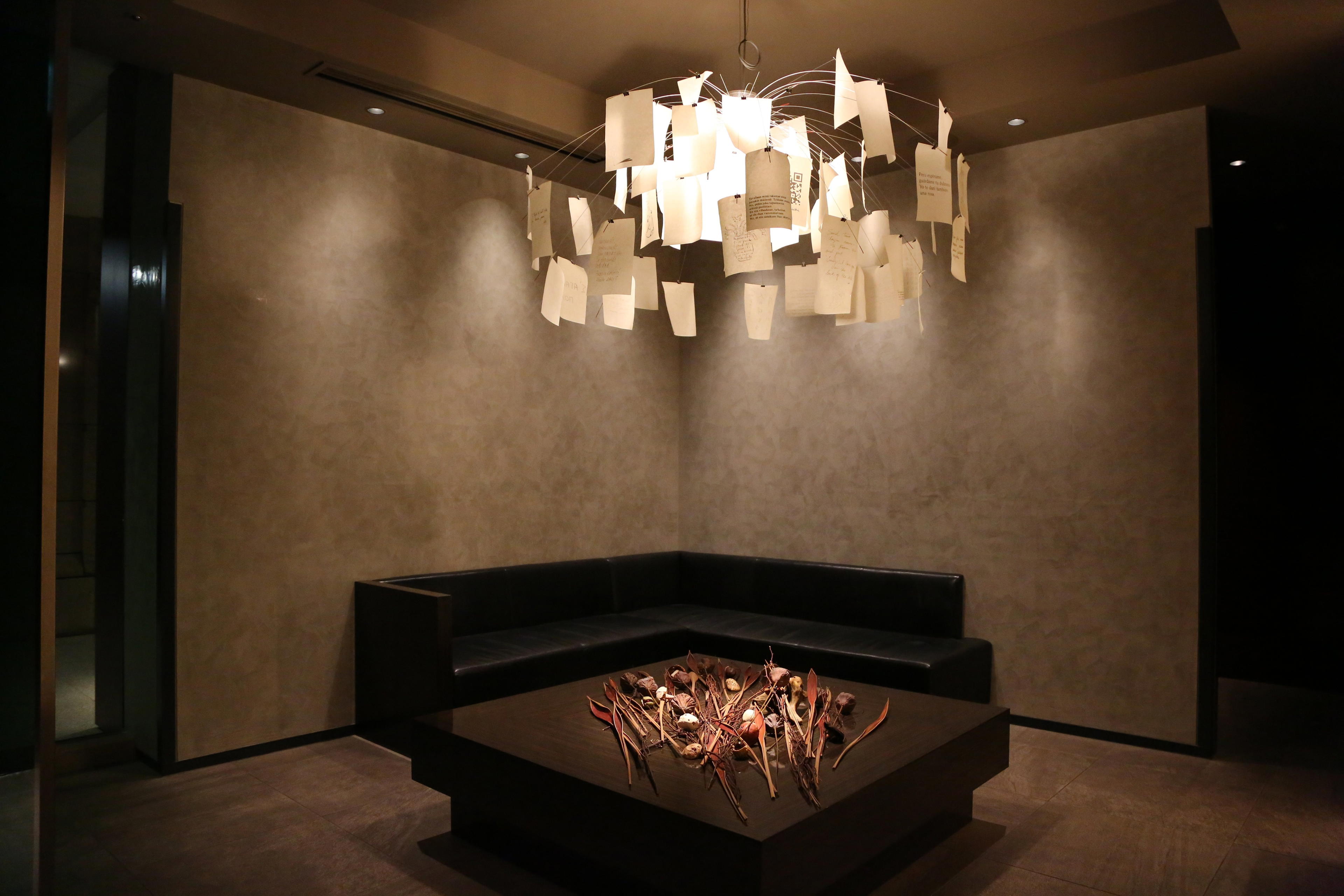
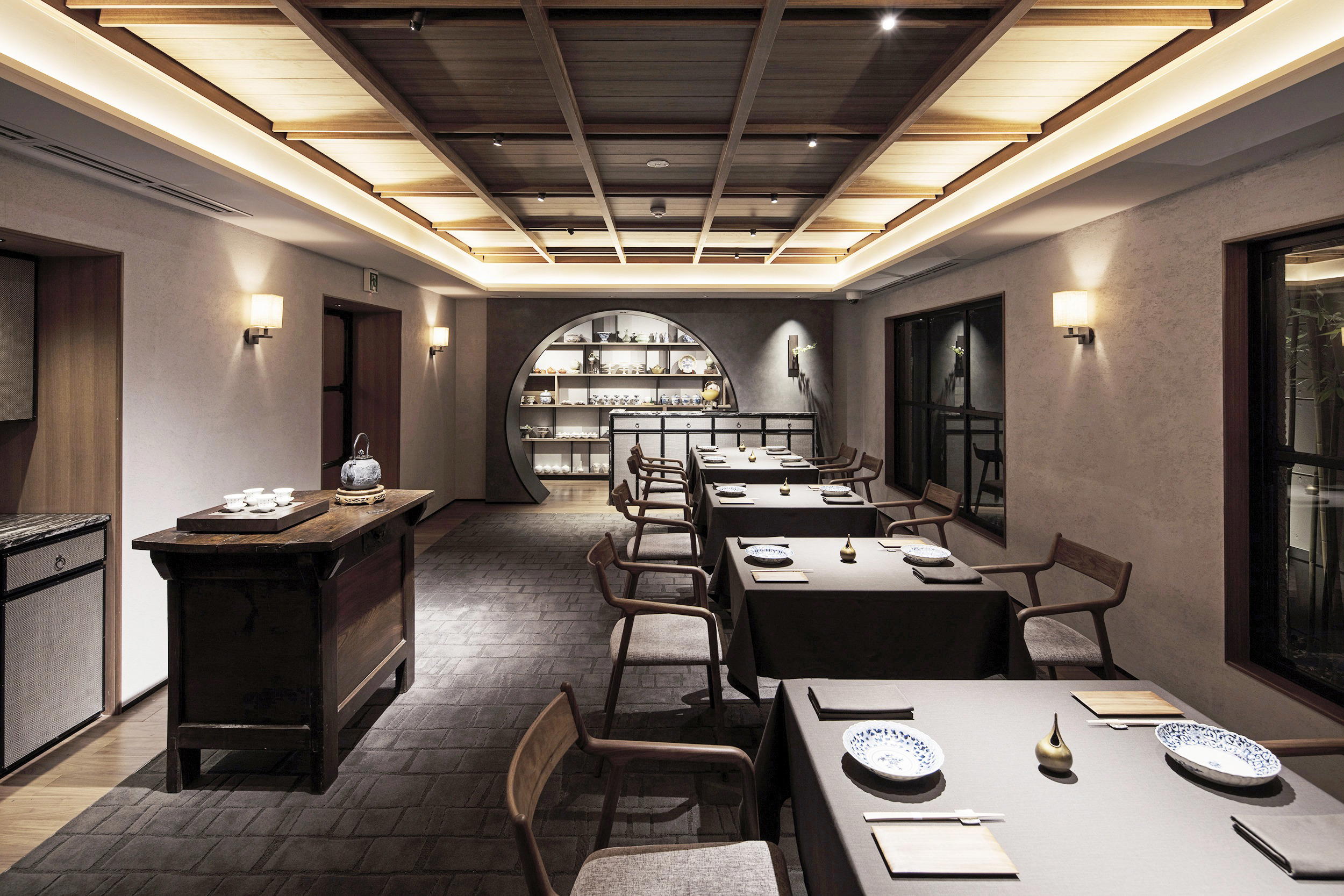
Warm and homey patisserie feel with a small counter and few seats, soft lighting, and a calm, unhurried vibe suited to quiet breakfasts or coffee breaks.