Au Goût des Autres sits in Belberaud, a quiet commune southeast of Toulouse, where the French tradition of cooking to the taste of others, literally what the name means, finds a village-scale expression. This is not destination dining in the grand-château sense, but rather the kind of neighbourhood table that France's rural south still produces with quiet consistency. A grounded choice for those already in the Haute-Garonne area.
 Discover on Pearl
Pearl is the En Primeur Club membership app — saves, bookings, and concierge access live there. Same editors, same standards.
- Address
- 3 Rue de Pierregrat, 31450 Belberaud, France
- Phone
- +33561545364
- Website
- restaurantaugoutdesautres.fr
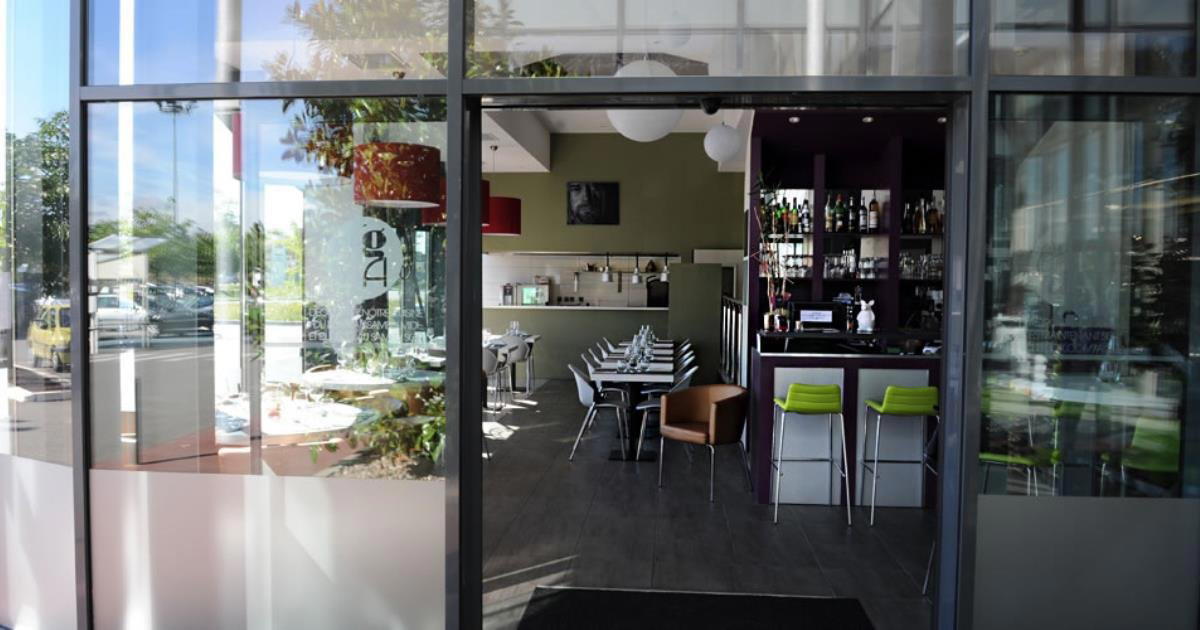
A Village Table in the Haute-Garonne
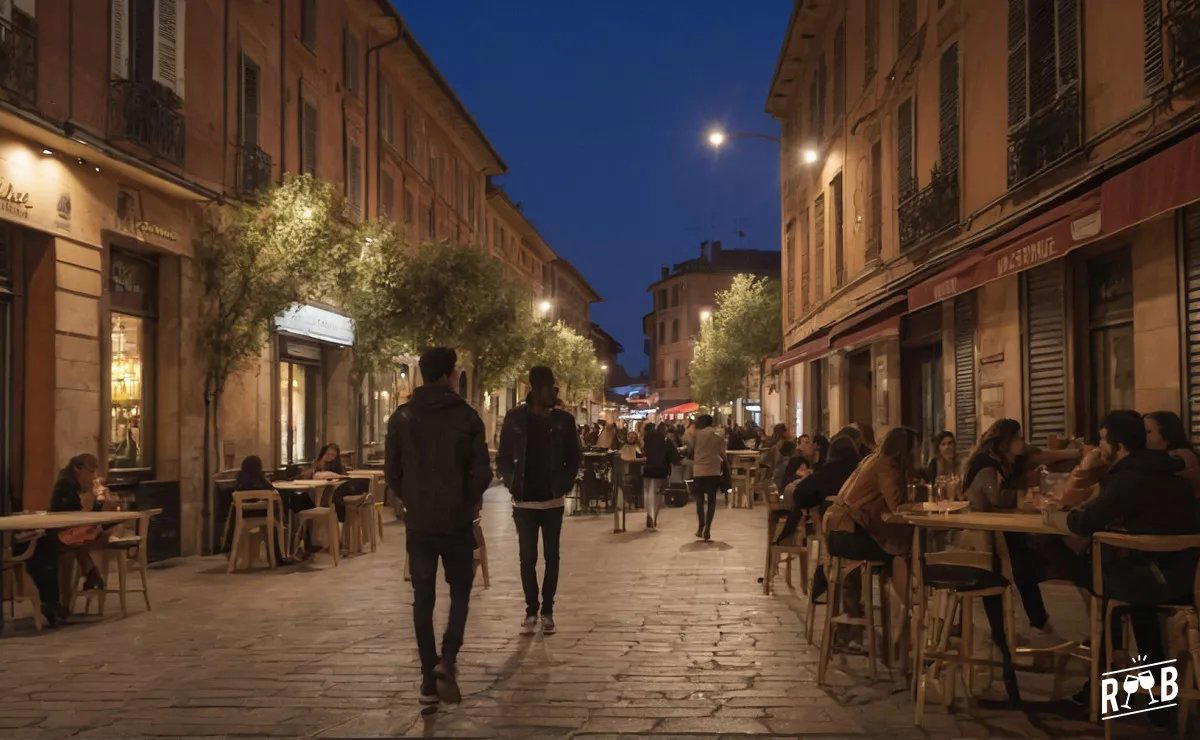
The commune of Belberaud sits roughly fifteen kilometres southeast of Toulouse, well outside the city's orbital restaurant circuit and firmly inside the agricultural plain that defines this corner of Haute-Garonne. Arriving at 3 Rue de Pierregrat, there is no grand facade, no valet queue, no architectural statement designed to signal ambition from the pavement. What the address offers instead is the kind of physical quietness that French village dining has always used as its first argument: that the food, and the people around the table, are the point.
What the Name Promises
Au Goût des Autres translates directly as "to the taste of others", a phrase that, in the context of French restaurant culture, carries a specific implication. It positions the kitchen as service-oriented rather than auteur-driven, a posture that runs counter to the dominant mode of contemporary fine dining, where the chef's own taste is the organising principle of every menu decision. France's most decorated tables, from Mirazur in Menton to Alléno Paris au Pavillon Ledoyen, are built around a singular culinary intelligence asserting itself through sourcing, technique, and composition. A name like Au Goût des Autres signals something different: a kitchen oriented toward the guest's pleasure rather than the cook's statement. As a declared editorial stance it places the venue in a legible tradition.
The Tradition of Rural French Tables
Southern France's village restaurants occupy a distinct tier in the country's dining ecosystem. They are not the grand maisons of Burgundy or the Rhône, the kind represented by Maison Lameloise in Chagny or Troisgros in Ouches. They operate in a register that prioritises regularity over revelation: a fixed menu that rotates with market availability, a short wine list anchored to regional producers, and a room sized to feel full with thirty covers.
In Haute-Garonne, that tradition connects to an agricultural supply chain that remains genuinely productive. The plains between Toulouse and the Lauragais are duck country, cassoulet country, and increasingly, the source territory for smaller producers supplying urban restaurants in the city. A village table that takes its sourcing seriously in this geography has access to the same raw material that drives Toulouse's kitchens, and the argument for cooking here rather than in the city is proximity.
This is the same logic that animates the deep-country French tables that have earned recognition well beyond their postcode: Auberge du Vieux Puits in Fontjoncouse, for instance, operates from a village of fewer than two hundred people in the Aude. Bras in Laguiole built its identity specifically around the botany and livestock of the Aubrac plateau. The ingredient origin story is not incidental to these restaurants, it is the editorial argument that makes the distance worth covering.
Ingredient Sourcing as the Central Logic
For a restaurant positioned in a productive agricultural zone and carrying a name that foregrounds hospitality over ego, sourcing is the most relevant lens. The Haute-Garonne and surrounding departments produce poultry with appellation status, stone fruits from the Tarn, sheep's milk cheeses from the Pyrénéan foothills less than an hour south, and a constellation of small-scale vegetable growers who supply Toulouse's market halls. A kitchen working with this geography does not need to reach far to build a seasonally coherent menu.
Contrast this with the sourcing posture of, say, Flocons de Sel in Megève, which works with Alpine producers specific to that altitude and climate, or Les Prés d'Eugénie in Eugénie-les-Bains, where Michel Guérard's cuisine minceur framework shaped how locally sourced ingredients were prepared for decades. In each case, the sourcing geography is not just provenance marketing, it determines the flavour register, the seasonal rhythm, and the identity of the menu. For a village restaurant in Belberaud, that same logic applies at a smaller scale, with fewer intermediaries between field and plate.
Where Au Goût des Autres Sits Relative to the Region
Toulouse's dining scene at the leading end has grown more cosmopolitan in recent years, with creative and international formats expanding alongside the city's traditional brasserie and bistrot culture. The village restaurants in the surrounding communes occupy a quieter position in that ecosystem, they serve a local clientele consistently and attract out-of-town visitors primarily through word of mouth or recommendation rather than guide listings. This is a different competitive dynamic than the one governing decorated addresses like Georges Blanc in Vonnas or Auberge de l'Ill in Illhaeusern, where international visitor traffic is built into the business model.
For travellers already based in Toulouse or passing through on a longer southern France itinerary, Belberaud is a short drive rather than a detour. The village itself offers little beyond the table as a destination draw, which means the restaurant needs to carry the full weight of the visit on its own merits. That is a pressure that clarifies what a kitchen is actually doing, without the softening effect of scenic context or resort amenity.
Planning a Visit
Belberaud is accessible by car from Toulouse in under twenty minutes via the D2 southeast. Public transport connections to the village are limited, making a vehicle or taxi the practical choice for visitors without a car. Reservations are recommended. Visitors combining Au Goût des Autres with a broader southern France itinerary might look at how it anchors a day trip from Toulouse rather than treating it as a standalone overnight destination.
In Context: Similar Options
Comparable venues nearby, for context on price, style, and recognition.
| Venue | Cuisine | Price | Awards | Notes |
|---|---|---|---|---|
| Au Goût des AutresThis venue — the venue you are viewing | Modern French Gastronomic | $$$ | , | |
| Coté vin | French Wine Bar with Tapas | $$$ | , | Capitole / Arnaud Bernard / Carmes |
| Le Colombier | Traditional Southwestern French Cassoulet | $$$ | , | Les Chalets / Bayard / Belfort / Saint-Aubin / Dupuy |
| Le Petit Canard | Traditional French Duck Bistro | $$$ | , | 9th arrondissement |
| Balthazar | Locavore French Bistro | $$$ | , | Capitole / Arnaud Bernard / Carmes |
| Mets et Plaisirs | French Gastronomic Cuisine | $$$ | , | Mazamet center |
Continue exploring
More in Belberaud
Restaurants in Belberaud
Browse all →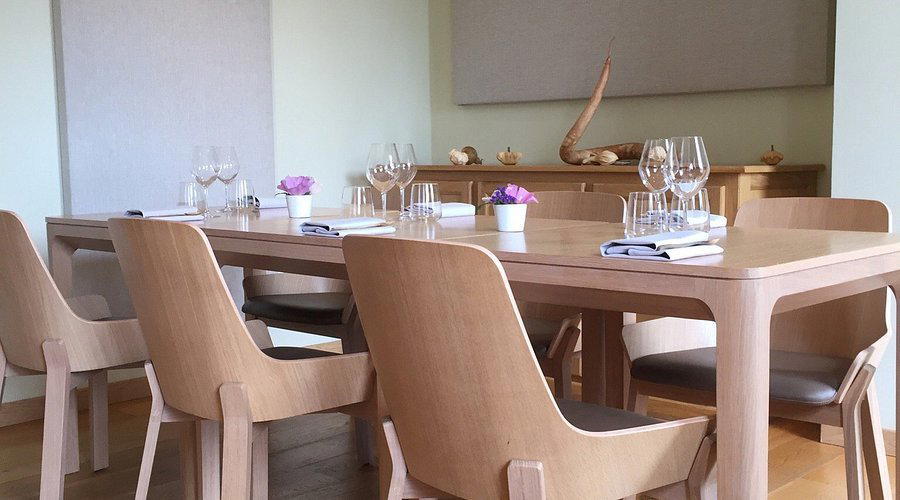

At a Glance
- Cozy
- Elegant
- Intimate
- Date Night
- Special Occasion
- Open Kitchen
- Sommelier Led
- Local Sourcing
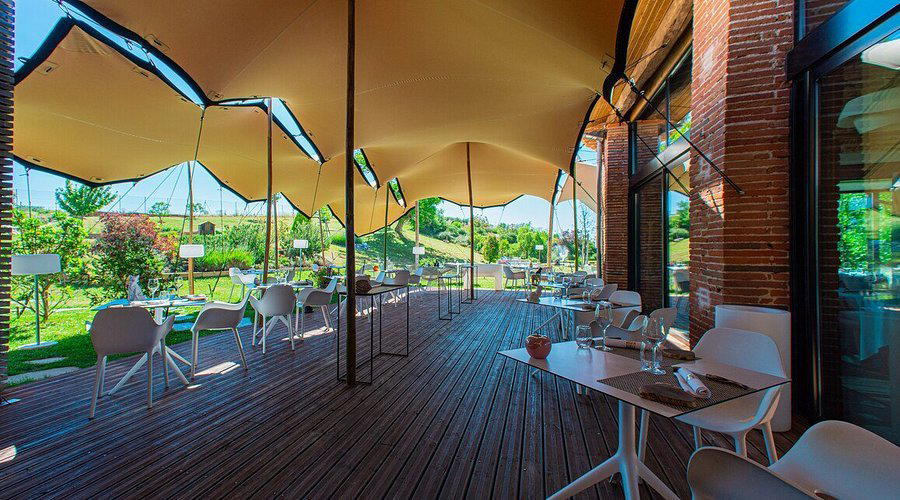
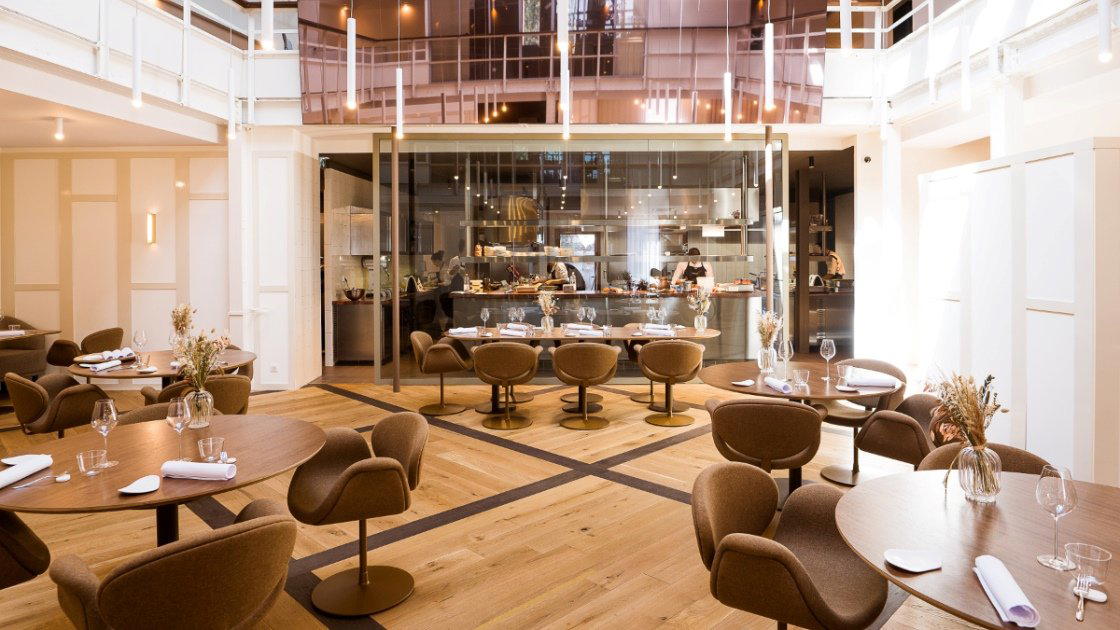
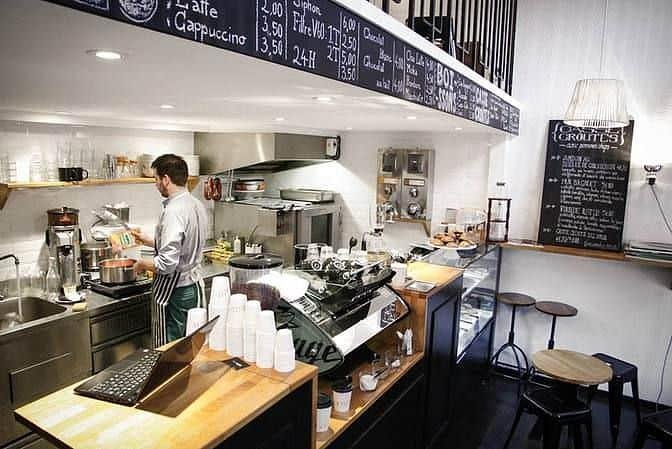
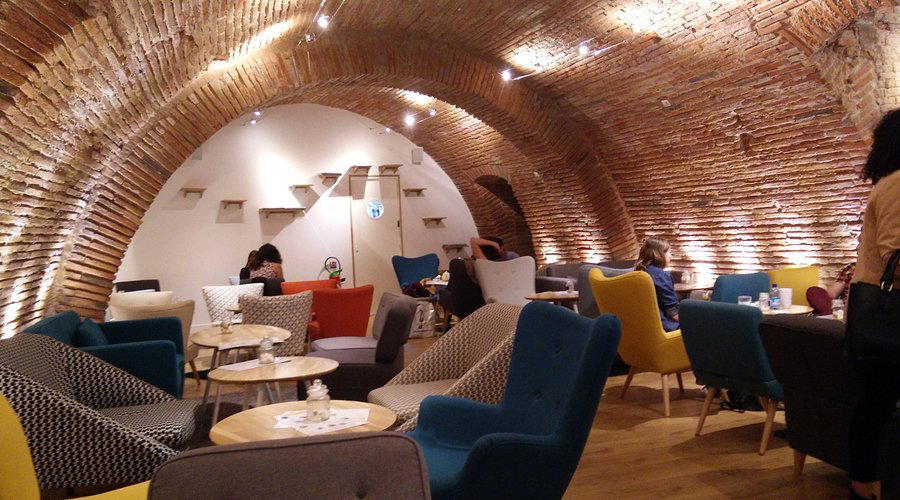
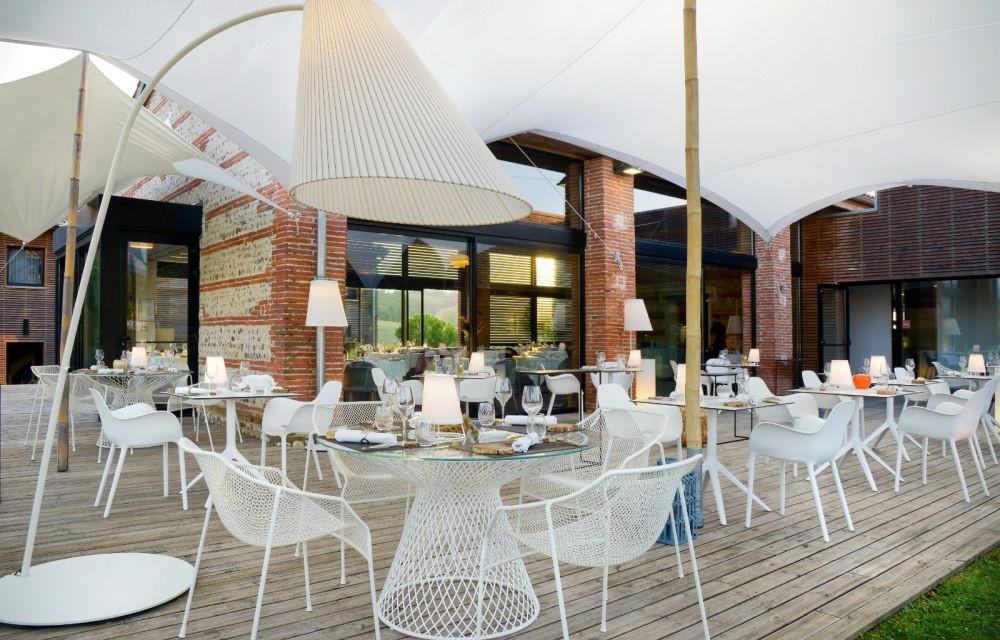
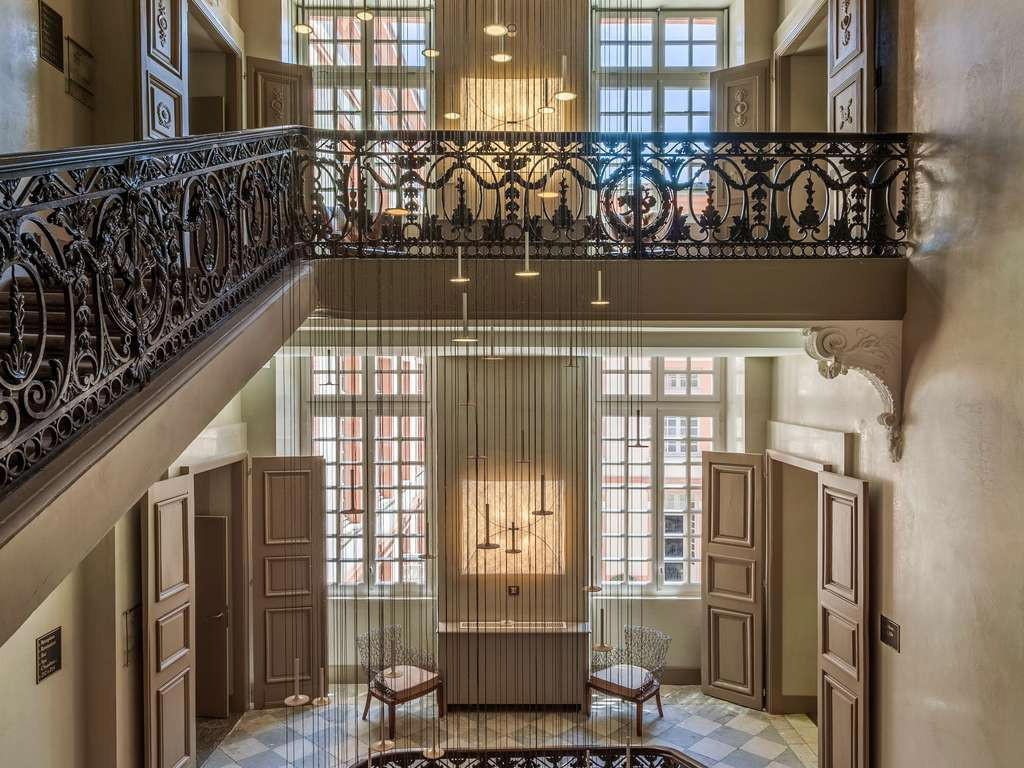
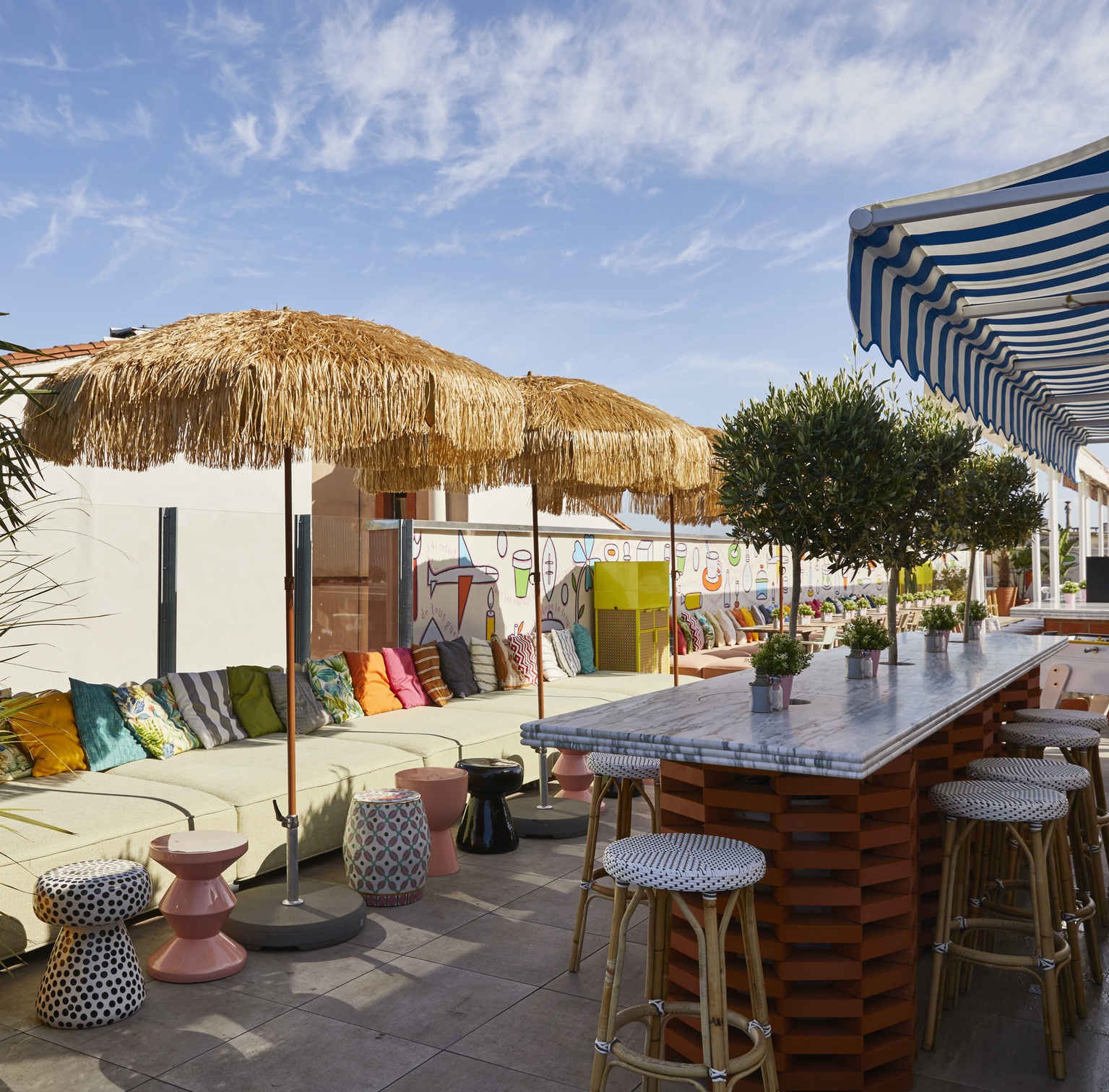
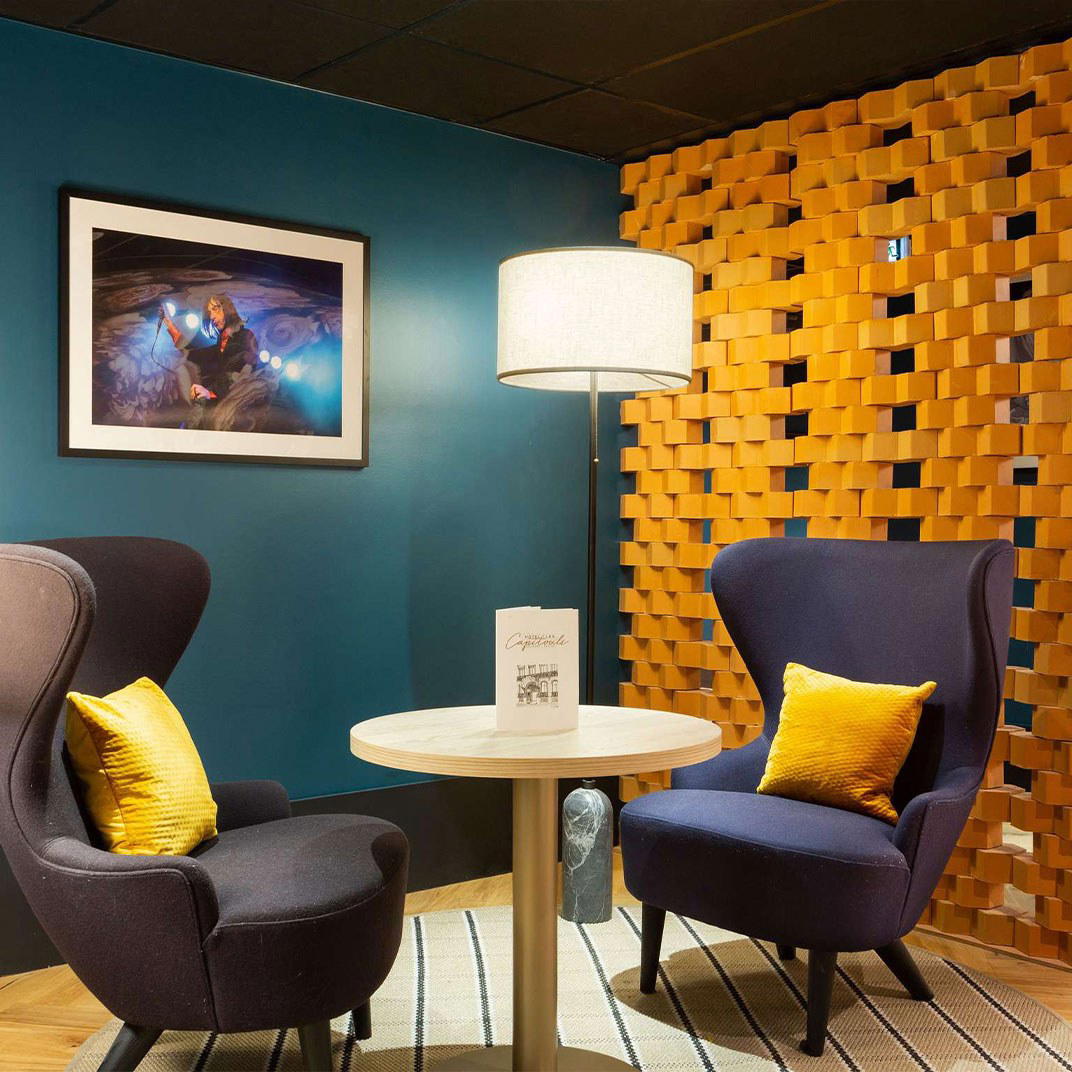
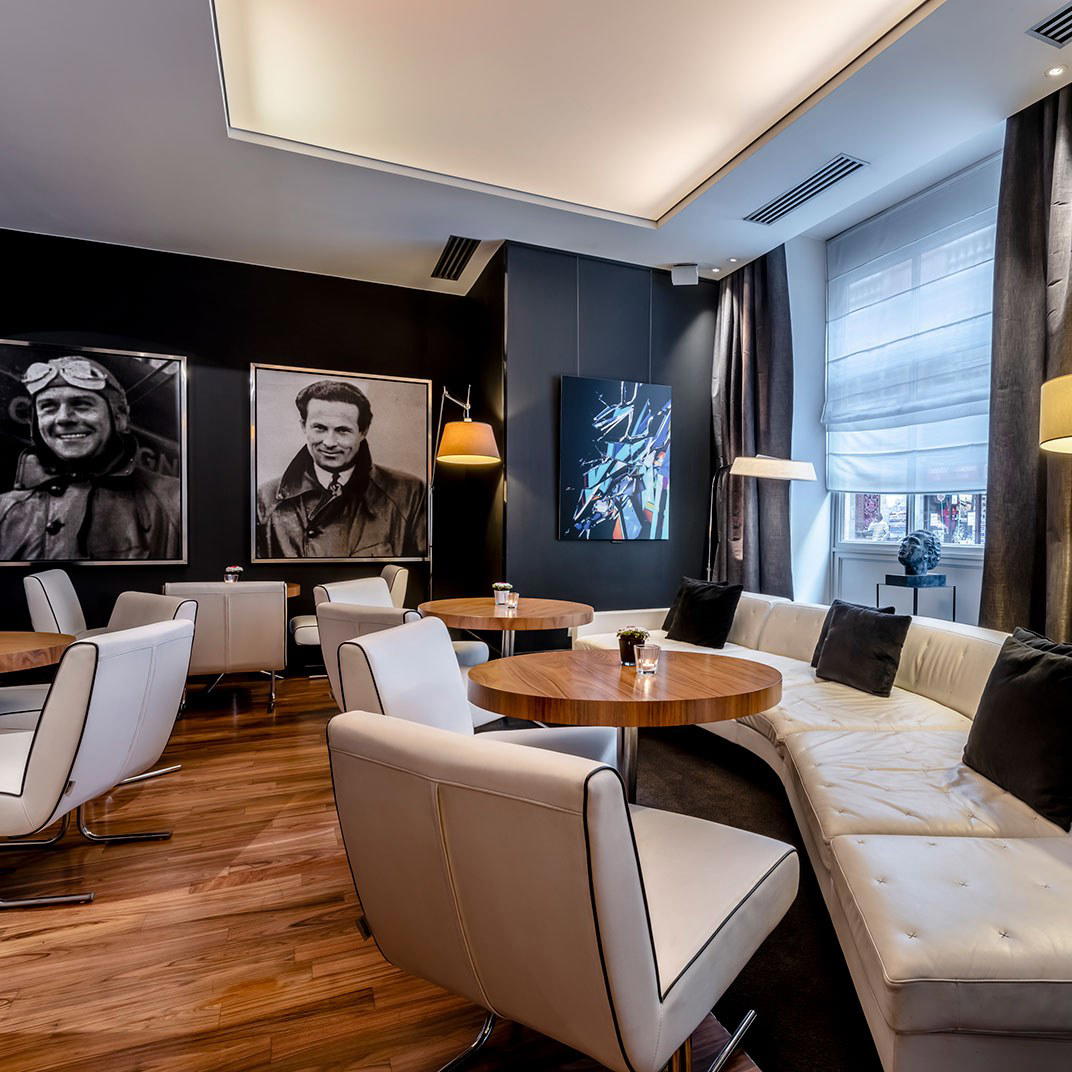
Atypical and warm New-York style decoration with open kitchen view, providing a cozy and elegant atmosphere.