
Michelin Plate
Our verdict
Au Comptoir d'Augusta belongs to Bordeaux’s more grounded modern dining current, where ingredient sourcing and bistro-scale cooking matter more than grand-room ceremony. Its connection to the couple behind Le Clos d’Augusta gives it a useful reference point: this is a comptoir reading of the same city’s appetite for seasonal French cooking, set against Bordeaux’s wine-led dining culture.

Pearl is the En Primeur Club membership app — saves, bookings, and concierge access live there. Same editors, same standards.
- Address
- 284 rue Judaïque, Bordeaux, Nouvelle-Aquitaine, 33000, FRA
- Phone
- +33 5 56 96 32 51
- Hours
- Mon ClosedTue–Fri 12–1:30 PM, 7:30–9:15 PMSat 12–1:30 PM, 7:30–9:30 PMSun Closed
- Website
- guide.michelin.com
- Directions
- Get directions
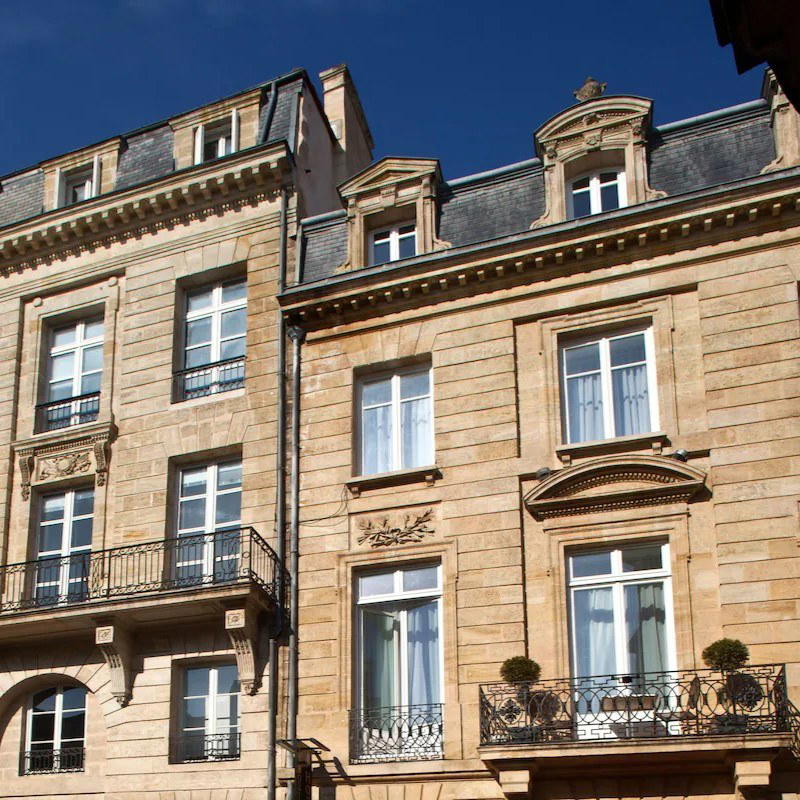
Bordeaux carries a rhythm beyond the postcard centre: residential doorways, shopfronts, everyday streets, and dinner as daily life rather than staged occasion. In that setting, Au Comptoir d'Augusta fits the city’s quieter contemporary lane, where the question is not how elaborate the room can become, but how directly a restaurant can translate produce, seasonality, and Bordeaux’s wine-drinking habits into a meal that feels local without rustic theatre.
Bordeaux dining has long been pulled between two identities. One is formal, cellar-conscious, and built for visitors arriving with classified growths in mind. The other is smaller and ingredient-led, shaped by the region around the city and its appetite for contemporary restaurants that keep a clear culinary grammar. This kind of address sits closer to the second camp, countering higher-spend modern tables by framing sourcing and execution at a more immediate scale.
A comptoir reading of Bordeaux's ingredient culture
The clue is in the name. A comptoir suggests proximity: less distance between the idea of a meal and the guest’s experience, less ceremony around the plate, and a format that rewards restrained handling of produce. In Bordeaux, that matters. The city’s dining reputation is often filtered through wine, yet the plate depends on a wider regional network. A restaurant in this register need not announce luxury through rare ingredients; it needs clarity about what belongs on the plate in season.
Au Comptoir d'Augusta gains context from its place in the same Bordeaux conversation as Le Clos d’Augusta, a more formal local reference point in the modern bracket. That comparison places the address inside a useful local question: how serious sourcing and technique adapt to different service formats. Le Clos d'Augusta operates in a higher-composure lane; the comptoir idea implies a more direct encounter with a regional pantry. Other Bordeaux dining rooms occupy different parts of the city’s contemporary spectrum, from creative cooking to bistro familiarity. This address sits between those poles: polished enough for a serious Bordeaux itinerary, but not a grand tasting-menu event.
That distinction matters for readers who plan meals around wine. Bordeaux can make restaurants feel secondary to bottles, especially for travelers moving between the city and vineyard appointments. Ingredient-led cooking gives the table balance. Instead of treating lunch or dinner as a pause between tastings, the meal can mirror the region’s agricultural breadth and everyday appetite. Smaller restaurants often make that argument clearly, because the sourcing logic is easier to read and the meal need not compete with the cellar.
Where it sits among Bordeaux's modern tables
The competitive set in Bordeaux is increasingly segmented. Soléna represents the more expensive modern end; Sens and Racines by Daniel Gallacher point toward contemporary cooking at a less formal level; Le Bistro du Sommelier keeps the wine-first tradition in view. Au Comptoir d'Augusta belongs in conversation with these addresses because it helps define a middle category Bordeaux needs: restaurants serious enough for a planned dinner, easy enough for a city stay that also includes bars, hotels, wineries, and daytime cultural appointments.
For travelers building an itinerary, that middle category is often where the city becomes legible. Grand addresses explain ambition. Bistros explain habit. More compact modern tables explain how local diners may want to eat now: cleaner plates, fewer theatrical gestures, produce carrying the argument, and wine service that does not turn the evening into a lecture. This is why the sourcing angle matters more than a dish list. Without a confirmed current menu, the safer, more useful reading is structural: the address belongs to a Bordeaux movement that prizes seasonal cooking in an urban format.
The practical takeaway is simple. A meal in this lane works when the rest of the day already contains Bordeaux’s heavier pleasures: vineyard visits, long lunches, wine bars, or a hotel dining room with a formal cadence. It is less spectacle than calibration. Readers comparing city options can use Our full Bordeaux restaurants guide for the wider dining map, then cross-check the trip through Our full Bordeaux hotels guide, Our full Bordeaux bars guide, Our full Bordeaux wineries guide, and Our full Bordeaux experiences guide. Bordeaux rewards travelers who do not treat every meal as a trophy booking.
The right occasion for this kind of table
The strongest use case is a dinner that keeps Bordeaux in focus without overloading the evening. Families or mixed groups may find this style easier than a long-form fine-dining commitment, provided the party is comfortable with a focused restaurant rather than a broad, all-purpose menu. Couples and small groups interested in wine will get a better fit than visitors seeking a high-energy scene. The appeal points toward conversation, pacing, and produce rather than volume.
For a wider comparison, the address sits in a national pattern rather than an isolated Bordeaux story. Across France, smaller modern restaurants often translate regional supply chains into formats less rigid than classic gastronomy. The same lesson appears internationally as a matter of format rather than cuisine: focused rooms with narrow concepts can make sourcing easier for diners to understand, while keeping the guest experience direct and legible.
The editorial case for Au Comptoir d'Augusta is measured but clear. It is a Bordeaux table for readers who care where the food comes from, want a modern meal without a formal performance, and understand that the city’s dining identity is broader than wine prestige alone. In a market crowded with cellar symbolism, that groundedness is the point.
Frequently asked questions
Does Au Comptoir d'Augusta work for a family meal?
Yes, if the group wants a relaxed meal in Bordeaux rather than a formal dining room. The fit is best for mixed-age tables that prefer a focused, direct restaurant experience.
What should I expect atmosphere-wise at Au Comptoir d'Augusta?
Expect a Bordeaux restaurant framed around the comptoir idea: direct, unfussy, and focused on the meal rather than heavy ceremony. In Bordeaux terms, that points to a more approachable experience than a classic white-tablecloth address.
What distinctions does Au Comptoir d'Augusta have?
Au Comptoir d'Augusta is listed in the MICHELIN Guide with a MICHELIN Plate distinction.
What's the address for Au Comptoir d'Augusta?
Au Comptoir d'Augusta is located in Bordeaux.
Should I book Au Comptoir d'Augusta in advance?
Advance booking is sensible for a Bordeaux restaurant, especially for dinner service. Smaller, focused places can fill earlier than larger à la carte rooms.
What do critics highlight about Au Comptoir d'Augusta?
Attention usually falls on its place in Bordeaux and the comptoir-style identity suggested by the name. Critics also tend to frame it as part of the city's modern, ingredient-led dining scene rather than a formal destination room.
In Context: Similar Options
Comparable venues by cuisine and price in the same metro.
| Venue | Cuisine | Price | Awards | Notes |
|---|---|---|---|---|
| Au Comptoir d'AugustaThis venue — the venue you are viewing | Modern French seasonal cuisine | $50–100 | Michelin Plate | Not listed |
| Le Clos d'Augusta | Refined French Fine Dining | $50–100 | Michelin Plate | Modern Cuisine |
| Sens | Modern French Bistro | $30–50 | Michelin Bib Gourmand | Modern Cuisine |
| Soléna | Modern French Gastronomique | $50–100 | 1 Michelin Star · Gault & Millau Remarkable Restaurant | Modern Cuisine |
| Le Bistro du Sommelier | Classic French Bistro | $30–50 | Not listed | Not listed |
| Racines by Daniel Gallacher | Modern French with Scottish Influences | $50–100 | Michelin Bib Gourmand · Star Wine List | Creative |
Recognition history
Dated appearances from independent guides and award organizations, with the underlying list record or original source where available.
Michelin Plate
Michelin
Continue exploring
More in Bordeaux
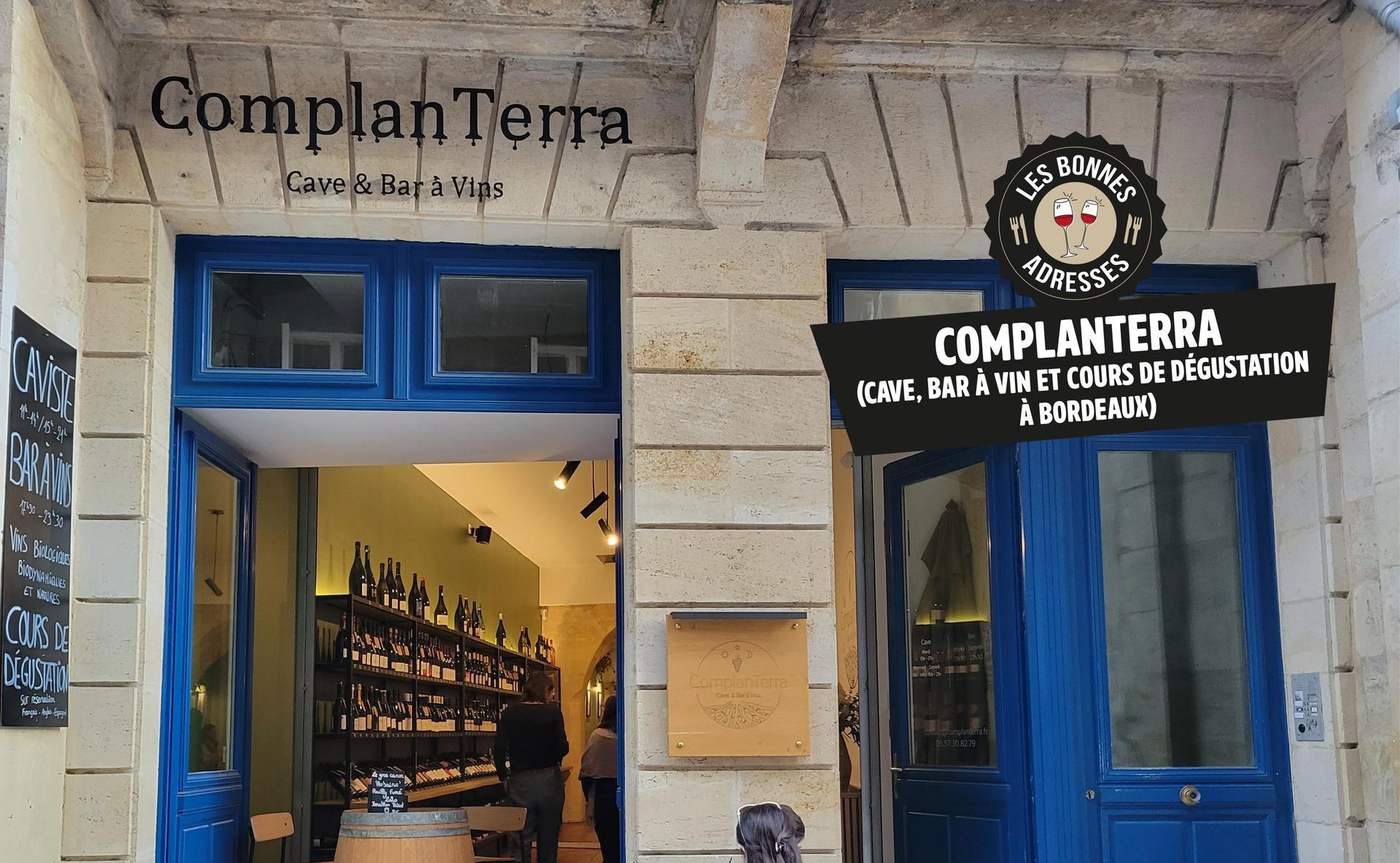
Restaurants in Bordeaux
Browse all →
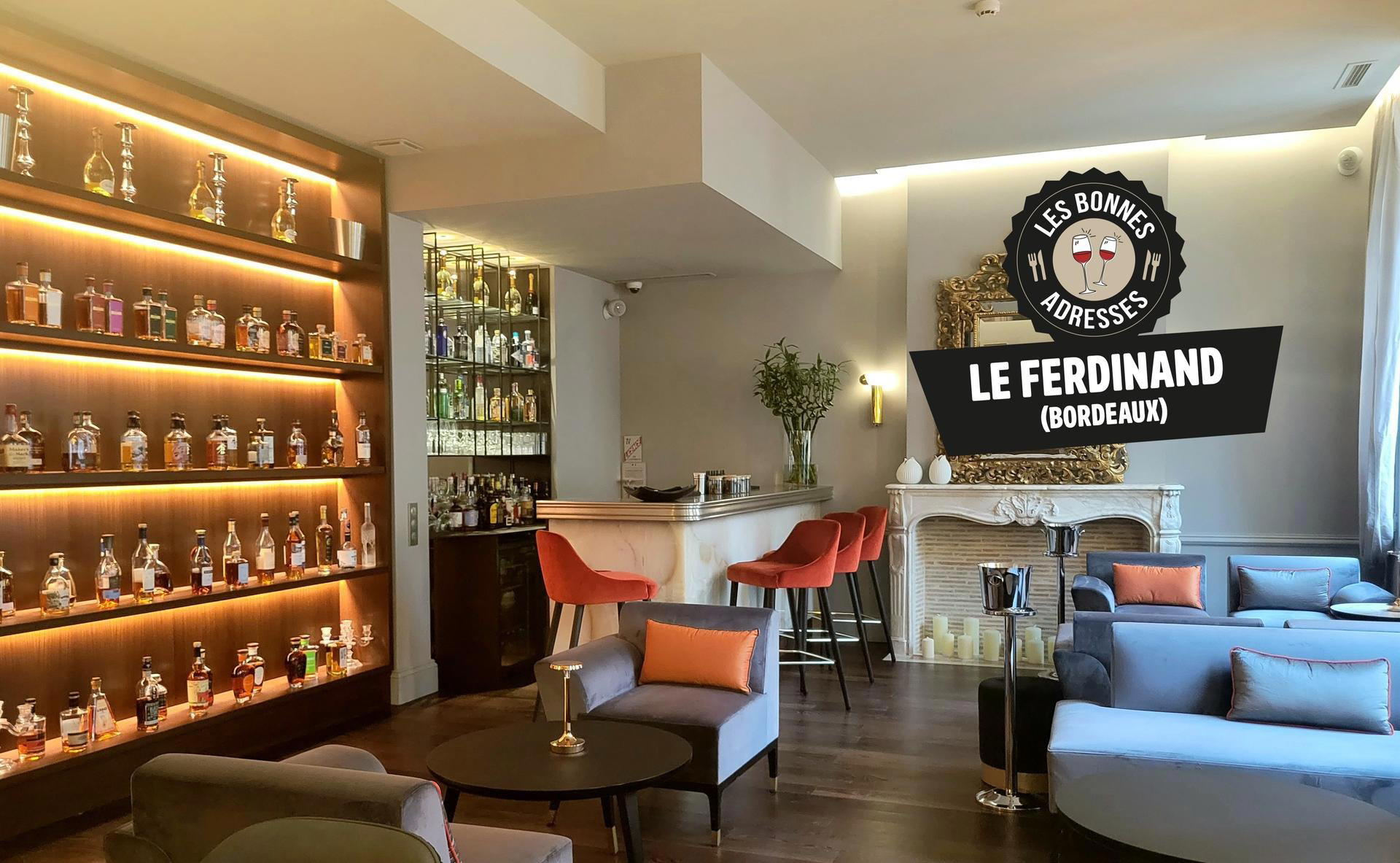
Bars in Bordeaux
Browse all →

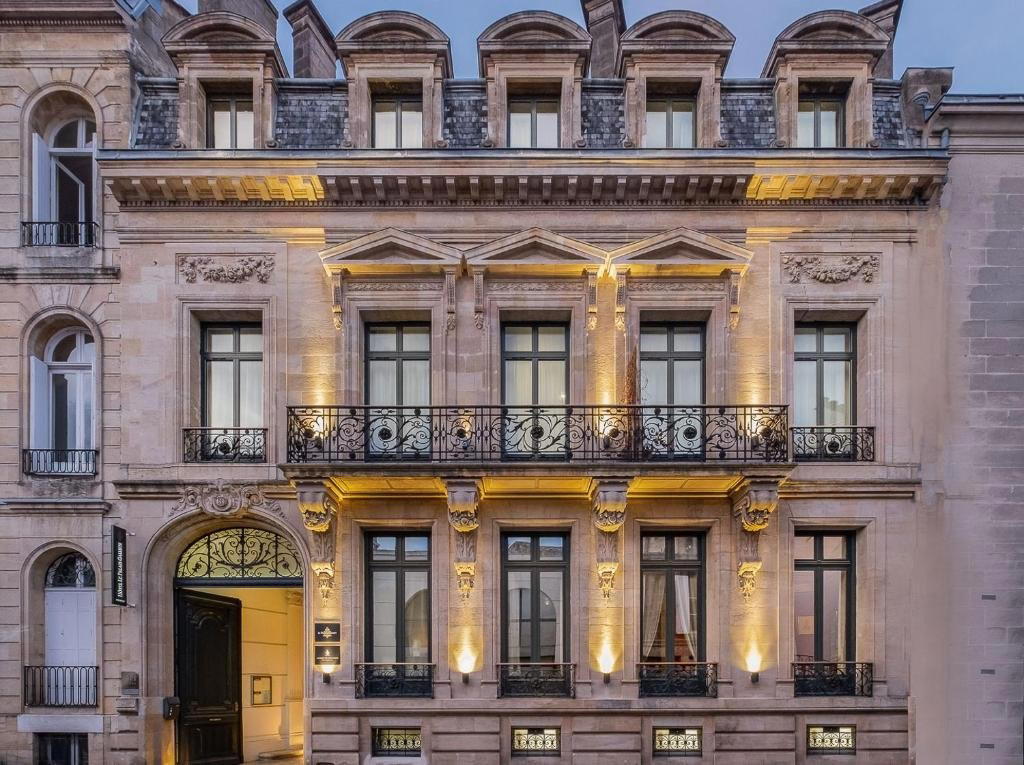
Hotels in Bordeaux
Browse all →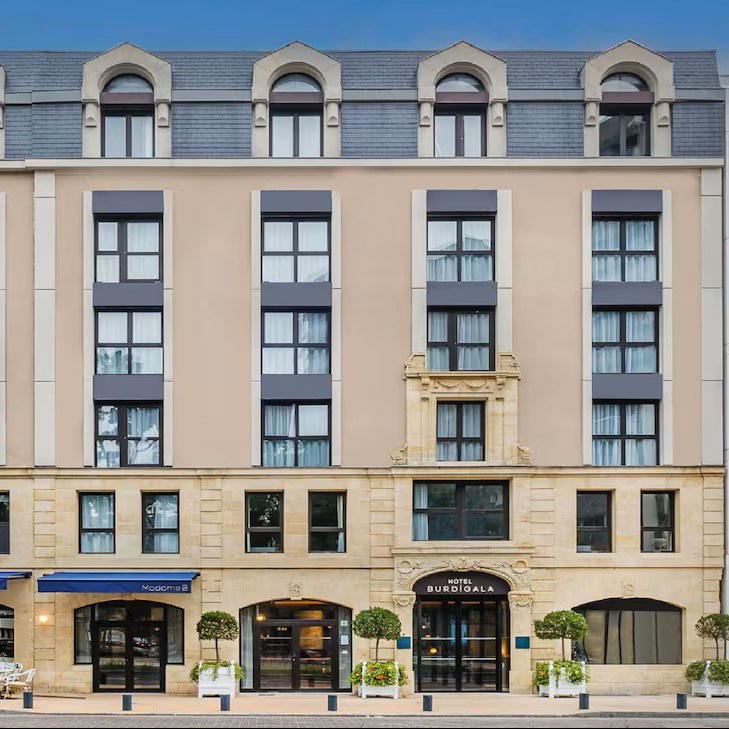

Au Comptoir d'Augusta
The wine
- Wine program
- Curated wine list
- Extensive wine list
Details
- Cozy
- Modern
- Intimate
- Elegant
- Date Night
- Special Occasion
- Business Dinner
- Group Dining
- Celebration
- Solo
- Chefs Counter
- Open Kitchen
- Terrace
- Garden
- Design Destination
- Standalone
- Extensive Wine List
- Local Sourcing
- Organic
- Tasting Menu
- A La Carte
- Counter Dining
- Set Menu
- Wine
- Organic Focus
Current opening hours
- Monday
- Closed
- Tuesday
- 12–1:30 PM, 7:30–9:15 PM
- Wednesday
- 12–1:30 PM, 7:30–9:15 PM
- Thursday
- 12–1:30 PM, 7:30–9:15 PM
- Friday
- 12–1:30 PM, 7:30–9:15 PM
- Saturday
- 12–1:30 PM, 7:30–9:30 PM
- Sunday
- Closed
Hours can change for holidays and private events. Last verified .
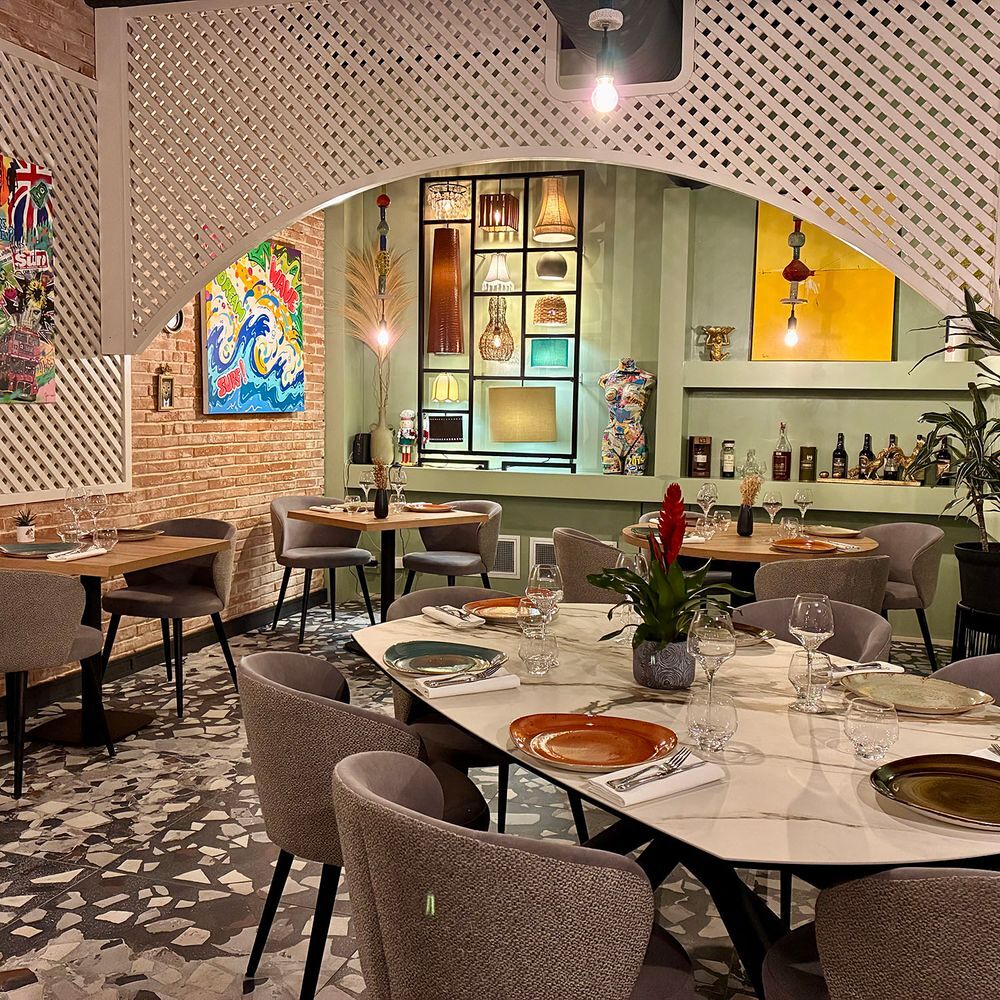
A contemporary, brick‑clad bistro with an industrial‑chic open kitchen and counter, warm lighting and cozy, original décor that creates an intimate, relaxed but refined atmosphere focused on proximity to the chef and the fire.