Atsumeru
Our verdict
Atsumeru at 933 N Ashland Ave sits at the intersection of Nordic technique and Japanese ingredients, a tasting menu format that places it in a small but growing category of cross-cultural precision dining in Chicago. The West Town address puts it outside the River North concentration of the city's flagship tasting rooms, signaling a different relationship between ambition and neighbourhood context.

Pearl is the En Primeur Club membership app — saves, bookings, and concierge access live there. Same editors, same standards.
The menu
What to order
- Foie-filled krumkake with cloudberry jam
- Chawanmushi with trout prawn and galangal
- Monkfish
- Sablefish
- Oysters
Where Nordic Discipline Meets Japanese Ingredient Logic
Chicago's tasting menu circuit has always been willing to absorb formats that don't fit neatly into American fine dining conventions. The city that gave Alinea its platform and sustained Next Restaurant through years of conceptual reinvention has a particular appetite for restaurants that argue a point rather than simply serve dinner. Atsumeru, on North Ashland Avenue in West Town, belongs to that tradition. Its premise, Nordic technique applied to Japanese ingredients, is not a novelty act. It is a structural approach that has found serious traction in a handful of cities globally, and Chicago is an interesting home for it.
The cross-pollination of Japanese ingredient sourcing with Scandinavian preservation and fermentation methods has produced some of the most coherent tasting menus of the past decade. Where classic French-Japanese fusion risked flattening both traditions into neutral luxury, the Nordic-Japanese axis works differently: both cultures share a formal relationship with seasonality, restraint, and the primacy of the ingredient over the technique. When the combination works, the result is a tasting menu with a clear internal logic rather than a sequence of impressive standalone courses.
The West Town Address and What It Signals
933 North Ashland Avenue is not the address you'd expect for a serious tasting menu operation. The stretch sits away from the River North and West Loop concentrations where most of Chicago's flagship dining rooms have clustered, partly because those neighbourhoods offer the foot traffic and hotel proximity that sustain high-volume covers. A tasting menu format in West Town trades that infrastructure for something different: a neighbourhood dining relationship, lower ambient competition for attention, and the kind of physical setting that doesn't carry the overhead of a prime commercial corridor.
This positioning matters editorially because it affects who finds the restaurant and how. Venues in West Town and the surrounding residential grid tend to draw a local core rather than a tourist pipeline. For a format as demanding as a tasting menu, that self-selecting audience can be an advantage. The room isn't filling with diners who wandered in from a hotel concierge recommendation. For broader context on how Chicago's restaurant geography shapes dining decisions, our full Chicago restaurants guide maps the city's neighbourhoods against their dining character.
Tasting Menu as Communal Format: The Izakaya Parallel
The editorial angle on a venue like Atsumeru benefits from a detour through izakaya culture, because the principles at work are more related than they first appear. Japanese izakaya dining is fundamentally about the rhythm of shared eating and drinking: small plates arriving across an extended evening, dishes calibrated to accompany rather than dominate, conversation and the table's social dynamic treated as part of the experience rather than background noise. The format encourages attention to individual ingredients without the formality of a kaiseki sequence.
Nordic tasting menus, at their most considered, carry a similar social structure. The pacing is deliberate. Courses are sized to sustain interest rather than produce satiety. Fermented, cured, and preserved elements introduce flavour complexity that rewards attention. When these two sensibilities are applied together, the resulting tasting menu can achieve something that neither tradition manages alone: the intellectual rigour of a Nordic sequence with the ingredient-forward warmth of Japanese cooking. The communal dimension of izakaya, the sense that the table is eating together through a shared experience rather than each person working through an individual meal, translates into a tasting format that uses extended pacing to deepen the evening rather than formalize it.
This is the category where Atsumeru operates. Comparable cross-cultural precision formats elsewhere in the US include Atomix in New York City, which applies Korean culinary tradition through a fine dining lens, and Lazy Bear in San Francisco, which uses a communal dining room to soften the boundaries between tasting menu formality and shared-table conviviality. The category is small but coherent, and its practitioners tend to attract a specific kind of diner: someone who arrives prepared to track what's happening on the plate.
To place Atsumeru accurately, it helps to map it against the city's other serious tasting operations. Smyth and Oriole represent Chicago's progressive American fine dining tier, both operating within the frameworks that earn and sustain Michelin recognition. Kasama brings Filipino-American cooking into the tasting menu format with a morning pastry counter attached, which gives it a different community relationship. Each of these operates in a way that reflects a distinct curatorial argument about what a Chicago tasting menu should be doing.
Atsumeru's Nordic-Japanese premise positions it as something without a direct local peer. That specificity is a credential in itself. Outside the US, the format has Scandinavian antecedents that run through the Nordic new wave, and Japanese counterparts in the ryotei tradition that Western European fine dining has engaged with differently.
The cross-cultural tasting menu is now a mature enough format that its practitioners can be assessed on execution rather than novelty. The question for any kitchen operating in this space is whether the technique genuinely serves the ingredient or whether the cultural fusion is cosmetic. That's the operative question for Atsumeru, and it's one the restaurant's address, format, and premise set up clearly.
Planning a Visit
Atsumeru's location at 933 N Ashland Ave in Chicago's West Town is reachable from the Loop in under twenty minutes by rideshare, and the neighbourhood offers parking options that the West Loop dining corridor rarely does. As a tasting menu format operating outside the high-traffic dining zones, booking timelines are worth confirming directly through the venue's current channels; tasting rooms at this level of ambition in Chicago typically require advance reservations, and weekend seatings at comparable operations across the city book several weeks out. Our full Chicago hotels guide covers accommodation across the city's neighbourhoods, including options that position you well for West Town dining. If you're building a broader Chicago itinerary, our guides to Chicago bars, Chicago wineries, and Chicago experiences cover the wider picture. For further reference on how Nordic-Japanese tasting menus compare against their classic fine dining counterparts internationally, Le Bernardin in New York City and The French Laundry in Napa represent the European-lineage fine dining tier against which this format is often implicitly measured. Emeril's in New Orleans offers a useful contrast in how American regional identity can anchor a tasting format differently.
Frequently asked questions
Where is Atsumeru in Chicago?
Atsumeru is located at 933 N Ashland Ave, Chicago, IL 60622, Chicago.
How does Atsumeru differ from other Japanese tasting menus in Chicago?
Atsumeru is not a conventional Japanese omakase or kaiseki operation. The defining approach applies Nordic culinary techniques, including fermentation, preservation, and austere plating discipline, to Japanese ingredients, making it one of the few Chicago venues working explicitly at that cross-cultural intersection. That positions it differently from the city's sushi counters and Japanese tasting rooms, and closer in spirit to Scandinavian-influenced progressive kitchens.
What's the signature dish at Atsumeru?
Atsumeru's menu is structured around Nordic technique applied to Japanese ingredients, meaning the kitchen's identity is expressed through the tasting format as a whole rather than any single plate.
How hard is it to get a table at Atsumeru?
Atsumeru operates on the tasting menu format at 933 N Ashland Ave in Chicago's West Town, a neighbourhood that draws a committed local following without the tourist volume of River North. Tasting menu operations in Chicago at this level typically require advance booking of several weeks, and seats are limited by the format's nature.
What do critics highlight about Atsumeru?
The concept draws attention for positioning Nordic discipline alongside Japanese ingredient logic, a combination that has few direct peers on Chicago's tasting menu circuit. Critics situating Atsumeru within the city's progressive dining scene place it in conversation with operations like Smyth and Oriole, though its West Town address and format mark it as a distinct proposition. No specific named critical awards are currently documented for the venue.
Does Atsumeru justify its prices?
Whether that range reflects value depends largely on how the kitchen executes the cross-cultural premise across the full progression of courses.
Cost and Credentials
Comparable venues nearby, for context on price, style, and recognition.
| Venue | Cuisine | Price | Awards | Notes |
|---|---|---|---|---|
| AtsumeruThis venue — the venue you are viewing | Nordic-Japanese Fusion Omakase | $150–200 | Not listed | Not listed |
| Class Act | Avant-Garde Fusion Tasting Menu | Not listed | James Beard Award Semi Finalist · Wine Spectator Award of Excellence | Bucktown, Avant-Garde Fusion Tasting Menu |
| FIRE | Avant-garde open-fire tasting menu | Not listed | Not listed | Not listed |
| Chi-Latin | Latin American Fusion | Not listed | Not listed | West Town, Latin American Fusion |
| Beatnik On The River | Mediterranean-Moroccan-Italian Fusion | $50–100 | Not listed | Loop, Mediterranean-Moroccan-Italian Fusion |
| Kayao | Peruvian-Asian Fusion | Not listed | Not listed | Old Town, Peruvian-Asian Fusion |
Continue exploring
More in Chicago
Restaurants in Chicago
All restaurants in Chicago →
Bars in Chicago
All bars in Chicago →

Details
- Intimate
- Modern
- Elegant
- Sophisticated
- Date Night
- Special Occasion
- Chefs Counter
- Byob
- Tasting Menu
Current opening hours
- Monday
- Closed
- Tuesday
- Closed
- Wednesday
- 5–9 PM
- Thursday
- 5–9 PM
- Friday
- 5–9 PM
- Saturday
- 5–9 PM
- Sunday
- Closed
Hours can change for holidays and private events. Last verified .
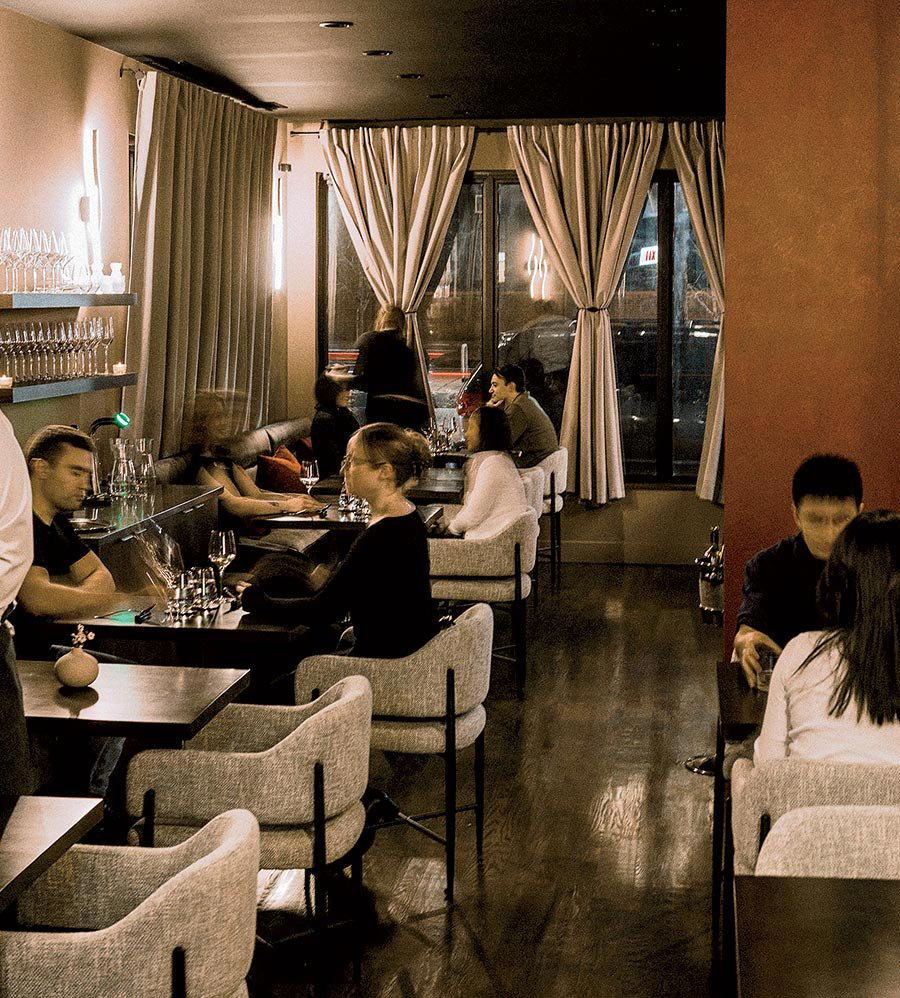
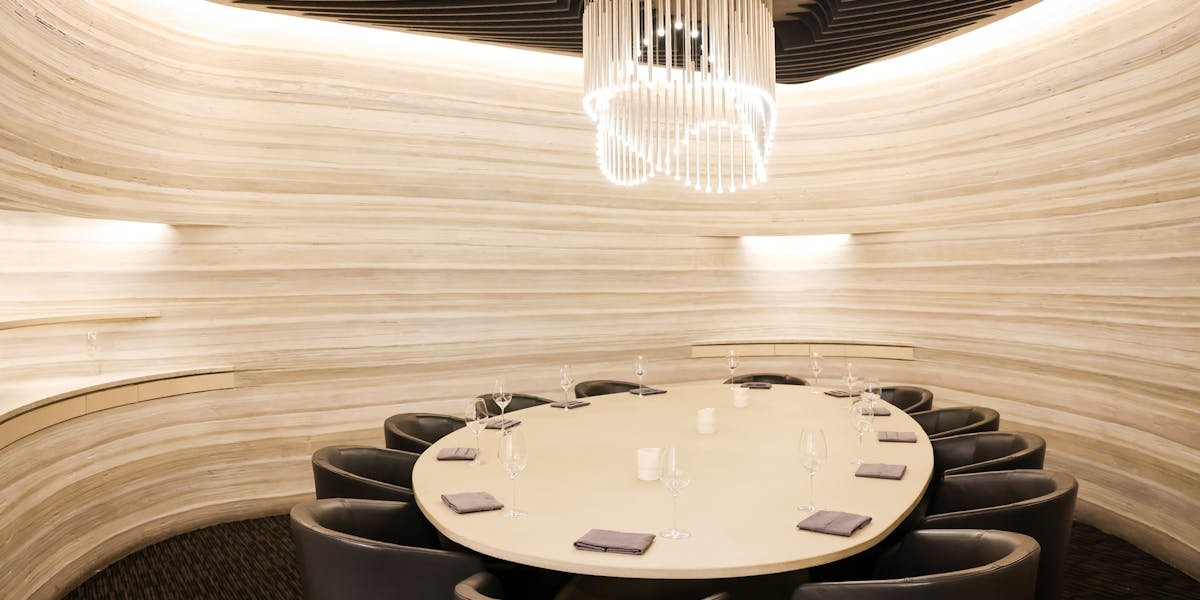
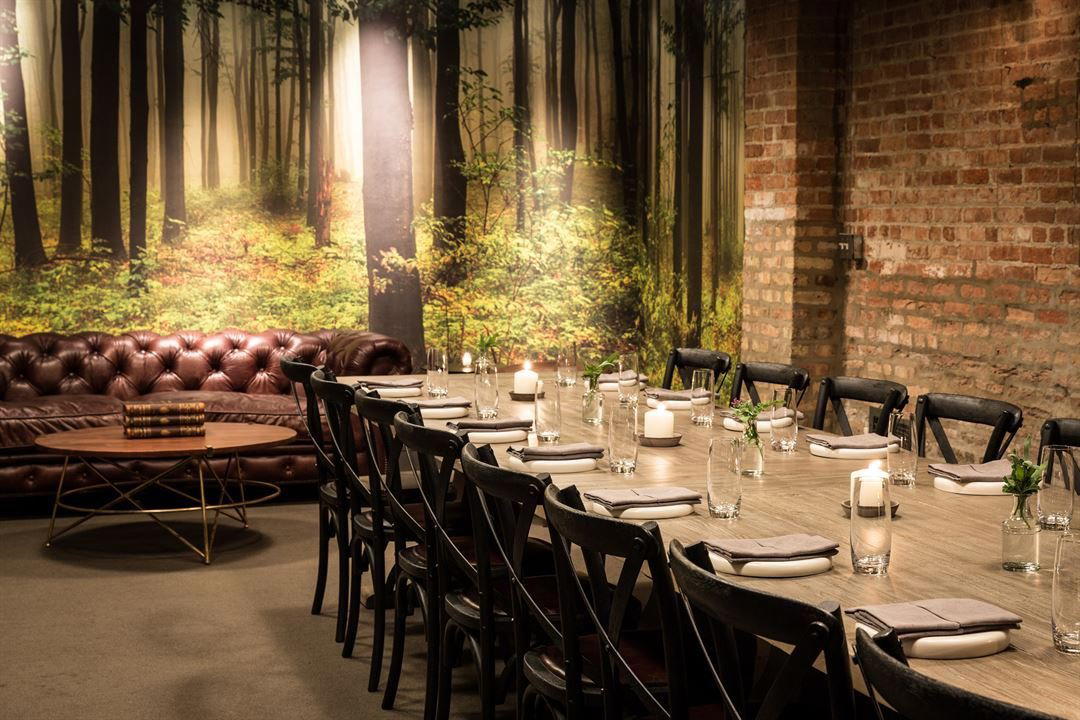
Intimate setting with moderate noise, low-key friendly service, and a minimalist white-on-white aesthetic.