

A Michelin Plate-recognised asador in Almería's old quarter that has pivoted from the traditional meat-forward grill format to centre its menu on daily-sourced fish and seafood. The dining rooms retain a Castilian atmosphere, complete with a striking black-and-white octopus mural, while the kitchen runs a grill-led approach with produce driven by what arrives each morning. At the €€ price tier, it sits comfortably within Almería's accessible fine dining bracket.
Pearl is the En Primeur Club membership app — saves, bookings, and concierge access live there. Same editors, same standards.
- Address
- C. Fructuoso Pérez, 12, 04001 Almería, Spain
- Phone
- +34 950 51 26 04
- Website
- asadormarinotintanegra.es
- Directions
- Get directions
 Saves & bookings on Pearl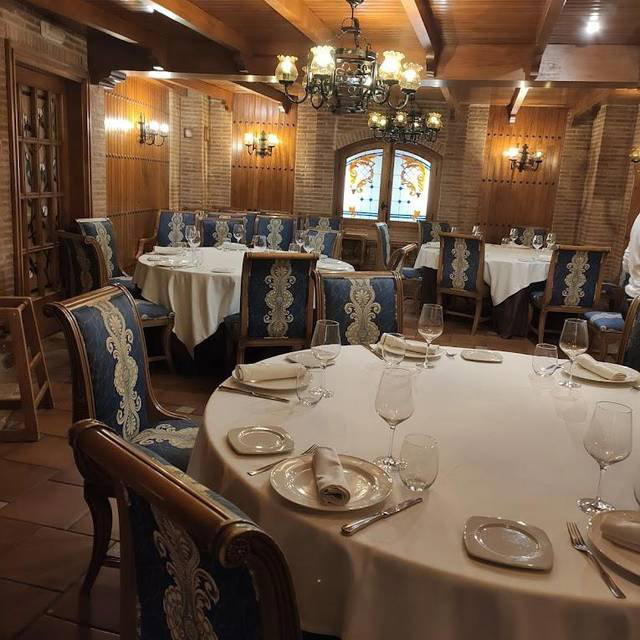
Where the Grill Moves to the Sea
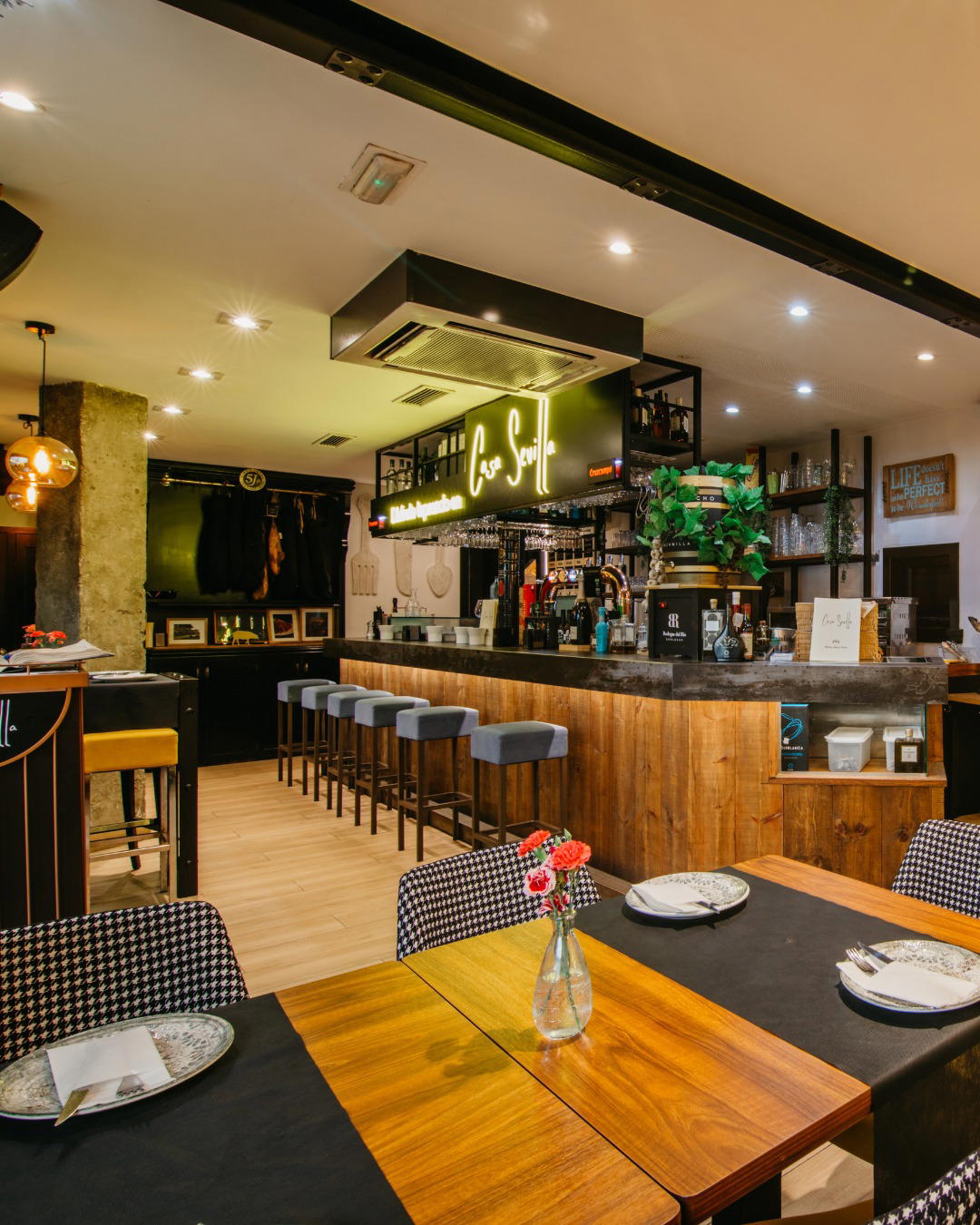
Almería's old quarter is built for those who walk slowly and look up. The narrow alleys that thread through the historic centre were never designed for signage or foot traffic, which means restaurants on streets like Calle Fructuoso Pérez earn their clientele through word of mouth and repeat visits rather than passing trade. Asador Marino Tinta Negra occupies one of these back-street addresses, and the physical approach matters: stepping into a renovated Castilian-style dining room after navigating the old quarter's labyrinth creates a clear sense of arrival.
The interior signals its lineage directly. The renovation kept enough of the original asador architecture to read as deliberate rather than accidental, and one of the dining rooms features a large mural depicting a black-and-white octopus, a piece of décor that does more editorial work than most front-of-house design choices. It tells you exactly where the kitchen's priorities lie.
The Pivot at the Heart of the Concept
The asador format has a deeply established identity in Spain: charcoal, wood fire, and meat, typically whole animals or large cuts roasted to varying degrees of char. In Castile, where the style originates, the benchmarks are suckling pig and lamb, and the grill is usually subordinate to the oven. In Andalusia, that framework met a coastline. Asador Marino Tinta Negra represents one of the more deliberate expressions of that collision: the kitchen retained the grill as its primary technique but redirected the protein sourcing toward fish and seafood, with the day's menu shaped by what arrives fresh each morning.
This is not an unusual positioning along Spain's Mediterranean coast, but it is relatively uncommon in the asador category specifically. Most restaurants that reframe around seafood do so through raw preparation, ceviche, or contemporary plating conventions. The insistence on the grill as primary tool places Tinta Negra in a smaller peer group, one that includes grill-forward seafood operations like A de Totó in Trasmonte and, at a different price tier and register, Humo in London. The editorial angle of the editorial angle cuts (the asador cut transposed onto a fish frame) is worth taking seriously: fire and timing govern everything, and cooking fish over direct heat with the same discipline applied to a thick cut of beef requires its own technical vocabulary.
What the Michelin Plate Signals
Tinta Negra holds Michelin Plate recognition in both 2024 and 2025, a designation that sits below Bib Gourmand and star level but confirms that Michelin inspectors found the kitchen cooking consistently at a standard worth noting. In a city where Michelin-recognised addresses are limited, consecutive Plate awards position this as one of Almería's more reliable tables at the €€ price tier.
For context within the city's dining scene: Almería operates at a lower average price point than Málaga or Granada, and its fine dining bracket is thin. The handful of contemporary and grill-led restaurants operating in the €€ bracket, including VIVO Gourmet on the meats-and-grills side, Ginés Peregrín and Tony García Espacio Gastronómico in contemporary cuisine, and Travieso in modern cuisine, form a cohort that is genuinely small. Tinta Negra sits within this group, differentiated by its explicit asador heritage and its seafood-first pivot.
This is not the register of Aponiente in El Puerto de Santa María, which treats Andalusian seafood as a canvas for high-concept cuisine, nor does it operate in the intellectual tradition of El Celler de Can Roca, Arzak, or Azurmendi. The comparison points for Tinta Negra are closer to home and lower in altitude: good fire, fresh product, daily variation, and a dining room that rewards those who find it.
Daily Sourcing as the Menu's Governing Logic
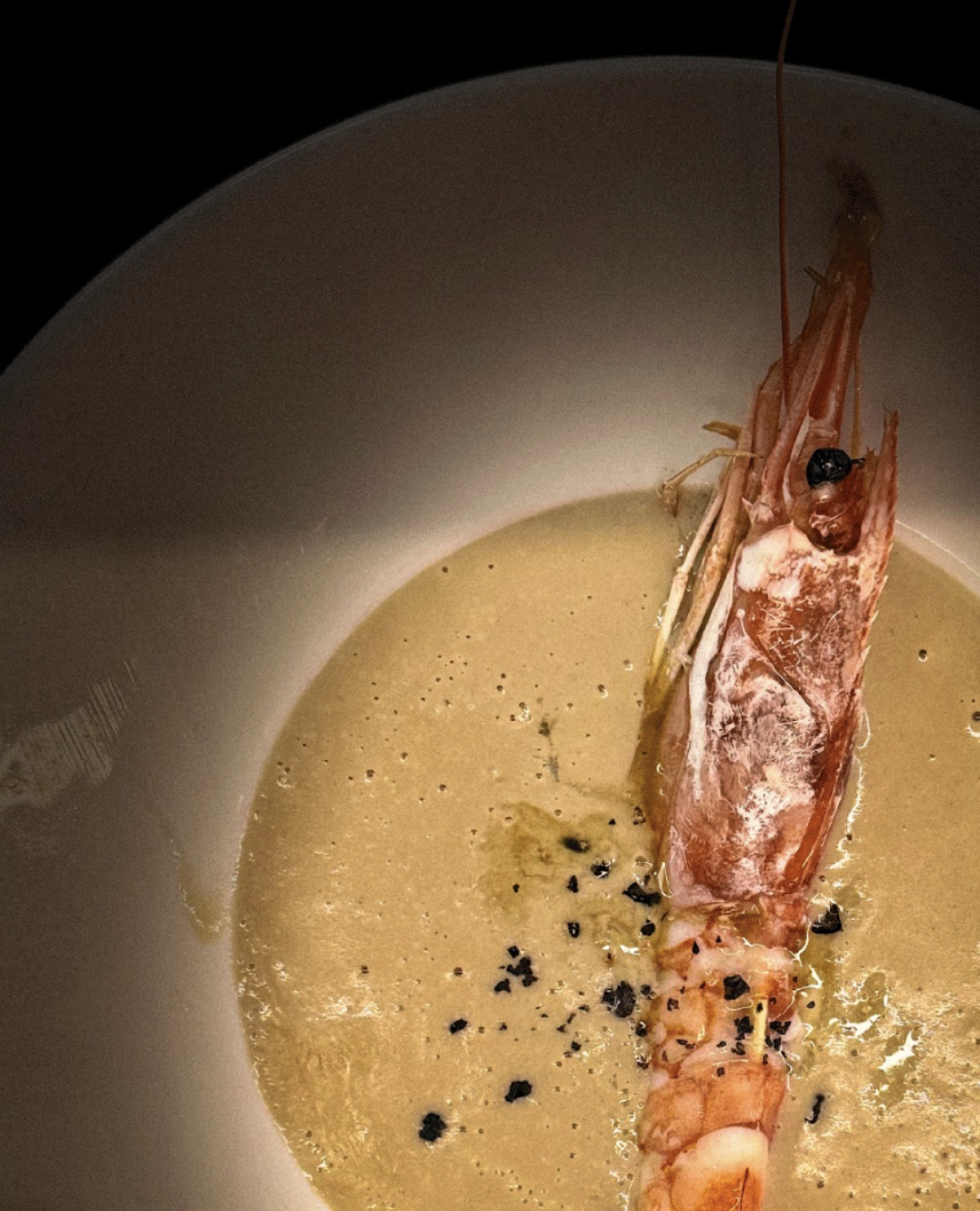
The detail that distinguishes Tinta Negra's operational approach is its reliance on daily-sourced fish and seafood. In practice, this means the menu reflects availability rather than a fixed card, a model common along Spain's southern coast but less common within the asador category, where consistency of product is usually the point. A wood-fired or charcoal operation built around daily catch requires the kitchen to work with variable product sizes, fat content, and textures, adjusting fire distance and timing accordingly.
This produces a different eating experience from a restaurant with a static menu. Regulars tend to ask what arrived that morning. First-time visitors should do the same: it is one direct way to understand what the kitchen is working with on a given day, and it avoids the error of ordering against what is genuinely fresh rather than what is printed.
Almería as a Dining City
Almería remains one of Andalusia's less-visited provincial capitals, which has an effect on its restaurant scene: the city's dining culture is built around local demand rather than tourist volume, and tables reflect that. Price points are lower than the Costa del Sol, expectations around service are local rather than international, and the concentration of quality in a small number of addresses is a feature of the city's size rather than a weakness of its ambition. For those arriving from Málaga or travelling through from Granada, the old quarter's restaurant cluster around the Alcazaba and the historic centre represents productive dining territory.
Planning Your Visit
Asador Marino Tinta Negra is located at Calle Fructuoso Pérez 12, in the old quarter of Almería. The address is a deliberate find rather than a casual stumble, and mapping it before arrival is advisable. Given the daily-sourced model, the restaurant's menu changes with availability, so flexibility on ordering is an advantage.
At-a-Glance Comparison
Comparable venues nearby, for context on price, style, and recognition.
| Venue | Cuisine | Price | Awards | Notes |
|---|---|---|---|---|
| Asador Marino Tinta NegraThis venue — the venue you are viewing | Modern Spanish Seafood Grill | $$$ | Michelin Plate | Not listed |
| VIVO Gourmet | Modern Spanish-Peruvian Fusion | $$ | Michelin Plate | La Vega de Acá |
| Tony García Espacio Gastronómico | Modern Almerian Fusion | $$$ | Michelin Plate | Avenida Hotel area |
| Travieso | Modern Spanish Fusion | $$$ | Michelin Plate | residential district |
| Ginés Peregrín | Modern Mediterranean Fusion | $$$ | Michelin Plate | Almería |
| New kebab BBQ | Halal Kebab BBQ | $ | Not listed | Almeria |
Recognition history
Dated appearances from independent guides and award organizations, with the underlying list record or original source where available.
Macarfi 7.6 Food Rating
Macarfi
Michelin Plate
Michelin
Michelin Plate
Michelin
Michelin Plate
Michelin
At a Glance
- Elegant
- Intimate
- Rustic
- Cozy
- Date Night
- Special Occasion
- Group Dining
- Open Kitchen
- Extensive Wine List
- Local Sourcing
- Sustainable Seafood
Current opening hours
- Monday
- 1:30–4 p.m.
- Tuesday
- 1:30–4 p.m.
- Wednesday
- Closed
- Thursday
- 1:30–4 p.m., 8:30–11:30 p.m.
- Friday
- 1:30–4 p.m., 8:30–11:30 p.m.
- Saturday
- 1:30–4 p.m., 8:30–11:30 p.m.
- Sunday
- 1:30–4 p.m., 4:15–4:30 p.m.
Hours can change for holidays and private events. Last verified .
Warm timber and stone interiors with a striking octopus mural, creating a serene, urbane atmosphere resonant with Castilian character.