Arno Deli occupies a King Street address in Newcastle NSW that places it squarely in the city's most active stretch of independent food retail. The deli format signals a focus on sourced produce and counter goods rather than sit-down service, making it a reference point for ingredient-led eating in a city that has seen its food culture sharpen considerably over the past decade.
Pearl is the En Primeur Club membership app — saves, bookings, and concierge access live there. Same editors, same standards.
- Address
- 179/181 King St, Newcastle NSW 2300, Australia
- Phone
- +61411012413
- Website
- arnodeli.com.au
- Directions
- Get directions
 Saves & bookings on Pearl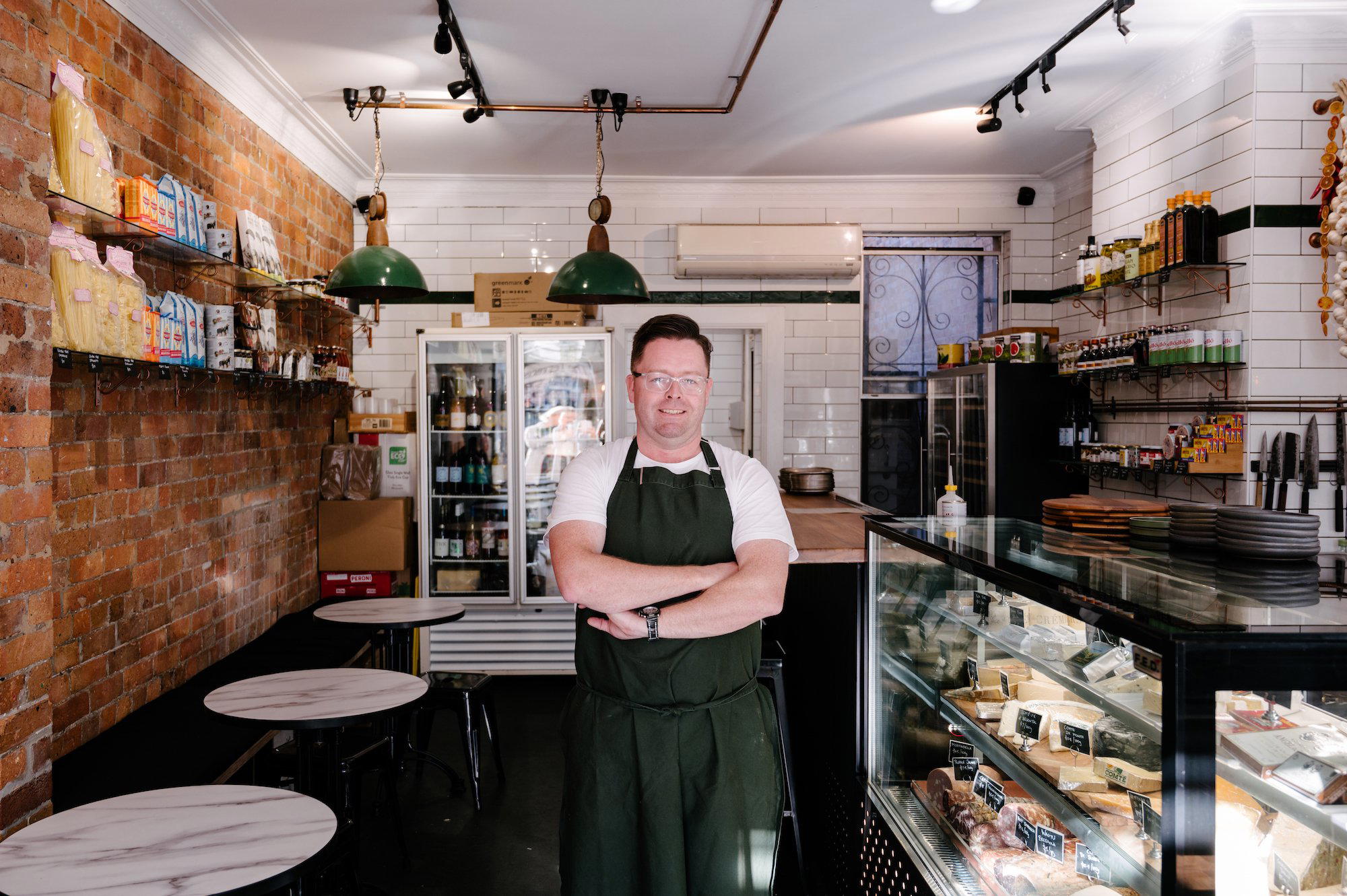
King Street and the Rise of Ingredient-Led Eating in Newcastle
Newcastle's food scene has followed a trajectory familiar to several Australian regional cities: a long period of pub-and-RSL dominance, then a decade of restaurant openings, and now a more considered phase where the sourcing of ingredients matters as much as the cooking of them. Delis, providores, and specialty food retailers have become the connective tissue of that third phase, sitting between growers and cooks and giving everyday shoppers access to the same quality tier that restaurants once monopolised. Arno Deli, at 179/181 King Street, sits inside that shift.
King Street is one of Newcastle's more active independent retail corridors. The address puts the deli within walking distance of the CBD's lunch trade and the residential density of Cooks Hill and Georgetown, two suburbs that have driven much of the city's appetite for specialty food over the past several years. That geography matters: deli culture in Australian cities tends to succeed where foot traffic is consistent and the surrounding population has already developed habits around farmers' markets, specialty coffee, and restaurant-quality home cooking.
What the Deli Format Signals About Sourcing
The deli as a format carries specific implications. Unlike a restaurant, where the sourcing of ingredients is largely invisible to the customer, a deli makes provenance the product. The counter becomes a declaration: here is the cheese, here is the cured meat, here is the oil, and by extension, here is where it came from and why it was chosen. That transparency is the format's central proposition, and it is what separates a serious deli from a convenience store with better packaging.
Australia's deli tradition draws from multiple lineages. The Italian-Australian influence is the most visible, shaped by postwar migration patterns that brought smallgoods knowledge and a preference for aged cheeses and preserved goods into cities like Melbourne, Sydney, and Newcastle. More recently, Middle Eastern, Greek, and broader Mediterranean sourcing has expanded the reference points available to deli operators. The Hunter Valley's proximity to Newcastle adds a local dimension: the region produces wine, olives, and some smallgoods that can travel the short distance to a city counter without losing anything in transit.
This is the competitive and cultural context that venues like Arno Deli operate within. Across Australia, the benchmark for ingredient-led sourcing has been set by restaurants that have made supply chains a point of identity. Brae in Birregurra runs its own farm. Attica in Melbourne has built long-term relationships with indigenous ingredient suppliers. Hentley Farm in Seppeltsfield anchors its menu to the estate itself. The deli format applies a version of the same logic at a different scale and price point, making quality sourcing accessible without the tasting-menu format or the booking lead times.
Newcastle's Broader Food Context
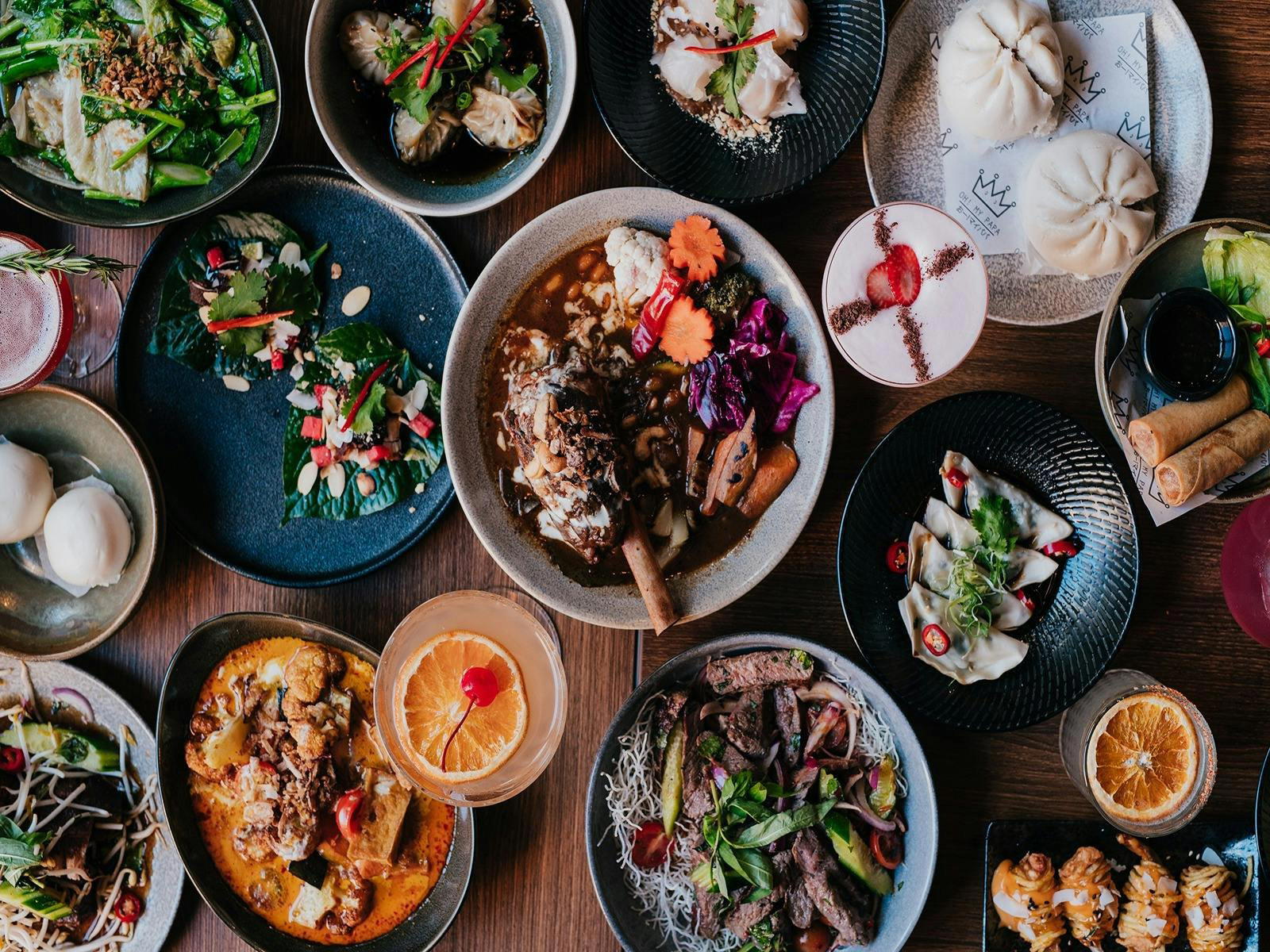
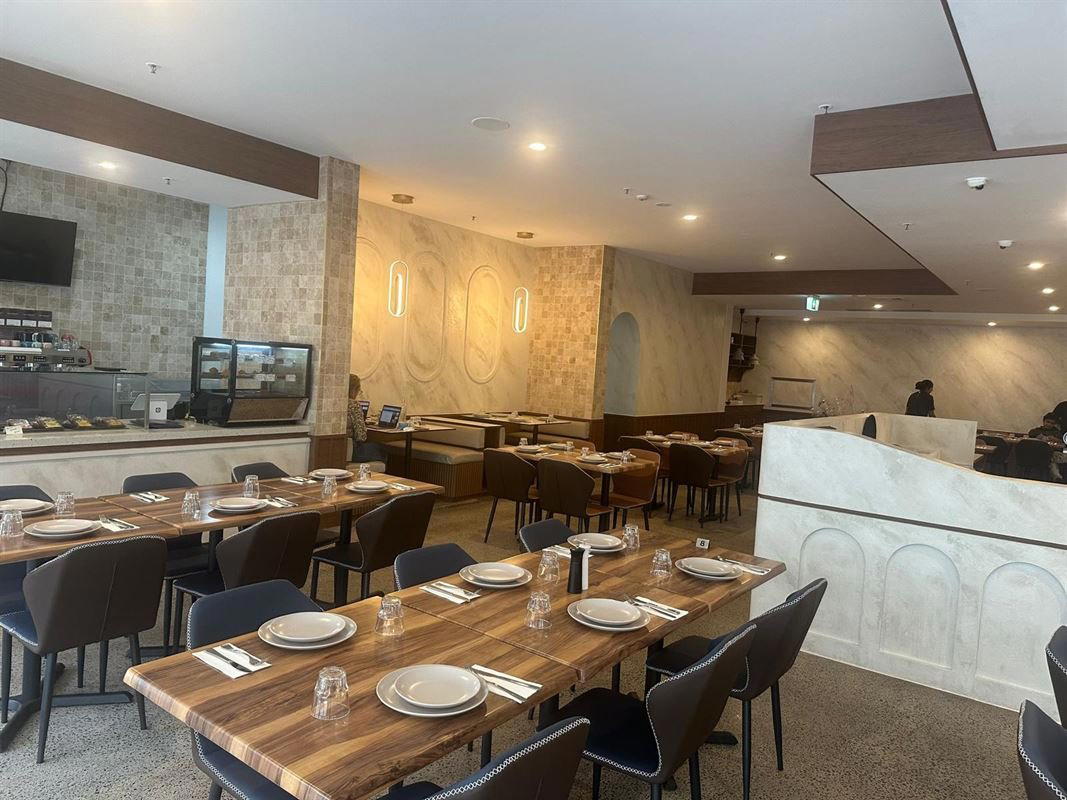
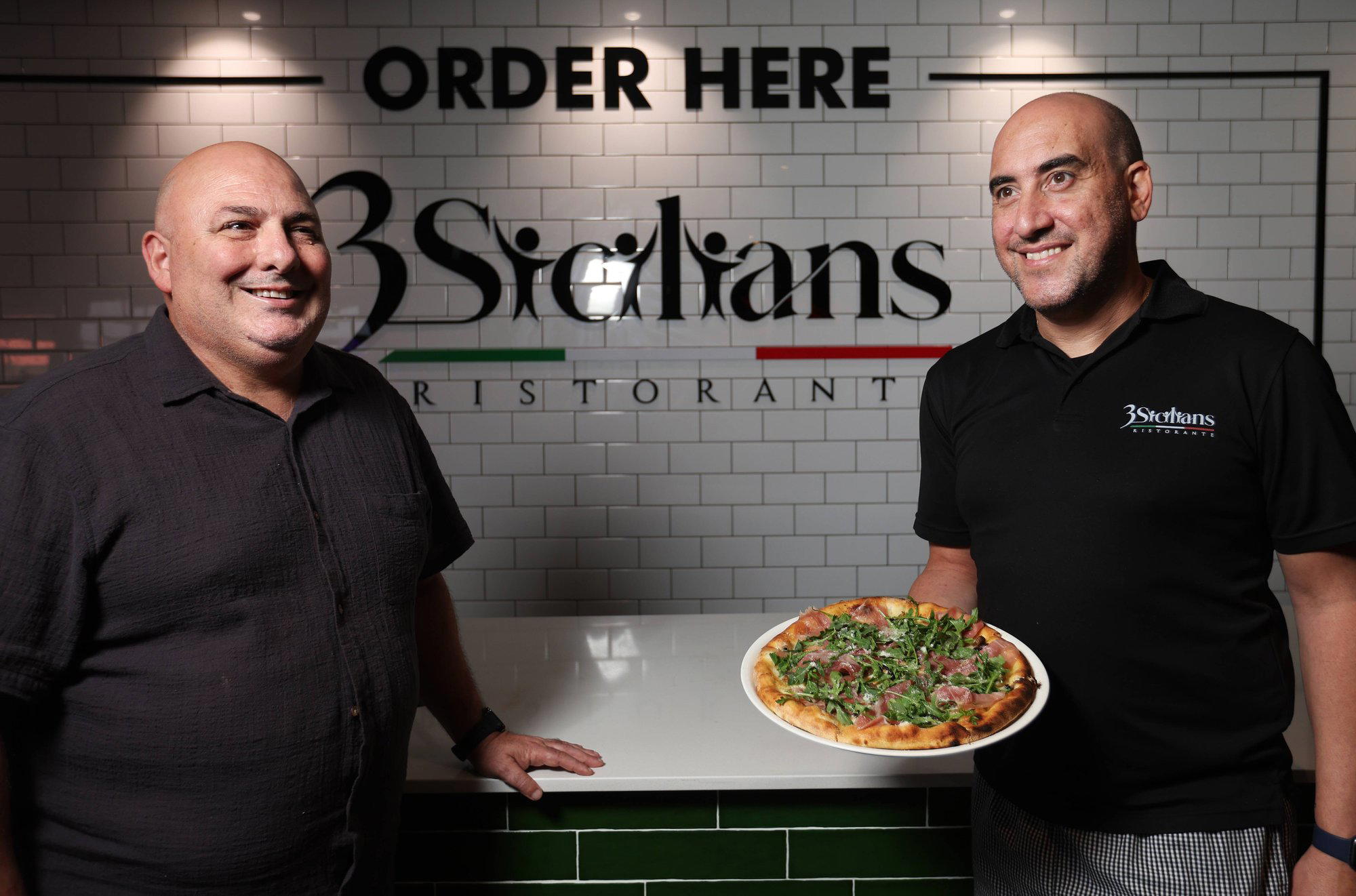
Newcastle has a more varied restaurant scene than its population size might suggest. The city's proximity to the Hunter Valley means wine literacy is relatively high, and that tends to correlate with food expectations more broadly. The independent restaurant sector includes Italian operators like 3 Sicilians Ristorante and Hungry Wolfs Italian Restaurant, as well as venues drawing from further afield, including Kings Valley Egyptian Cuisine Newcastle, OHMYPAPA, and Spice Affairs Kapoor's Authentic Indian Restaurant. That breadth of cuisine type across a mid-sized city reflects genuine appetite rather than novelty tourism.
Within this context, a deli occupies a specific niche: it serves the cook at home as much as the person looking for a quick lunch. That dual audience is what gives the format staying power in cities like Newcastle, where the gap between restaurant dining and home cooking has narrowed as ingredient access has improved. For a fuller picture of where Arno Deli sits within the city's food options, the EP Club Newcastle restaurants guide maps the broader scene.
Australian Comparisons and the Regional Deli Conversation
The ingredient-sourcing conversation happening at deli level in cities like Newcastle has a direct counterpart in Australia's destination restaurant circuit. Rockpool in Sydney built its early identity partly on sourcing transparency, particularly around seafood and dry-aged beef. Botanic in Adelaide operates within the botanical garden, with foraging and local provenance built into its format. Pipit in Pottsville and Provenance in Beechworth represent the regional Australian model where proximity to producers is turned into a competitive advantage rather than a logistical constraint.
The deli format at street level in a city like Newcastle does not compete with those venues directly. It serves a different moment in the food day and a different kind of customer intention. But it draws from the same cultural shift: the idea that knowing where food comes from is not a niche concern but a baseline expectation for anyone paying attention.
Internationally, the sourcing-forward deli has strong precedents. Le Bernardin in New York City has long treated sourcing as a technical discipline rather than a marketing position. Lazy Bear in San Francisco built a communal dining format that relies on producer relationships as much as kitchen skill. The deli takes that orientation and removes the fine-dining apparatus, leaving the ingredient itself as the primary object.
Planning a Visit
Arno Deli is located at 179/181 King Street, Newcastle NSW 2300. King Street is accessible by foot from Newcastle's CBD and by bus from several surrounding suburbs. As with most independent deli operations, visiting earlier in the day tends to give access to fuller counters and more selection, particularly for prepared goods that move quickly through a lunch service. Current hours, booking arrangements (if any), and contact details are best confirmed directly, as this information was not available at time of publication. For those building a food-focused day in Newcastle, the King Street address works well as a starting or mid-point alongside the city's other independent food operators.
Venues like Ormeggio at The Spit in Mosman, Laura at Pt Leo Estate in Merricks, and Lizard Island Resort in Lizard Island represent the higher end of the Australian food and hospitality circuit, where sourcing is embedded into multi-course formats with significant price points. The deli format occupies the other end of the same spectrum: the same values, expressed at counter level, for a walk-in price.
Comparison Snapshot
| Venue | Cuisine |
|---|---|
| Arno DeliThis venue — the venue you are viewing | This venue |
Continue exploring
More in Newcastle
Restaurants in Newcastle
Browse all →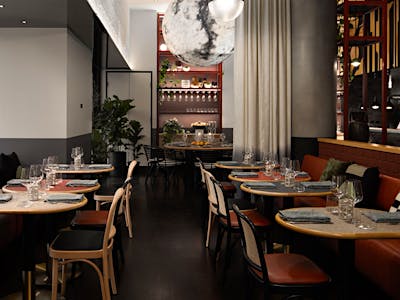
Bars in Newcastle
Browse all →
Hotels in Newcastle
Browse all →
At a Glance
- Cozy
- Trendy
- Casual Hangout
- Local Sourcing
Current opening hours
- Monday
- 8 AM–2:30 PM
- Tuesday
- 8 AM–2:30 PM
- Wednesday
- 8 AM–2:30 PM
- Thursday
- 8 AM–2:30 PM
- Friday
- 8 AM–7:30 PM
- Saturday
- 8:30 AM–7:30 PM
- Sunday
- Closed
Hours can change for holidays and private events. Last verified .
Effortlessly hip and no fuss atmosphere typical of a neighbourhood food destination on a bustling independent retail strip.
Know Before You Go
- Getting there
- 179/181 King St, Newcastle NSW 2300, Australia