Six Portland Road


A seasonal European bistro on a quiet residential street in Holland Park, Six Portland Road earns its place among London's most reliable neighbourhood restaurants through precise sourcing and a menu that shifts with available produce. The £££ pricing sits well below the district's more formal dining rooms, with a weekday prix-fixe and Sunday roast format that keeps regulars cycling back throughout the week.
Pearl is the En Primeur Club membership app — saves, bookings, and concierge access live there. Same editors, same standards.
- Address
- 6 Portland Rd, London W11 4LA, United Kingdom
- Phone
- +44 20 7229 3130
- Website
- sixportlandroad.com
- Directions
- Get directions
 Saves & bookings on Pearl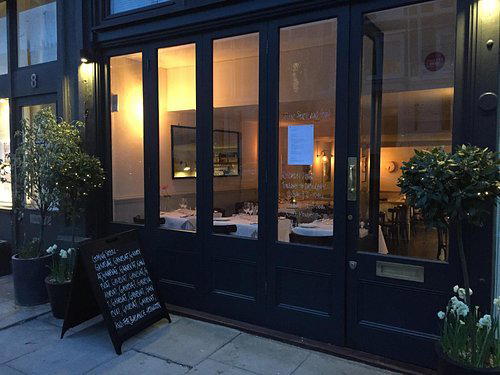
What a Neighbourhood Bistro Is Supposed to Do
The heavy curtain at the door is a small but deliberate act. Pull it back, hang your coat on the hook just inside, and the room closes around you in the way that good neighbourhood restaurants do, quickly, warmly, without ceremony. Six Portland Road is a restaurant in London W11, serving modern British bistro cooking at about £75 per person, and the contrast is part of the point. While the Avenue itself tends toward formal dining rooms and prix-fixe occasions, this small space operates as the kind of place the immediate community actually uses: weekday lunches on a set menu, Sunday roasts with proper crumbles, and a wine list short enough to read twice before ordering.
London's neighbourhood restaurant tradition is strong but uneven. The formula, concise seasonal menu, a room that seats thirty, producers listed with care, has been replicated across the city with varying degrees of conviction. What separates the genuine article from its imitators is usually sourcing discipline: whether the menu genuinely follows the produce, or whether the language of seasonality is applied retrospectively to a fixed template. At Six Portland Road, the evidence suggests the former. The menu shifts according to what's available, and the produce provenance is specific enough to name. That specificity is worth examining.
The Sourcing Logic Behind the Menu
Charcuterie on the opening section of the menu comes from Cobble Lane in Islington, a producer that dry-cures British meat in a style closer to continental charcuterie traditions than the supermarket approximations that populate too many London starter boards. Fennel salami with cornichons and buttered soda bread is the kind of beginning that signals a kitchen paying attention to texture and contrast rather than visual drama. The soda bread is a useful index: it takes more effort to make well than a bread roll, and there's no reason to bother unless someone in the kitchen actually cares.
Fish sourcing is the more telling indicator. Brixham, on the Devon coast, supplies particularly consistently handled wet fish available to London restaurants, and a kitchen that names its source is generally one that has thought about why it matters. The crab preparation, dressed with keta caviar, lemon and dill, served alongside blackened charcoal crackers, treats the Brixham provenance as a quality floor rather than a decorative detail. The darne of brill described in documented reviews extends this: the skin crisped, the flesh timed correctly, the accompaniments built around butter beans and fatty breadcrumbs in a reference to cassoulet tradition, and tempura-style samphire alongside. The combination of a precisely cooked piece of fish with a deliberately rustic set of accompaniments is a specific editorial choice about how ingredients should relate to each other on a plate.
The dry-aged shorthorn sirloin appearing on the set lunch expands the sourcing picture to land. Dry-aged beef requires commitment from a supplier and planning from a kitchen; the fat layer described as virtually crackled indicates timing and temperature control handled seriously. Skinny chips and a mildly herby béarnaise complete the plate without obscuring the quality of the primary ingredient, which is exactly the right instinct. A kitchen that sources this carefully and then applies elaborate technique to the accompaniments would be working against itself.
This sourcing orientation places Six Portland Road in a broader conversation about what European cooking means in a London neighbourhood context. The comparison venues in the same city, CORE by Clare Smyth, Restaurant Gordon Ramsay, Arlington, Dovetale, Bar Valette, occupy a different price tier and a different mode entirely. Six Portland Road is doing something structurally different: it is making the case for daily-use European cooking at a price point (£££) that keeps the room filled rather than preserved. The country's most formally recognised restaurants, from The Fat Duck in Bray to L'Enclume in Cartmel and Moor Hall in Aughton, operate at the opposite end of that spectrum.
The Room, the Format, and the Wine
The space is small, documented reviews describe it filling quickly, and the atmosphere generated is one of warm bonhomie rather than studied quiet. This is a meaningful distinction. Many small London restaurants achieve intimacy through enforced silence and minimal decoration; the restaurant achieves it through density and ease. The heavy drape at the entrance functions as a practical insulator but also as a threshold signal: outside is Holland Park Avenue with its traffic and formality; inside is a room that has collectively decided to relax.
The format across the week covers more ground than many equivalents. A weekday prix-fixe lunch represents the kitchen's argument for value and accessibility; Sunday service with roasts and crumbles represents something closer to the original social function of a neighbourhood restaurant, a place the community returns to by habit rather than occasion. This dual-mode operation requires a kitchen with range, and the menu evidence suggests it is being managed without the compromise of consistency.
Wine list deserves particular attention as an extension of the sourcing intelligence applied to the food. The house Champagne is a Blanc de Noirs from Amyot in the Aube, served in old-fashioned saucers rather than flutes, a choice that prioritises texture and temperature retention over visual convention. The Aube is Champagne's southern outlier, producing Pinot-dominant wines with earthier profiles than the Côte des Blancs; selecting this as the house pour rather than a more commercially familiar name signals a buyer willing to argue a position. The Raimbault Sancerre, described in reviews as flinty and a clear highlight of the by-the-glass selection, places the list in the Loire-and-France-adjacent school common to serious bistros. The wine program reads as an extension of the kitchen's sourcing logic applied to a different category.
Holland Park and the Neighbourhood Context
Holland Park W11 is an unusual postal code for this kind of restaurant. The neighbourhood carries some of the highest residential property values in London, which historically tilts local dining toward the formal and the expensive. The surrounding streets have more private members clubs and occasion restaurants than the kind of daily-use bistro that restaurant represents. Its presence here, on a quiet residential street, with a modest price band and a format built around weekday lunches, is a minor counter-argument to that tendency, and helps explain the warmth of its documented reception.
For context on the wider London dining picture, the EP Club guides cover London restaurants, hotels, bars, wineries, and experiences in full. For readers interested in other European bistro approaches in different contexts, Stiller in Guangzhou and Aroma in Guangzhou represent how the European format translates to a different operating environment. Closer to the British countryside tradition: Gidleigh Park in Chagford, Hand and Flowers in Marlow, and Le Manoir aux Quat' Saisons in Great Milton each sit in the same broad European tradition, at different price tiers and with different ambitions.
Planning Your Visit
The restaurant sits at 6 Portland Road, London W11 4LA, a short walk from Holland Park tube station. The format runs across the full week, with a prix-fixe lunch menu on weekdays and a roast-focused Sunday service. Pricing sits at £££, placing it comfortably below the formal occasion restaurants of the surrounding neighbourhood.
Quick reference: 6 Portland Rd, London W11 4LA, £££, weekday prix-fixe lunch; Sunday roasts, Google 4.7/5 (256 reviews).
How It Stacks Up
Comparable venues nearby, for context on price, style, and recognition.
| Venue | Cuisine | Price | Awards | Notes |
|---|---|---|---|---|
| Six Portland RoadThis venue — the venue you are viewing | Modern British Bistro | $$$ | Michelin Plate | Not listed |
| The Baring | Modern Gastropub | $$$ | Michelin Plate | East Canonbury |
| Clarke's | Seasonal Modern British | $$$ | Michelin Plate | Kensington Palace Gardens |
| The Parakeet | Modern British Gastropub | $$$ | Michelin Plate | Kentish Town |
| TOWN | Modern British with Global Influences | $$$ | Michelin Plate | Covent Garden |
| Cloth | Modern British Bistro | $$$ | Michelin Plate | Smithfield |
Recognition history
Dated appearances from independent guides and award organizations, with the underlying list record or original source where available.
Michelin Plate
Michelin
Michelin Plate
Michelin
The Good Food Guide GFG Good
The Good Food Guide
Continue exploring
More in London
Restaurants in London
Browse all →
Bars in London
Browse all →
Hotels in London
Browse all →


At a Glance
- Cozy
- Elegant
- Intimate
- Sophisticated
- Date Night
- Business Dinner
- Standalone
- Extensive Wine List
Current opening hours
- Monday
- 12–3 PM, 5:30–10 PM
- Tuesday
- 12–3 PM, 5:30–10 PM
- Wednesday
- 12–3 PM, 5:30–10 PM
- Thursday
- 12–3 PM, 5:30–10 PM
- Friday
- 12–3 PM, 5:30–10 PM
- Saturday
- 12–3 PM, 5:30–10 PM
- Sunday
- 12–3 PM, 5:30–10 PM
Hours can change for holidays and private events. Last verified .
Soft lighting, crisp tablecloths, cozy and genteel atmosphere with a relaxed yet polished feel.