Aria
Our verdict
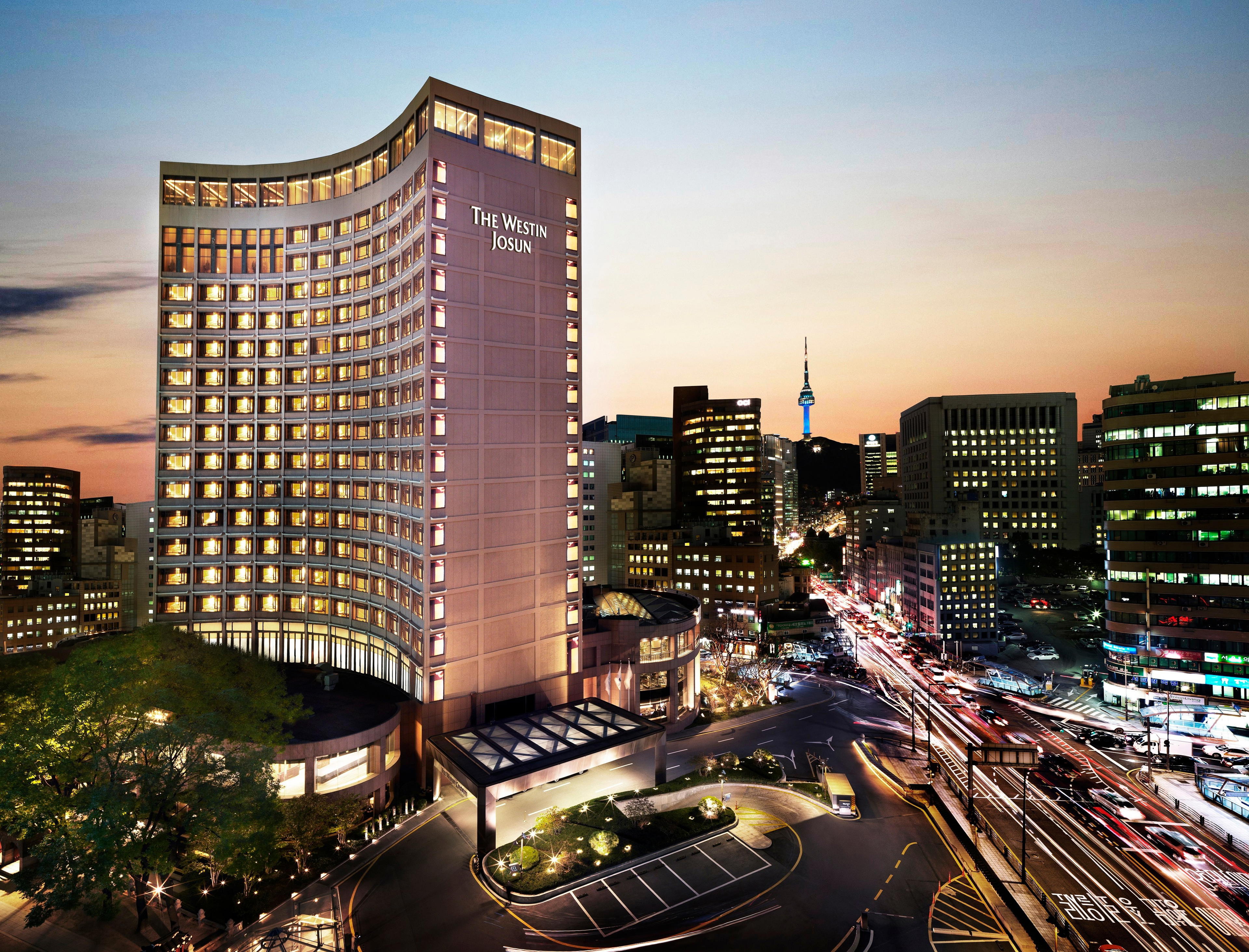
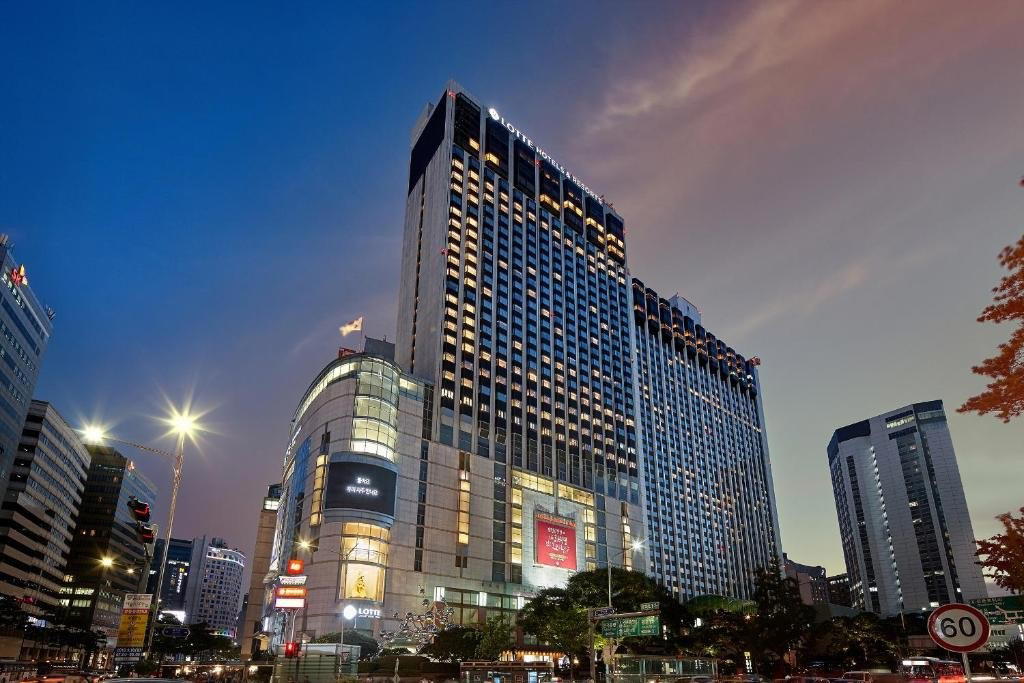
Aria sits in Seoul’s Jung District, where hotel dining, department-store food halls, old commercial streets, and diplomatic-era addresses overlap. The draw is less about a single chef narrative than about how central Seoul uses polished dining rooms as civic meeting places: business lunches, family gatherings, and hotel-based meals within walking distance of the city’s historic commercial core.

Pearl is the En Primeur Club membership app, where members save venues, book tables and use the concierge.
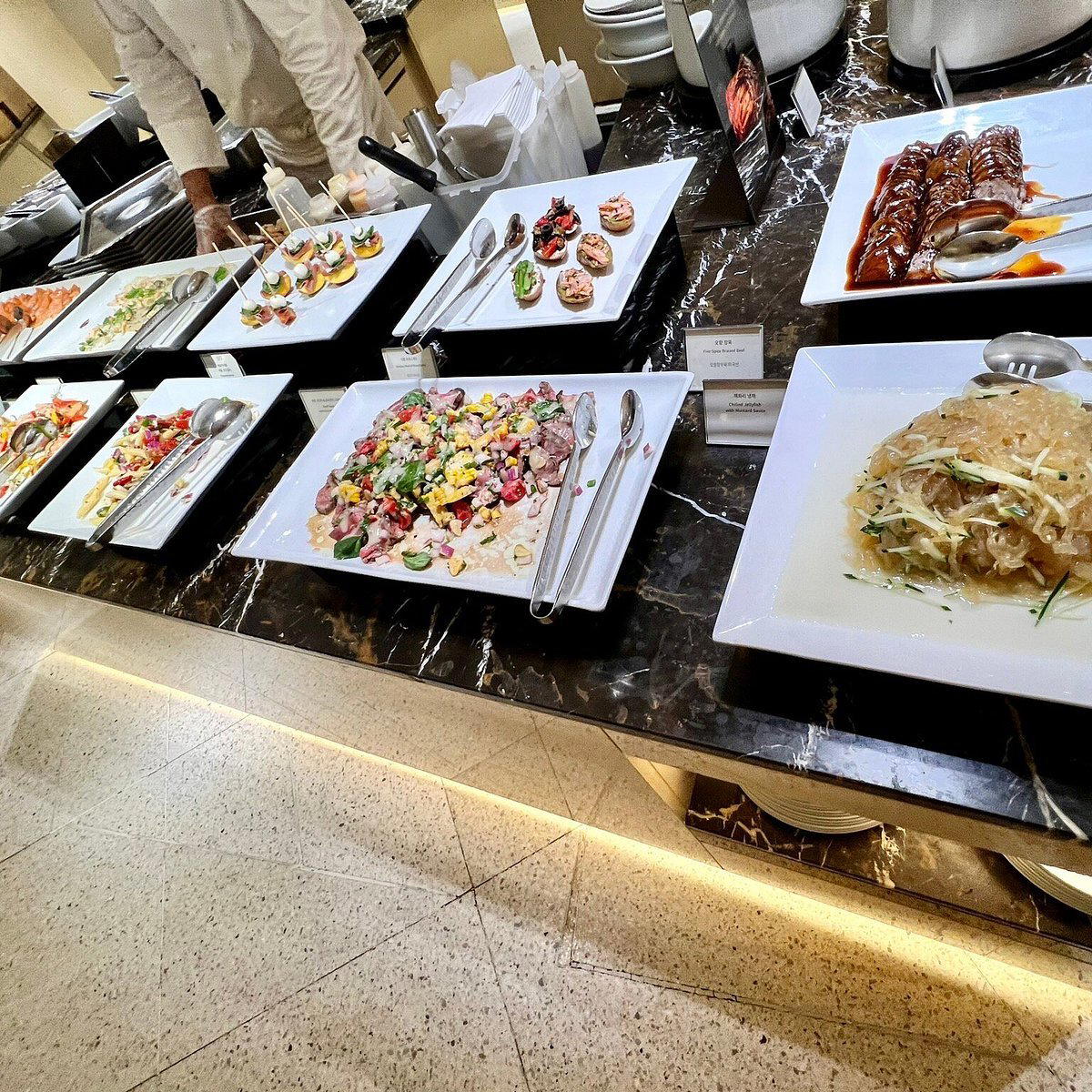
The menu
What to order
- Japanese station dishes
- Josun Hotel kimchi
- Beef tartare
- Braised short ribs
- Kaisendon
- Premium sashimi and sushi
- Handmade dim sum
- Beef noodle soup
- Yakitori
Seoul announces itself through scale rather than ceremony: office towers, polished arrivals, department-store basements, and side streets that still carry the rhythm of older markets. Aria belongs to that Seoul pattern. In this city, dining rooms often function as neutral ground, places where families, executives, visitors, and local regulars can share a table without the coded intimacy of a chef’s counter or the theatre of a tasting-menu room.
That matters in Seoul. The city’s restaurant culture is often discussed through highly specialised local cooking, everyday neighbourhood meals, and the city’s more formal destination rooms, but polished all-purpose dining has its own role. It handles occasions that require predictability: multigenerational meals, business hosting, weekend gatherings, and visitors who want a convenient base rather than a destination detour. Aria sits inside that tradition, closer in spirit to Seoul’s broadly useful dining rooms than to the small specialist restaurants that define the reservation-chase conversation.
Seoul dining is built for occasions, not only discovery
Seoul has long included practical dining zones because it gathers transport, shopping, offices, hotels, and cultural stops into a compact urban rhythm. The mood differs from more private, destination-led, or nightlife-driven restaurant scenes elsewhere in the city. Across Seoul, restaurants often serve mixed audiences across the same day: office meals at noon, visitors in the afternoon, and family groups in the evening. A room such as Aria is legible within that ecosystem, where comfort, capacity, and convenience carry as much weight as chef authorship.
For readers comparing Seoul dining categories, that distinction is useful. A meal here should be judged against the city’s polished occasion-dining tier rather than against counter-led restaurants or compact tasting-menu rooms. Other Seoul dining rooms may speak to different versions of the city’s restaurant culture: casual urban addresses, neighbourhood specificity, contemporary framing, and structured destination formats. Aria’s relevance is broader and more social, tied to how Seoul restaurants absorb varied groups without asking every diner to participate in a narrow format.
The cultural signal is reliability in a city that loves specialization
Seoul rewards specialization. A restaurant can build its identity around a single dish, a precise format, or a tightly defined point of view, and diners often travel across the city for a specific craving. That specialist instinct is visible across Korea too, where destination dining can mean anything from a focused local room to a highly polished hospitality setting. Against that backdrop, broader Seoul dining plays a different role. It reduces risk, widens the audience, and prioritises the social purpose of the meal.
This is why a quieter public narrative is not automatically a weakness in this category. Seoul’s prestige dining conversation often turns on recognition, named talent, and tightly defined restaurant identity; occasion-led dining uses other signals, including location, consistency, room comfort, and the ability to host diners with different expectations. Comparison venues in a similarly polished Seoul orbit, such as Josun Deli, 스시조 - Sushi Cho, The Ninth Gate, Hong Yuan, and Rubrica, show how broad that lane can be: different rooms can serve separate dining needs while still belonging to the same citywide planning conversation.
How to place Aria in a Seoul itinerary
Aria makes the clearest sense when the meal is part of a Seoul day rather than the sole reason to cross the city. Seoul puts diners near shopping, cultural routes, business addresses, and major stays, so the restaurant works for travellers who value geographic efficiency and for Seoul residents arranging a meal around mixed ages or mixed preferences. Those chasing a chef-led tasting menu should compare it with the destination category first; those planning a polished Seoul meal should read it through the occasion-dining tradition.
For broader planning, our full Seoul restaurants guide maps the city’s dining range, while our full Seoul hotels guide, our full Seoul bars guide, our full Seoul wineries guide, and our full Seoul experiences guide help place the meal inside a wider trip. For cross-cultural reference, casual formats abroad can be useful reminders that Seoul’s dining identity is not a single lane. Aria’s lane is Seoul-based, occasion-led, and practical: a Seoul restaurant to consider when the room’s social function matters as much as the cooking category.
Frequently asked questions
Is Aria suitable for children?
As a Seoul venue, Aria suits children best for an early meal or a quieter dinner rather than a long late seating. The setting makes it easy to fold into a family day in Seoul.
How would you describe the vibe at Aria?
The tone is polished and practical, shaped by its Seoul setting. It fits the pace of the city’s office, hotel, and shopping life rather than a room built for theatrical dining.
What part of town is Aria in?
Seoul.
What's the best way to book Aria?
The most practical approach is to arrange a direct reservation for Aria. That keeps the booking clear when planning a meal in Seoul.
What's the standout thing about Aria?
Its Seoul setting is the main draw. For diners building a Seoul itinerary, that practicality carries real weight.
Price and Positioning
Side-by-side context: comparable cuisine and price.
| Venue | Cuisine | Price | Awards | Notes |
|---|---|---|---|---|
| AriaThis venue (the venue you are viewing) | Asian-Korean Hotel Buffet | $100–150 | Not listed | Not listed |
| Josun Deli | Hotel Bakery & Deli | Not listed | Not listed | Not listed |
| 스시조 - Sushi Cho | Japanese Sushi Omakase | $100–150 | Tabelog 100 #52 | Korean Sushi |
| The Ninth Gate | Modern French Steakhouse | $50–100 | Michelin Plate | French |
| Hong Yuan | Cantonese | $100–150 | Michelin Plate · La Liste Top Restaurants | Chinese |
| Rubrica | Modern Italian | Not listed | Not listed | Not listed |

Continue exploring
More in Seoul
Restaurants in Seoul
All restaurants in Seoul →
Bars in Seoul
All bars in Seoul →
Details
- Modern
- Sophisticated
- Lively
- Elegant
- Business Dinner
- Group Dining
- Family
- Celebration
- Casual Hangout
- Hotel Restaurant
- Open Kitchen
- Buffet
- Wine
- Beer
- Spirits
- Vegetarian Friendly
- Vegan Options
Current opening hours
- Monday
- 7–10 AM, 11:30 AM–2:30 PM, 5:30–9:30 PM
- Tuesday
- 7–10 AM, 11:30 AM–2:30 PM, 5:30–9:30 PM
- Wednesday
- 7–10 AM, 11:30 AM–2:30 PM, 5:30–9:30 PM
- Thursday
- 7–10 AM, 11:30 AM–2:30 PM, 5:30–9:30 PM
- Friday
- 7–10 AM, 11:30 AM–2:30 PM, 5:20–7:20 PM, 7:50–9:50 PM
- Saturday
- 7–10 AM, 11:30 AM–1:20 PM, 1:50–3:40 PM, 5:20–7:20 PM, 7:50–9:50 PM
- Sunday
- 7–10 AM, 11:30 AM–1:20 PM, 1:50–3:40 PM, 5:20–7:20 PM, 7:50–9:50 PM
Hours can change for holidays and private events. Hours as of .
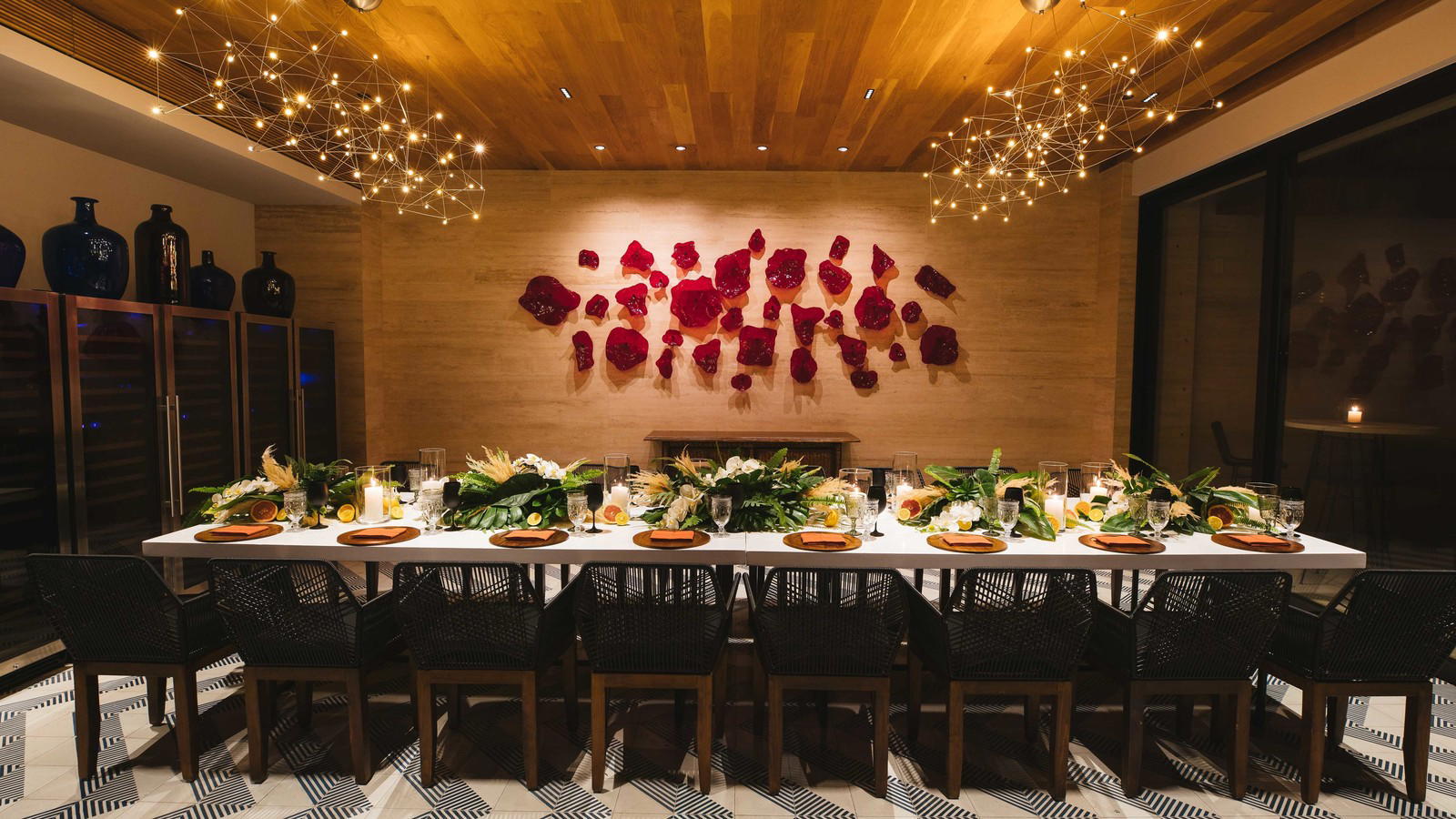
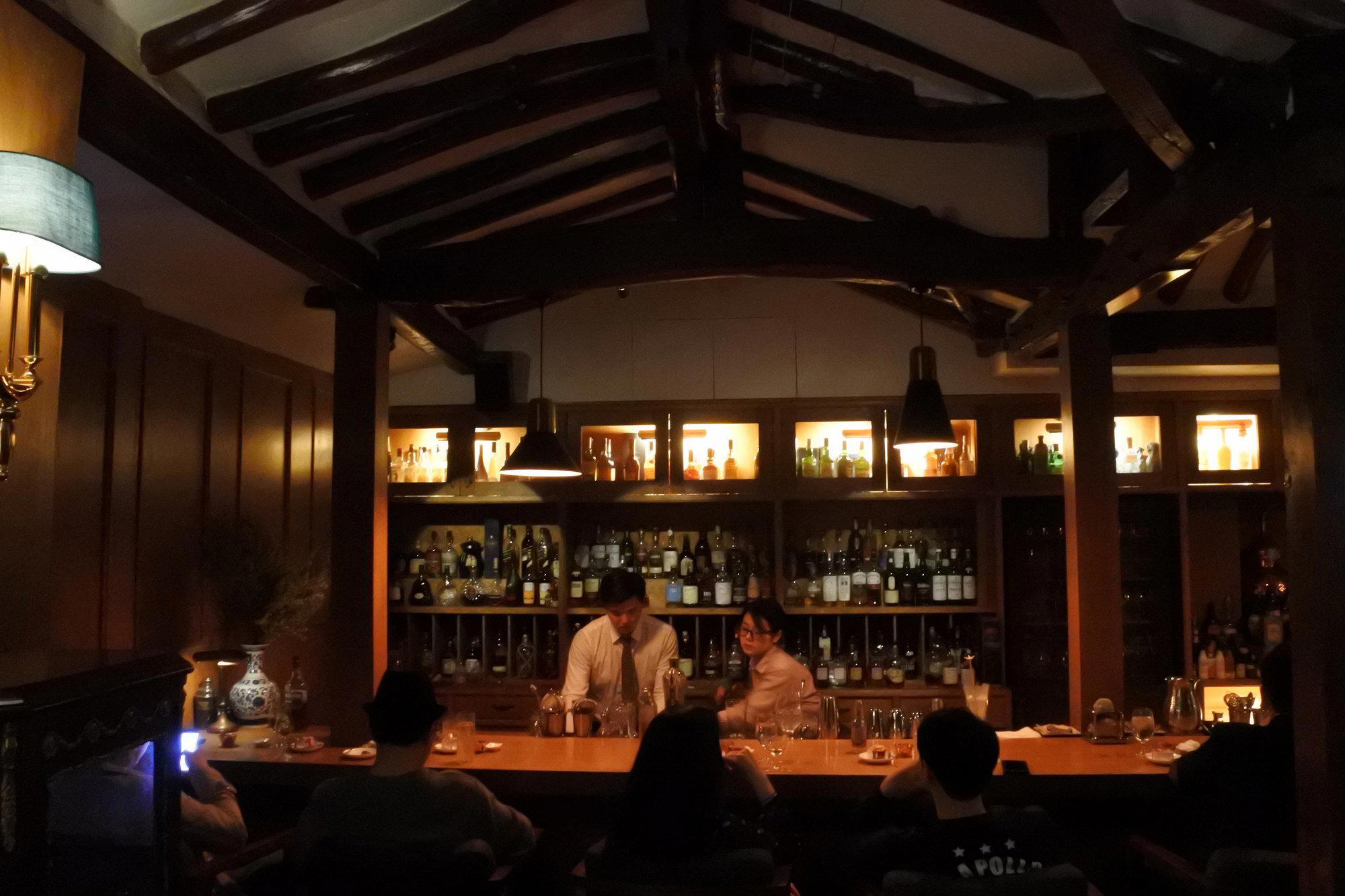
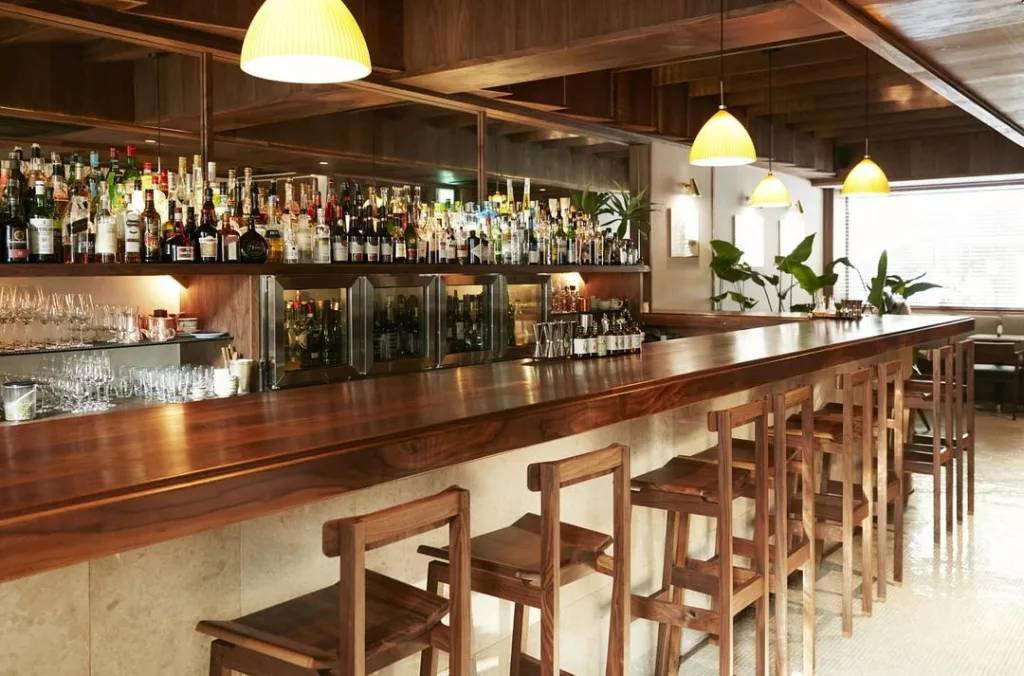
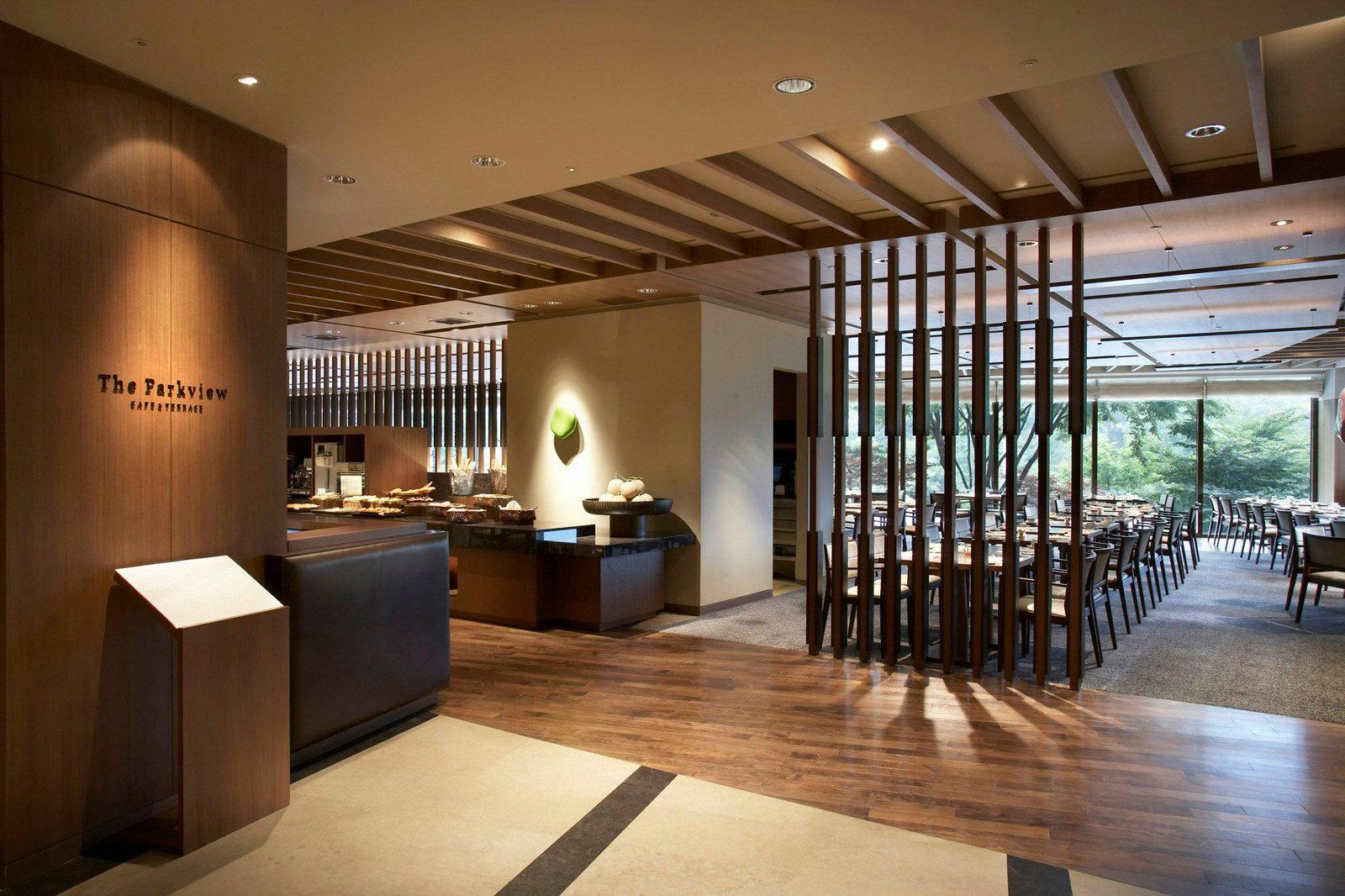
Busy, upscale buffet atmosphere with 10 live cooking stations, open-kitchen energy, and classical music contributing to a lively yet polished hotel dining room.