Arcana
Our verdict
Arcana sits on Mission Street in San Francisco, a corridor where neighborhood dining, bar culture, and community programming often overlap rather than separate neatly. With no public awards, chef, price, or menu details attached here, the useful read is contextual: approach it as part of the Mission’s broader culture of hybrid, independent venues rather than as a trophy-table restaurant.

Pearl is the En Primeur Club membership app, where members save venues, book tables and use the concierge.
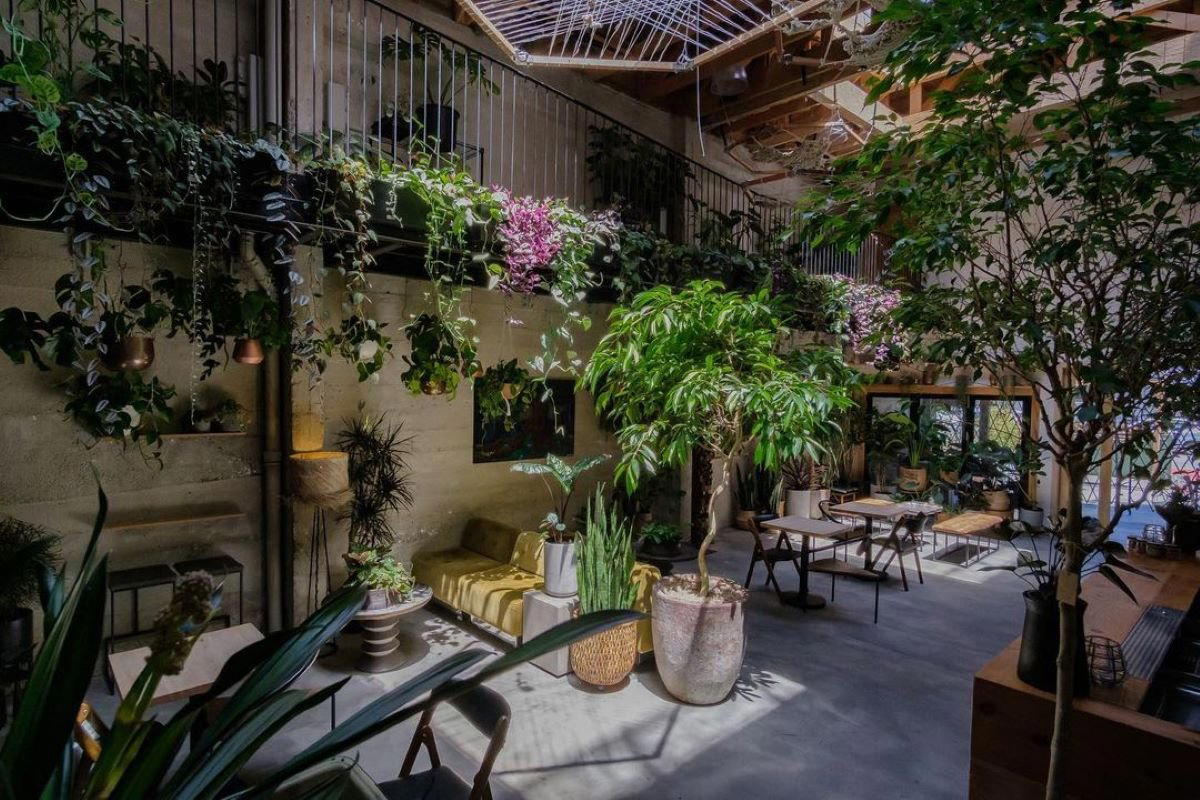
Mission Street does not ask restaurants and bars to behave politely. Storefronts sit close to taquerias, produce markets, performance spaces, late-night counters, and small rooms that blur the line between dining, drinking, retail, and gathering. Arcana belongs to that San Francisco grammar: a Mission address first, a conventional restaurant category second.
That matters because the Mission has long resisted the clean sorting that defines more polished dining districts. The neighborhood’s food culture is built from overlap: Latin American kitchens, bakery counters, natural-wine rooms, vegan projects, pop-ups, community classrooms, and casual dining formats share the same sidewalks. A venue here is judged less by formal signals than by whether it adds to that street-level mix without flattening it into lifestyle décor.
Mission Street rewards hybrid rooms more than formal dining scripts
San Francisco’s higher-end dining conversation often bends toward tasting menus, reservation pressure, and award architecture. The Mission works by another code. Rooms can function as neighborhood anchors, cultural salons, small restaurants, or bar-adjacent spaces, sometimes within the same evening. Arcana’s useful context is that it sits inside this looser category, where the setting and audience can be as central as the plate.
That does not make the experience casual by default. In San Francisco, informal format and serious intent often coexist. The city has a long habit of treating small, independent venues as cultural infrastructure: places where food, drink, art, music, and neighborhood identity cross paths without needing a white-tablecloth frame. The Mission sharpens that habit because its dining history is not ornamental. It is tied to immigration, rent pressure, nightlife, activism, and the constant negotiation between local use and outside attention.
For readers mapping the city, Arcana is better understood alongside the Mission’s independent dining ecosystem than through a narrow cuisine label. Nearby editorial context includes community-minded food spaces such as 18 Reasons, casual neighborhood formats like Napizza, and San Francisco restaurants that show how local dining can move between heritage, comfort, and contemporary service, including 1300 on Fillmore, 1760, and ʻāina. These are not direct peers; they show the range of formats that make San Francisco dining difficult to reduce to one script.
The cultural value is in the format, not the trophy signals
Arcana has no public award or chef data attached here, which shifts the editorial question away from medals and toward use. In a city crowded with reservation-driven dining, a Mission venue without visible trophy language can still matter if it reflects how San Franciscans actually gather. That is a different form of credibility: neighborhood fit, programming discipline, and a room that makes sense on its block.
The broader Bay Area pattern is clear. Diners increasingly split their attention between destination restaurants and smaller-format spaces that carry cultural weight through curation rather than scale. Japanese drinking culture in Los Angeles, seen in Jōdo Saké Bar in Los Angeles, or everyday rice-ball specialization at Onigiri Time in Pasadena, shows how narrow formats can carry more meaning than long menus. The same is true of plant-forward Hawaiian cooking at ʻAi Love Nalo in Waimanalo Beach, resort-context dining at ʻAma ʻAma in Kapolei, regional Mexican casual culture at ¿Por Qué No? in Portland, neighborhood drinking-and-dining hybrids such as ¡Salud! in Los Angeles, compact urban counters like Dashery in Baltimore, and tradition-specific Japanese dining at -Grilled beef Sukiyaki- KAMAKURA TANUKIAN 鎌倉 たぬき庵 in Kamakura. The common thread is not cuisine; it is clarity of purpose.
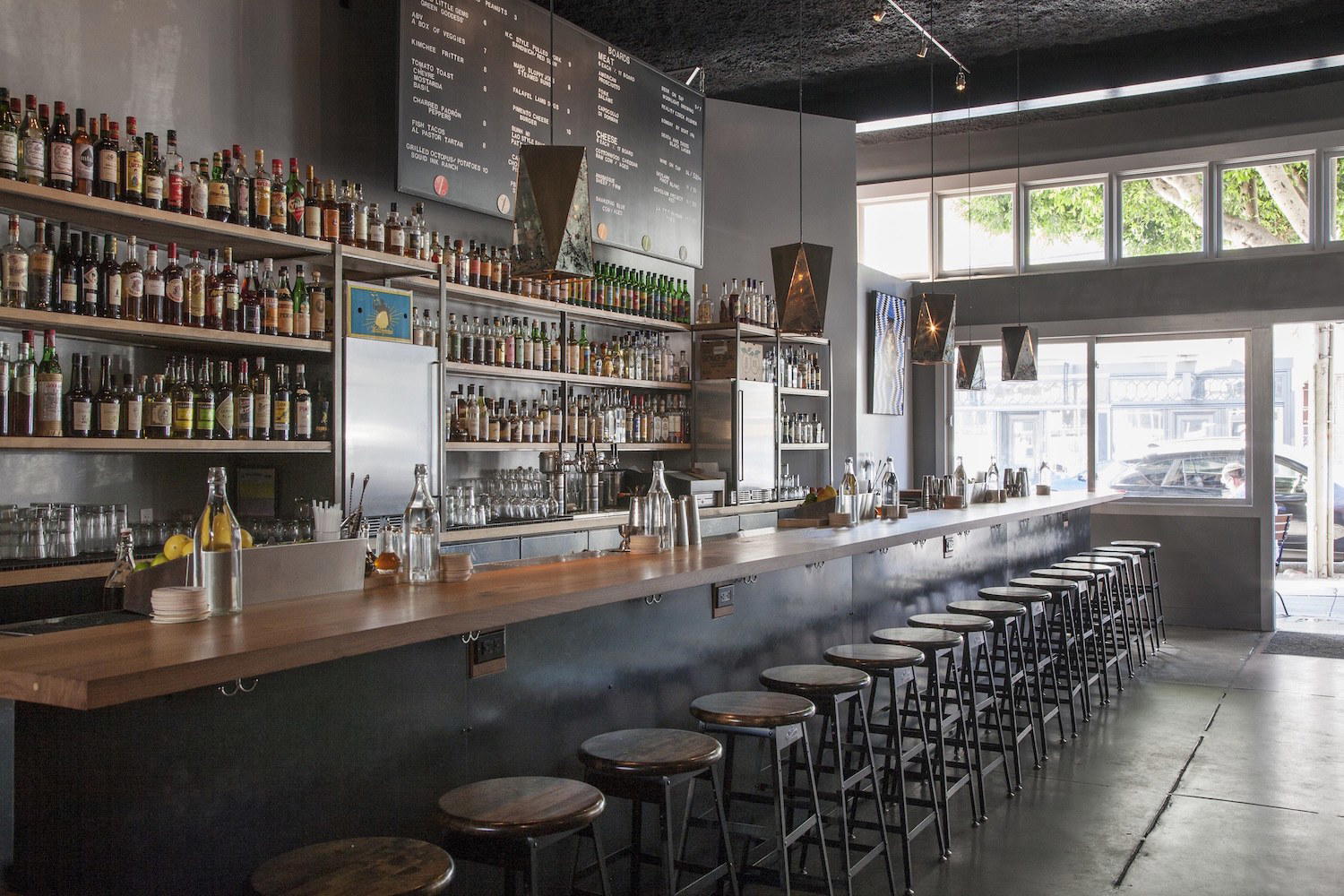
That lens suits Arcana better than forced grandness. With cuisine type, chef name, price range, awards, and seating details not publicly listed here, the responsible reading is to avoid invented certainty. The address supplies the strongest signal: 2512 Mission St places it in one of San Francisco’s densest cultural food corridors, where the surrounding block carries as much interpretive weight as a menu category would in a more formal district.
How to place Arcana within a San Francisco itinerary
For travelers, the decision is less about checking off a famous table and more about choosing a neighborhood evening. The Mission works well when dining is paired with walking, gallery stops, bars, and late transitions rather than treated as an isolated reservation. Arcana fits that kind of itinerary: begin with the neighborhood, then let the venue function as one part of a larger Mission night.
That approach also prevents category errors. Visitors looking for a heavily documented chef counter, a Michelin-led tasting menu, or a restaurant with published price architecture should look elsewhere in the city’s dining spectrum. Visitors interested in San Francisco’s independent-room culture, where the line between restaurant, bar, and gathering space can be deliberately porous, will read the address more accurately.
Use the wider city guides to build the rest of the trip around that distinction: Our full San Francisco restaurants guide for dining structure, Our full San Francisco bars guide for late-night planning, Our full San Francisco hotels guide for where to stay, Our full San Francisco wineries guide for Bay Area wine context, and Our full San Francisco experiences guide for the cultural frame around the meal.
The verdict is intentionally restrained: Arcana is not best read through awards, chef mythology, or luxury shorthand. Its value sits in a Mission Street setting where San Francisco’s dining culture remains messy, social, and locally coded. That is the more interesting story.
Frequently asked questions
Where is Arcana located?
Arcana is located in San Francisco.
Should I book Arcana in advance?
For Arcana at 2512 Mission St in San Francisco, advance booking is the safer approach if the plan depends on a specific time. Mission Street restaurants can fill unevenly across the week, so calling ahead helps secure the evening you want.
What's the defining dish or idea at Arcana?
The public record for Arcana does not attach a named signature dish, so the clearer read is the setting itself: a San Francisco address on Mission Street rather than a chef-led trophy table. That makes it a place to approach for context and room, not for a single listed headline plate. Check the venue's official channels for the latest details.
How does Arcana handle allergies?
Arcana’s allergy handling should be treated like any serious restaurant at 2512 Mission St: state restrictions early and be specific about severity. If the issue is substantial, confirm the plan before arrival rather than assuming the kitchen can adapt on the fly.
Is Arcana suitable for children?
Arcana in San Francisco can work for children if the outing is timed around the family’s tolerance for a restaurant setting on Mission Street. The deciding factor is less the address than whether the room and pace suit younger diners.
What kind of setting is Arcana?
Arcana sits at 2512 Mission St in San Francisco, which places it squarely in the city’s Mission district rather than a hotel or downtown dining block. Expect a neighborhood restaurant context, not a formal trophy-room format.
Comparable Venues Nearby
Comparable venues nearby, for context on price, style, and recognition.
| Venue | Cuisine | Price | Notes |
|---|---|---|---|
| ArcanaThis venue (the venue you are viewing) | Seasonal American Bistro | $30–50 | Not listed |
| Green Apple Books (location hidden) | Bookstore / Retail | Not listed | San Francisco |
| Pink Zebra | Mediterrasian Fusion | Not listed | San Francisco |
| Le Charm | French Bistro | Not listed | SoMa |
| Pakwan | Authentic Pakistani-Indian | $20–30 | Mission |
| Flore on Market | Sustainable Seafood & American | $30–50 | Castro/Upper Market |
Continue exploring
More in San Francisco
Restaurants in San Francisco
All restaurants in San Francisco →
Bars in San Francisco
All bars in San Francisco →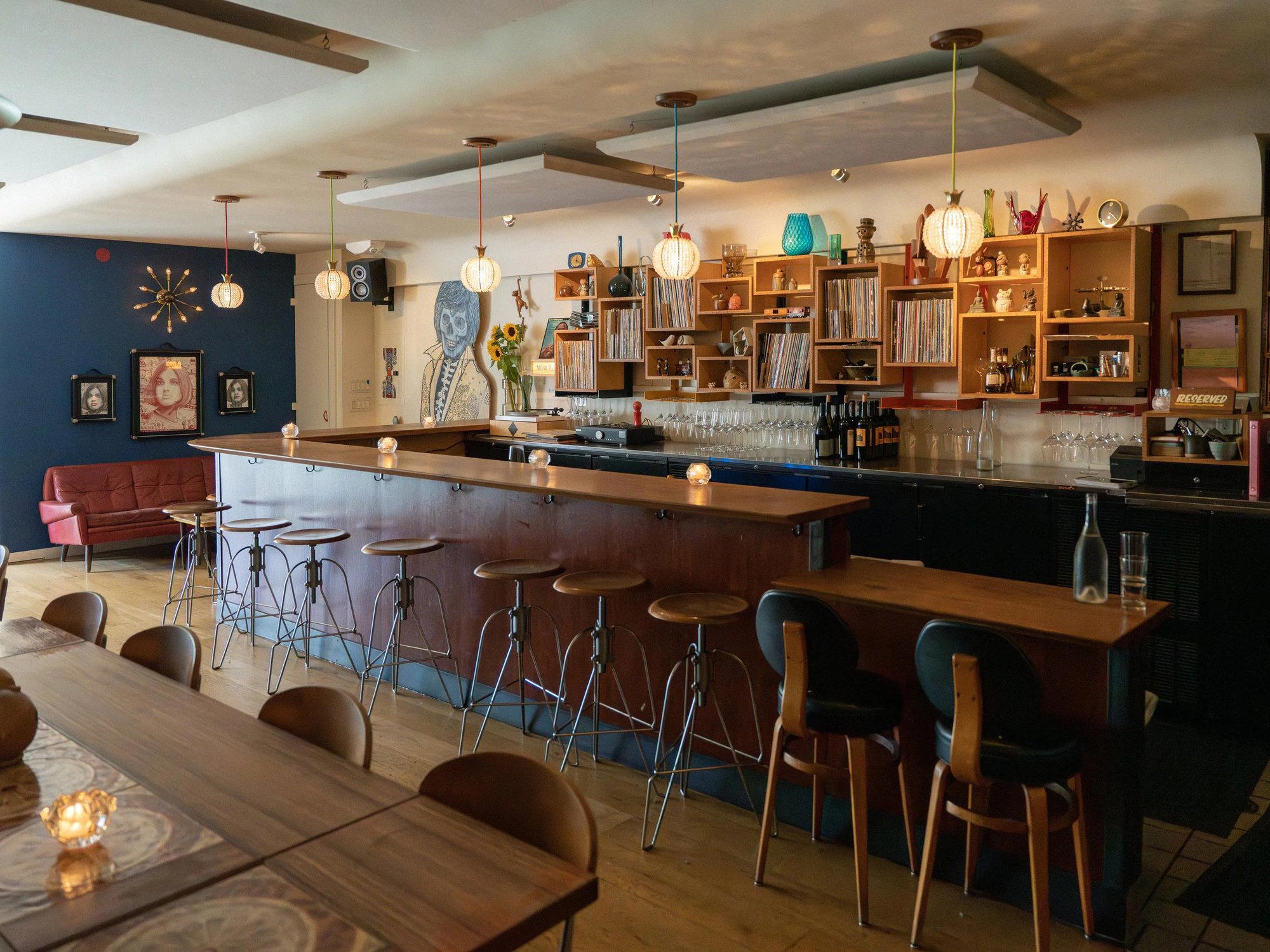
Arcana
The wine
- Natural wine
- Craft cocktails
- Zero-proof drinks
- Beer program
Details
- Modern
- Cozy
- Trendy
- Lively
- Bohemian
- Group Dining
- Casual Hangout
- After Work
- Celebration
- Private Event
- Live Music
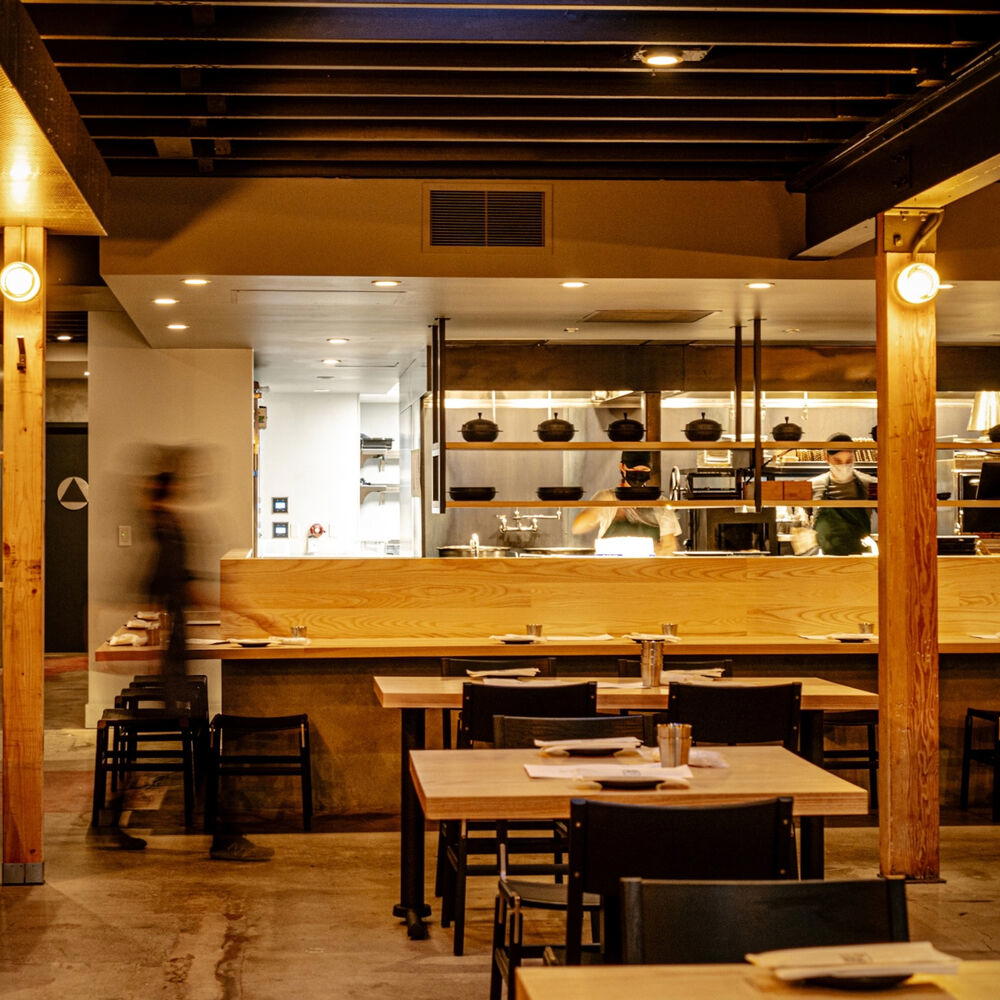
- Open Kitchen
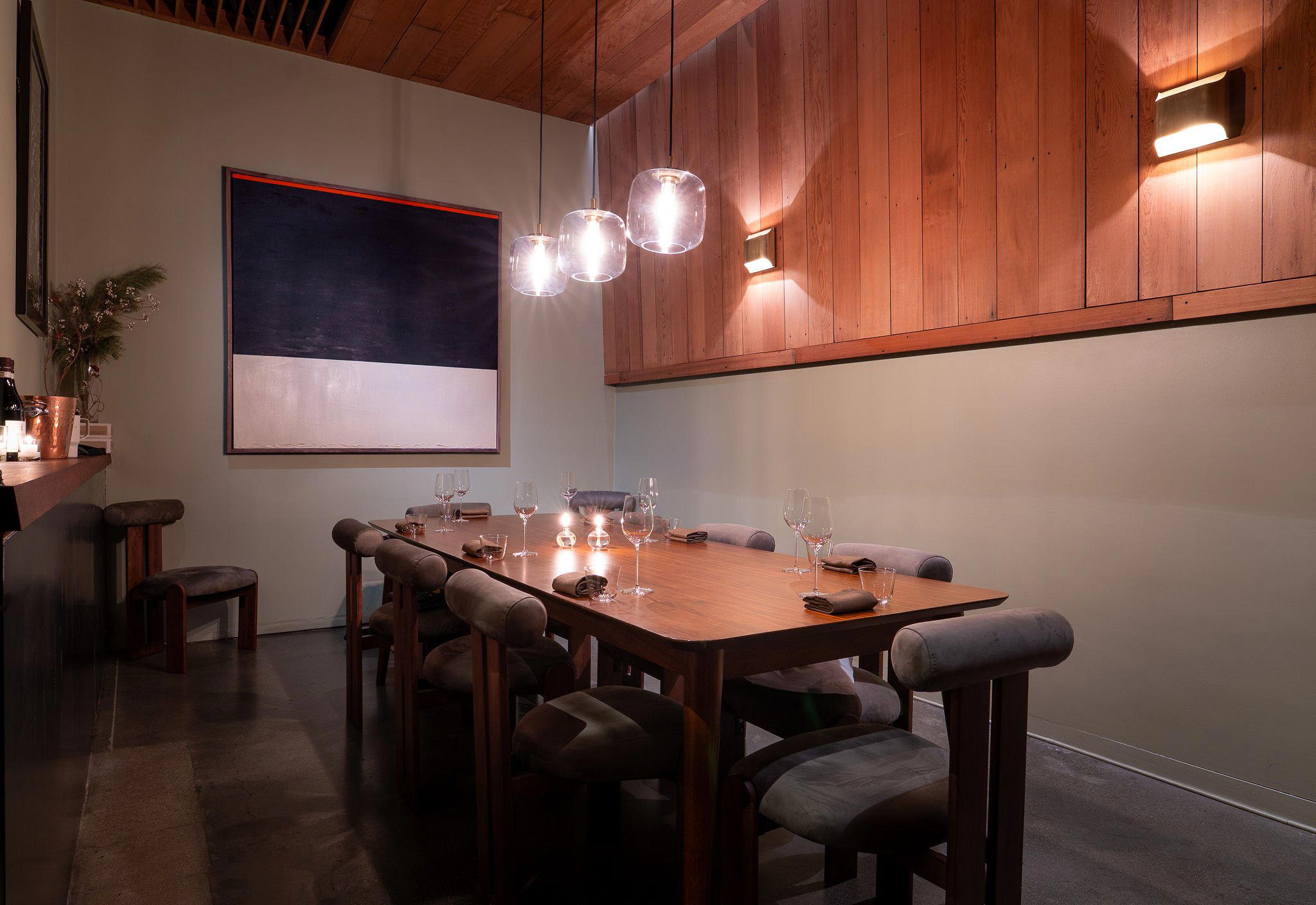
- Private Dining
- Terrace
- Garden
- Design Destination
- Standalone
- Natural Wine
- Craft Cocktails
- Beer Program
- Zero Proof
- Natural Wine
- Local Sourcing
- Street Scene
- A La Carte
- Prix Fixe
- Small Plates
- Natural Wine
- Cocktails
- Beer
- Zero Proof
- Vegetarian Friendly
- Vegan Options
Current opening hours
- Monday
- Closed
- Tuesday
- Closed
- Wednesday
- 4–10 PM
- Thursday
- Closed
- Friday
- 4 PM–1:30 AM
- Saturday
- 2 PM–1:30 AM
- Sunday
- 2–8 PM
Hours can change for holidays and private events. Hours as of .
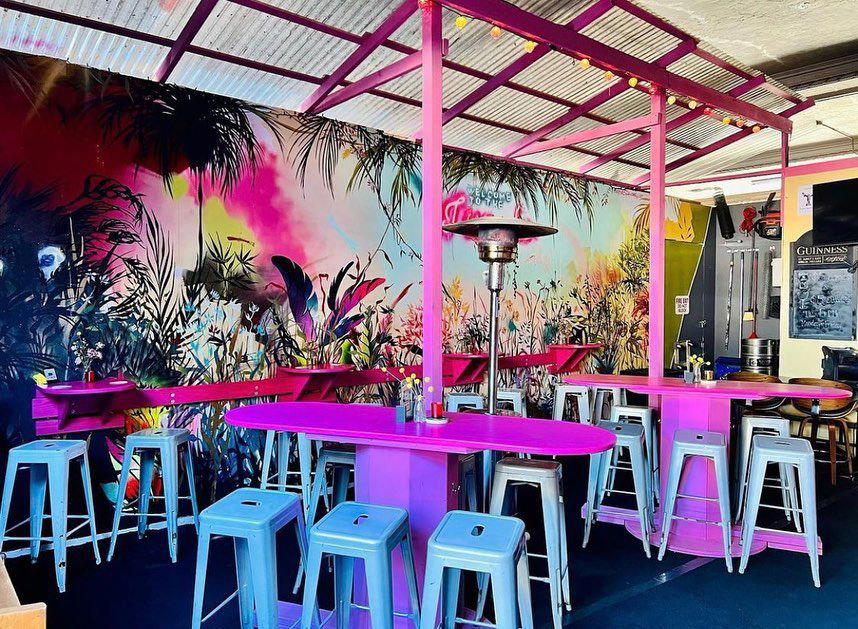
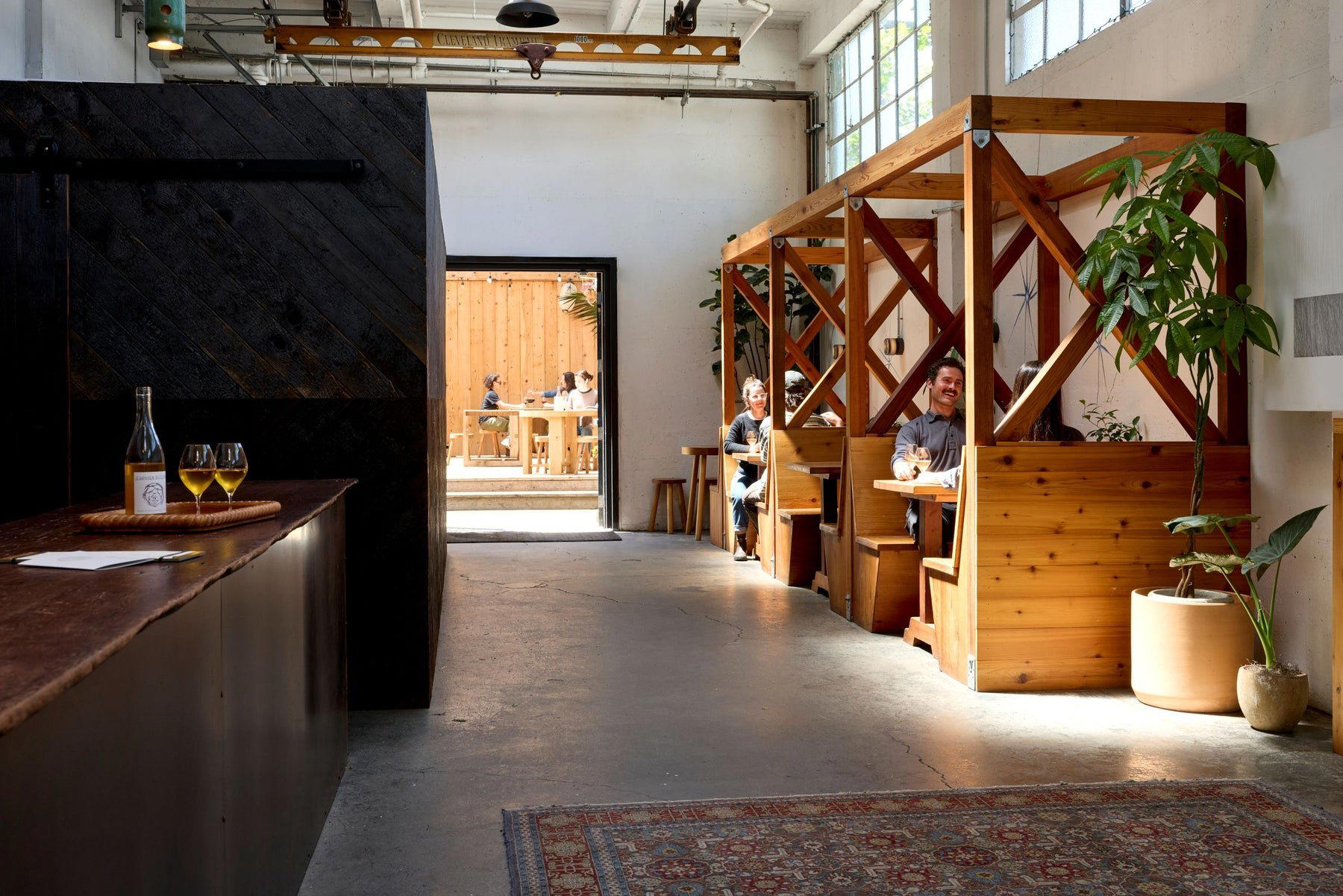
Leafy, plant-filled, community-oriented, and energetic, with an urban greenhouse feel that shifts from daytime retail to a lively evening hangout.