
A third-generation family home turned boutique hotel and restaurant in Ürgüp, Aravan Evi runs its kitchen from a productive garden where vegetables, fruit, and preserved ingredients define a set menu rooted in Cappadocian terroir. Dishes cooked in a wood-fired oven, pickled in-house, or finished with grape molasses signal a kitchen that treats Anatolian pantry traditions as a living practice rather than a decorative reference.
Pearl is the En Primeur Club membership app — saves, bookings, and concierge access live there. Same editors, same standards.
- Address
- Merkez Aravan Evi, Aravan Evi İçinde, 50400 Ürgüp/Nevşehir, Türkiye
- Phone
- +90 384 354 58 38
- Website
- aravan.com
- Directions
- Get directions
 Saves & bookings on Pearl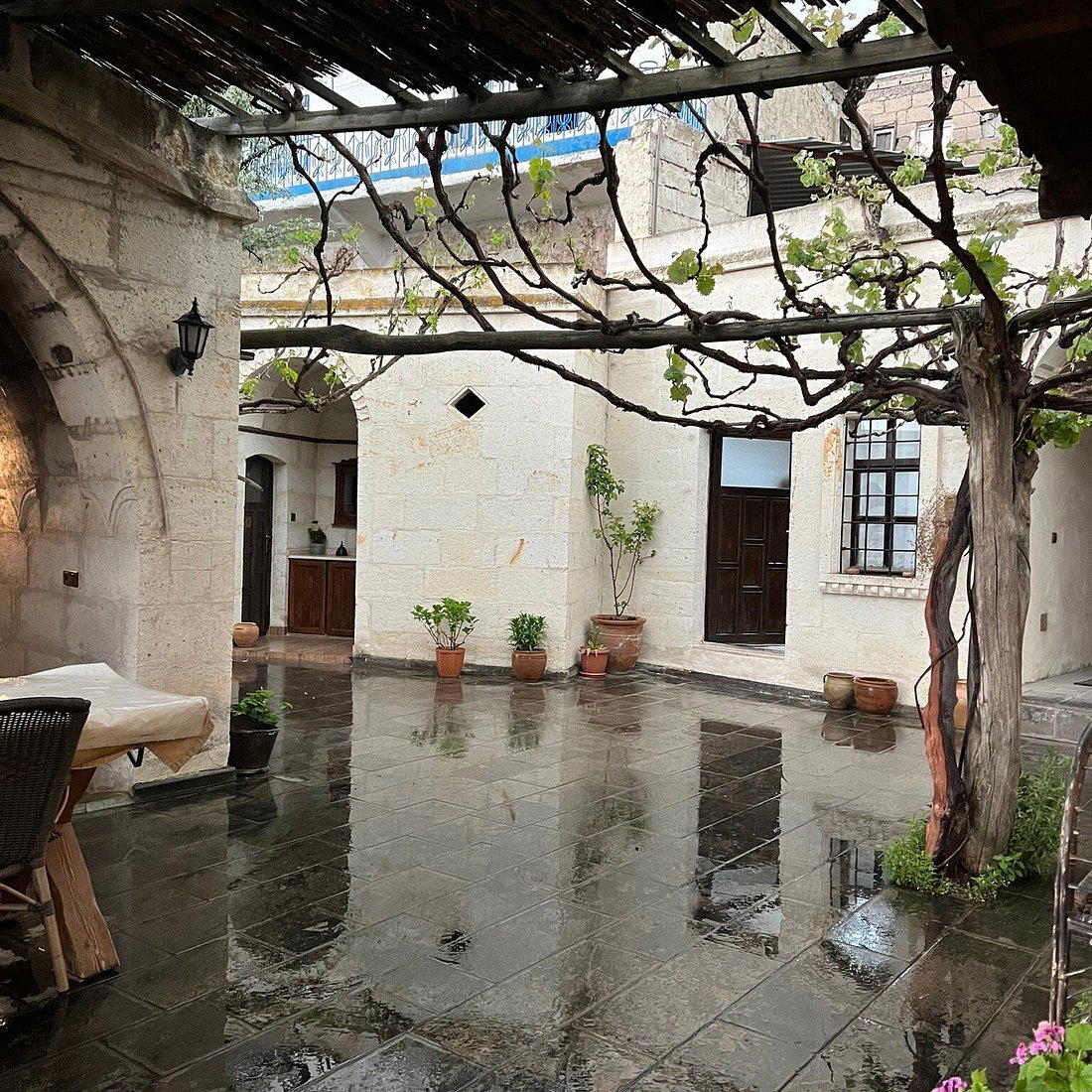
Where the Pantry Is the Kitchen Garden
Cappadocia's dining scene has long operated in the shadow of its landscape: visitors come for the rock formations and cave hotels, and restaurants have historically traded on atmosphere over ingredient discipline. That dynamic has been shifting, particularly in Ürgüp, where a small number of tables are reorienting around what the volcanic soil and semi-arid plateau actually produce. Aravan Evi sits within that shift, and its position is specific: a family home where the kitchen garden is the operational centre of the menu, not a photogenic footnote.
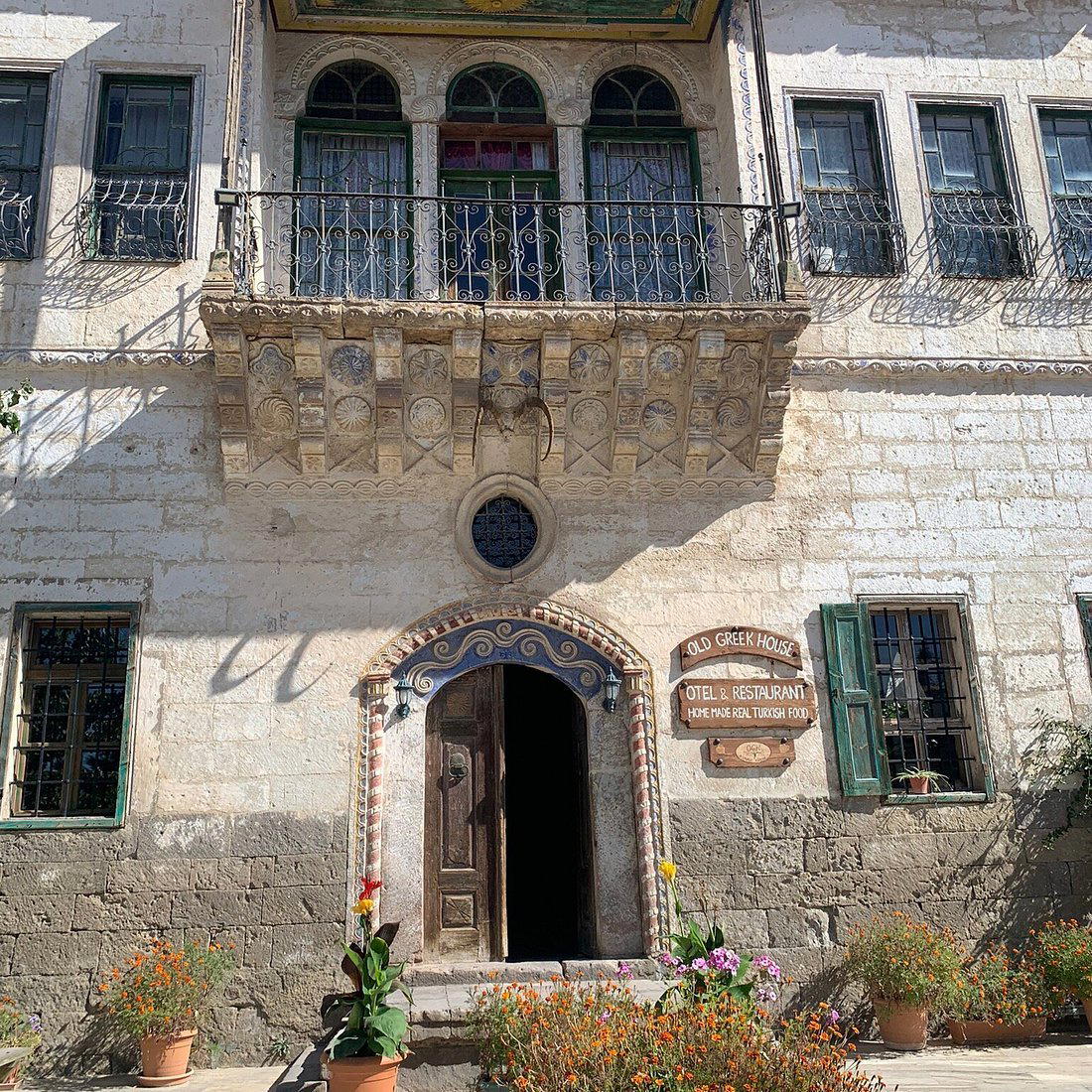
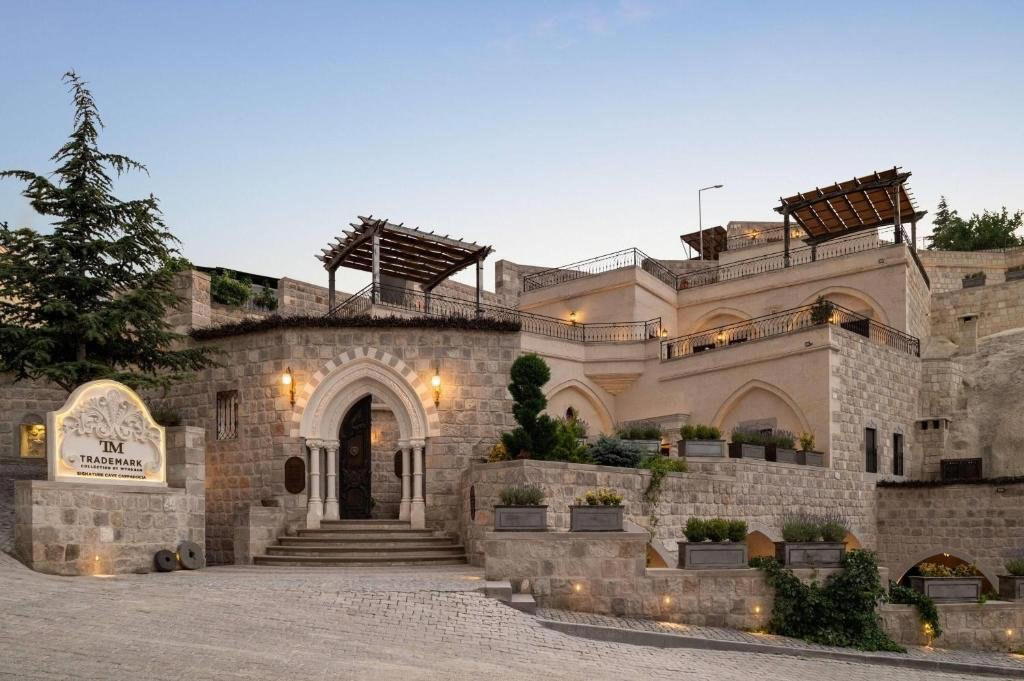
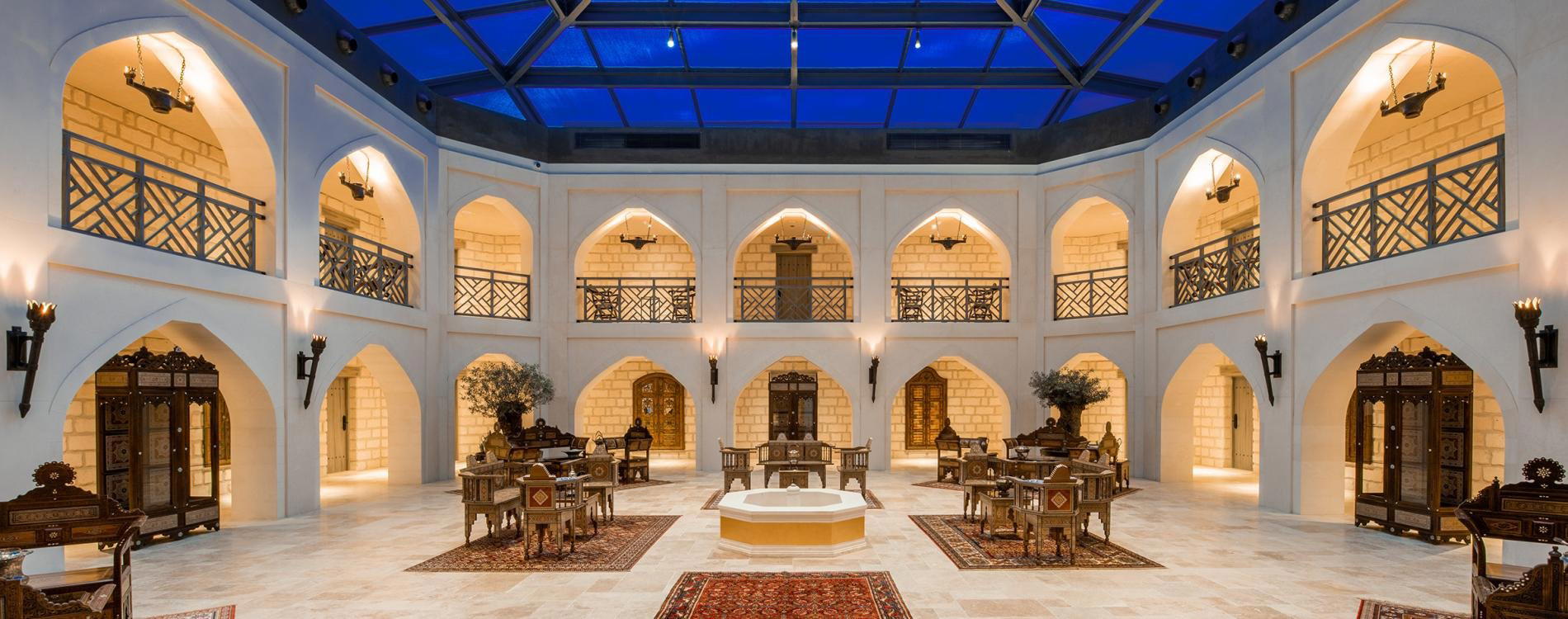
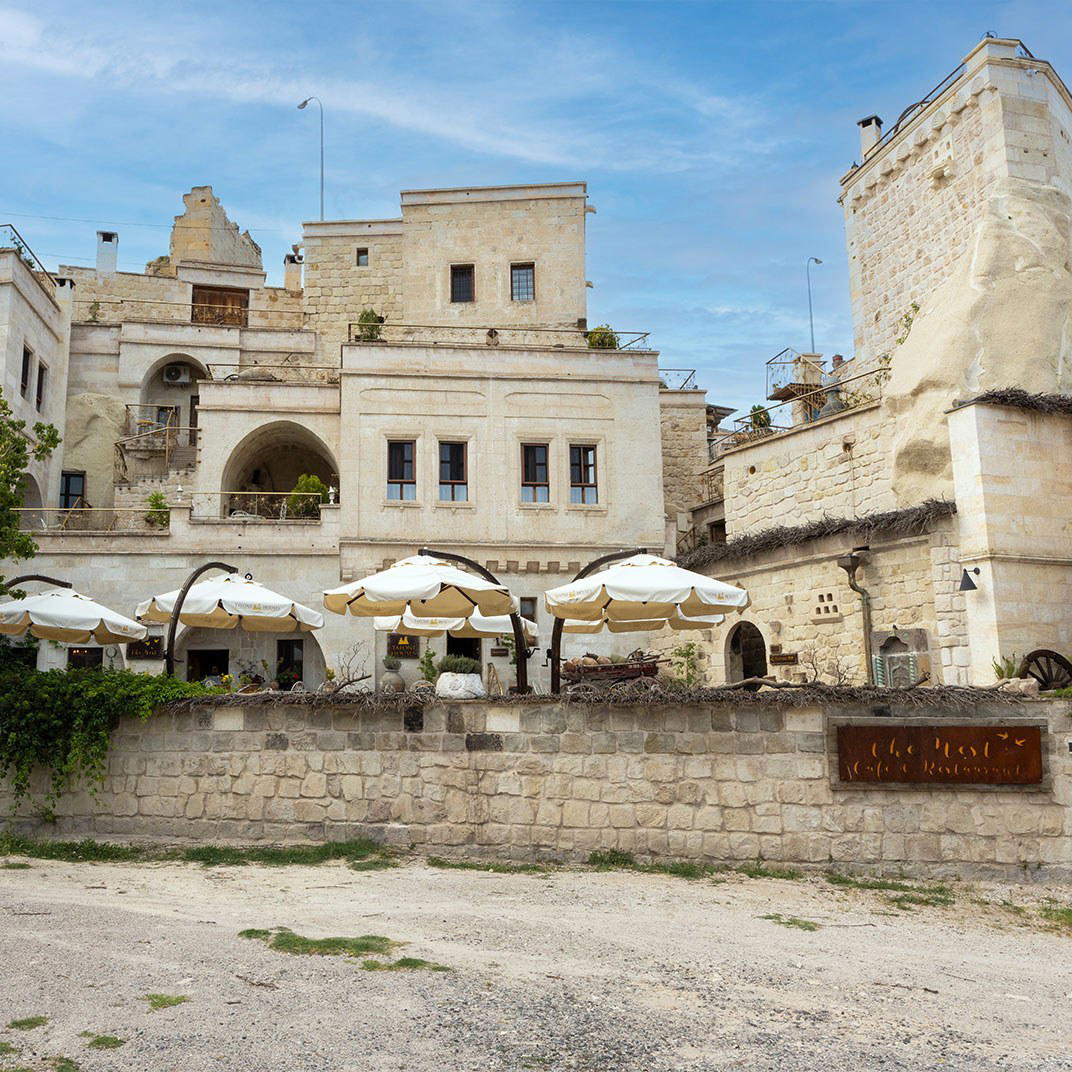
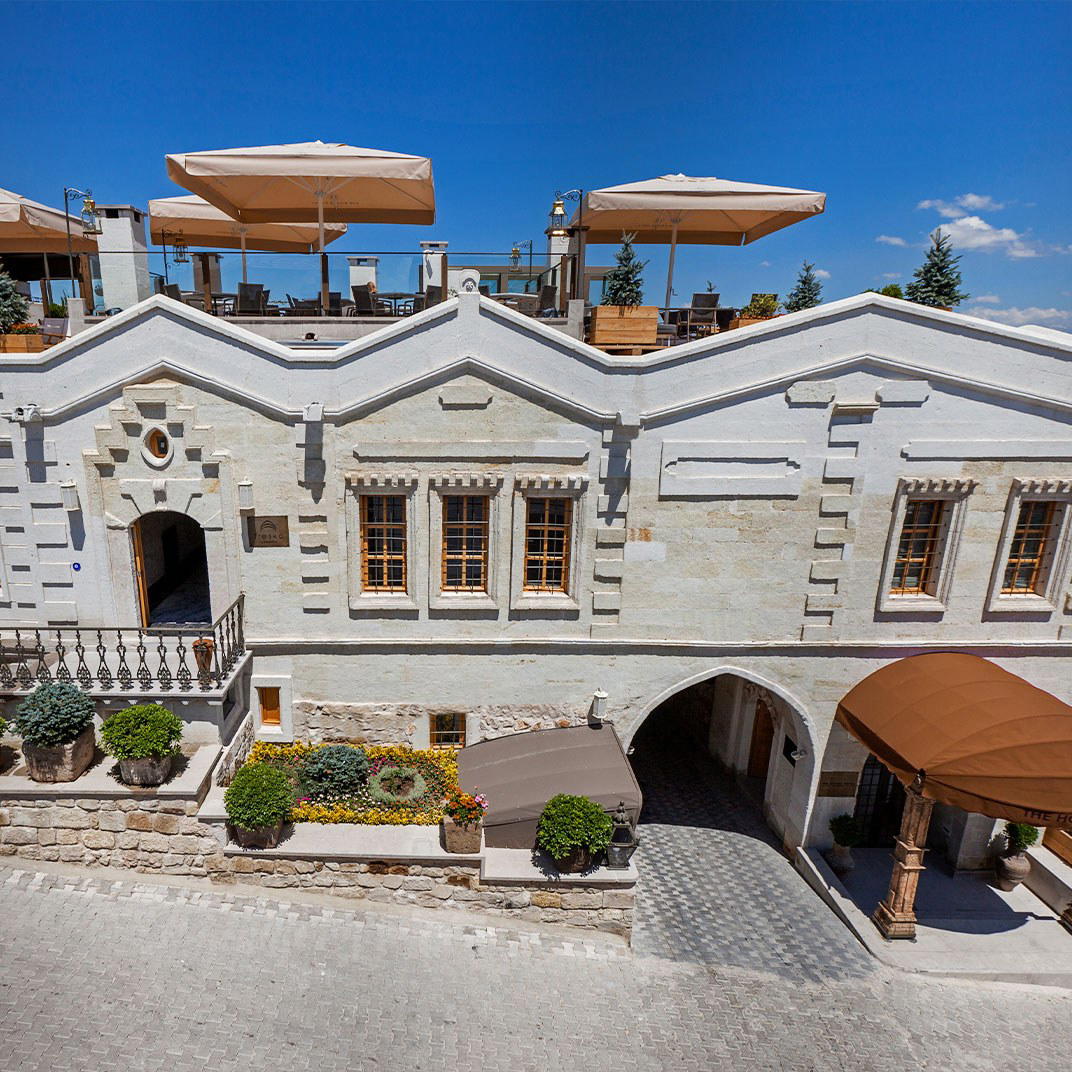
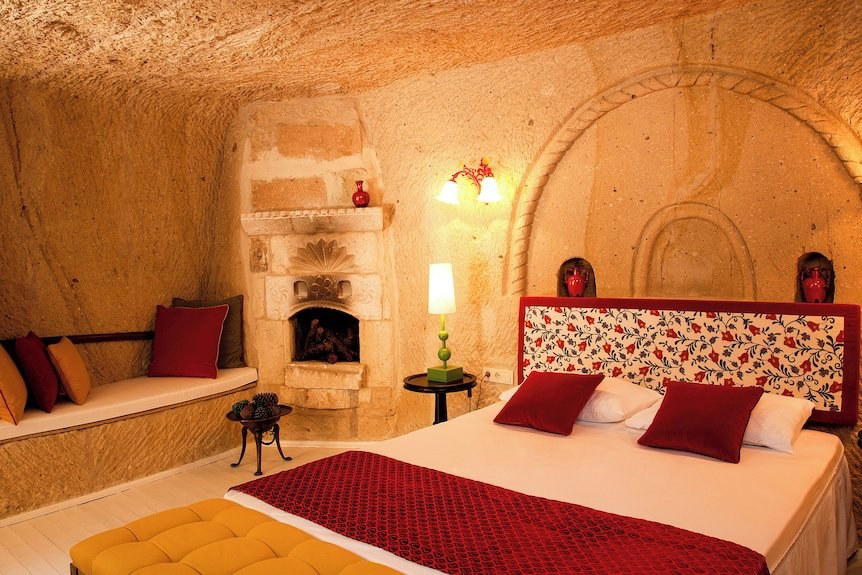
The house itself frames that relationship from the moment you arrive. A converted stone residence in the centre of Ürgüp, it carries the physical character of a working Anatolian household: thick walls, a garden that feels productive rather than ornamental, and the low-key presence of a family that has been doing this for three generations. The transition from home to boutique hotel and restaurant has preserved that texture rather than replaced it. You are, at various points, invited to walk through the kitchen garden with the chefs, a detail that clarifies the kitchen's sourcing priorities more directly than any menu description could.
Cappadocian Sourcing as Method, Not Marketing
In Turkey's restaurant conversation, sourcing claims have become increasingly common, from Istanbul's Turk Fatih Tutak to coastal operations like Kitchen By Osman Sezener in Bodrum and Narımor in Izmir. The distinction at Aravan Evi is that the sourcing is immediate and verifiable: the kitchen garden supplies the menu directly, and the preserved and fermented components, pickled vegetables, dried fruits, grape molasses, represent the traditional Cappadocian method of extending a short growing season across the full calendar year. This is not farm-to-table as a branding posture. It is farm-to-table as the only practical logic for a kitchen in this geography.
Cappadocia's volcanic soils around Ürgüp have supported fruit cultivation and viticulture for centuries, the same geology that carved the region's cave systems also creates a distinctive growing environment with high temperature variation between day and night. That range concentrates sugars in fruit and drives intensity in root vegetables. A kitchen that works closely with this material, rather than supplementing with imported produce, will produce flavours that are genuinely regional. For diners arriving from Lil'a in Nevsehir or Nahita Cappadocia, Aravan Evi represents a more intimate, family-scale version of the same Cappadocian terroir argument.
The Set Menu and What It Communicates
The format is a set menu, which is the structurally honest choice for a kitchen operating at this scale. A set menu driven by garden produce means the kitchen controls the sourcing cycle: it can harvest at the right moment, preserve what cannot be served fresh, and build dishes around ingredient availability rather than guest demand for any particular item. The wood-fired oven appears as a primary cooking tool, which is consistent with a kitchen working in this tradition. Wood fire at this altitude and in this climate is not affectation; it is the method that most directly engages with the preserved and slow-cooked character of Cappadocian cuisine.
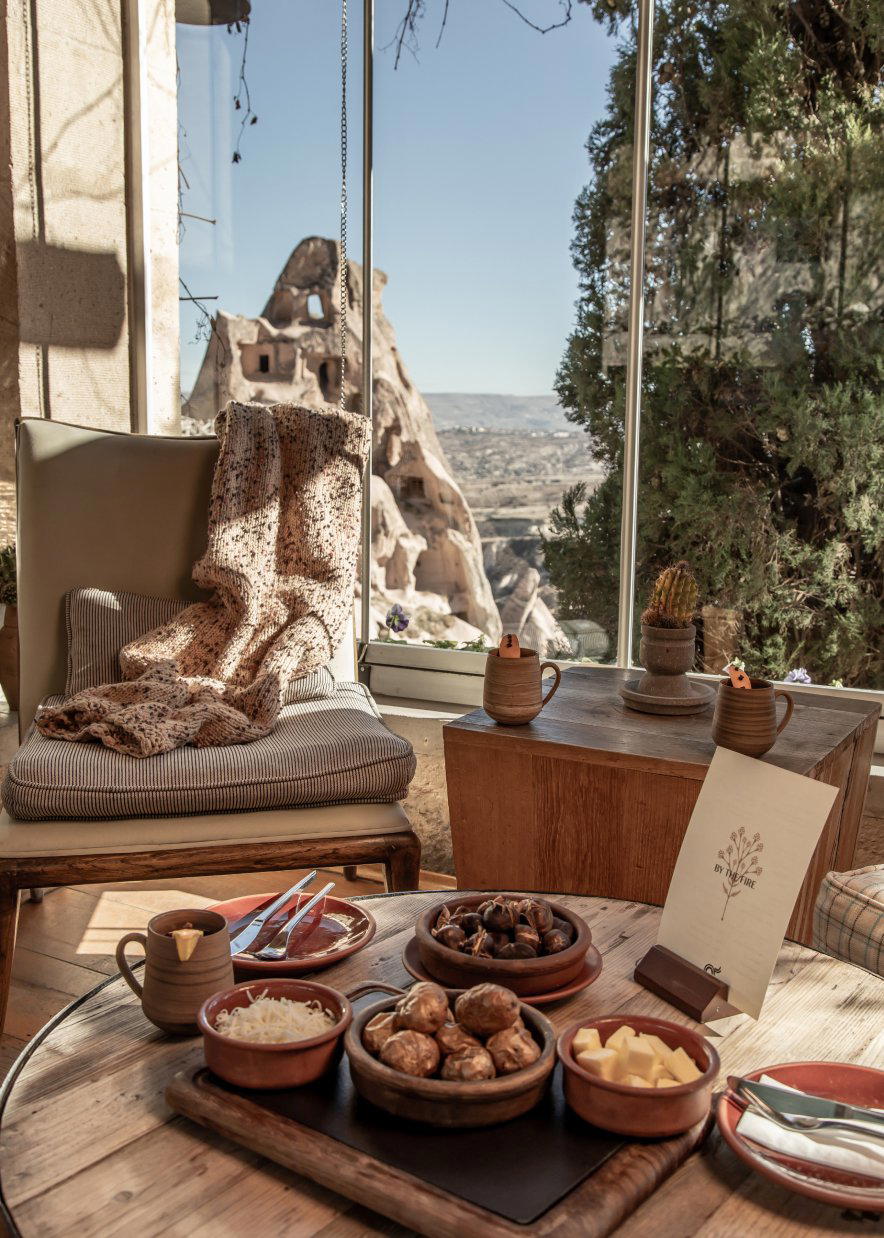
The dish that surfaces most clearly in accounts of the menu illustrates the kitchen's approach: dried apricots stuffed with nuts, cooked in grape molasses, served alongside a candied nut bonbon and warm halva. The combination draws on three separate Anatolian preservation and confection traditions simultaneously. Grape molasses (pekmez) is one of the oldest natural sweeteners in the Anatolian kitchen, used in place of refined sugar for centuries. Dried apricots from the region are already a concentrated flavour product before the kitchen intervenes. The halva component references the broader Middle Eastern and Turkish tradition of sesame and grain-based sweets. What the dish does is treat these ingredients as a coherent vocabulary rather than a list of heritage references, building a course that is architecturally thought through rather than decoratively assembled.
Across Turkey, the set menu format has become the vehicle through which kitchens at different price tiers are making the strongest editorial statements about their sourcing and culinary position. The approach appears in Istanbul's top tier alongside places like 7 Mehmet in Antalya and Ahãma in Göcek, but at Aravan Evi the fixed format serves a different purpose: it is the mechanism through which a family kitchen with a real garden communicates its actual constraints and commitments, not a theatrical device borrowed from fine dining.
The Third Generation and What It Means in Practice
Family-run hospitality in Anatolia carries a specific meaning that is easy to flatten into a marketing narrative but is actually more interesting as an operational fact. When a property moves into its third generation, it means the kitchen has absorbed thirty or more years of preserved knowledge about which cultivars grow in this specific garden, which preservation techniques work in this climate, and which flavour combinations are locally legible. Third-generation operators are not reinventing a cuisine; they are extending it, and the distinction matters for what arrives on the plate. The current team's role, bringing their own vision to the establishment, operates within that accumulated framework rather than against it.
This places Aravan Evi in a different category from the new-wave Anatolian restaurants emerging from Istanbul's culinary scene, places like Divia by Maksut Aşkar in Marmaris or Mori in Fethiye, which are constructing a relationship with tradition from the outside in. Here, the tradition is simply the operating context, passed down through the family rather than researched and applied. Whether that produces better food than the more self-conscious modernist approaches is a question without a clean answer. It produces different food: less constructed, more embedded, and legible in a way that rewards visitors who engage with regional ingredients rather than seeking a contemporary tasting menu format.
Planning a Visit
Aravan Evi functions as a boutique hotel with an in-house restaurant, which means diners are primarily guests of the property, though the intimate, domestic character of the space makes it worth considering even for visitors staying elsewhere in Ürgüp. The address is in the centre of Ürgüp, within reach of the town's broader hospitality offering; for a fuller picture of where to eat, drink, and stay in the area, see our full Ürgüp restaurants guide, our full Ürgüp hotels guide, our full Ürgüp bars guide, our full Ürgüp wineries guide, and our full Ürgüp experiences guide. The set menu format means there is no à la carte alternative, so visitors with specific dietary requirements should communicate these in advance. Cappadocia's visitor pattern is year-round, with peak concentrations in spring and autumn; Aravan Evi's garden-dependent kitchen means the menu will shift meaningfully with the growing season, and an autumn visit, when the region's fruit and vegetable harvest is at its fullest, makes the sourcing logic most tangible.
How Aravan Evi Ürgüp compares with similar nearby venues.
| Venue | Awards |
|---|---|
| Aravan Evi | Bib Gourmand |
Recognition history
Dated appearances from independent guides and award organizations, with the underlying list record or original source where available.
Michelin Bib Gourmand
Michelin
At a Glance
- Rustic
- Cozy
- Intimate
- Scenic
- Special Occasion
- Family
- Garden
- Terrace
- Historic Building
- Farm To Table
- Local Sourcing
- Mountain
- Garden
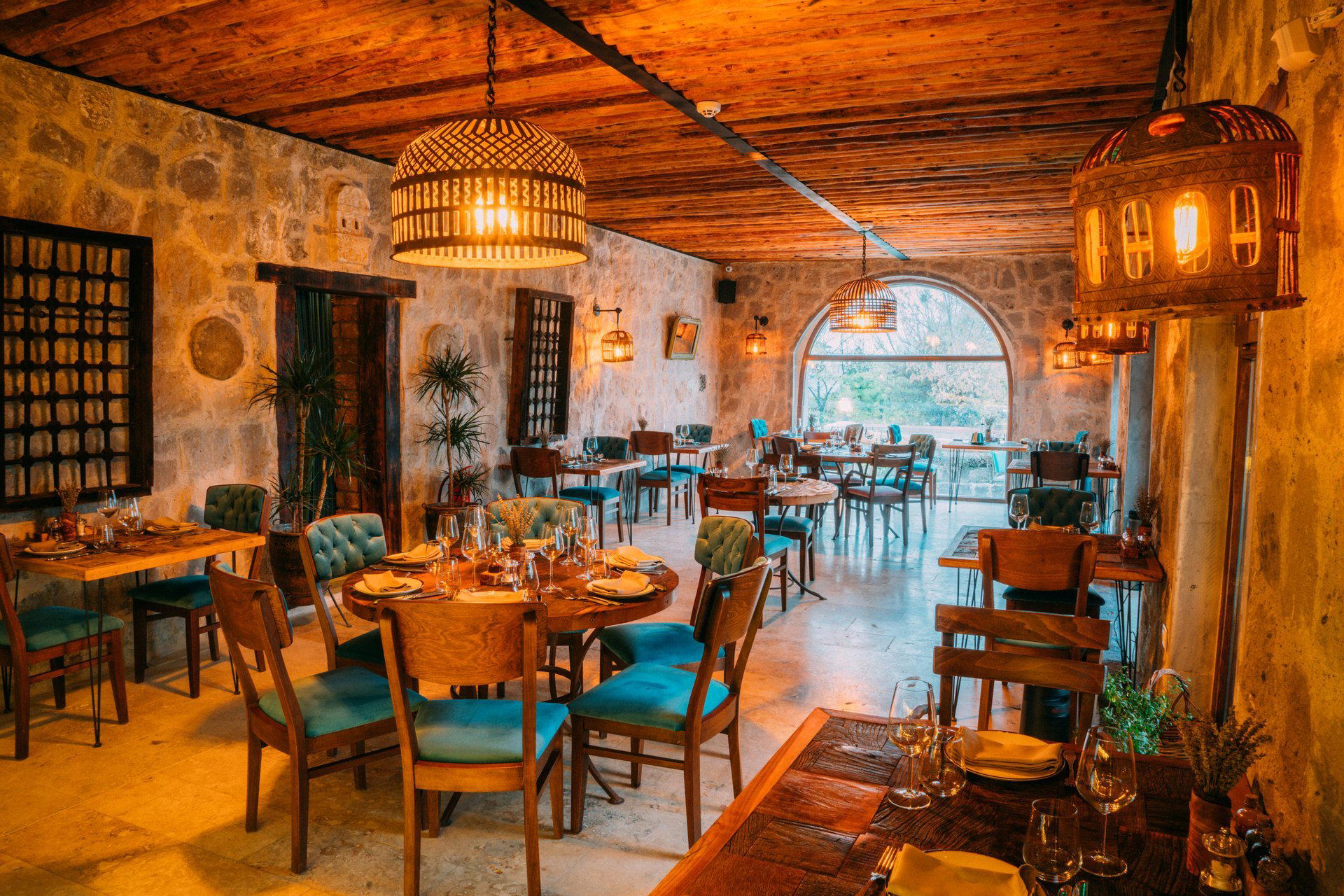
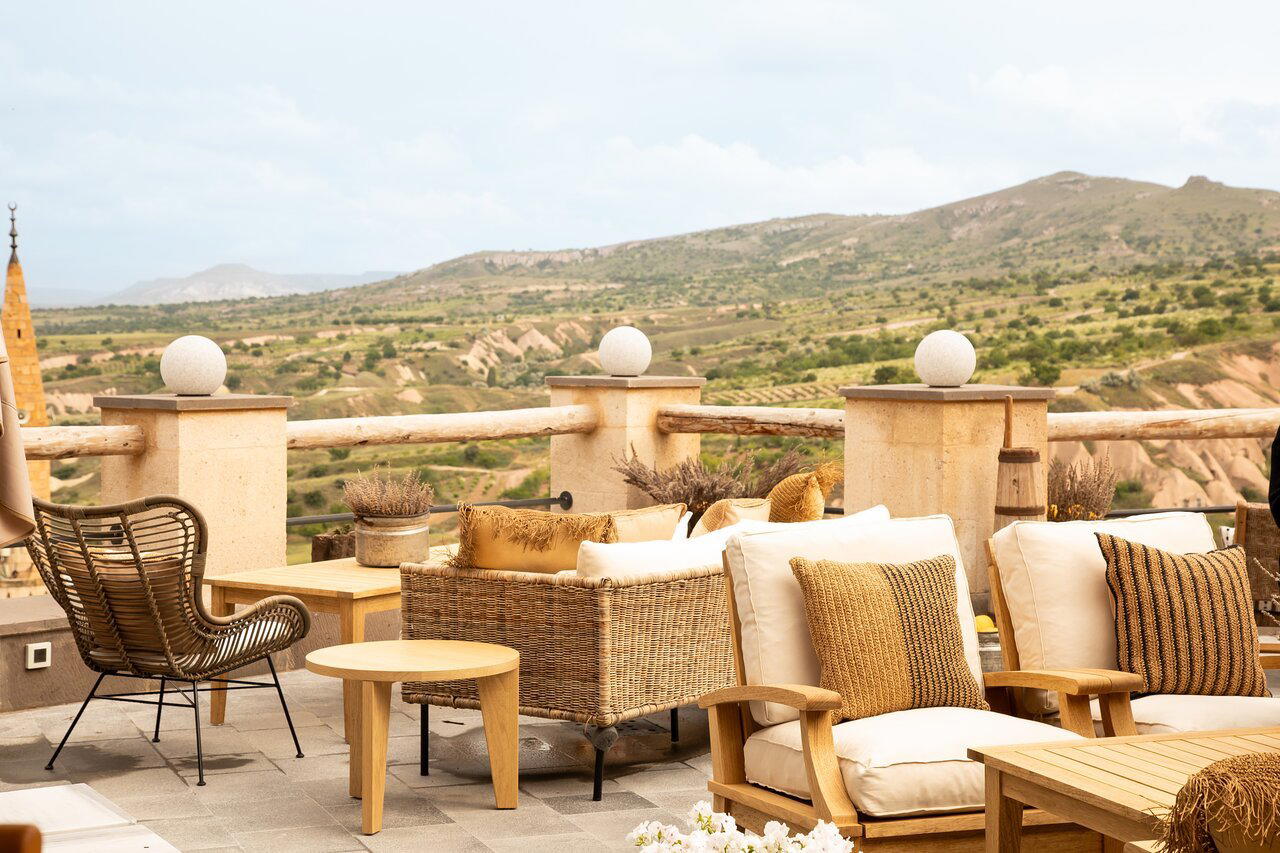
Cozy and warm atmosphere with family hospitality, featuring outdoor terrace dining overlooking mountains and gardens under moonlight or in a traditional indoor room with low tables and pillows.
Know Before You Go
- Getting there
- Merkez Aravan Evi, Aravan Evi İçinde, 50400 Ürgüp/Nevşehir, Türkiye