Our verdict
Aquamarina sits in Rome’s historic core, where restaurants are judged against a demanding mix of local habit, tourist pressure, and the city’s long seafood tradition. With no public award or chef-led narrative defining the room, the useful lens is cultural: how a central Roman address handles the expectations attached to coastal Italian cooking in a city that eats with memory.

Pearl is the En Primeur Club membership app, where members save venues, book tables and use the concierge.
The menu
What to order
- Fresh raw crudi selection
- Tartare and carpacci with julienne vegetables and light emulsions
- Warm seafood mains
- Classic Italian marinara pasta dishes
Approaching a dining room in Rome means moving through a city that rarely lets restaurants stand alone. Stone streets, hotel lobbies, aperitivo traffic, and the movement of the capital shape the meal before the menu appears. Aquamarina enters with a name that suggests freshness and clarity, a useful cue in a city where dining carries associations with routine, occasion, market discipline, and the Roman habit of treating simplicity as a test, not a shortcut.
Rome’s dining culture differs from that of Italy’s coastal towns, northern cities, or southern resort addresses. The city has its own rhythm, fed by nearby regions and by diners who know when a meal has been overworked. The Roman version rewards clarity: careful timing, clean presentation, and restraint. A Rome restaurant working in this register must satisfy locals who know the grammar and visitors expecting theatre.
Dining in Rome is a test of restraint, not ornament
Italian restaurant dining often looks simple on paper because the technical work sits in sourcing, timing, preparation, and heat. In Rome, that restraint has a sharper edge. The city’s classic tables built authority on familiar staples and long-standing habits, so any restaurant must justify itself with precision rather than nostalgia. A name such as Aquamarina signals a polished brief; the question is how that brief fits a city better known internationally for its canonical Roman dishes.
The Rome diner is a mixed audience. Across the city, restaurants handle hotel guests, office lunches, late dinners, and travellers moving between plans. That creates a split market: some rooms reduce the city to familiar comfort, while stronger kitchens keep Roman discipline intact. Nearby comparison points show the range. Baccano works a high-traffic central dining identity; BIVIUM Restaurant-Café-Bar and Dandy Cafè reflect the all-day hospitality model common around luxury hotels; NOTOS Rooftop belongs to the view-led end; El Porteño brings a different imported dining rhythm into the same city. Aquamarina is better read against that Rome mix than against a remote destination restaurant.
Awards are not the only useful measure in Rome. Formal recognition can clarify ambition, but the city’s dining culture also values rooms whose worth lies in fit: the right format for the city, the right tempo for the evening, and enough focus to avoid becoming generic. Where a reader is weighing recognition, the editorial test is simpler and stricter: does the restaurant’s stated identity make sense in Rome, and does it give the reader a reason to choose it over another table?
The Rome dining question: convenience versus character
Rome has a practical advantage: it suits travellers building a day around walking, museums, shopping, and hotels rather than a single restaurant pilgrimage. That convenience brings pressure. High demand can flatten menus, stretch service, and reward safe choices. Here, a serious meal needs a defined point of view because the city already supplies the foot traffic.
Aquamarina’s value depends on whether the room functions as a clearly focused Rome restaurant rather than a catch-all stop. The city gives context for that distinction. Other Rome dining rooms point toward contemporary interpretation, while the city’s pizza addresses sit in another Roman lane. A composed central table should not be judged by the same criteria as either category. It has to deliver pacing, confidence, and composure in a city where many meals are chosen for location first.
For broader planning, Our full Rome restaurants guide gives the city-wide dining map, while Our full Rome hotels guide, Our full Rome bars guide, Our full Rome wineries guide, and Our full Rome experiences guide place dinner inside a fuller itinerary. Rome rewards sequencing: one dinner reads differently after a heavy lunch than before a late bar reservation.
How to place Aquamarina in an Italian itinerary
Italy’s regional restaurant culture is not interchangeable, which matters when reading a Rome dining address. Southern Italy brings one vocabulary; Tuscany tells another story; Emilia-Romagna and Lombardy work through their own codes. For contrast beyond the capital, other Italian dining rooms show how quickly the country’s restaurant language changes by region and format.
That comparison is useful because Rome can tempt visitors into overloading every meal with the same checklist. A more intelligent plan assigns roles. One sitting can handle classic pasta, another pizza, another contemporary Italian cooking, and another dinner can reset the palate. Aquamarina fits that last role if the evening calls for a polished Rome restaurant rather than another plate of Roman staples.
For travellers extending the dining map outside Italy, contrast sharpens the point. International dining formats can differ completely in product logic, pacing, and service expectations. Rome’s tradition is less about constructed spectacle than the confidence to stop before the ingredient or idea disappears under technique. That is the cultural frame for Aquamarina: not overstatement, but whether a Roman table can feel coherent inside the capital’s crowded dining rhythm.
Hospitality formats across Italy vary widely, from period styling to contemporary dining rooms. Aquamarina’s stronger case is narrower: a Rome dining address for diners who want the meal to connect with Italian habits while staying within the practical orbit of the capital.
Frequently asked questions
Where is Aquamarina located?
Aquamarina is located in Rome.
Do they take walk-ins at Aquamarina?
Aquamarina’s Rome setting means walk-ins may be possible at quieter times, but availability can tighten around peak dining hours. For dinner, the safer approach is to expect tighter availability than at a casual neighbourhood spot.
What is Aquamarina known for?
Aquamarina is known primarily as a Rome dining address. That location matters because it places the restaurant within the city’s wider dining, hotel, and visitor rhythm.
How does Aquamarina handle allergies?
Allergy handling depends on clear communication with the dining room, especially in a Rome setting like Aquamarina. The practical move is to state any restrictions early and confirm them again before ordering.
Would Aquamarina be comfortable with kids?
Aquamarina can suit children if the timing is right and the meal is kept calm, especially given its Rome location. Earlier dining hours are usually easier than a late-evening table.
What's the vibe at Aquamarina?
Expect a Rome mood rather than a narrowly neighbourhood trattoria feel. The setting suggests a restaurant shaped by city diners, with the pace influenced by the capital’s broader dining rhythm.
Pricing, Compared
Comparable venues by cuisine and price in the same metro.
| Venue | Cuisine | Price | Notes |
|---|---|---|---|
| AquamarinaThis venue (the venue you are viewing) | Elegant Italian seafood trattoria | $50–100 | Not listed |
| Dandy Cafè | Italian Café-Bar with Mediterranean and Seafood influences | Not listed | Not listed |
| El Porteño | Argentinian Fusion | Not listed | Not listed |
| BIVIUM Restaurant-Café-Bar | Modern Italian | $50–100 | Not listed |
| NOTOS Rooftop | Mediterranean Rooftop Dining | Not listed | Not listed |
| Baccano | Traditional Roman Trattoria | $50–100 | Italian Seafood |
Continue exploring
More in Rome
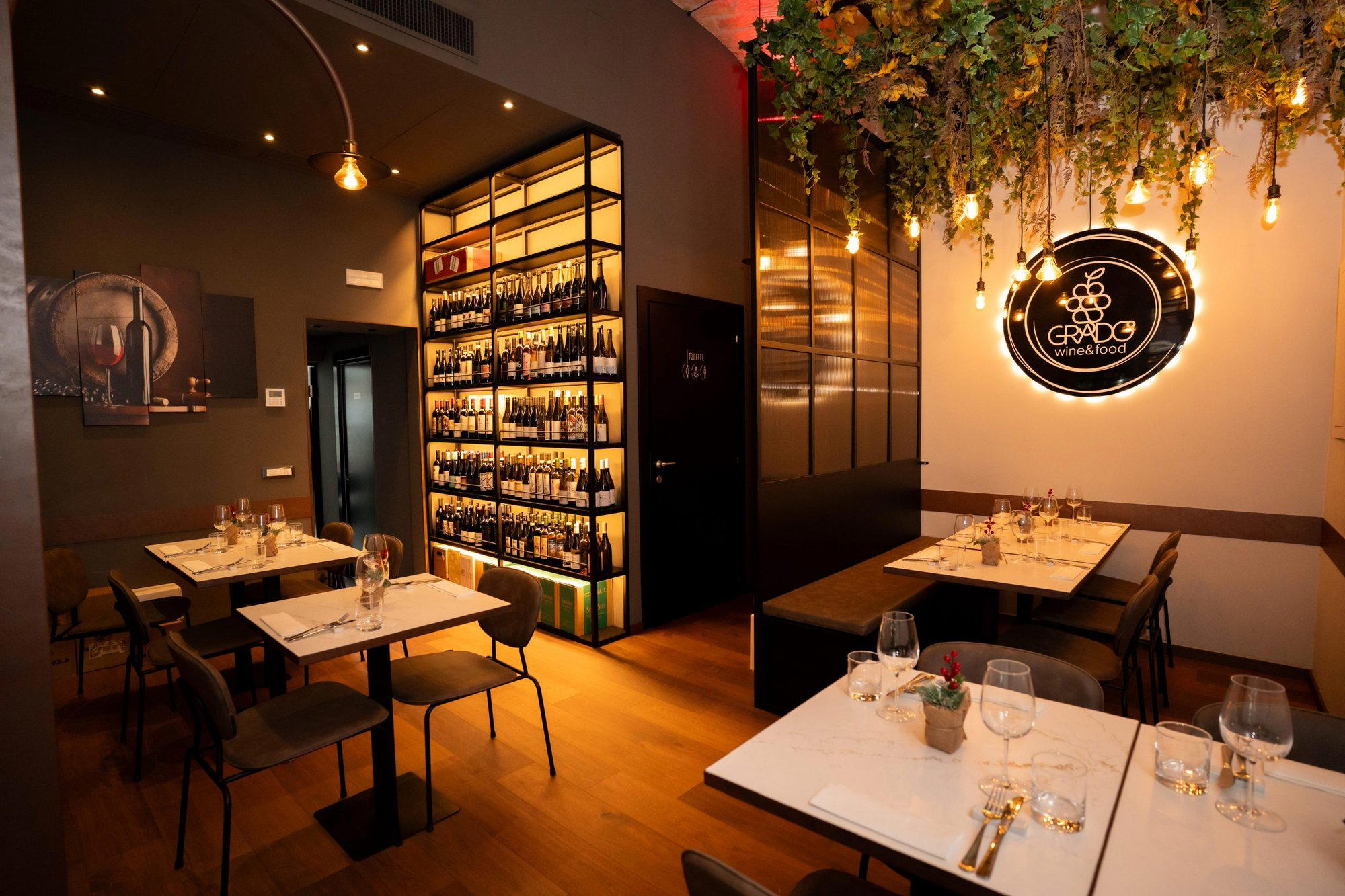
Restaurants in Rome
All restaurants in Rome →
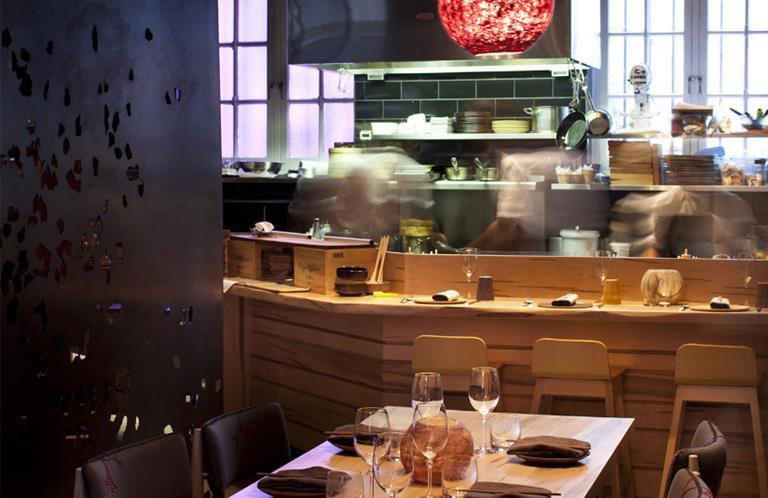
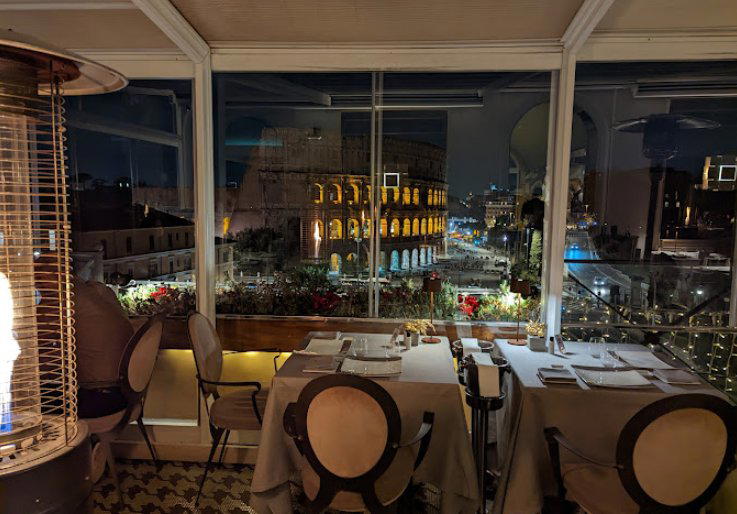
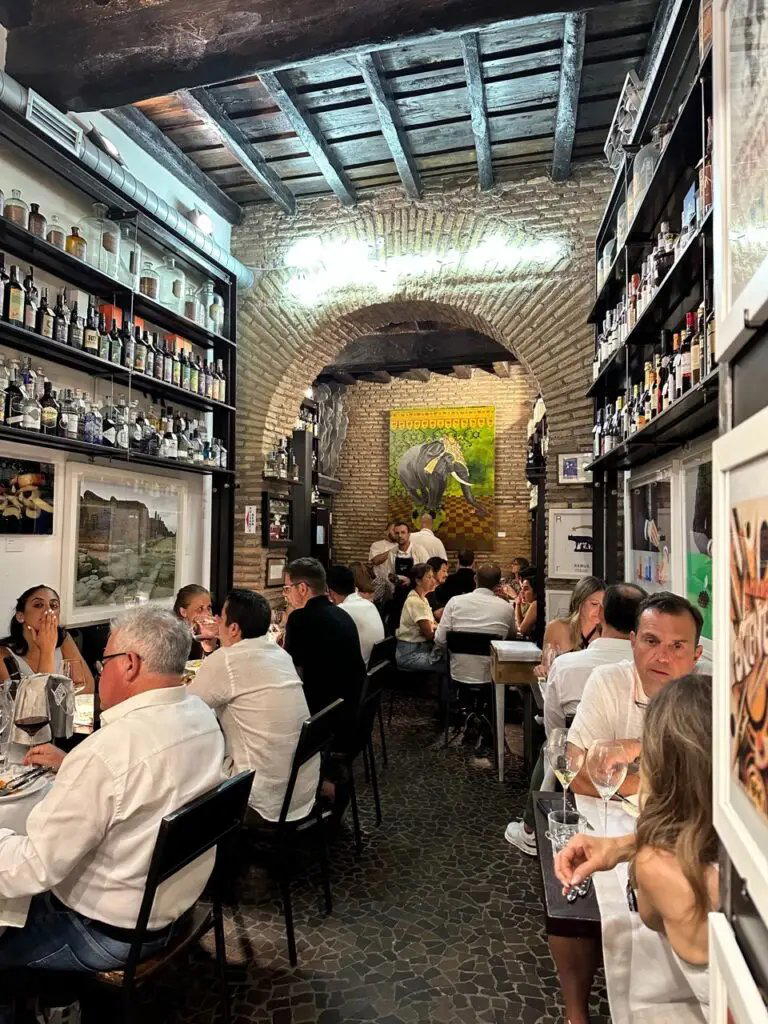
Bars in Rome
All bars in Rome →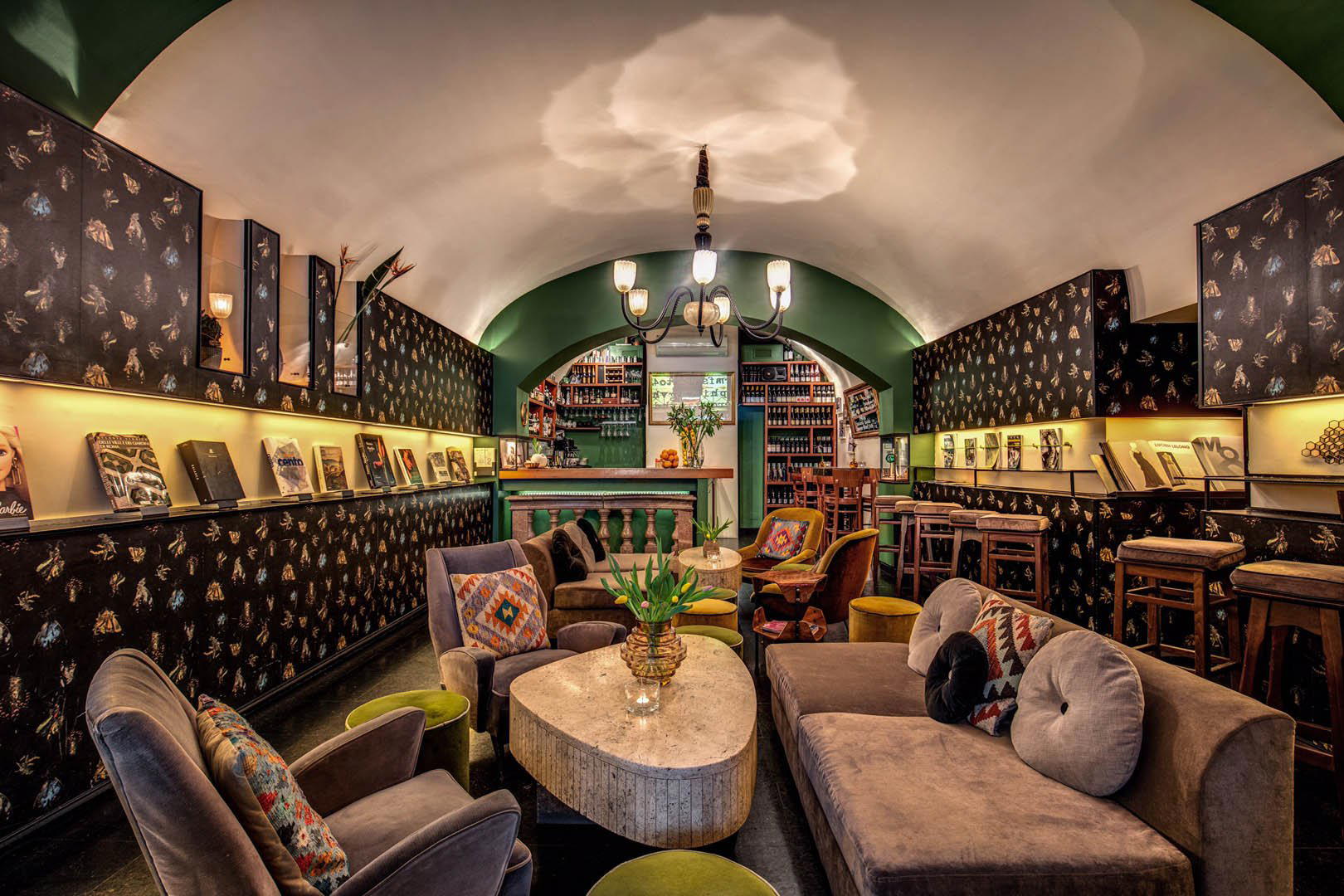
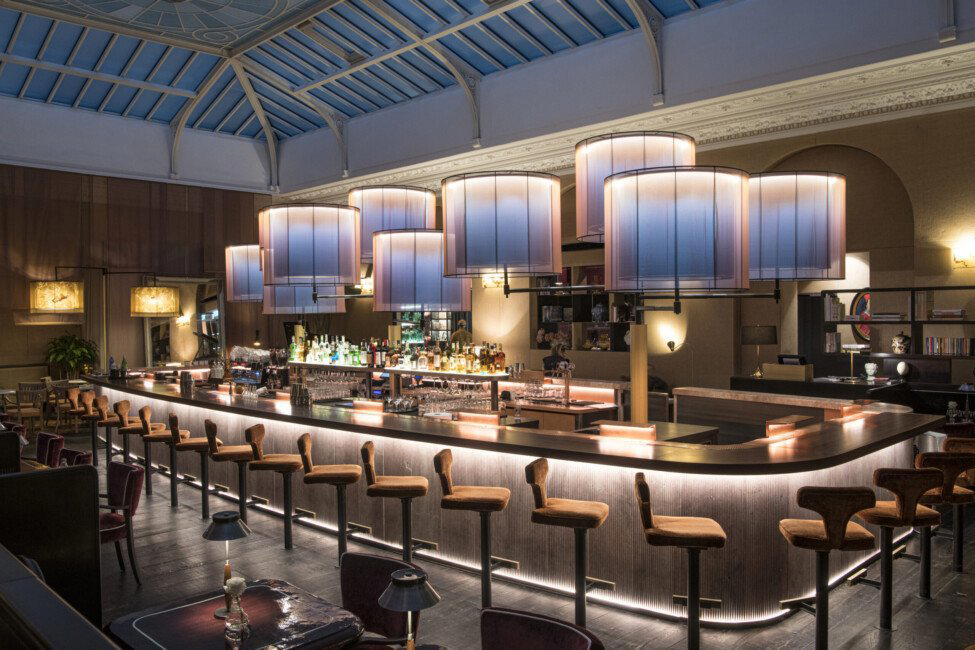
Hotels in Rome
All hotels in Rome →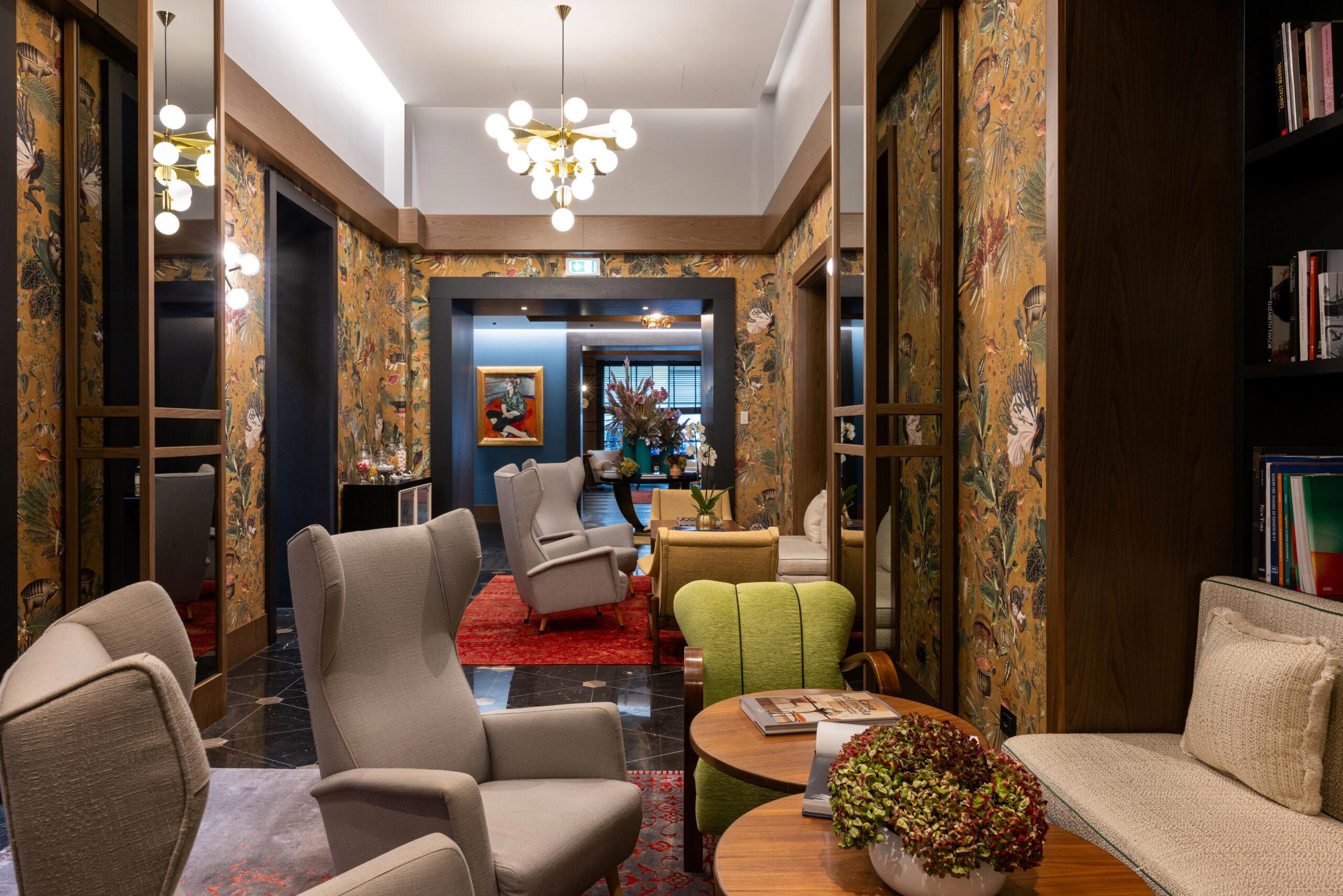


Details
- Elegant
- Sophisticated
- Romantic
- Modern
- Intimate
- Classic
- Date Night
- Business Dinner
- Special Occasion
- Group Dining
- After Work
- Design Destination
- Hotel Restaurant
- Historic Building
- Extensive Wine List
- Craft Cocktails
- Sustainable Seafood
- A La Carte
- Small Plates
- Wine
- Cocktails
- Pescatarian Friendly
Current opening hours
- Monday
- 12:30–3:30 PM, 7–11 PM
- Tuesday
- 12:30–3:30 PM, 7–11 PM
- Wednesday
- 12:30–3:30 PM, 7–11 PM
- Thursday
- 12:30–3:30 PM, 7–11 PM
- Friday
- 12:30–3:30 PM, 7–11 PM
- Saturday
- 12:30–3:30 PM, 7–11 PM
- Sunday
- 12:30–3:30 PM, 7–11 PM
Hours can change for holidays and private events. Hours as of .
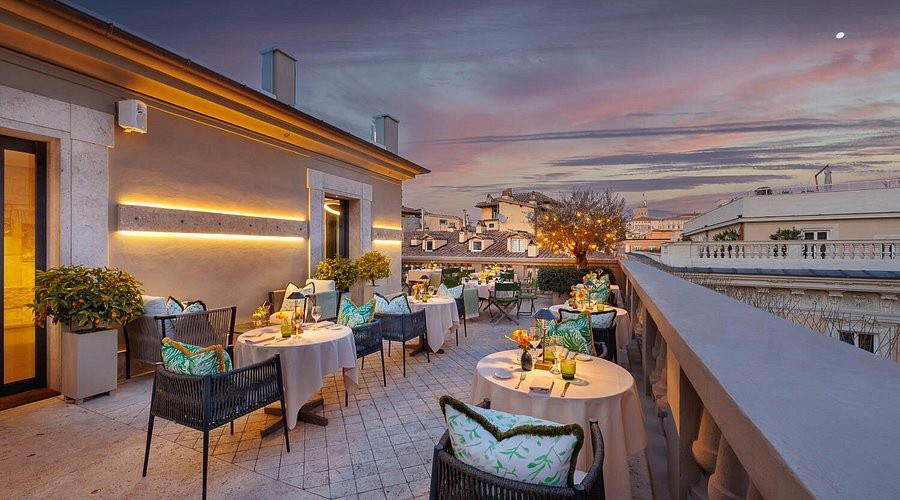
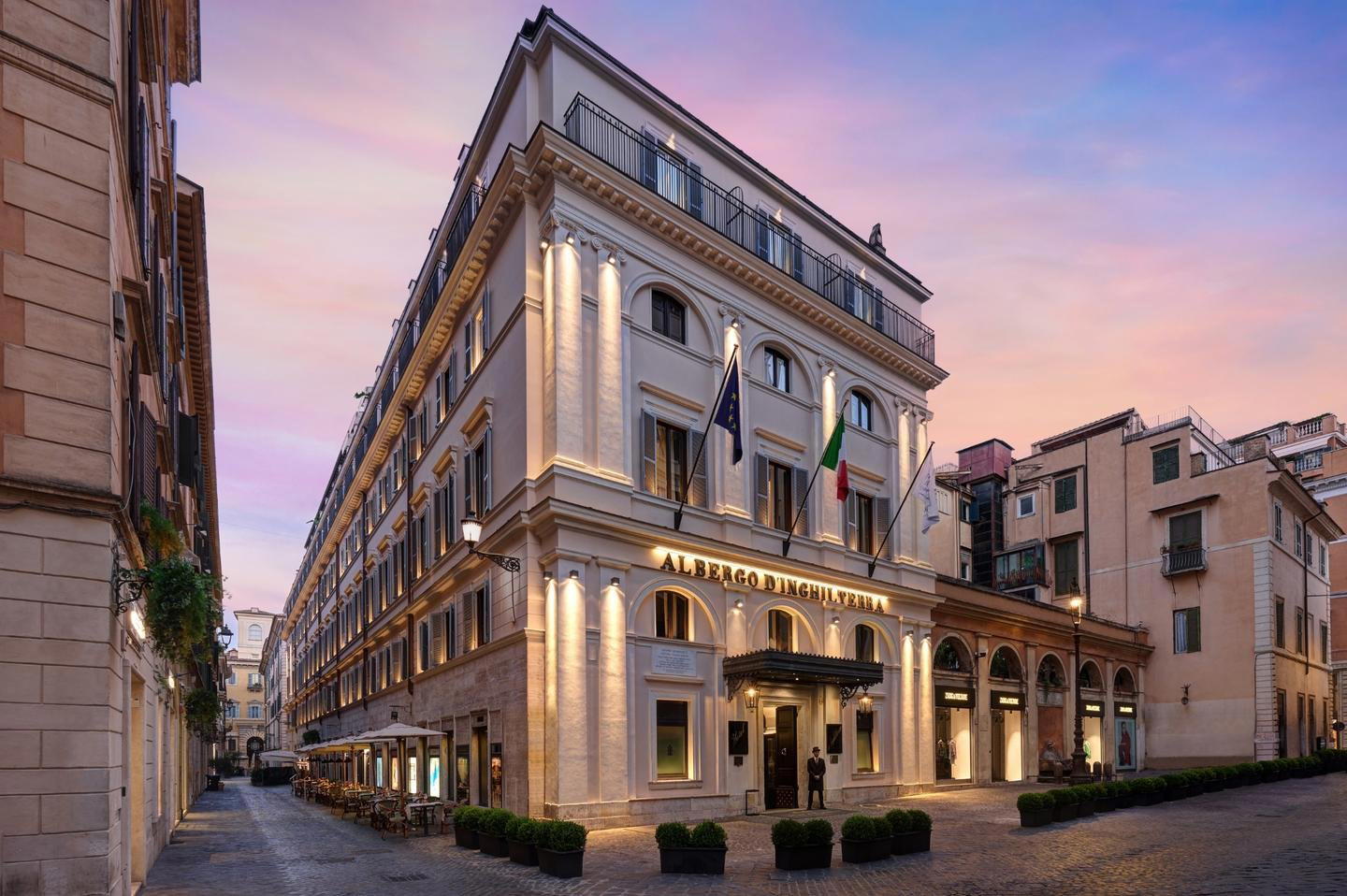
Coastal-inspired and refined yet warm, with an elegant, literary hotel setting and a striking skylight roof that creates a softly lit, romantic atmosphere reminiscent of dining by the sea under the Roman sky.