
On the Lungomare Giovanni Caboto, Antica Pizzeria Ciro 1923 has anchored Gaeta's seafront dining scene for a century, pairing wood-fired traditional pizza with locally sourced seafood on a terrace facing the Tyrrhenian. It is among the Lazio coast's longest-established addresses for cucina di mare, where the sourcing logic is direct: the catch comes off boats docked metres from the kitchen.
Pearl is the En Primeur Club membership app — saves, bookings, and concierge access live there. Same editors, same standards.
- Address
- Molo Sant'Antonio, Lungomare Giovanni Caboto, 04024 Gaeta LT, Italy
- Phone
- +39 0771 465058
- Directions
- Get directions
 Saves & bookings on Pearl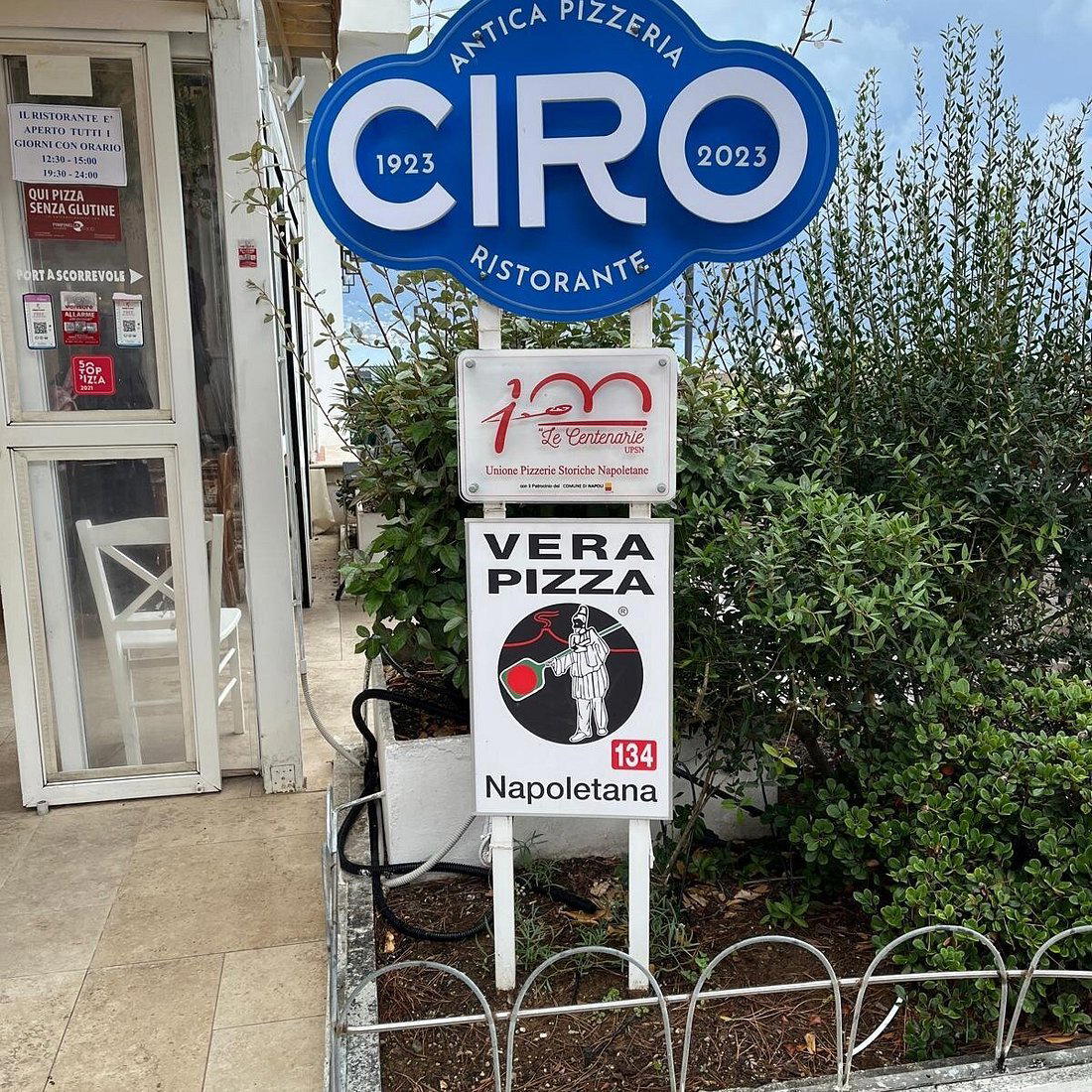
Where the Tyrrhenian Arrives at the Table
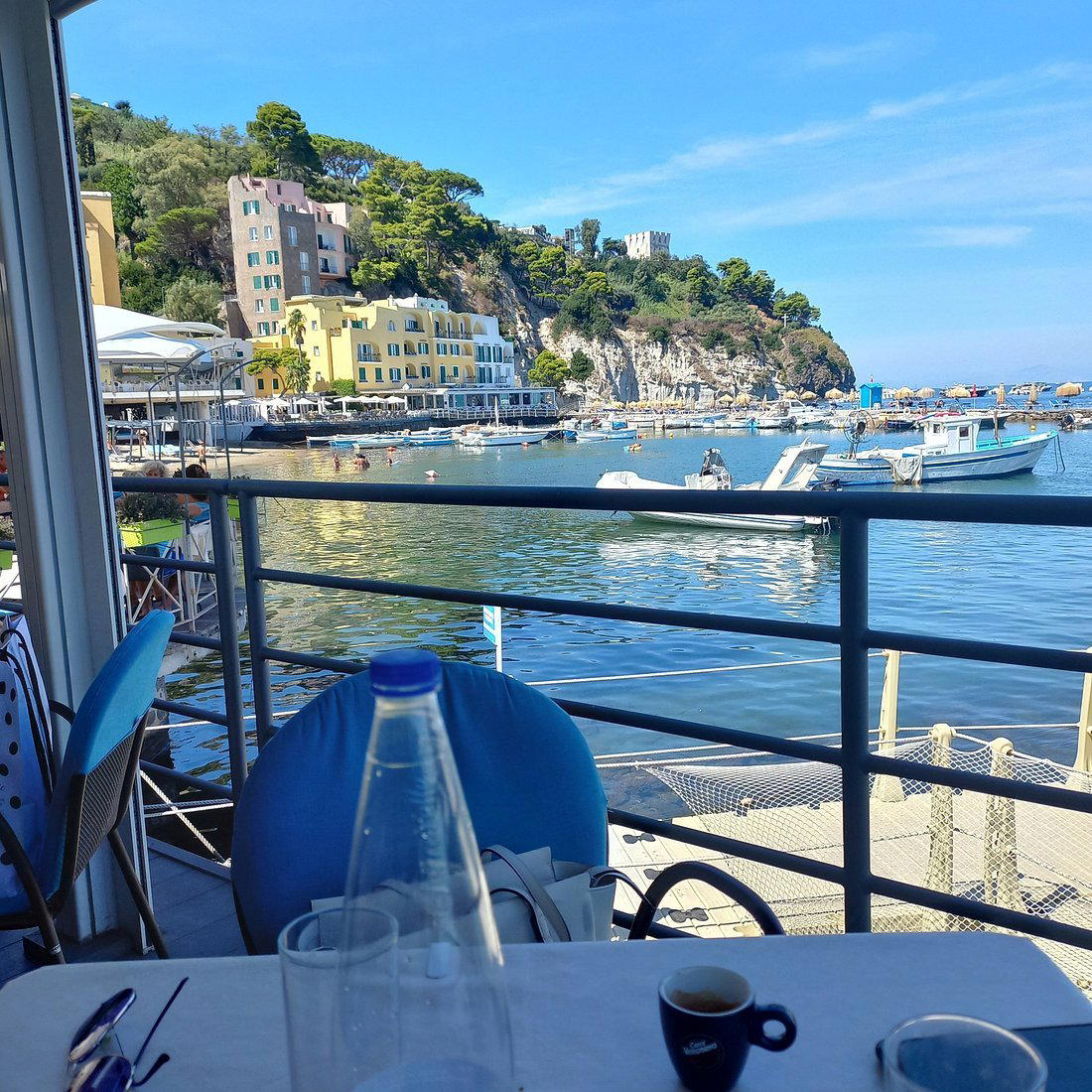
The approach along Gaeta's Lungomare Giovanni Caboto sets expectations clearly. The waterfront promenade runs along the port arm of Molo Sant'Antonio, and the smell of wood smoke from a forno a legna tends to reach you before the terrace does. At Antica Pizzeria Ciro 1923, the outdoor seating faces the sea directly, and on a clear afternoon the view extends across the gulf toward the Pontine headlands. The physical context is not decorative. It is the premise of the entire menu: what comes from that water, in this season, is what ends up on the plate.
That logic has shaped this address for roughly a century, making it one of the older continuously operating pizzerie on the Lazio coast. Longevity in this bracket of restaurant, where tourist footfall is high and competition on price is fierce, generally requires either consistent sourcing discipline or an unusually loyal local clientele. Ciro 1923 appears to have both.
The Sourcing Argument on the Lazio Coastline
Gaeta sits at the northern edge of Campania's culinary influence zone, technically within Lazio but historically aligned with the fishing and food traditions of the lower Tyrrhenian. The gulf produces oily, firm-fleshed fish well-suited to both raw preparation and wood-fire cooking: cepole, polpo, ricci, and the smaller pelagic species that move through the Golfo di Gaeta seasonally. A kitchen positioned directly on the port, as Ciro 1923 is, has structural advantages in acquiring that catch at peak freshness. The distance between the fishing boat and the prep kitchen is measured in minutes rather than supply chain steps.
This proximity model is not distinctive to Gaeta, but it is increasingly rare at the price point where most coastal Italian restaurants now operate. The push toward standardised supply chains has affected even seafront trattorias in towns with active fishing fleets. Addresses that genuinely source from local boats, not regional wholesale distributors rerouting Sicilian or Adriatic catch, are worth distinguishing from the broader coastal restaurant category. The combination of wood-fire pizza and cucina di mare at Ciro 1923 reflects a pre-industrialised provisioning model that the broader Italian dining conversation, now dominated by creative tasting menus at houses like Quattro Passi in Marina del Cantone or Uliassi in Senigallia, tends to look past rather than celebrate.
Wood Fire as Method, Not Theatre
The wood-fired oven sits at the centre of the offer here, and it shapes both the pizza and, where applied, the seafood preparations. Italian coastal cooking has two distinct traditions around fire: the Neapolitan pizza lineage, which prizes extreme heat and rapid cook times, and the slower wood-fire traditions of central and southern Lazio, which favour longer roasting and smokier results. Gaeta sits at the overlap of those traditions geographically, and a kitchen that has been operating in this location since 1923 will have developed a hybrid register over generations.
The Mediterranean sourcing framework that defines the menu aligns with what the broader slow food movement has documented as characteristic of Lazio's coastal cooking: olive oil over butter, seasonal vegetables from the Agro Pontino flatlands to the north, and seafood preparations that avoid masking the primary ingredient. At the three-Michelin-starred level, that philosophy appears formally in places like Atelier Moessmer Norbert Niederkofler in Brunico or Reale in Castel di Sangro, where ingredient sourcing is a stated creative position. At Ciro 1923, the same principle operates without the theoretical scaffolding: the ingredients are local because the logistics make it practical, and the result is similar.
Gaeta's Dining Position in Central Italy
Gaeta is not a city with a deep restaurant review infrastructure. It appears occasionally in Italian food media as a day-trip destination from Rome or Naples, and its dining scene gets less sustained attention than comparably sized coastal towns in Puglia or Campania. That relative obscurity means that long-running addresses here tend to develop reputation through repeat visitors and word of mouth rather than through critical write-ups or award citations. For travellers accustomed to using Michelin coverage or 50 Best adjacency as a vetting tool, the absence of that signal requires a different frame: operational longevity and local sourcing credentials carry more weight than they would in Florence or Rome.
The restaurants that have attracted consistent fine-dining coverage in Italy skew toward the north and the creative-contemporary register: Osteria Francescana in Modena, Le Calandre in Rubano, Piazza Duomo in Alba, Enrico Bartolini in Milan, and Enoteca Pinchiorri in Florence. Gaeta's contribution to Italian dining is in a different register entirely: the long-form, seafront, wood-fire category that sustained coastal communities before fine dining arrived as a concept. That register has its own rigour, and Ciro 1923 operates near stronger examples from what it attempts.
For context on the broader Gaeta dining scene, including contemporary restaurants working with similar sourcing principles in a more formal format, the Dolia Gaeta address is worth noting alongside. The two represent different price points and formats within the same coastal ingredient tradition. A full read of our Gaeta restaurants guide maps how these addresses fit the wider scene.
Planning a Visit
The terrace on Molo Sant'Antonio operates for both lunch and dinner, and the outdoor capacity is substantial, which means the address can absorb summer crowds without the same bottleneck pressure that affects smaller trattorias in the old town. That said, weekend evenings during July and August, when Gaeta functions as a beach destination for Rome-based visitors, will fill tables quickly, and arriving without a reservation carries real risk.
Quick Comparison
Comparable venues nearby, for context on price, style, and recognition.
| Venue | Cuisine | Price | Awards | Notes |
|---|---|---|---|---|
| Antica Pizzeria Ciro 1923This venue — the venue you are viewing | Neapolitan Pizza & Seafood | $$ | Not listed | Not listed |
| Dolia Gaeta | Contemporary Mediterranean Fine Dining | $$$$ | Michelin Plate | Gaeta’s old town |
| Ristorante da Cherubino | Traditional Venetian Trattoria | $$ | Not listed | San Marco |
| Monzù Vladì | Creative Regional Italian | $$ | Not listed | Trastevere |
| La Locanda di Bacco | Traditional Roman Trattoria | $$ | Not listed | Sallustiano |
| Don Antonio 1970 | Neapolitan Pizza & Campania Cuisine | $$ | Not listed | Salerno waterfront |
Recognition history
Dated appearances from independent guides and award organizations, with the underlying list record or original source where available.
50 Top Pizza Italy #93
50 Top Pizza
Continue exploring
More in Gaeta
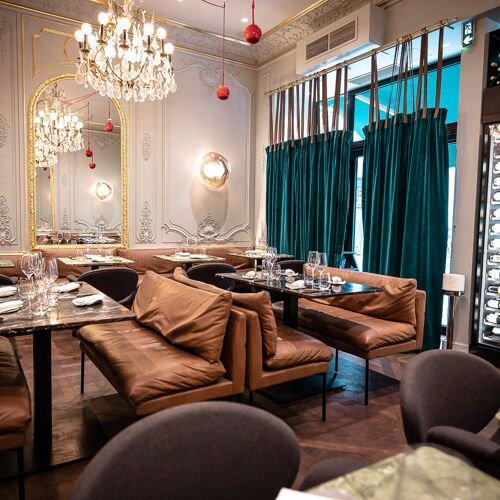
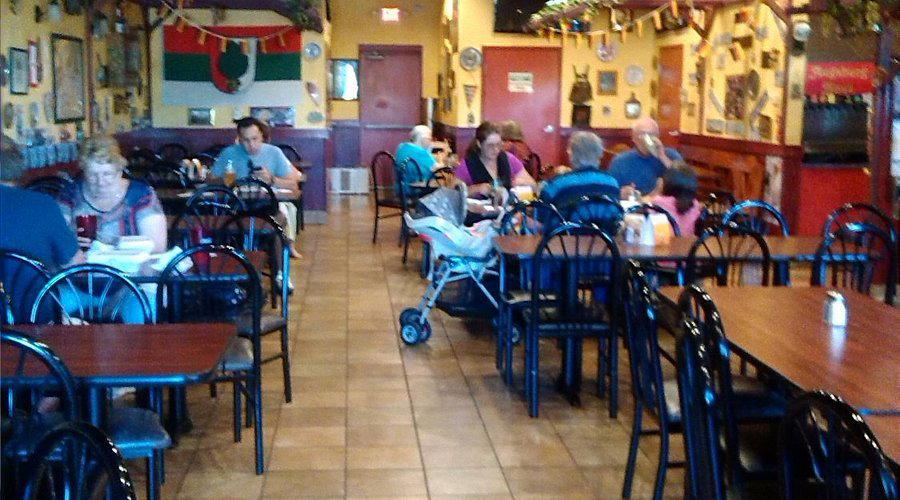
Restaurants in Gaeta
Browse all →
Bars in Gaeta
Browse all →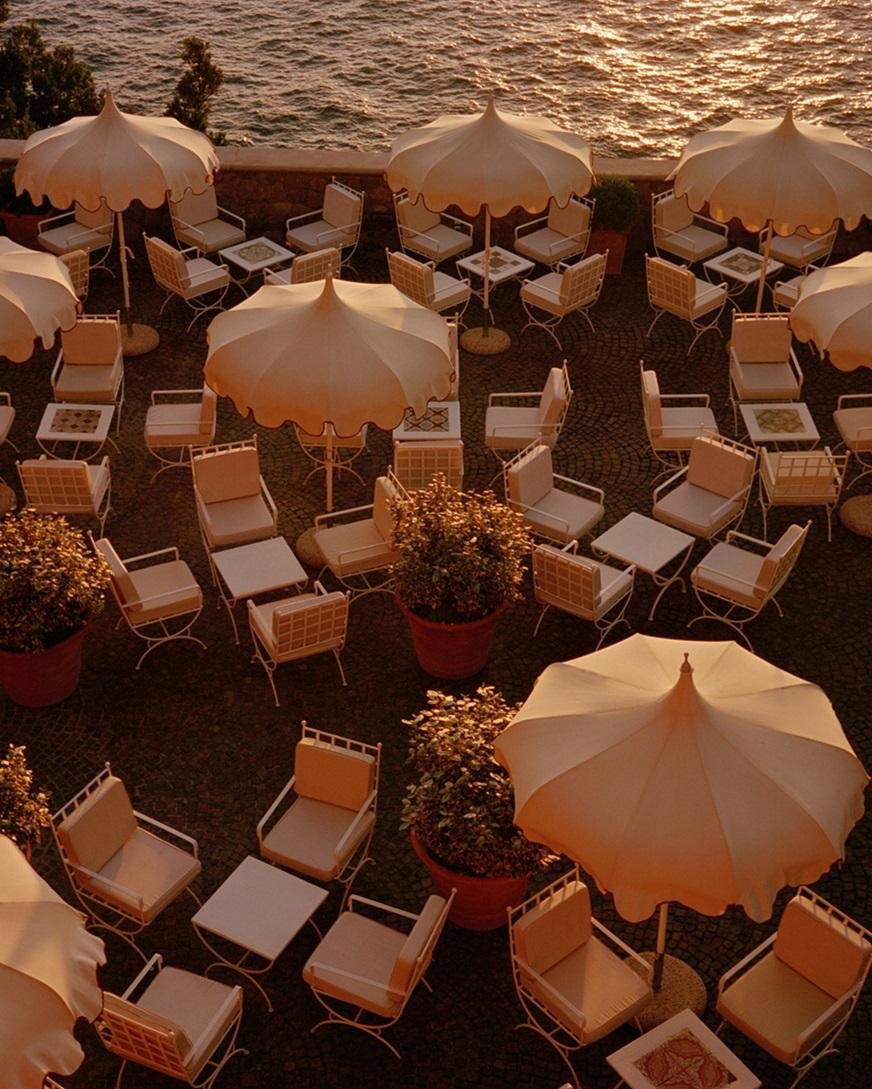
Hotels in Gaeta
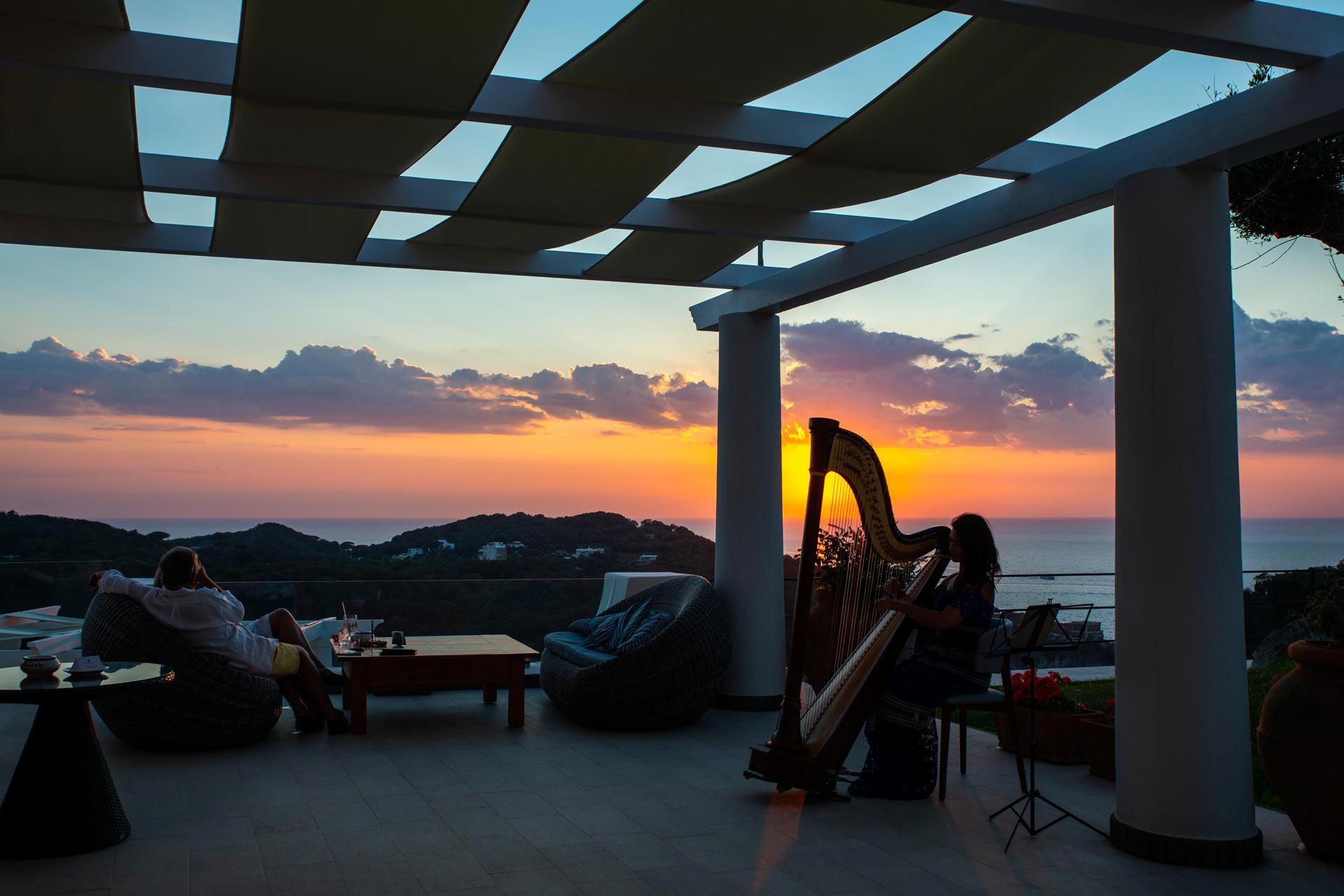
Browse all →

At a Glance
- Scenic
- Classic
- Romantic
- Casual Hangout
- Family
- Date Night
- Waterfront
- Terrace
- Panoramic View
- Beer Program
- Local Sourcing
- Waterfront
Current opening hours
- Monday
- 12:30–3:30 PM, 7 PM–12 AM
- Tuesday
- 12:30–3:30 PM, 7 PM–12 AM
- Wednesday
- 12:30–3:30 PM, 7 PM–12 AM
- Thursday
- 12:30–3:30 PM, 7 PM–12 AM
- Friday
- 12:30–3:30 PM, 7 PM–12 AM
- Saturday
- 12:30–3:30 PM, 7 PM–12 AM
- Sunday
- 12:30–3:30 PM, 7 PM–12 AM
Hours can change for holidays and private events. Last verified .
Warm and inviting with professional service in an enviable waterfront setting overlooking the gulf, creating a classic Italian dining atmosphere.