Annabelle Brasserie
Annabelle Brasserie operates within Houston's expanding brasserie tier, where French-inflected formats have found a receptive audience among the city's restaurant-literate dining public. Located in the Buffalo Parkway corridor near River Oaks, the address places it within reach of one of Houston's most active dining neighborhoods. The brasserie format here signals a particular register: convivial, ingredient-conscious, and positioned between the city's casual bistros and its formal tasting-menu rooms.
Pearl is the En Primeur Club membership app — saves, bookings, and concierge access live there. Same editors, same standards.
- Address
- 811 Buffalo Pk Dr Suite 100, Houston, TX 77019
- Phone
- +17138448111
- Website
- annabellebrasserie.com
- Directions
- Get directions
 Saves & bookings on Pearl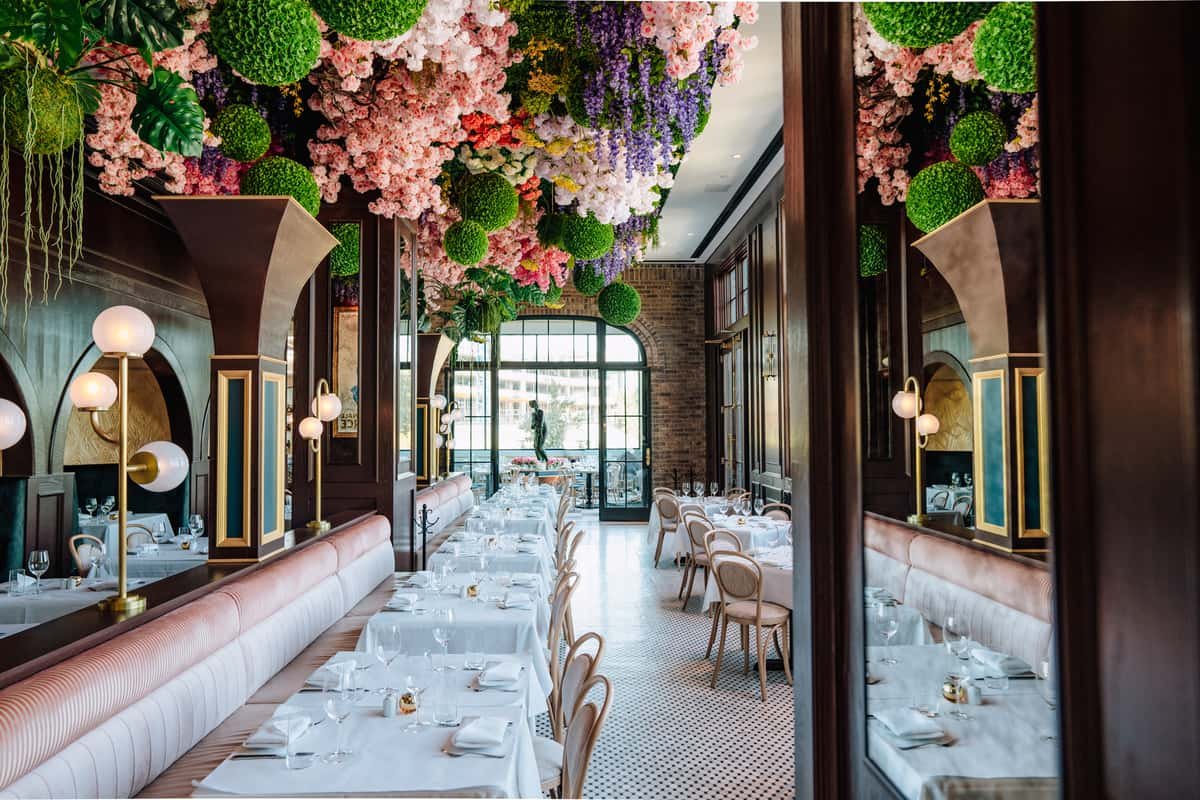
Where Houston's Brasserie Format Has Landed
The American brasserie has always occupied an ambiguous position in the dining spectrum. Too relaxed for white-tablecloth ceremony, too deliberate for casual neighborhood eating, the format demands a specific kind of confidence from a kitchen: the ability to make recognizable things taste genuinely considered. In Houston, that middle register has grown more populated over the past decade as the city's dining culture matured past its steakhouse-and-Tex-Mex defaults and began absorbing influences from French bistro traditions, Gulf Coast sourcing, and a growing appetite for produce-driven menus. Annabelle Brasserie is a Modern French Brasserie in Houston, at 811 Buffalo Pk Dr Suite 100.
The Buffalo Parkway address places Annabelle Brasserie within easy reach of the Montrose and River Oaks dining clusters, where Houston's restaurant-literate crowd has long concentrated its spending. That geography matters for a brasserie format: the model depends on repeat business, neighborhood loyalty, and a crowd comfortable ordering from a menu that rewards attention without requiring ceremony. River Oaks provides all three.
The Sourcing Logic Behind Brasserie Cooking
What separates a serious brasserie from a competent one is rarely the technique. French-inflected cooking at this register is well-understood, and the gap between average and good execution has narrowed considerably as culinary training has become more standardized. The real differentiator is ingredients: where they come from, how recently they arrived, and whether the kitchen has structured its menu around what the supply chain can reliably deliver at quality.
Houston sits within a sourcing region that most coastal food cities would find enviable. The Gulf of Mexico provides shrimp, oysters, and fish species that arrive faster and fresher here than they do in Chicago or New York. Central Texas beef producers have built direct relationships with Houston restaurants over the past fifteen years, and the Rio Grande Valley and Hill Country both contribute produce across a growing season that runs longer than almost any other major American metro can access. The brasserie format, with its emphasis on market-driven daily specials and protein-anchored mains, is structurally well-suited to exploit that regional advantage.
This is the approach that distinguishes farm-to-table anchored restaurants across the country from those simply importing luxury ingredients. Operations like Blue Hill at Stone Barns in Tarrytown and Single Thread Farm in Healdsburg have built their editorial identities almost entirely on sourcing discipline. In Houston, that conversation is younger but accelerating, with the city's leading kitchens increasingly framing their menus around what Texas and the Gulf can provide rather than what the national broadline distributors stock.
How Annabelle Brasserie Sits in the Houston Competitive Set
Houston's mid-to-upper dining tier has become more clearly stratified over the past five years. At the leading end, tasting-menu rooms like March, with its Venetian-influenced format and four-star positioning, and Musaafer, which applies serious culinary infrastructure to Indian regional cooking, operate in a different register entirely. Entry to those rooms requires planning, commitment, and a willingness to spend at the summit of the city's price distribution.
The brasserie tier sits below that ceiling but above the neighborhood bistro, where places like BCN Taste & Tradition serve a Spanish-inflected menu at a more accessible price point. French-influenced cooking in this middle band, executed with attention to sourcing and technique, is precisely the gap that restaurant appears structured to occupy. For French-focused fine dining with a more formal commitment, Le Jardinier Houston operates with a distinct vegetable-forward identity that places it in a specialist niche. Annabelle's brasserie format implies broader menu coverage and a more convivial room dynamic.
Nationally, the brasserie model has found its most convincing recent expressions in operations that commit to sourcing specificity while maintaining a menu legible enough for regular use. Le Bernardin in New York City shows what French-inflected discipline at stronger examples from the market looks like; Smyth in Chicago demonstrates how sourcing rigor can underpin an ambitious American kitchen; and Lazy Bear in San Francisco applies communal format thinking to seasonal ingredient programs. These are the reference points the broader conversation about ingredient-driven American dining now works from, and Houston's better rooms are increasingly in dialogue with that national tier.
Beyond Houston, the sourcing-led brasserie model connects to a wider national movement. Providence in Los Angeles built its reputation on Gulf and Pacific seafood sourcing; Addison in San Diego applies French technique to California's agricultural output; and The Inn at Little Washington in Washington has long used its mid-Atlantic setting as a sourcing asset. Even internationally, the principle holds: Atelier Moessmer Norbert Niederkofler in Brunico and Atomix in New York City represent how ingredient provenance has become an organizing principle for ambitious kitchens across multiple formats and cuisines. In New Orleans, Emeril's spent years demonstrating how a Gulf Coast city could build a culinary identity around what its own region produces. The French Laundry in Napa and Tatemó in Houston, the masa-focused operation applying serious sourcing discipline to Mexican corn traditions, each show how the ingredient-first frame can anchor different culinary formats with equal conviction.
What the Room Suggests
A brasserie format with a Suite 100 address in a Buffalo Parkway commercial building signals something particular about the room's likely character.
Houston diners in the River Oaks corridor have shown consistent appetite for that register. The neighborhood's restaurant culture rewards places that feel worth returning to weekly rather than saving for anniversaries, and the brasserie format's menu breadth, typically running from lighter first courses through substantial mains with a wine list weighted toward accessible rather than trophy bottles, supports that kind of habitual use.
Cost Snapshot
Comparable venues nearby, for context on price, style, and recognition.
| Venue | Cuisine | Price | Notes |
|---|---|---|---|
| Annabelle BrasserieThis venue — the venue you are viewing | Neartown, Modern French Brasserie | $$$$ | Not listed |
| Maison Pucha Bistro | Not listed | $$$ | Greater Heights, French-Ecuadorian Bistro |
| The Kennedy | Not listed | $$$$ | Neartown, Modern American with French, Spanish, and Mexican influences |
| Davis Street | Not listed | $$$$ | Fourth Ward, Contemporary Southern Seafood |
| CIEL | Galleria, Modern Japanese-French Fusion | $$$$ | Not listed |
| Azumi | Galleria, Modern Japanese Sushi | $$$$ | Not listed |
Continue exploring
More in Houston
Restaurants in Houston
Browse all →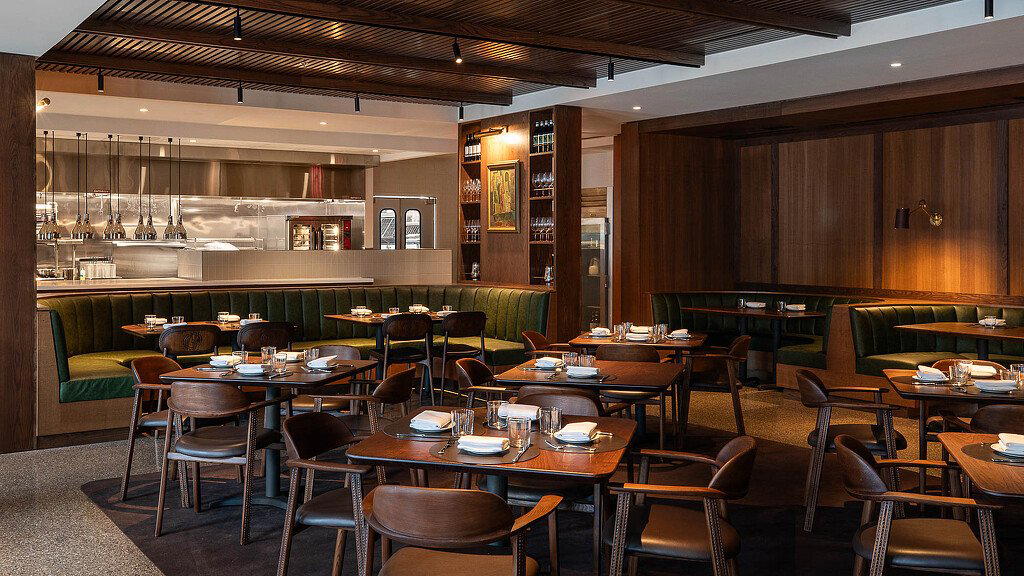
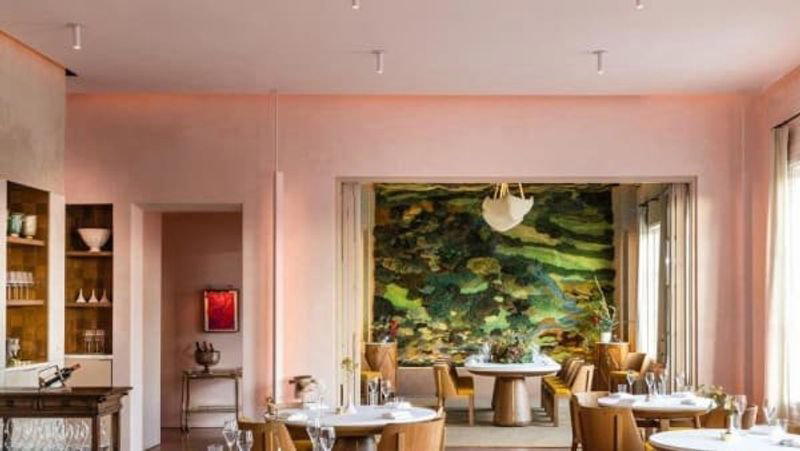
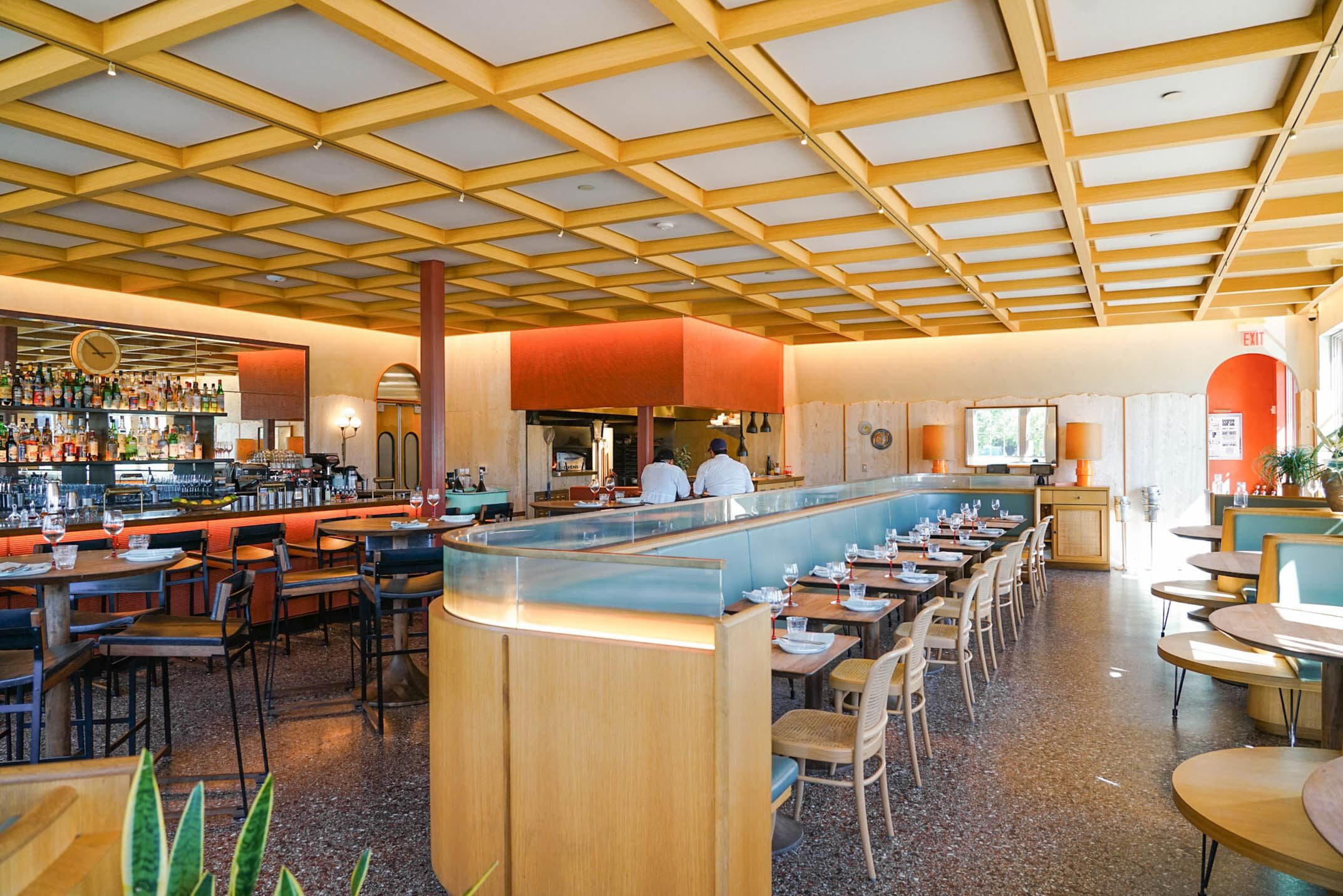
Bars in Houston
Browse all →
Hotels in Houston
Browse all →
At a Glance
- Elegant
- Lively
- Sophisticated
- Cozy
- Brunch
- Date Night
- Business Dinner
- Open Kitchen
- Extensive Wine List
- Street Scene
Current opening hours
- Monday
- 11 AM–9 PM
- Tuesday
- 11 AM–9 PM
- Wednesday
- 11 AM–9 PM
- Thursday
- 11 AM–9 PM
- Friday
- 11 AM–10 PM
- Saturday
- 9 AM–10 PM
- Sunday
- 9 AM–9 PM
Hours can change for holidays and private events. Last verified .
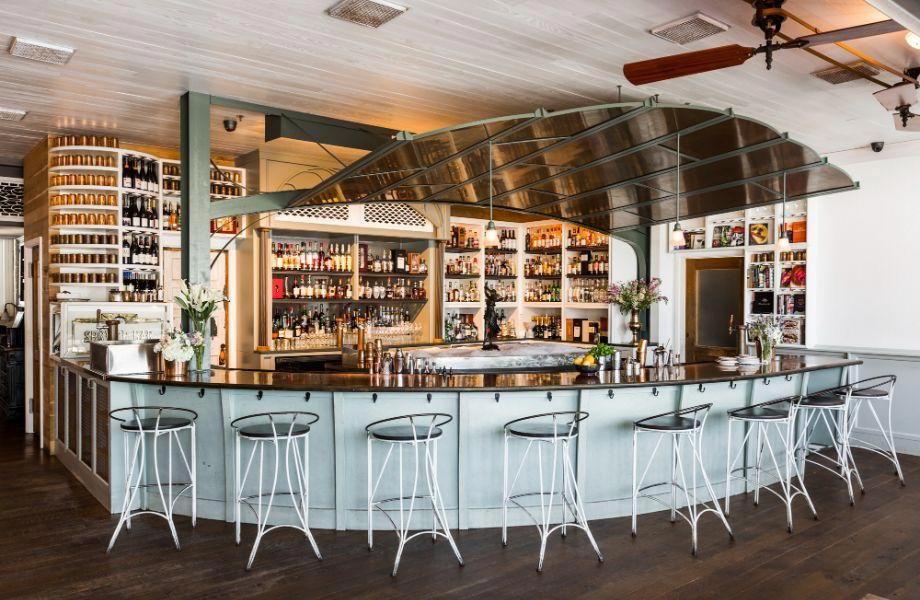
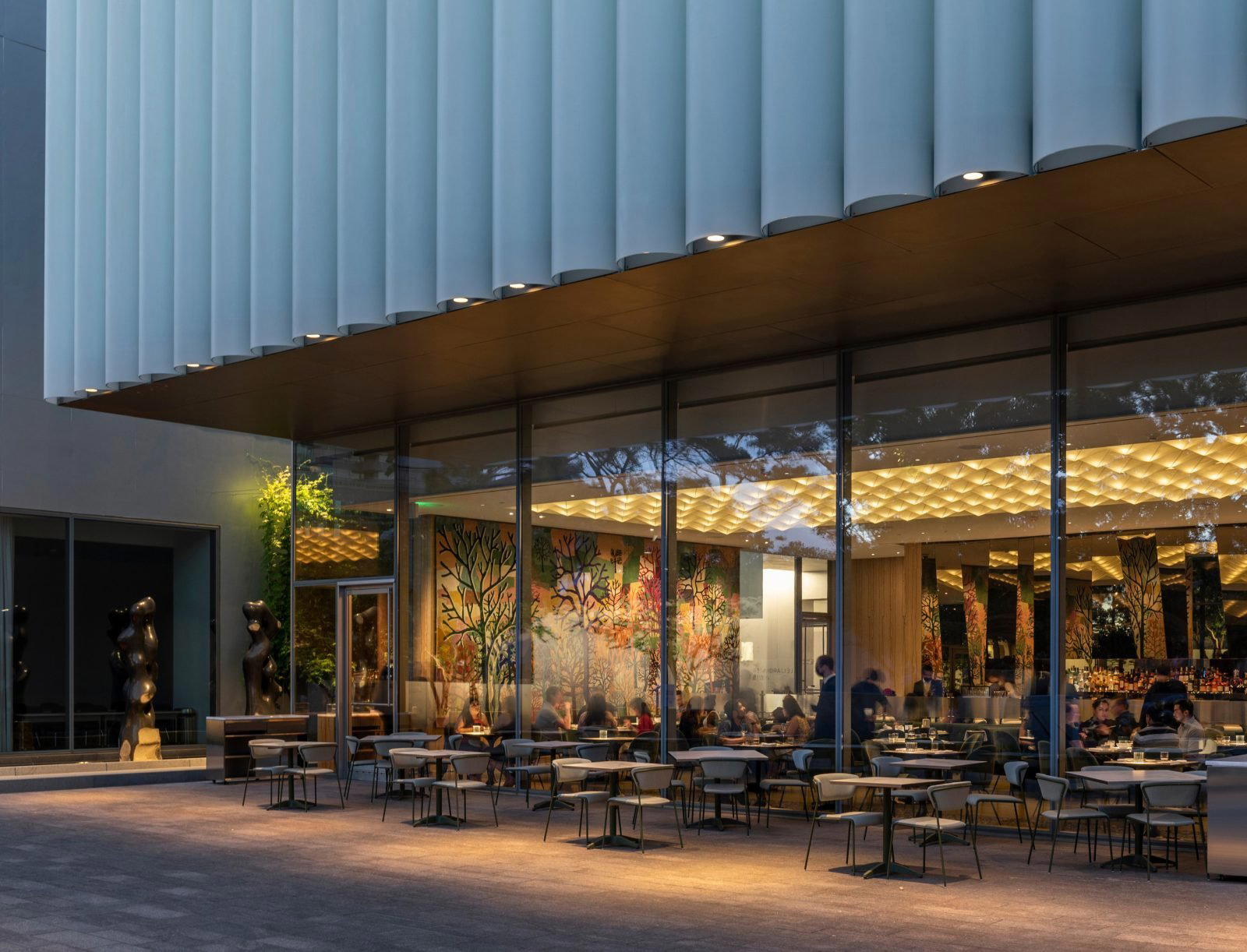
Refined yet comfortable Parisian-inspired interior with precise decor, natural light, cozy corners, and lively atmosphere.