Sushi Kappo Toraya
On Massachusetts Avenue in Arlington, Sushi Kappo Toraya operates in a format that sits between traditional omakase and the broader kappo tradition — a style where kitchen and counter blur and the menu moves at the chef's pace. For diners willing to surrender the ordering process entirely, the restaurant represents one of the more serious Japanese dining commitments in the suburban Boston corridor.
Pearl is the En Primeur Club membership app — saves, bookings, and concierge access live there. Same editors, same standards.
- Address
- 795 Massachusetts Ave, Arlington, MA 02476
- Phone
- +1 781 777 2142
- Website
- toraya-arlington.com
- Directions
- Get directions
 Saves & bookings on Pearl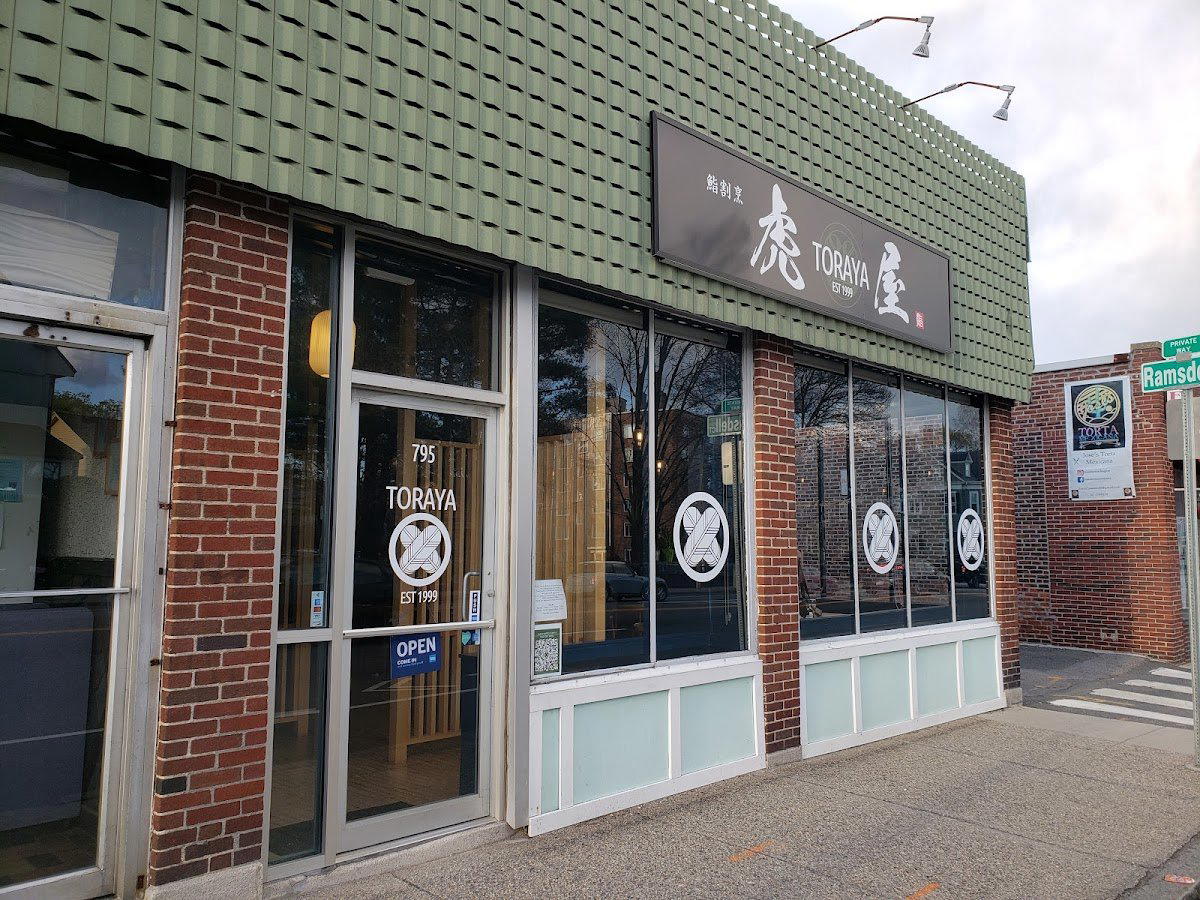
Where the Counter Does the Talking
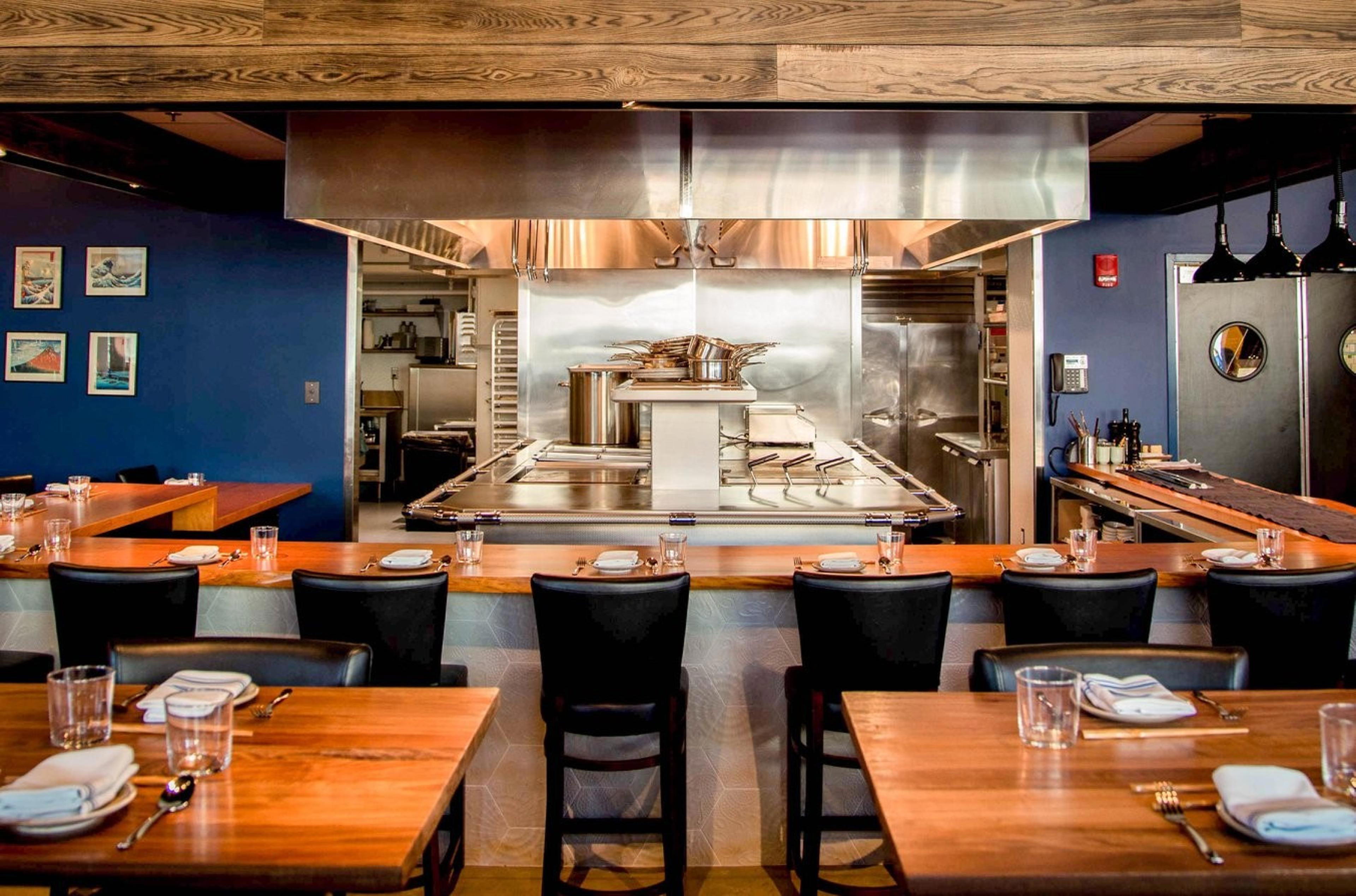
Massachusetts Avenue through Arlington runs a long stretch of storefronts, most of them oriented toward casual neighbourhood traffic. At 795, Sushi Kappo Toraya operates with a different set of assumptions. The physical environment signals restraint before you sit down: no loud signage, no laminated menu in the window, no visible cues that this is a volume-first operation. What the room does instead is compress attention onto the counter, which is where kappo-style dining intends to put it.
Kappo as a format sits in an interesting position in American Japanese dining. It predates the contemporary omakase boom but shares its DNA: a single progression of dishes, kitchen and guest in close proximity, the chef's read of the season and the day's market shaping what arrives. The distinction matters because kappo allows for cooked preparations alongside raw ones, a broader repertoire than pure sushi-focused omakase. At Toraya, that dual register — the kappo tradition layered over sushi-counter sensibility — defines how the menu is structured and why it reads differently from the tasting-counter format that has proliferated across Greater Boston in recent years.
How the Menu Is Built
The architecture of a kappo menu is not arbitrary. It follows a logic inherited from Japanese kaiseki: lighter preparations early, richer ones as the meal deepens, with the kitchen controlling tempo rather than the diner. This is a fundamentally different contract from à la carte, and it places a specific kind of trust at the centre of the experience. You are not choosing dishes; you are accepting a point of view.
In this format, what the kitchen decides to include, exclude, and sequence is the editorial content of the meal. A course of delicate dashi-based preparation near the opening communicates something about the chef's priorities. A transition from sashimi into lightly grilled or simmered plates signals the kappo half of the equation. The sushi courses, when they arrive, carry more weight for having been deferred. That sequencing discipline is what separates a well-executed kappo progression from a meal that happens to include several components.
Because the venue data does not confirm specific current menu items, dish descriptions, or seasonal rotations, the editorial point here is structural: the format itself is the draw. Diners who have sought out Toraya are responding to the architecture of the experience as much as any single preparation. That is how kappo-style restaurants build a following distinct from the one a conventional sushi bar attracts.
The Arlington Context
Placing a kappo restaurant in Arlington rather than Cambridge or the Back Bay is a deliberate positioning decision, whether or not it was framed that way originally. The suburban Boston corridor has a significant Japanese-American population and a set of diners who track serious Japanese dining across the region. A restaurant operating at this format level does not depend on foot traffic from diners who wandered in; it depends on a committed audience willing to make the trip from elsewhere in Greater Boston specifically for this kind of meal.
The comparison is not with other Arlington restaurants; it is with the handful of counter-format Japanese operations in the metro area that ask diners to commit to a full progression and price accordingly. For the full picture of how Toraya sits within Arlington's broader dining and drinking options, see our full Arlington restaurants guide.
The surrounding Massachusetts Avenue stretch offers a different set of registers for evenings that do not call for a full counter commitment. Egg Bar Brunch & Bar and Division Brewing occupy the casual end, while 4 Kahunas and Cafe Americana provide bar-format alternatives for nights when the structured progression of kappo is not the objective.
Drinks and the Counter Experience
Kappo-format restaurants nationally have moved toward curated sake and Japanese whisky lists that match the sequencing logic of the food: lighter, more delicate pours early, richer or more aged expressions later. Whether Toraya maintains a formal drinks pairing or a shorter list of well-chosen bottles, the general principle of the format suggests the drinks program should be read alongside the food rather than independently. Diners at comparable counter formats in other cities, Kumiko in Chicago and Bar Leather Apron in Honolulu are useful reference points for how serious drinks programs operate alongside Japanese-influenced counter dining, have found that the beverage choice shapes the pacing of the meal as meaningfully as the food sequencing does.
For diners whose primary interest is the cocktail side, bars with fully developed programs are worth knowing: Jewel of the South in New Orleans, Julep in Houston, Superbueno in New York City, ABV in San Francisco, and The Parlour in Frankfurt on the Main each represent what a purpose-built drinks program looks like at the serious end of the category. The standard of comparison matters when you are evaluating whether a restaurant's beverage offering is genuinely considered or simply functional.
Planning Your Visit
Counter-format Japanese restaurants at this level generally require advance booking, often weeks out. Given that Toraya operates in a format where seat count is necessarily limited (kappo counters rarely exceed twenty covers, and many run significantly fewer), confirmed reservation guidance should come from the restaurant directly. The address is 795 Massachusetts Ave, Arlington, MA 02476.
Dress expectations at kappo-format restaurants nationally tend toward smart casual at minimum; the formality of the format, even in a suburban setting, sets a tone that jeans-and-sneakers dining does not quite match. Price, where kappo in the Boston metro area is concerned, typically sits above casual sushi but the specific current figure at Toraya is unconfirmed. Plan for a full-evening commitment: the format is not designed for quick turnarounds.
Continue exploring
More in Arlington
Bars in Arlington
Browse all →
Restaurants in Arlington
Browse all →
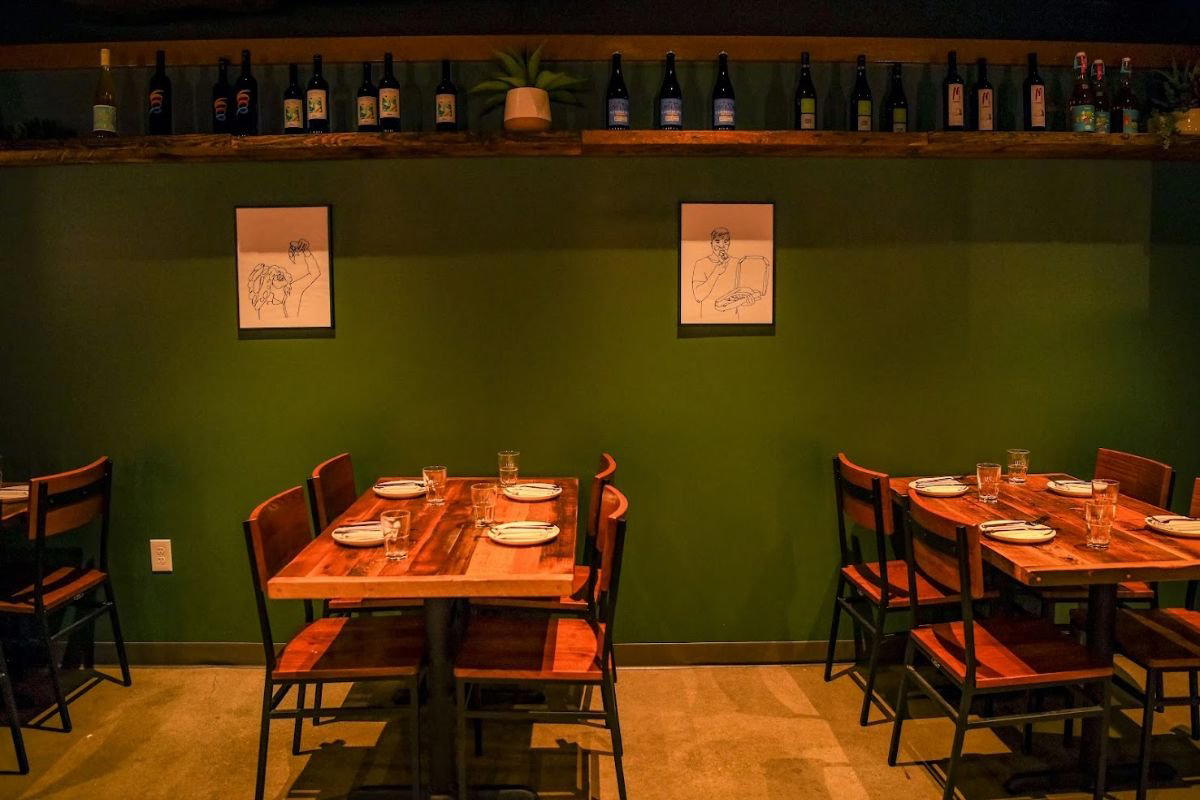
Hotels in Arlington
Browse all →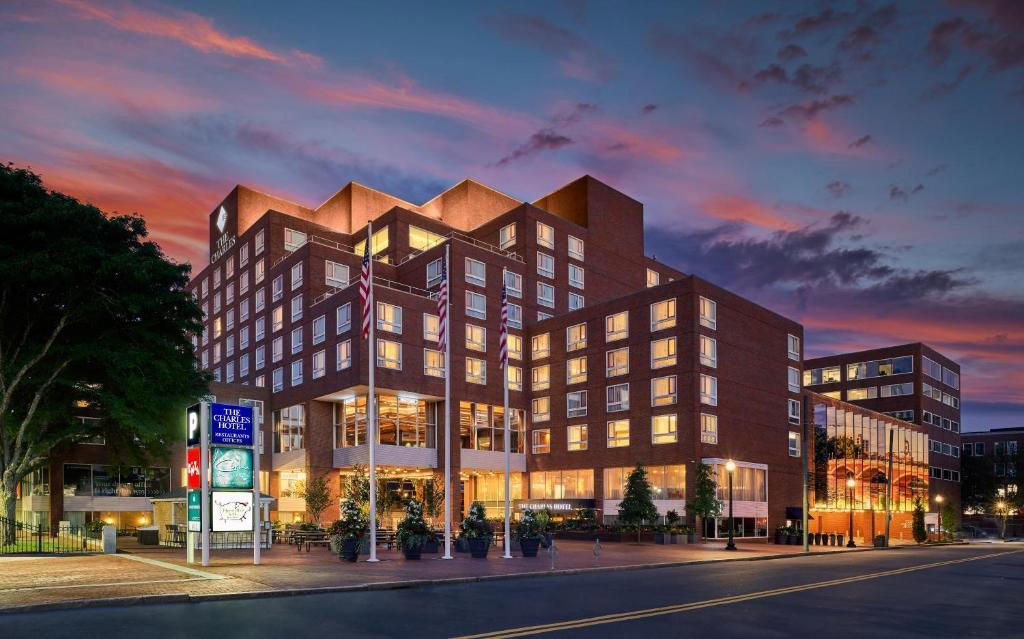
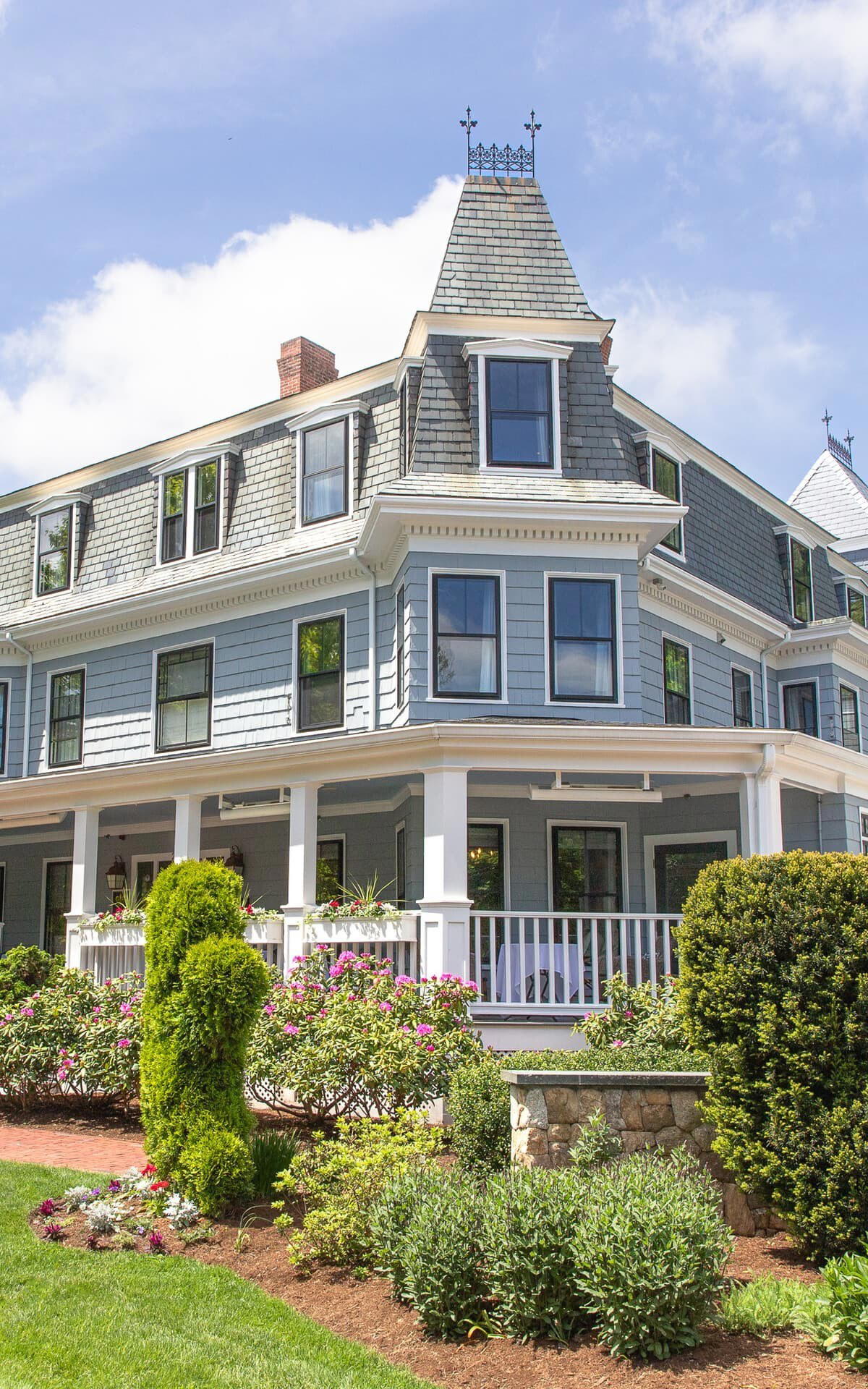
Wineries in Arlington
Browse all →
At a Glance
- Cozy
- Intimate
- Date Night
- Special Occasion
- Standalone
- Counter Only
- Sake
Current opening hours
- Monday
- Closed
- Tuesday
- 11:30 AM–2:30 PM, 5–9 PM
- Wednesday
- 11:30 AM–2:30 PM, 5–9 PM
- Thursday
- 11:30 AM–2:30 PM, 5–9 PM
- Friday
- 11:30 AM–2:30 PM, 5–9 PM
- Saturday
- 4–9 PM
- Sunday
- 5–9 PM
Hours can change for holidays and private events. Last verified .
Cozy and authentic with a lively, intimate atmosphere.
Know Before You Go
- Getting there
- 795 Massachusetts Ave, Arlington, MA 02476