Our verdict
A Japanese noodle specialist on Carrer de la Unió in Escaldes-Engordany, UDON sits within a small but growing tier of single-cuisine-focused dining in Andorra's commercial hub. The format centres on udon as a dish category rather than a broader pan-Asian menu, which positions it differently from the Pyrenean and contemporary options that define most of Escaldes' mid-range dining scene.

Pearl is the En Primeur Club membership app, where members save venues, book tables and use the concierge.
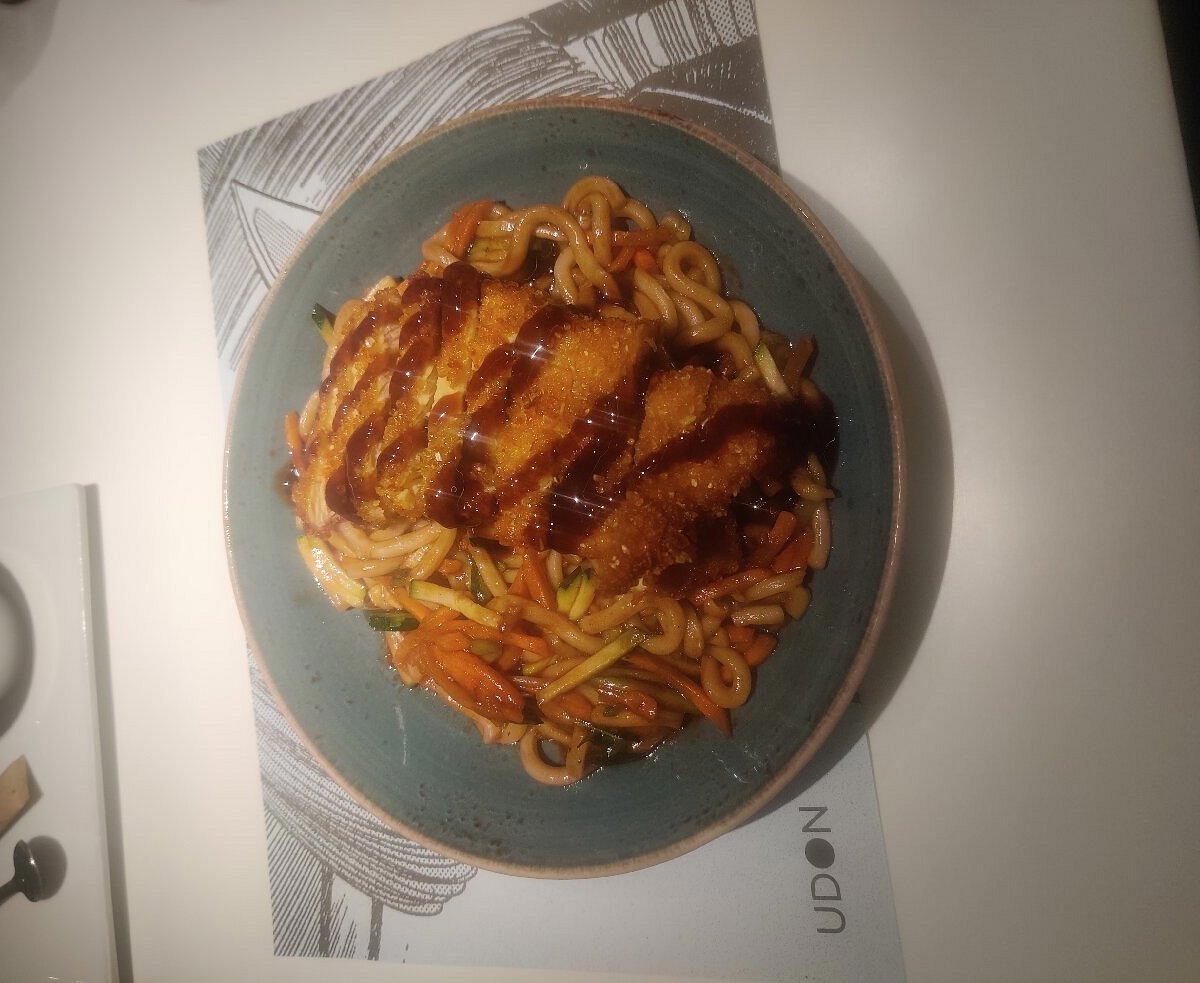
Udon in the Pyrenees: What a Japanese Noodle House Signals About Escaldes' Dining Shift
Carrer de la Unió cuts through the commercial core of Escaldes-Engordany, the twin parish that bleeds seamlessly into Andorra la Vella and accounts for a significant share of the principality's restaurant density. The street is practical rather than picturesque, lined with the kind of retail and service businesses that make Escaldes function as Andorra's working centre rather than its postcard. A Japanese noodle specialist here is not an anomaly born of tourism, but a signal of something more considered: a dining public that has moved past ski-lodge staples and now sustains single-cuisine formats that would have struggled in Andorra even fifteen years ago.
UDON, at number 5 on that street, belongs to that newer tier. The name is the dish, and the dish is the premise. That directness, a restaurant that does not hedge its identity behind a broad pan-Asian or fusion label, tells you something about where Escaldes' mid-range dining scene has arrived. For context on how the broader restaurant offering in this parish has developed, our full Escaldes restaurants guide maps the range from Pyrenean tradition to international formats.
The Ingredient Question: What Udon Means Outside Japan
Udon is one of the most ingredient-dependent dishes in Japanese cooking. The noodle itself, thick, white, made from wheat flour, water, and salt, has almost no complexity to hide behind. Its quality is entirely a function of the flour's protein content, the hydration ratio, and the resting time before cutting. A bowl that arrives with the right chew and a clean, neutral flavour means the production process has been controlled at every stage. A bowl that arrives soft, sticky, or gummy means something in that chain has been compressed.
Outside Japan, the sourcing challenge for udon operations is real. Japanese wheat varieties, particularly those from Kagawa prefecture (the acknowledged centre of sanuki udon), have a specific gluten structure that affects texture in ways that European wheat substitutes do not replicate exactly. Some operators import flour; others work with specialist distributors who have built supply lines into Spanish and French wholesale networks, which are the most accessible routes into Andorra given the principality's position between those two countries. The broth component, typically a dashi base built from kombu and katsuobushi, presents its own sourcing logic, with dried bonito and kelp now available through specialty importers serving the Iberian peninsula.
None of this is to suggest that a udon house in Escaldes faces insurmountable sourcing obstacles. The Pyrenean location, counterintuitively, places Andorra within reasonable logistics range of Barcelona's wholesale food infrastructure, which has developed one of Southern Europe's more sophisticated Japanese ingredient supply networks over the past two decades. What it does mean is that the quality gap between operators who take sourcing seriously and those who do not is more visible in a dish this simple than it would be in a cuisine with more variables to absorb inconsistency.
Where UDON Sits in Escaldes' Dining Tier
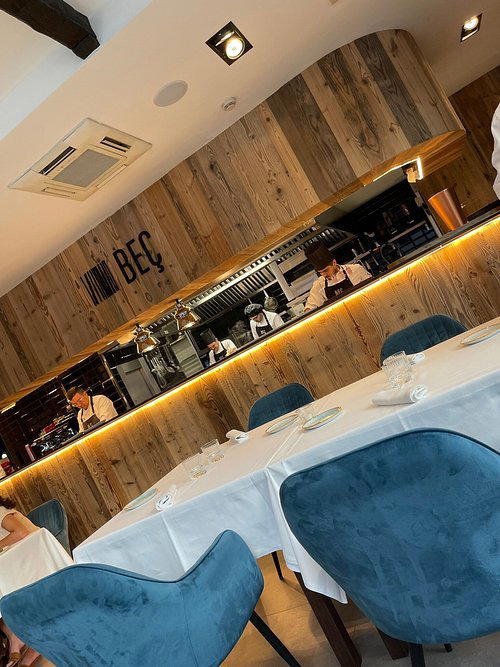
Escaldes' restaurant scene organises loosely around a few distinct tiers. At the higher end, places like Beç in Escaldes-Engordany operate in the traditional cuisine space at a price point (€€€) that reflects both the product and the Andorran dining-out premium. UDON, as a noodle-format specialist, logically occupies a more accessible price position, making it a different kind of proposition: a daily-use venue rather than a destination occasion.
That mid-range, single-format positioning is where the most interesting dining development is happening in smaller European cities right now. The model works when the kitchen commits to doing one thing with discipline, which in udon's case means noodle quality, broth clarity, and a short menu that does not spread effort too thin. The contrast with a broad-menu restaurant is instructive: a focused format lives or dies on whether the central ingredient is handled well, which concentrates accountability in a way that a ten-cuisine menu does not.
For reference on the range of formats operating in the wider Andorran dining circuit, Andrea in La Massana, Angel Belmonte in Andorra la Vella, Ibaya in Soldeu, and Les Pardines 1819 in Encamp each anchor different points on the spectrum from contemporary to traditional Pyrenean.
The Broader Context: Japanese Noodle Formats in Small European Markets
The growth of ramen and udon specialists in smaller European cities over the past decade has followed a consistent pattern. It begins with a city developing enough of a regular dining-out culture, not tourist traffic, but resident demand, to sustain a format that requires repeat visits rather than once-a-trip occasions. Andorra's resident population of around 77,000, combined with a substantial cross-border shopping and skiing visitor base, creates a consumer mix that is demographically unusual for its size. The principality's tax structure keeps disposable income relatively high among residents, which supports restaurant formats that might struggle in a comparably sized town in Spain or France.
The udon format in particular tends to attract a different lunch and dinner dynamic than ramen does. Ramen built its European reputation partly on late-night positioning and the warm-broth-in-cold-weather occasion. Udon, served hot or cold, operates across a wider range of seasons and meal moments, which suits a year-round dining market like Escaldes more than a purely ski-season-dependent format would.
For comparison on how Japanese cuisine operates at the fine-dining end of the spectrum in larger markets, Atomix in New York City and 8 1/2 Otto e Mezzo Bombana in Hong Kong anchor entirely different price and ambition tiers, as do European reference points like Alléno Paris au Pavillon Ledoyen and Alain Ducasse Louis XV in Monte Carlo. UDON in Escaldes operates on a completely different axis, neighbourhood accessibility over destination occasion, but the principle of format discipline applies across all of them.
Further afield, operators like Aponiente in El Puerto de Santa María demonstrate how a single-ingredient commitment (in that case, marine produce) can define an entire restaurant's identity. The logic scales down: even at a casual noodle counter, the decision to name the restaurant after one dish is a statement of where the kitchen's attention is directed.
Planning a Visit
UDON is located at Carrer de la Unió, 5 in Escaldes-Engordany, AD700. The address places it centrally within the parish's main commercial strip, walkable from most of Escaldes' hotels and accessible from Andorra la Vella's centre in under ten minutes on foot. Given the venue's format and location, it reads as a walk-in-friendly operation rather than one requiring advance booking, though peak ski-season weekday lunches in Andorra can fill casual-format restaurants faster than visitors expect. No website or phone number is currently listed in public directories, so checking availability in person or through local accommodation concierge services is the practical approach. For the broader dining picture before or after a visit here, Fideus offers a different culinary register within the same parish.
Frequently asked questions
Is UDON child-friendly?
A udon-format restaurant on Escaldes-Engordany's main commercial strip is structurally well-suited to families. Thick wheat noodles in broth are among the least confrontational formats in Japanese cooking for younger diners, and the focused single-cuisine concept keeps ordering straightforward. The Carrer de la Unió location, in the busiest commercial corridor of the parish, suggests a dining room built for throughput rather than ceremony.
Is UDON better for a quiet night or a lively one?
A single-cuisine noodle specialist at a fixed street address in Escaldes-Engordany reads as a focused, low-key operation rather than an occasion venue. The format, a dish-forward Japanese noodle house, prioritises efficient service over extended table time. Expect a comfortable, unpretentious setting closer to a neighbourhood staple than a destination dinner.
Is UDON one of the few Japanese noodle specialists operating in Andorra?
Andorra's restaurant scene has historically leaned toward Catalan, Spanish, and French formats reflecting its cross-border geography, making a dedicated udon house in Escaldes-Engordany a relatively specific proposition for the market. The growth of Japanese noodle specialists in small European cities has followed a clear pattern: first ramen, then udon, typically arriving in secondary markets a decade behind major capitals. UDON at Carrer de la Unió, 5 sits within that broader pattern of Japanese noodle formats reaching smaller European dining scenes.
What's the best thing to order at UDON?
Without a verified current menu on record, the structural answer holds: at a restaurant named after one dish, the udon itself is the logical anchor of the kitchen's identity. In Japanese noodle cooking, broth temperature, noodle texture, and topping balance are where quality differences become legible, so those are the points worth attending to on a first visit to any udon specialist.
How It Stacks Up
Comparable venues nearby, for context on price, style, and recognition.
| Venue | Cuisine | Price | Awards | Notes |
|---|---|---|---|---|
| UDONThis venue (the venue you are viewing) | Japanese Noodle Bar | $20–30 | Not listed | Not listed |
| Fideus | Handmade Chinese Noodles | Not listed | Not listed | Escaldes-Engordany |
| Sol i Neu | Traditional Mountain Spanish Cuisine | Not listed | Michelin Plate | Soldeu |
| Andrea | Mediterranean Spanish Seafood | $50–100 | Not listed | La Massana |
| Kökosnøt | Modern Fusion Fine Dining | Not listed | Michelin Plate | Andorra la Vella |
| Angel Belmonte | Classic Mediterranean | $50–100 | Not listed | Andorra la Vella |
Continue exploring
More in Escaldes
Restaurants in Escaldes
All restaurants in Escaldes →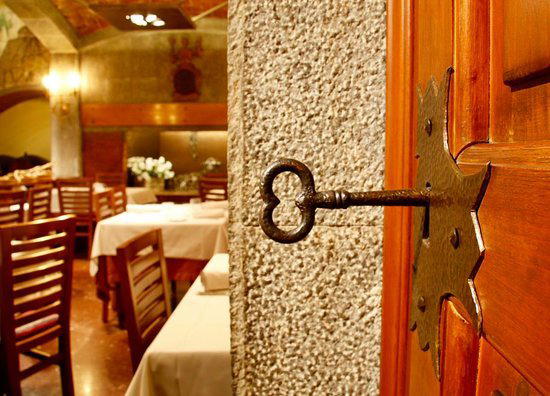
Details
- Modern
- Cozy
- Casual Hangout
- Family
- Terrace
- Sake Program
- A La Carte
- Vegetarian Friendly
- Vegan Options
- Gluten Free Options
Current opening hours
- Monday
- 12–10:45 PM
- Tuesday
- 12–10:45 PM
- Wednesday
- 12–10:45 PM
- Thursday
- 12–10:45 PM
- Friday
- 12–10:45 PM
- Saturday
- 12–10:45 PM
- Sunday
- 12–10:45 PM
Hours can change for holidays and private events. Hours as of .
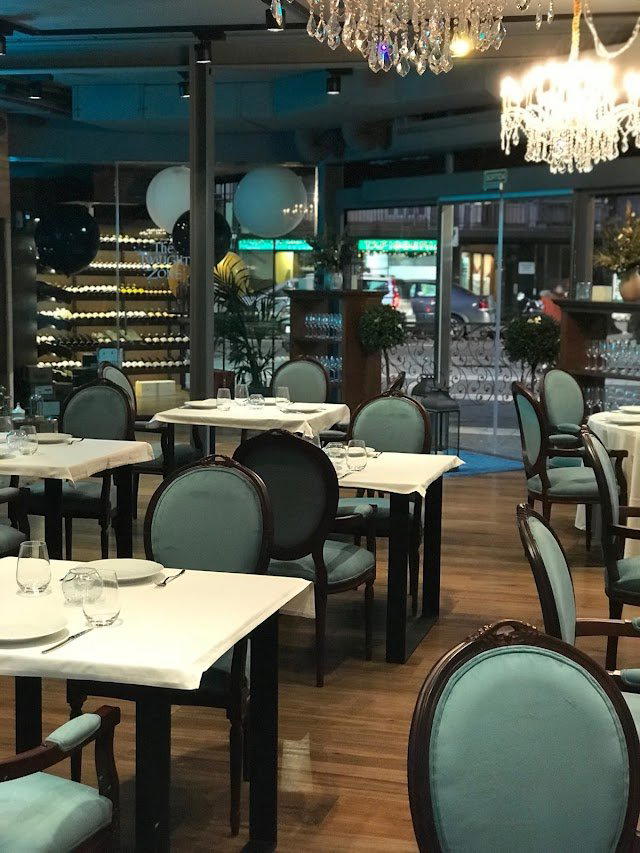
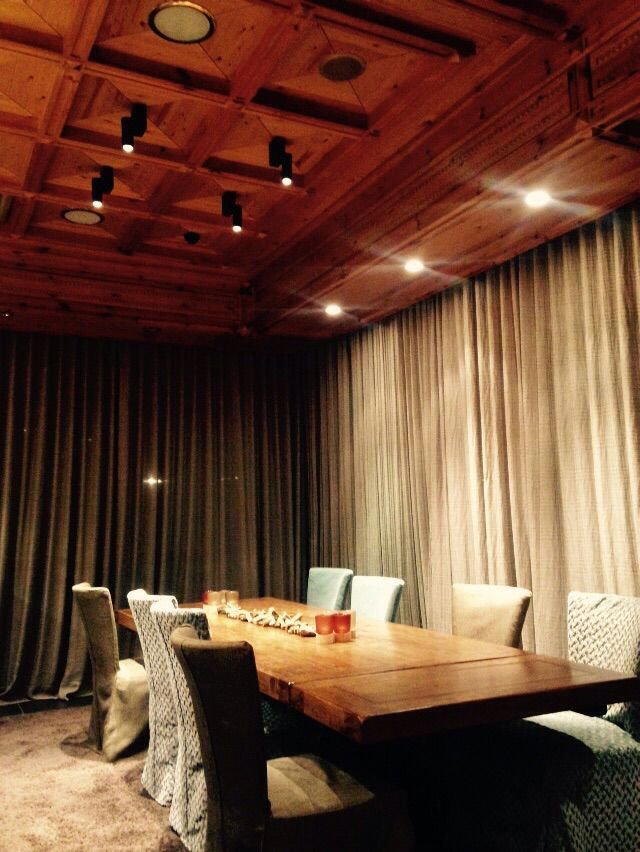
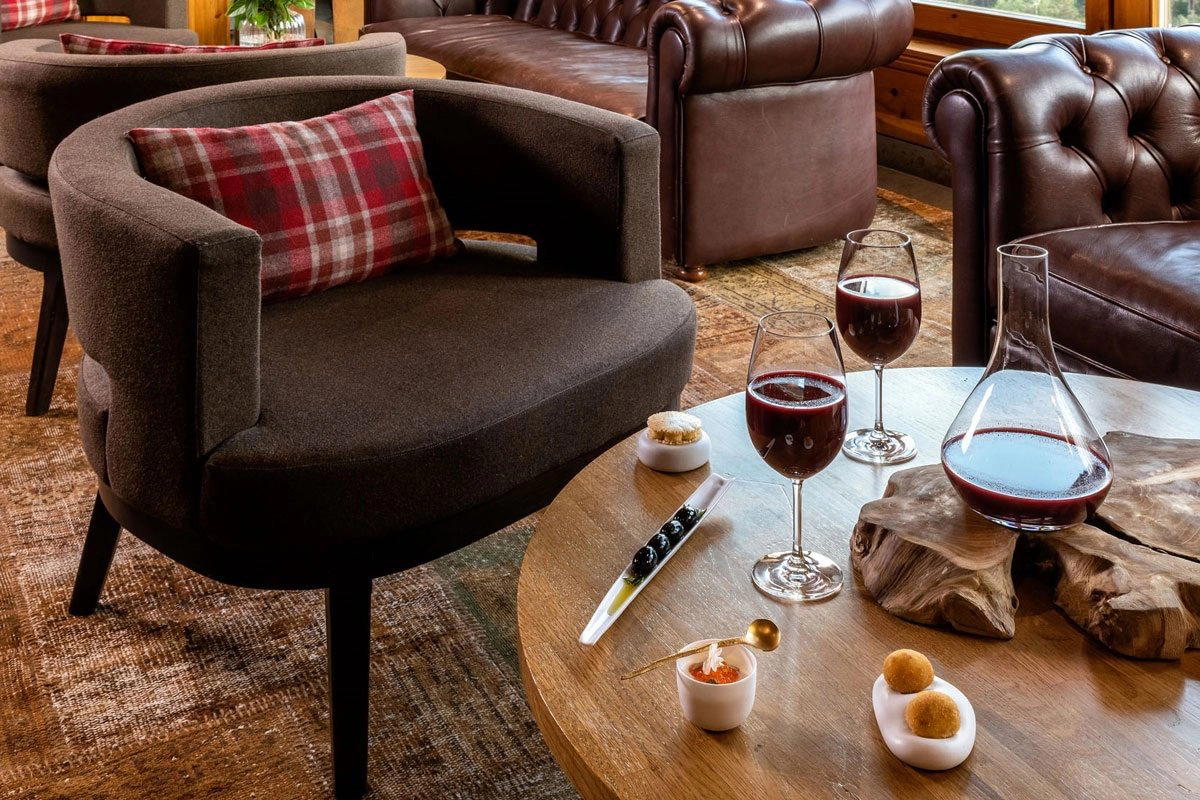
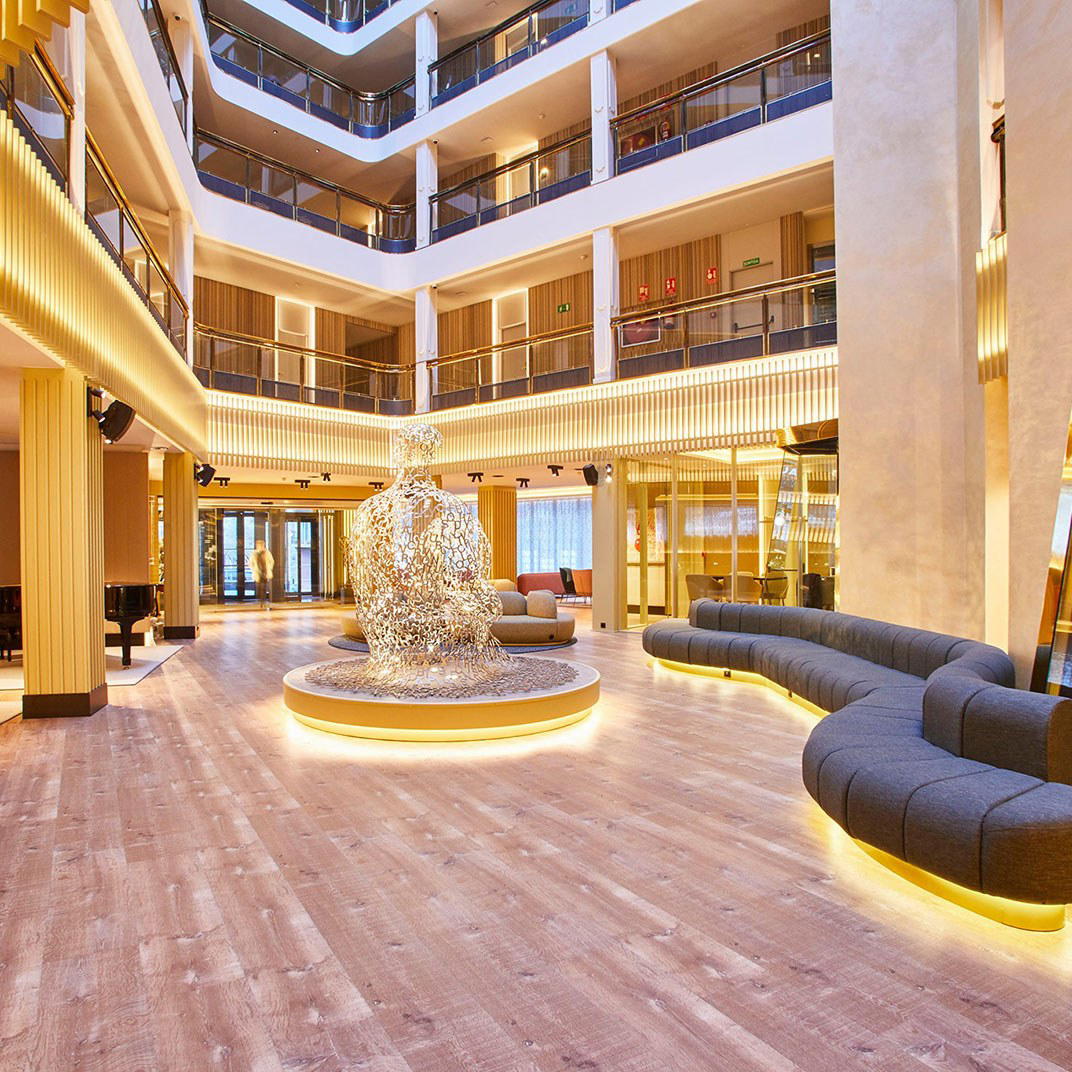
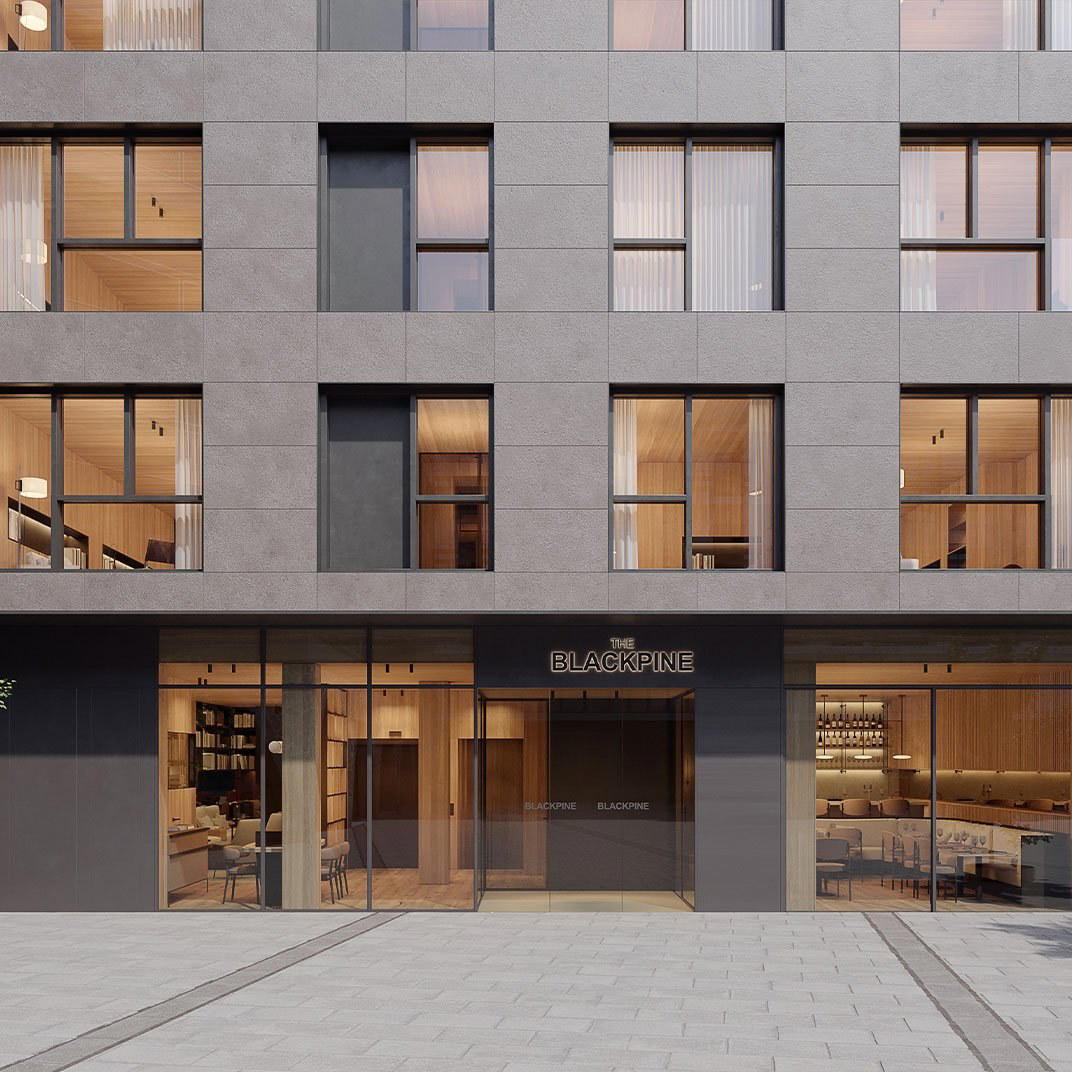
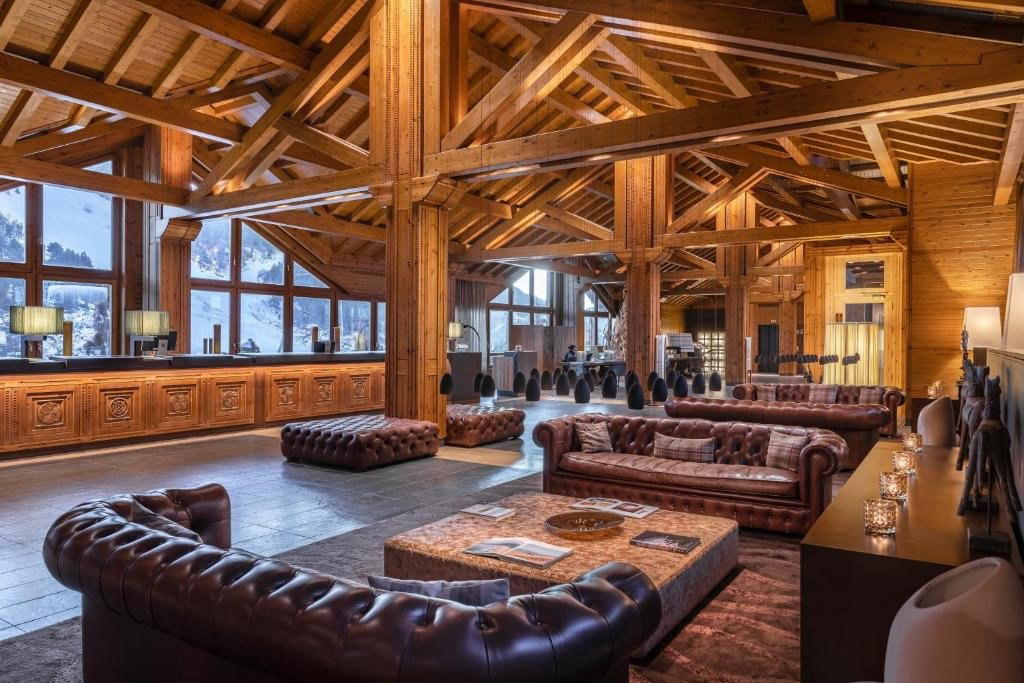
Modern and cozy atmosphere with inviting lighting suitable for casual lunches and dinners.