
Tabelog 100 #27
Our verdict
Niigata’s sushi culture is inseparable from cold-water fish, rice, and sake, and Sushi Nakahisa Hoshino sits in the city’s serious counter tier rather than its casual seafood circuit. Recognition in Tabelog 100 Sushi EAST 2025 and a compact 15-seat format point to a restaurant built for diners who want regional sourcing treated with Edomae discipline.

Pearl is the En Primeur Club membership app, where members save venues, book tables and use the concierge.
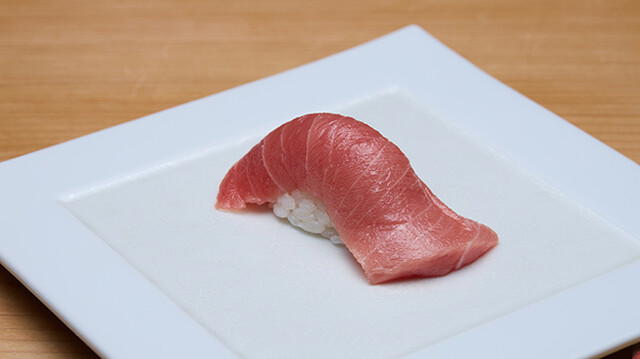
In Niigata, the mood is quieter than the busiest dining streets: a low-key city setting, a focused sushi reservation, and a sense that the meal belongs to the city rather than to a broad luxury script. In Niigata, that distinction matters. This city has a strong food identity, so serious sushi is judged less by theatrical luxury than by how clearly the restaurant communicates its category and sense of place.
Sushi Nakahisa Hoshino belongs to that narrower bracket. Its selection in the Tabelog Hyakumeiten 2025 sushi category places it in a regional recognition context looking beyond Tokyo’s concentration of high-priced counters, and its Tabelog score of 3.66 is a useful signal in a market where local reputation often travels through Japanese-language platforms before reaching international visitors. The listing category is sushi, and the dinner budget is JPY 20,000 - JPY 29,999. In a city with many seafood-driven options, that positioning pushes the experience toward close reading of the restaurant as a Niigata sushi address.
Niigata sushi is a sourcing argument before it is a luxury signal
Niigata’s dining identity starts with supply. The prefecture’s rice is widely associated with quality, and the city’s food culture gives sushi a strong local frame. At a serious sushi restaurant here, the argument is not simply that the meal is expensive or formal. The question is whether the restaurant can make its category feel precise rather than generic.
The restaurant’s category is sushi, which fits Niigata, where sushi is part of the city’s broader dining language rather than an imported prestige format. The useful comparison is not a Tokyo omakase counter chasing scarcity or ceremony, but a Niigata sushi restaurant using local context with enough structure to feel composed.
That puts Sushi Nakahisa Hoshino closer in price tier to Amaranthus than to more casual local seafood or sushi options such as Niigata Honcho Suzuki Sengyo or Sushi Yasu. One category does not replace another. Niigata rewards eating across levels: mochi shops, seafood izakaya, sushi restaurants, and higher-spend dining all express different parts of the city. For a broader map, Our full Niigata restaurants guide is more useful than treating one reservation as the whole story.
A focused sushi listing changes how the meal should be read
In Japanese sushi culture, those distinctions matter: some meals are highly ceremonial, others are more relaxed, and public listings do not always capture the full experience. For Sushi Nakahisa Hoshino, the most reliable frame is a recognized Niigata sushi restaurant in the JPY 20,000 - JPY 29,999 dinner range.
The experience reads as serious without needing to be described as rigid. These details place the restaurant outside the generic, single-script model associated with some destination sushi restaurants. It reads as a local high-end address suited to celebration meals, regulars, and culinary travelers who want a Niigata-specific sushi reference point.
Recognition from Tabelog Hyakumeiten 2025 is the clearest external trust signal. In Japan, Tabelog’s Hyakumeiten lists tend to reward consistency and local enthusiasm rather than only media-friendly spectacle. For Niigata, that is more revealing than a generic luxury label.
The broader city context helps calibrate the reservation. Other higher-spend Niigata dining rooms show how the city’s serious restaurant culture moves beyond sushi, while local sushi and seafood addresses keep the category from being reduced to one booking. A traveler building a food weekend should treat the restaurant as one anchor, then fill around it with sake, seafood, and rice-driven casual meals.
Where it fits in a Niigata itinerary
For visitors, the strongest case for Sushi Nakahisa Hoshino is not trophy collecting. It is a chance to see a recognized sushi restaurant in a city with a clear food identity. Tokyo offers greater density and more international recognition; Niigata offers a different relationship between restaurant culture and place. That makes the restaurant better for diners who care about regional logic than for those chasing maximal ceremony.
The planning frame should be city-wide. Niigata’s food trip improves when it is not built only around dinner reservations. Use Our full Niigata hotels guide to stay close enough to move easily around the city, then add drinking context through Our full Niigata bars guide. Sake interest can extend into Our full Niigata wineries guide and Our full Niigata experiences guide, especially for travelers who want to understand the prefecture beyond one meal.
Readers comparing Japan dining categories can also look outside Niigata: regional restaurants across Japan show how local demand produces different dining formats, from casual meals to higher-spend rooms. Abroad, Japanese food culture is often translated in different ways again. In Niigata, even serious food cities are read more clearly when the itinerary includes casual counterpoints as well as destination meals.
The verdict is simple: this is a Niigata sushi booking for diners who want the city’s food culture interpreted through a recognized, higher-spend format. It is not the only way to eat the city, but it is one of the clearer ways to understand why Niigata’s dining scene deserves attention beyond a single famous product or category.
Frequently asked questions
Is Sushi Nakahisa Hoshino child-friendly?
Publicly provided award and listing details do not specify a child policy. The setting is best understood as a sushi-focused restaurant in Niigata. Check the venue's official channels for the latest details.
What's the overall feel of Sushi Nakahisa Hoshino?
It reads as a sushi-focused restaurant in Niigata rather than a broad, multi-category dining listing. The Tabelog Hyakumeiten 2025 sushi selection points to a recognized address in its category.
What's the price range at Sushi Nakahisa Hoshino?
Pricing at Sushi Nakahisa Hoshino is listed as JPY 20,000 - JPY 29,999.
What is Sushi Nakahisa Hoshino known for?
Sushi Nakahisa Hoshino is known as a sushi restaurant in Niigata, with Tabelog Hyakumeiten 2025 recognition and a listed Tabelog score of 3.66.
How It Stacks Up
Comparable venues by cuisine and price in the same metro.
| Venue | Cuisine | Price | Awards | Notes |
|---|---|---|---|---|
| Sushi Nakahisa HoshinoThis venue (the venue you are viewing) | Edomae Sushi | $150–200 | Tabelog 100 #27 | Not listed |
| Sushi Yasu | Traditional Edo‑style Sushi | $30–50 | Tabelog 100 #48 | Chuo Ward |
| Chiyo Zushi | Traditional Sushi & Japanese Seafood | $50–100 | Tabelog 100 #36 | Chuo Ward |
| Goro Furumachi ten | Niigata seafood izakaya | $30–50 | Tabelog 100 #34 | Furumachi |
| Negi Bouzu | Seafood-focused Japanese Izakaya | $30–50 | Tabelog 100 #32 | Chuo Ward (near Niigata Station South Exit) |
| Kyodaizushi | Niigata-style Omakase Sushi | Not listed | Tabelog Silver #66 | Furumachi |
Recognition history
Dated appearances from independent guides and award organizations, with the underlying list record or original source where available.
Tabelog 100 #27 · No. 27
Tabelog · Tabelog 100 - Sushi - EAST - 2025
Continue exploring
More in Niigata
Restaurants in Niigata
All restaurants in Niigata →
Hotels in Niigata
All hotels in Niigata →
Details
- Sophisticated
- Quiet
- Intimate
- Classic
- Business Dinner
- Date Night
- Group Dining
- Solo
- Special Occasion
- Chefs Counter
- Standalone
- Sake Program
- Local Sourcing
- Sustainable Seafood
- Omakase
- Counter Dining
- Set Menu
- Sake
- Pescatarian Friendly
Current opening hours
- Monday
- 5–10 PM
- Tuesday
- 5–10 PM
- Wednesday
- 5–10 PM
- Thursday
- 5–10 PM
- Friday
- 5–10 PM
- Saturday
- 5–10 PM
- Sunday
- Closed
Hours can change for holidays and private events. Hours as of .
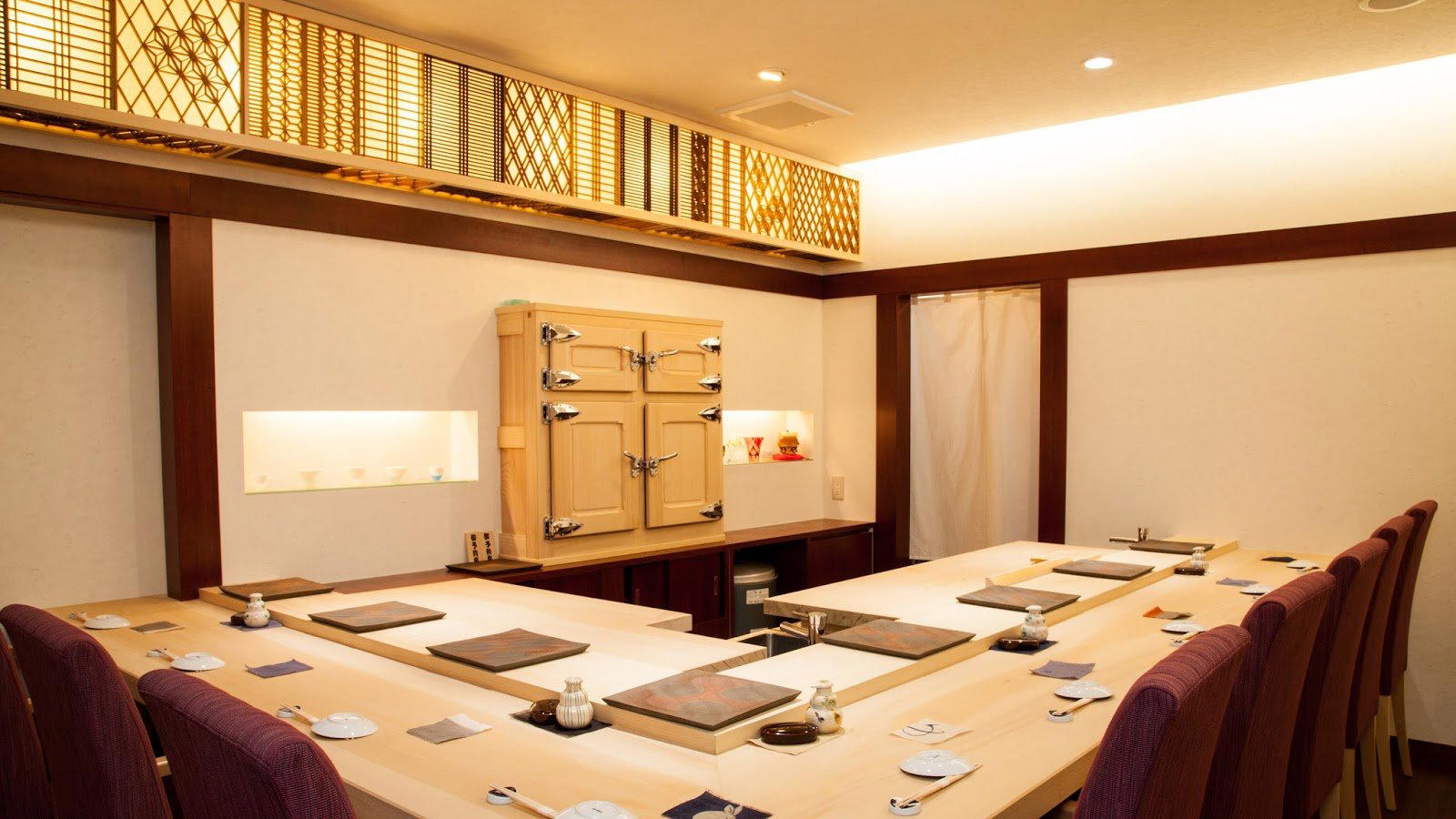
A quiet, intimate, traditional Japanese sushi space centered on counter dining, with a refined but unpretentious mood and visible chef work.