Amalia's Authentic Italian Restaurant
Our verdict
Wake Forest's Italian dining scene has a straightforward anchor on South Main Street. Amalia's Authentic Italian Restaurant at 1248 S Main St brings a regional Italian kitchen to a suburb that increasingly draws residents away from Raleigh's dining corridor. The format here rewards those who want something substantive rather than chain-adjacent — Italian food that takes its sourcing cues seriously in a town building its own independent restaurant identity.

Pearl is the En Primeur Club membership app — saves, bookings, and concierge access live there. Same editors, same standards.
- Address
- 1248 S Main St, Wake Forest, NC 27587
- Phone
- (984) 237-0002
- Hours
- Mon ClosedTue–Thu 5–9 PMFri–Sat 5–10 PMSun Closed
- Website
- amaliaswakeforest.com
- Directions
- Get directions
- Booking
- Book on OpenTable
The menu
What to order
- Veal Chop
- Costata di Manzo
- Tagliatelle Bolognese
- Gnocchi
South Main Street and the Case for Suburban Italian
Wake Forest has spent the better part of the last decade developing a dining strip that residents no longer need to leave town for. South Main Street, where Amalia's Authentic Italian Restaurant sits at number 1248, is the clearest expression of that shift. The corridor now holds a Spanish tapas counter in Bodega Tapas and Wine, a farm-driven American table at Farm Table, and a Mexican kitchen at Gonza Tacos Y Tequila, alongside Middle Eastern cooking at Lazeez. Within that independent, multi-cuisine cohort, Amalia's occupies the Italian seat — a category with its own internal logic around sourcing, technique, and what "authentic" actually means at the table.
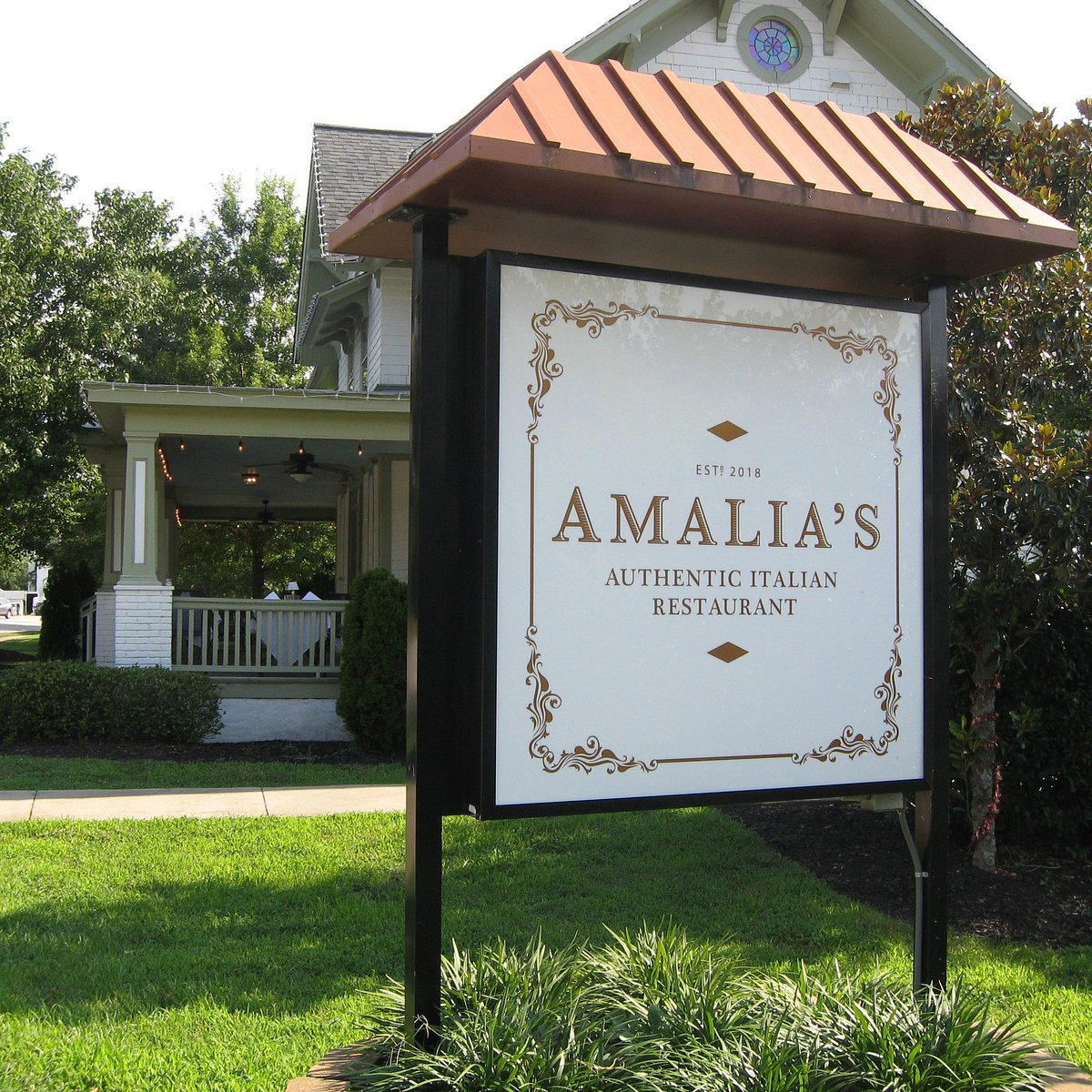
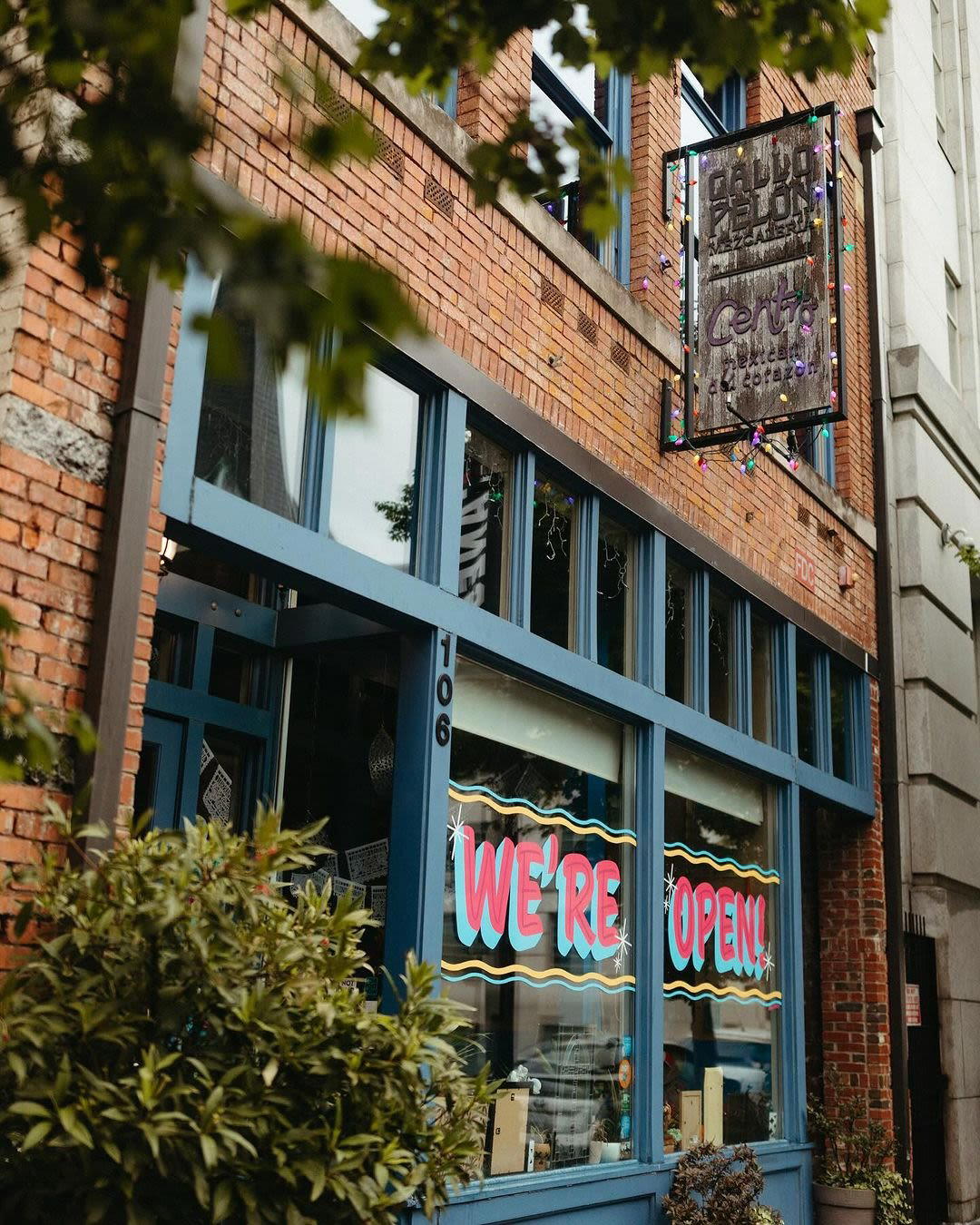
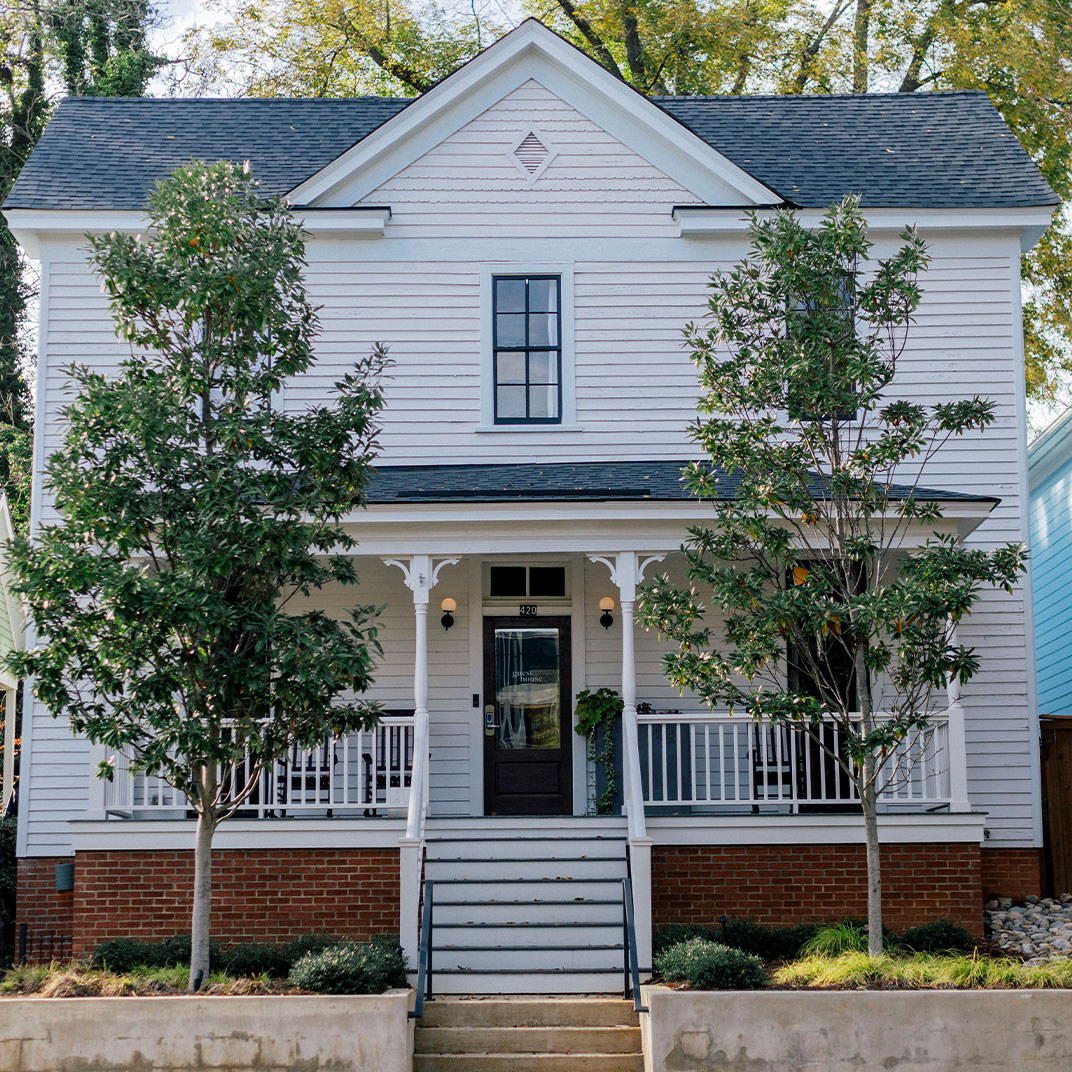
Approaching the restaurant from the street, the scale reads as neighborhood rather than destination-dining, which is precisely the point. Italian cooking in the American suburban context has long split between two poles: red-checkered-tablecloth comfort and the kind of ingredient-led kitchens that treat pasta as a serious technical discipline. Amalia's positioning within that split, and its insistence on the word "authentic" in its name, signals an alignment with the latter.
What "Authentic" Signals on the Menu
The word "authentic" in an Italian restaurant name is both a promise and a liability. It invites scrutiny. In practice, the most credible Italian kitchens in the American market — whether operating at the scale of Frasca Food & Wine in Boulder, with its Friulian regional specificity, or at a neighborhood level, define authenticity through sourcing discipline and restraint in the kitchen. The question is whether the base ingredients carry enough integrity to do the work.
Italian cuisine's regional structure means that "authentic" is never monolithic. A Neapolitan kitchen prioritizes San Marzano tomatoes and 00 flour. A Bolognese table answers to long-cooked ragù and fresh egg pasta. A Roman trattoria leans on cured pork, pecorino, and guanciale. The sourcing decisions behind each tradition are what separate execution from approximation. At restaurants where those decisions are made carefully, the difference is legible in a simple cacio e pepe or a plate of cured meat, dishes with nowhere to hide substandard product.
Wake Forest's proximity to the Research Triangle positions it usefully here. North Carolina's food supply chain has matured considerably, with regional producers supplying everything from heritage pork to locally milled flour to artisan cheeses that rival imported alternatives on freshness if not always on terroir. Italian-leaning kitchens in the Triangle region have increasing access to that supply chain, and the better ones use it. The question for any Italian kitchen making an authenticity claim is whether its sourcing reflects a genuine material commitment or functions as marketing shorthand.
Ingredient Sourcing as the Organizing Principle
At the far end of the sourcing-as-philosophy spectrum, operations like Single Thread Farm in Healdsburg or Blue Hill at Stone Barns in Tarrytown have made ingredient provenance the primary editorial subject of every plate. That model operates at a price point and scale that is structurally different from a neighborhood Italian restaurant. But the underlying logic, that the sourcing decision is the cooking decision, filters down into every tier of serious cooking. Across the country, restaurants at Smyth in Chicago, Addison in San Diego, and Providence in Los Angeles have made sourcing transparency a baseline expectation for serious diners, regardless of cuisine category.
For an Italian kitchen in particular, that pressure lands on specific decisions: the quality of imported cured meats versus domestic alternatives, the type and source of olive oil used in finishing versus cooking, whether pasta is made in-house or sourced from a quality Italian producer, and whether seafood, a critical variable in coastal Italian traditions, is handled with the same care as at a dedicated seafood counter such as Le Bernardin in New York City. These are not abstract considerations. They determine whether a dish reads as Italian or merely Italian-adjacent.
The broader American appetite for Italian food that engages with these questions has grown. Diners who have encountered serious regional Italian cooking, whether at an Italian-adjacent tasting format or through travel, return home with calibrated expectations. That shift in baseline knowledge is part of what drives the "authentic" positioning in the first place.
Wake Forest in the Wider Dining Conversation
Wake Forest sits outside the national restaurant conversation that places like New York, San Francisco, Chicago, and New Orleans dominate. The kind of recognition that attaches to Lazy Bear in San Francisco, Emeril's in New Orleans, The French Laundry in Napa, Atomix in New York City, or The Inn at Little Washington operates in a different economy of scale and critical attention. Even internationally, the sourcing-first ethos at a kitchen like Atelier Moessmer Norbert Niederkofler in Brunico sets a reference point for what Alpine Italian ingredient discipline looks like at its most rigorous.
None of that maps directly onto a neighborhood Italian restaurant in a North Carolina suburb. What it does is establish the frame within which any serious Italian kitchen is assessed, regardless of geography. Wake Forest's dining scene, detailed more fully in our full Wake Forest restaurants guide, is at a stage where a restaurant making an authenticity claim earns that claim through the specifics of what arrives on the plate, not through décor or branding.
Planning Your Visit
Amalia's Authentic Italian Restaurant is located at 1248 S Main St, Wake Forest, NC 27587, placing it within the town's main independent dining corridor and accessible from central Wake Forest without requiring the drive into Raleigh. Contact the restaurant directly for current hours and booking details. For first-time visitors, arriving without fixed expectations about format, whether service runs family-style, prix-fixe, or à la carte, allows the kitchen's actual strengths to surface rather than arriving with assumptions built for a different category of Italian restaurant.
Frequently asked questions
Where do I go for Amalia's Authentic Italian Restaurant?
Amalia's Authentic Italian Restaurant is located at 1248 S Main St, Wake Forest, NC 27587.
How hard is it to get a table at Amalia's Authentic Italian Restaurant?
Contact the restaurant directly before weekend dinner for the most current availability.
How Amalia's Authentic Italian Restaurant Wake Forest compares with similar nearby venues.
| Venue | Cuisine | Price |
|---|---|---|
| Amalia's Authentic Italian RestaurantThis venue — the venue you are viewing | Authentic Italian Fine Dining | $50–100 |
| Lazeez | North Indian Fine Dining | $20–30 |
| Gonza Tacos Y Tequila | Colombian-Mexican Tacos y Tequila | $20–30 |
| Bodega Tapas and Wine | Globally Inspired Tapas with French Touch | $30–50 |
| Farm Table | New American Farm-to-Table | $30–50 |
Continue exploring
More in Wake Forest
Restaurants in Wake Forest
Browse all →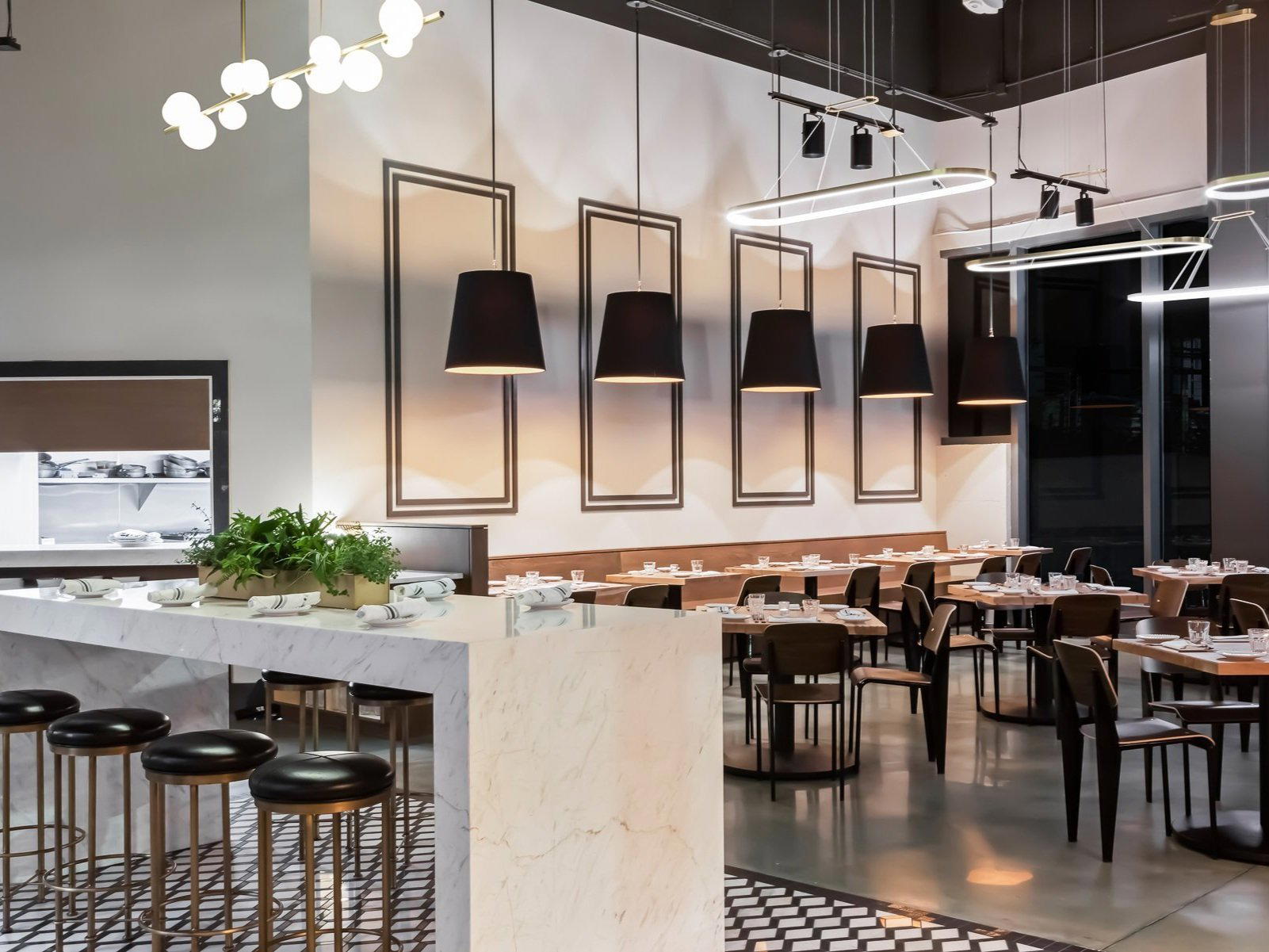
Bars in Wake Forest
Browse all →
Details
- Cozy
- Intimate
- Elegant
- Classic
- Date Night
- Special Occasion
- Celebration
- Historic Building
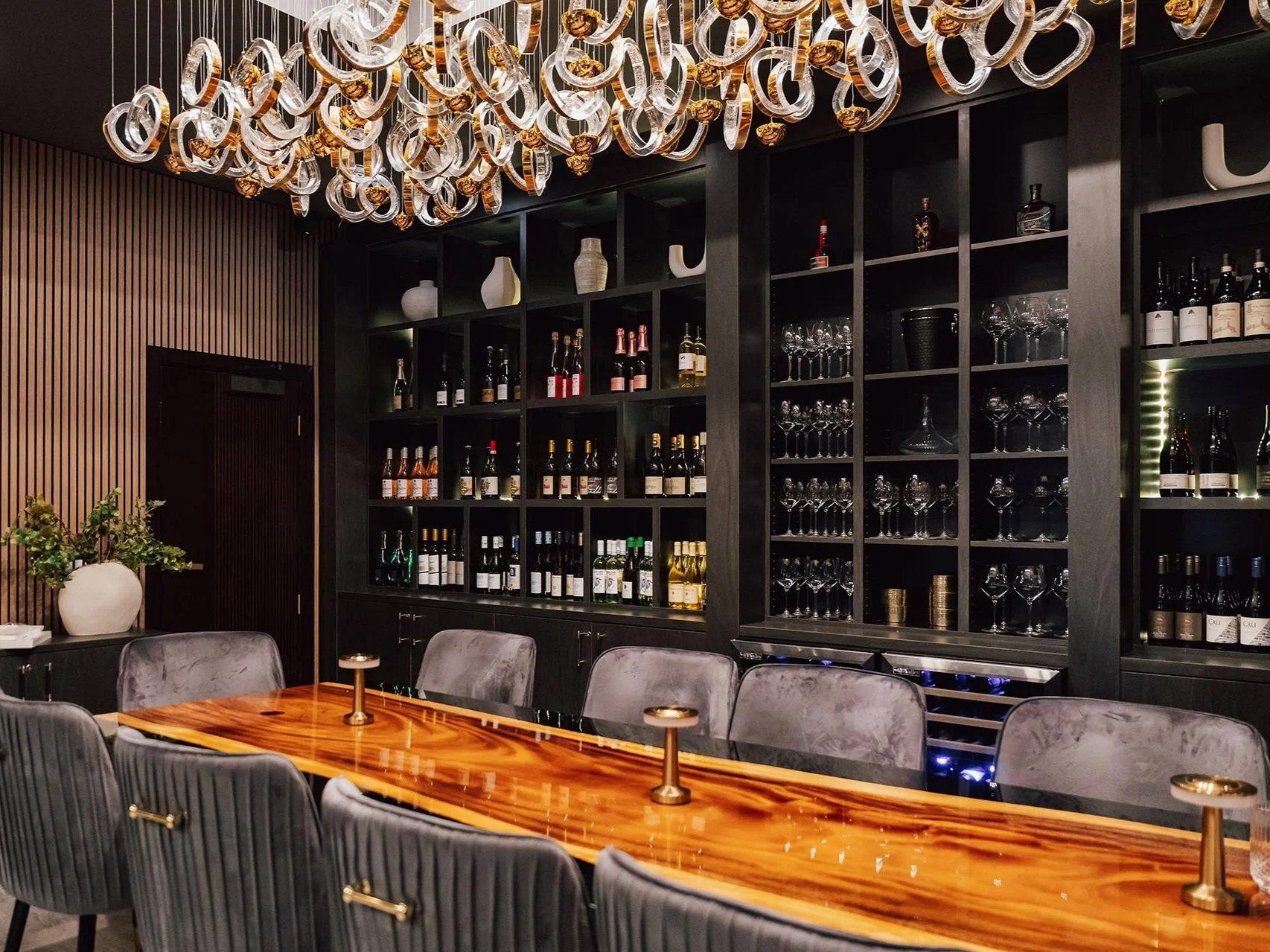
- Extensive Wine List
- A La Carte
- Vegetarian Friendly
Current opening hours
- Monday
- Closed
- Tuesday
- 5–9 PM
- Wednesday
- 5–9 PM
- Thursday
- 5–9 PM
- Friday
- 5–10 PM
- Saturday
- 5–10 PM
- Sunday
- Closed
Hours can change for holidays and private events. Last verified .
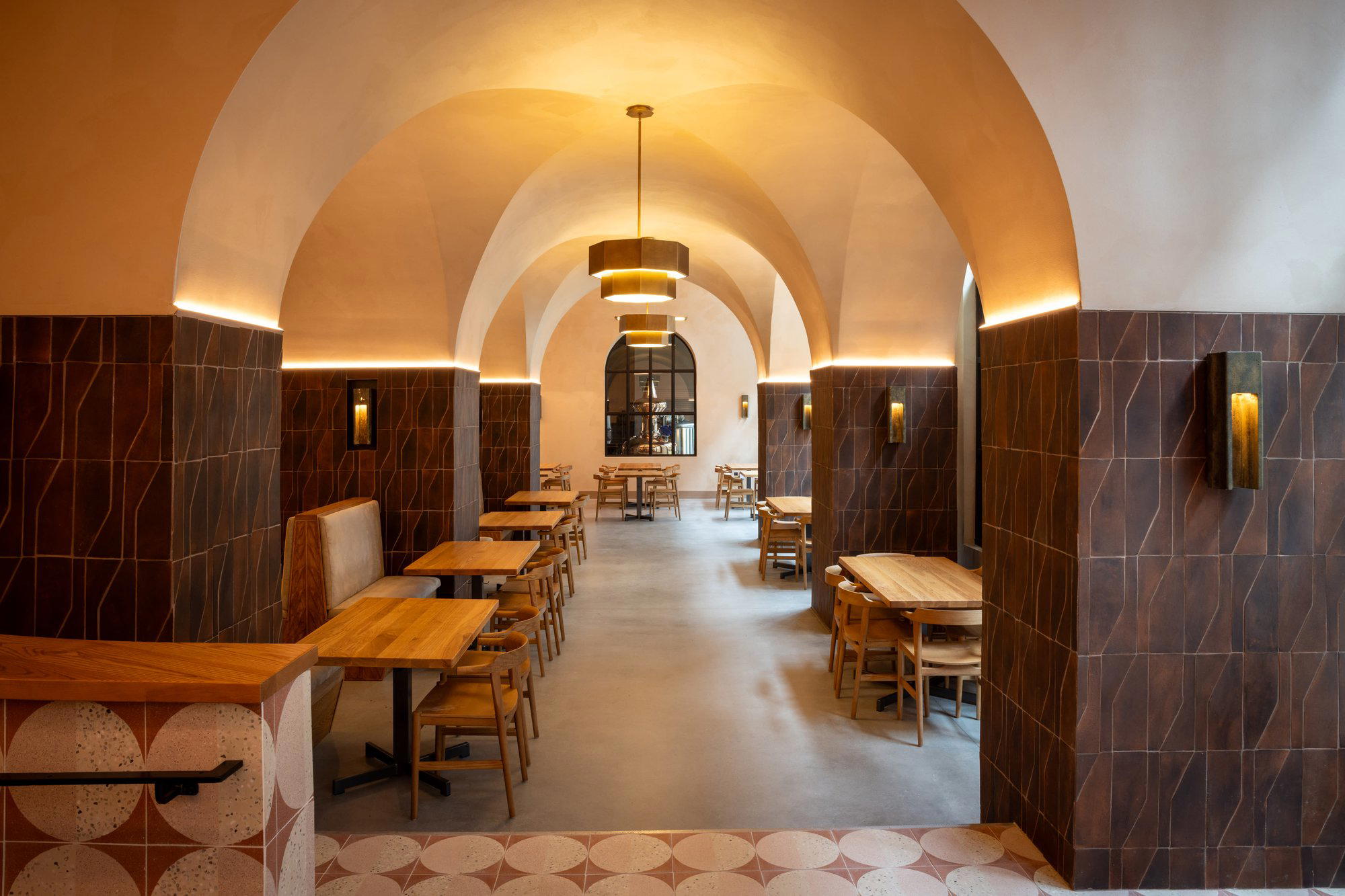
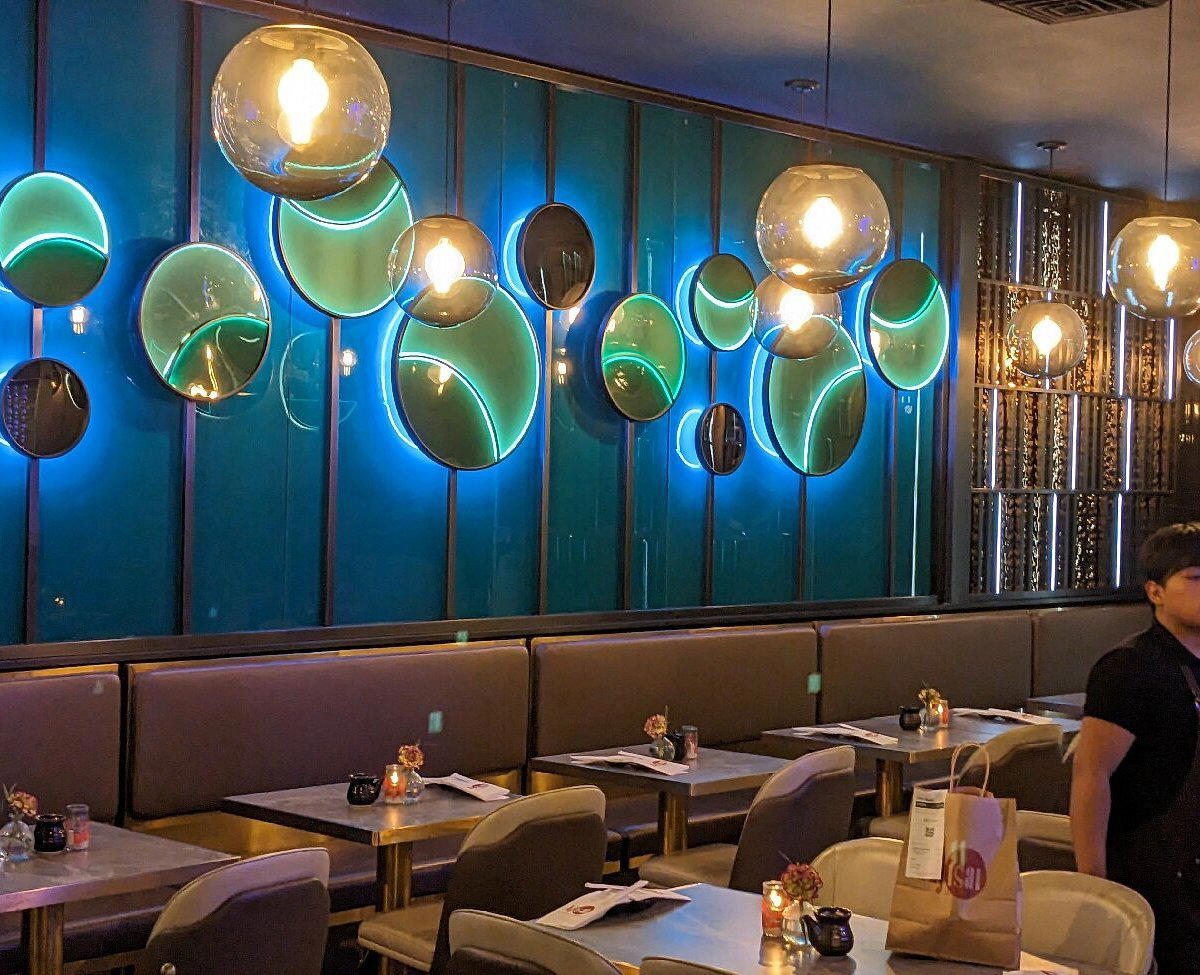
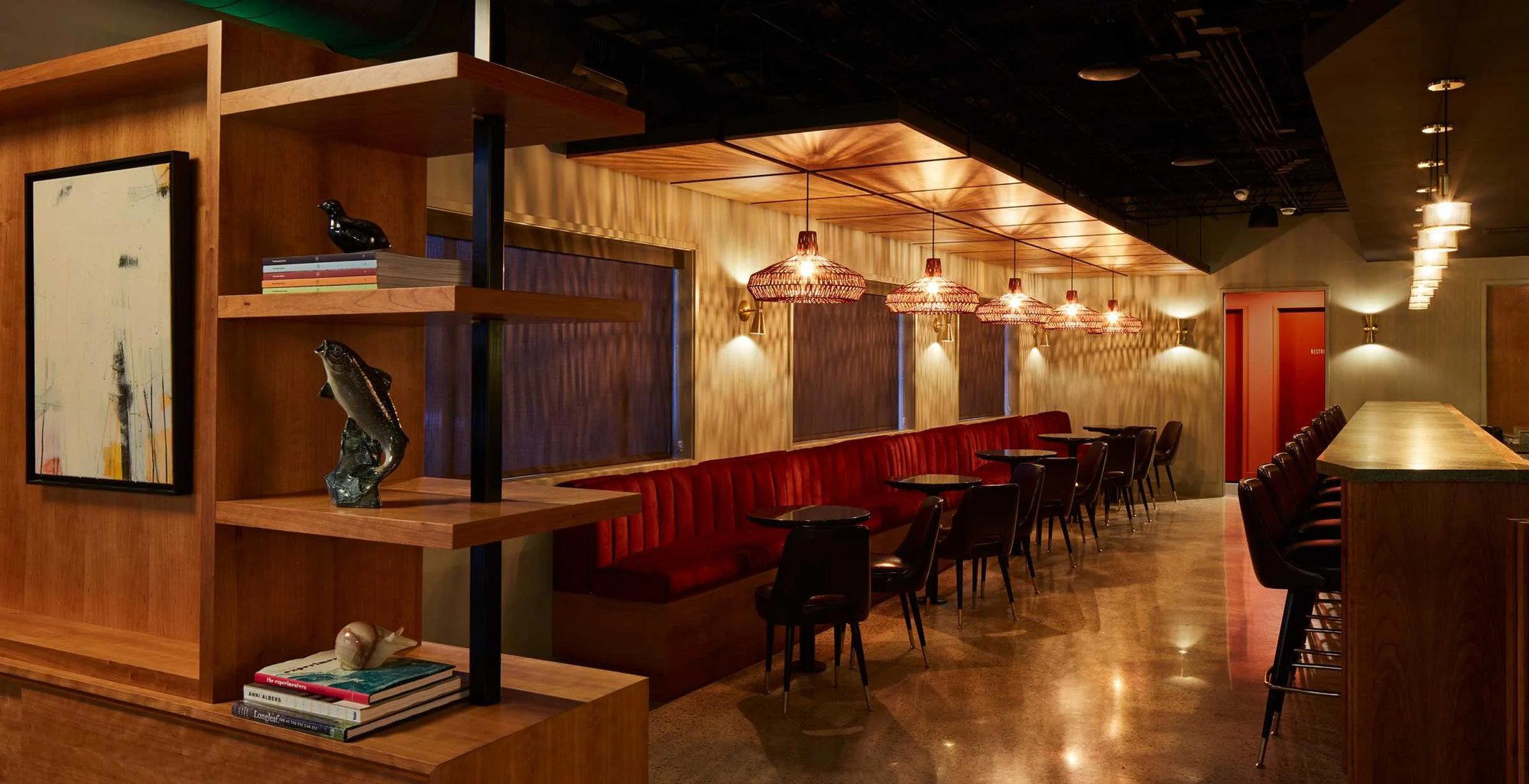
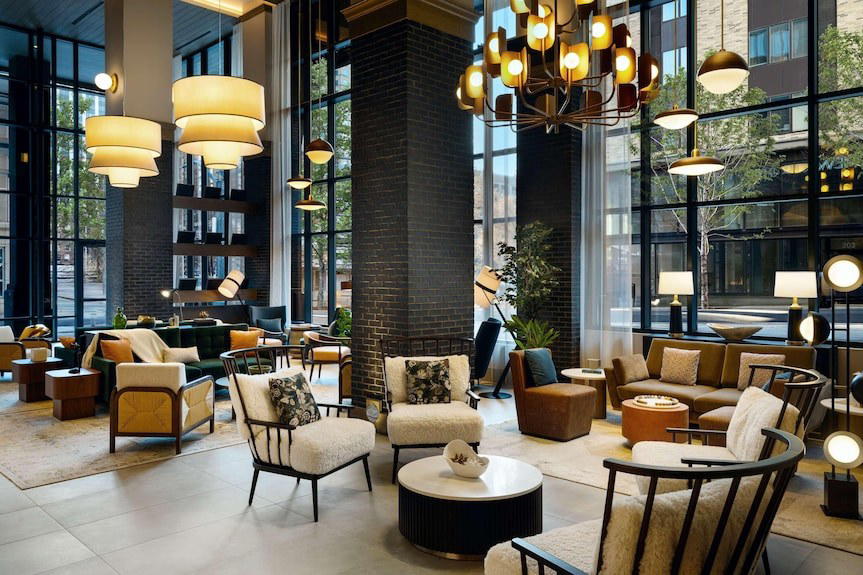
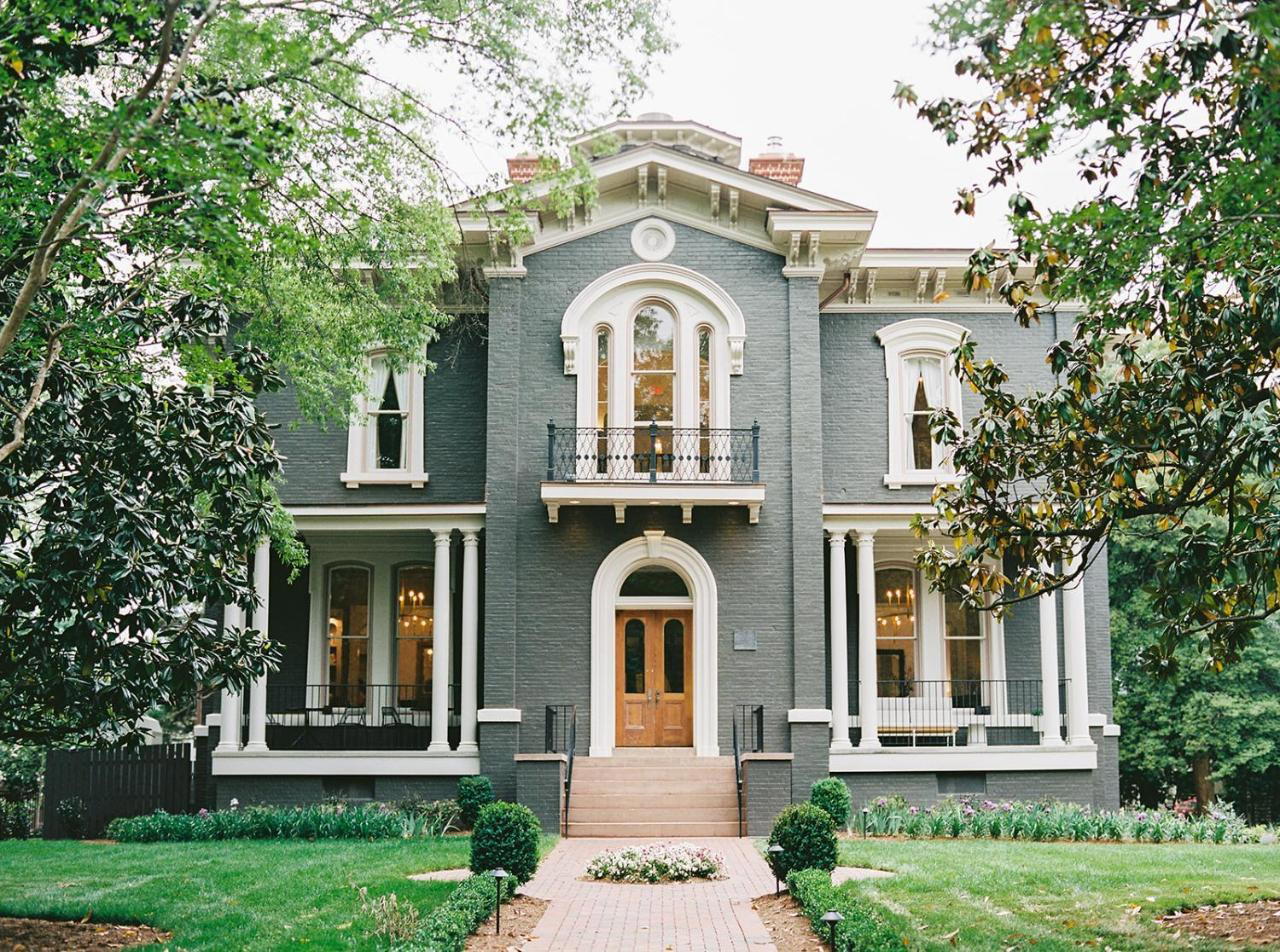
Cozy and quaint Italian ambiance in a charming refurbished old house with distinctive decor, nicely spaced tables, and warm intimate lighting.