Bodega Tapas and Wine
Our verdict
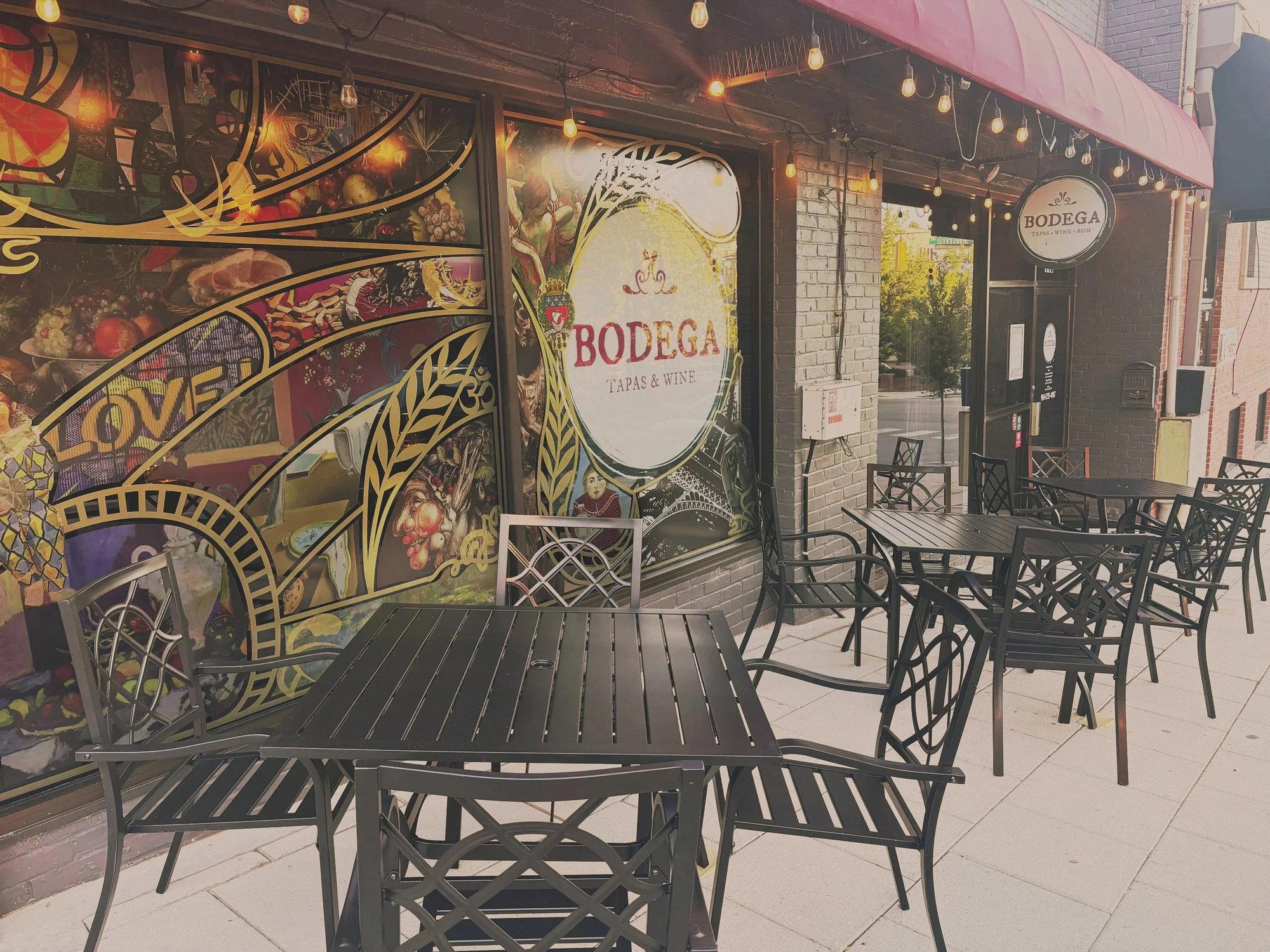
Bodega Tapas and Wine brings Spanish-influenced small-plate dining to downtown Wake Forest, NC, at 110 S White St. The bodega format, built around shared plates and wine, fits a growing category of casual-but-considered Spanish-style venues finding traction in secondary North Carolina markets. A practical choice for groups seeking a convivial, wine-anchored meal outside the Triangle's urban core.

Pearl is the En Primeur Club membership app — saves, bookings, and concierge access live there. Same editors, same standards.
- Address
- 110 S White St, Wake Forest, NC 27587
- Phone
- (984) 235-4187
- Hours
- Mon–Tue ClosedWed–Thu 4:30–8:30 PMFri–Sat 4:30–9 PMSun 4–8 PM
- Website
- bodegawakeforest.com
- Directions
- Get directions
- Booking
- Book on OpenTable
The menu
What to order
- Mushroom Ravioli
- Seared Spiced Tuna
- Peruvian Chicken
- Parisienne Gnocchi
Small Plates in a Small Town: The Bodega Format Comes to Wake Forest
South White Street in downtown Wake Forest has developed a recognizable dining corridor over the past several years, with independent operators filling storefronts that were, not long ago, largely vacant. The street now draws residents from across northern Wake County who want something beyond chain dining without driving into Raleigh. Bodega Tapas and Wine, at 110 S White St, occupies a position in that corridor that would be unremarkable in Seville or Barcelona but carries real weight in a town of this size: a wine-anchored tapas format that asks diners to slow down, share plates, and commit to a meal rather than a transaction.
The bodega concept itself has deep roots in Iberian food culture, where the word historically described a wine shop or cellar that also served food, a place where wine was the organizing principle and eating was the necessary accompaniment. That distinction matters. A tapas bar organized around wine operates differently from a Spanish restaurant that happens to serve small plates. The beverage list drives the pace, the portion logic, and the overall sequence of an evening. When the format works, it produces a kind of dining that feels unhurried in a way that tasting menus at places like The French Laundry in Napa or Smyth in Chicago cannot replicate, because there is no script. You order as you go, you open another bottle, and the evening extends naturally rather than by design.
Spanish Tapas Culture and Its Translation to the American South
The transmission of tapas culture to the United States has been uneven. Major coastal cities absorbed it first: New York, Los Angeles, and Miami developed serious Spanish small-plate programs through the 1990s and 2000s, while secondary markets lagged by a decade or more. The Triangle region of North Carolina, centered on Raleigh, Durham, and Chapel Hill, developed a sophisticated dining culture earlier than most comparable metro areas, driven partly by university populations and a tech-sector influx that brought cosmopolitan eating habits. That sophistication has progressively diffused outward into adjacent communities, which explains why a bodega-format venue can find a viable audience in Wake Forest rather than requiring proximity to a major urban center.
Cultural logic of tapas is worth stating plainly: it is a format built around sociability rather than sustenance. The plates are small because conversation is the point. Wine is ordered by the bottle or carafe because the meal is meant to last. In Andalusia, the tradition of serving free tapas with drinks created a food culture where eating and drinking were inseparable, a habit that the modern American iteration partially preserves through the expectation of ordering multiple rounds of small plates. Venues that execute this format well, whether in New York or in smaller markets, understand that pacing and portion sequencing are as important as the cooking itself.
Within Wake Forest's dining scene, Bodega occupies a distinct category from its immediate neighbors. Farm Table works a locally sourced American register, Gonza Tacos Y Tequila covers Mexican, and Lazeez handles Middle Eastern. Spanish tapas occupy a different quadrant: European in technique, wine-first in structure, and inherently communal in portion logic.
What the Bodega Format Requires of Diners
Eating well in a tapas format requires a different kind of engagement than ordering from a conventional menu. The most common mistake is under-ordering in the first round, waiting to see how large the plates are, and then losing the thread of the meal. In the Spanish tradition, the table is meant to accumulate dishes, with new plates arriving and overlapping with earlier ones. Groups of three or four are the natural unit for this kind of dining; pairs work but may find the economics of variety more challenging. Solo diners are leading served at the bar, where single-plate ordering feels natural rather than sparse.
Wine selection in a bodega-format venue typically follows Spanish regional logic: Rioja and Ribera del Duero for reds, Albariño for whites, fino and manzanilla sherry for aperitif service. Sherry in particular remains underappreciated in American dining rooms despite its affinity for the savory, olive-oil-rich flavors that anchor most tapas menus. If the wine list at Bodega includes any fino or manzanilla by the glass, that is usually the most efficient path into the menu's flavor register.
For diners accustomed to the more theatrical end of the American restaurant spectrum, from the coursed precision of Le Bernardin in New York City to the produce-driven narratives of Blue Hill at Stone Barns in Tarrytown, a well-run bodega offers a useful corrective: the pleasure of a meal organized around appetite and conversation rather than a chef's predetermined sequence. That said, the format's apparent simplicity makes execution more visible. Poorly sourced ingredients or careless timing between plates are harder to disguise with small dishes than with elaborate plating.
Planning Your Visit
Bodega Tapas and Wine sits at 110 S White St in downtown Wake Forest, within easy walking distance of the town's main commercial strip. Parking along South White Street and in adjacent municipal lots is generally accessible, particularly on weekday evenings. Wake Forest is approximately 18 miles north of downtown Raleigh, making it a viable destination evening for Triangle residents who want to avoid urban parking and pricing pressures. Specific hours, reservation policies, and pricing were not available at the time of publication; contacting the venue directly before visiting is advisable, particularly for larger groups where advance planning around a shared-plate format makes a meaningful difference in how the meal flows. For a broader picture of what the town's independent restaurant scene offers, the EP Club Wake Forest restaurants guide maps the full range of options, including Amalia's Authentic Italian Restaurant for those whose evening calls for pasta rather than patatas bravas.
Frequently asked questions
What's Bodega Tapas and Wine's location?
Bodega Tapas and Wine is located at 110 S White St, Wake Forest, NC 27587, Wake Forest.
Is Bodega Tapas and Wine a good fit for a first date or casual weeknight dinner in Wake Forest?
The tapas format at 110 S White St lends itself to that kind of occasion: shared plates extend a meal naturally and keep the conversation moving in a way that a single-entree dinner does not. Wake Forest's downtown dining strip is compact enough that the venue is walkable from the main commercial blocks, making it a low-friction evening option. For a weeknight visit, arriving without a reservation is generally feasible in a market this size, though the wine-focused format rewards lingering, so allow more time than a standard dinner.
What do regulars order at Bodega Tapas and Wine?
In the tapas format broadly, experienced diners tend to anchor a table order around three to four plates per person, mixing cured or preserved items with at least one hot preparation and a cheese or charcuterie selection. Arriving with a sense of how many rounds you want to eat matters more than fixating on any single dish.
How hard is it to get a table at Bodega Tapas and Wine?
Bodega sits at 110 S White St in a downtown Wake Forest dining corridor that has grown steadily with independent operators but remains a small-market environment. Tapas-format venues in towns of this scale rarely face the multi-week booking windows common in Raleigh or Durham. Calling ahead or checking in the week of your visit is a reasonable approach, particularly for larger groups where shared-plate dining requires a table configured for it.
What's Bodega Tapas and Wine best at?
Bodega's structural advantage on the Wake Forest dining scene is the wine-anchored, shared-plate format itself. Downtown Wake Forest has limited dedicated wine-bar concepts, which makes Bodega's combination of small plates and a curated pour list relatively singular for that market. The format is also well-matched to group dining, since it removes the friction of coordinating separate main-course orders.
What if I have allergies at Bodega Tapas and Wine?
Spanish tapas menus routinely include shellfish, gluten, dairy, and nuts across multiple plates, often in preparations where cross-contact is a realistic concern. Bodega's specific allergen protocols are published details are limited, so guests with serious dietary restrictions should check the venue's official channels before visiting. Calling ahead gives the kitchen the chance to flag or adapt plates in a format where many items share prep space.
Budget Reality Check
Comparable venues nearby, for context on price, style, and recognition.
| Venue | Cuisine | Price | Notes |
|---|---|---|---|
| Bodega Tapas and WineThis venue — the venue you are viewing | Globally Inspired Tapas with French Touch | $30–50 | Not listed |
| Lazeez | North Indian Fine Dining | $20–30 | Wake Forest, North Indian Fine Dining |
| Farm Table | New American Farm-to-Table | $30–50 | Gateway Commons, New American Farm-to-Table |
| Gonza Tacos Y Tequila | Colombian-Mexican Tacos y Tequila | $20–30 | Wake Forest, Colombian-Mexican Tacos y Tequila |
| Amalia's Authentic Italian Restaurant | Authentic Italian Fine Dining | $50–100 | Wake Forest, Authentic Italian Fine Dining |
| Beasley’s Chicken & Honey | Not listed | Not listed | Downtown Raleigh, Southern fried chicken & comfort food |
Continue exploring
More in Wake Forest
Restaurants in Wake Forest
Browse all →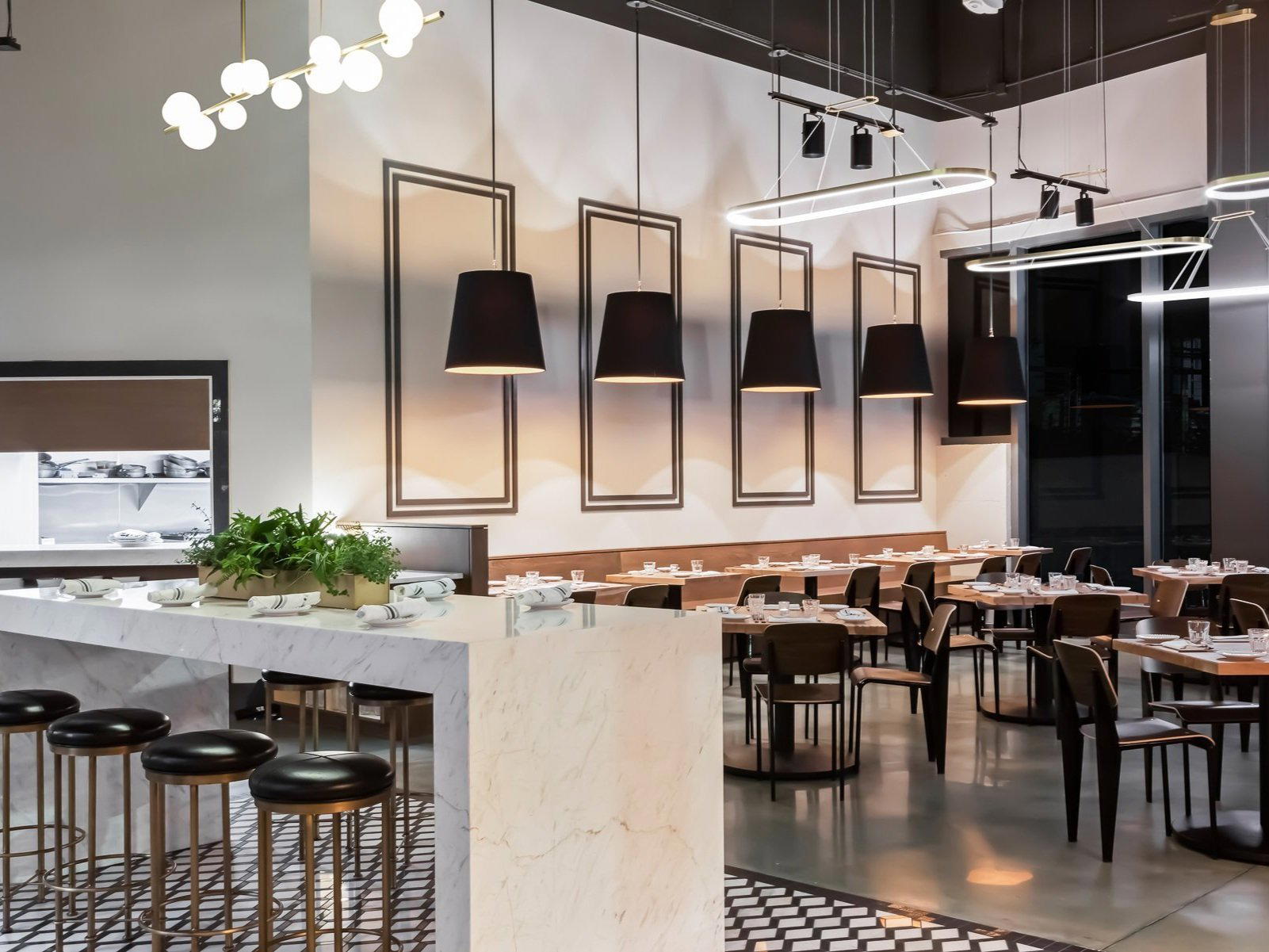
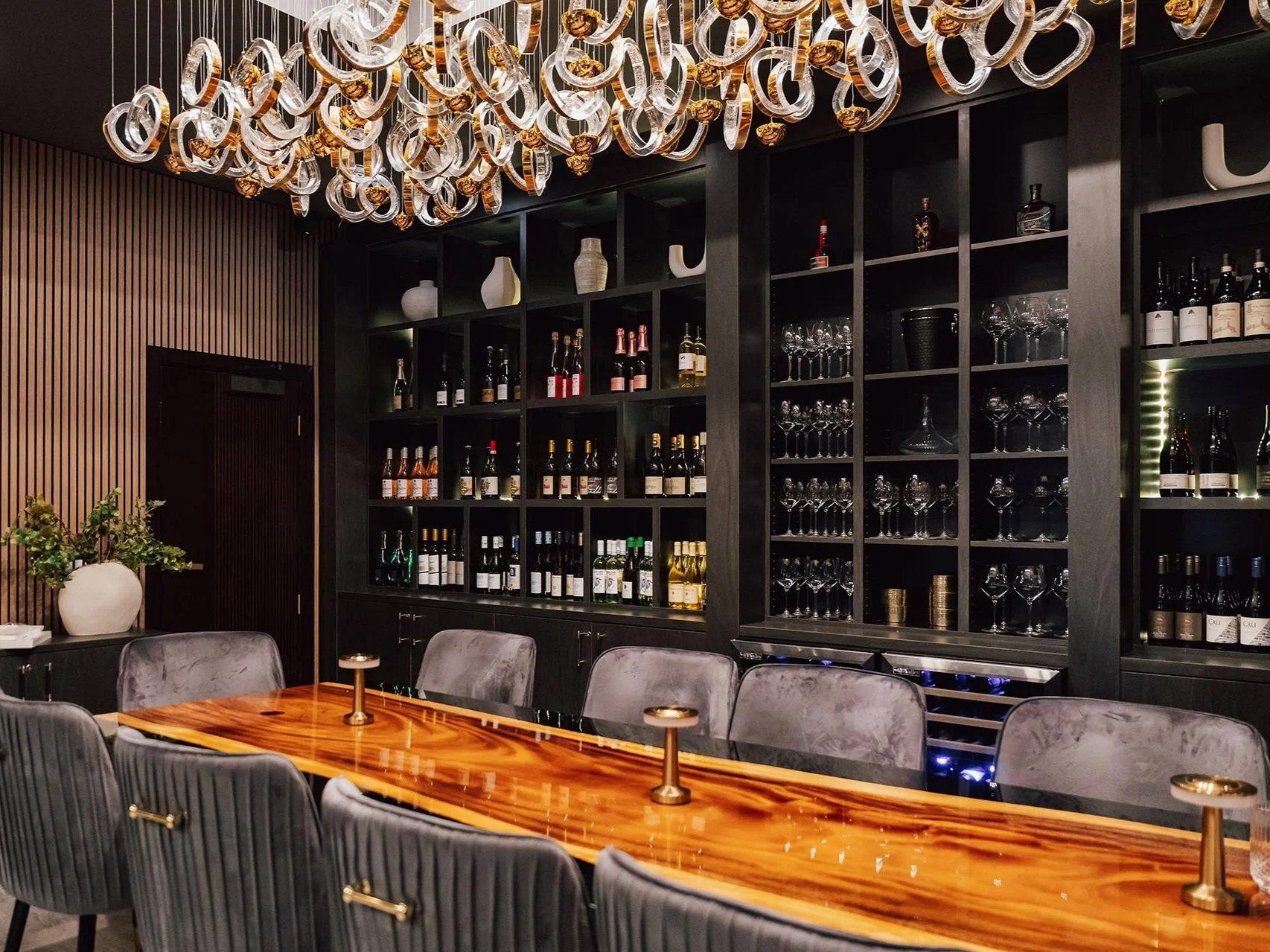
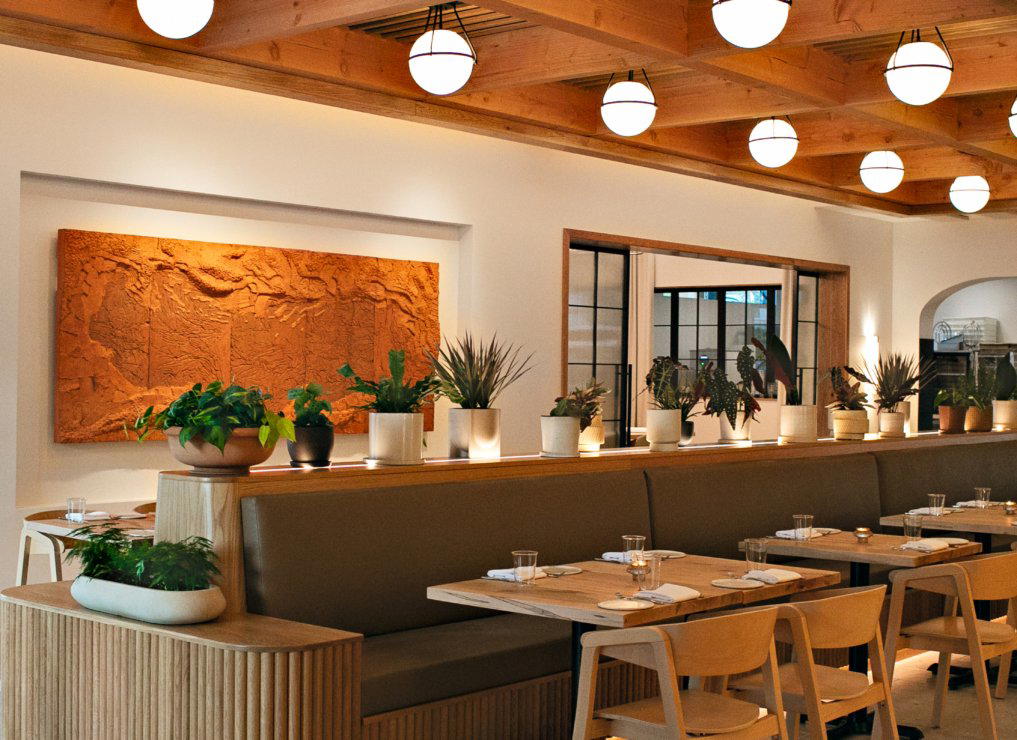
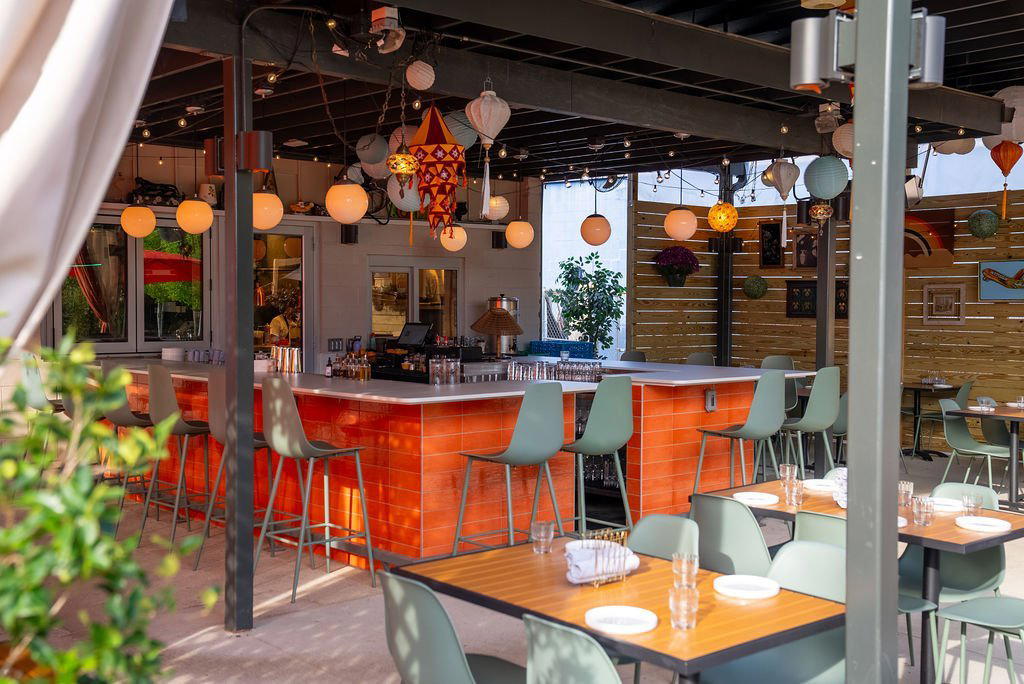
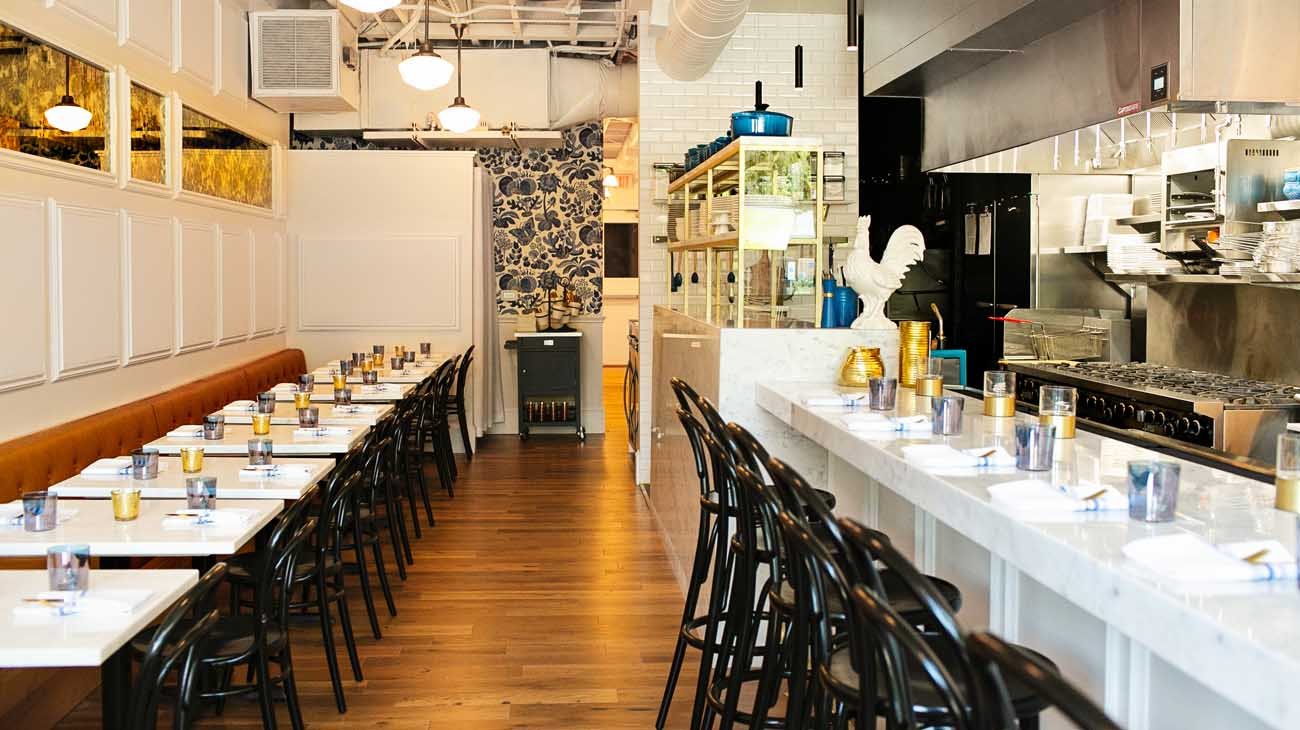
Bars in Wake Forest
Browse all →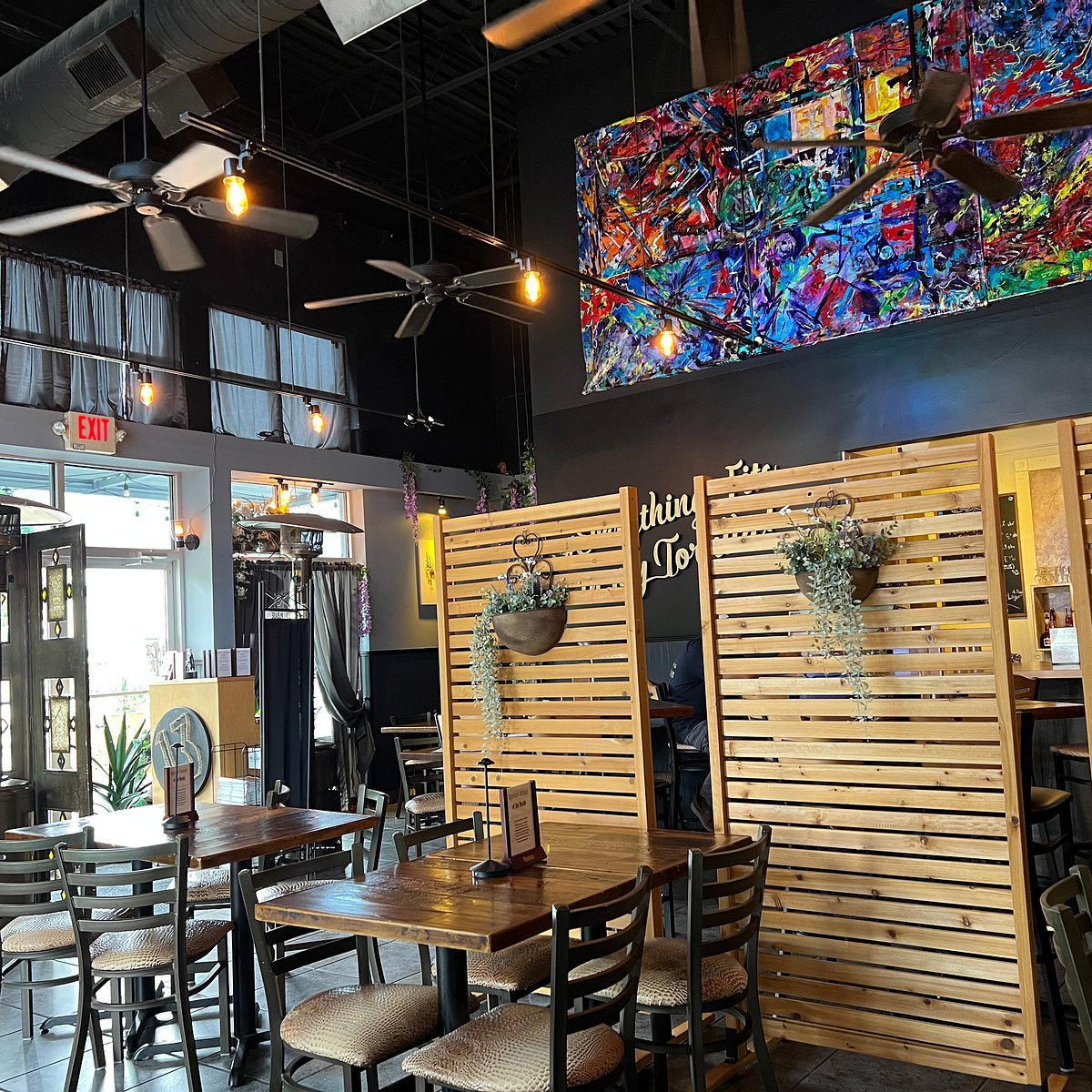
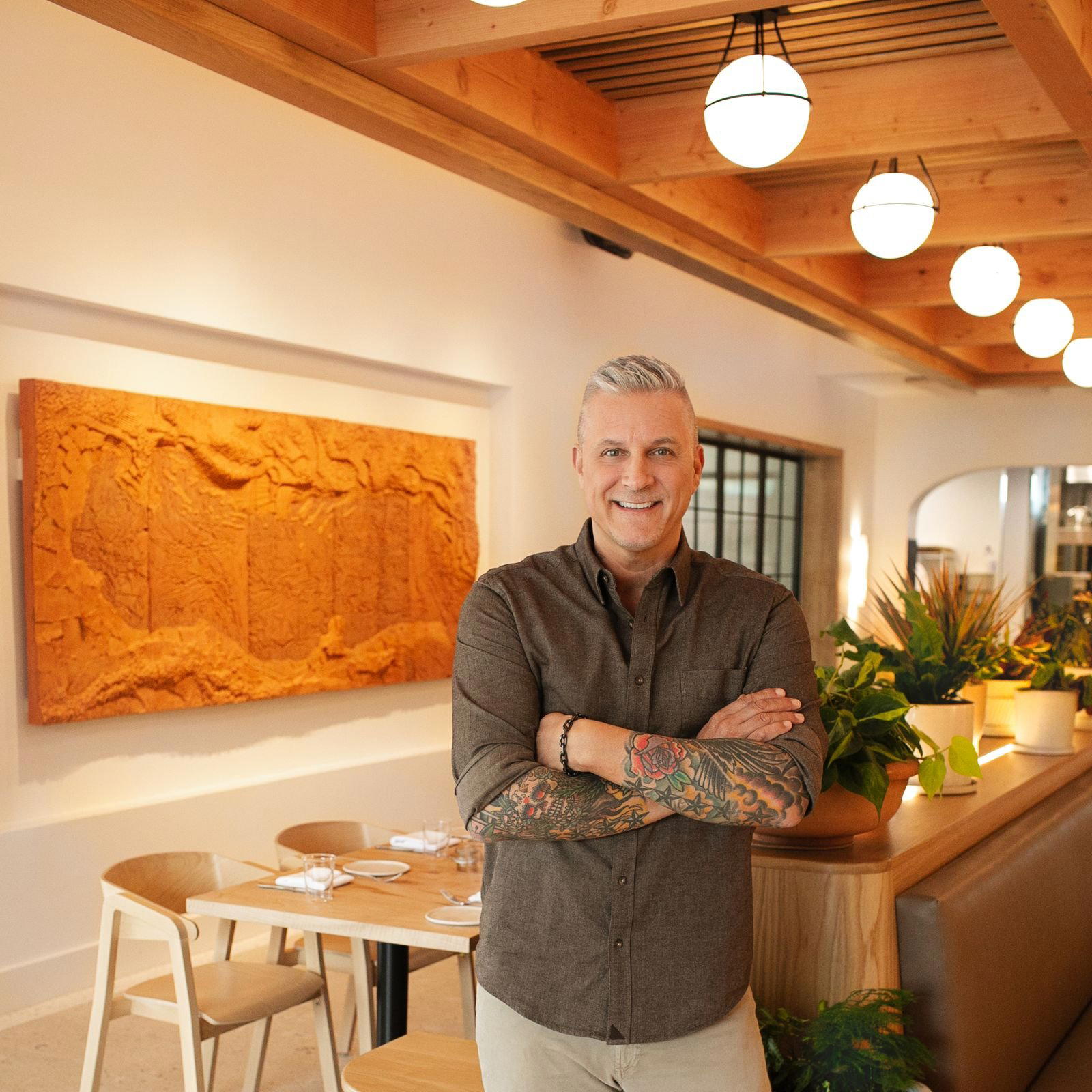
Details
- Cozy
- Elegant
- Intimate
- Sophisticated
- Date Night
- Group Dining
- Special Occasion
- Wine Cellar
- Extensive Wine List
- Craft Cocktails
- Local Sourcing
- Small Plates
- A La Carte
- Wine
- Rum
Current opening hours
- Monday
- Closed
- Tuesday
- Closed
- Wednesday
- 4:30–8:30 PM
- Thursday
- 4:30–8:30 PM
- Friday
- 4:30–9 PM
- Saturday
- 4:30–9 PM
- Sunday
- 4–8 PM
Hours can change for holidays and private events. Last verified .
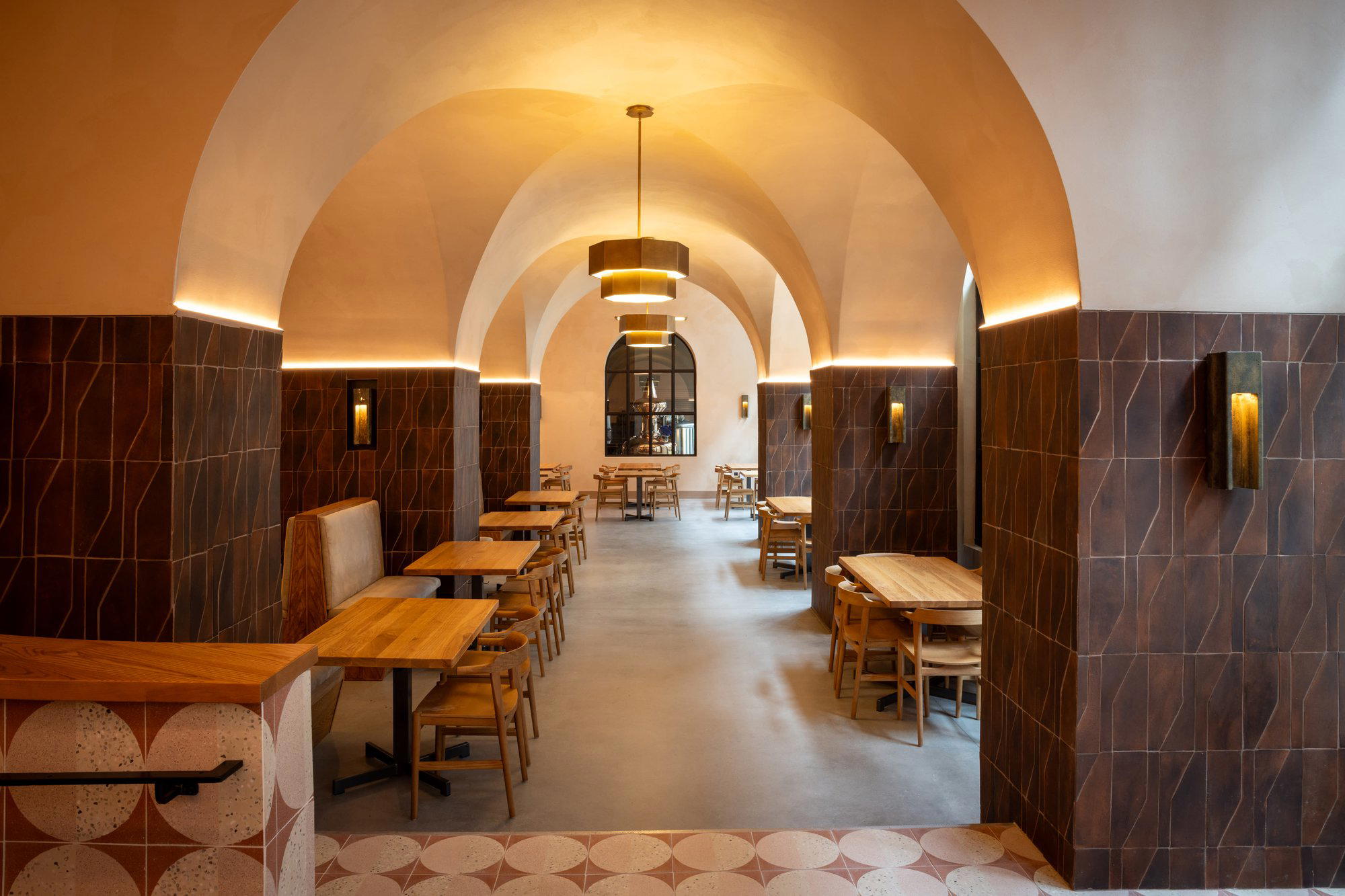
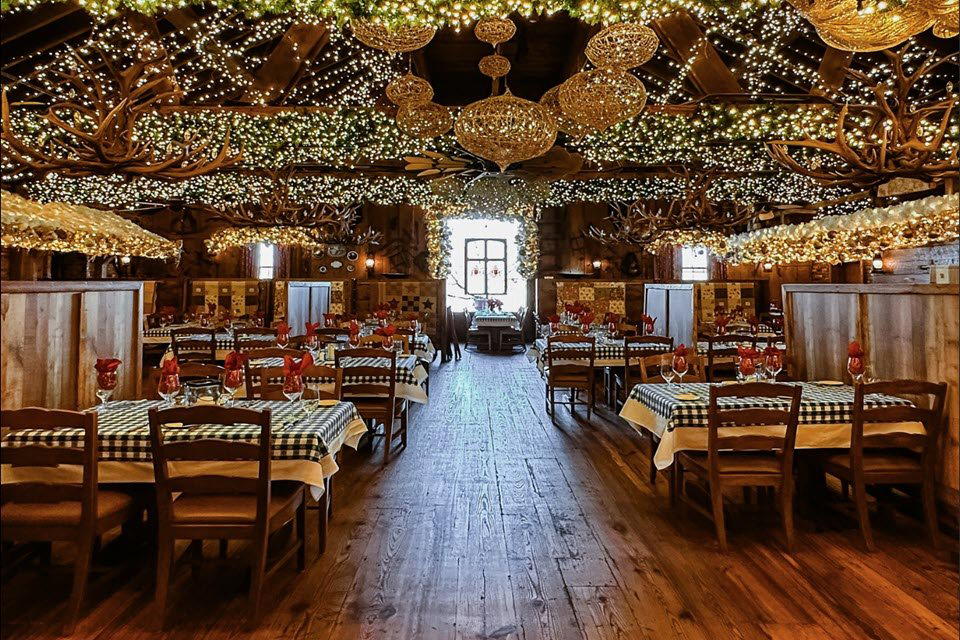
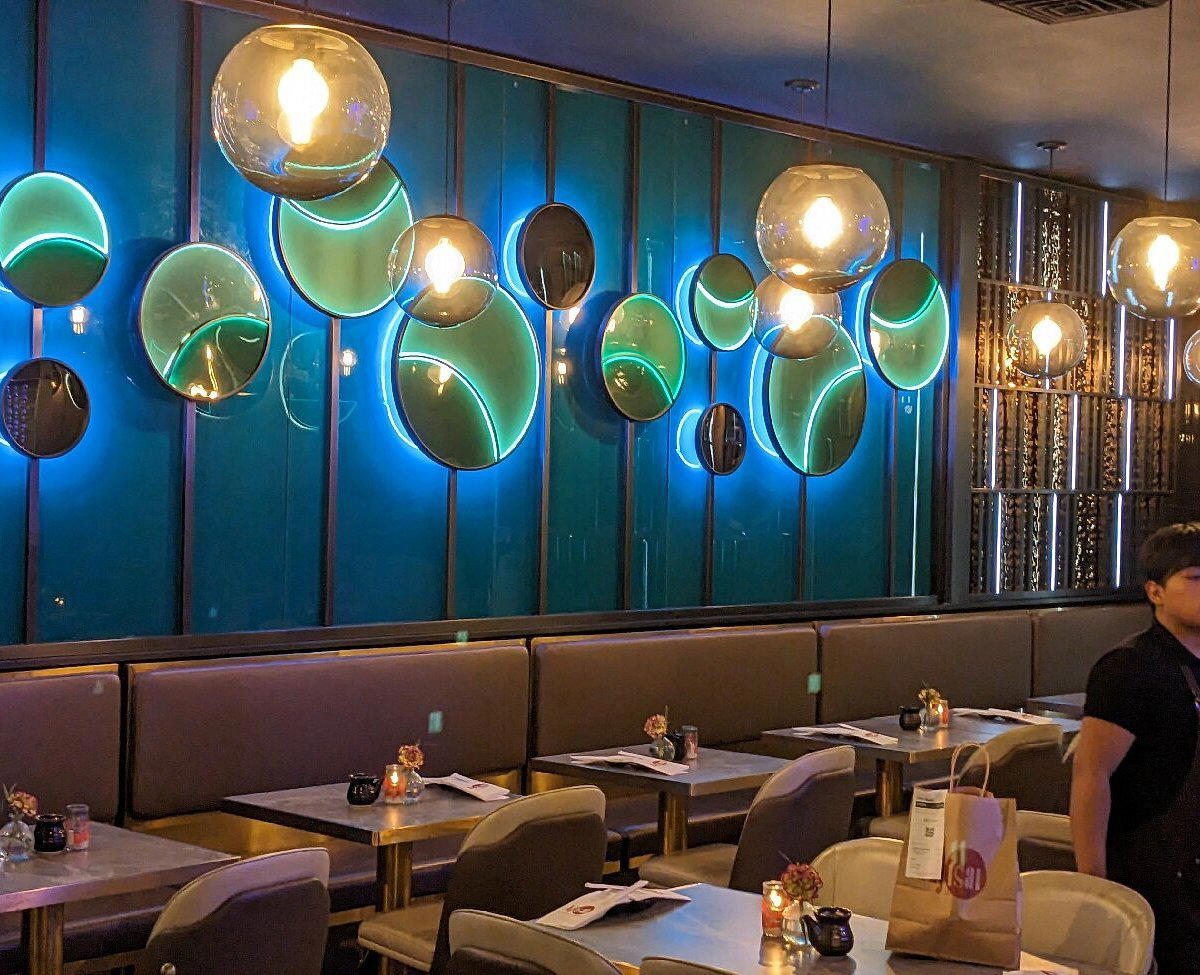
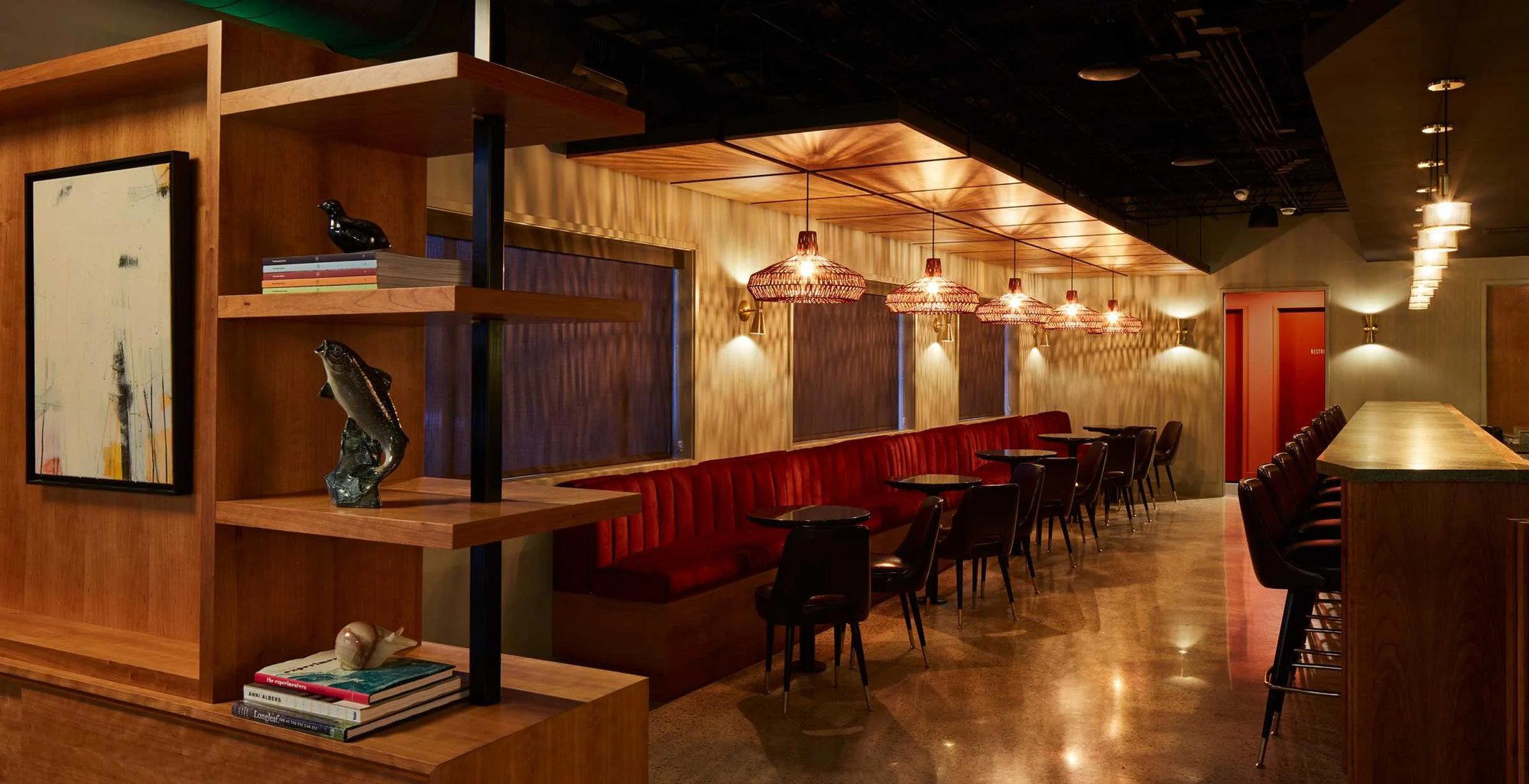
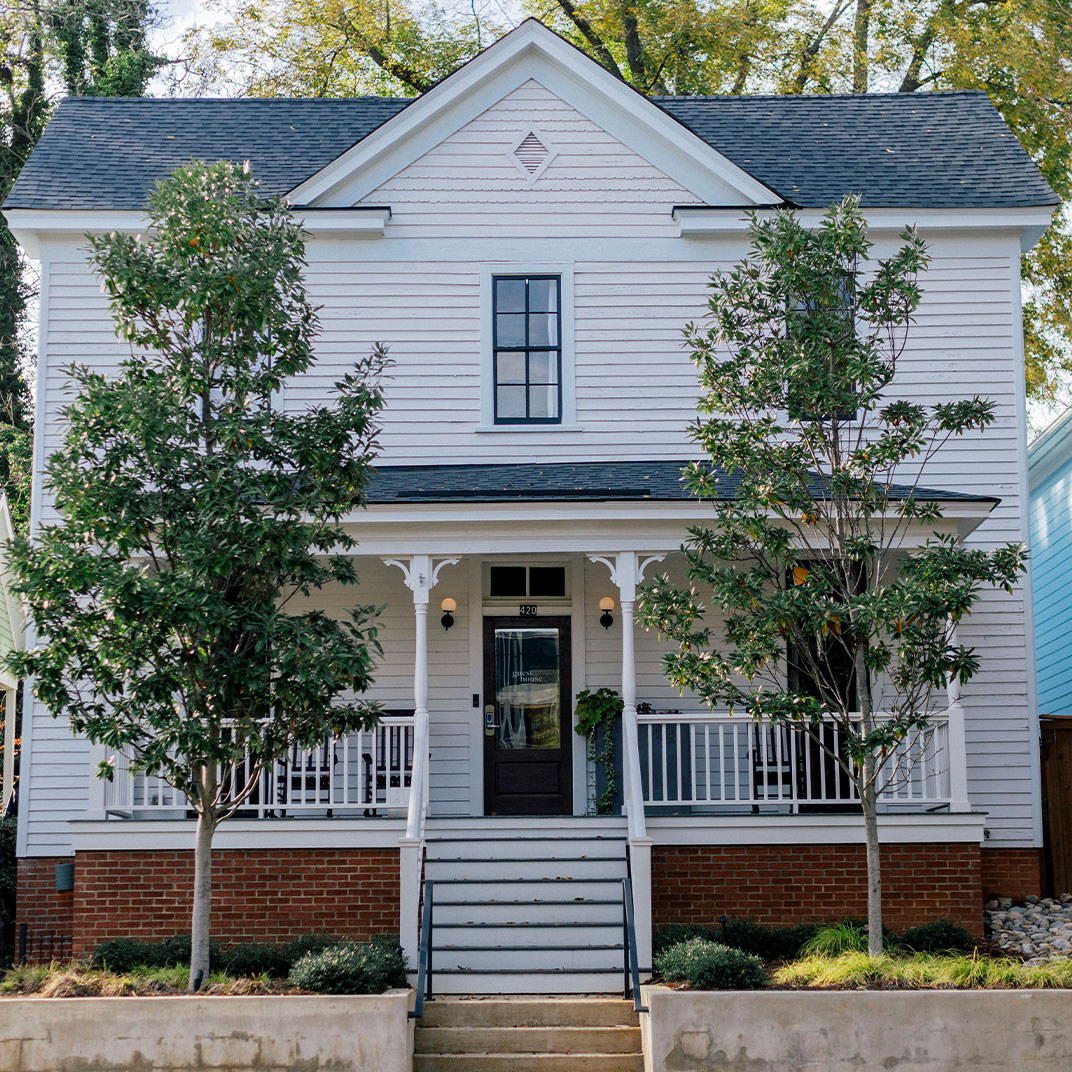
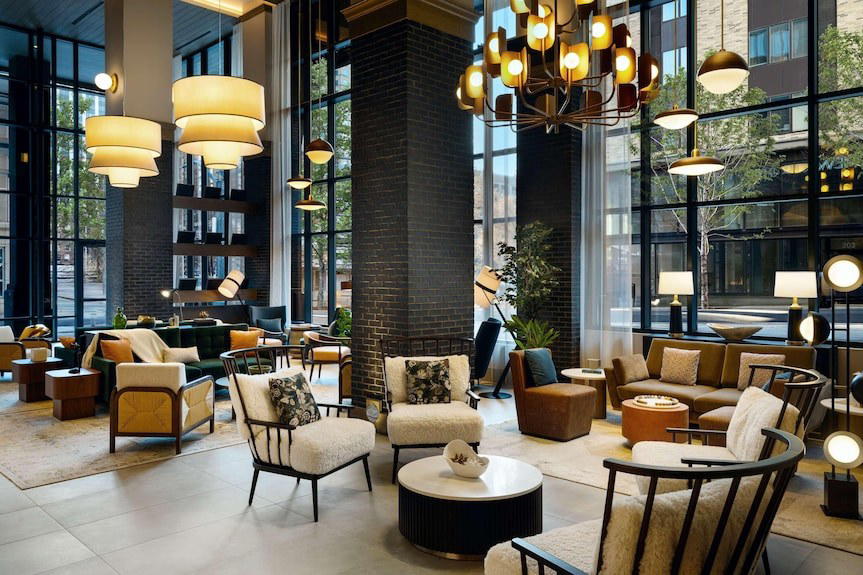
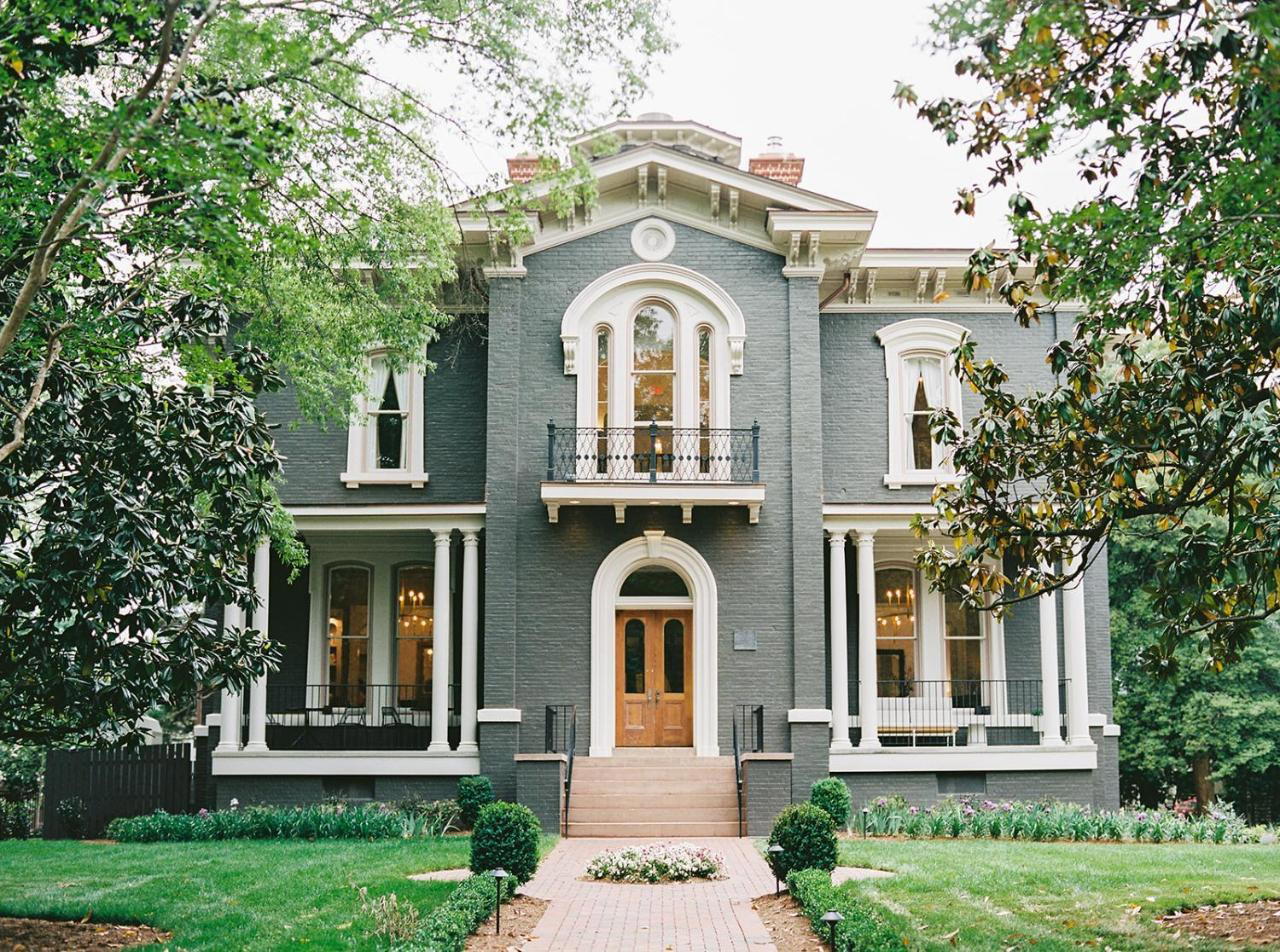
Sophisticated wine cellar feel with warm lighting, aromas of fresh cuisine, and a welcoming, intimate dining space.