
Ama Rule places Spanish cooking inside Osaka’s compact, detail-driven dining culture, with counter seating, a 22-seat room, wine focus, and recognition in Tabelog’s Spanish Cuisine 100 for 2024 and 2026. Its appeal is less about spectacle than scale: a small Dojima setting where course dining, à la carte flexibility, and a restrained footprint make the restaurant part of Osaka’s quieter European canon.
Pearl is the En Primeur Club membership app — saves, bookings, and concierge access live there. Same editors, same standards.
- Address
- Fujita Toyobo Building, 1階, 2 Chome-1-16 Dojima, Kita Ward, Osaka, 530-0003, Japan
- Phone
- +81 6-6451-8383
- Website
- elponiente.jp
 Saves & bookings on Pearl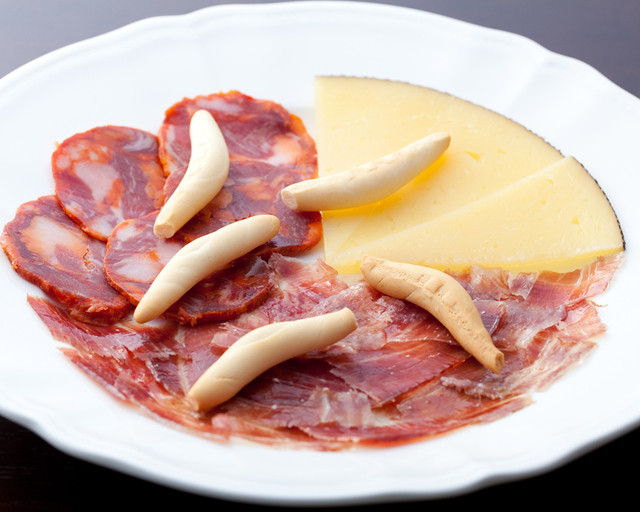
Dojima’s restaurant rhythm is quieter than Osaka’s neon shorthand. Around Kita Ward’s office blocks and river-adjacent streets, dining rewards precision over display: compact rooms, counter seats, regulars who book with intent, and kitchens that say much without theatrics. Ama Rule fits that register. The room is small, the format supports both course and à la carte dining, and Spanish cooking is treated as a serious Osaka proposition, not a novelty import.
That matters because Spanish cooking in Japan often splits in two. One side favors casual tapas, wine-bar grazing, and shared plates. The other asks for the attention Japanese diners bring to sushi, tempura, kaiseki, and French counter dining: pacing, ingredient discipline, temperature control, and the exact relationship between wine and food. Recognition in Tabelog’s Spanish Cuisine 100 in both 2024 and 2026 places Ama Rule in the latter conversation, measured not only against Spanish peers but against Osaka’s wider culture of small-room, high-intent eating.
Spanish technique, Osaka scale, and the case for restraint
Spanish cuisine has a useful vocabulary for Osaka. It can be generous without heaviness, structured without stiffness, and especially strong when seafood, rice, vegetables, offcuts, stocks, and preserved ingredients are handled carefully. The sustainability angle is not a slogan; it sits inside stock-making, preservation, careful portioning, and a menu that moves between course structure and à la carte ordering. In Japan, where seasonality and waste reduction already belong to ordinary kitchen practice, Spanish cooking feels natural when it avoids overproduction and keeps the room small.
The 22-seat footprint is part of the point. Small rooms do not automatically mean better cooking, but they change the economics of attention: fewer covers, tighter pacing, less tolerance for dead space on the plate. Counter seating sharpens that relationship, bringing the meal closer to Osaka craft traditions than to the large-format European restaurant model. The result is Spanish dining that belongs to the city’s compact grammar rather than standing outside it as an imported theme.
Wine is more than support here. Spanish food can turn clumsy if drinks are an afterthought, especially with paprika, olive oil, vinegar, shellfish, cured elements, and rice-based preparations. A wine-forward program gives the kitchen range: acidity for fried or oil-rich dishes, texture for braises, and enough variation to keep a course meal from feeling monochrome. Cocktails are available, but the wine emphasis is the clearer signal of intent.
Dojima's European dining lane is quieter than Umeda's spectacle
Osaka’s European dining is often read through French and Italian rooms, with Spanish cooking in a narrower lane. That makes the category revealing. A Spanish restaurant must win diners who already have strong local options: tempura counters such as Tempura Fukana, polished hotel-adjacent Chinese dining like JIANG NAN CHUN, French-leaning rooms such as Jardin and Farine, and luxury sushi crossovers including Sushi L’Abysse Osaka Yannick Alléno. Against that field, Spanish cooking needs a different pleasure: less ceremony than fine French, more wine-table energy than sushi, and more composure than casual tapas.
Ama Rule’s Tabelog score of 3.56 and repeat Spanish Cuisine 100 selection give it public standing in that narrower category, but the sharper reading is comparative. Osaka has many places built around immediacy, from takoyaki counters to department-store sweets and late-night izakaya culture. Dojima’s European style asks for a slower decision: a planned meal, a smaller room, and cooking that repays attention to pacing. That is where this address makes sense.
The restaurant opened in 2012, giving it a longer arc than many trend-led European rooms in Japan. Longevity in this category suggests an audience beyond first-time curiosity: repeat local use, a stable format, and a reason to return outside award cycles. The listed occasions, from dates to meals with friends and family, point to broader usefulness: polished enough for intent, not so formal that the room narrows socially.
How to read the meal before choosing the occasion
The question is not whether Osaka has flashier dining rooms; it does. It is whether the evening calls for Spanish structure at Japanese scale. The restaurant suits diners wanting a composed European meal without the longer ritual of haute French service, and those preferring wine-led pacing to cocktail-bar energy. The no-smoking policy, children-welcome note, and absence of a strict dress code place it in a useful middle register: adult in tone, but not brittle.
Private dining has its own signal. Private rooms are not part of the setup, yet private use is listed for groups, suggesting the room can shift into a more social format. That suits Spanish cuisine, which is strongest when the table has exchange, even within disciplined restaurant structure. For sustainability-minded diners, the convincing point is not certified-sourcing language; it is small capacity, controlled service, and a cuisine built around preservation, stocks, and whole-ingredient thinking.
For a broader Osaka itinerary, place this restaurant beside the city’s small-format specialists rather than its spectacle dining. EP Club’s Osaka coverage maps that range across the full Osaka restaurants guide, with casual and specialist entries including .cafe, 52CHO-ME BAKERY, 551 Horai (551蓬莱), 99 Pizza Napoletana Gourmet, and a canto (Italian). Planning can also extend to Osaka hotels, Osaka bars, Osaka wineries, and Osaka experiences.
Readers building a wider Japan or transpacific food map can compare the same editorial questions across formats: beef-focused dining at -Grilled beef Sukiyaki- KAMAKURA TANUKIAN 鎌倉 たぬき庵 in Kamakura, charcoal and tuna at. 鮪と炭火焼き うお炭 秋葉原店 in Tokyo, regional dining at.know in Kumamoto, Vietnamese cooking at (Shoku) Vietnam in Kawasaki, curry specialization at [Curry Senmon Ten] Maruyama Kyoju. in Sapporo, Kyoto dining at [ki:] in Kyoto, sake-bar culture at Jōdo Saké Bar in Los Angeles, and rice-led casual precision at Onigiri Time in Pasadena.
Same-City Peers
Comparable venues by cuisine and category.
| Venue | Cuisine | Price | Notes |
|---|---|---|---|
| Ama RuleThis venue — the venue you are viewing | Traditional Basque & Spanish | $$$ | Not listed |
| TXAGORVA | Wood-Fired Modern Spanish (Asador) | $$$ | Kita |
| wapiti | Modern standing bar with smoked dishes and Spanish-style small plates | $$ | Chūō |
| Donostia Comeru. | Spanish Bar | $$ | Kita |
| Kitashinchi Tentomi | Seasonal Tempura Omakase | $$$ | Kita |
| CarneSio west | Modern Italian-influenced Steakhouse | $$$ | Kita |
Recognition history
Dated appearances from independent guides and award organizations, with the underlying list record or original source where available.
Tabelog 100 #43 · No. 43
Tabelog · Tabelog 100 - Spanish cuisine - 2026
Continue exploring
More in Osaka
Restaurants in Osaka
Browse all →




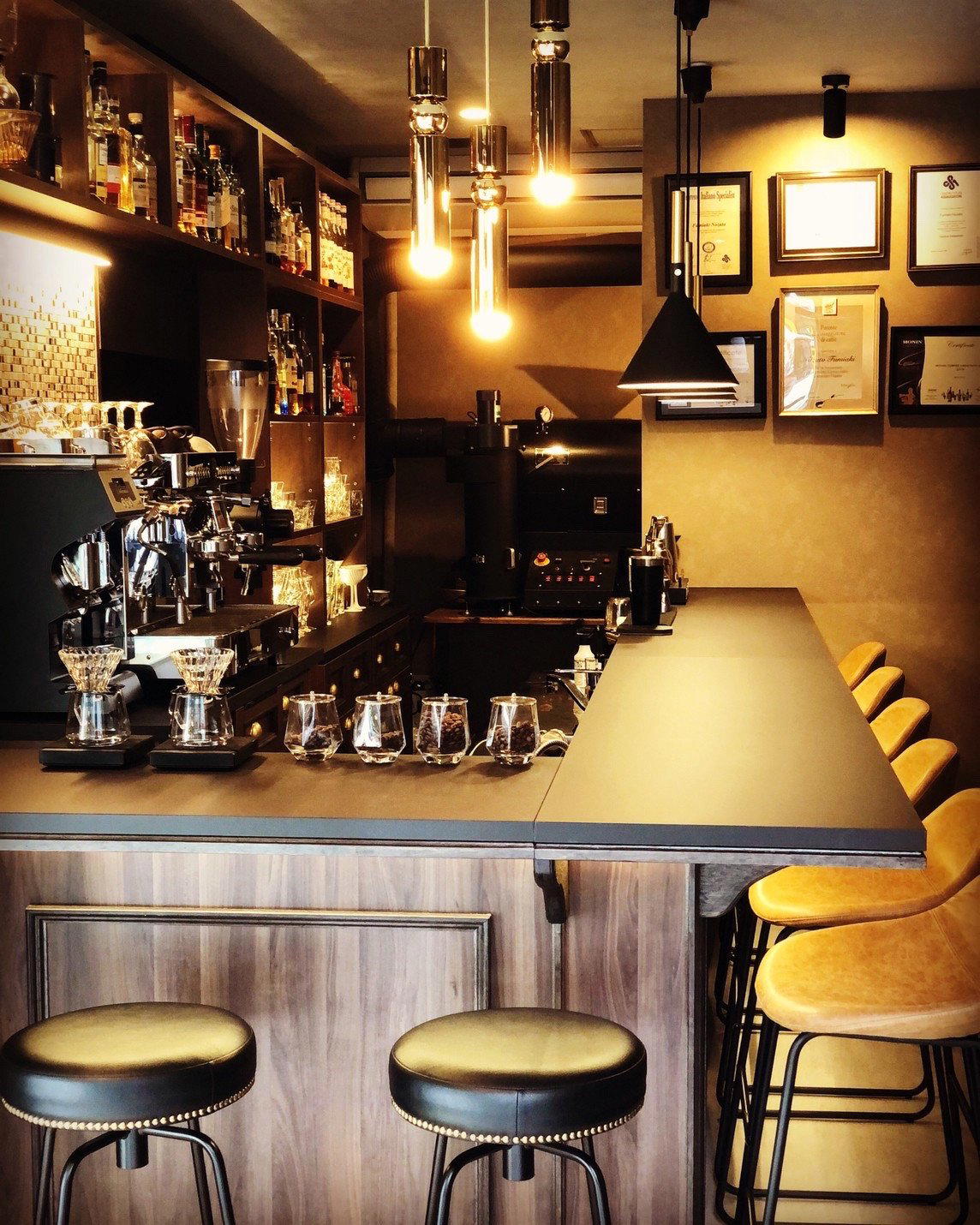
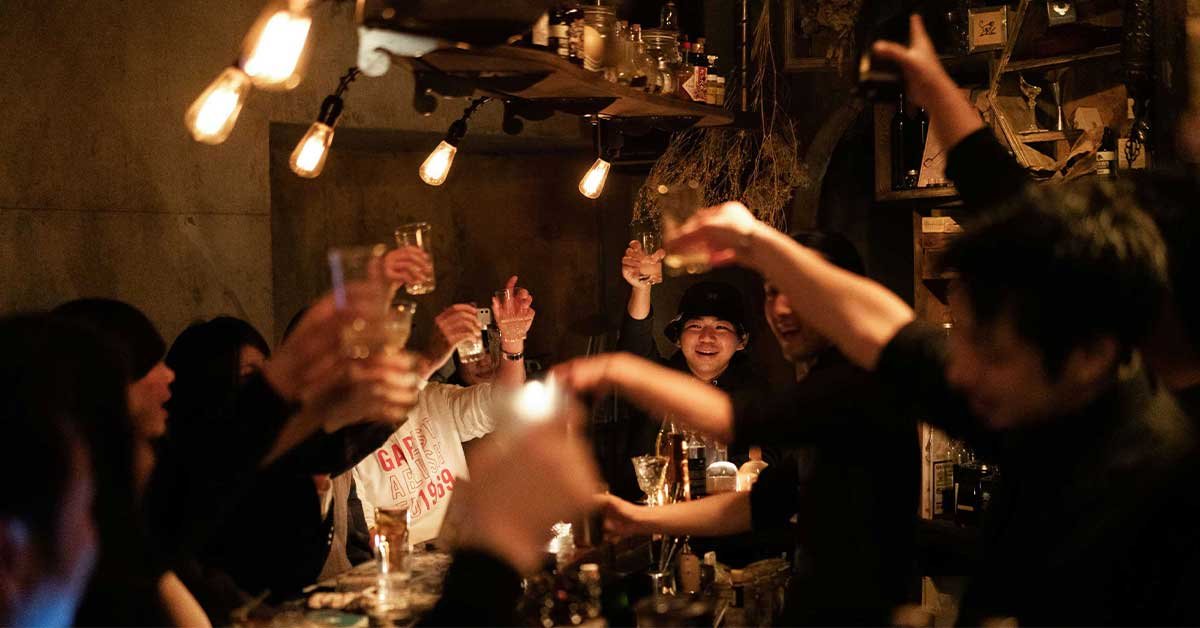
Bars in Osaka
Browse all →


Hotels in Osaka
Browse all →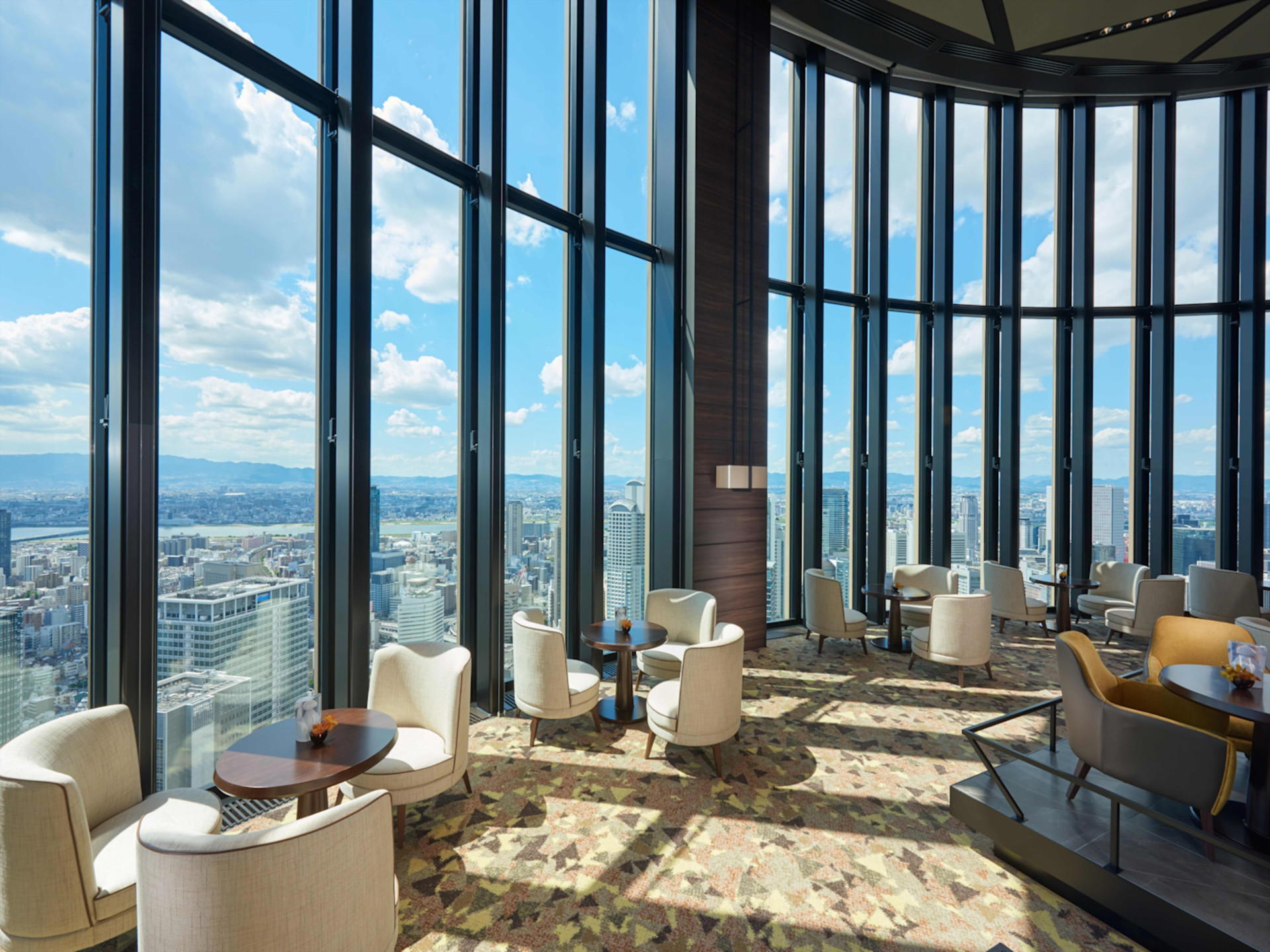




Wineries in Osaka
Browse all →
At a Glance
- Cozy
- Classic
- Intimate
- Elegant
- Date Night
- Business Dinner
- Group Dining
- Special Occasion
- After Work
- Standalone
- Extensive Wine List
Current opening hours
- Monday
- Closed
- Tuesday
- 11:30 AM–2 PM, 5:30–10 PM
- Wednesday
- 11:30 AM–2 PM, 5:30–10 PM
- Thursday
- 11:30 AM–2 PM, 5:30–10 PM
- Friday
- 11:30 AM–2 PM, 5:30–10 PM
- Saturday
- 11:30 AM–2 PM, 5:30–10 PM
- Sunday
- 11:30 AM–2 PM, 5:30–10 PM
Hours can change for holidays and private events. Last verified .
Warm, classic bistro-style atmosphere with intimate indoor seating; feels like a small, refined Spanish/Basque dining room suited to relaxed conversations rather than loud crowds.