AlTayeb Restaurant
AlTayeb Restaurant on West Warren Avenue sits inside Dearborn's dense Arabic-speaking corridor, one of the largest Arab American communities in the United States. The kitchen draws from a culinary tradition that prizes slow-cooked proteins, house-made bread, and mezze spread across the table as shared ritual rather than sequential courses. For anyone tracing the city's Middle Eastern dining scene, this address is a practical entry point.
Pearl is the En Primeur Club membership app — saves, bookings, and concierge access live there. Same editors, same standards.
- Address
- 15010 W Warren Ave Suite 111, Dearborn, MI 48126
- Phone
- +13139089527
- Website
- m.facebook.com
- Directions
- Get directions
 Saves & bookings on Pearl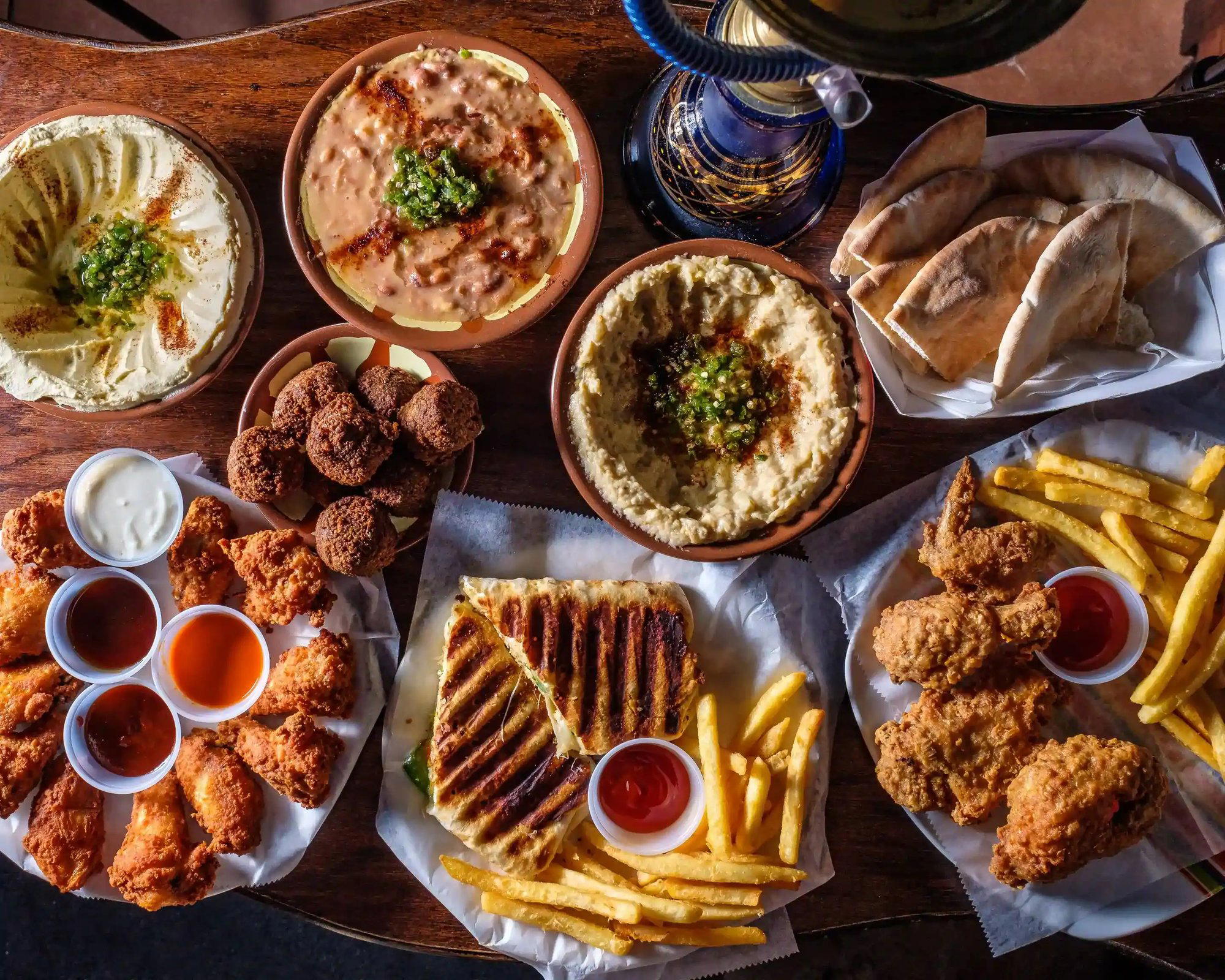
West Warren Avenue and the Dearborn Arabic Table
West Warren Avenue does not announce itself as a dining destination in the way that a city's official restaurant quarter might. There are no valet stands, no neon marquees promising fusion menus. What there is, running for several miles through Dearborn's southwest side, is one of the most concentrated Arabic-speaking commercial corridors in the United States, backed by a community whose roots in this city stretch back more than a century. The restaurants along this strip, including AlTayeb at 15010 W Warren Ave, operate inside that context. They are neighborhood institutions first, and dining destinations second — a distinction that shapes everything from how food is served to how long a table is expected to stay.
Dearborn's Arab American population is estimated at well over 40,000 residents, and the city is home to the Arab American National Museum, the only institution of its kind accredited by the American Alliance of Museums. That demographic depth is not incidental to understanding the restaurant scene here. It means the food is cooked for a community that knows the reference points, not for tourists constructing an idea of what Middle Eastern cuisine should look like. Standards are held by regulars, not by guidebook expectations.
The Ritual of the Arabic Meal
The organizing logic of a traditional Arabic meal is one of the more misunderstood structures in global dining. It is not a sequence of courses moving from light to heavy in the European sense. It is, at its core, a table of shared abundance: mezze arrives collectively, bread is present from the start, and the rhythm of eating is set by conversation rather than by a kitchen's pacing decisions. Proteins — whether grilled, braised, or roasted on a vertical spit, arrive to complement what is already on the table, not to replace it.
This matters for a first-time visitor to a place like AlTayeb. Walking in expecting a starter-main-dessert progression will produce a different experience than arriving with the meal's actual logic in mind. The correct approach is to order more mezze than you think you need, share everything, and treat bread not as an accompaniment but as a utensil. The meal's pacing will follow from there.
Along West Warren, this format repeats across the strip's Arabic kitchens, each with regional inflections. Some lean into Lebanese preparations; others draw from Yemeni, Iraqi, or broader Levantine traditions. The concentration of options means that a single afternoon on the avenue can constitute a genuine survey of Arabic regional cooking, a rarity outside cities like Dearborn, Detroit's Hamtramck neighborhood, or parts of New Jersey and New York's outer boroughs.
Where AlTayeb Sits in the Dearborn Dining Order
Dearborn's dining scene spans a wider range than the Arabic corridor alone. Al Ameer, a few miles east on Michigan Avenue, represents the more established end of the city's Lebanese dining tradition, with a reputation that has traveled well beyond the local community. Buddy's Pizza and Ford's Garage serve the city's American comfort-food demand. AlTayeb occupies a different position: a neighborhood-facing address on West Warren, grounded in the daily rhythms of the Arabic-speaking community rather than positioned for the broader metropolitan dining circuit.
That positioning has an implication for the visitor. This is not a restaurant calibrated to outside expectations around presentation or service formality. It is calibrated to feed people well, at a price that makes regular return visits realistic, in a format that the surrounding community recognizes as correct. That kind of calibration tends to produce more honest cooking than formats shaped around external validation.
For context on how American dining at the other end of the formality spectrum operates, consider the contrast with tasting-menu formats at places like Le Bernardin in New York City, Lazy Bear in San Francisco, or The French Laundry in Napa. Those rooms are built around a single chef's controlled vision, delivered in a highly sequenced format. The Arabic communal table inverts that logic entirely: the diner assembles the meal, the kitchen supports that assembly, and no single dish is meant to be the point. It is a structurally different argument about what a restaurant is for. Other outstanding American destinations with their own distinct meal philosophies include Smyth in Chicago, Single Thread Farm in Healdsburg, Providence in Los Angeles, Blue Hill at Stone Barns in Tarrytown, Addison in San Diego, The Inn at Little Washington, Frasca Food & Wine in Boulder, The Wolf's Tailor in Denver, Atomix in New York City, Emeril's in New Orleans, and Atelier Moessmer Norbert Niederkofler in Brunico.
Planning a Visit
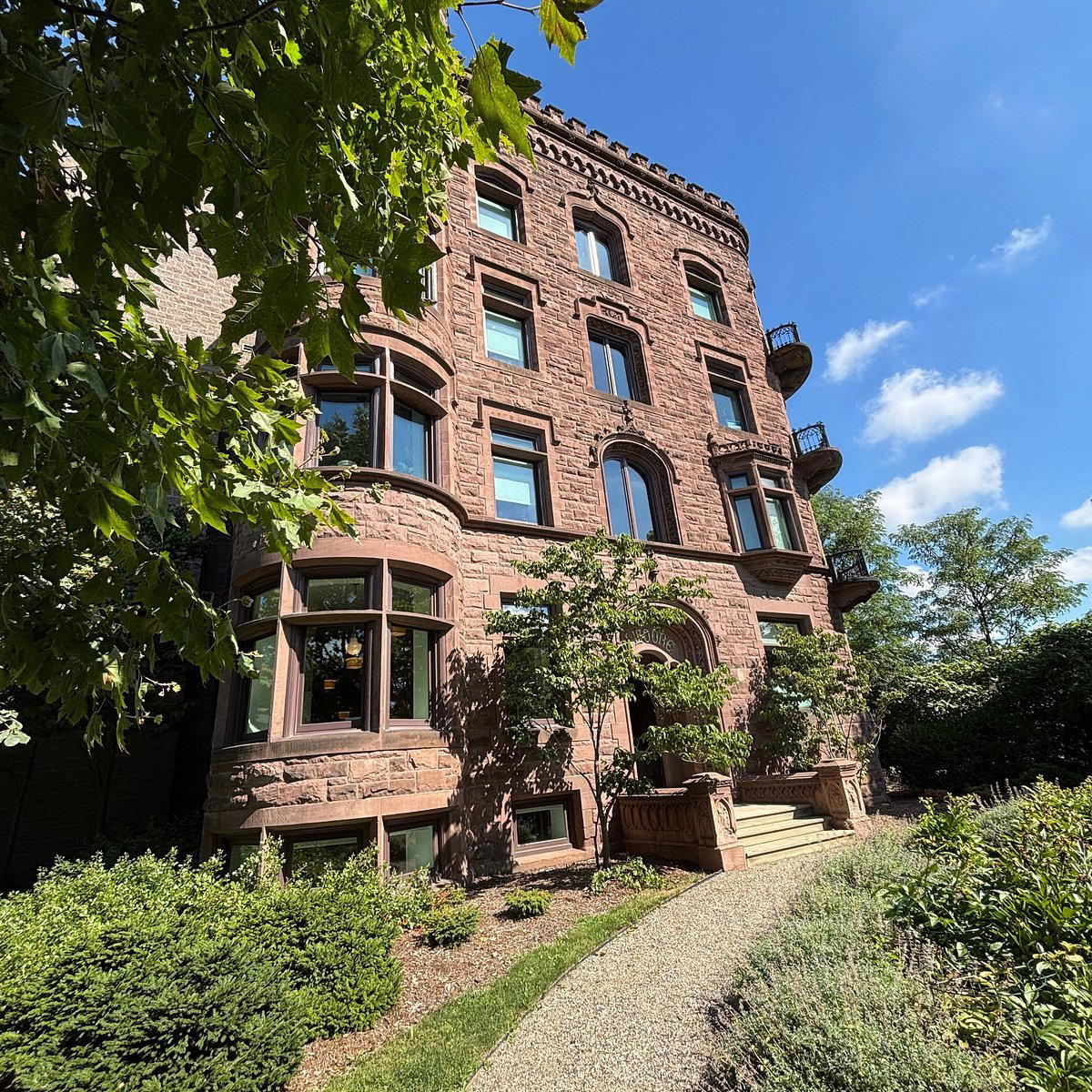
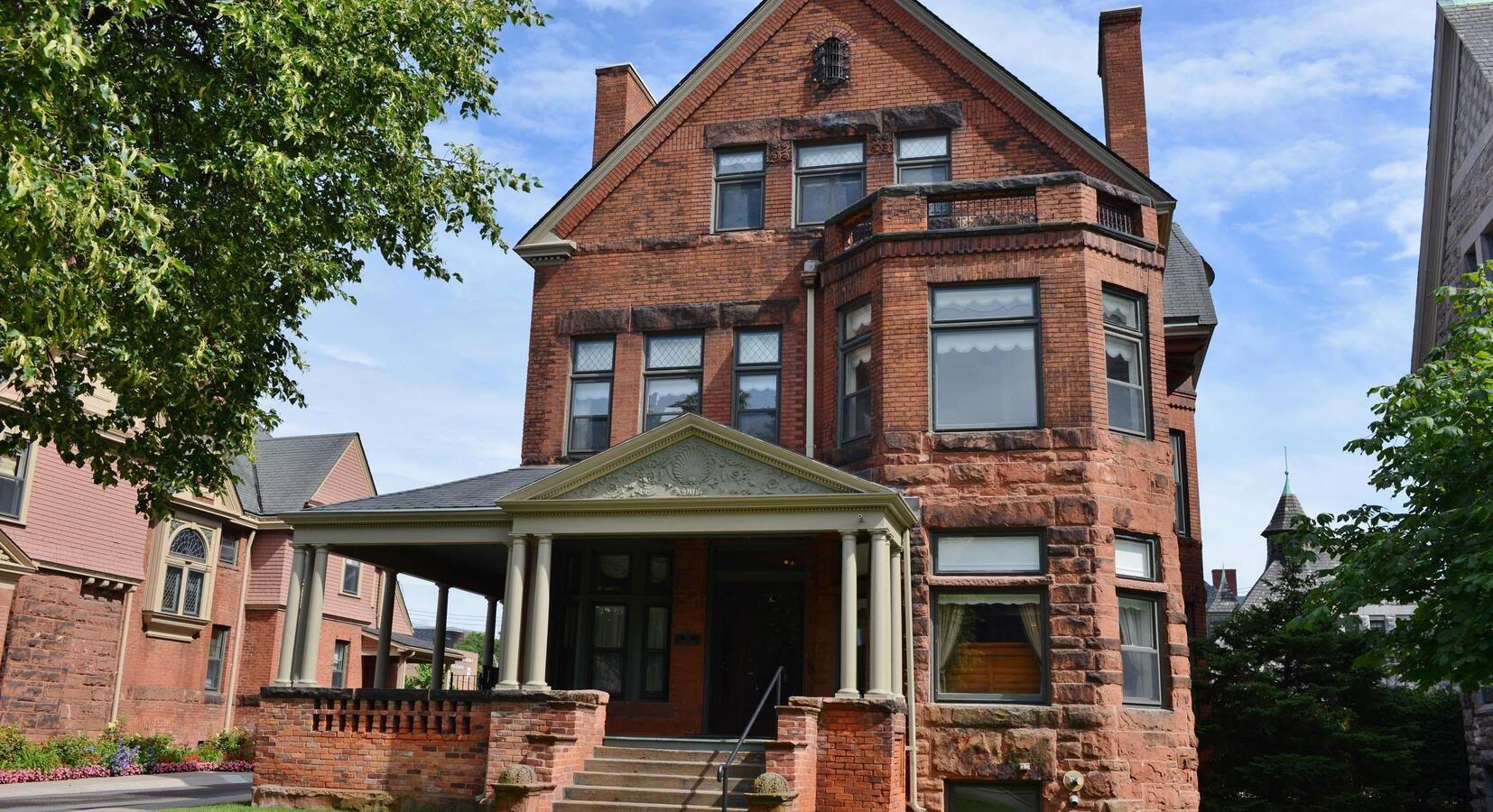
West Warren Avenue is most accessible by car; street parking along the commercial strip is generally available. The address, Suite 111 in a low-rise commercial building, is typical of the avenue's retail-unit format, where restaurants share space with grocery stores, bakeries, and import shops. Arriving as part of a broader West Warren exploration, picking up fresh pita from a nearby bakery, browsing the halal butchers, is the more useful frame than treating this as a standalone destination. The surrounding food ecology is part of the experience. For a broader view of where AlTayeb sits within Dearborn's dining circuit, the full Dearborn restaurants guide maps the city's options across cuisine type and neighborhood.
At a Glance
- Cozy
- Classic
- Casual Hangout
- Family
- Brunch
- Standalone
Current opening hours
- Monday
- 8 AM–4 PM
- Tuesday
- 8 AM–4 PM
- Wednesday
- 8 AM–4 PM
- Thursday
- 8 AM–4 PM
- Friday
- 8 AM–4 PM
- Saturday
- 8 AM–4 PM
- Sunday
- 8 AM–4 PM
Hours can change for holidays and private events. Last verified .
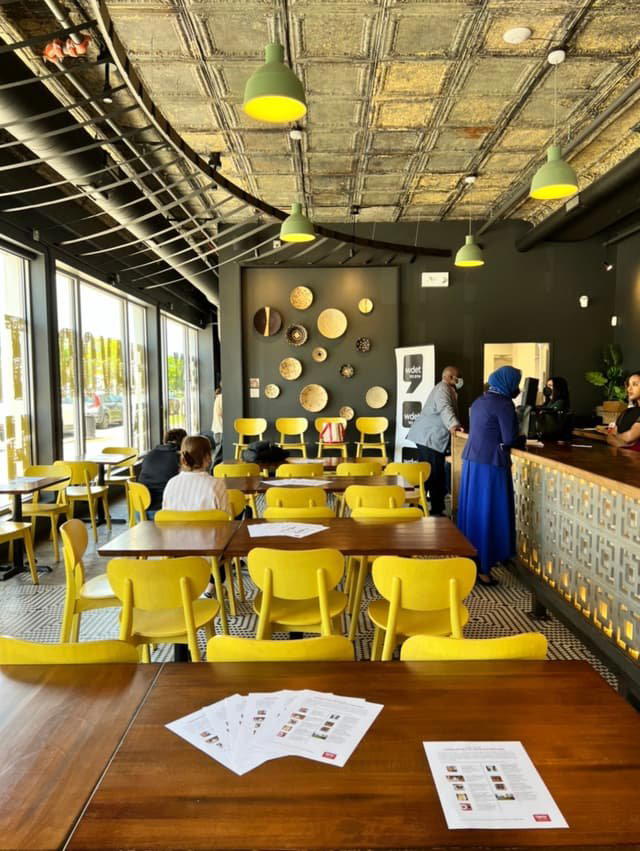
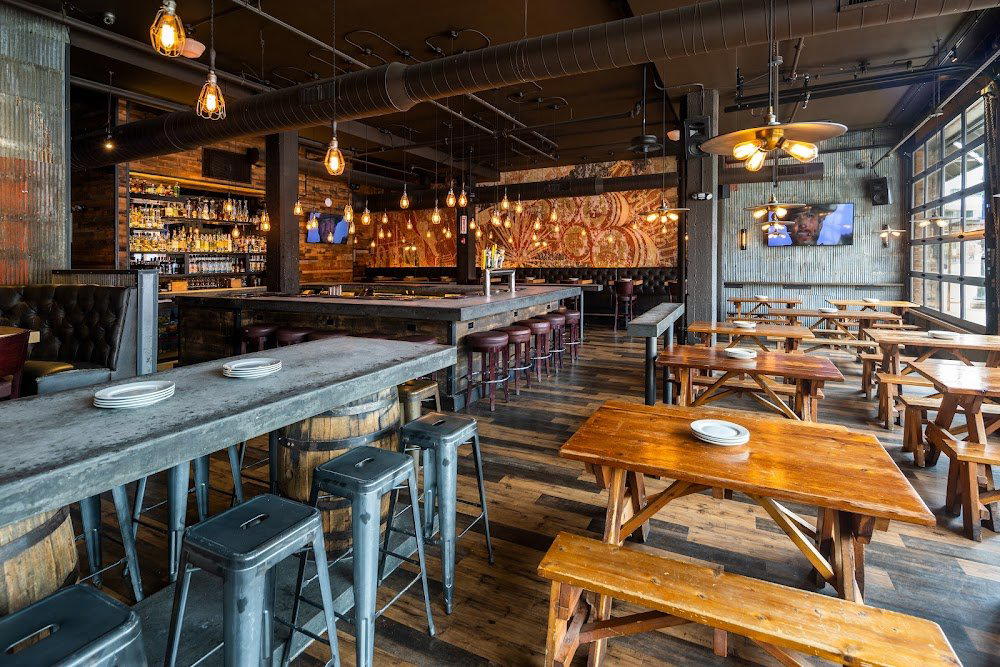
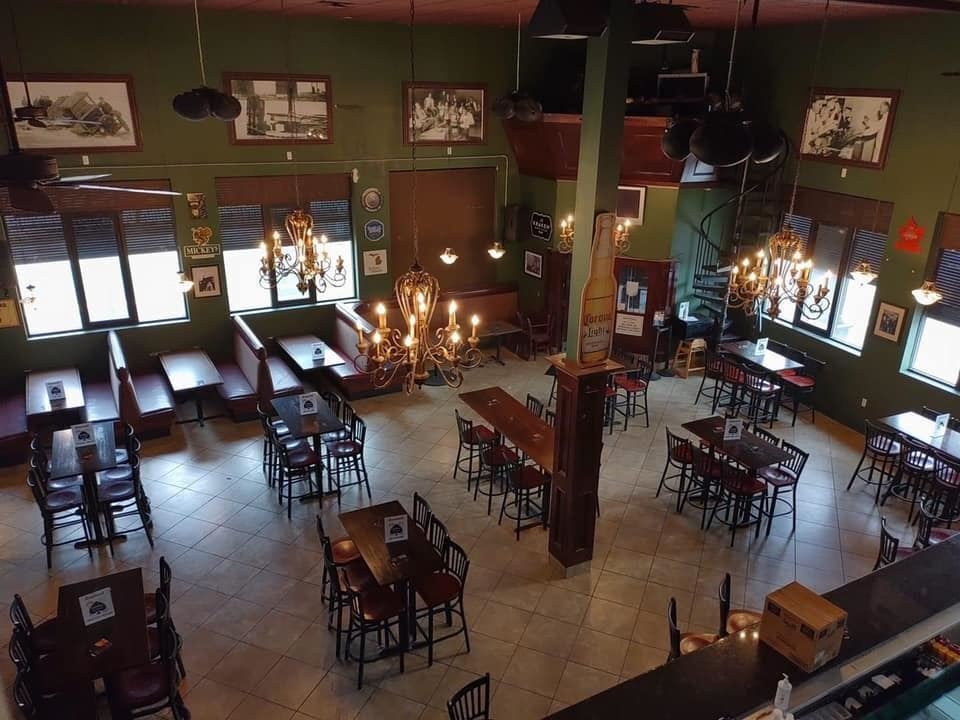
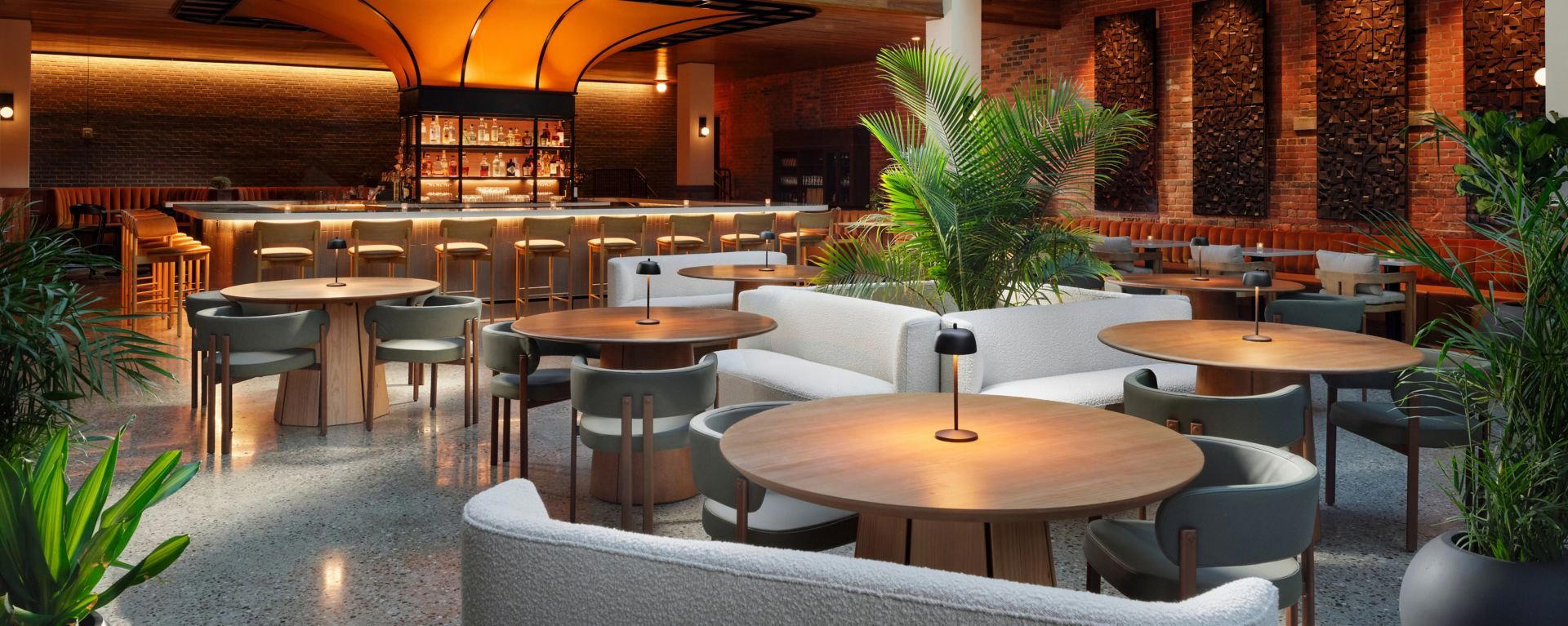
Casual and welcoming atmosphere focused on traditional Lebanese breakfast with simple, home-style service.
Know Before You Go
- Getting there
- 15010 W Warren Ave Suite 111, Dearborn, MI 48126