Al Ameer
"Metro Detroit's Middle Eastern Menus Al-Ameer restaurant has one of the leading reputations in the metro Detroit area for Middle Eastern cuisine. And that's saying something in a neighborhood that's home to America's largest Arab American community! Owners recommend visitors order the grilled chicken breast, served with a garlic-lemon hot sauce."
Pearl is the En Primeur Club membership app — saves, bookings, and concierge access live there. Same editors, same standards.
- Address
- 12710 W Warren Ave, Dearborn, MI 48126
- Phone
- +1 313 582 8185
- Website
- alameerrestaurant.com
- Directions
- Get directions
 Saves & bookings on Pearl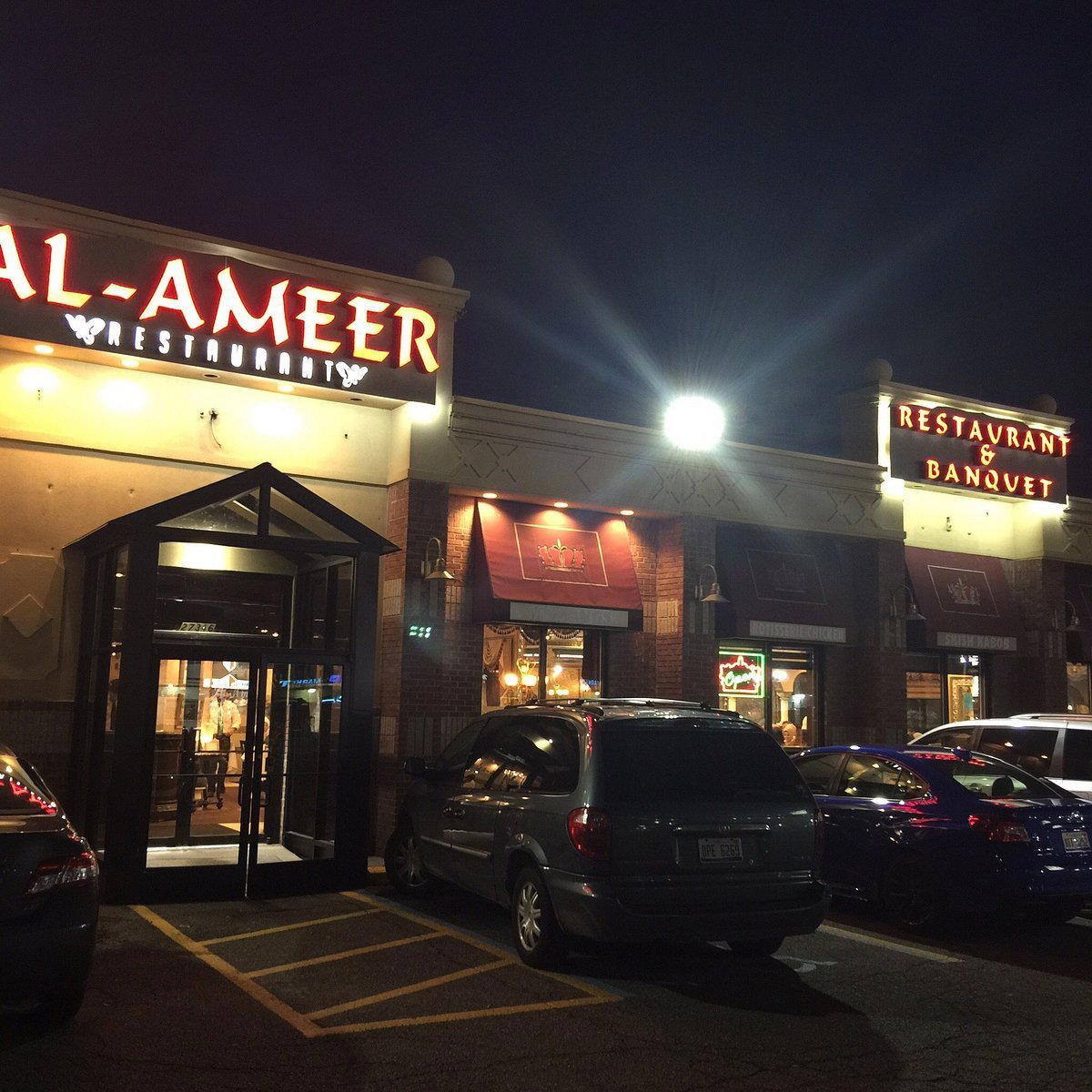
Where Dearborn's Arab-American Table Takes Its Clearest Form
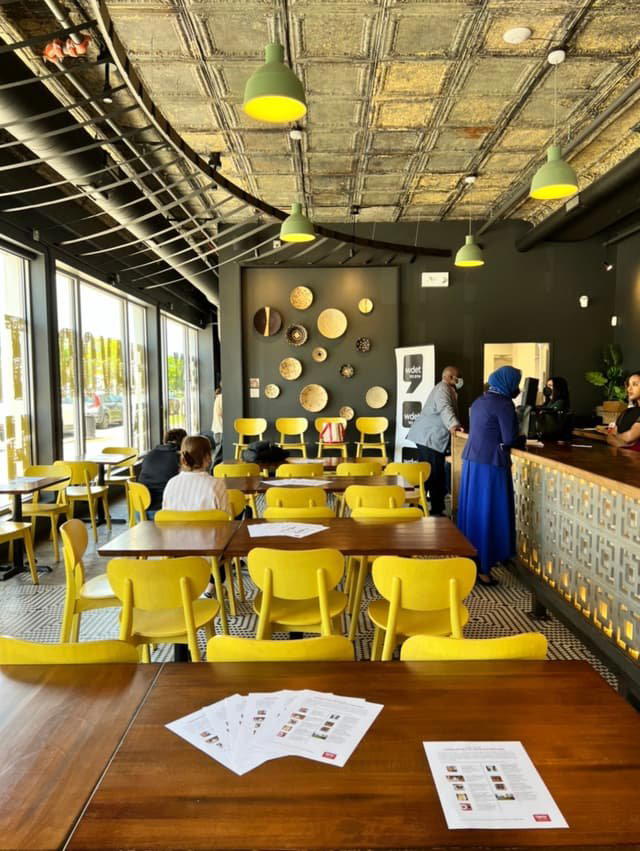
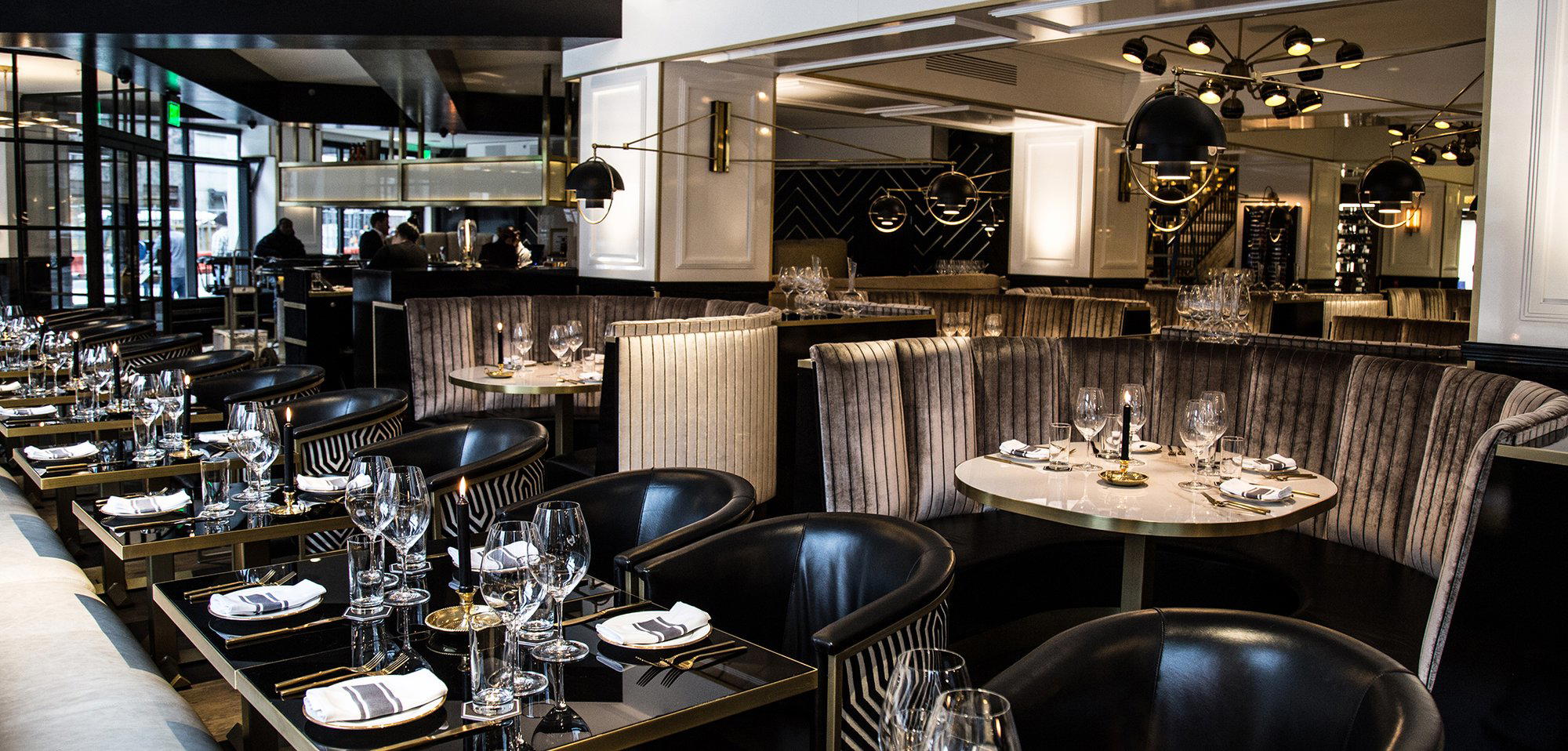
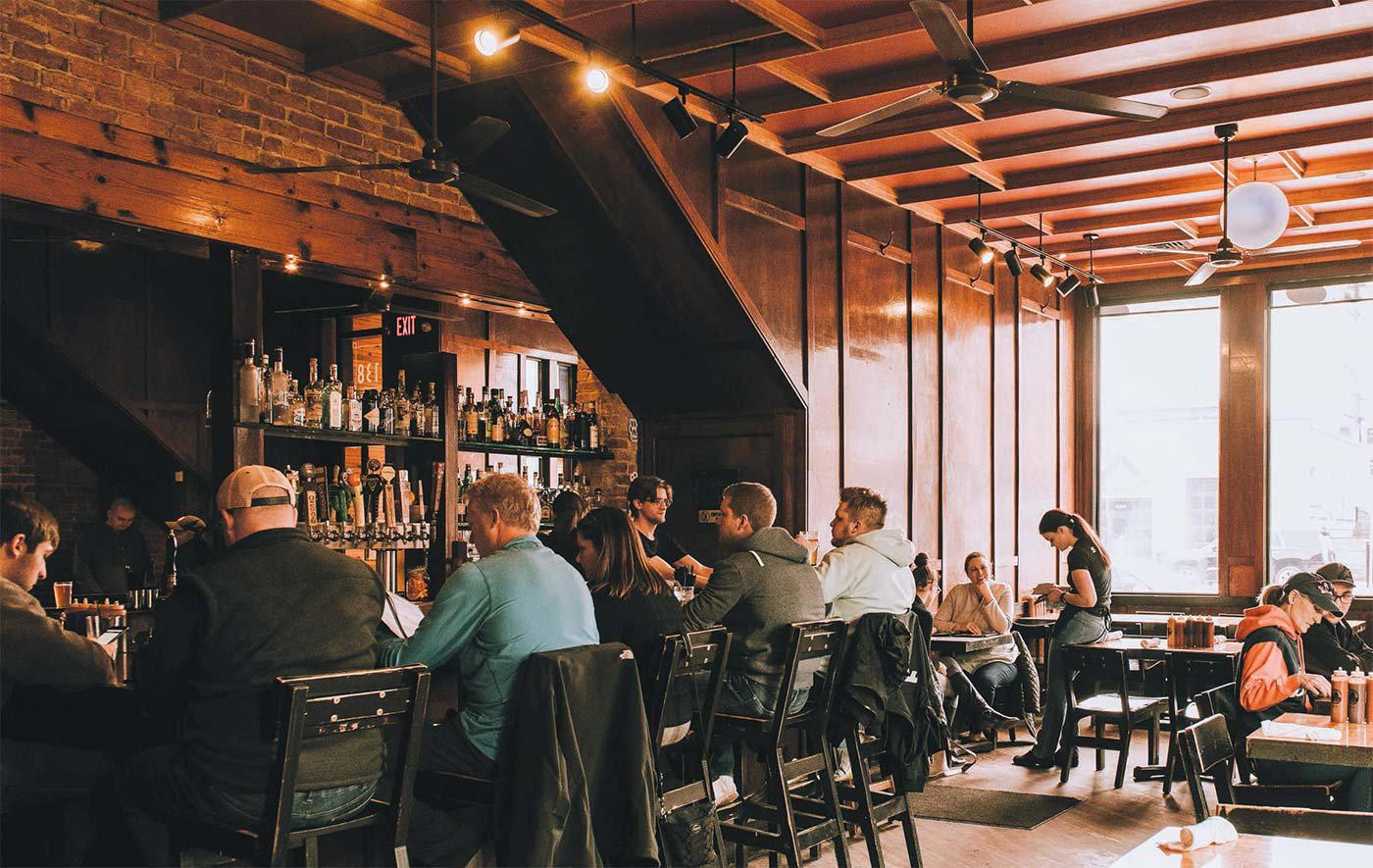
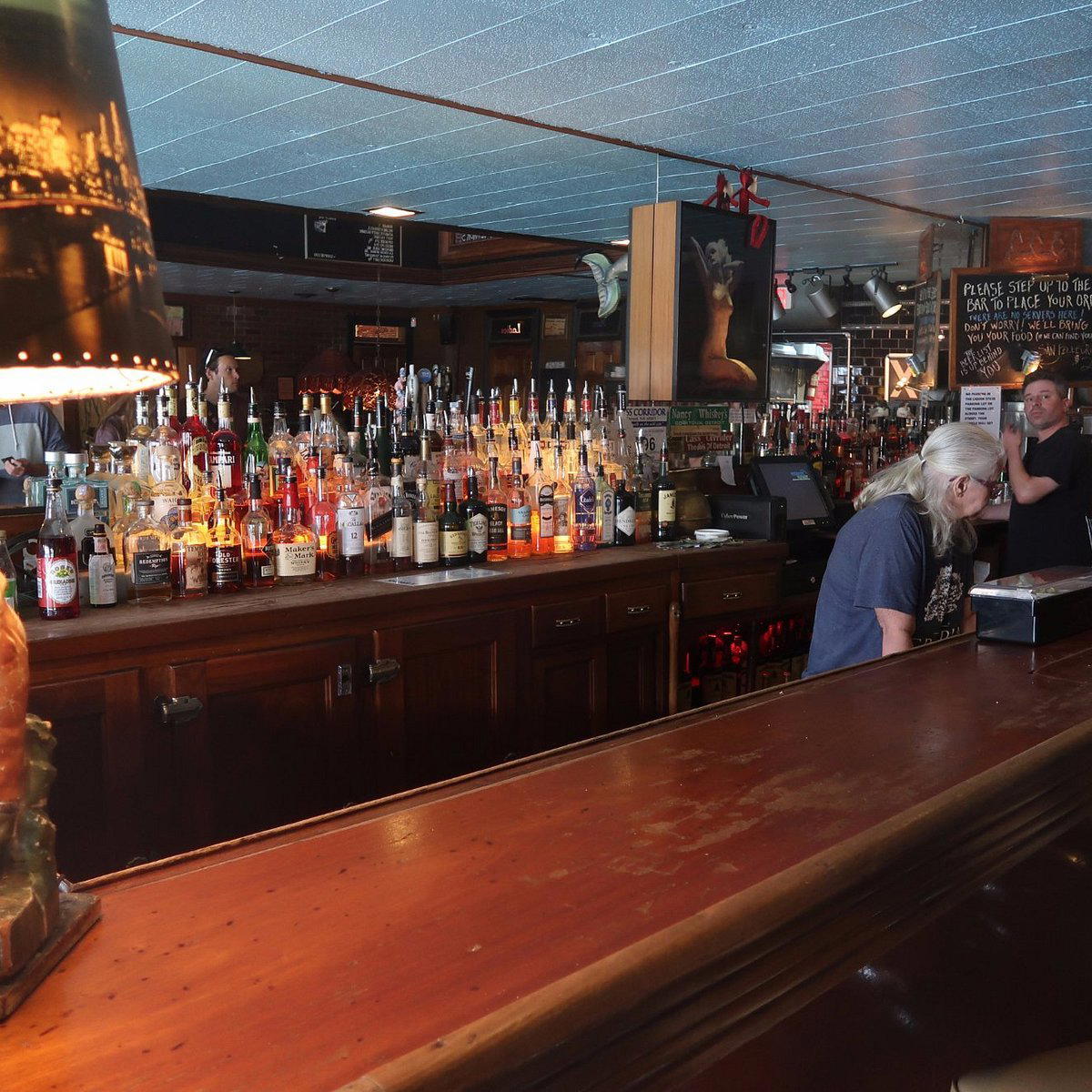
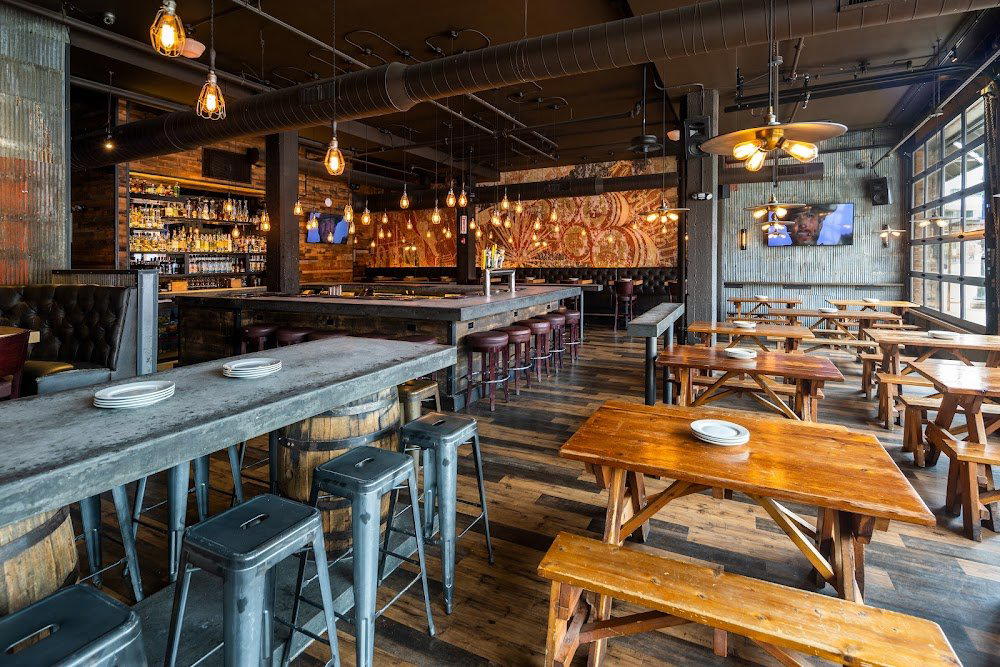
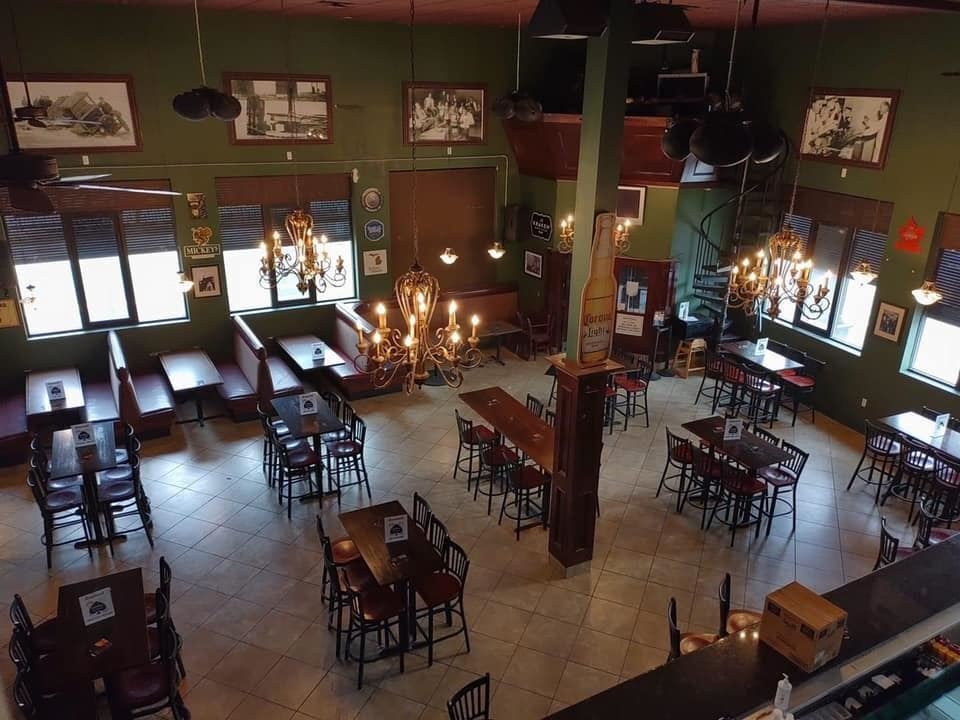
West Warren Avenue in Dearborn runs through one of the densest concentrations of Arab-American life anywhere in the United States. The restaurants along this corridor do not perform their identity for outside audiences; they cook for the community that built them. Al Ameer, at 12710 W Warren Ave, sits squarely in that tradition. The dining room does not announce itself with dramatic design gestures. What greets you instead is the smell of charcoal and spice that has been absorbed into a room used seriously, for decades, by people who know exactly what they came for.
That lack of theatrical presentation is itself a signal. In Arab cooking traditions, sourcing and technique tend to carry more weight than staging. The bread arrives because it has to. The mezze comes because the table would feel incomplete without it. The logic is older than any contemporary restaurant trend, and Al Ameer operates inside that logic rather than commenting on it from a distance.
The Ingredient Question in Lebanese and Palestinian Cooking
To understand why a table at a restaurant like this reads differently from a generic Middle Eastern spread, it helps to understand what sourcing means in this cuisine. Lebanese and Palestinian home cooking depends on a short list of ingredients that must be right: the quality of the olive oil, the freshness of the herbs, the age and grind of the spices, the fat content of the lamb. When any of those elements is off, the dish does not merely taste different — it collapses, because there is no sauce or technique to rescue it. The cuisine's apparent simplicity is what makes its sourcing demands strict.
Dearborn's Arab-American community has, over generations, built supply chains that most American cities cannot access. Halal butchers with specific breed and cut knowledge, importers bringing preserved lemons, sumac, and pomegranate molasses from known producers, grocers stocking ingredients that have no adequate substitute in mainstream American retail. Restaurants operating inside this community draw on those networks in ways that restaurants operating outside it cannot easily replicate. That is the sourcing advantage a place like Al Ameer holds, not as a marketing position, but as a function of geography and community density.
This is the context that separates Dearborn's Arab-American dining corridor from the scattered Lebanese or Lebanese-adjacent restaurants in other American cities. Those restaurants often adapt their sourcing to what is locally available. Here, the sourcing often shapes the cooking more faithfully to its origin.
The Dearborn Dining Context
Dearborn's restaurant scene does not operate on a single register. Buddy's Pizza represents the Detroit-style deep-dish tradition that draws its own loyal following, and Ford's Garage anchors the American casual tier. But the Arab-American restaurants along the Warren corridor constitute a distinct and internally coherent category that has no real parallel in most American cities. AlTayeb Restaurant represents another node in that same tradition, and the two venues occupy overlapping but not identical positions in what Dearborn's Arab-American community expects from a serious sit-down meal.
Al Ameer's tenure on West Warren Avenue places it among the longer-standing venues in that corridor, and longevity in a community-facing restaurant carries a particular kind of accountability. Regulars do not stay regular at a restaurant that drifts from the standard they know. The continued patronage of the community it serves is its most legible credential. For a broader picture of what this city's restaurants offer across categories, the full Dearborn restaurants guide maps the range in detail.
How This Fits the Broader American Restaurant Conversation
The sourcing-focused fine dining conversation in America has largely played out at a different price point and in different cities. Blue Hill at Stone Barns in Tarrytown and Single Thread Farm in Healdsburg represent the farm-to-table thesis at its most elaborated and expensive form. Smyth in Chicago and The Wolf's Tailor in Denver apply similar sourcing discipline within tasting-menu formats. At the furthest reaches of the sourcing-as-ideology conversation, Atelier Moessmer Norbert Niederkofler in Brunico builds an entire culinary identity around Alpine ingredient fidelity.
What rarely enters that conversation is the sourcing discipline embedded in immigrant-community restaurants operating at accessible price points. The Arab-American table in Dearborn is not positioned against The French Laundry in Napa or Le Bernardin in New York City. It is not trying to be Addison in San Diego or Atomix in New York City. The comparison set is different, and the sourcing logic is no less rigorous for operating outside the tasting-menu format. Restaurants like Providence in Los Angeles, Frasca Food and Wine in Boulder, Emeril's in New Orleans, The Inn at Little Washington, and Lazy Bear in San Francisco all make sourcing central to their identity, but they do so at price points and through formats that require a specific kind of occasion. The community-facing Arab restaurant on West Warren does not require an occasion. That accessibility is not a lesser version of something else. It is a different and legitimate model of how serious cooking reaches people.
Planning a Visit
Al Ameer is located at 12710 W Warren Ave in Dearborn, Michigan, accessible from central Detroit in under twenty minutes by car. The West Warren corridor is most active in the evenings, when the density of the community it serves makes the street feel different from a standard American dining strip. Parking is available along the avenue. The restaurant operates in a walk-in tradition common to Arab-American family dining rooms, but calling ahead during peak weekend hours is advisable given how consistently the room fills. No formal dress code applies; the room is generational and mixed in its demographic, running from families with young children to older regulars who have been coming for years.
In Context: Similar Options
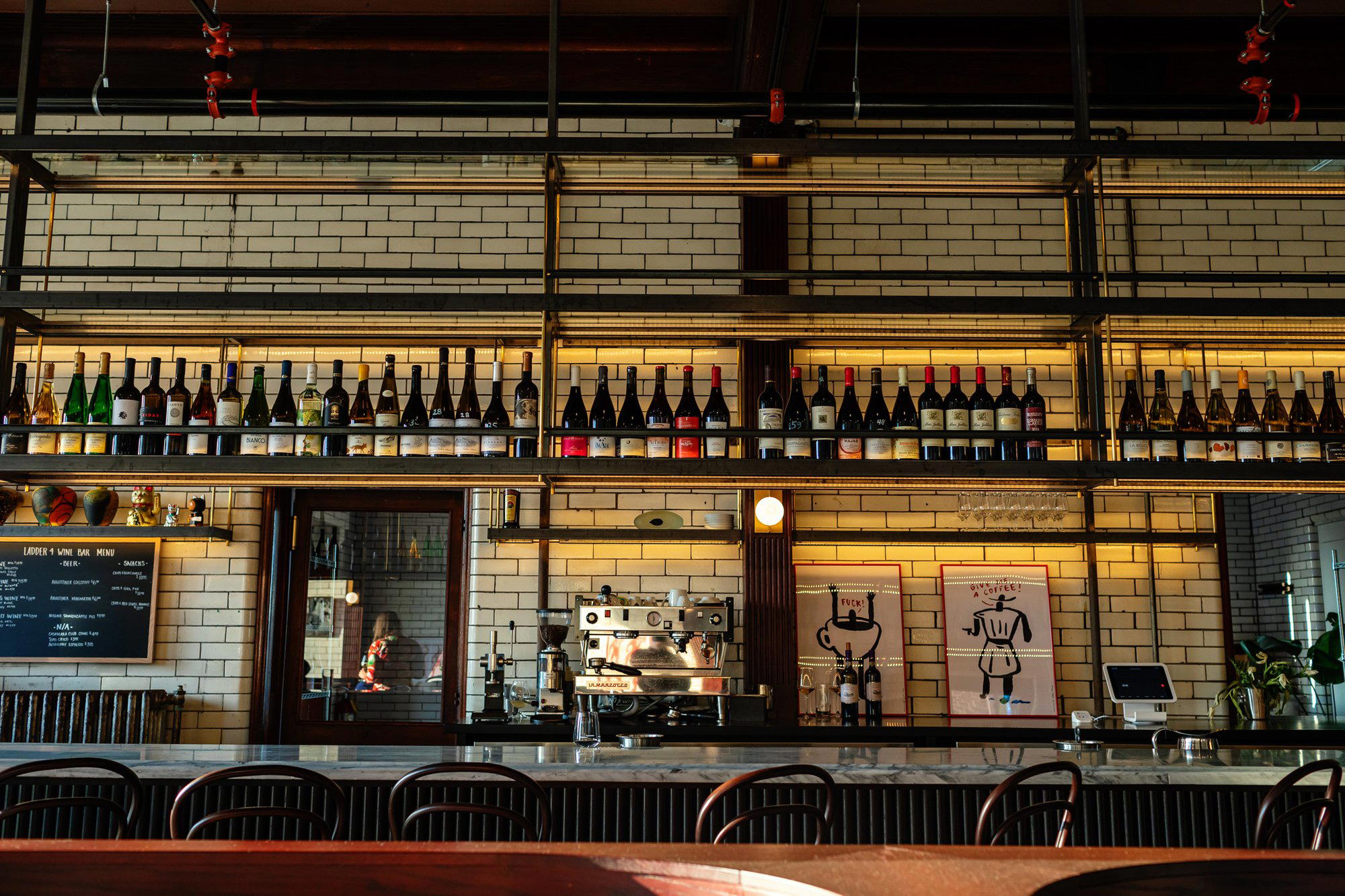
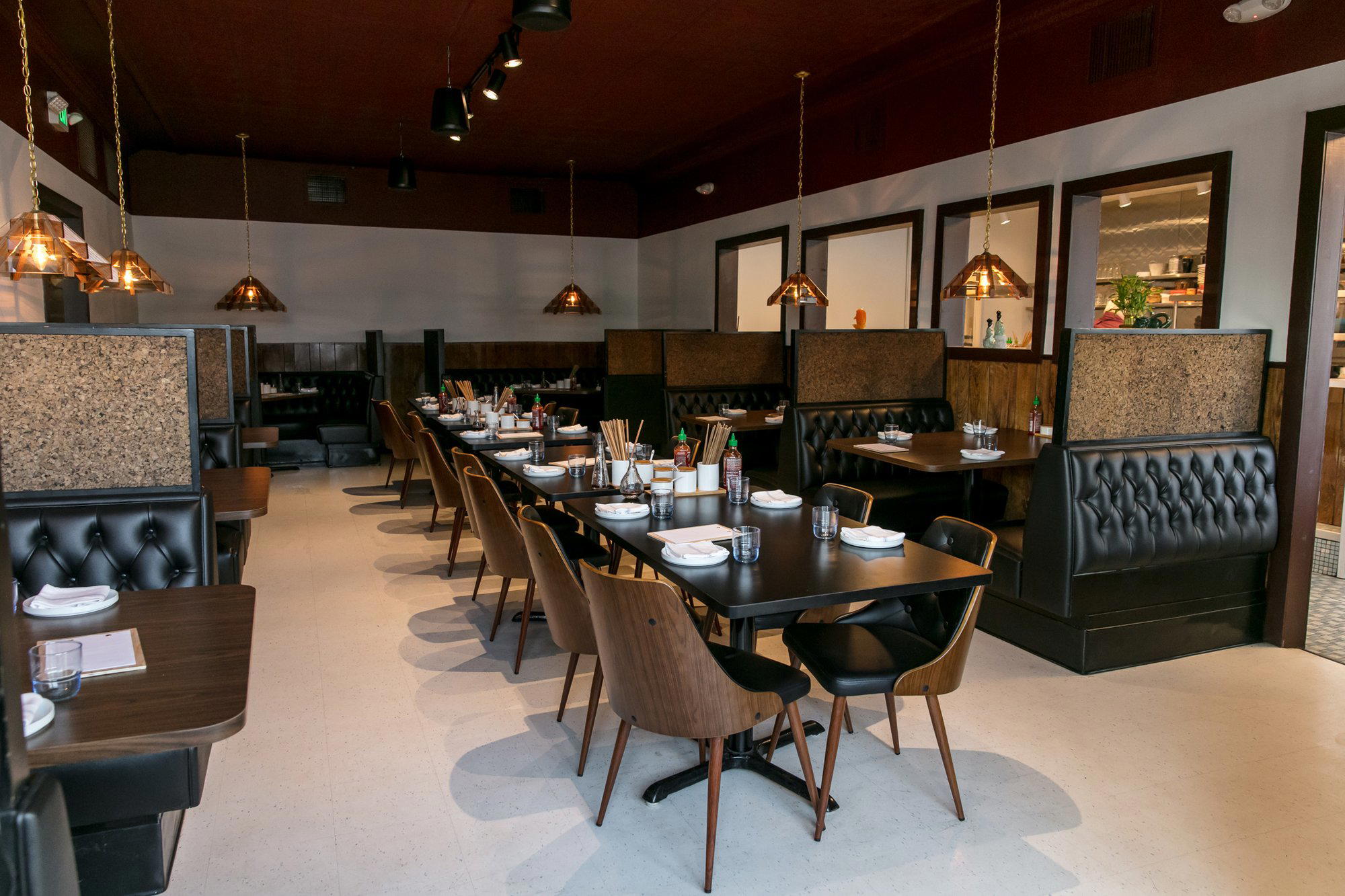
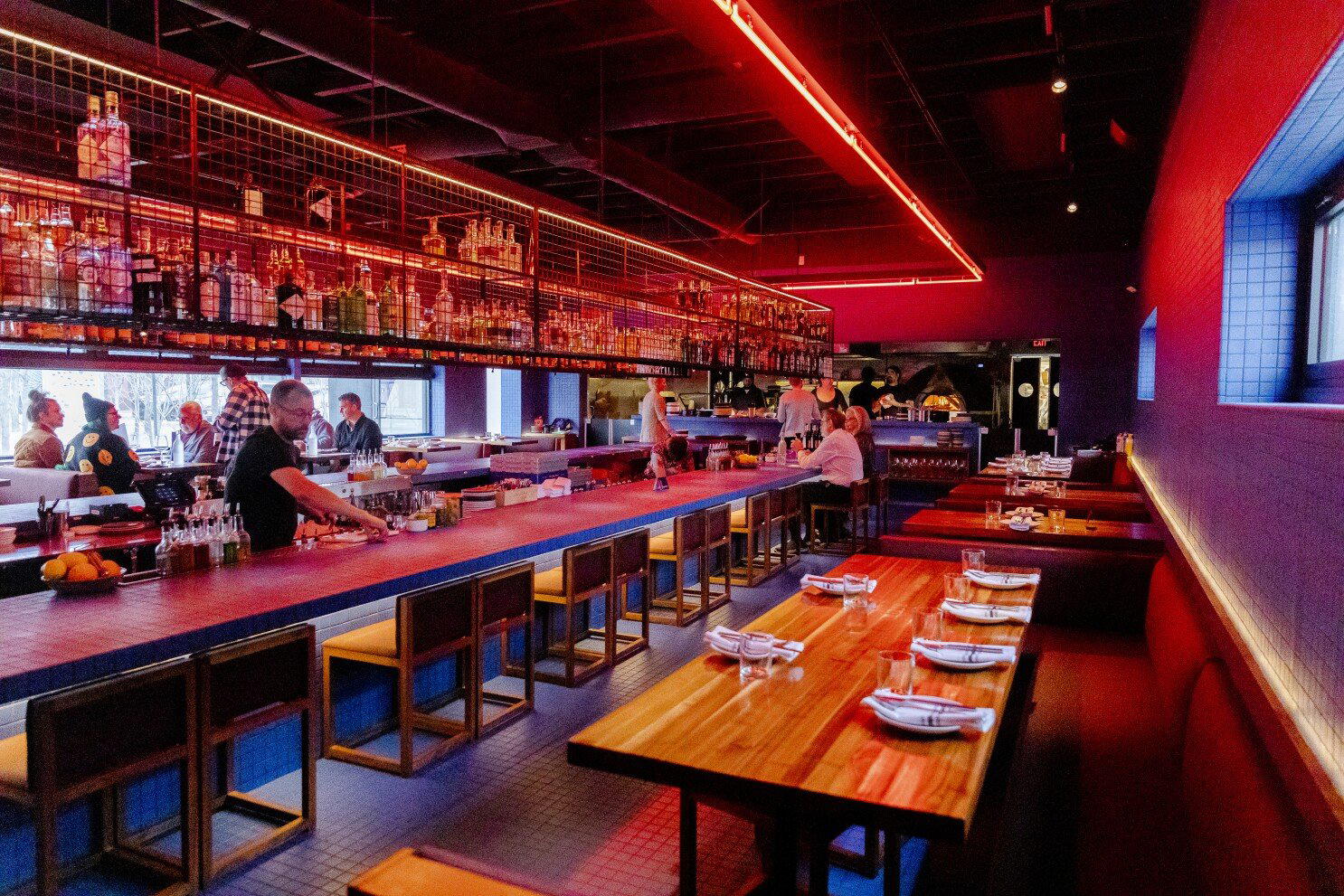
| Venue | Cuisine |
|---|---|
| Al AmeerThis venue — the venue you are viewing | This venue |
At a Glance
- Classic
- Cozy
- Family
- Group Dining
- Casual Hangout
- Standalone
Current opening hours
- Monday
- 10 AM–10 PM
- Tuesday
- 10 AM–10 PM
- Wednesday
- 10 AM–10 PM
- Thursday
- 10 AM–10 PM
- Friday
- 10 AM–10 PM
- Saturday
- 10 AM–10 PM
- Sunday
- 10 AM–10 PM
Hours can change for holidays and private events. Last verified .
Warm and welcoming with rows of floral print booths, unfailingly friendly service, and a community-minded atmosphere.
Know Before You Go
- Getting there
- 12710 W Warren Ave, Dearborn, MI 48126