Alici

On Bluewaters Island, Alici makes a case for Southern Italian cooking as an antidote to Dubai's relentless pace. The kitchen anchors its menu in the ingredients and techniques of the Italian coast, and the waterfront setting reinforces that argument convincingly. Among Dubai's Italian options, it occupies the more considered, produce-led end of the spectrum.
 Discover on Pearl
Pearl is the En Primeur Club membership app — saves, bookings, and concierge access live there. Same editors, same standards.
- Address
- Marsa Dubai - Bluewaters Island - Dubai - United Arab Emirates
- Phone
- +971 4 275 2577
- Website
- alici.com
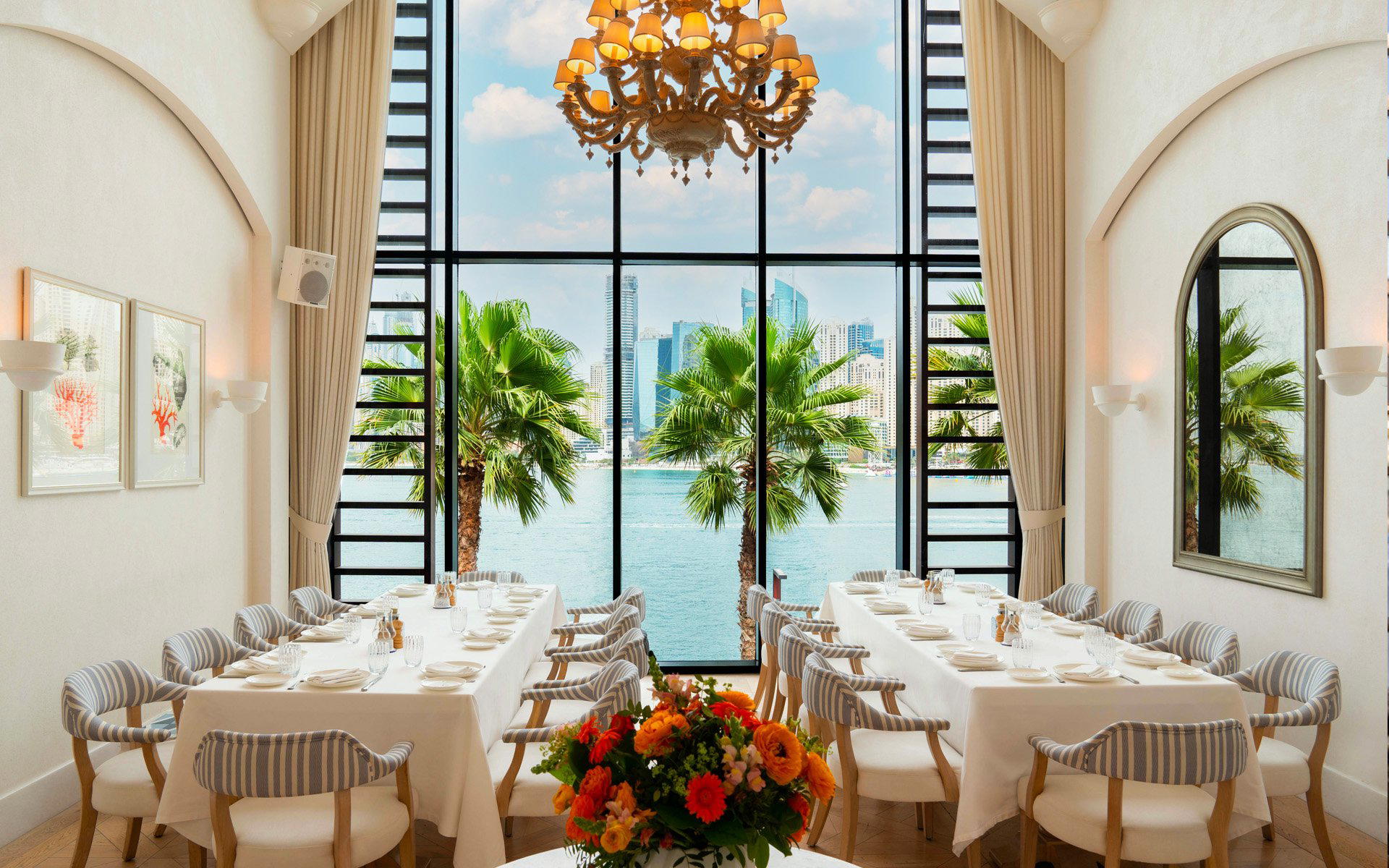
A Coastal Argument on the Arabian Gulf
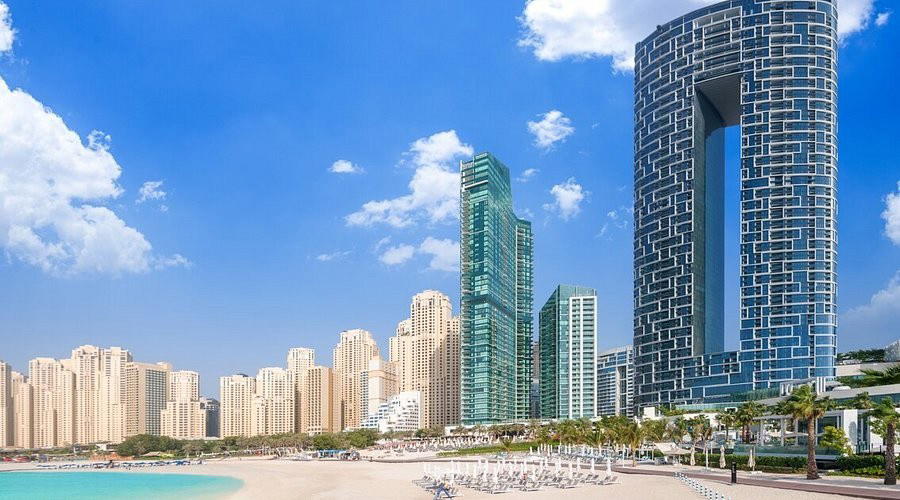
Bluewaters Island sits just offshore from Jumeirah Beach Residence, close enough to the city that you can see the tower lights, far enough that the waterfront feels genuinely removed from the traffic and noise of the mainland. That physical separation is part of what makes the Italian coastal proposition at Alici work. Southern Italian cooking, particularly the traditions of Campania and Sicily, has always been rooted in proximity to water: fish pulled that morning, olive oil pressed nearby, produce grown in volcanic soil a few kilometres from the port. Transplanting that logic to the Gulf requires discipline and clear sourcing choices, and restaurants in this category live or die by how seriously they take that obligation.
The approach at Alici aligns itself with that produce-led tradition rather than the broader, more diffuse category of Italian-by-default dining that Dubai has in abundance. That distinction matters in a city where Italian cuisine exists across an enormous range of registers, from fast-casual pizza to the white-tablecloth Michelin territory occupied by venues like 8 1/2 Otto e Mezzo Bombana in Hong Kong, or the classical rigour of Alain Ducasse at Louis XV in Monte Carlo. Alici positions itself in a middle register that prioritises coastal specificity over comprehensive pan-Italian coverage.
Where the Ingredients Come From and Why That Shapes the Plate
Southern Italian cooking is defined less by technique than by ingredient origin. The canonical dishes of Naples and the Amalfi coast are architecturally simple: a few components, very little intervention, an assumption that the produce will carry the weight. That assumption only holds if the sourcing is honest. In practice, this means the kitchen at a restaurant like Alici is making constant decisions about what to import, what to source regionally, and where compromise is acceptable without undermining the core logic of the cuisine.
The Italian coastline's pantry, at its most faithful, includes seafood from the Tyrrhenian and Adriatic, San Marzano tomatoes, capers from Pantelleria, preserved fish in the bottarga and anchovy traditions, and olive oils from Puglia or Calabria. When a kitchen in Dubai commits to that sourcing vocabulary rather than substituting generically, it changes what arrives at the table. The anchovy, which gives Alici its name, is itself a marker of seriousness: in Southern Italian cooking, preserved anchovies are a seasoning ingredient of some subtlety, not simply a pizza topping. A kitchen that centres them as a reference point is signalling something about its culinary priorities.
This ingredient-first framing is increasingly how the more considered restaurants in Dubai differentiate themselves. Across the city's restaurant scene, the sharpest kitchens are competing on sourcing transparency and origin specificity rather than on format or spectacle alone. You see the same logic in the wood-fire emphasis at 11 Woodfire and the ingredient rigour at Trèsind Studio, where the provenance of components is treated as editorial content in its own right.
The Setting Does Work That the Menu Alone Cannot
Bluewaters Island is one of Dubai's more recent additions to its coastline geography, developed as a leisure and residential district anchored by the Ain Dubai observation wheel. The island's restaurant strip benefits from an open waterfront orientation that feels less constructed than some of Dubai's older dining destinations. Alici's position there is not incidental: Southern Italian coastal cooking is inseparable from its physical context in origin, and a restaurant that can offer water views while serving that cuisine is making a coherent argument that a landlocked venue cannot.
The atmosphere described by visitors consistently emphasises ease and detachment from the city's energy, a contrast that is harder to achieve on Sheikh Zayed Road or in a mall dining cluster. That quality of remove is becoming a premium in Dubai, where the density of dining options has made environment as decisive as food quality for repeat visits. Restaurants that can credibly transport rather than simply serve are a smaller category, and Alici appears to occupy it.
Where Alici Sits in Dubai's Italian and Seafood Tier
Dubai's premium seafood dining has a well-established upper tier, anchored by venues like Al Mahara at the Burj Al Arab, where the aquarium centrepiece and the $$$$ price point are part of a coherent luxury proposition. Alici operates on different terms: the Southern Italian frame is more casual in register than the French-inflected fine dining that dominates the city's highest price tier, but it is not informal in the way that a trattoria-style venue would be. It sits closer to a considered mid-to-upper tier, where the food has genuine culinary intent without the ceremony of a full tasting menu format.
That positioning puts it in a comparable set that includes Dubai's more food-focused rather than occasion-focused venues. Compared to the creative ambition of Row on 45, the modernist Scandinavian-inflected approach at FZN by Björn Frantzén, or the atmospheric invention of moonrise, Alici represents the more classically anchored option for an evening that does not require structural novelty. It is a restaurant for people who want the cooking to be the frame, not the theatre.
For reference, the Southern Italian coastal tradition has produced some of the most enduring restaurant formats globally, from the seafood-focused institutions of the Amalfi coast to internationally transplanted versions that have earned serious recognition. Le Bernardin in New York and Erth in Abu Dhabi both demonstrate, from different angles, how proximity-to-ingredient logic can translate into coherent restaurant identities far from the source geography.
Planning a Visit
Alici is located on Bluewaters Island, reached via the Bluewaters Bridge from JBR or by water taxi from the Dubai Marina area. The island is compact and walkable once you arrive, with the restaurant strip facing the water. Evenings, particularly in the cooler months from October through April, make the most of the outdoor orientation, and the distance from central Dubai's traffic patterns means arrivals are more predictable than at city-centre venues. The setting and the cuisine's natural fit with a relaxed pace make reservation planning worthwhile. The Bluewaters development also has wine options worth noting in the wider island context.
Quick Comparison
Comparable venues nearby, for context on price, style, and recognition.
| Venue | Cuisine | Price | Awards | Notes |
|---|---|---|---|---|
| AliciThis venue — the venue you are viewing | Southern Italian Seafood | $$$ | 1 recognition | |
| L'Amo Bistro Del Mare | Italian Seafood Bistro | $$$$ | 1 recognition | Palm Jumeirah |
| Cipriani Dubai | Classic Italian Fine Dining | $$$$ | , | DIFC |
| Ritzi Italian Restaurant Dubai Marina | Italian Fine Dining | $$$ | , | Al Sufouh 2 |
| Isola Ristorante | Authentic Coastal Italian | $$$ | 1 recognition | Jumeirah Islands |
| The MAINE Land Brasserie Restaurant, Business Bay Dubai | North American Brasserie Steakhouse | $$$ | , | Bussiness Bay |
At a Glance
- Elegant
- Cozy
- Sophisticated
- Romantic
- Date Night
- Special Occasion
- Group Dining
- Terrace
- Waterfront
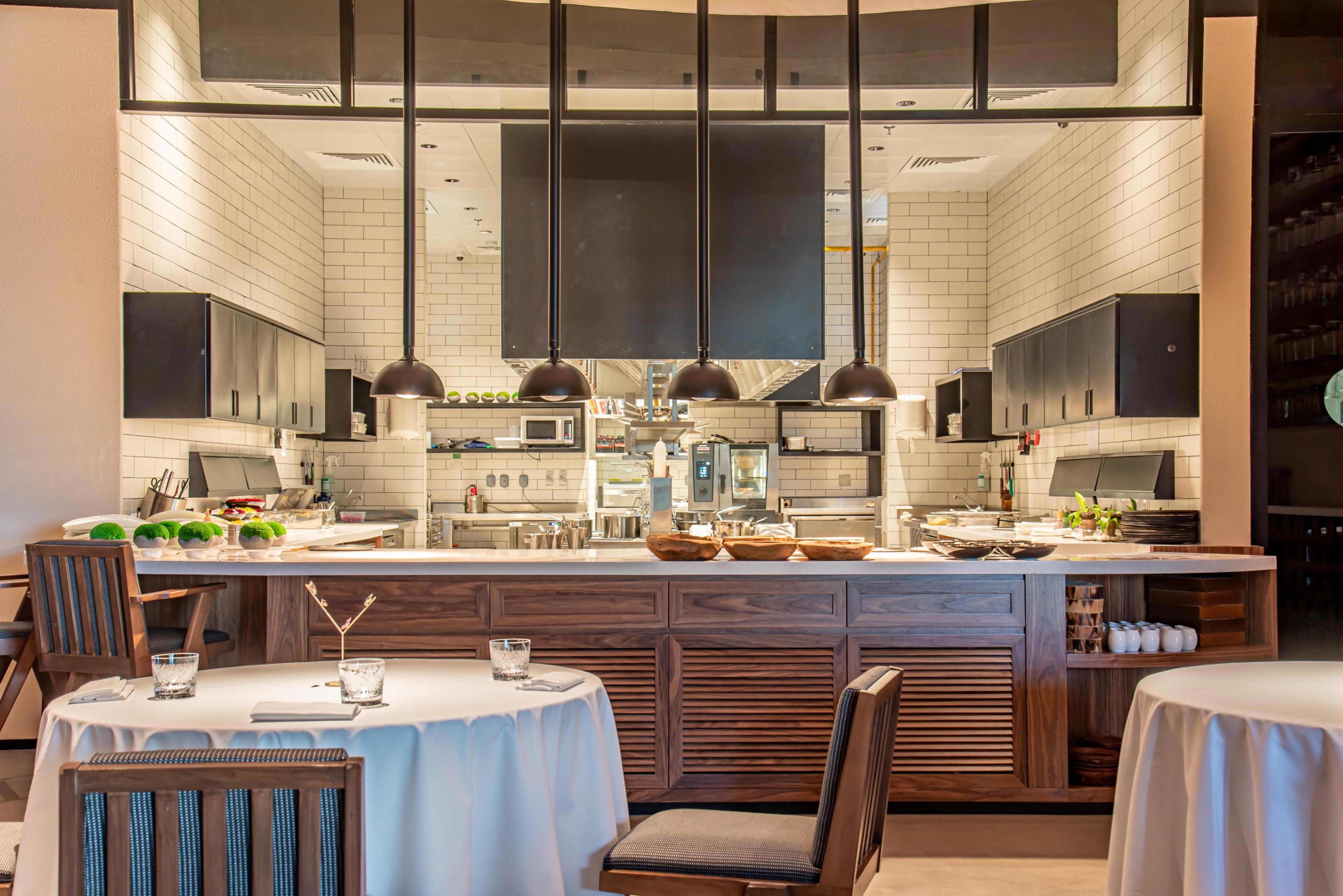
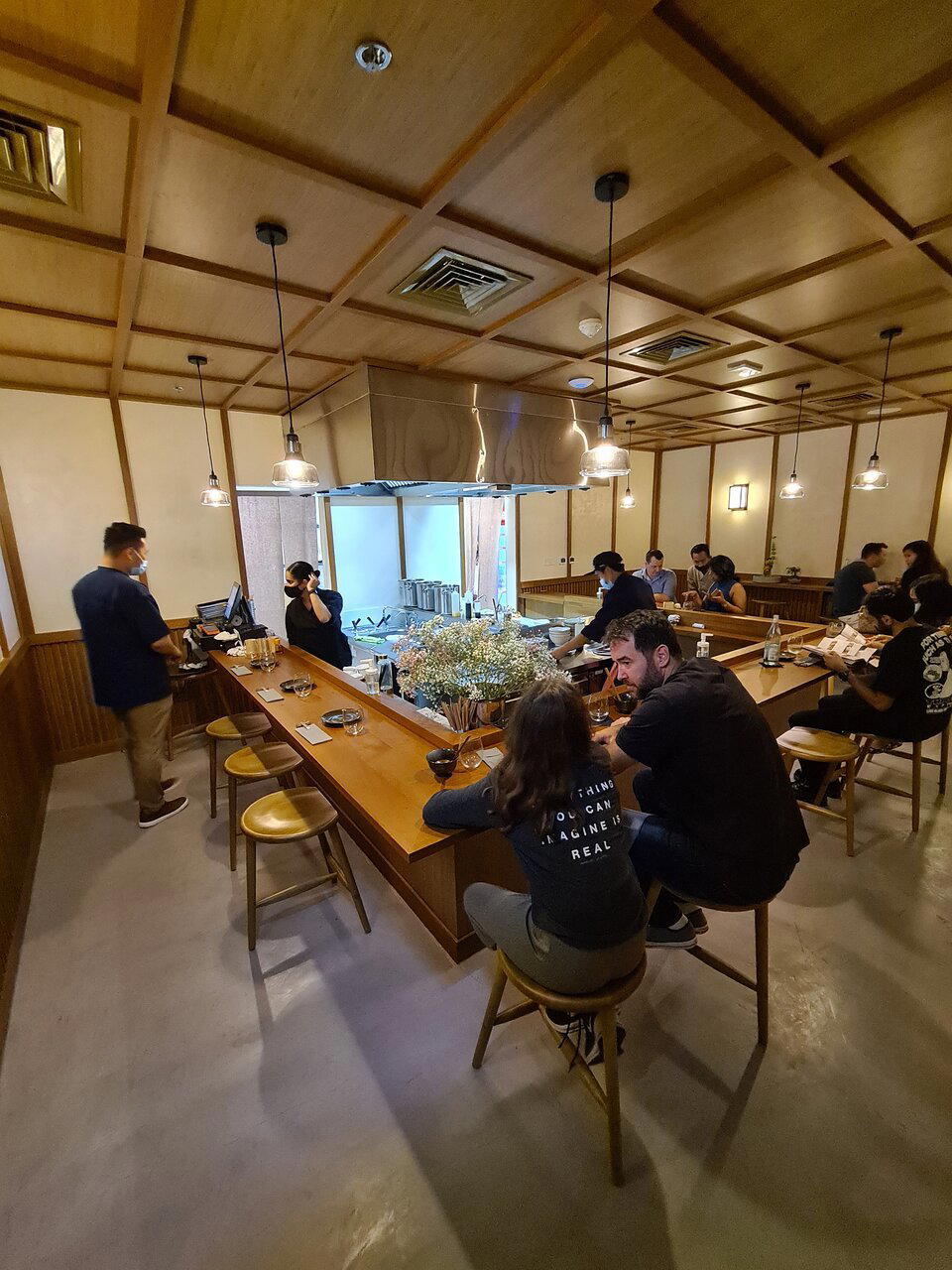
- Open Kitchen
- Extensive Wine List
- Waterfront
- Skyline
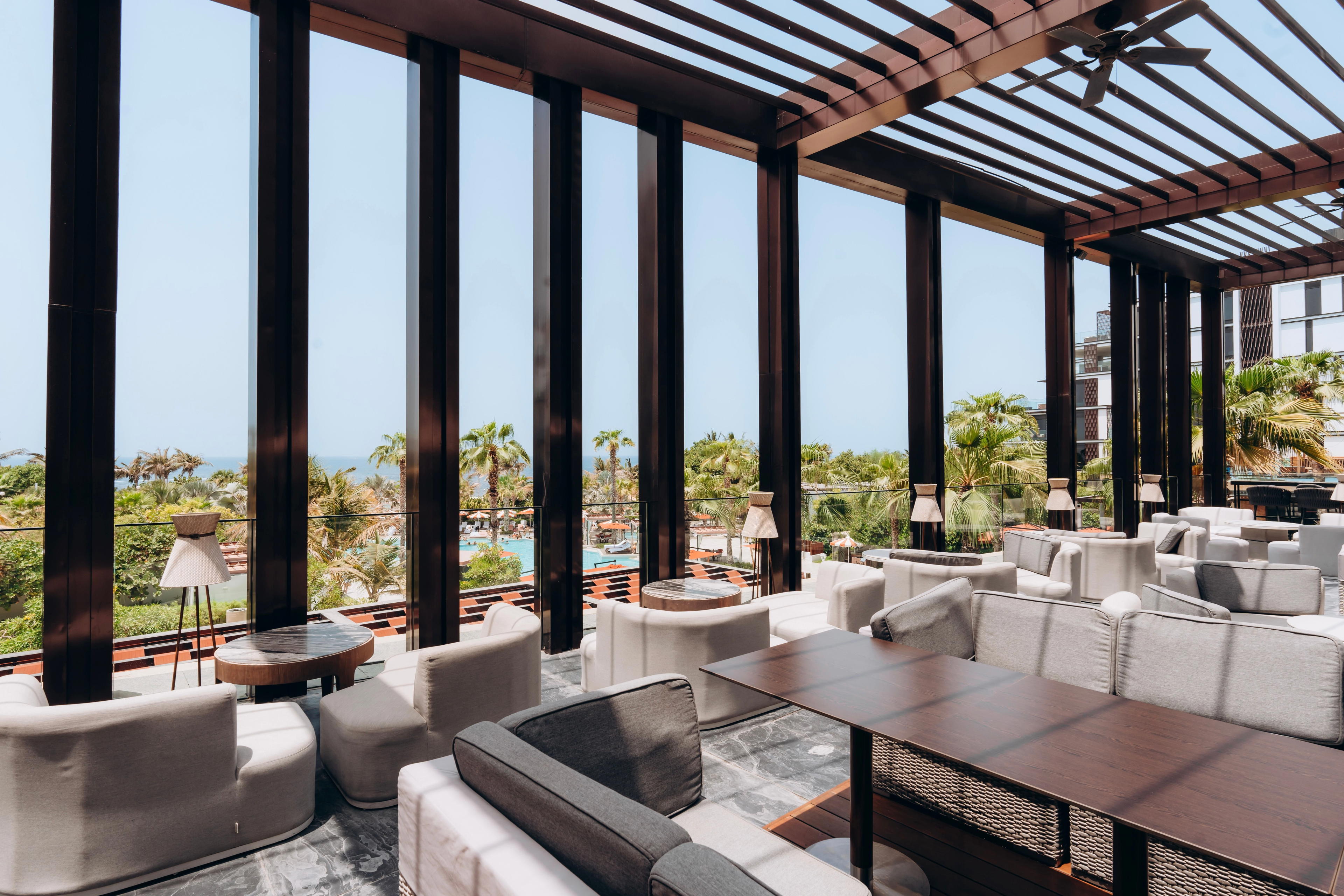
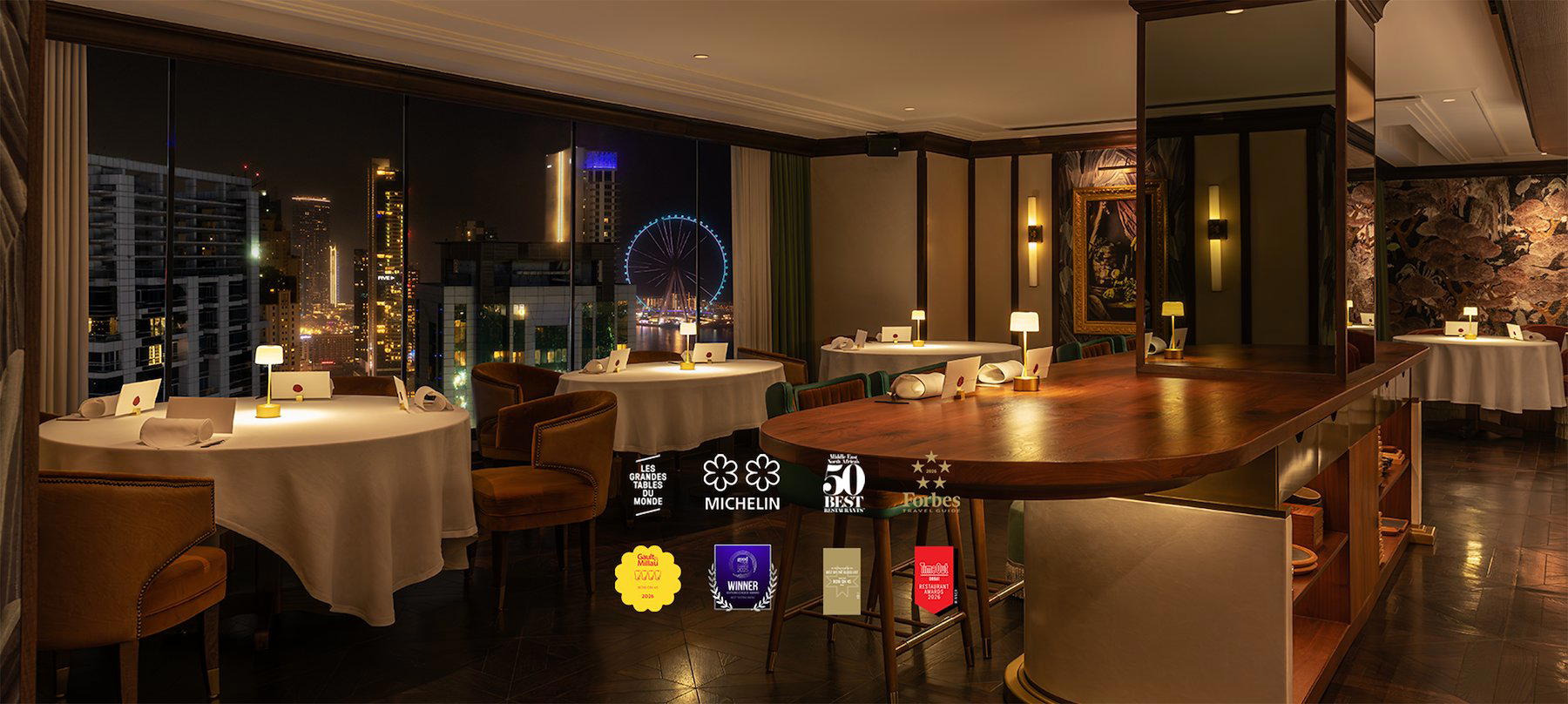
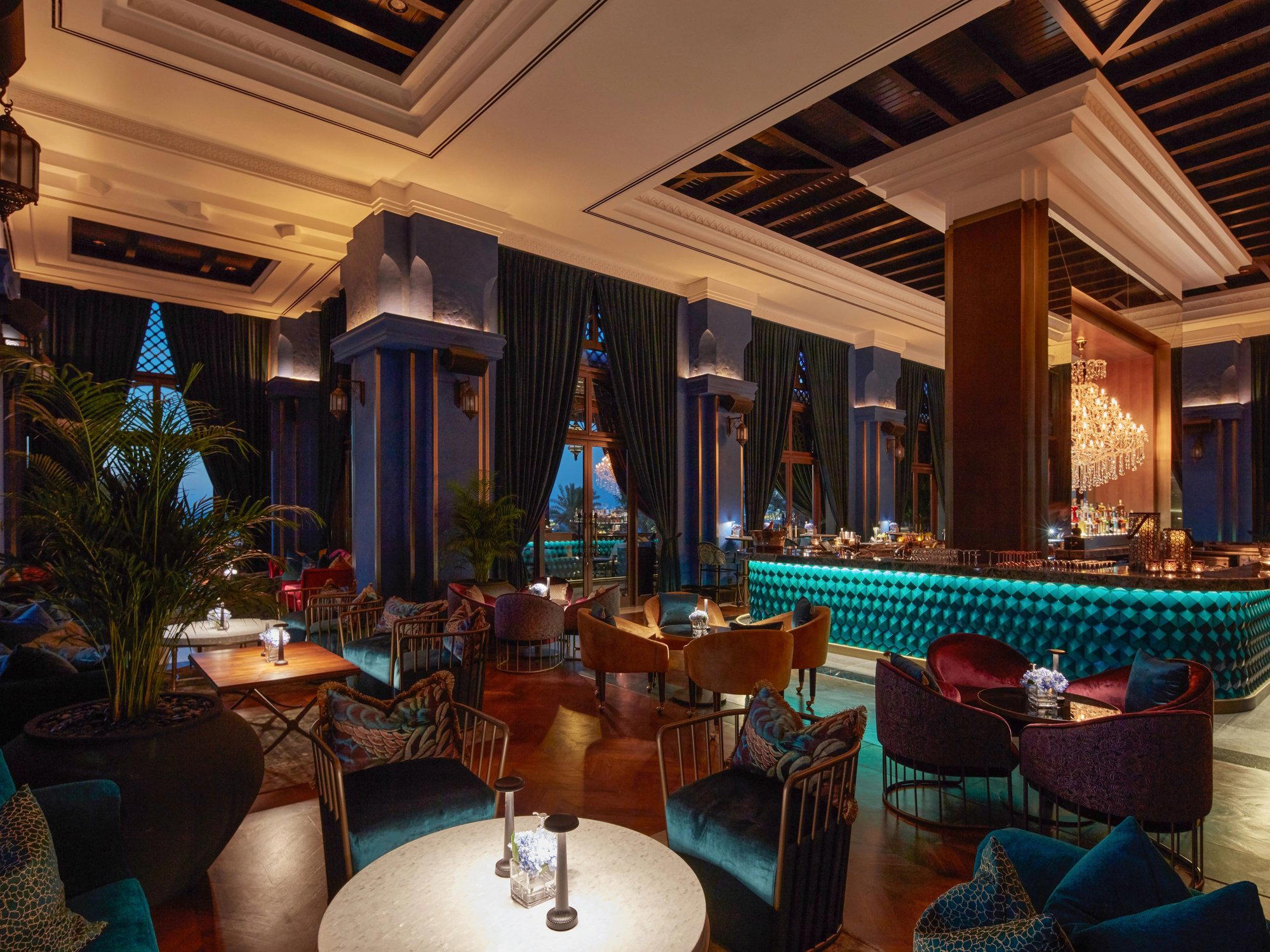
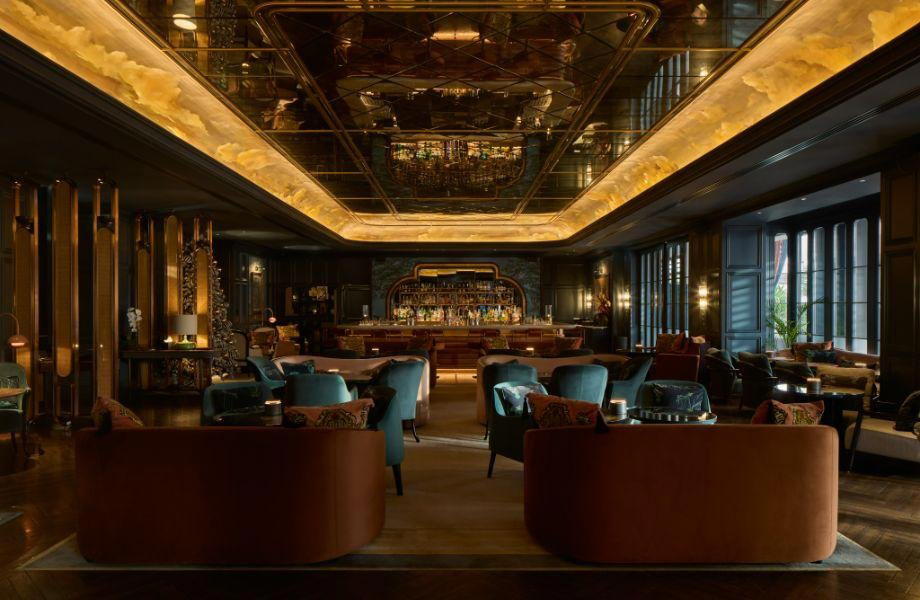
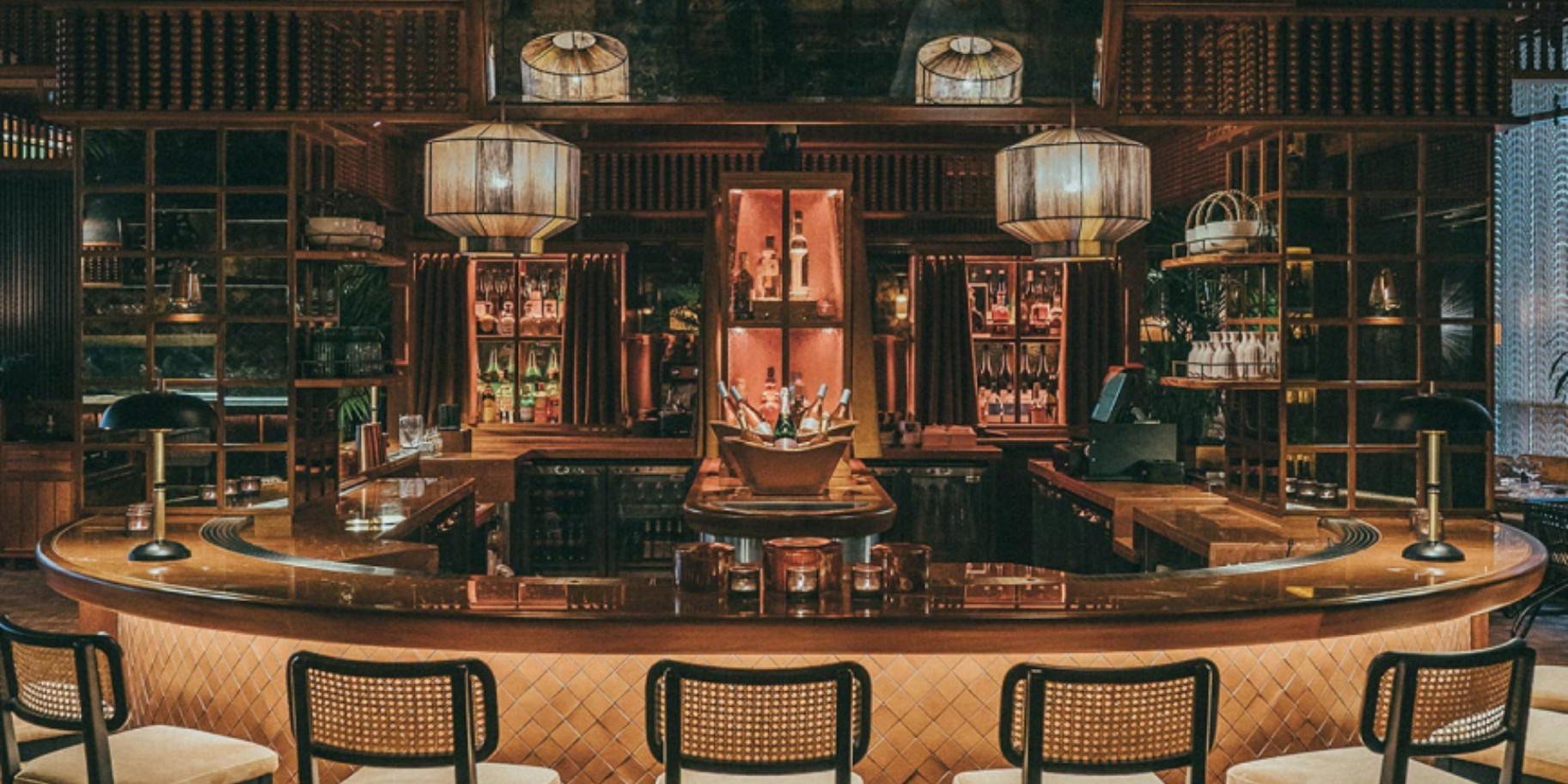
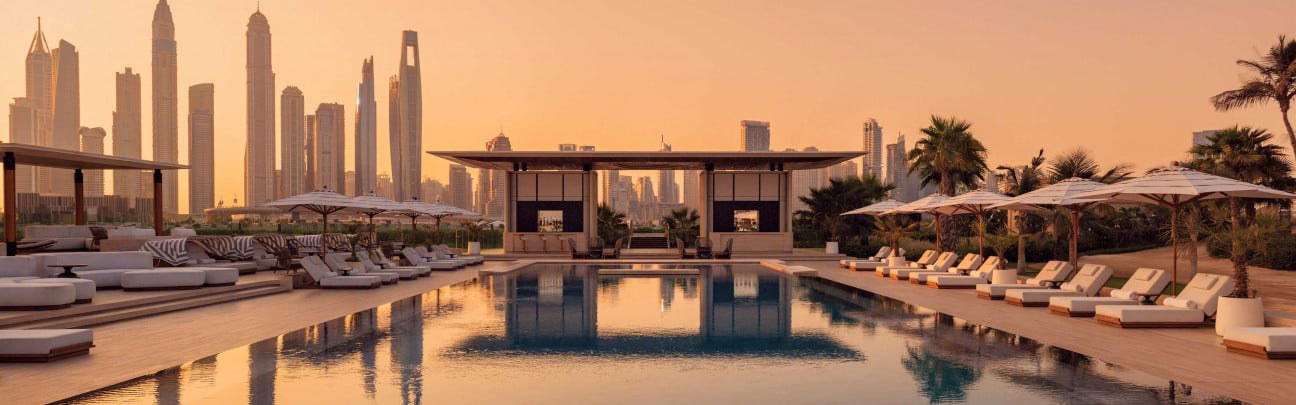
Elegant yet cozy Mediterranean atmosphere with warm lighting, artisanal ceramics, and terrace views of the sea and Dubai Marina.