Our verdict
Captain's Restaurant belongs to Aqaba’s practical Red Sea dining circuit, where seafood, grilled meats, mezze, and port-city informality matter more than ceremony. Its position on Al-sa Adeh Street places it in the city’s central restaurant zone, useful for travelers comparing Aqaba tables by sourcing logic, room feel, and ease rather than awards signals.

Pearl is the En Primeur Club membership app, where members save venues, book tables and use the concierge.
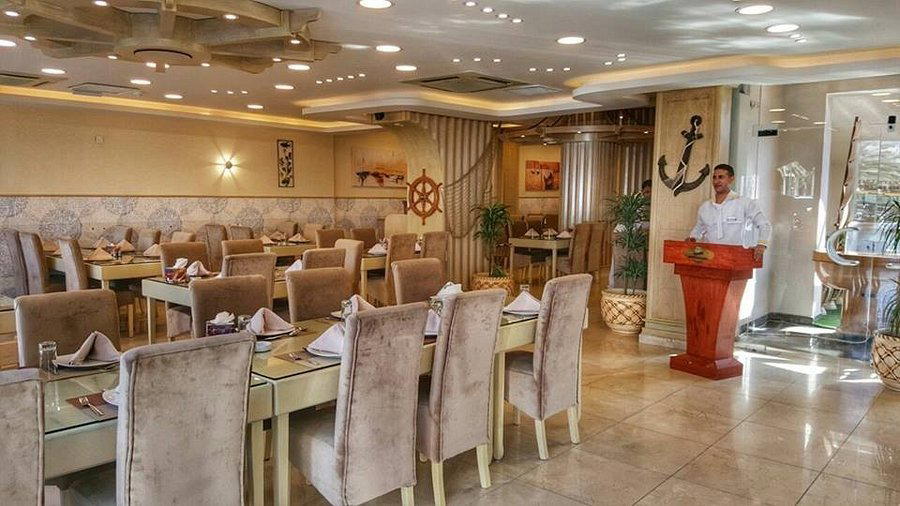
The menu
What to order
- Sayadieh
- Seafood platters
- Grilled fish
- Seafood tajine
Approaching a restaurant in Aqaba is rarely about hushed arrival rituals. The city’s dining rhythm is shaped by heat, traffic, hotel guests moving between the waterfront and central streets, and the Red Sea’s steady pull on what people expect from a meal. Captain's Restaurant sits inside that context: a city table where the appeal is tied less to formal gastronomy than to the familiar Aqaba equation of shared meals, easygoing service, and a room built for mixed groups rather than ceremony.
That matters because Aqaba is not Amman with a coastline attached. It is Jordan’s port city, and its restaurant culture carries a different logic: menus often have to satisfy local families, weekend visitors, beach-hotel guests, and travelers using the city as a pause between southern Jordan and the Red Sea. In that setting, dining becomes a practical question as much as a culinary one. Coastal expectations shape the mood, while familiar regional table habits still anchor the experience. The better read is not whether a room performs luxury, but whether it understands the city’s appetite.
Red Sea expectations, Jordanian table habits
Aqaba’s food identity sits at the meeting point of coast and desert. The Red Sea shapes the city’s restaurant vocabulary, but the meal structure is often built around shared plates, generous pacing, and tables that suit families and larger groups. Captain's Restaurant fits that middle ground, the kind of address travelers look at when they want a fuller meal rather than a coffee stop or hotel dining room.
That distinction is useful when comparing the city’s options. Alibaba Restaurant sits in the same Aqaba conversation for travelers seeking a broadly appealing restaurant format. Calma café and La Bleu Cafe point toward the café side of the city, where pacing, drinks, and casual daytime use often matter as much as the plate. Other unnamed Aqaba dining rooms occupy hybrid spaces as well, giving visitors several ways to map the city beyond a single table.
The ingredient question is where Aqaba becomes interesting. In inland Jordan, certain coastal expectations can feel more occasional; in Aqaba, they become part of the city’s everyday restaurant grammar. That does not make every order equal, and it does not remove the importance of basic kitchen discipline. But it does change the expectation: a Red Sea city restaurant has to answer to guests who arrive thinking about the coast as part of the destination, not as a decorative cue.
Why the room matters in a port city
Atmosphere in Aqaba restaurants tends to be less theatrical than in capital-city dining rooms. The service mood is usually social, adaptable, and group-oriented, shaped by families, tour schedules, and guests who may be coming straight from the beach or a day trip. A restaurant in this category needs to handle different speeds at once: early family meals, later tables after excursions, and visitors who want a local-feeling dinner without turning the evening into a formal production.
That is the lens through which Captain's Restaurant is best understood. The available profile places the emphasis on category fundamentals: a setting in Aqaba, a format expected to work for a broad table, and an atmosphere suited to the city’s mixed visitor base. For travelers using the city as a base, that can be more relevant than a credential-heavy dining room. Aqaba rewards restaurants that make sense after a boat day, a border crossing, or a desert transfer.
The broader Jordan comparison sharpens the point. Restaurants in the capital belong to a different urban rhythm, where late-night and concept-led energy often carries more weight. Dining near major visitor sites is shaped by heritage tourism and the appetite for familiar regional cooking near an archaeological destination. Resort-adjacent areas and smaller towns show how strongly place changes the meal in Jordan. Aqaba’s version is coastal, casual, and more dependent on the Red Sea than on monument-driven tourism.
How to place it in an Aqaba itinerary
For a visitor building an Aqaba dining plan, the practical decision is category fit. Use Captain's Restaurant for a full-meal slot when the group wants a city restaurant rather than a hotel table or a café. Keep café-led options such as Calma café and La Bleu Cafe for lighter pacing, and compare broader city choices through Our full Aqaba restaurants guide.
The wider trip architecture matters, too. Aqaba often functions as a hub rather than a single-purpose destination, so dining choices sit alongside beach access, diving plans, desert transfers, and hotel logistics. For lodging context, use Our full Aqaba hotels guide; for evening planning, Our full Aqaba bars guide helps separate restaurant dinners from drinks-led stops. The city is not a wine destination in the way established vineyard regions are, but Our full Aqaba wineries guide and Our full Aqaba experiences guide help frame the broader itinerary.
International comparison has limits, but it clarifies format. A tightly focused specialist venue asks guests to care about precision within a narrow lane. Aqaba’s central restaurants usually ask a different question: can the kitchen serve a mixed table well, reflect the city, and keep the meal easy enough for travelers on a moving itinerary? For Captain's Restaurant, that is the relevant test.
Frequently asked questions
Is Captain's Restaurant child-friendly?
Its Aqaba setting makes it a straightforward stop for families moving through the city. Those details are not published. Check the venue's official channels for the latest details.
What should I expect atmosphere-wise at Captain's Restaurant?
Expect a working restaurant in Aqaba rather than a formal dining room, which suits a port city where meals tend to be social and unforced. The listing gives no cue of tasting-menu formality, so it reads as a practical table for a full meal.
Where do I go for Captain's Restaurant?
Aqaba.
Should I book Captain's Restaurant in advance?
Those details are not published. In Aqaba, a city restaurant can be easier for walk-in meals than for tightly timed itineraries, but conditions vary. Check the venue's official channels for the latest details.
What has Captain's Restaurant built its reputation on?
Its profile rests on being a named dining address in Aqaba rather than on a detailed public profile of individual accolades or named kitchen leadership. That places it in the category of practical local dining stops that serve a clear role in a city meal plan.
A Quick Peer Check
Comparable venues by cuisine and price in the same metro.
| Venue | Cuisine | Price |
|---|---|---|
| Captain's RestaurantThis venue (the venue you are viewing) | Seafood and Oriental | Not listed |
| Calma café | Mediterranean Café & Coffee House | $10–20 |
| Alibaba Restaurant | Seafood & Middle Eastern | $10–20 |
| RYC | روميرو العقبة | Seafood Mediterranean Fusion | $20–30 |
Continue exploring
More in Aqaba
Restaurants in Aqaba
All restaurants in Aqaba →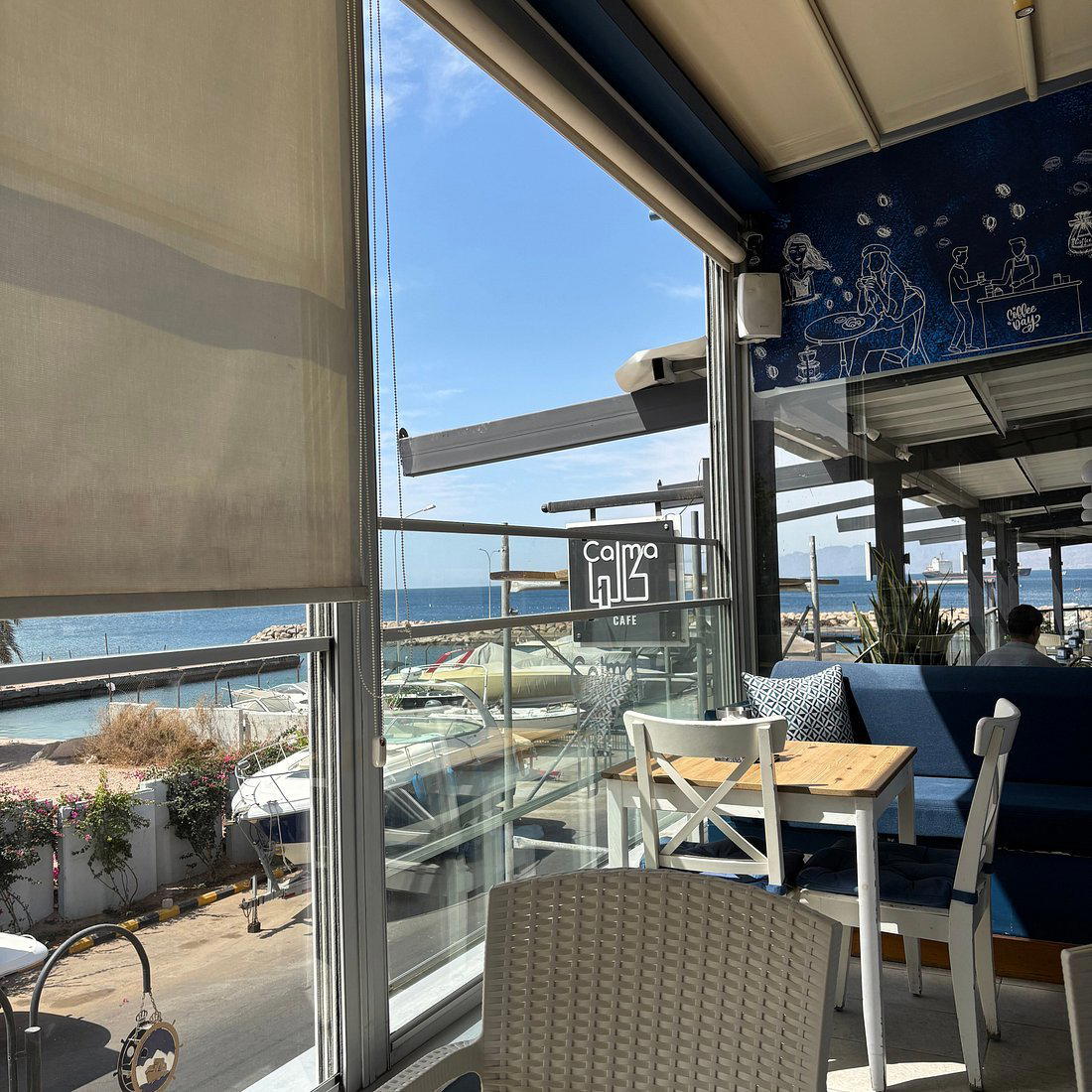
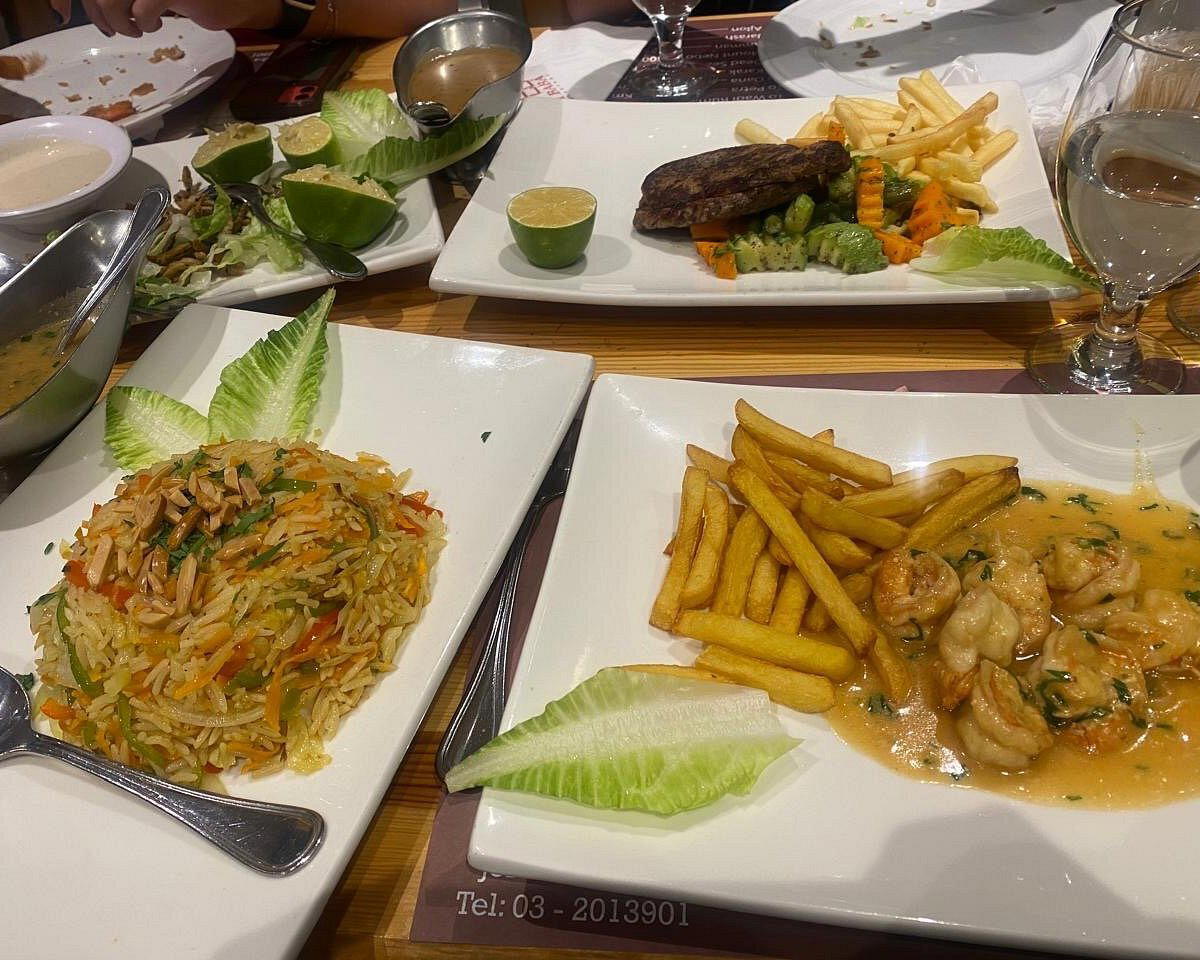
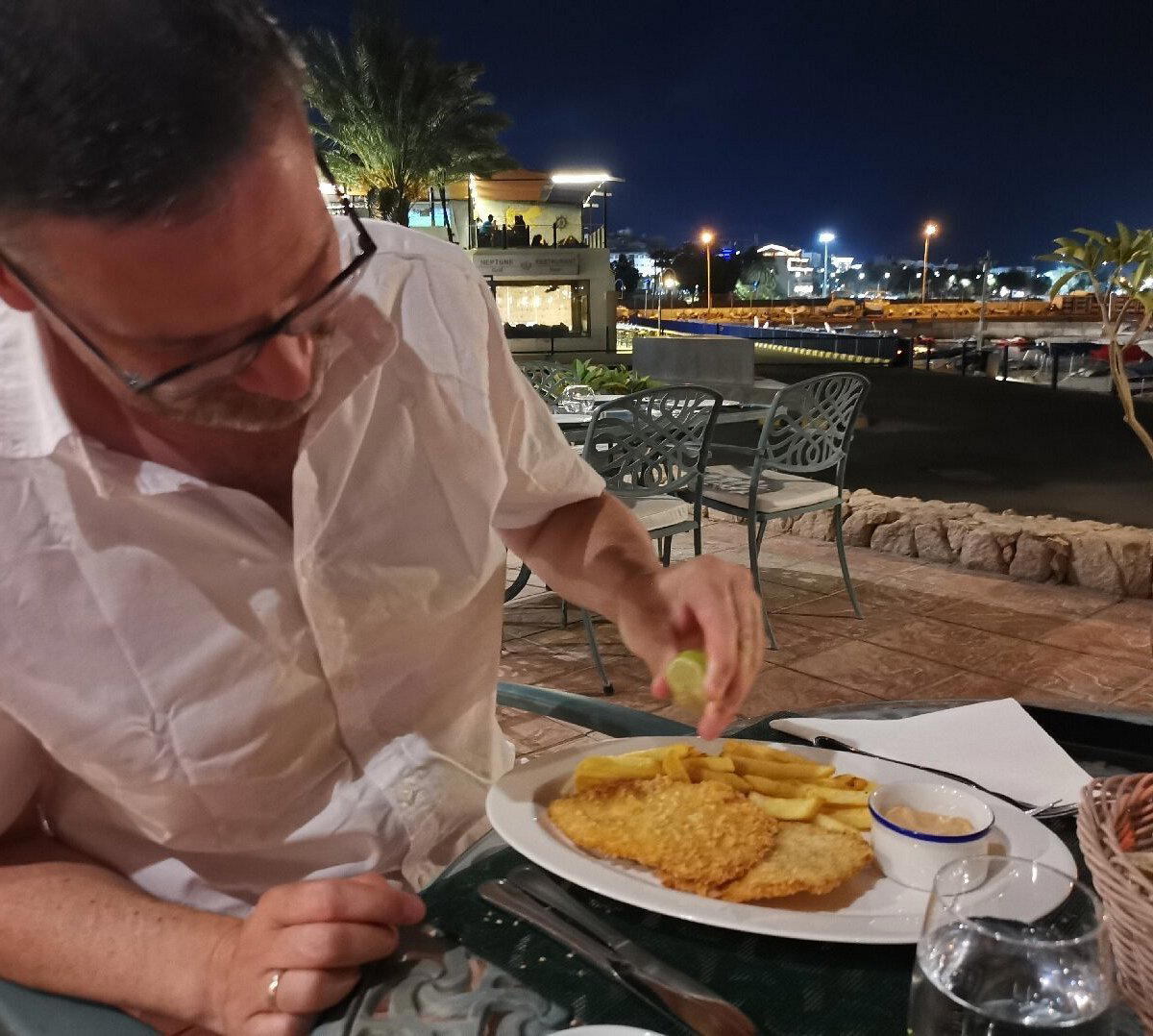
Details
- Classic
- Cozy
- Scenic
- Group Dining
- Family
- Casual Hangout
- Business Dinner
- Hotel Restaurant
- Street Scene
- A La Carte
- Vegetarian Friendly
- Vegan Options
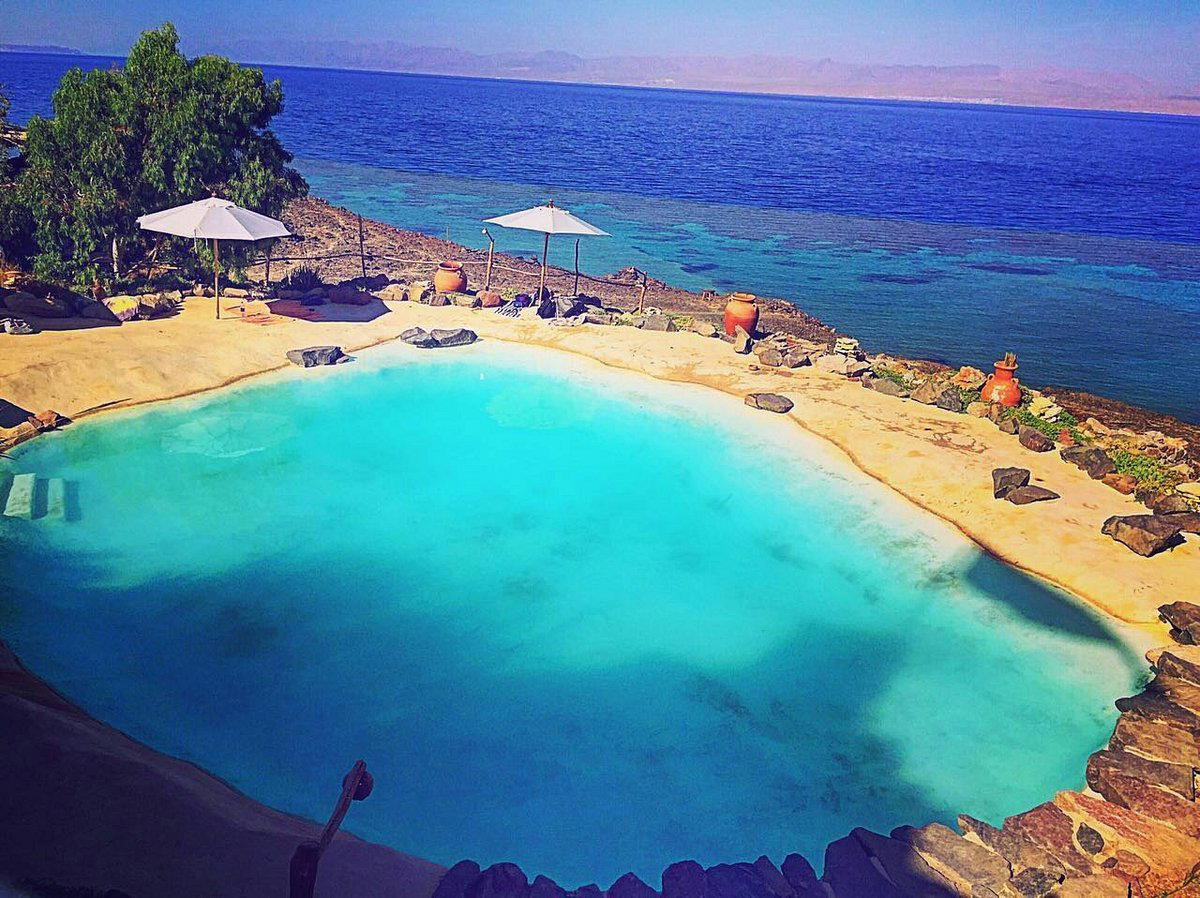
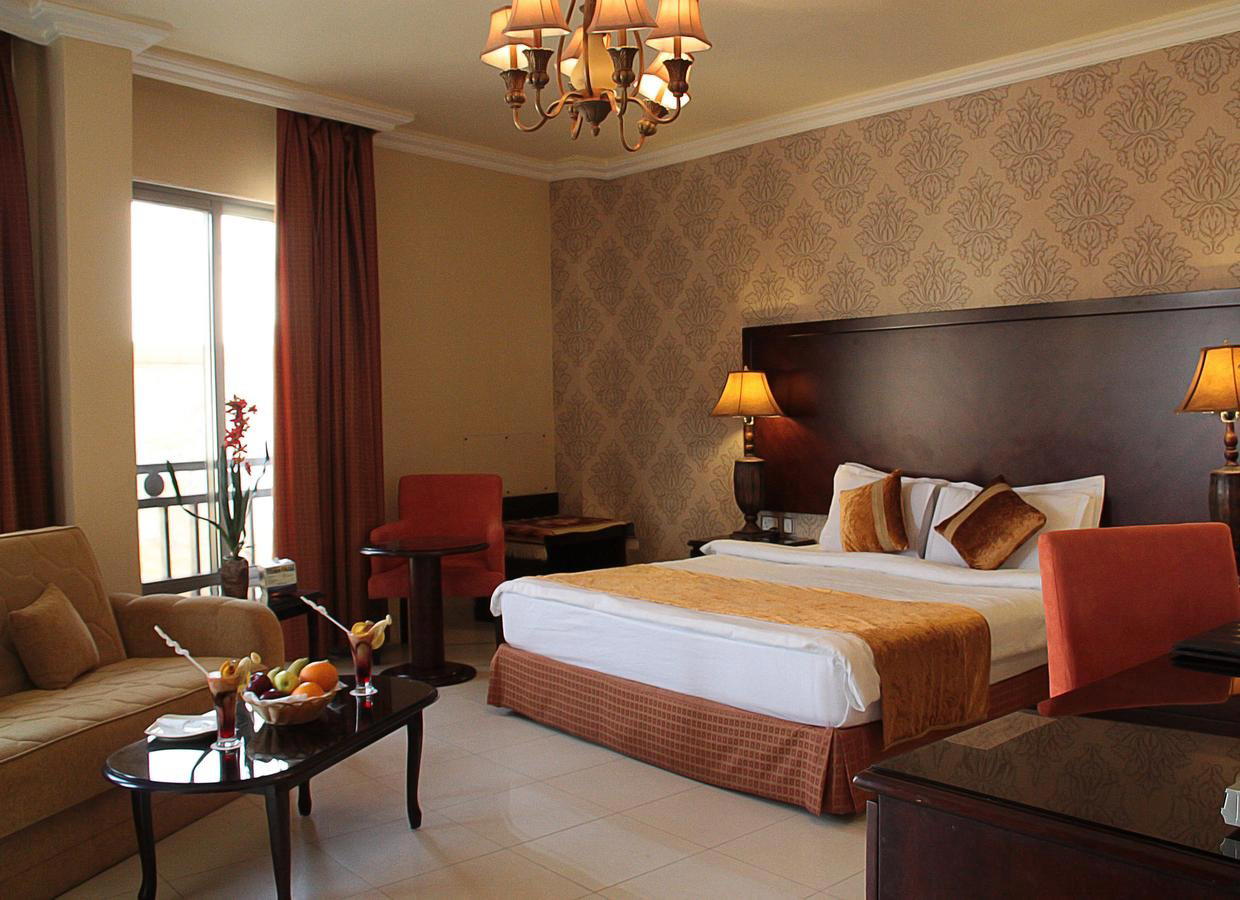
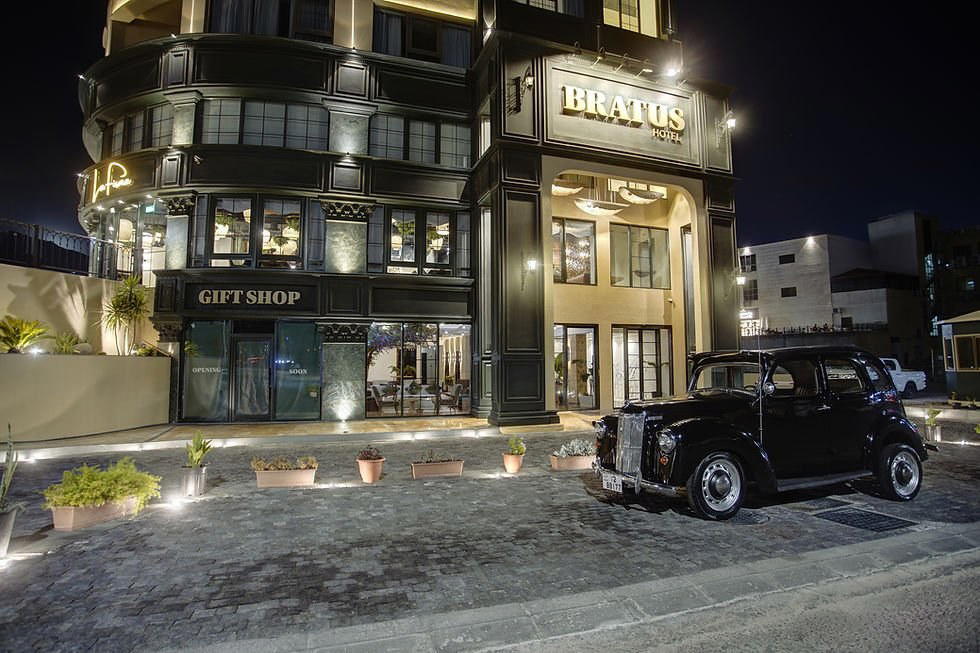
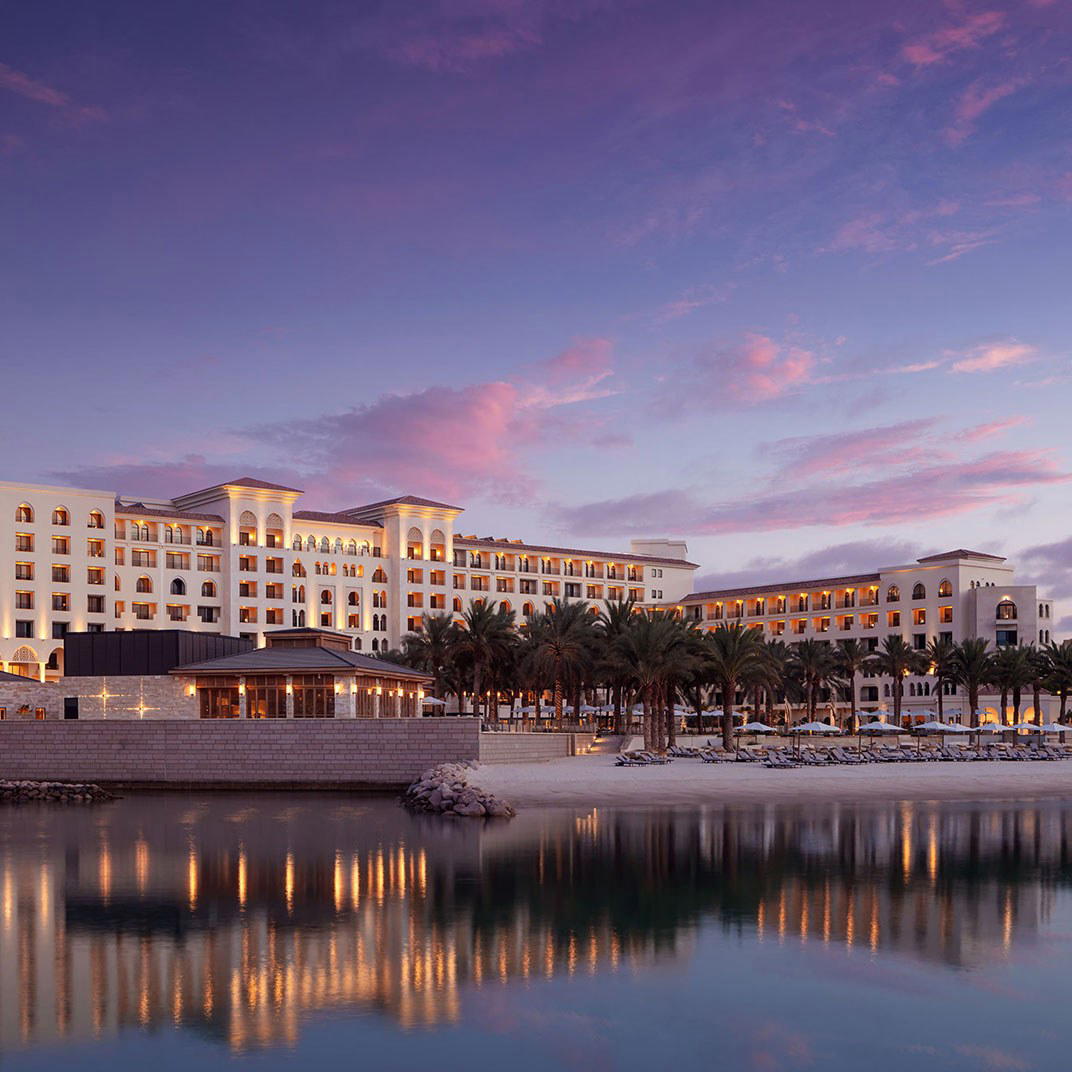
A traditional, hotel-adjacent dining room with an established local feel and a focus on generous, wide-ranging meals rather than a high-concept fine-dining experience.