Alameda Restaurant at Hondarribia




Alameda sits at the heart of Hondarribia's dining scene, where the Txapartegi brothers have spent decades translating the Bidasoa-Txingudi estuary's seasonal produce into what they call 'Bidasoa cooking'. Accredited two stars by World of Fine Wine, the restaurant operates across a casual taberna and a gastronomic dining room, with two set menus anchored to the philosophy that the shorter the distance from soil to stove, the more truthful the plate.
Pearl is the En Primeur Club membership app — saves, bookings, and concierge access live there. Same editors, same standards.
- Address
- Minasoroeta 1
- Phone
- +34 943 64 27 89
- Website
- restaurantealameda.net
- Directions
- Get directions
 Saves & bookings on Pearl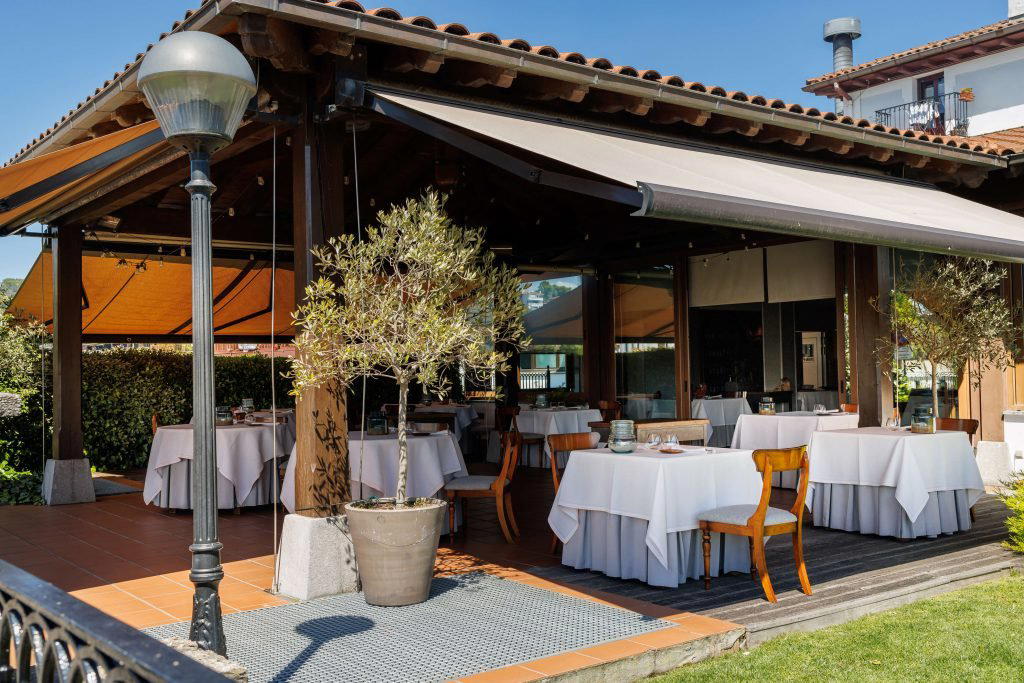
Where the Bidasoa River Meets the Table
Hondarribia is a town that operates on a different register from its famous neighbour, San Sebastián, forty minutes along the coast. The old walled quarter faces France across the Bidasoa estuary, and the fishing port below has historically supplied both sides of the border. It is this geography, the estuary, the market gardens of Txingudi, the Atlantic fishing grounds, that gives Hondarribia its culinary character, and Alameda Restaurant at Hondarribia is the clearest expression of that character on a plate.
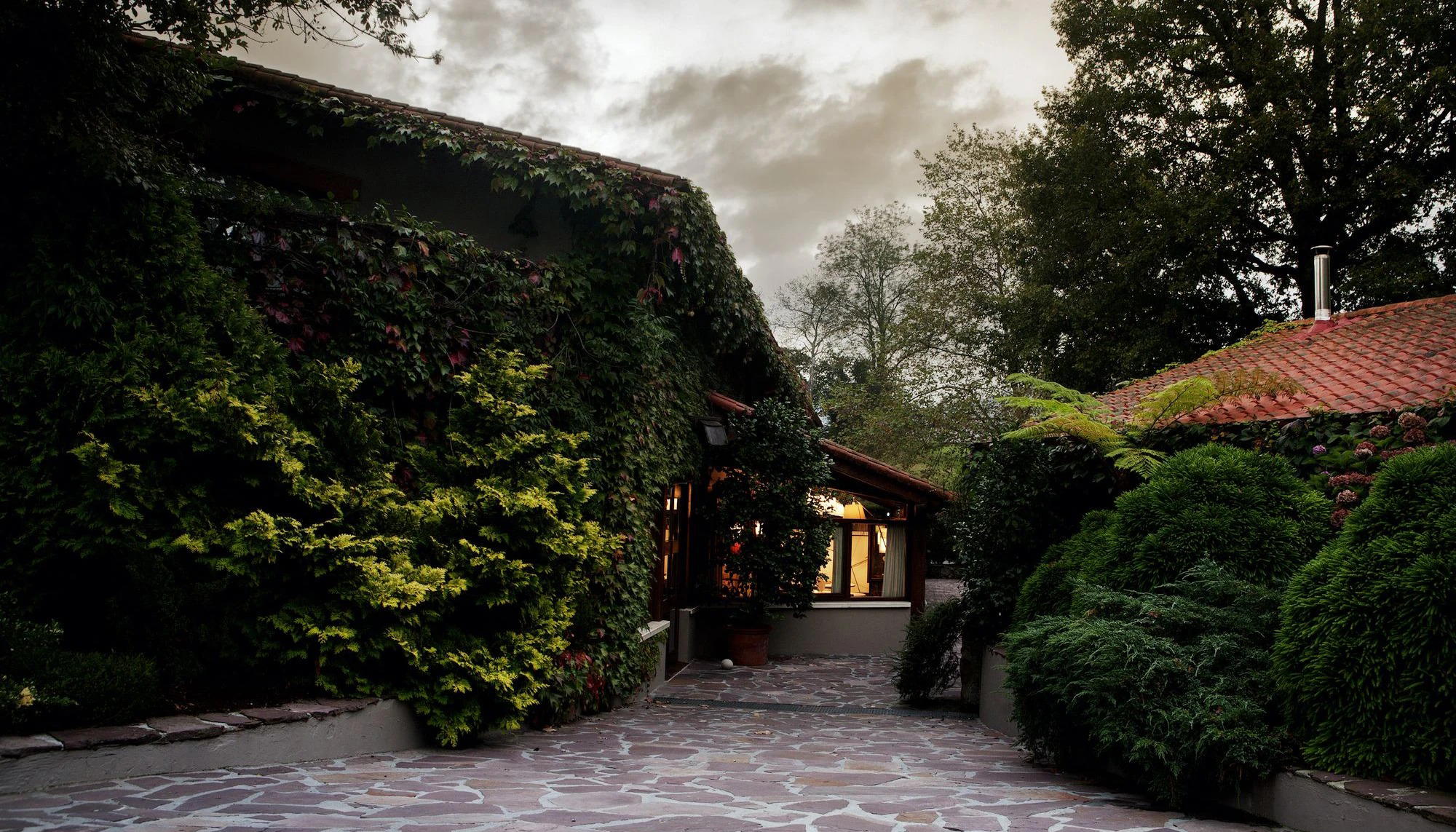
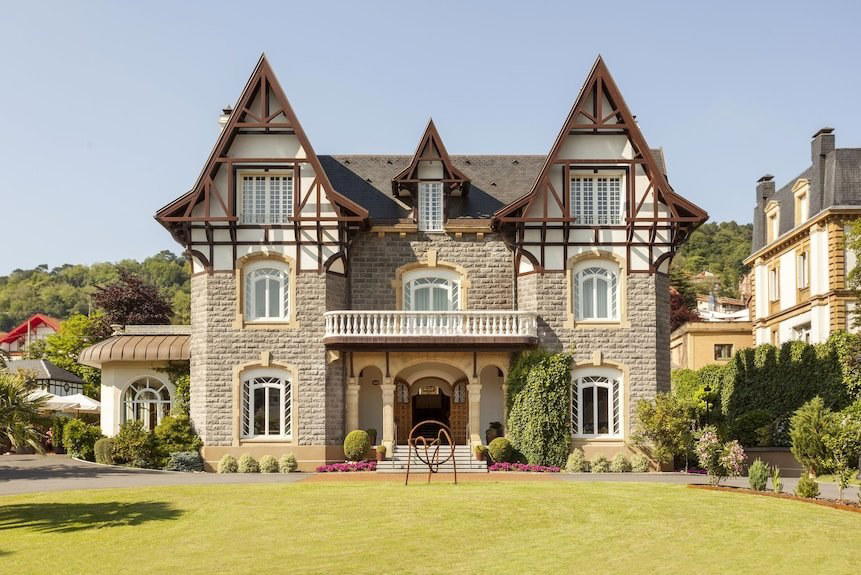
Approaching Alameda on Minasoroeta, the building reads as part of the old town fabric rather than a destination restaurant in any ostentatious sense. The renovation has kept the structure's bones intact while adding enough considered detail to signal that what happens inside is taken seriously. There are two spaces: the taberna, which carries the easy weight of a neighbourhood meeting point, and the gastronomic dining room, where a classic, rustic framework has been updated with modern detailing. The effect is one of continuity rather than rupture, which turns out to be the appropriate metaphor for the cooking itself.
Bidasoa Cooking: What the Term Actually Means
In the Basque Country, regional cooking identity is specific to a degree that can seem granular from the outside. 'New Basque cuisine', the movement that transformed Spanish fine dining in the late twentieth century, is now a historical category rather than a live description. What has followed in smaller towns like Hondarribia is something more grounded: kitchens articulating a relationship to a particular river valley, a particular estuary, a specific set of producers. Alameda uses the term 'Bidasoa cooking' to describe precisely this, cooking that is indelibly linked to the Bidasoa-Txingudi area and the ingredients produced within it.
The working principle behind the kitchen is one that predates contemporary sourcing movements by several generations. The Txapartegi family frames it through a piece of family advice: that the shorter the distance between the soil and the stove, the better the result. This is not a marketing position. In this part of the Basque Country, where small-scale agriculture and coastal fishing have shaped diets for centuries, the short supply chain is simply the traditional one. The contemporary move Alameda makes is to apply technical rigour and a more modern compositional eye to ingredients that have always been local, rather than importing either the ingredients or the aesthetic from elsewhere.
That approach places Alameda in a category of Basque restaurants that differ from the headline modernist kitchens, places like Arzak in San Sebastián or Azurmendi in Larrabetzu, not in quality of ambition, but in the nature of the project. Where those kitchens are concerned with invention and citation, Alameda is concerned with fidelity to place. Alameda holds one Michelin star, a mark of its distinction.
The Menus: Structure and Emphasis
The restaurant operates both an à la carte and two set menus named Hondarribia and Gartzinea. The naming matters: Gartzinea is an older Basque name for the town itself, which signals that these menus are conceived as statements of local identity rather than generic tasting formats. The kitchen's approach to Basque cooking from a contemporary standpoint means that classical preparations are present, but the compositions around them are lighter and more precise than a traditional Basque table would suggest.
One dish from the kitchen that has drawn specific attention is the marinated and smoked Bonito del Norte tuna with onions and citrus fruit. Bonito del Norte is the Atlantic albacore that arrives in Basque waters each summer, and its seasonal presence anchors the kitchens of the entire region. Treating it through marination and cold smoke rather than the traditional preserved tin format places Alameda's version in a more technique-driven register while keeping the ingredient at the centre. The citrus element and the onion do not distract from the fish; they extend its acidity and brightness in a way that reads as modern without announcing itself as such.
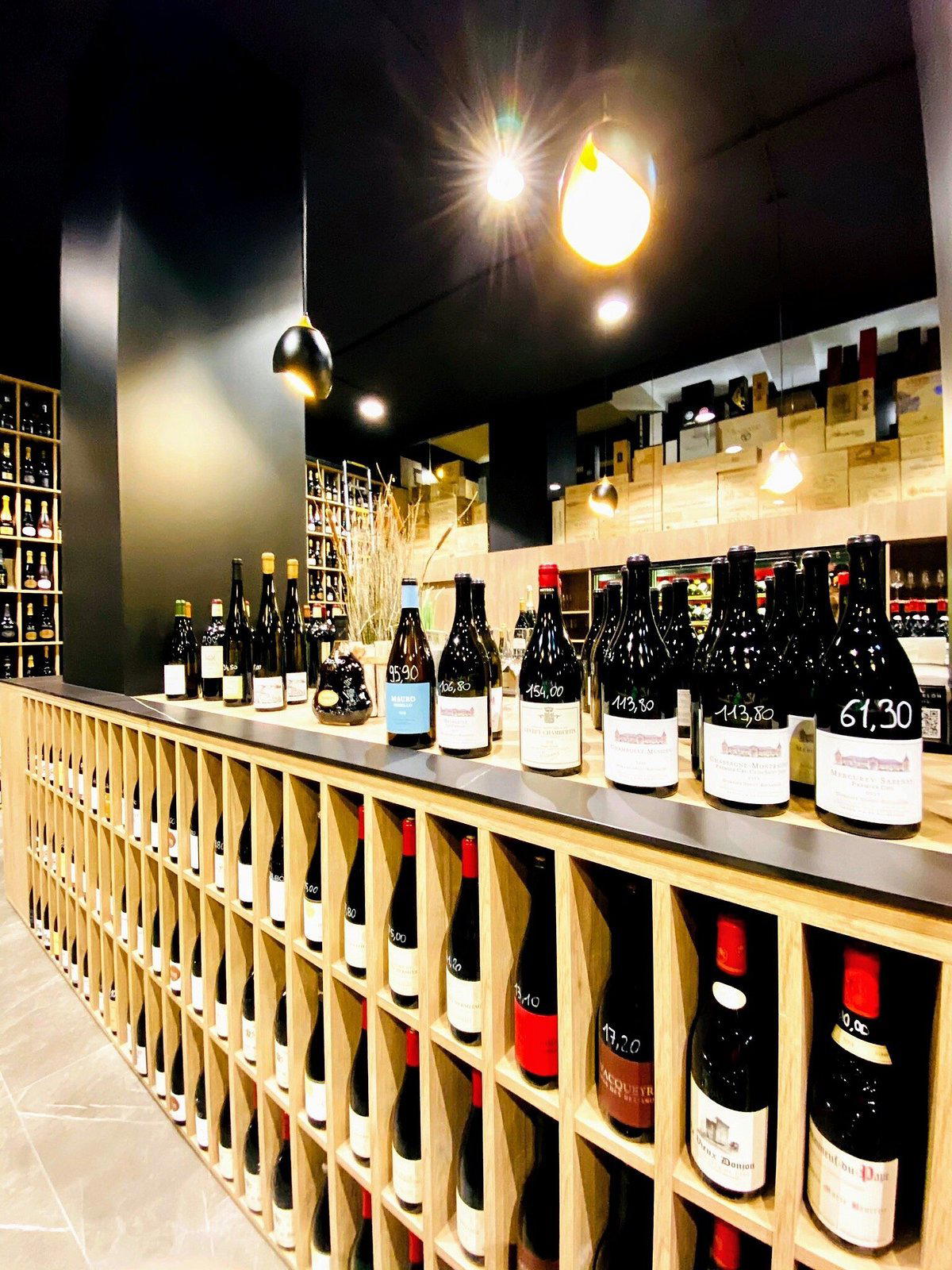
The front-of-house and kitchen roles are shared within the Txapartegi family. The arrangement reflects a family operation where roles are defined and the front-back integration is tighter than in larger brigade kitchens. The wine list is shaped by the surrounding Basque and Spanish cellars.
Alameda in Hondarribia's Dining Context
Hondarribia's restaurant offering spans a range of formats and price points. Gran Sol operates at the accessible end of the traditional cuisine category, while Sutan and Laia Erretegia occupy the mid-to-upper tier, the latter as an asador format focused on grills. Alameda sits at the more considered end of the local spectrum, where the set menu structure and two-room format place it in a different bracket from its neighbours.
For context on how Basque fine dining travels internationally, the roster of Spain's most decorated kitchens includes Martin Berasategui in Lasarte-Oria, El Celler de Can Roca in Girona, Aponiente in El Puerto de Santa María, DiverXO in Madrid, and Cocina Hermanos Torres in Barcelona. Alameda does not operate at the same scale of international recognition, but it does something those kitchens cannot: it anchors itself to a specific, small river estuary and makes that specificity its primary credential. The comparison with sibling-run kitchens like Cocina Hermanos Torres or, further afield, Emeril's in New Orleans and Le Bernardin in New York City underscores how different restaurant projects can be even within the same broad category of serious cooking. Alameda's version of seriousness is territorial and quiet rather than global and declarative.
Planning a Visit
Alameda sits at Minasoroeta 1 in Hondarribia's old town, within the walled quarter where the town's architecture is at its most intact. Hondarribia is accessible from San Sebastián by road in under an hour, and the town is also reachable from Biarritz across the French border, making it a logical stop on a Basque Country itinerary that covers both sides of the Pyrenees. The dual dining room format means there is some flexibility in how formal an experience you want: the taberna functions as a lower-commitment entry point to the kitchen's produce-first logic, while the gastronomic room and its named set menus represent the fuller version of what Alameda does. Given the restaurant's reservation policy, advance booking is advisable, particularly in summer when Bonito del Norte is in season.
How It Stacks Up
Comparable venues nearby, for context on price, style, and recognition.
| Venue | Cuisine | Price | Awards | Notes |
|---|---|---|---|---|
| AlamedaThis venue — the venue you are viewing | Modern Basque Bidasoa Cuisine | $$$$ | Michelin 1 Star | Not listed |
| Laia Erretegia | Basque Grill with Dry-Aged Steaks | $$$ | Michelin Plate | Arkolla |
| Hotel Jaizkibel | Modern Basque Mediterranean | $$$ | Not listed | residential |
| Sutan | Basque Grill Asador | $$ | Michelin Plate | Jaitzubia |
| Alameda Restaurant at Hondarribia | Modern Basque Bidasoa Cuisine | $$$$ | Not listed | Hondarribia |
| Gran Sol | Modern Basque Pintxos | $$ | Michelin Plate | Marina quarter |
Recognition history
Dated appearances from independent guides and award organizations, with the underlying list record or original source where available.
Guía Repsol 2 Soles
Guía Repsol
Macarfi 8.9 Food Rating
Macarfi
Michelin 1 Star
Michelin
World's Best Wine Lists Awards WBWL 2-Star
World's Best Wine Lists Awards
World's Best Wine Lists Awards WBWL 2-Star
World's Best Wine Lists Awards
Continue exploring
More in Hondarribia
Restaurants in Hondarribia
Browse all →
Bars in Hondarribia
Browse all →
At a Glance
- Rustic
- Elegant
- Cozy
- Sophisticated
- Special Occasion
- Date Night
- Celebration
- Terrace
- Private Dining
- Open Kitchen
- Extensive Wine List
- Sommelier Led
- Local Sourcing
Current opening hours
- Monday
- Closed
- Tuesday
- Closed
- Wednesday
- 12–3:30 PM
- Thursday
- 12–3:30 PM
- Friday
- 12–3:30 PM, 7:30–11 PM
- Saturday
- 12–3:30 PM, 7:30–11 PM
- Sunday
- 12–3:30 PM
Hours can change for holidays and private events. Last verified .
Classic rustic decor with modern features, warm, welcoming, and unpretentious atmosphere featuring elegant lighting suitable for fine dining.