Alahamora Gildia Czarodziejów occupies a ground-floor unit on Zwycięstwa in central Gliwice, operating within a city whose dining scene has grown more varied and self-confident over the past decade.
Pearl is the En Primeur Club membership app — saves, bookings, and concierge access live there. Same editors, same standards.
- Address
- Zwycięstwa 34/U1, 44-100 Gliwice, Poland
- Phone
- +48572583102
- Website
- alahamora.pl
- Directions
- Get directions
 Saves & bookings on Pearl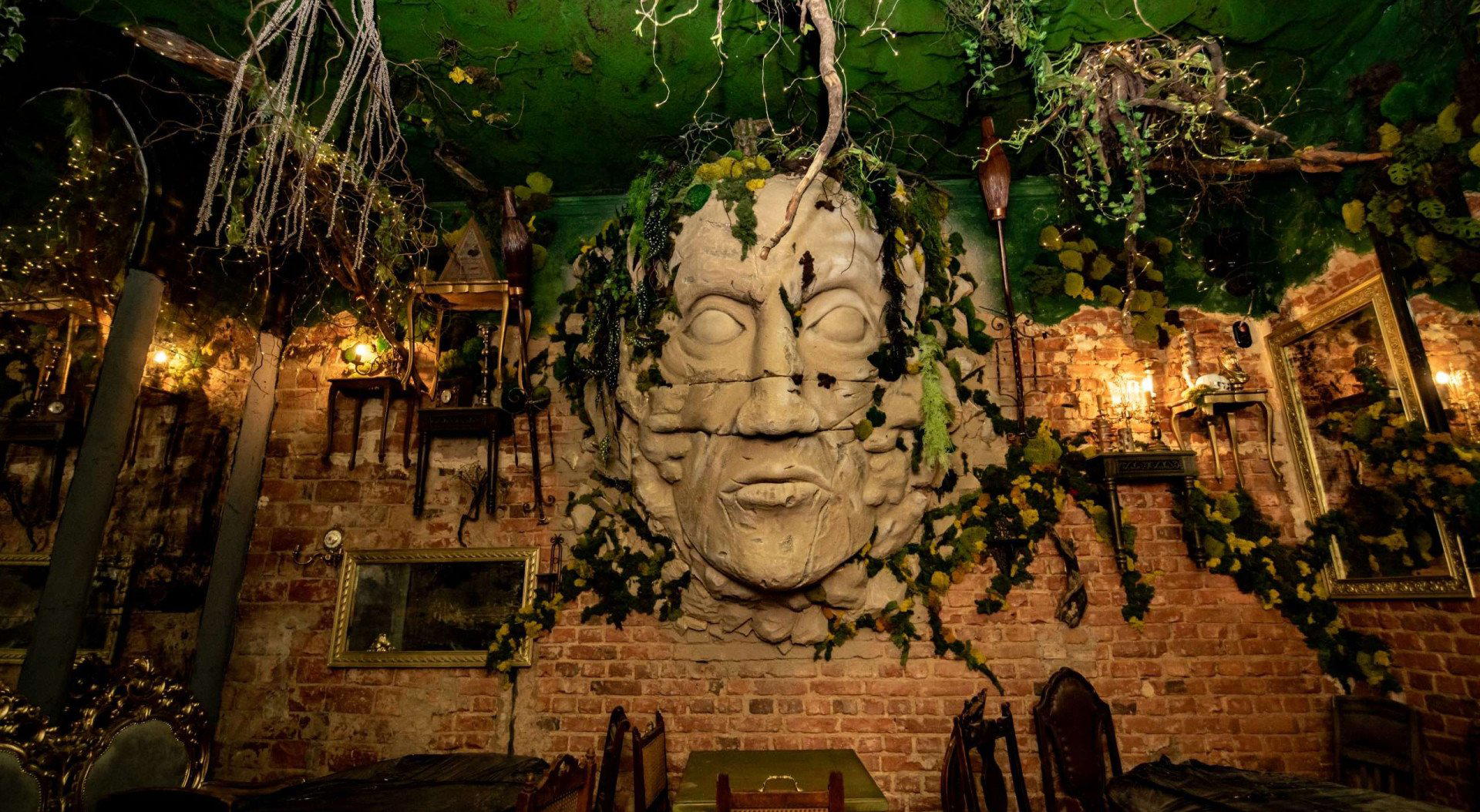
Gliwice's Independent Circuit and Where Alahamora Fits
Alahamora Gildia Czarodziejów is a Magical Vegetarian Cafe in Gliwice, Poland, with, walk-in-friendly format. Upper Silesia's dining culture has shifted considerably since the early 2010s. Gliwice, long in the shadow of neighbouring Katowice, has developed a genuinely independent restaurant scene built on smaller operators rather than franchise or hotel dining. The address on Zwycięstwa, a central artery connecting the old town to the broader city grid, places Alahamora Gildia Czarodziejów within that independent tier, alongside venues like KLAR kawa i wino and Vege Express, which have each staked out a distinct position in the city's eating and drinking conversation. In a city this size, address and format signal quite a lot. A ground-floor unit (the U1 designation in the postal address) suggests a street-facing operation, the kind of space that earns its clientele through foot traffic and word of mouth rather than destination reputation.
The name itself, which translates loosely as "Wizards' Guild", gestures toward a concept-driven format. In Polish cities, concept-led independents have multiplied across the past several years, particularly in university towns and post-industrial centres where younger operators have moved away from traditional restaurant categories. Gliwice, home to the Silesian University of Technology and a steady influx of younger residents, has provided enough of an audience for that kind of format to take hold.
The Sourcing Question in Concept-Led Dining
Across Poland's independent restaurant circuit, ingredient sourcing has become one of the more reliable markers of seriousness. The gap between venues that source regionally, from Silesian farms, local smokeries, and seasonal market suppliers, and those that rely on broad commercial distributors is now wide enough to be legible in the food itself. Silesia's agricultural belt runs through the surrounding countryside, and operators willing to work directly with producers can access ingredients that simply do not appear in standard wholesale channels: heritage breed pork from small Opolskie farms, freshwater fish from Upper Silesian lakes, foraged mushrooms from the forests that ring the region. For a concept-led venue in Gliwice, the sourcing approach matters because it determines whether the food reinforces the concept or merely decorates it.
Poland's broader fine dining conversation has been shaped by this tension. Venues like Bottiglieria 1881 in Kraków and Muga in Poznań have demonstrated that sourcing specificity, when communicated clearly, creates a different kind of trust with guests than concept alone. At the other end of the country's dining register, places like Arco by Paco Pérez in Gdańsk and hub.praga in Warsaw use sourcing narrative as a core part of their guest experience. For smaller independents in secondary cities, the question is whether that narrative gets communicated at all, or whether it remains implicit in the quality of what arrives at the table.
What the Address Tells You Before You Arrive
Zwycięstwa is not a backstreet. It is one of Gliwice's more visible central corridors, which means the venue operates in a reasonably high-visibility environment. That positioning suits a concept-driven format: the potential audience walking past is broader and more varied than in a tucked-away courtyard location. In practical terms, the central address also means public transport access is direct from most of the city, and the surrounding blocks include enough other independent operators to make an evening in the area feel like a coherent neighbourhood experience rather than a single-destination trip.
For visitors coming from elsewhere in Poland, Gliwice is accessible by rail from Katowice in under twenty minutes and from Kraków in roughly ninety. The Kaktusy Kato Koncept Kulinarny in Katowice offers a useful point of comparison for the concept-dining format that has taken hold across Upper Silesia's two largest cities. The regional dining circuit is close enough geographically that a weekend itinerary could reasonably move between them.
Alahamora Gildia Czarodziejów is walk-in friendly. The Dos Gatos Taqueria nearby runs on a different format but gives some sense of how Gliwice's independent operators handle the booking question in practice.
The Broader Polish Restaurant Moment
Poland's restaurant scene is at an interesting point of maturation. The post-2010 wave of modernist Polish cooking, which drew international attention to venues in Warsaw and Kraków, has now filtered down into secondary cities in ways that are less about fine-dining formality and more about ingredient integrity and format experimentation. The venues attracting consistent attention outside the main centres tend to be those that solve a specific problem for their local audience: whether that is Giewont in Kościelisko working with mountain-region ingredients, or OK Wine Bar in Wrocław building a serious natural wine program away from the capital. Gliwice's independent operators are part of the same pattern.
For international context, the gap between a venue like Le Bernardin in New York City or Lazy Bear in San Francisco and what a concept-led independent in Gliwice is doing is obviously large in terms of resource and recognition. But the underlying instinct, to create a dining format that is legible as a specific point of view rather than a generic hospitality offering, is the same one that animates serious operators at every scale. In Poland's secondary cities, that instinct is running ahead of the infrastructure of recognition. Awards and formal critical attention lag behind what is actually happening on the ground in places like Gliwice.
That lag is worth noting for travellers who use awards as a primary filter. Venues further afield, from Ariel in Krakow to Bar Przystań in Sopot, La Cucina Ristorante in Gdansk, Nare Sushi in Skórzewo, and Luneta & Lorneta Bistro Club in Ciekocinko, illustrate how widely the independent dining instinct has spread across Polish geography.
Quick Comparison
Comparable venues nearby, for context on price, style, and recognition.
| Venue | Cuisine | Price | Notes |
|---|---|---|---|
| Alahamora Gildia CzarodziejówThis venue — the venue you are viewing | Magical Vegetarian Cafe | $ | Not listed |
| Vege Express | Vegan Fast Casual | $ | Gliwice city center |
| KLAR kawa i wino | Specialty Coffee & Wine Bar | $$ | center Gliwice |
| Dos Gatos Taqueria | Authentic Mexican Taqueria | $$ | city center |
| Mr Broda Sandwich Bar | American Deli - Pastrami & Roast Beef Sandwiches | $ | Kazimierz |
| Kolorowo bistro | Polish Bistro Breakfasts | $ | Śródmieście |
Continue exploring
More in Gliwice
Restaurants in Gliwice
Browse all →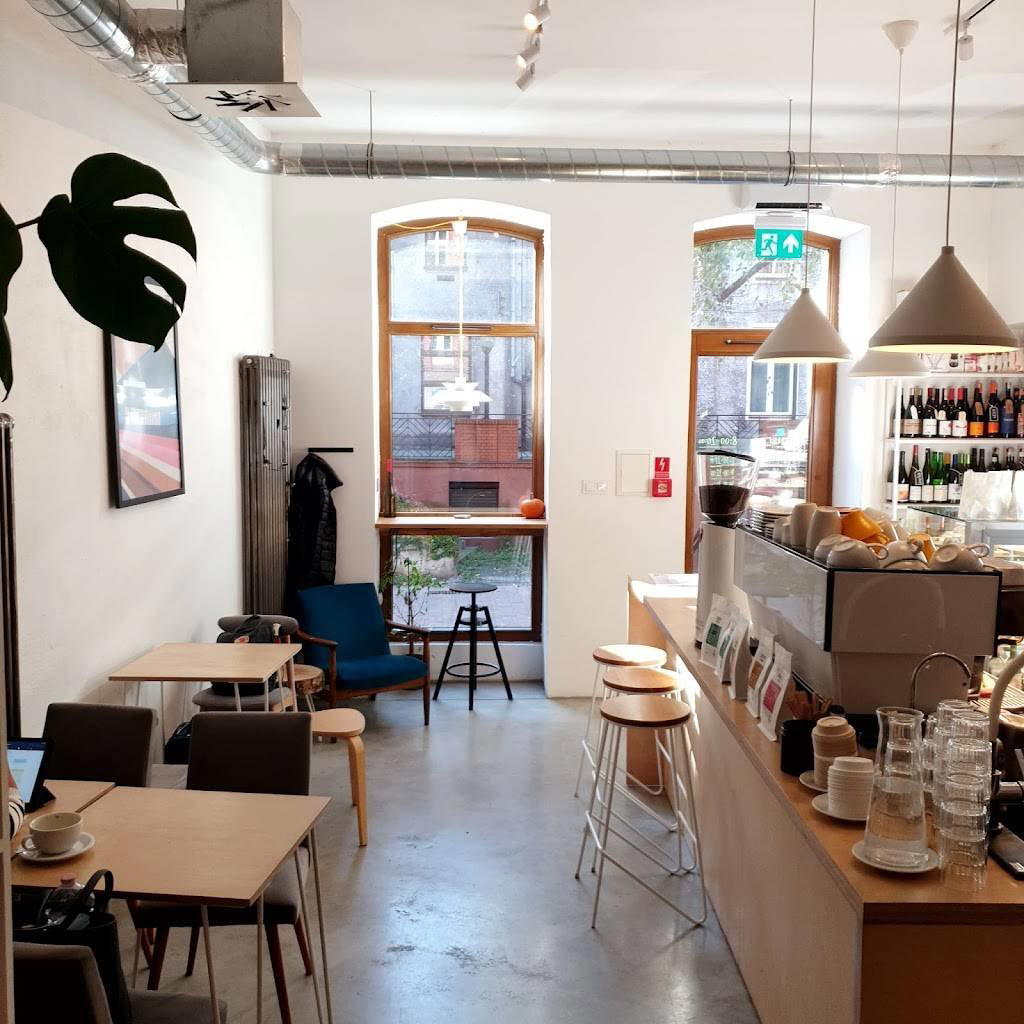
Bars in Gliwice
Browse all →
Hotels in Gliwice
Browse all →
At a Glance
- Whimsical
- Cozy
- Casual Hangout
- Historic Building
- Beer Program
Current opening hours
- Monday
- Closed
- Tuesday
- 2–9 PM
- Wednesday
- 2–9 PM
- Thursday
- 2–9 PM
- Friday
- 2–9 PM
- Saturday
- 11:30 AM–9 PM
- Sunday
- 11:30 AM–9 PM
Hours can change for holidays and private events. Last verified .
Enchanted whimsical atmosphere blending magic with cozy vegetarian dining.