Our verdict
Al Porto Ristorante occupies a Water Street address in Vancouver's Gastown, placing it inside one of the city's most historically textured dining corridors. The restaurant sits at the intersection of Italian cooking tradition and the Pacific Northwest's deep larder of local ingredients, from coastal seafood to regional produce. For visitors working through Vancouver's premium dining tier, it represents a familiar European framework applied to a distinctly Canadian supply chain.

Pearl is the En Primeur Club membership app — saves, bookings, and concierge access live there. Same editors, same standards.
- Address
- 321 Water St, Vancouver, BC V6B 1B6, Canada
- Phone
- (604) 683-8376
- Hours
- Mon–Thu 11:30 AM–9 PMFri 11:30 AM–9:30 PMSat 4:30–9:30 PMSun 4:30–9 PM
- Website
- alporto.ca
- Directions
- Get directions
- Booking
- Book on OpenTable
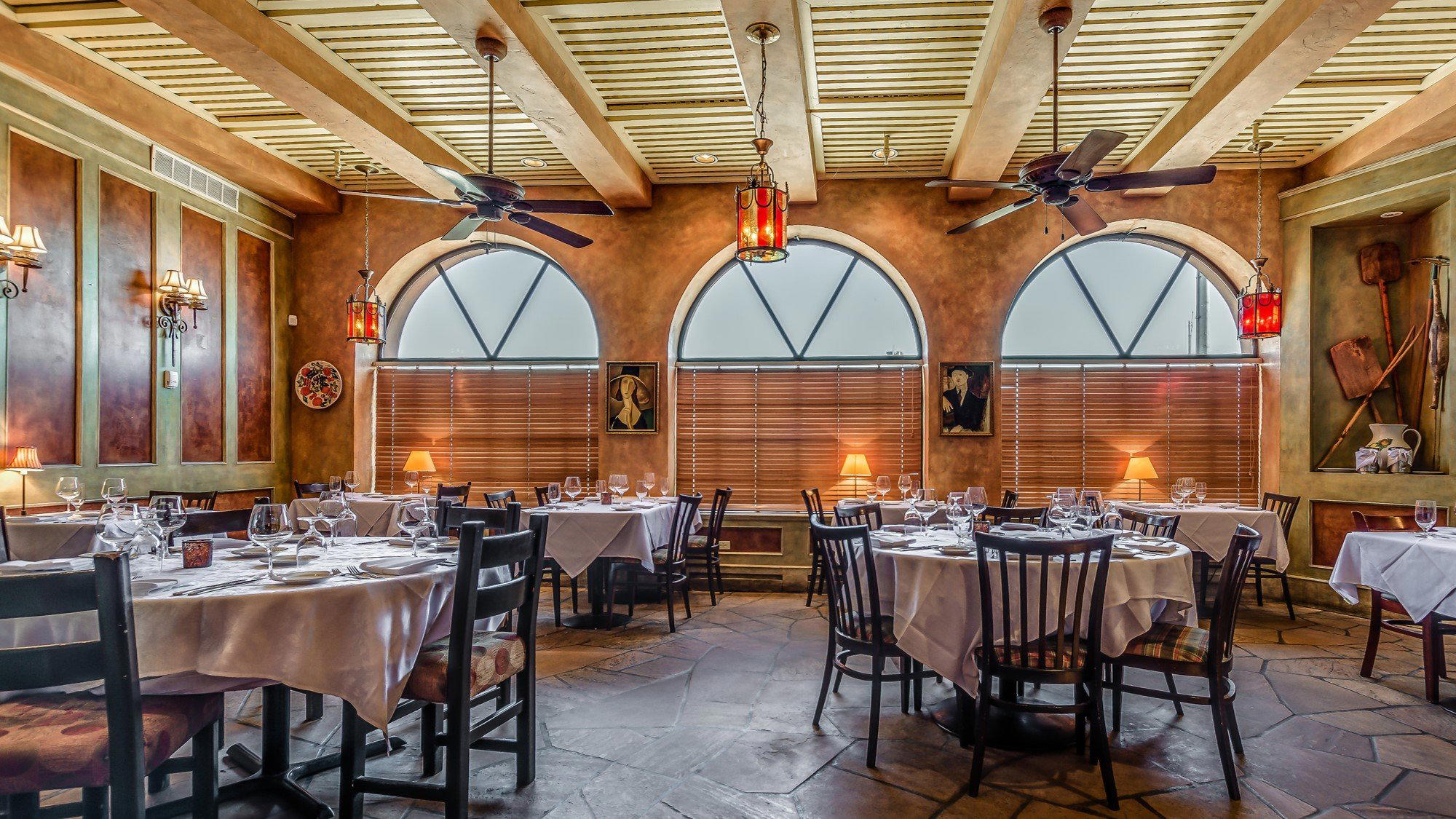
Gastown's Italian Anchor on Water Street
Water Street runs through the heart of Gastown, Vancouver's oldest commercial neighbourhood and the district that, more than any other part of the city, carries the tension between heritage architecture and contemporary ambition. The cobblestones, the cast-iron steam clock, the converted brick warehouses — all of it creates a physical setting that asks restaurants to reckon with their surroundings. Italian cooking, with its own deep relationship between place and plate, has long found a natural home in that kind of environment. Al Porto Ristorante, at 321 Water Street, sits within that tradition.
Gastown has evolved considerably as a dining address. A decade ago it was known primarily for gastropubs and late-night venues. The current iteration includes a broader range of cooking registers, from the fermentation-forward contemporary work happening in the neighbourhood's smaller rooms to more classically anchored European kitchens. Al Porto belongs to the European-rooted cohort, a positioning that carries both the comfort of recognisable form and the challenge of differentiation in a city where contemporary kitchens like AnnaLena and Barbara have set an aggressive standard for ingredient-led cooking.
The Case for Italian Technique on the Pacific Northwest Larder
The intersection of imported European method and local Canadian product is one of the more productive tensions in contemporary Canadian fine dining. It is visible across the country: at Tanière³ in Quebec City, where classical French structure meets boreal ingredients; at Restaurant Pearl Morissette in Lincoln, where a wine-country setting informs a restrained European sensibility; and at Fogo Island Inn Dining Room in Joe Batt's Arm, where Newfoundland's coastal larder is filtered through a destination hospitality lens. The common thread is a willingness to hold European discipline alongside the specificity of Canadian geography.
British Columbia gives a kitchen working in Italian tradition a genuinely strong hand. Dungeness crab, spot prawns during their short late-spring season, wild Pacific salmon across multiple species, chanterelles from the coastal forests, and an expanding base of local cheesemakers and producers all represent ingredients that Italian cooking's emphasis on restraint and product integrity handles particularly well. The technique doesn't overwhelm — it clarifies. Pasta, risotto, and wood-fired preparation all share an underlying logic that tends to let primary ingredients carry the weight, which suits the Pacific Northwest supply chain more than many other European culinary traditions would.
For context on how this plays out at the highest tier of Vancouver dining, it is worth noting that venues like Masayoshi and Kissa Tanto have both built strong reputations precisely by holding a specific culinary tradition, Japanese and Japanese-Italian fusion respectively, in productive tension with local ingredients. The approach is not unusual in this city, but execution determines everything.
Where Al Porto Sits in Vancouver's Italian Dining Picture
Vancouver's Italian restaurant tier spans a considerable range. At one end are neighbourhood trattorias where the cooking is direct and the price point accessible. At the other are rooms operating closer to the contemporary fine dining tier, where the Italian framework is more of an orientation than a strict constraint and where the wine list and ingredient sourcing reflect a different level of investment. Al Porto's Water Street address places it physically in a premium dining corridor, and the Gastown setting implies a guest profile that includes both local regulars and visitors working through the city's established dining addresses.
For comparison purposes, Vancouver's premium contemporary tier, represented by venues at the $$$$ price level, includes kitchens where tasting menus and strong local sourcing credentials are the baseline expectation. Italian restaurants in that bracket compete not just against each other but against the full field of contemporary cooking in the city. The question any Italian kitchen at that level has to answer is whether its commitment to tradition adds value or limits flexibility. The strongest examples in Canada tend to answer by doubling down on sourcing specificity: if the pasta technique is classical, the flour, the egg yolk, the filling all need to reflect a genuine engagement with local supply.
Visitors who have worked through the Canadian restaurant circuit will find useful parallels in places like Cafe Brio in Victoria, which holds a similar European-meets-Pacific-Northwest positioning across the water on Vancouver Island, and Alo in Toronto, where French classical form has been applied with considerable rigour to Canadian ingredients. The structural logic across these kitchens is comparable even when the culinary tradition differs.
International reference points matter here too. Kitchens like Le Bernardin in New York City have long demonstrated what it looks like when a European culinary tradition commits fully to the quality of its primary ingredient rather than the complexity of its technique. That discipline, ingredient first, method in service of the product, is the standard against which seafood-focused Italian cooking in a market like Vancouver gets measured, consciously or not.
Planning Your Visit
- Address: 321 Water St, Vancouver, BC V6B 1B6
- Neighbourhood: Gastown, Vancouver
- Transport: Gastown is walkable from Waterfront Station (SkyTrain and West Coast Express), making it accessible without a car from most central Vancouver hotels.
- Booking:
- Nearby: Water Street is surrounded by Gastown's broader dining and bar scene; our full Vancouver restaurants guide maps the wider neighbourhood and city context.
Frequently asked questions
Where is Al Porto Ristorante located?
Al Porto Ristorante is located at 321 Water St, Vancouver, BC V6B 1B6, Canada, Vancouver.
Is Al Porto Ristorante a good choice for Italian food in Vancouver's Gastown neighbourhood?
Al Porto occupies a specific and relatively rare position in Vancouver: an Italian restaurant operating from Gastown's Water Street address, where the surrounding neighbourhood skews toward casual and bar-focused concepts rather than Italian-led kitchens. For diners seeking European technique with access to British Columbia's larder — local seafood, seasonal produce — the Water Street location puts it within walking distance of the broader Gastown dining circuit.
What's the must-try dish at Al Porto Ristorante?
The kitchen at Al Porto, positioned on Water Street in Gastown, is built around Italian technique applied to Pacific Northwest ingredients — a combination that typically produces strong results in housemade pasta and locally sourced seafood preparations. Specific menu details change seasonally and are best confirmed directly with the restaurant before your visit.
Do they take walk-ins at Al Porto Ristorante?
Walk-in availability at Al Porto on Water Street in Gastown varies by time of day and day of the week. Gastown draws consistent foot traffic as Vancouver's oldest commercial district, which means the dining room fills quickly on weekends. Contacting the restaurant in advance is the most reliable way to confirm current table availability.
What do critics highlight about Al Porto Ristorante?
Al Porto's position on Water Street places it at the centre of Gastown's restaurant tier, a neighbourhood that has drawn increasing editorial attention as Vancouver's dining scene has matured. The restaurant's longevity on one of the city's most scrutinised blocks is itself a credentialing signal in a competitive market.
Do they accommodate allergies at Al Porto Ristorante?
Allergy accommodation policies are best discussed directly with Al Porto's front-of-house team when making a reservation, as Italian kitchens frequently work with gluten, dairy, and shellfish as core ingredients. Informing the restaurant at the time of booking gives the kitchen adequate preparation time to adjust where possible.
What It’s Closest To
Comparable venues nearby, for context on price, style, and recognition.
| Venue | Cuisine | Price | Notes |
|---|---|---|---|
| Al Porto RistoranteThis venue — the venue you are viewing | Authentic Italian with Seafood and Pasta | $30–50 | Not listed |
| Frankie's Italian Vancouver | Southern Italian Trattoria | $30–50 | Downtown |
| Pepino's Spaghetti House | Classic Italian Spaghetti House | $30–50 | Grandview-Woodland |
| Osteria al Centro | Authentic Italian Osteria | $30–50 | Renfrew-Collingwood |
| The Parlour | Modern Italian Pizza & Comfort Cuisine | $30–50 | Downtown |
| Il Nido Italian Restaurant | Authentic Italian Trattoria | $30–50 | West End |
Continue exploring
More in Vancouver
Restaurants in Vancouver
Browse all →
Bars in Vancouver
Browse all →

Details
- Cozy
- Romantic
- Classic
- Date Night
- Group Dining
- Special Occasion
- Private Dining
- Local Sourcing
- Mountain
- A La Carte
- Vegetarian Friendly
- Vegan Options
- Gluten Free Options
Current opening hours
- Monday
- 11:30 AM–9 PM
- Tuesday
- 11:30 AM–9 PM
- Wednesday
- 11:30 AM–9 PM
- Thursday
- 11:30 AM–9 PM
- Friday
- 11:30 AM–9:30 PM
- Saturday
- 4:30–9:30 PM
- Sunday
- 4:30–9 PM
Hours can change for holidays and private events. Last verified .
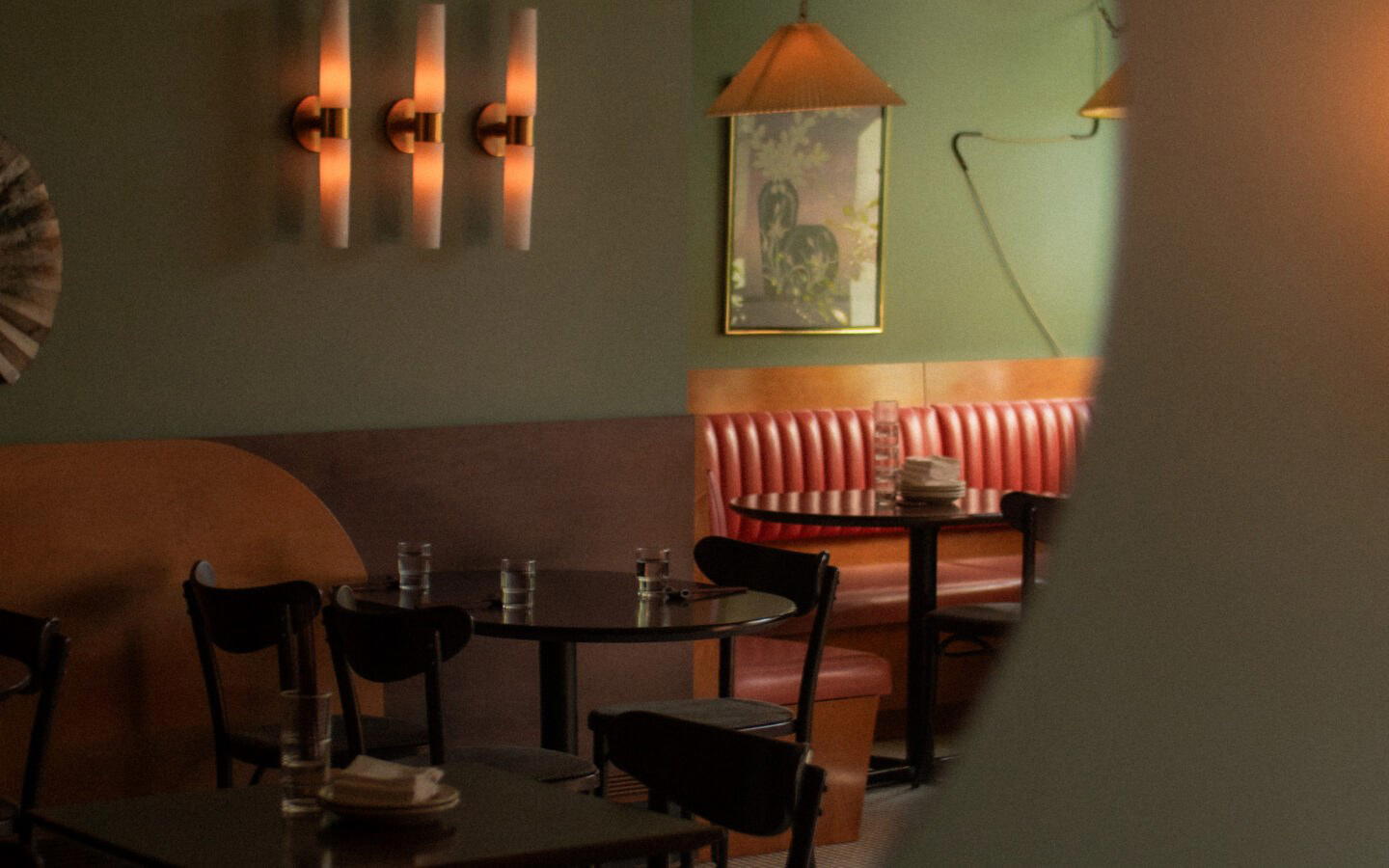
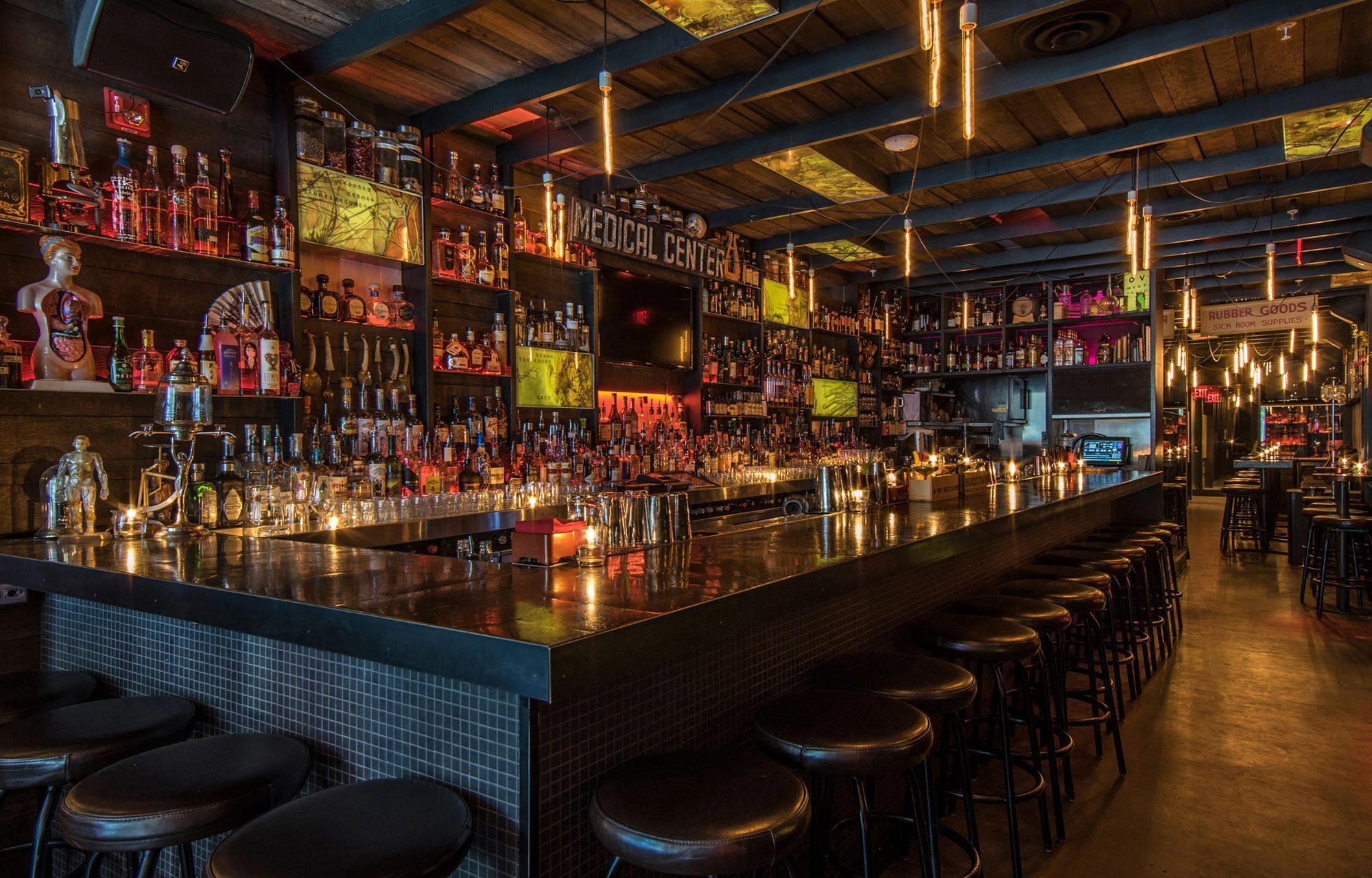
Spacious yet cozy atmosphere reminiscent of an Italian café, with warm lighting and inviting, romantic vibes.