Al Mearaj
Our verdict
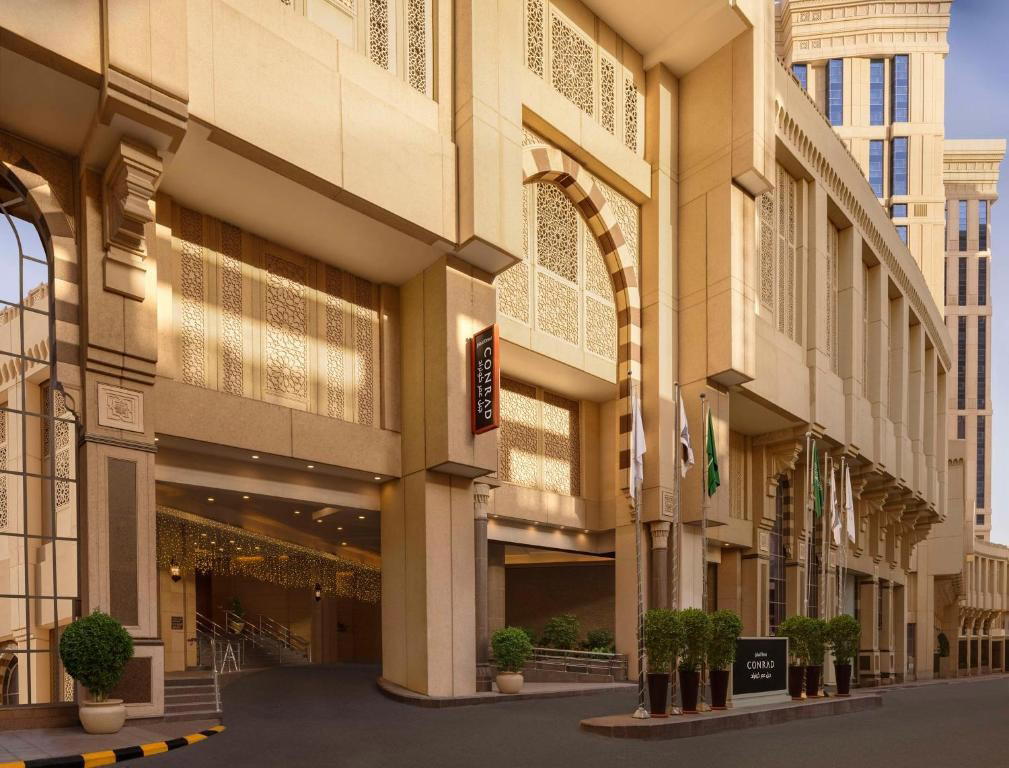
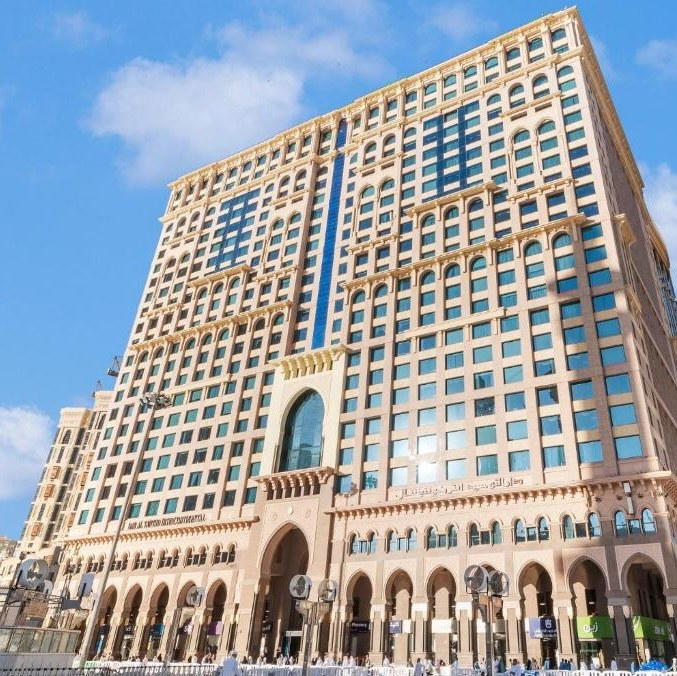
Al Mearaj sits in Makkah’s hotel-dining corridor around Jabal Omar, where restaurants serve a city shaped by pilgrimage, tight schedules, and guests arriving from every part of the Muslim world. With no public awards, chef details, or fixed cuisine label attached, it is better read through its location and category: a practical Makkah dining address where sourcing, consistency, and service rhythm matter more than spectacle.

Pearl is the En Primeur Club membership app — saves, bookings, and concierge access live there. Same editors, same standards.
- Address
- Ibrahim Al Khalil, Jabal Omar, الشبيكة، مكة 21955
- Directions
- Get directions
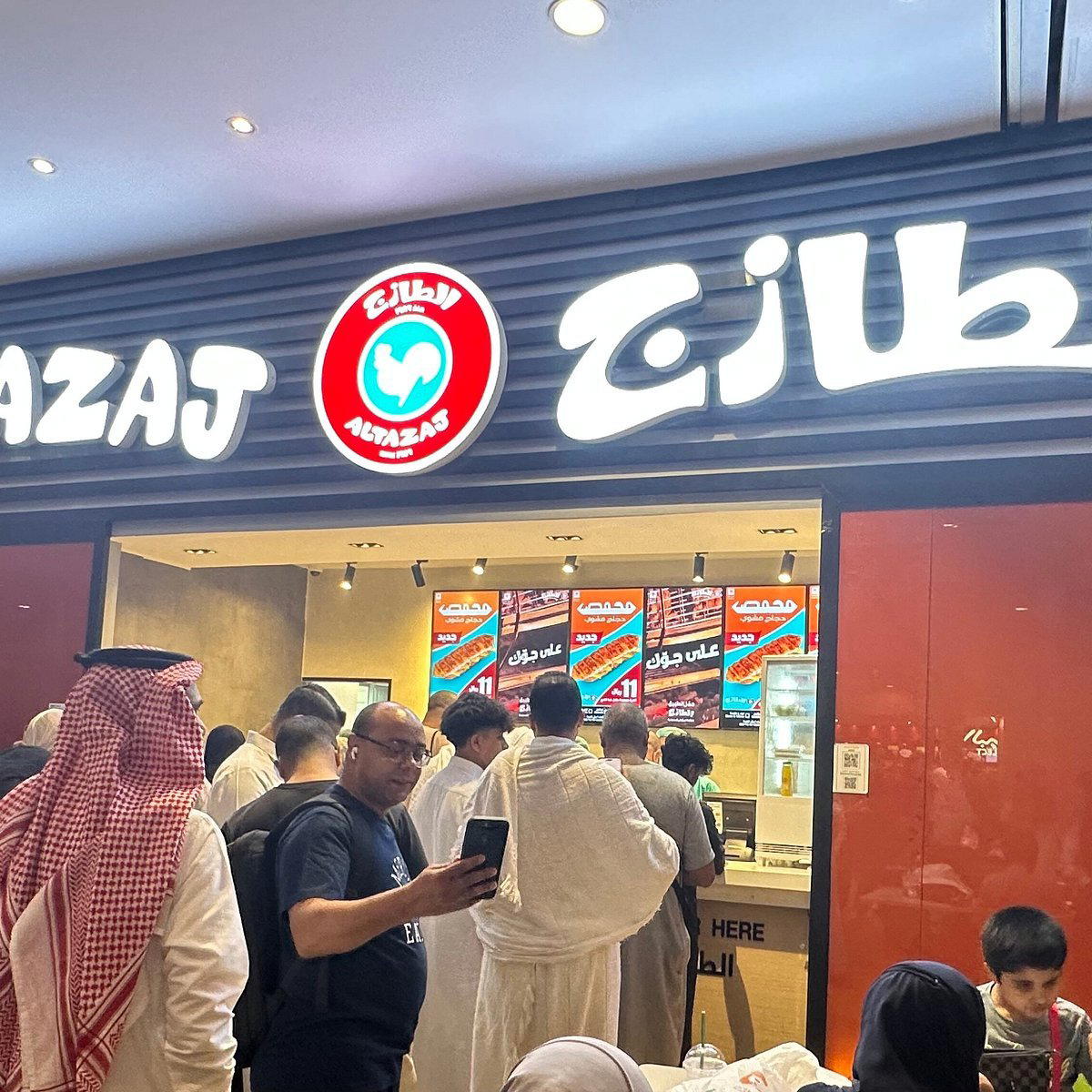
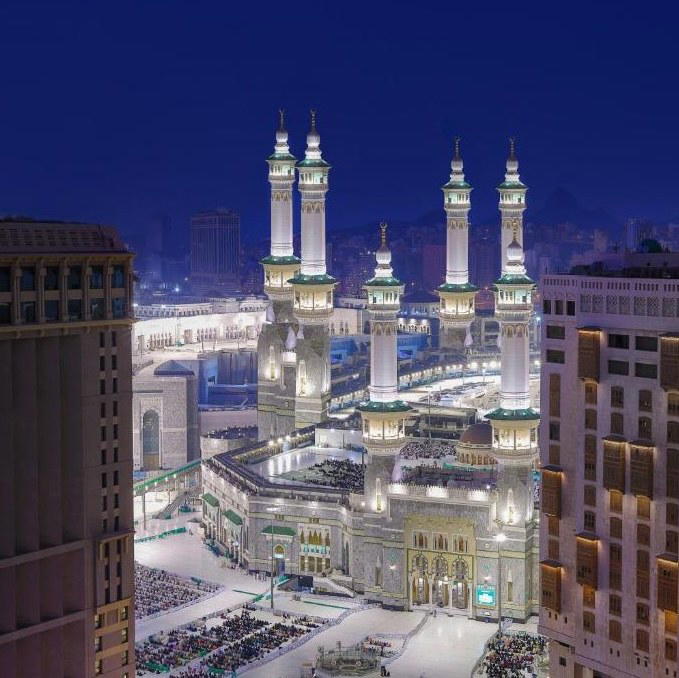
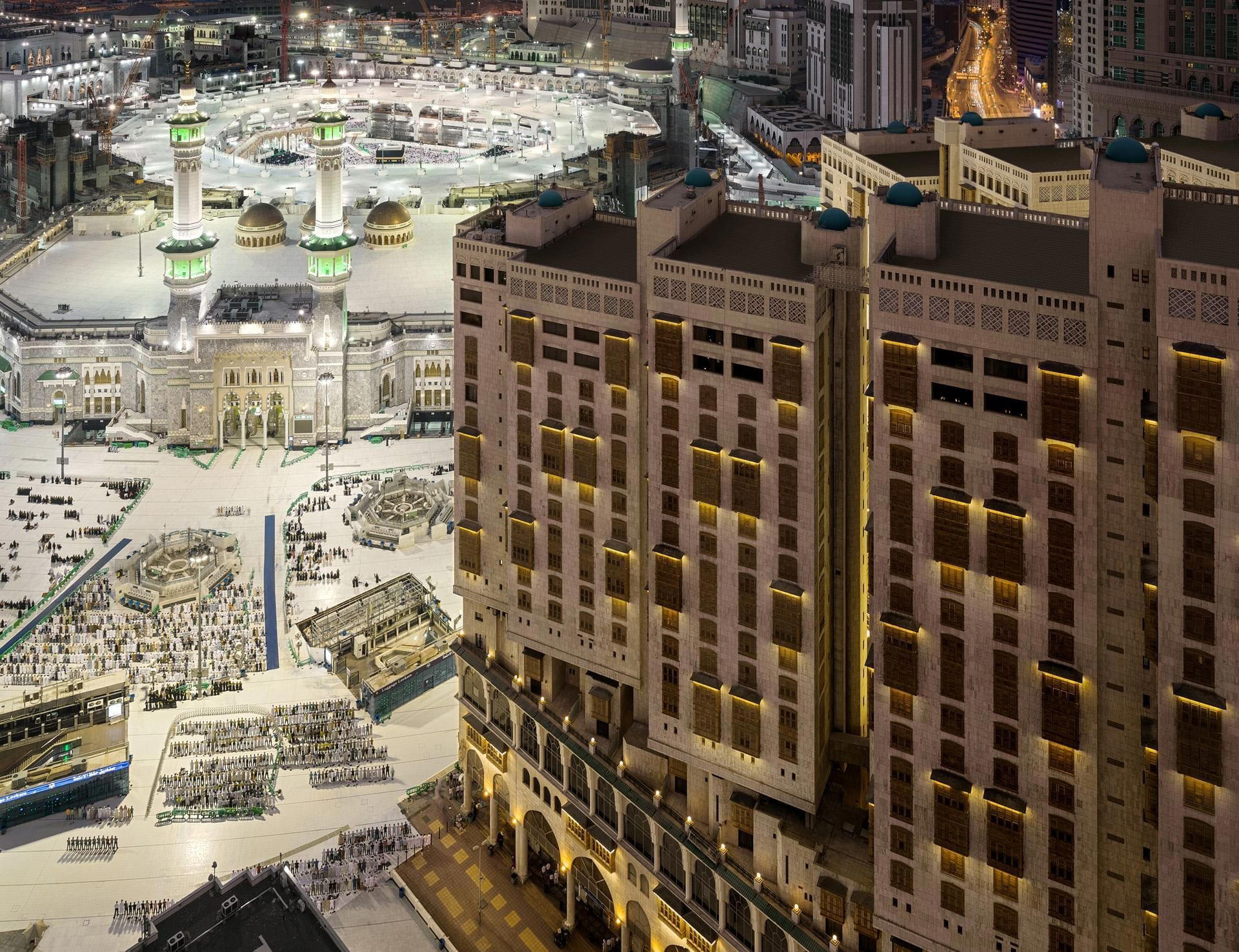
Approaching Makkah, the restaurant scene changes character. Dining here is tied to movement: hotel lobbies, prayer times, family groups, and the steady flow of pilgrims moving between rest, worship, and meals. Al Mearaj belongs to that rhythm. Its setting in Makkah places it in one of the city’s dense hospitality environments, where restaurants are judged less by theatrical plating than by how well they feed mixed groups with different languages, budgets, and expectations.
That context matters because Makkah dining is not a single cuisine story. The city absorbs a wide range of dining habits through pilgrimage traffic. A restaurant in this part of the city operates inside a practical global pantry: familiar meal formats, sweets, tea, coffee, and hotel-standard service patterns all compete for attention. Ingredient sourcing, in this setting, is not a romantic farm-to-table slogan. It is about volume, halal assurance, freshness under pressure, and the ability to serve recognizable formats to diners who may have arrived from different continents the same day.
Makkah dining is built around pilgrimage rhythm, not destination theatre
In many cities, premium restaurants shape a night out. In Makkah, the city shapes the restaurant. Meals often sit between check-in, group coordination, prayer, and transport. That creates a dining culture where reliability carries real weight. A room that can handle families, older guests, and travellers with strict timing can be more useful than a room built around a long, highly staged sequence.
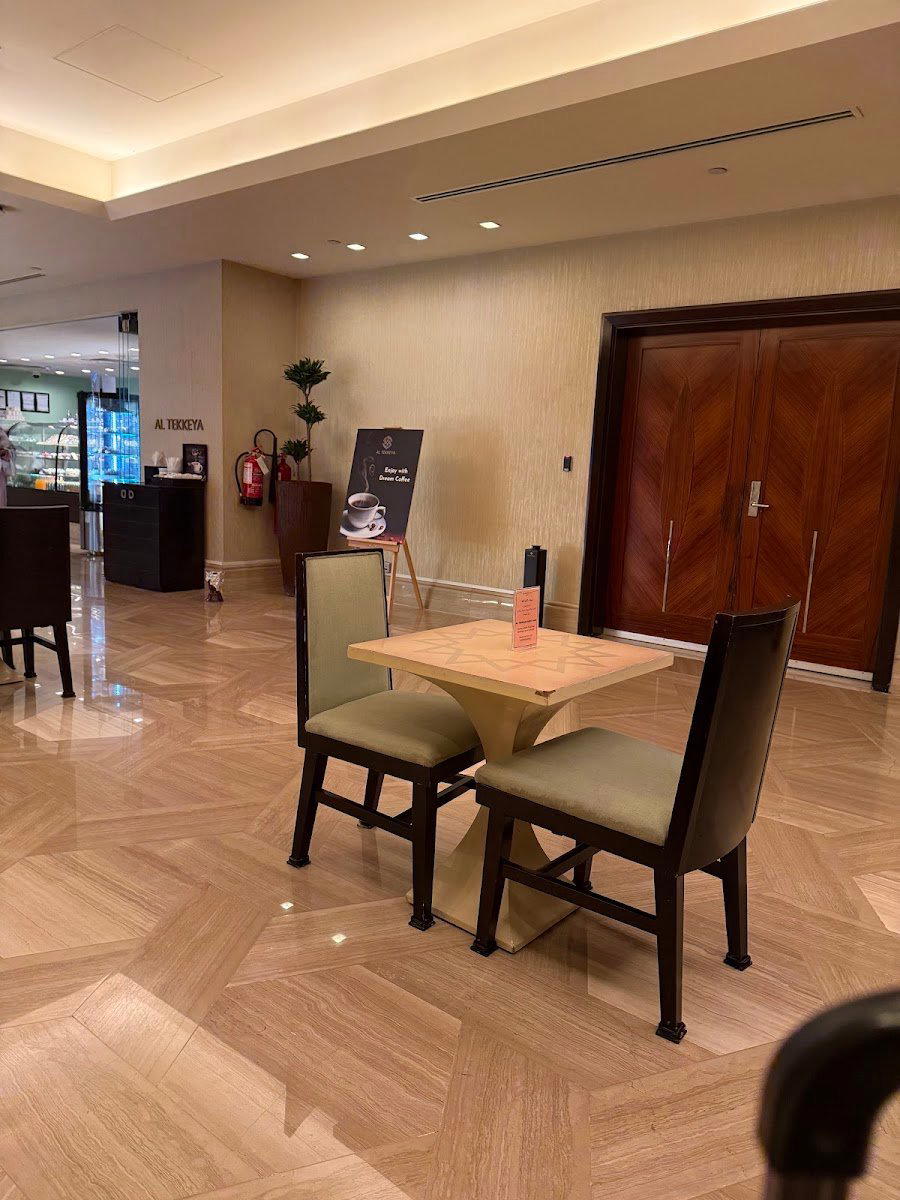
Al Mearaj should be read against that practical Makkah tier rather than against chef-led destination restaurants in other Saudi cities. The comparison is closer to Makkah dining such as Al Helal, Prime, Al Noor Restaurant, Lagenda Restaurant, and Al Tekkeya Lobby Corner, all operating within the same citywide demand for accessible, group-friendly meals. Rather than framing Al Mearaj through unsupported claims about rankings, chefs, or awards, the editorial test is simple: does the venue fit Makkah’s need for dependable dining shaped by pilgrimage-era movement and mixed groups? Its Makkah setting suggests that is the relevant frame.
For readers mapping the broader city, Our full Makkah restaurants guide is the better place to compare categories across the city, while Our full Makkah hotels guide gives the lodging context that often determines where meals happen. The wider Makkah index also includes non-restaurant planning layers through Our full Makkah bars guide, Our full Makkah wineries guide, and Our full Makkah experiences guide, though the city’s hospitality norms differ sharply from leisure capitals built around alcohol-led nightlife.
The sourcing question in Makkah is consistency at scale
Ingredient quality in Makkah has a different pressure profile from resort dining or capital-city tasting menus. The demand curve rises around religious seasons, large travel waves, and hotel occupancy. Kitchens serving accommodation-heavy parts of the city need supply chains that can support repeated service without losing basic discipline. For core ingredients and everyday service staples, the issue is less whether an ingredient has a poetic origin story and more whether it arrives reliably, is handled clearly under halal expectations, and can be served across peak periods.
This is where Al Mearaj’s limited public profile is itself instructive. Diners should approach it through the practical Makkah lens rather than through unsupported specifics about tasting formats, seat counts, prices, or signature dishes. It sits in the Makkah category where proximity, timing, and suitability for mixed groups often matter as much as media recognition. That is not a lesser role; in this city, it is a demanding one. The standards are practical: food that makes sense before or after prayer, formats that can accommodate travellers, and service that understands the compressed pace of Makkah.
Saudi dining outside Makkah offers useful contrast. Other cities can support more concept-driven rooms, from casual international formats to mass-popular local chains. Heritage and destination contexts appear elsewhere too, where the meal may be framed as part of a leisure itinerary. Makkah dining has a more functional brief: feed people well, close to where they need to be.
How to place Al Mearaj among Makkah's restaurant choices
The sensible way to use Al Mearaj is as part of a location-led dining plan. Its Makkah setting gives it relevance for travellers already staying or moving through the city. In a place where transit, crowding, and timing can define the day, shaving uncertainty from a meal can matter as much as chasing a more elaborate format elsewhere.
For comparison within EP Club’s restaurant archive, Makkah entries such as Al Helal, Prime, Al Noor Restaurant, Lagenda Restaurant, and Al Tekkeya Lobby Corner help illustrate how local dining often clusters around practical hospitality rather than chef publicity. Broader international references can show the opposite problem: cities where concept, niche cuisine, and bar culture often lead the decision. Makkah reverses that equation. Here, the sharper question is whether a restaurant fits the day’s movement, the group’s dietary needs, and the sourcing discipline required by a pilgrimage city.
Al Mearaj earns attention on those terms. It does not need unsupported claims about awards, rankings, chef names, or signature dishes to make sense in the guide. Its value lies in the Makkah pattern it represents: location-sensitive dining, halal-first expectations, and a service environment shaped by travellers who need meals to work without complication.
Frequently asked questions
Where is Al Mearaj located?
Makkah.
Do they take walk-ins at Al Mearaj?
Walk-ins can make sense here because Al Mearaj is in Makkah, a city shaped by hotel traffic and pilgrimage rhythms. Capacity will depend on demand at the time of day, so arriving with flexibility is the safer approach.
What is Al Mearaj known for?
Al Mearaj is known mainly for its Makkah setting. That makes it a practical stop for travellers in the city rather than a destination defined by unsupported claims about a named chef, ranking, or signature format.
What if I have allergies at Al Mearaj?
If allergies are a concern, flag them before ordering and repeat them clearly at the table, since the public record centers on its Makkah location rather than a detailed published menu format. In a city like Makkah, that kind of direct communication is the safest way to handle restrictions. Check the venue's official channels for the latest details.
Comparison Snapshot
Comparable venues by cuisine and price in the same metro.
| Venue | Cuisine | Price |
|---|---|---|
| Al MearajThis venue — the venue you are viewing | International hotel buffet | $30–50 |
| Al Noor Restaurant | Arabic & international buffet with Holy Haram views | Not listed |
| Lagenda Restaurant | Oriental and International Buffet | $30–50 |
| Al Tekkeya Lobby Corner | Lobby coffee & bakery café | Not listed |
Details
- Lively
- Modern
- Elegant
- Family
- Group Dining
- Casual Hangout
- Celebration
- Late Night
- Private Event
- Hotel Restaurant
- Private Dining
- Buffet
- A La Carte
- Set Menu
- Halal
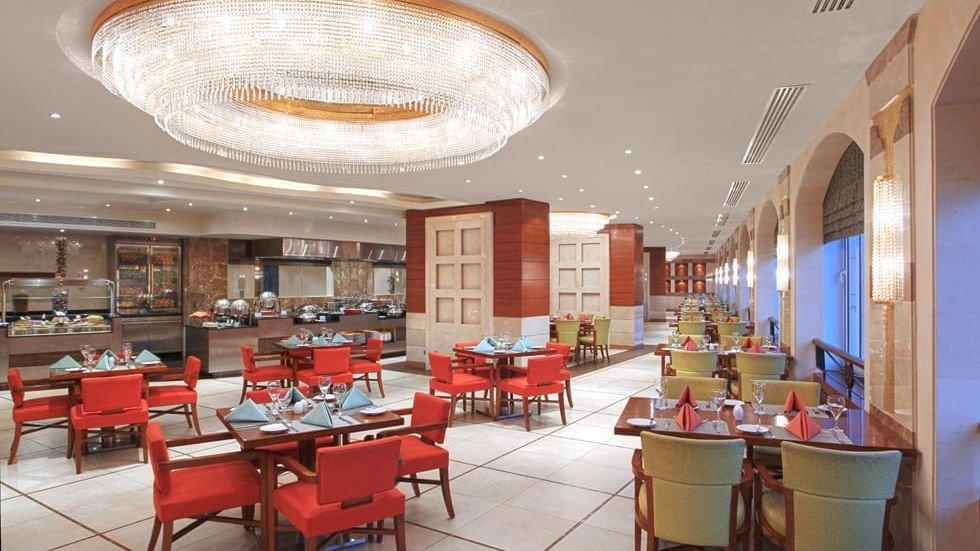
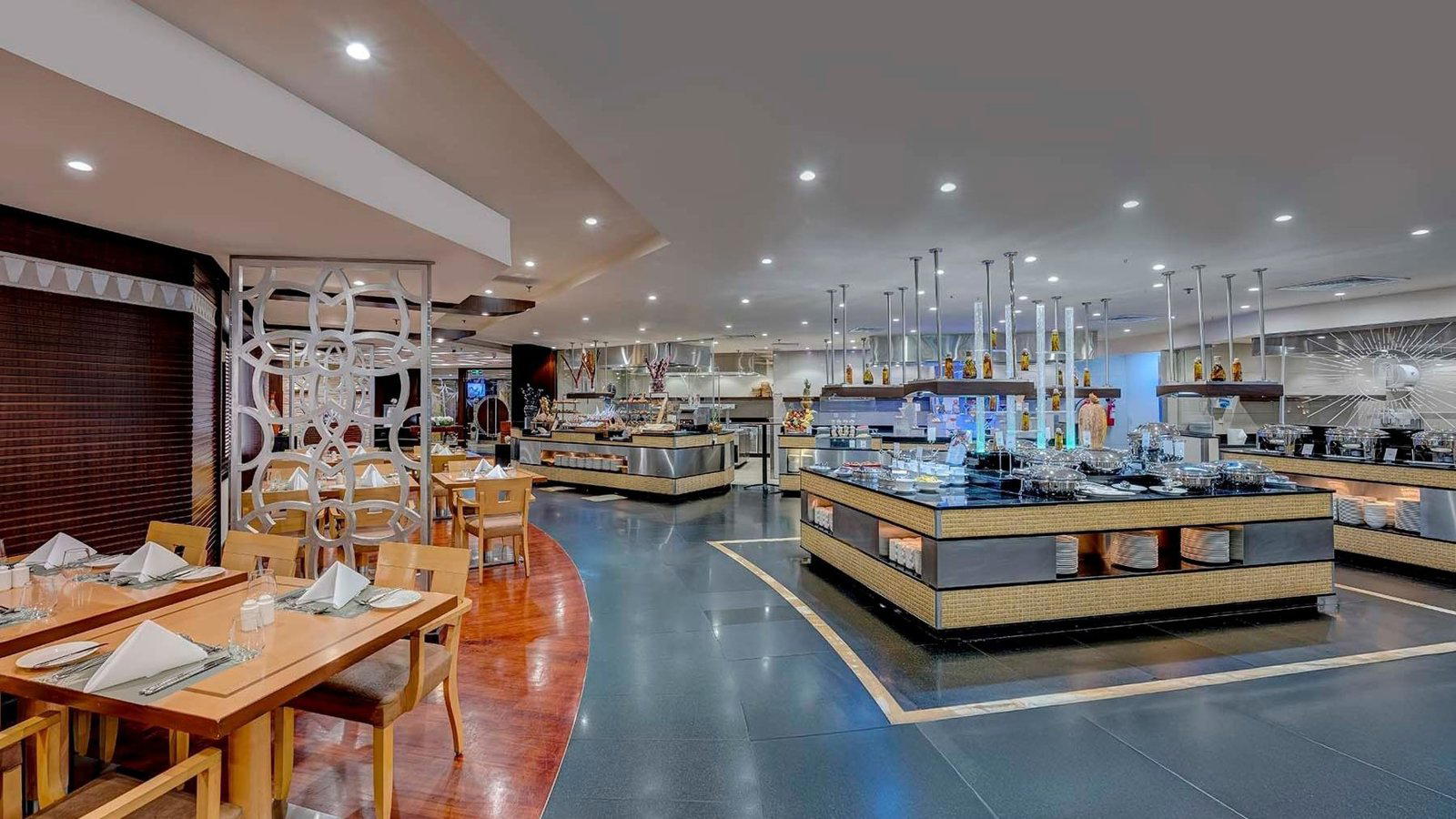
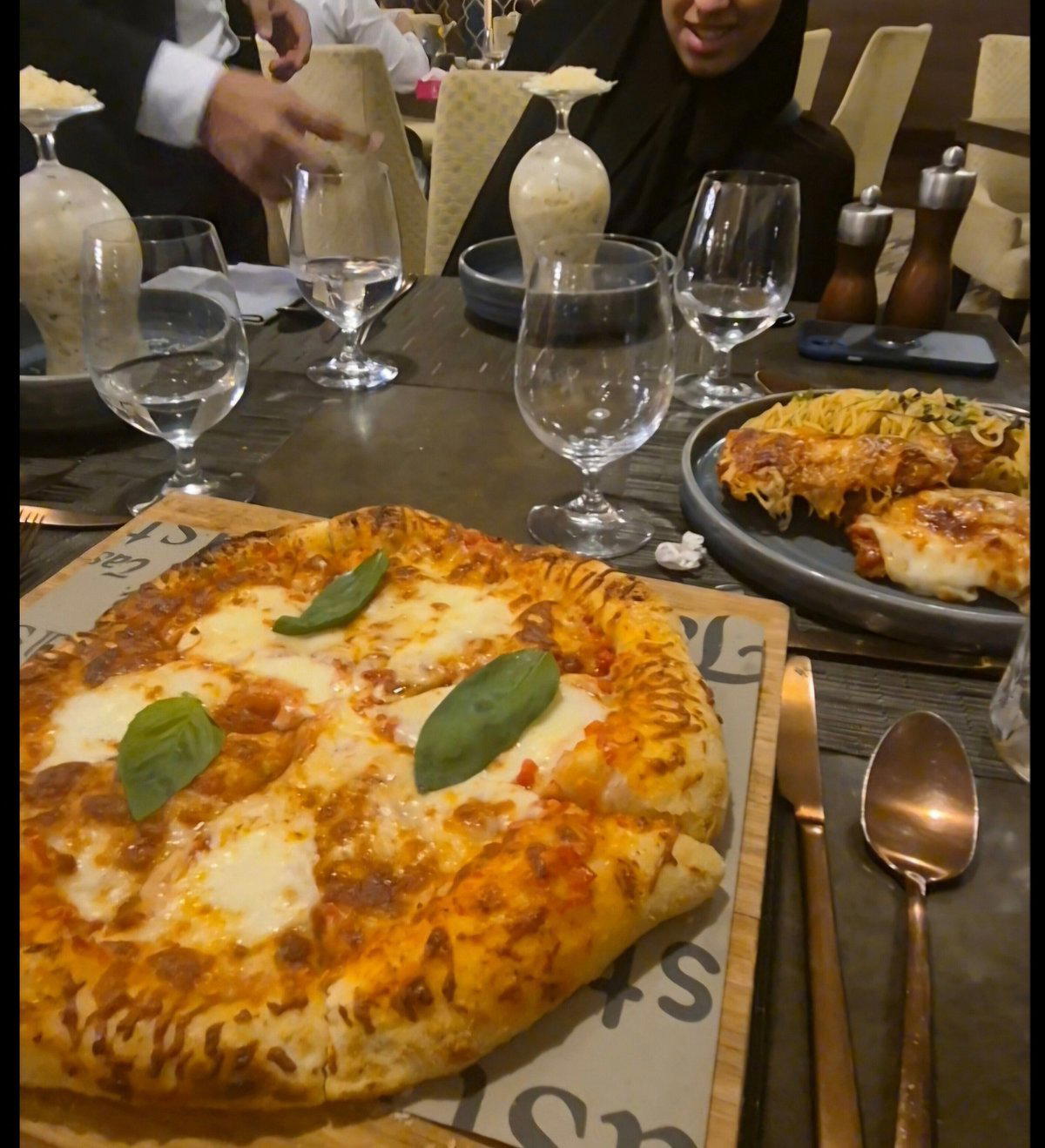
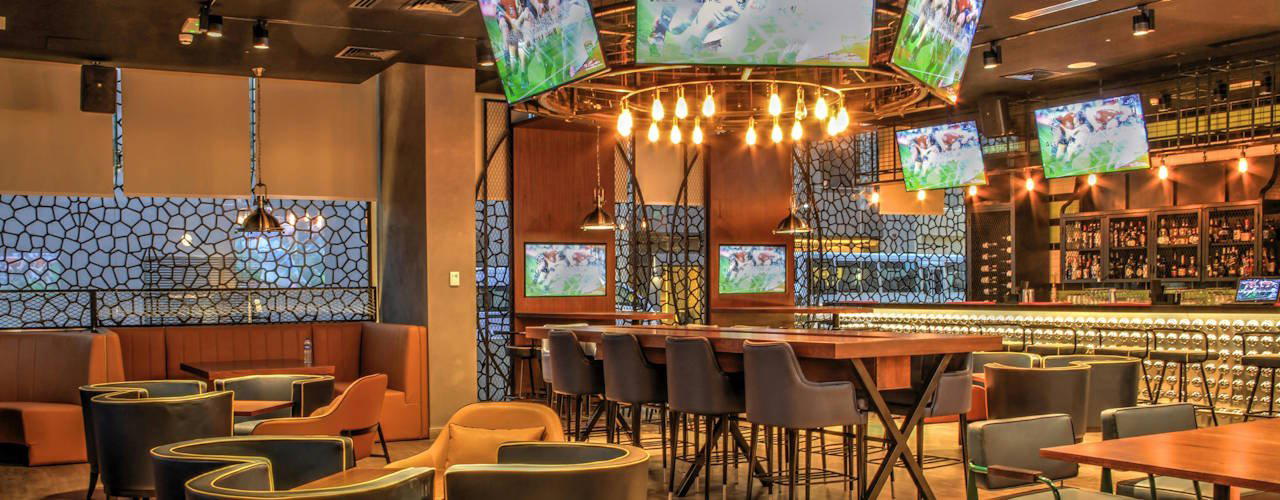
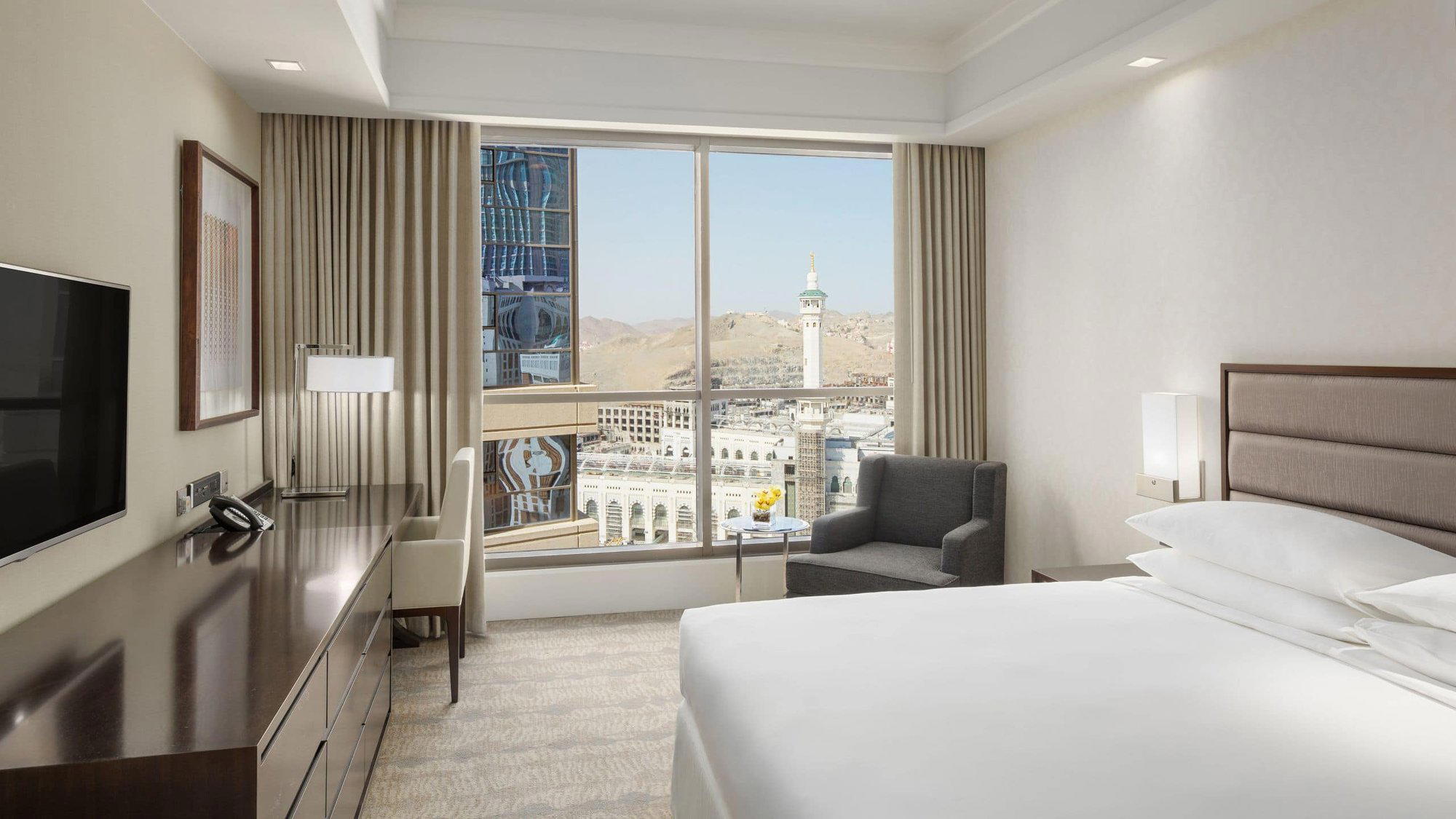
Hotel all‑day dining setting with bright, modern interiors, busy buffet service, and an attentive, friendly staff that creates an energetic yet comfortable atmosphere for families and groups.