CYANA Aegean Cuisine
Our verdict
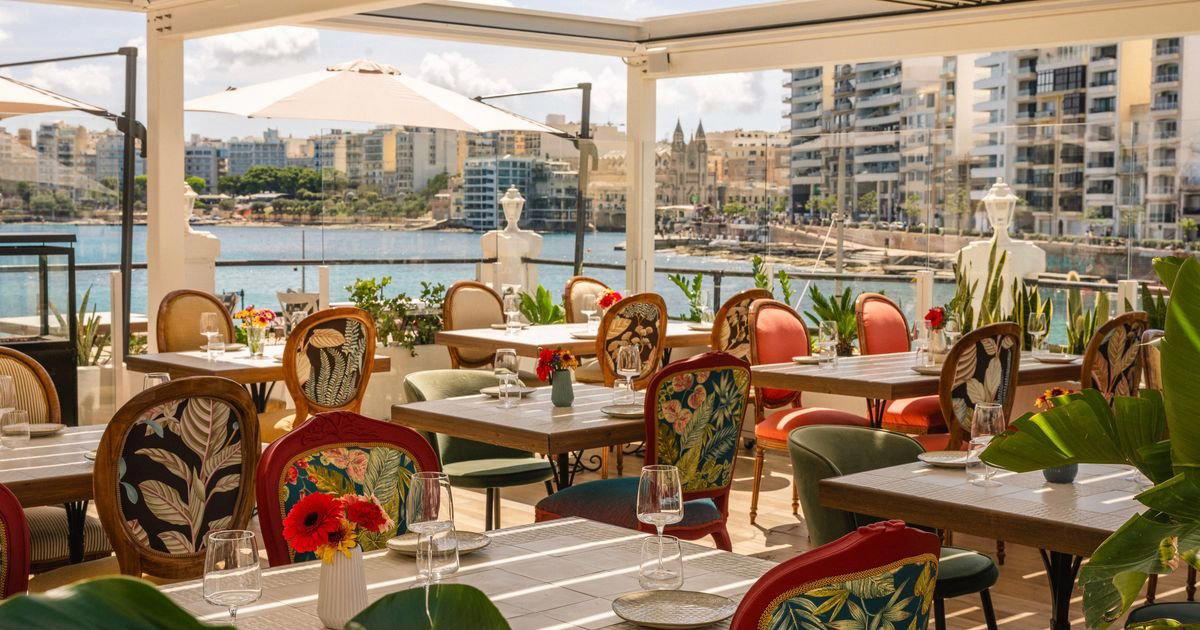
CYANA brings Aegean cooking to St Julian's through charcoal-fired seafood and mezze-style sharing plates rooted in Eastern Mediterranean tradition. The kitchen leans on live-fire technique and market-driven seafood, placing it in a different register from Malta's Italian-leaning dining mainstream. A focused alternative for those who want the sea on the plate, not just the view.

Pearl is the En Primeur Club membership app, where members save venues, book tables and use the concierge.
The menu
What to order
- Grilled Octopus
- Fresh Fish of the Day
- Seafood Pasta
Fire, Salt, and the Eastern Mediterranean Table
St Julian's dining has long been shaped by its waterfront geography, but the dominant culinary references have tended toward Italian and broadly Mediterranean rather than anything more geographically specific. The Aegean tradition, with its emphasis on charcoal heat, olive-dressed raw preparations, and the kind of mezze rhythm that turns a meal into an extended sequence of small, precise plates, occupies a narrower register in Malta's restaurant culture. CYANA Aegean Cuisine is operating in that space, bringing a cooking vocabulary rooted in the Eastern Mediterranean to a city that is increasingly comfortable with specialist dining formats alongside its broader seafood taverna culture.
For context on the wider St Julian's scene, our full St Julian's restaurants guide maps the range from casual waterfront eating to formal tasting menus. CYANA sits somewhere between those poles, closer in format to the sharing-plate Mediterranean model than to structured fine dining.
The Craft Behind the Raw Counter
Aegean cooking has always assigned particular seriousness to what happens before heat enters the equation. The raw preparation tradition across the Eastern Mediterranean, from crudo-adjacent dressed crudités to cold seafood plates finished with nothing more than good oil and citrus, operates on a logic of subtraction rather than addition. The ingredient has to hold up without assistance. That discipline is what separates a kitchen with genuine Aegean intent from one that simply adds a mezze section to a broader Mediterranean menu.
Charcoal firing, the other technical anchor of this tradition, does something distinct from gas or oven cooking. The contact heat is faster and more volatile, which suits whole fish and shellfish better than it suits slow-cooked proteins. The slight smokiness that transfers to the flesh is calibrated by distance and timing rather than added flavour, which means the kitchen's craft is expressed in control rather than enhancement. That approach is worth understanding before you arrive, because it frames what the menu is trying to do: present the seafood at its most direct, with technique as context rather than spectacle.
For a point of international comparison, Le Bernardin in New York City built its reputation on the same foundational principle of ingredient primacy in seafood cooking, though through a very different French-influenced lens. Closer to home, AYU in Gzira works a similarly seafood-forward brief from a different cultural starting point.
Where CYANA Sits in St Julian's
St Julian's has been consolidating its position as Malta's most active restaurant district over the past several years. The competition within the area spans the full range from quick-service beachside dining to serious tasting-menu operations. ION Harbour by Simon Rogan in Valletta, though technically across the harbour, sets the benchmark for the island's most technically ambitious seafood-adjacent cooking. Within St Julian's itself, Rosamì occupies the creative mid-to-upper tier, while Sessions handles all-day dining with a different rhythm and intent.
CYANA's Aegean positioning means it is not competing directly with Italian-leaning formats or the broader Mediterranean taverna model. In that narrower category, the charcoal-seafood-mezze combination gives it a distinct identity within St Julian's current offer.
For Lebanese-tradition mezze with a different regional reference, Al Kasbah in St Julian's covers adjacent territory from a Levantine rather than Aegean starting point. The two restaurants are not in competition so much as in conversation about how Eastern Mediterranean food traditions translate to a Maltese setting.
Reading the Wider Malta Context
Malta's position at the crossroads of North African, Levantine, and Southern European food cultures has historically been underleveraged in the restaurant sector, which has tended to default to Italian as the dominant fine-dining reference. That is slowly changing. Restaurants across the island are beginning to foreground the Eastern Mediterranean aspects of Maltese culinary geography, and Aegean cooking, with its structural similarities to the Maltese fishing and olive-oil tradition, fits that shift more naturally than might be immediately obvious.
The broader island scene offers useful comparison points. Al Sale in Xagħra on Gozo works a Mediterranean seafood brief from a more rural, island-specific angle. Bahia in Balzan and Commando in Mellieħa both sit within the broader Mediterranean cooking category but at different price points and with different levels of technical ambition. Giuseppi's in Naxxar and Grotto Tavern in Rabat represent the island's more tradition-rooted dining, where the context is Maltese first and Mediterranean second. Le GV in Sliema offers another data point in the premium coastal dining tier. Mapping CYANA against these alternatives clarifies what it is offering: a specific Eastern Mediterranean culinary argument, not a generalist crowd-pleaser.
For a more technically experimental direction in the city, Atomix in New York City demonstrates how a cuisine-specific framework, in that case Korean, can be pushed into a different tier of dining ambition entirely. CYANA is not operating at that level of formality, but the underlying principle of committing to a specific culinary tradition rather than gesturing at a broad regional category is shared.
Planning Your Visit
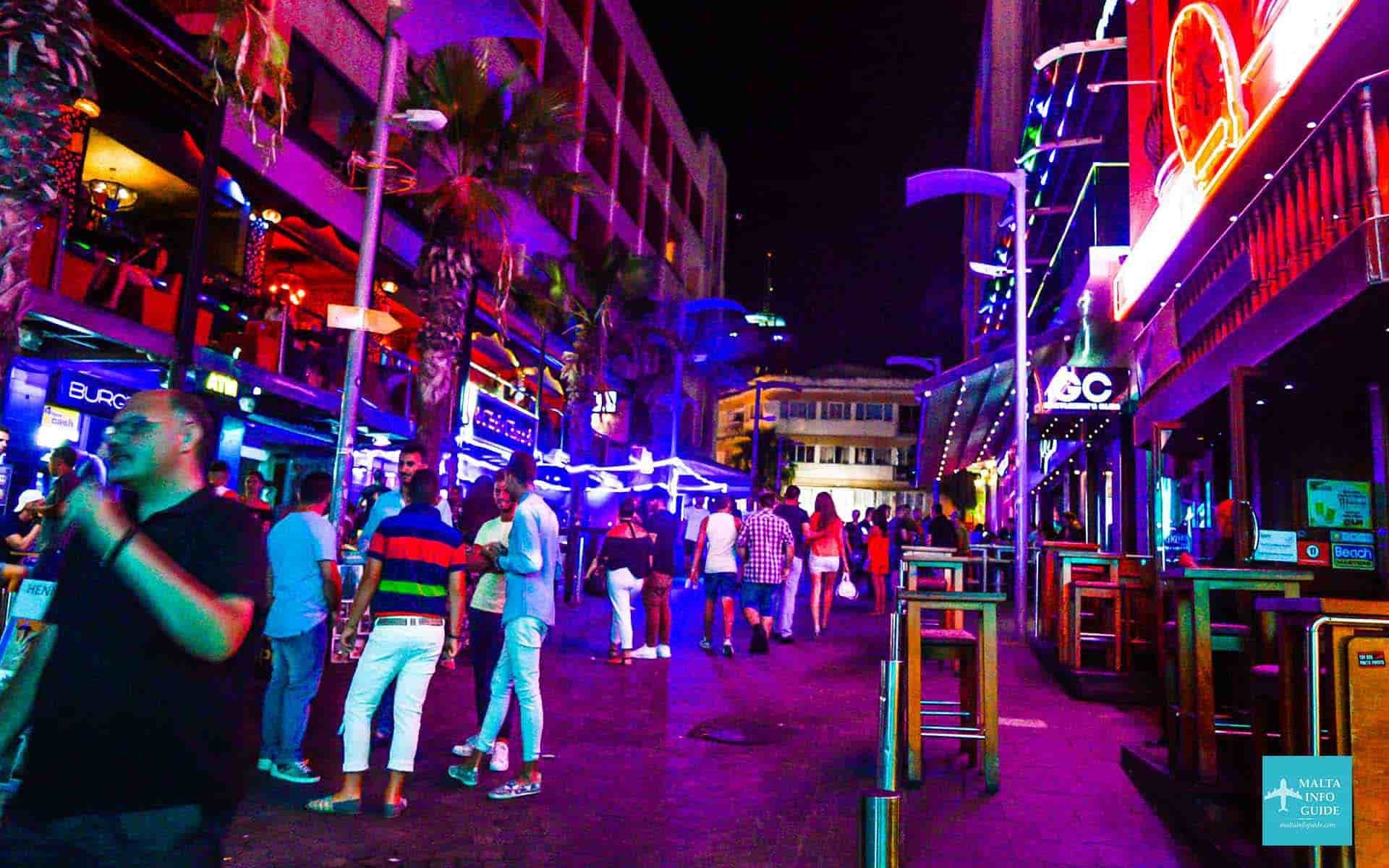
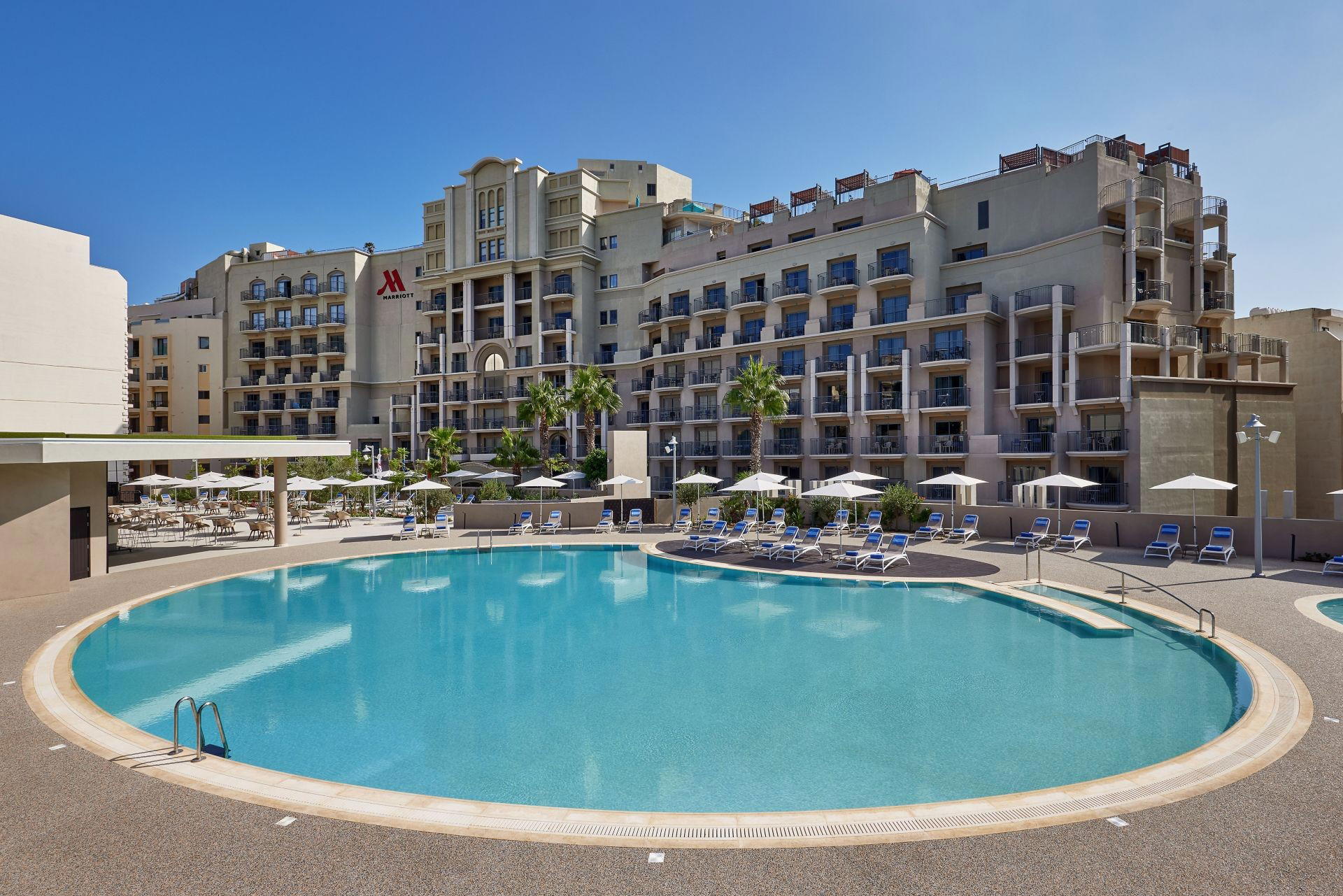
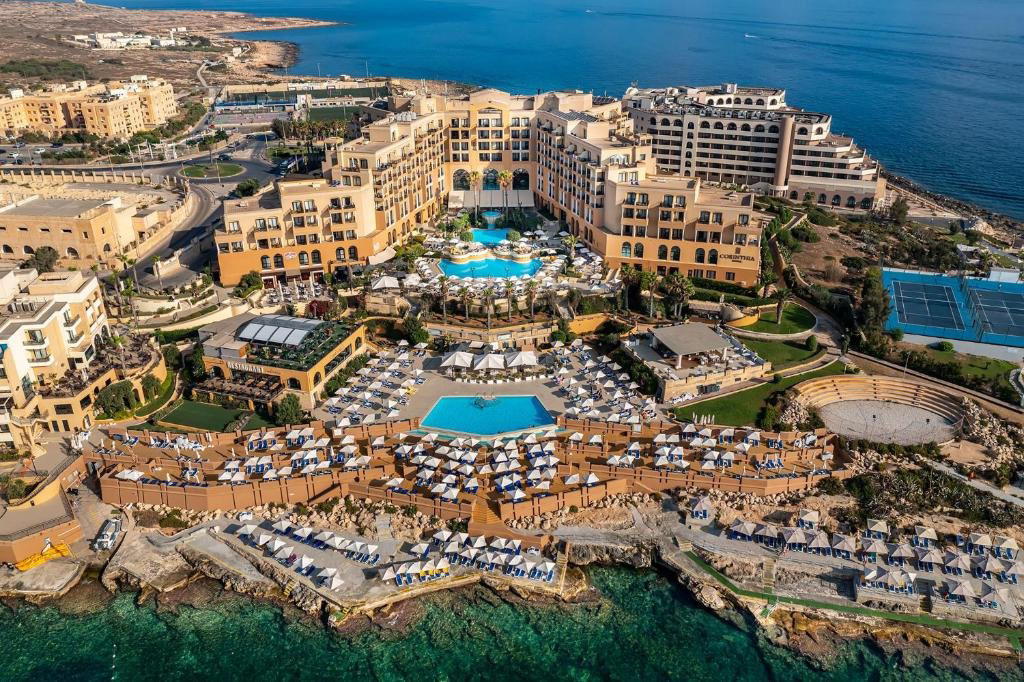
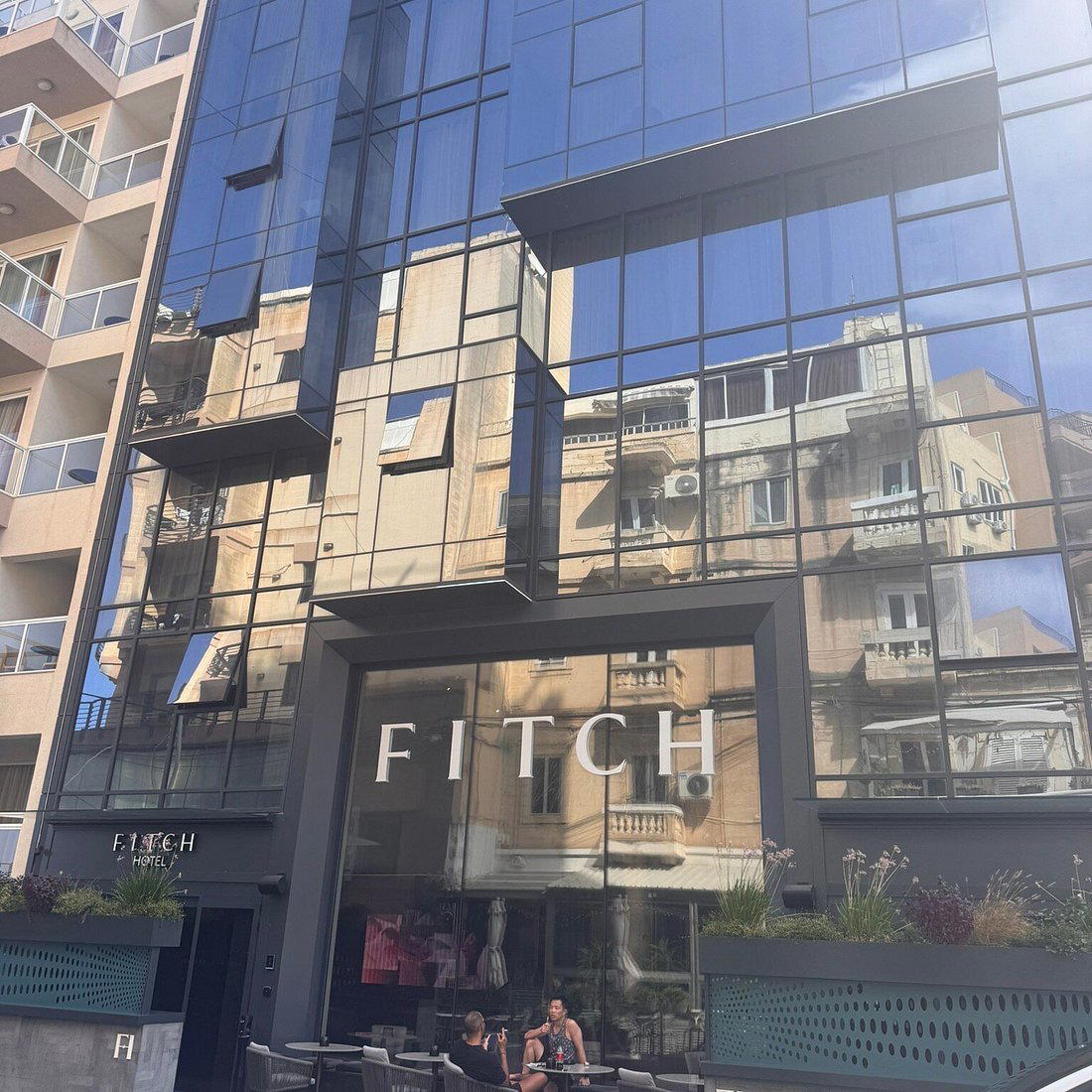
St Julian's is accessible by bus from Valletta and most parts of the island, with Spinola Bay and the Paceville area serving as the practical centre of the restaurant district. CYANA is an Aegean seafood restaurant operating in a city where waterfront dining is competitive and reservation windows at focused specialist venues are worth managing in advance, particularly during the summer season when Malta's tourist traffic peaks between June and September. For those staying locally, our St Julian's hotels guide covers accommodation options across the area, while the bars guide and experiences guide fill out the picture beyond the table. Wine, if relevant to your planning, is covered in the wineries guide.
Frequently asked questions
Is CYANA Aegean Cuisine good for families?
CYANA's format of shared mezze and charcoal-fired seafood plates suits tables that want to eat communally, which can work well for families comfortable with an Aegean-style spread rather than individual plated mains. The St Julian's location places it within Malta's most active dining district, where the surrounding area offers practical amenities. That said, the menu focus on seafood and Eastern Mediterranean preparations may not appeal to younger children with limited palates.
What is the atmosphere like at CYANA Aegean Cuisine?
CYANA draws its identity from the Aegean cooking tradition, which typically means an emphasis on produce, fire, and minimal intervention rather than theatrical presentation. Set in St Julian's, Malta's most concentrated restaurant district, the surrounding context is lively and waterfront-oriented. The charcoal-fired cooking format suggests an open or semi-open kitchen presence, where the work of the grill becomes part of the dining environment. Expect a register closer to a serious seafood table than a casual taverna.
Does CYANA Aegean Cuisine offer a genuine alternative to the Italian-dominated dining scene in St Julian's?
St Julian's restaurant offering has historically skewed toward Italian and broadly Southern European cooking, making an Aegean-specialist venue a distinct proposition in the area. CYANA's charcoal-fired seafood and mezze format draws on Eastern Mediterranean traditions from the Greek islands and Turkish Aegean coast rather than the Italian repertoire that dominates the neighbourhood. Malta's own crossroads position between North African, Levantine, and Southern European food cultures makes Aegean cuisine a coherent fit for the island's palate. For diners looking specifically for that tradition rather than a pasta-and-pizza alternative, CYANA occupies a gap in St Julian's that few venues address directly.
What's the best thing to order at CYANA Aegean Cuisine?
CYANA's menu centres on charcoal-fired seafood and mezze, the two pillars of Aegean cooking where the quality of sourcing and fire management do most of the work. The raw counter tradition in Eastern Mediterranean cuisine means cold preparations, cured fish, and marinated vegetables are typically given the same attention as the grilled dishes. Checking the current menu directly with the venue will give the clearest picture.
Price Lens
Comparable venues nearby, for context on price, style, and recognition.
| Venue | Cuisine | Price | Awards | Notes |
|---|---|---|---|---|
| CYANA Aegean CuisineThis venue (the venue you are viewing) | Mediterranean Aegean Seafood | $30–50 | Not listed | Not listed |
| Sale e Pepe Tradizione Italiana | Authentic Sicilian Italian | $50–100 | Not listed | St. Julian's, Authentic Sicilian Italian |
| Al Kasbah | North African | Not listed | Not listed | St Julian S, North African |
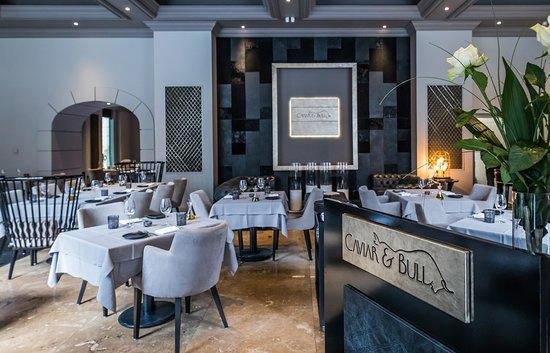
| Caviar & Bull | Modern Mediterranean Fine Dining with Caviar & Beef | $50–100 | Michelin Plate | St Julian's, Modern Mediterranean Fine Dining with Caviar & Beef |
| Sessions | Tex-Mex | $20–30 | Not listed | St Julian's, Tex-Mex |
| Zest | Asian Fusion and Japanese-Peruvian Nikkei | Not listed | Michelin Plate | Asian |
Continue exploring
More in St Julian's
Restaurants in St Julian's
All restaurants in St Julian's →
Bars in St Julian's
All bars in St Julian's →
Details
- Elegant
- Scenic
- Romantic
- Date Night
- Family
- Casual Hangout
- Waterfront
- Terrace
- Beer Program
- Local Sourcing
- Sustainable Seafood
- Waterfront
- A La Carte
- Wine
- Beer
- Pescatarian Friendly
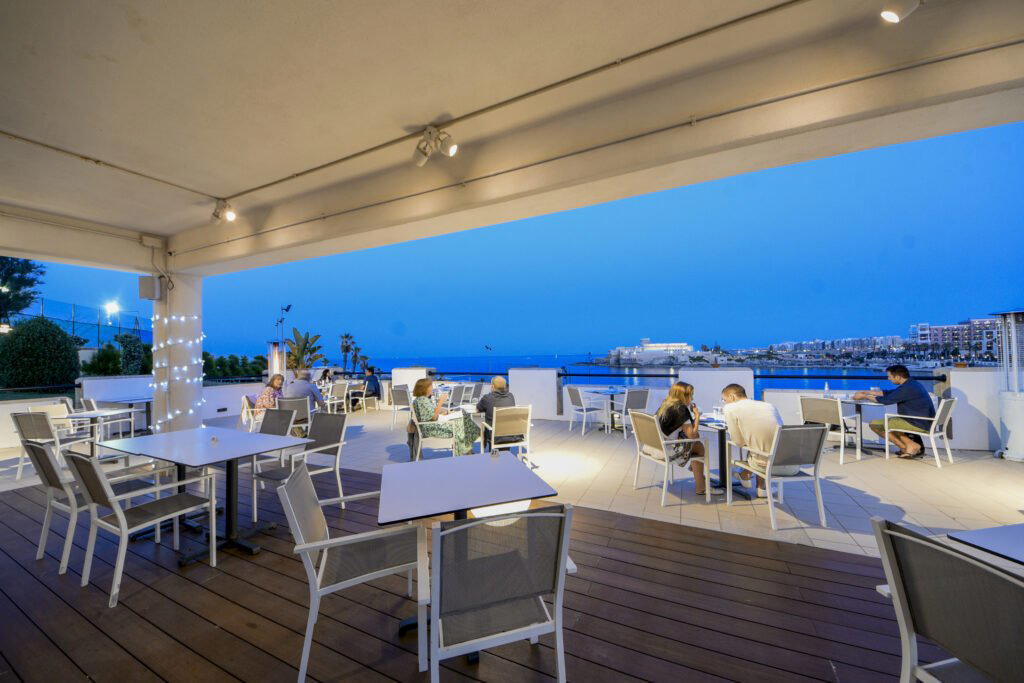
Warm Mediterranean ambiance with soft lighting, nautical decor, and relaxed yet refined atmosphere