Al Diwaan Restaurant
Our verdict
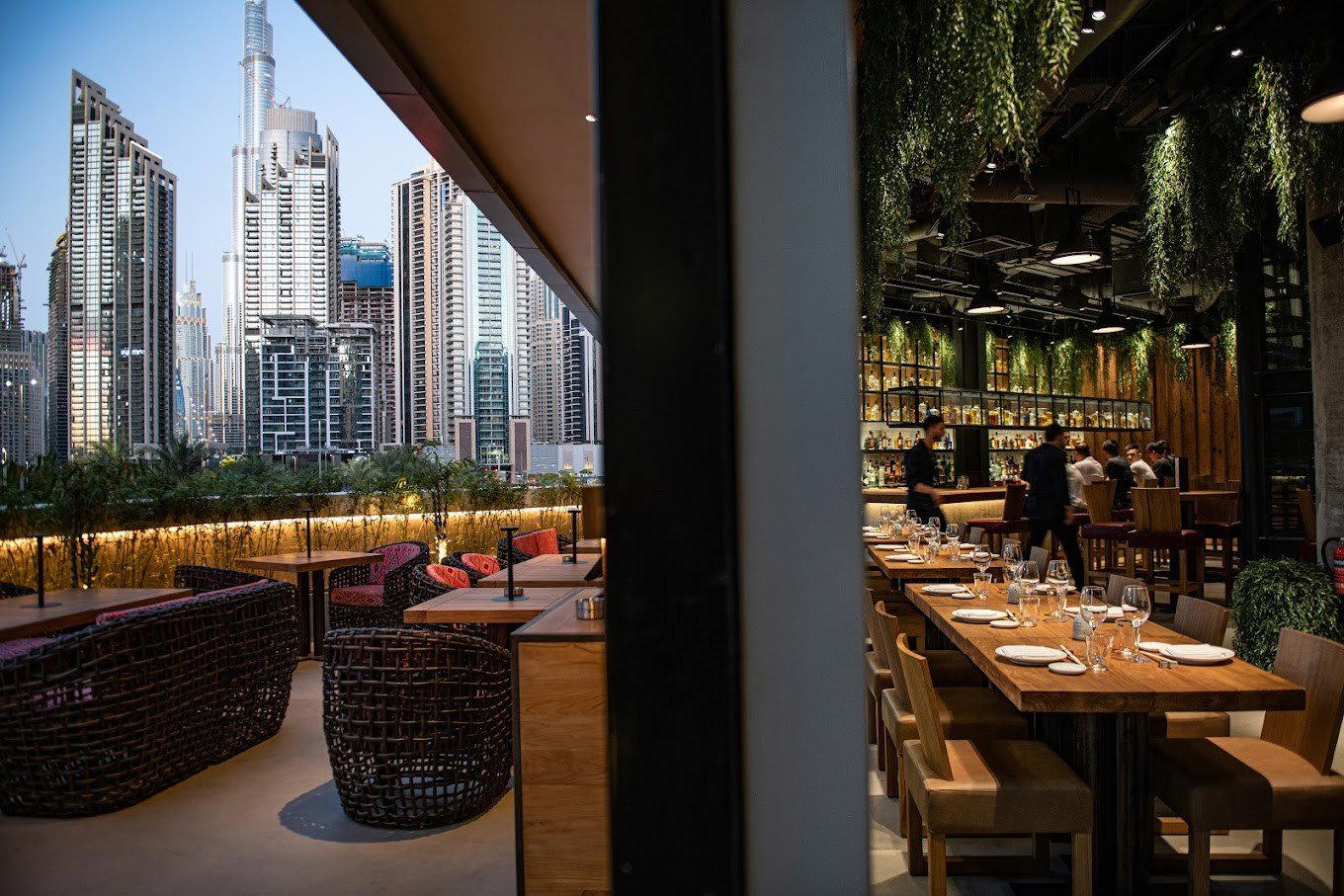
Al Diwaan Restaurant serves international fine dining with Arabian influences in Dubai, with terrace and garden views, a sommelier-led wine list, and a leisurely formal pace.

Pearl is the En Primeur Club membership app — saves, bookings, and concierge access live there. Same editors, same standards.
- Address
- دبي
- Directions
- Get directions
The menu
What to order
- Argentinian Beef Fillet with Pepper Sauce
- Lobster Ravioli
- Dulcey Chocolate Fondant Tart
- Burrata with Fresh Pesto
Arabic Dining in Dubai: The Scene Al Diwaan Enters
Dubai's Arabic restaurant category has quietly split into two tiers over the past decade. On one side sit the large-format venues oriented toward group celebrations, shisha terraces, and tourist-facing menus heavy on grilled meats and mezze platters assembled for volume rather than precision. On the other sits a smaller, more considered cohort that treats the Arabic table as a serious culinary proposition, where front-of-house knowledge, kitchen discipline, and the coordination between the two carry as much weight as the recipe itself. Al Diwaan Restaurant operates in that second register, drawing on a dining tradition that runs from the Levant through the Gulf, and placing it in a city where diners now hold Arabic cuisine to the same standards they apply to the contemporary European and Asian kitchens that dominate Dubai's award conversation.
That context matters because Dubai's premium dining circuit, which includes Trèsind Studio for progressive Indian tasting menus and FZN by Björn Frantzén for Scandinavian-inflected modern cuisine, is not short of technical ambition. What it has historically underserved is Arabic fine dining at the same level of intent. Venues like Erth in Abu Dhabi have shown that there is real appetite for Emirati and broader Arabic cooking taken seriously as a structured dining format. Al Diwaan sits in that conversation for the Dubai market.
What the Room Signals Before a Dish Arrives
The entry into any traditional Arabic dining room carries its own set of codes. Geometric patterns drawn from Islamic architecture, low lighting that slows the pace of a meal, the specific weight of copper or hammered brass on a table: these are not decorative choices but cues to a register of hospitality with a long history. Arabic hospitality, or diyafa, is an obligation before it is a commercial proposition, and the leading Arabic dining rooms in the Gulf still reflect that hierarchy. The atmosphere Al Diwaan presents to a guest at the door is the opening statement of a service philosophy, not the backdrop to one.
In a city where spectacle is a default mode, from the observation-deck dining of Row on 45 to the fire-driven theater of 11 Woodfire, a room that grounds itself in tradition rather than novelty is making a deliberate argument about where its authority comes from.
The Team Dynamic: Kitchen, Floor, and the Space Between
In Arabic dining at this level, the division of labor between kitchen and front-of-house carries particular weight. The mezze tradition, where a sequence of small plates arrives in waves rather than in a fixed progression, demands a floor team that can read a table's pace without imposing a rigid structure. A good Arabic dining room does not simply execute orders; it manages a conversation between what the kitchen is sending and what the guests are ready to receive. That requires front-of-house staff with enough knowledge of the menu to make real-time adjustments and enough confidence to guide without being overbearing.
This kind of team coordination distinguishes the more considered end of Arabic dining from its lower-engagement counterparts. At restaurants like Atomix in New York or Amber in Hong Kong, the alignment between kitchen intent and floor execution is understood as the core product, not a support function. The same principle applies here, translated into the rhythms and customs of Arabic hospitality. When it works, the meal feels unhurried and generous. When it does not, even strong cooking can feel disorganized.
The kitchen side of that equation in Arabic cuisine involves a set of technical demands that are easy to underestimate. Cold mezze require precise seasoning and texture calibration. Hot dishes, from slow-cooked lamb to spiced rice preparations, depend on timing that a disorganized pass quickly undoes. The coordination required is not less complex than the brigade systems that underpin starred European kitchens like Alléno Paris au Pavillon Ledoyen or Louis XV in Monte Carlo; it is simply organized around different culinary logic.
Where Al Diwaan Sits in Dubai's Arabic Dining Set
Dubai's Arabic restaurant category is broader than the city's international fine-dining conversation often acknowledges. From neighborhood Lebanese spots in Deira to the Gulf-cuisine focus of venues in the older parts of the city, Arabic food in Dubai spans an enormous price and format range. At the more considered end of that range, Al Diwaan competes with venues that take the heritage of the Arabic table seriously as a culinary discipline rather than as a nostalgic backdrop.
Within Dubai itself, the comparison points for any serious Arabic dining room are the venues that have built reputations on consistency and kitchen depth rather than on novelty. For diners who have tracked the evolution of ambitious non-Western dining in cities like New York, with venues such as Le Bernardin setting standards for what rigorous cuisine can look like outside the French classical tradition, the question for any Arabic fine-dining room is whether the kitchen and floor are working to the same standard of intent.
Planning Your Visit
Dubai's dining calendar has two distinct windows that affect how Arabic restaurants operate. The cooler months from October through April bring higher footfall across the city, and the Ramadan period, typically in spring, shifts dining entirely toward iftar and suhoor formats that compress service into specific windows and significantly alter the atmosphere of a room. Visitors planning specifically around Arabic cuisine will find that Ramadan actually offers some of the most culturally textured dining experiences the city provides, though the format is unlike standard à la carte service.
For diners building a wider Dubai itinerary that covers the full spectrum of the city's restaurant ambition, our full Dubai restaurants guide maps the category more completely, from creative tasting-menu formats like moonrise to the broader modern cuisine cohort. Venues at the more experimental end of the global spectrum, including Alinea in Chicago, Lazy Bear in San Francisco, or Aponiente in El Puerto de Santa María, offer useful reference points for how deeply a kitchen team can commit to a single culinary identity. The leading Arabic dining in Dubai is beginning to operate with that same depth of conviction.
Frequently asked questions
What part of town is Al Diwaan Restaurant in?
Al Diwaan Restaurant is located at دبي, Dubai.
Does Al Diwaan Restaurant suit guests who want a structured tasting format rather than à la carte?
Arabic dining in Dubai, including the format Al Diwaan operates within, is built around shared mezze logic rather than sequenced tasting menus — a structure that gives guests more control over pace and portion than a fixed course progression. For a table wanting to move through cold dishes, hot starters, and mains at their own rhythm, the format is well-suited. Guests expecting a single-path chef's menu should approach the meal as a collaborative spread instead.
What dish is Al Diwaan Restaurant famous for?
Al Diwaan's reputation sits in the categories that define serious Arabic dining in Dubai: cold mezze built on precise seasoning and quality sourcing, alongside slow-cooked meat and rice preparations that require time most kitchens don't invest. The shared table format is the experience itself, not a preamble to a single signature dish.
What's the best way to book Al Diwaan Restaurant?
Dubai's Arabic dining rooms at this level see their heaviest demand between October and April, when the city's pace accelerates and group bookings fill rooms quickly. Contacting the venue directly in advance of that window is the practical approach. Outside peak season, walk-in availability at Arabic restaurants in Dubai is generally more forgiving.
Pricing, Compared
Comparable venues nearby, for context on price, style, and recognition.
| Venue | Cuisine | Price | Notes |
|---|---|---|---|
| Al Diwaan RestaurantThis venue — the venue you are viewing | International Fine Dining with Arabian Influences | $50–100 | Not listed |
| L'Olivo | Mediterranean Fine Dining with Italian Influences | $300–500 | Palm Jumeirah, Mediterranean Fine Dining with Italian Influences |
| The Lana – Dorchester Collection | Mediterranean & Basque Fine Dining | $150–200 | Bussiness Bay, Mediterranean & Basque Fine Dining |
| Armani/Ristorante | Not listed | Not listed | Downtown Dubai, Contemporary Italian Fine Dining |
| The Restaurant at Address Dubai Mall | Continental Fine Dining | Not listed | Downtown Dubai, Continental Fine Dining |
| Doors Freestyle Grill - Steakhouse | Freestyle Grill Steakhouse | $100–150 | Downtown Dubai, Freestyle Grill Steakhouse |
Al Diwaan Restaurant
The wine
- Wine program
- Curated wine list
- Extensive wine list
- Sommelier-led
Details
- Romantic
- Scenic
- Elegant
- Sophisticated
- Date Night
- Special Occasion
- Celebration
- Terrace
- Panoramic View
- Hotel Restaurant
- Garden
- Extensive Wine List
- Sommelier Led
- Farm To Table
- Garden
- A La Carte
- Set Menu
- Wine
- Cocktails
- Vegetarian Friendly
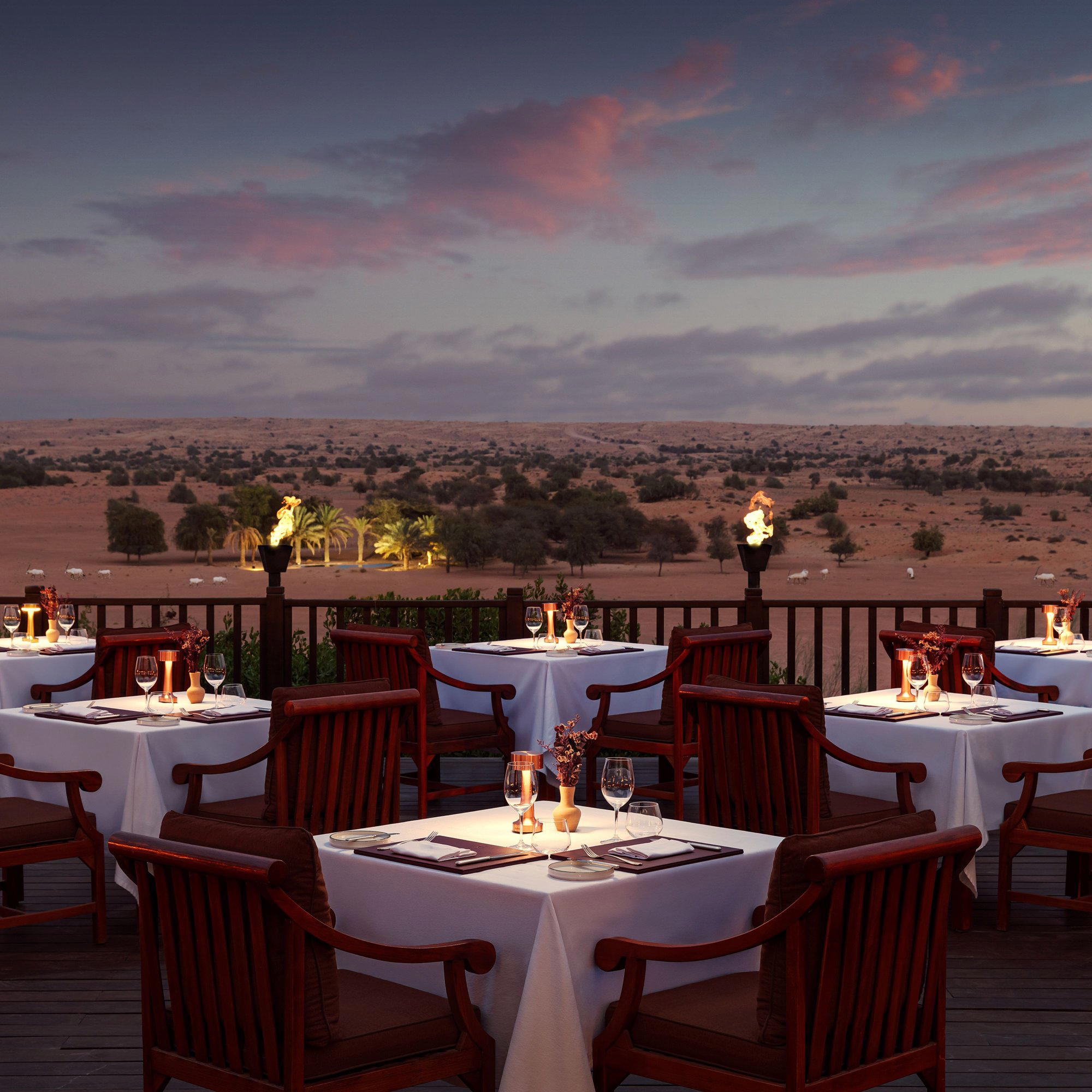
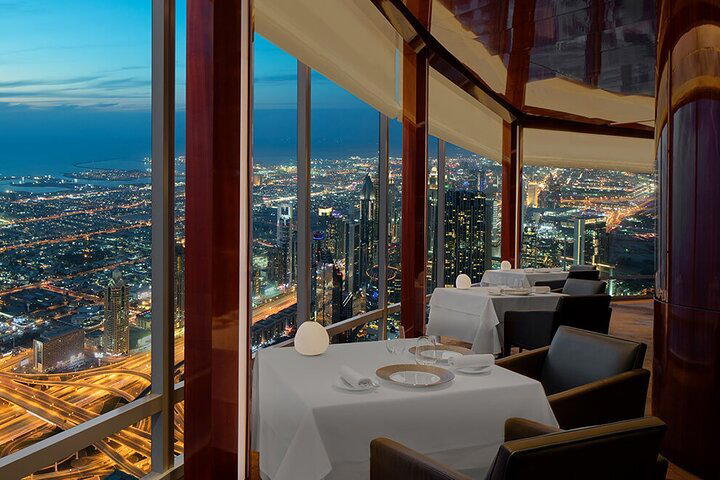
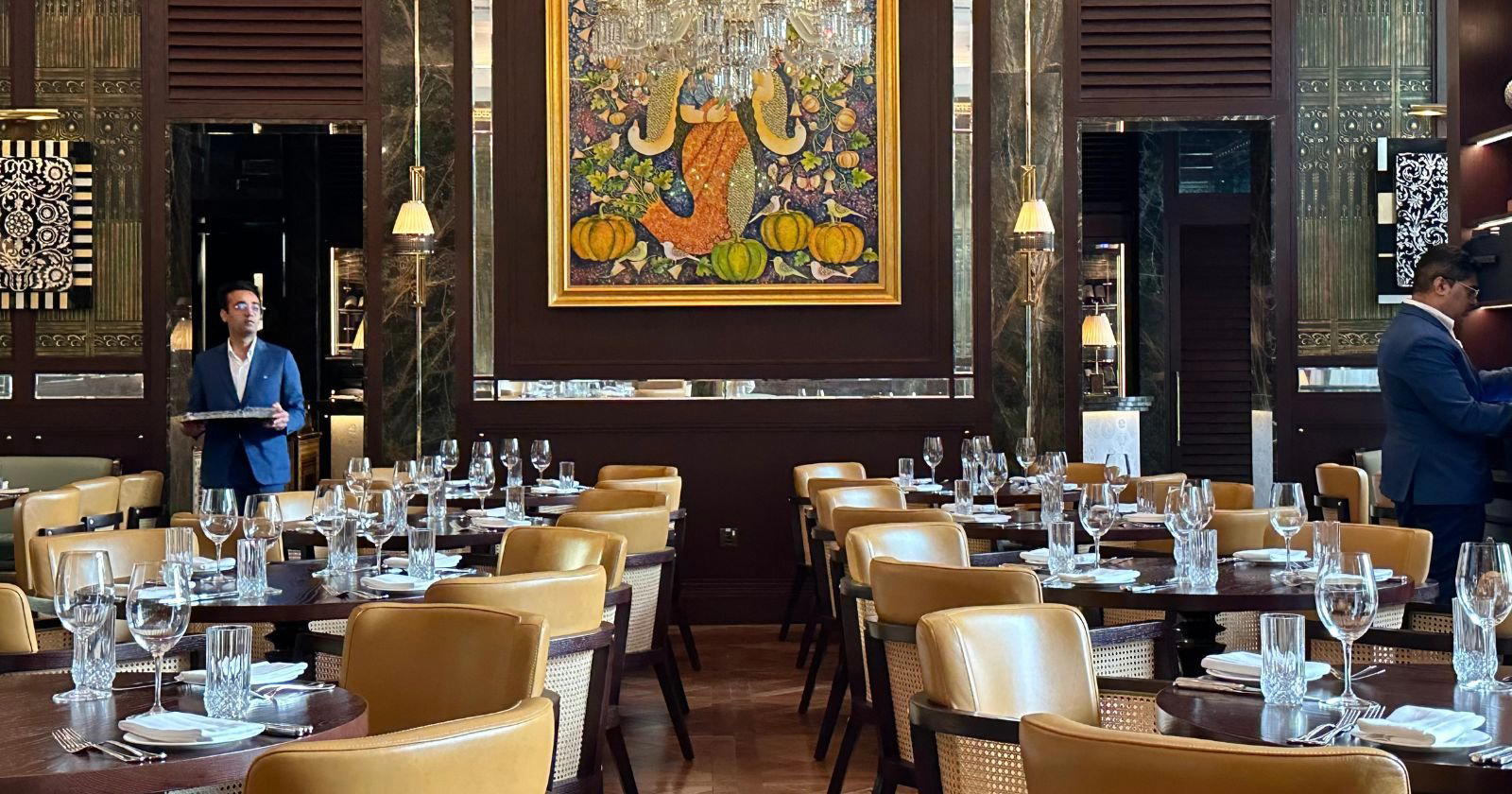
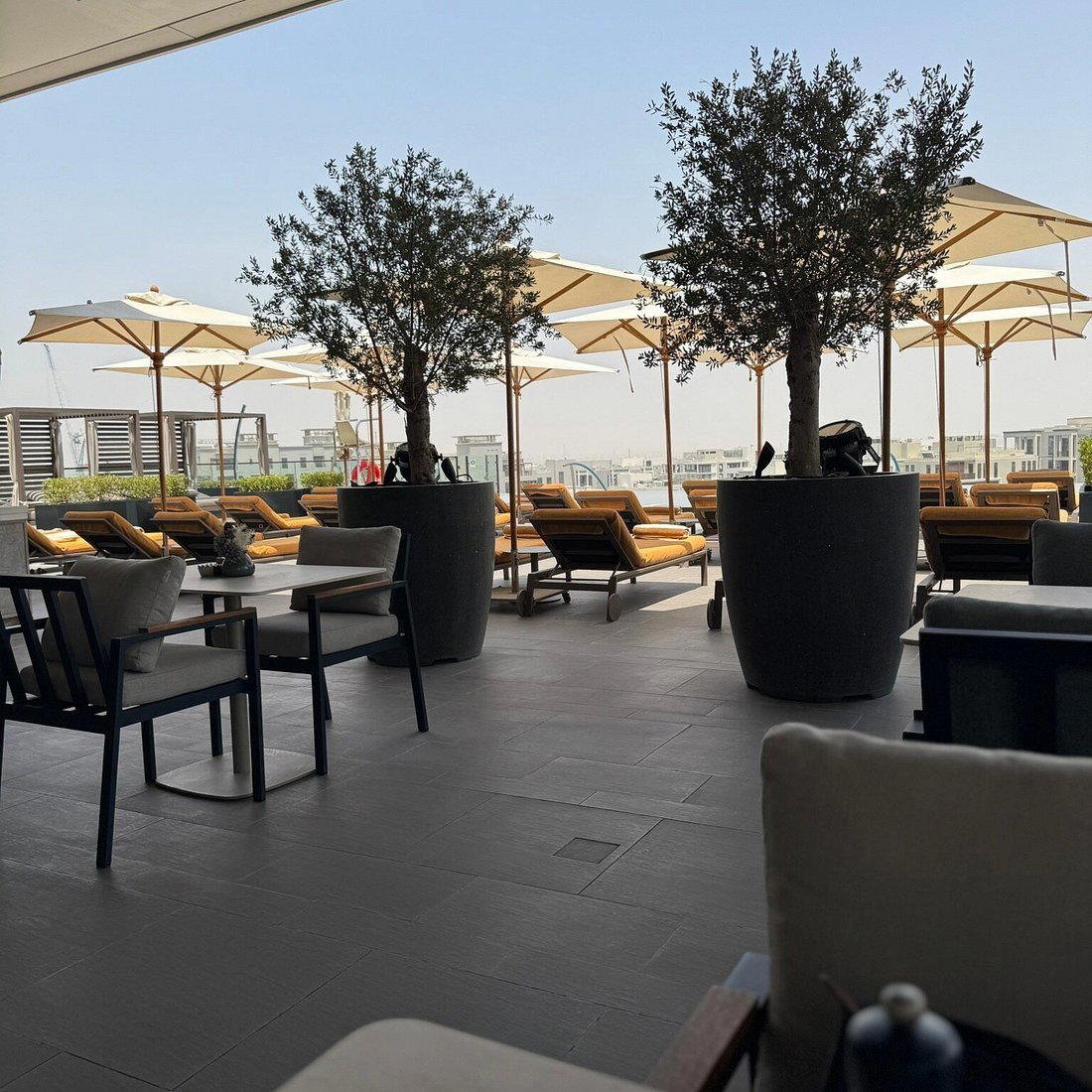
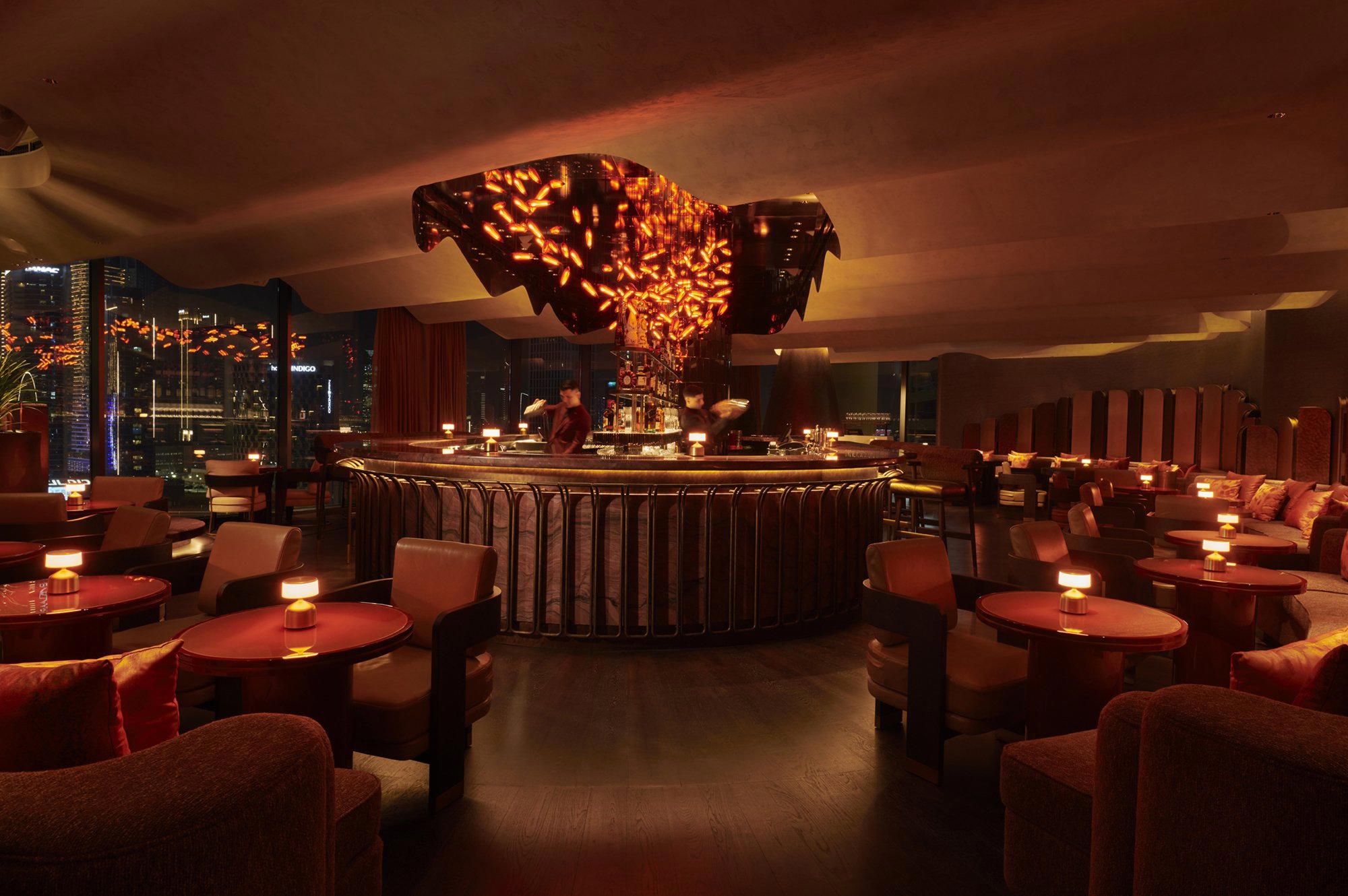
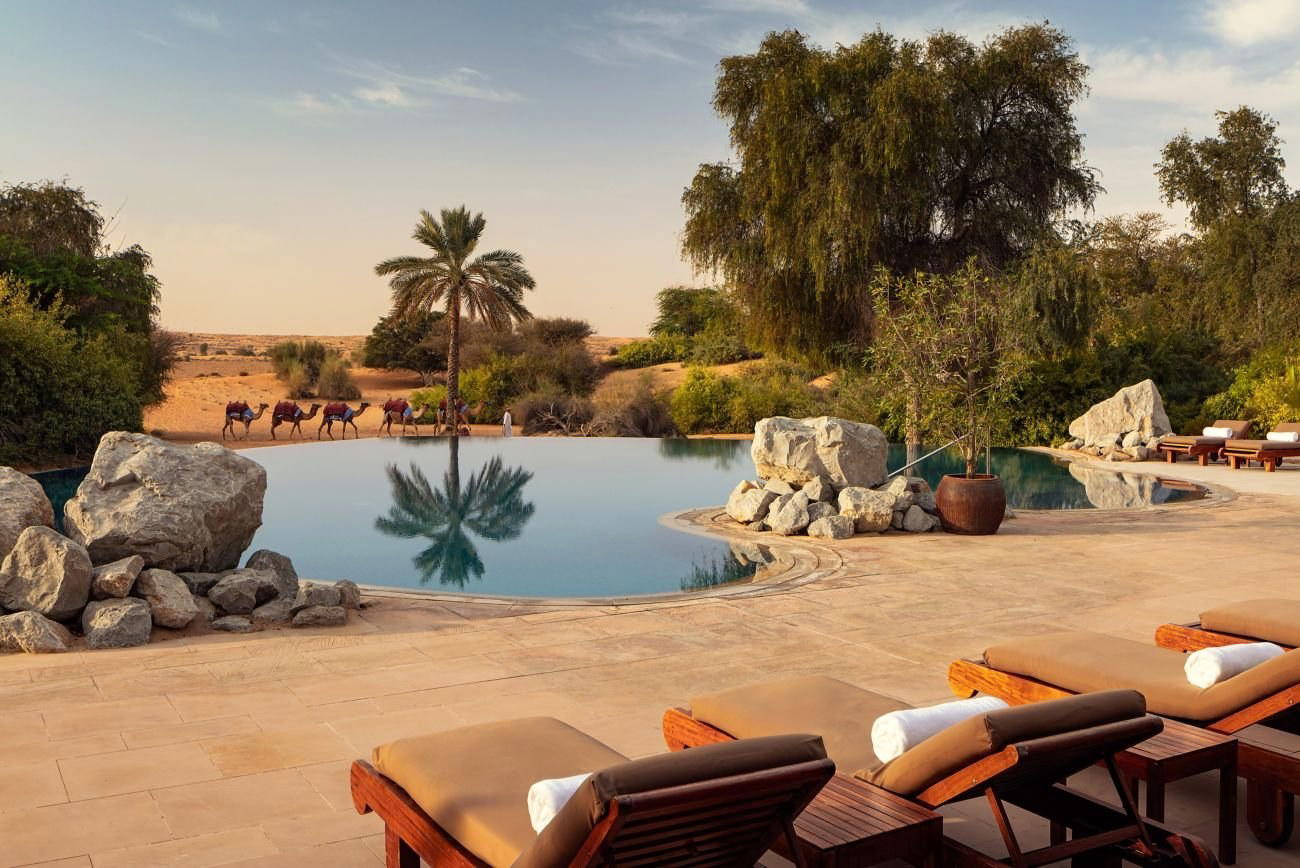
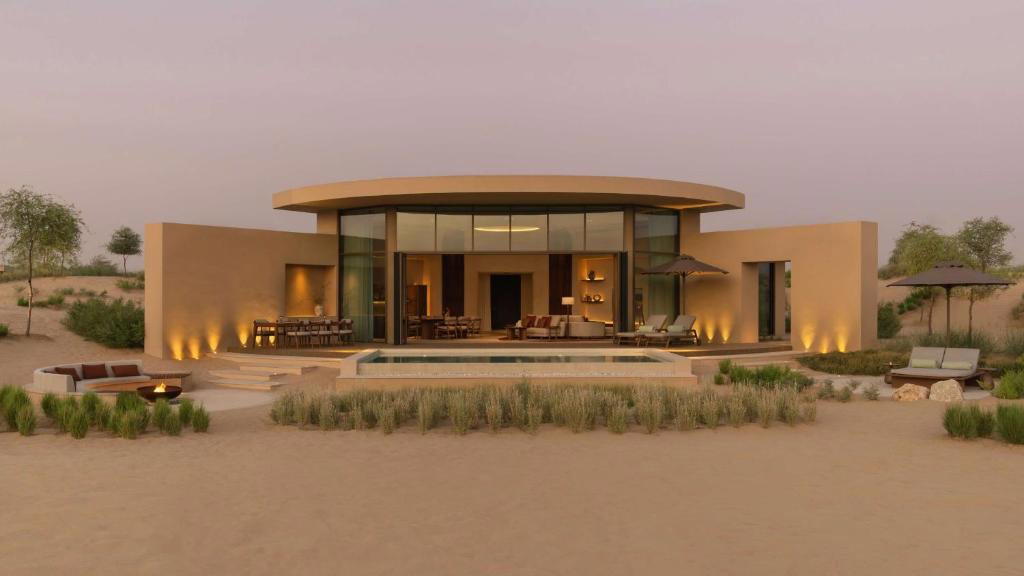
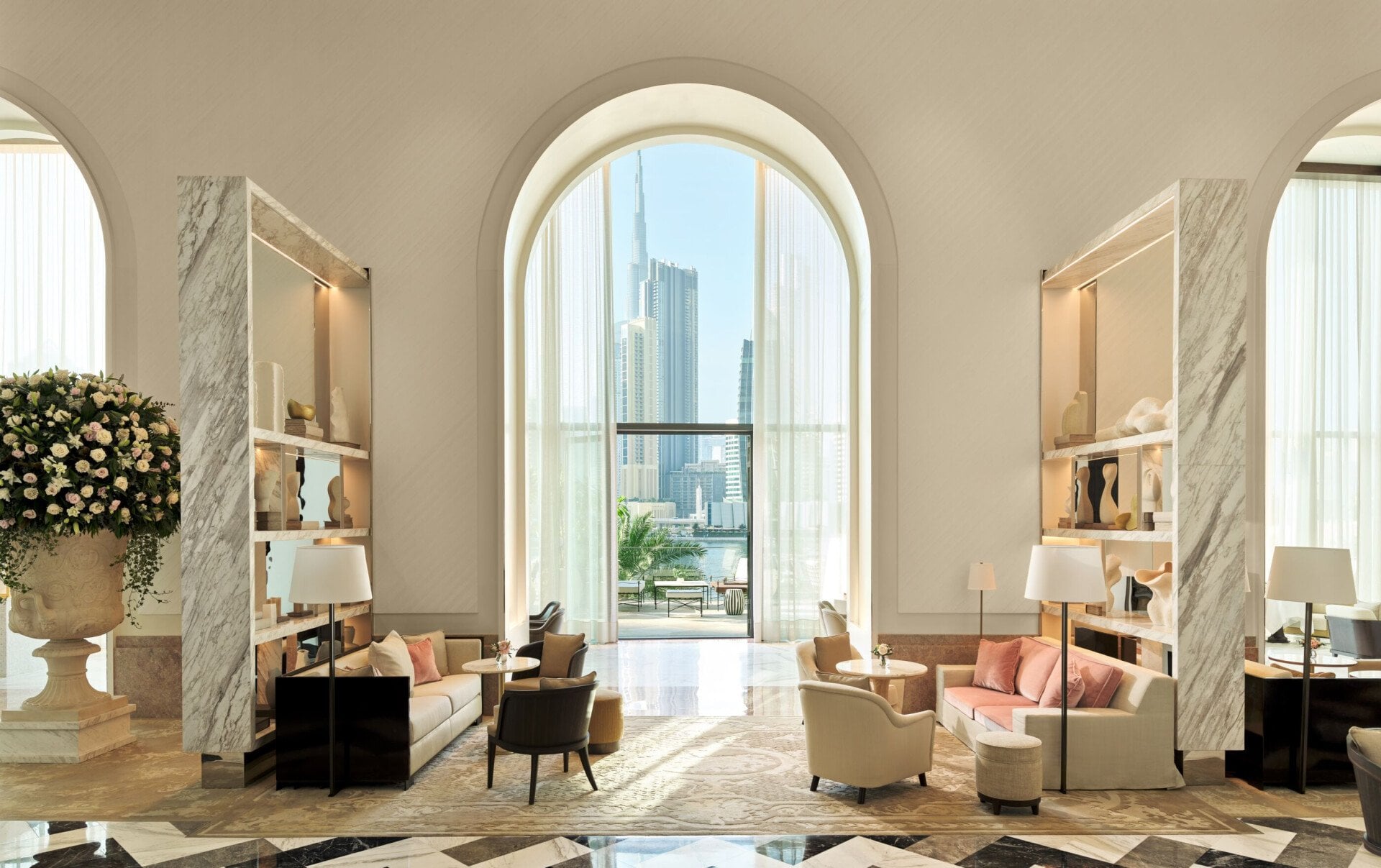
Candlelit evening dining with white linen tablecloths on a magnificent terrace; traditional Arabian architecture with torches creating a magical desert oasis atmosphere at night.