Google: 4.0 · 41 reviews
Aho Fina
.png)
Aho Fina holds a 2024 Michelin Plate at its address on Boulevard Adolphe Thiers, placing it in Saint-Jean-de-Luz's mid-to-upper modern cuisine tier alongside peers like Ilura and Le Kaïku. The kitchen works within a modern French register that the Basque Coast's exceptional larder — Hendaye spider crab, Espelette pepper, Pyrenean lamb — makes unusually compelling at this price point.
 Discover on Pearl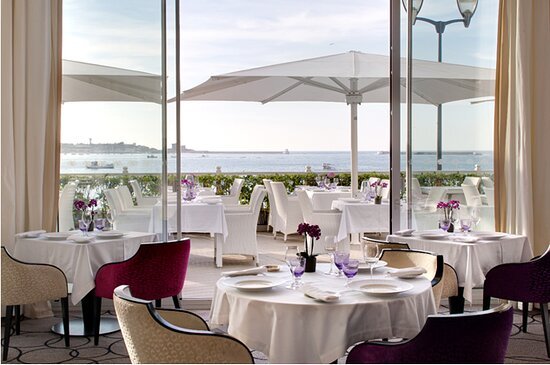
The Basque Coast Table and Where Aho Fina Sits Within It
Saint-Jean-de-Luz sits at one of Europe's more fortunate culinary intersections. The Bay of Biscay delivers fish and shellfish with a quality ceiling that most French coastal towns cannot match: txipirón squid, merlu (Basque hake), spider crab from Hendaye, and the prized anchovy that defines the regional larder. Inland, within an hour's drive, Pyrenean pastures produce lamb and aged sheep's milk cheese, while Espelette — the village that lends its name to France's only AOC pepper — sits barely fifteen kilometres away. Any kitchen working in this geography starts with a significant material advantage before a single plate is composed.
Aho Fina, at 43 Boulevard Adolphe Thiers, holds a 2024 Michelin Plate, the Guide's marker for consistent quality short of a star. In the local modern cuisine bracket, that places it in a defined tier alongside Ilura and below Le Kaïku, which carries a full Michelin star. The distinction matters for how each kitchen approaches sourcing: starred kitchens tend to operate on tighter, named-supplier relationships and longer R&D cycles; Michelin Plate restaurants often work with the same underlying produce but express it through shorter menus and less elaborate technique. Aho Fina's modern cuisine positioning suggests the latter, a kitchen that lets the Basque Coast's raw materials carry weight rather than burying them in process.
Sourcing in a Region Built for It
The ingredient story of the French Basque Country is, in most cases, more interesting than the cooking technique applied to it, and that is a compliment to the region rather than a criticism of its kitchens. The Atlantic fishing port in Saint-Jean-de-Luz itself remains one of the few in France with a functioning daily fish auction (criée), meaning that restaurants on the Boulevard Adolphe Thiers corridor have access to day-boat catch without the distribution lag that undermines coastal cooking elsewhere. For a modern cuisine table at the €€€ price point, that proximity is a structural advantage that shows up on the plate regardless of the kitchen's technical register.
Espelette pepper, produced exclusively in the Labourd area of the Basque Country and protected under AOC regulations since 2000, is not simply a garnish in this context. It functions as a regional flavour marker, appearing across the cooking of both the French and Spanish sides of the border with the same geographical specificity that Piment d'Esplette gives to Basque cuisine internationally. A kitchen drawing on this ingredient correctly, rather than using it decoratively, signals an understanding of what separates Basque-influenced modern French cooking from its more generic counterparts. The same logic applies to Idiazabal and Ossau-Iraty, the two sheep's milk cheeses produced within close range, which appear on serious tables in the area as evidence of a sourcing programme rather than an afterthought.
Compared to modern cuisine tables in cities like Paris, where ingredient stories require deliberate construction and supply chain architecture, the Basque Coast kitchen works with geography that delivers the narrative unprompted. Whether a given kitchen at the Michelin Plate level takes full advantage of that is always the operative question. The Google review average of 4.0 from 41 ratings at Aho Fina suggests a room that generates consistent satisfaction without the polarising opinions that sometimes accompany more experimental kitchens at this tier.
Placing Aho Fina Against the Saint-Jean-de-Luz Modern Cuisine Field
Saint-Jean-de-Luz punches above its size in modern cuisine terms. For a coastal town of approximately fourteen thousand residents, the concentration of Michelin-recognised tables is disproportionate, and the competition within the €€€ modern cuisine bracket is real. Ilura occupies a comparable price point; Erroa and Instincts sit a bracket below at €€ and offer modern cooking with a lighter financial commitment. L'Essentiel rounds out the local modern cuisine options for visitors building a multi-dinner itinerary through the town.
For context beyond the local, the broader French modern cuisine spectrum runs from institution-level restaurants like Alléno Paris au Pavillon Ledoyen and Troisgros - Le Bois sans Feuilles to landscape-rooted formats like Bras in Laguiole, which built its identity explicitly on terroir and regional ingredient sourcing, a model increasingly relevant to how Basque Coast kitchens position themselves. Mirazur in Menton and Flocons de Sel in Megève demonstrate how geography-first kitchens can build recognition well outside their immediate regions. At a different continental remove, Frantzén in Stockholm and FZN by Björn Frantzén in Dubai show how modern cuisine now operates at global scale while maintaining a sourcing identity. Aho Fina sits nowhere near those reference points in ambition or scale, but they illustrate the broader trajectory of what Michelin-tracked modern cuisine tables are expected to do with their ingredient stories. The Basque Coast makes meeting that expectation considerably more achievable than it is elsewhere in France. And on the other side of the Pyrénées, the Auberge de l'Ill tradition in Alsace (see Auberge de l'Ill in Illhaeusern) demonstrates how deeply regional French fine dining can embed itself in a landscape's produce over generations.
Planning a Visit
Aho Fina is at 43 Boulevard Adolphe Thiers in Saint-Jean-de-Luz, a central address within walking distance of the town's port and main square. The €€€ price tier places the bill in the range that, across comparable Basque Coast modern cuisine tables, typically runs from approximately €60 to €100 per person for a full menu without wine. Saint-Jean-de-Luz is most visited between June and September, when Atlantic weather is reliable and the town's calendar of festivals (including the Fête du Thon in July and the Fête du Piment in Espelette in October) draws substantial visitor numbers. Booking in advance during peak summer weeks is the standard approach for any Michelin-recognised table in the town. Phone and booking platform details are leading confirmed directly through the restaurant's current listings, as these change seasonally. For a fuller picture of where Aho Fina sits within the town's dining options, see our full Saint-Jean-de-Luz restaurants guide. Those building a broader itinerary will also find our hotels guide, bars guide, wineries guide, and experiences guide useful for structuring time in the region.
Quick Comparison
A quick peer reference to anchor this venue in its category.
| Venue | Cuisine | Price | Awards | Notes |
|---|---|---|---|---|
| Aho Fina | Modern Cuisine | €€€ | Michelin Plate (2024) | This venue |
| Le Kaïku | Modern Cuisine | €€€ | Michelin 1 Star | Modern Cuisine, €€€ |
| Alcalde | Traditional Cuisine | €€ | Traditional Cuisine, €€ | |
| Erroa | Modern Cuisine | €€ | Modern Cuisine, €€ | |
| Ilura | Modern Cuisine | €€€ | Modern Cuisine, €€€ | |
| Instincts | Modern Cuisine | €€ | Modern Cuisine, €€ |
Continue exploring
More in Saint-Jean-de-Luz
Restaurants in Saint-Jean-de-Luz
Browse all →
Bars in Saint-Jean-de-Luz
Browse all →
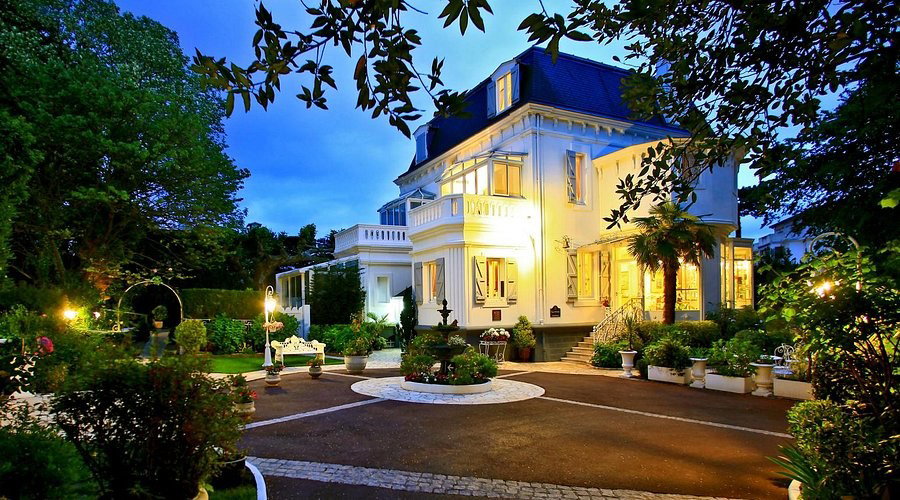
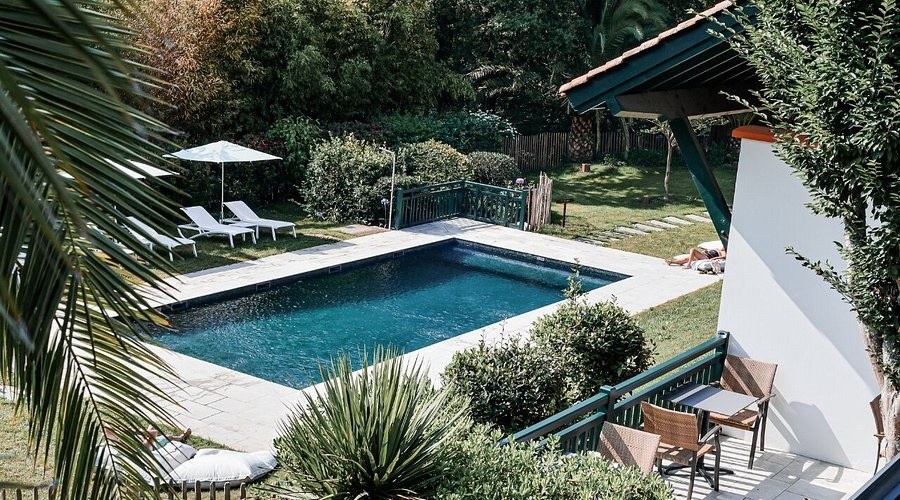
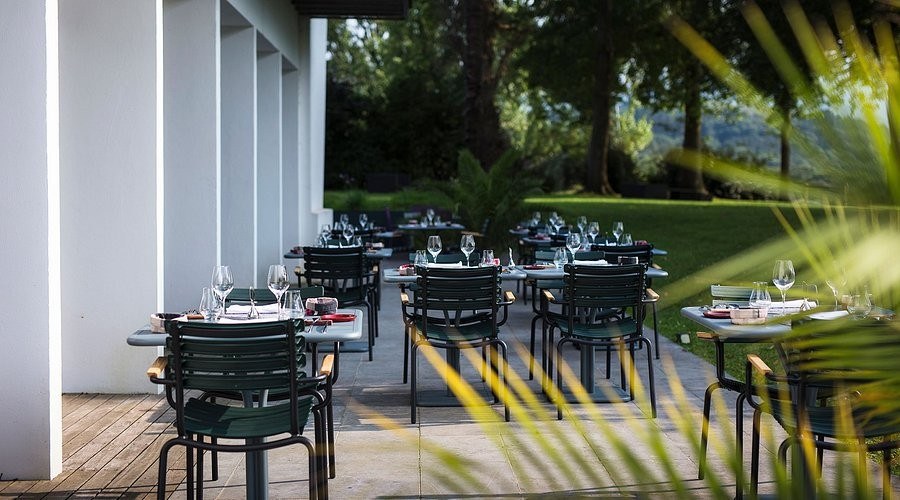
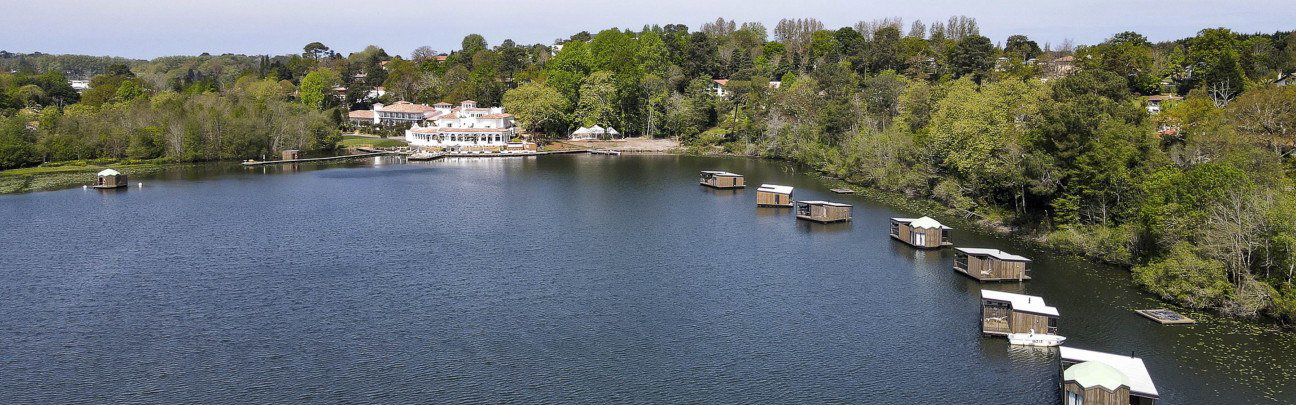
At a Glance
- Elegant
- Sophisticated
- Scenic
- Date Night
- Special Occasion
- Terrace
- Waterfront
- Hotel Restaurant
- Extensive Wine List
- Local Sourcing
- Waterfront
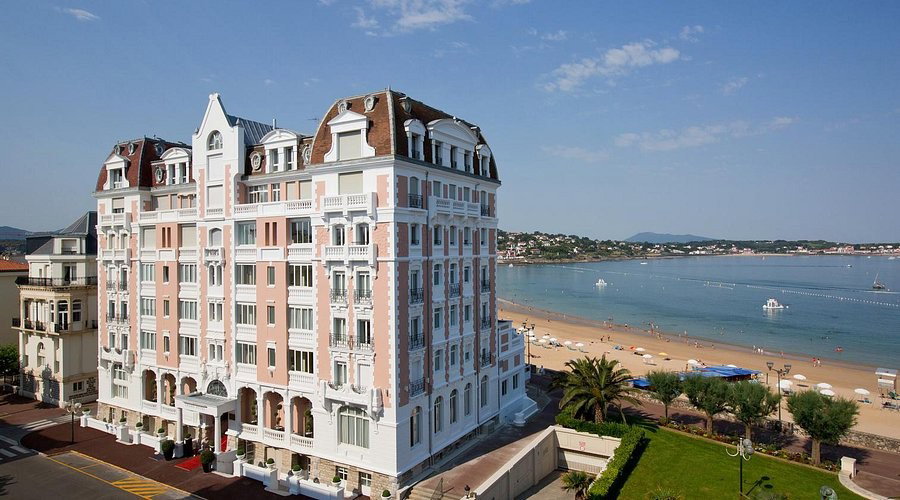
Light-filled rotunda with teak terrace overlooking the Atlantic bay, offering an elegant and revitalizing atmosphere.