Ahi Sushi
Ahi Sushi operates out of a strip-mall address on Calloway Drive in northwest Bakersfield, placing Japanese-style sushi within a Central Valley market that runs more heavily on agricultural production than fine-dining infrastructure. For a city whose food identity skews toward Basque and Mexican traditions, a dedicated sushi counter represents a deliberate niche.
Pearl is the En Primeur Club membership app — saves, bookings, and concierge access live there. Same editors, same standards.
- Address
- 2665 Calloway Dr #212, Bakersfield, CA 93312
- Phone
- +16616153320
- Directions
- Get directions
 Saves & bookings on Pearl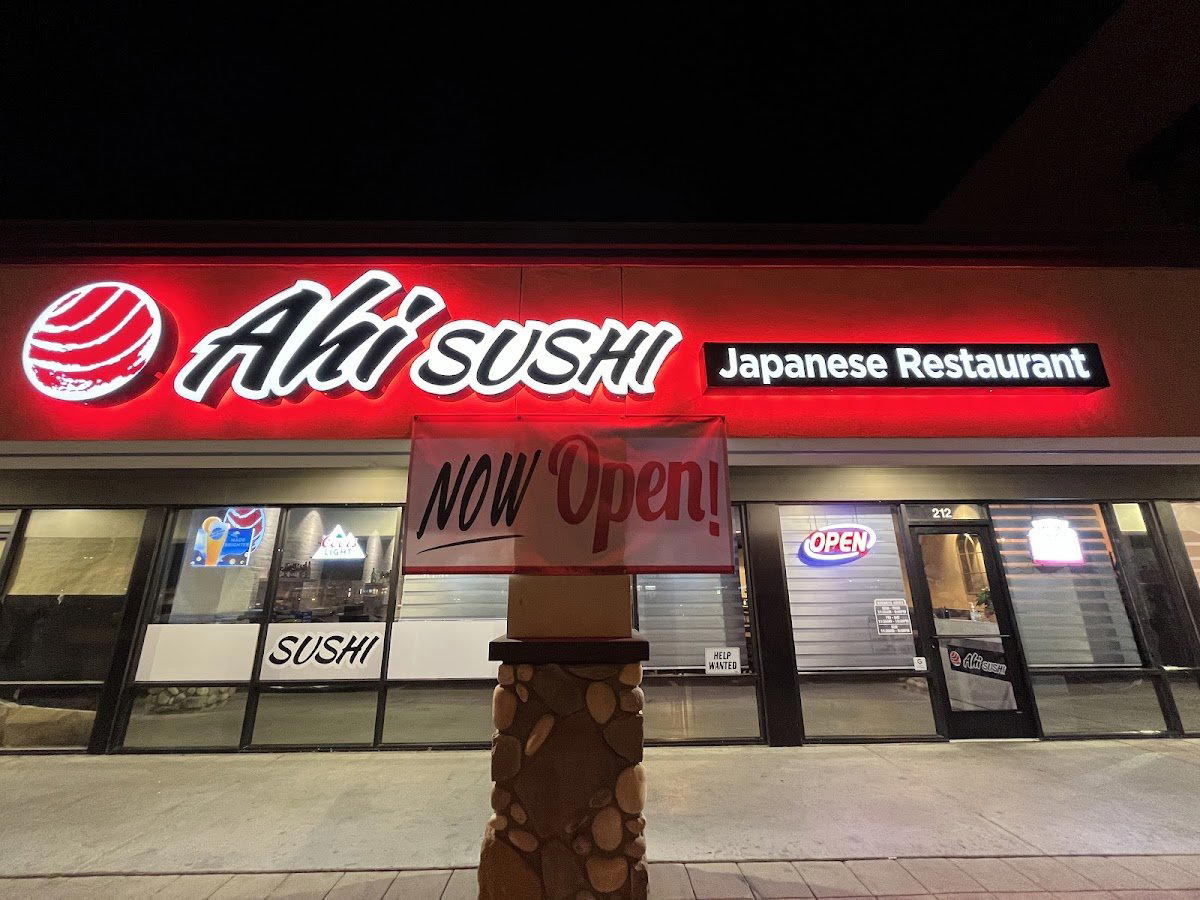
Sushi in the Central Valley: What the Setting Signals
Bakersfield sits in the southern San Joaquin Valley, a region that produces a disproportionate share of California's table grapes, citrus, pistachios, and stone fruit, yet whose restaurant culture has historically centered on Basque boarding-house dining and deep-rooted Mexican kitchens rather than Japanese cuisine. Against that backdrop, a sushi operation at 2665 Calloway Drive, Suite 212, occupies an interesting position: it is attempting a format that depends heavily on fish supply chains and sourcing discipline in a landlocked city roughly 110 miles from the Pacific coast. That distance from the water is the first editorial fact worth understanding before you walk in.
The address itself, a multi-tenant retail strip in northwest Bakersfield, reflects the economic geography of the city's growth corridors. This part of Bakersfield has expanded steadily with suburban residential development, and the dining options along Calloway Drive tend to track that demographic: family-oriented, value-conscious, and not especially interested in ceremony. A sushi restaurant that chooses this location is making a commercial argument — that the neighborhood can support the format — rather than a prestige argument about address or adjacency to a hotel district. Understanding that choice helps set realistic expectations about what kind of sushi experience is on offer. For the kind of sourcing-obsessed omakase counter you find at Le Bernardin in New York City or the hyper-local ingredient philosophy that drives Blue Hill at Stone Barns in Tarrytown, you are in a different category entirely.
The Sourcing Question in a Landlocked Market
The ingredient-sourcing challenge for sushi outside major coastal markets is structural, not a matter of individual ambition. Tuna, salmon, yellowtail, and the shellfish that anchor most American sushi menus travel through a distribution network that favors Los Angeles, San Francisco, and Seattle as primary entry points. A Bakersfield restaurant drawing from that same network is, in practice, working one or two steps further down the cold chain than a coastal counterpart. That gap matters less for cooked rolls and tempura formats than it does for sashimi-grade cuts, where freshness windows are measured in hours rather than days.
California's Central Valley does, however, offer something that coastal sushi markets often lack: agricultural abundance within close reach. The produce inputs that complement a Japanese-inflected menu, cucumber, avocado, edamame, citrus, seasonal stone fruit, are genuinely local here in a way they are not in Manhattan or even Los Angeles. Operations that lean into that proximity, treating the valley's agricultural output as a sourcing asset rather than a consolation, are making a more coherent argument for their location. Places like Single Thread Farm in Healdsburg and Smyth in Chicago have built entire editorial identities around sourcing proximity; the principle applies at every price tier.
Whether Ahi Sushi engages that regional sourcing opportunity in any deliberate way is not documented in available records. What can be said is that the broader category of American sushi restaurants has split into two clear tiers: those that treat ingredient provenance as a core part of their offer, and those that treat sushi as a delivery vehicle for familiar flavors regardless of where the fish originates. Coastal analogues like ITAMAE in Miami, which foregrounds Nikkei heritage and sourcing specificity, or Providence in Los Angeles, which treats sustainable seafood sourcing as a non-negotiable, represent the upper end of that provenance conversation.
Bakersfield's Dining Context
Bakersfield's food culture is more textured than its reputation suggests. The Basque tradition, carried by Pyrenean immigrant shepherds in the nineteenth century, produced a communal table format that still operates at a handful of downtown establishments. The city's Mexican food scene, shaped by decades of agricultural labor migration, runs deep and local in ways that casual visitors consistently underestimate. The newer suburban corridors have added standard American chains and a scattering of independent operators working Asian cuisines, including Korean, Thai, and Japanese formats.
Within that context, sushi has a presence in Bakersfield but not a dominant one. The market is not saturated in the way that Los Angeles or the Bay Area are, which means individual operators have room to establish loyalty without competing against a dense tier of peers. That lower competitive density can work in a neighborhood restaurant's favor: the bar for comparison is set by other Bakersfield options rather than against the sourcing standards of Addison in San Diego or the tasting menu ambition of Lazy Bear in San Francisco. For a broader picture of where Ahi Sushi sits within the city's dining options, our full Bakersfield restaurants guide maps the field across cuisines and price points.
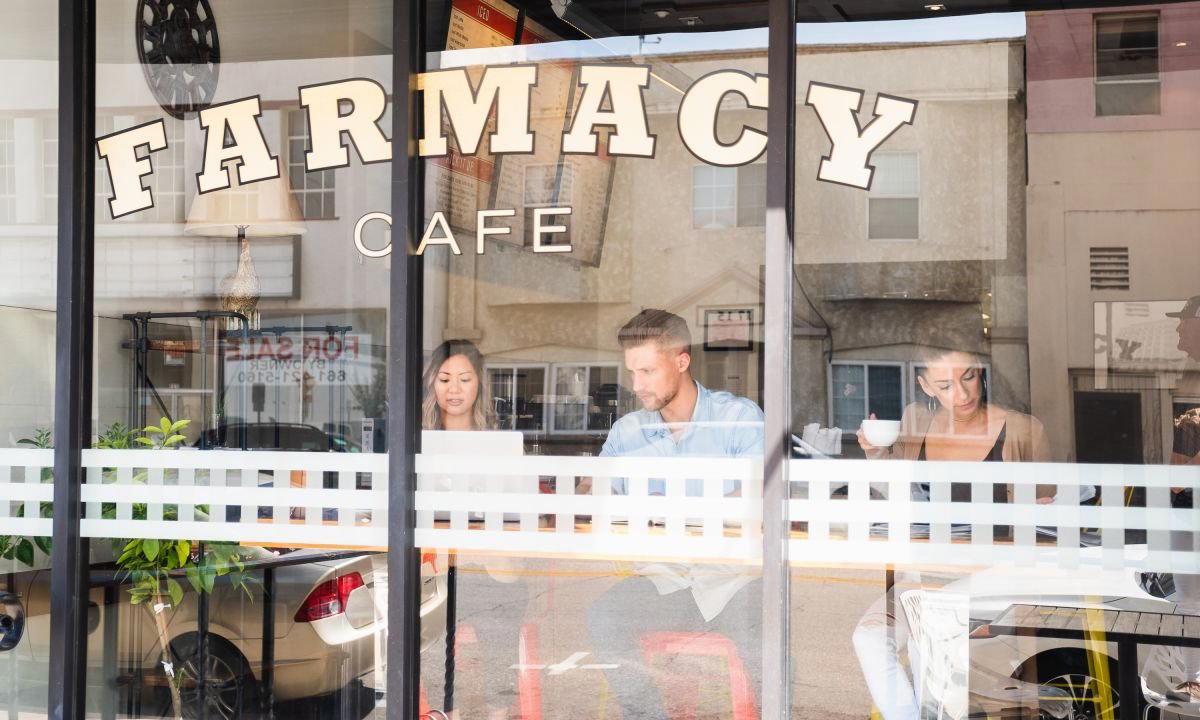
Other independent Bakersfield operators worth cross-referencing include Farmacy, which works a different part of the market but speaks to the same broader pattern of independent dining taking hold in the city's growth neighborhoods.
What to Know Before You Go
Because no booking information, hours, or pricing data are available in current records, the most practical guidance is logistical: the address at 2665 Calloway Dr, Suite 212 places the restaurant in a strip-mall complex, which means parking is direct and the format is almost certainly casual rather than counter-service omakase. Guests with specific dietary requirements or allergy concerns should make contact before arrival, since no allergen information is on record here.
The broader American sushi category that Ahi Sushi occupies has moved considerably in the past decade. Destination-level programs like Atomix in New York City, which brings Korean sensibility to a tasting-counter format, or the ingredient-driven philosophy at The Wolf's Tailor in Denver and Frasca Food and Wine in Boulder show what independent operators outside major coastal markets can achieve when sourcing and culinary identity are given structural priority. Operations like Oyster Oyster in Washington, D.C. and Atelier Moessmer Norbert Niederkofler in Brunico have made ingredient provenance the defining editorial argument for their existence. What it can do is place the question clearly, so that a reader deciding whether to visit knows exactly what to look for when they arrive. For the larger context of what sourcing discipline looks like at the pinnacle of the format, The French Laundry in Napa and Emeril's in New Orleans represent different but instructive reference points on how ingredient identity can anchor a restaurant's entire proposition. The Inn at Little Washington makes a similar case in a non-coastal American market.
Continue exploring
More in Bakersfield
Restaurants in Bakersfield
Browse all →
At a Glance
- Cozy
- Casual Hangout
- Sake Program
Current opening hours
- Monday
- Closed
- Tuesday
- 11:30 AM–9 PM
- Wednesday
- 11:30 AM–9 PM
- Thursday
- 11:30 AM–9 PM
- Friday
- 11:30 AM–10 PM
- Saturday
- 11:30 AM–10 PM
- Sunday
- 11:30 AM–9 PM
Hours can change for holidays and private events. Last verified .
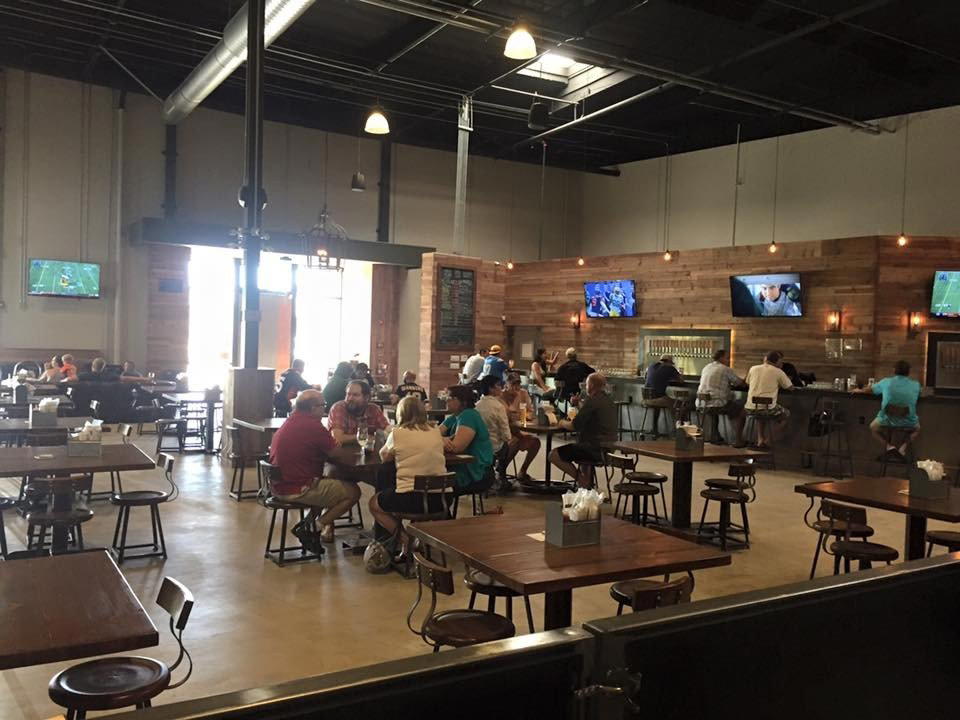
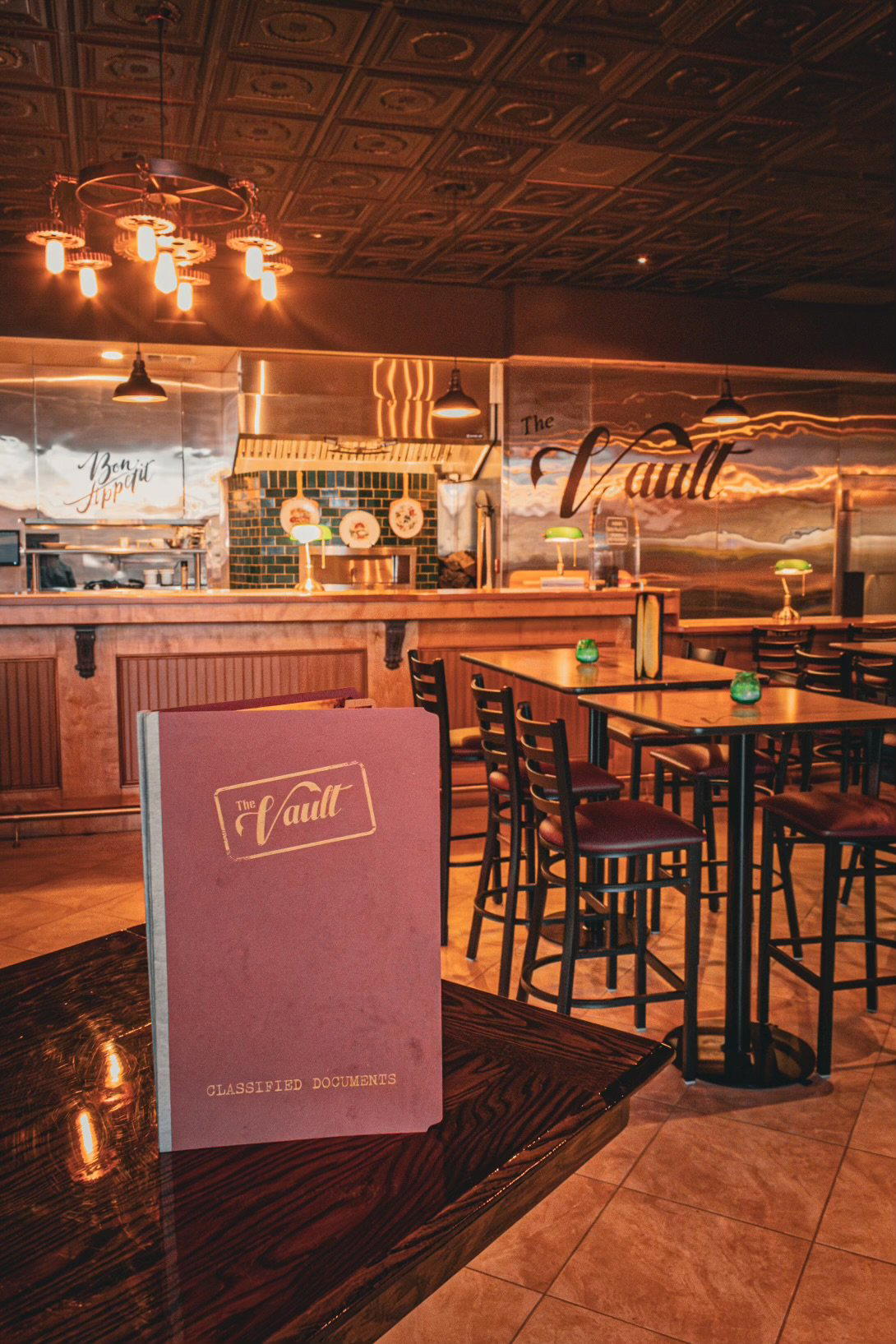
Cozy and friendly atmosphere well-suited for enjoying fresh Japanese cuisine.
Know Before You Go
- Getting there
- 2665 Calloway Dr #212, Bakersfield, CA 93312