Jabulani Safari



Set within Kapama Private Game Reserve in the Greater Kruger area, Jabulani Safari pairs six suites and an exclusive villa with a working elephant conservation program that predates the lodge itself. Rates from US$2,577 per night place it in the upper tier of Greater Kruger properties, with Relais & Châteaux membership and a 4.9/5 guest rating confirming its position. The conservation mission is structural, not decorative.
Pearl is the En Primeur Club membership app — saves, bookings, and concierge access live there. Same editors, same standards.
- Address
- Kapama Private Game Reserve, Hoedspruit, 1380
- Phone
- +27 82 922 0120
- Website
- jabulanisafari.com
- Directions
- Get directions
 Saves & bookings on Pearl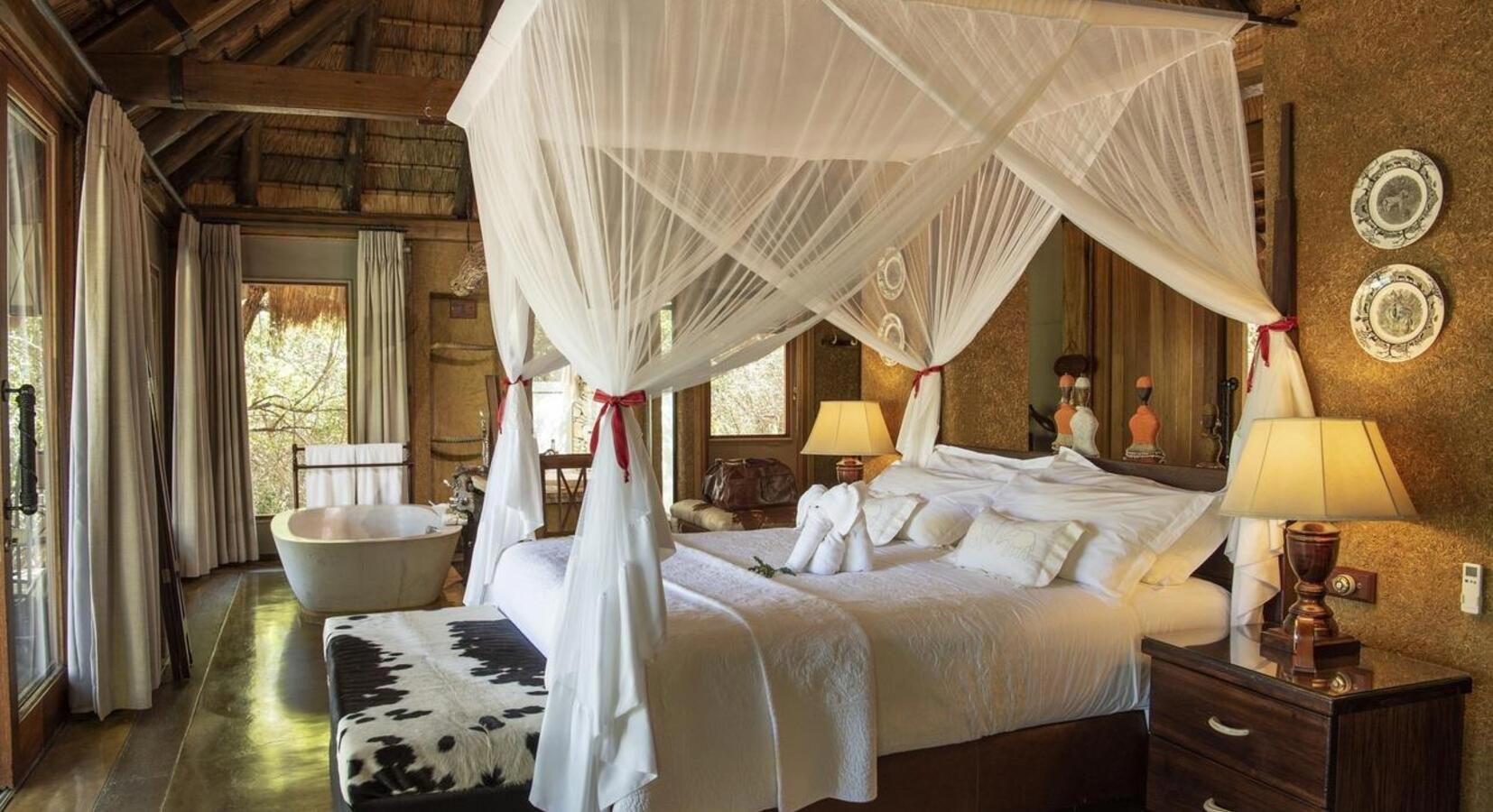
Where the Reserve Sets the Terms
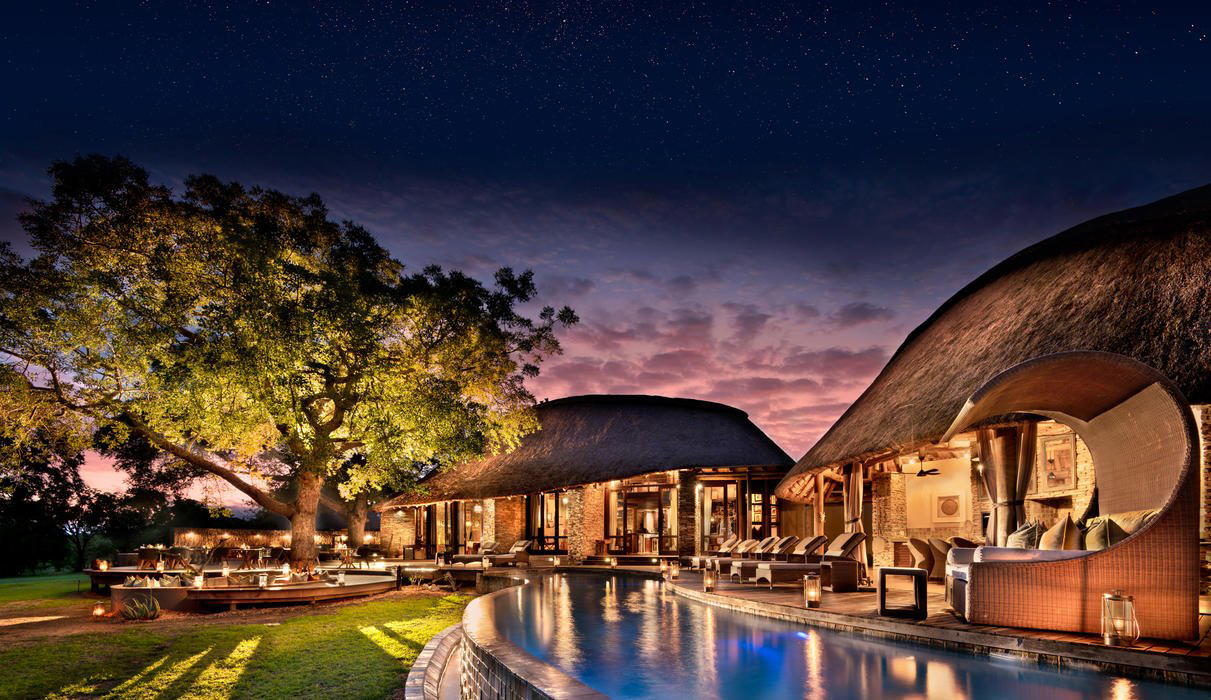
Arriving at Kapama Private Game Reserve, the landscape does the orienting before any staff member speaks a word. The bush thickens, the road narrows, and by the time the lodge materialises, the hierarchy is clear: the wildlife came first. Jabulani Safari was built around that premise literally. The project began with the rescue of an elephant calf named Jabulani, whose story prompted the Roode family to establish what became South Africa's first dedicated elephant orphanage, HERD (Hoedspruit Elephant Rehabilitation and Development). The lodge grew from that commitment rather than the other way around, and that origin shapes everything about how the property operates today.
Within the Greater Kruger corridor, properties like andBeyond Ngala Safari Lodge and Malewane Lodge at Royal Malewane occupy similar upper-tier positions, but Jabulani's conservation infrastructure, a functioning orphanage operating alongside the lodge, represents a structural distinction rather than a marketing posture.
The Conservation Layer
In much of the premium safari market, conservation language functions as positioning. At Jabulani, it functions as scheduling. Guests can observe the resident elephant herd during midday swims, watch the animals forage alongside their carers in the surrounding bush, and spend time with the HERD team hearing accounts of specific elephants and their rehabilitation histories. These are not staged encounters: the herd's daily rhythms set the rhythm of the visit, and the elephant carers who accompany them carry institutional knowledge that no briefing document can replicate.
This model differs from what most Greater Kruger lodges offer. Properties like Klaserie Drift Safari Camps and Kateka - The Safari and Wellness Experience deliver strong wildlife programming within their respective reserves, but the depth of elephant-specific access at Jabulani operates on a different axis entirely. The conservation story is nearly twenty years in the making, which gives conversations with HERD staff a texture that newer programs cannot replicate.
Service Architecture
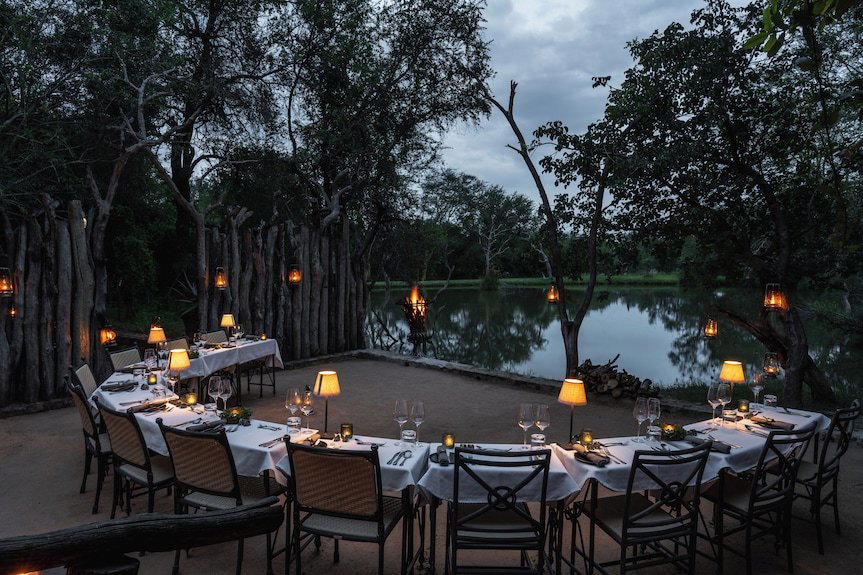
Jabulani's structure supports highly attentive service in ways that scale matters. With nine rooms across six suites and the Zindoga Villa, the lodge operates at a capacity that makes genuine personalisation possible rather than aspirational. Staff-to-guest ratios at this room count allow the team to calibrate the rhythm of each stay: earlier wake-up calls for guests who want first light on game drives, adjusted sundowner timing to position visitors with the elephant herd at dusk, private dining configurations under open skies rather than inside the main lodge dining room.
Sunset drinks with the elephant herd silhouetted against the sky is not incidental atmosphere. It is a deliberately programmed moment that requires coordination between lodge staff, elephant carers, and the herd's own schedule. The fact that this coordination happens consistently, across different guest groups and variable bush conditions, reflects a service culture built around specificity rather than general hospitality.
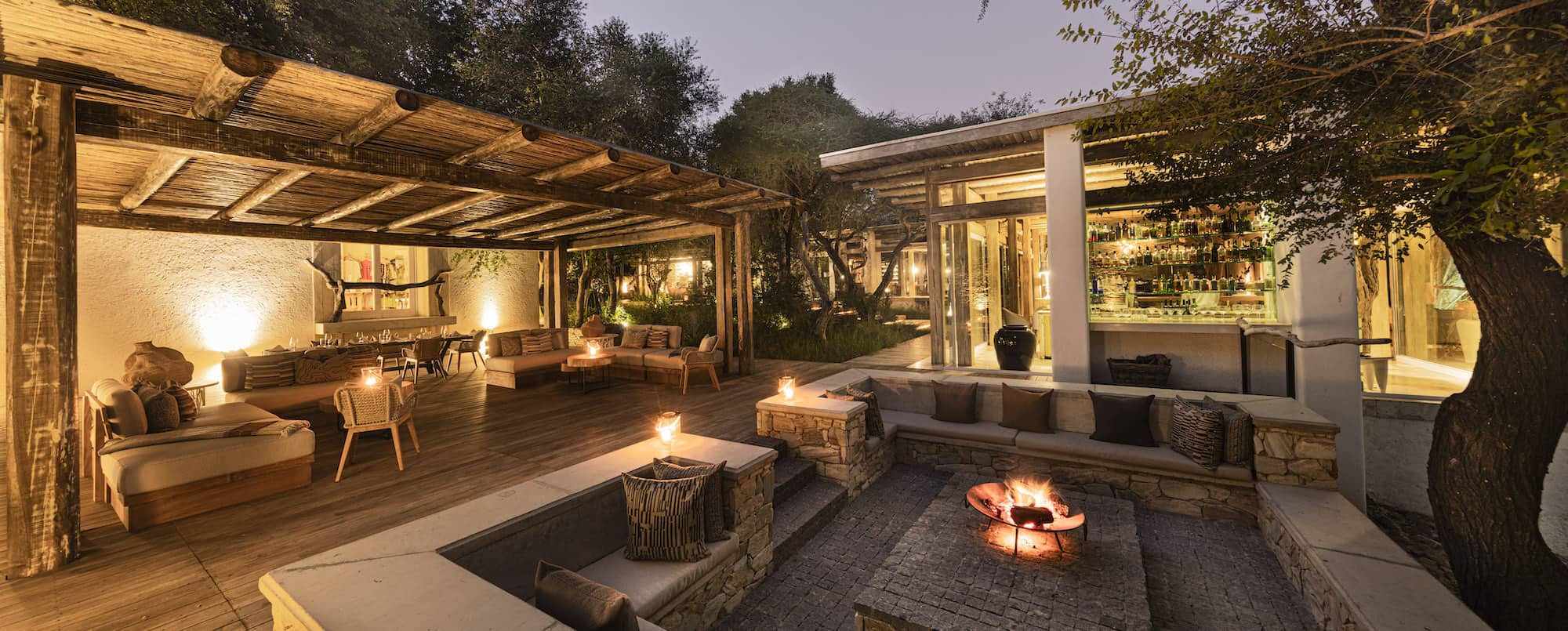
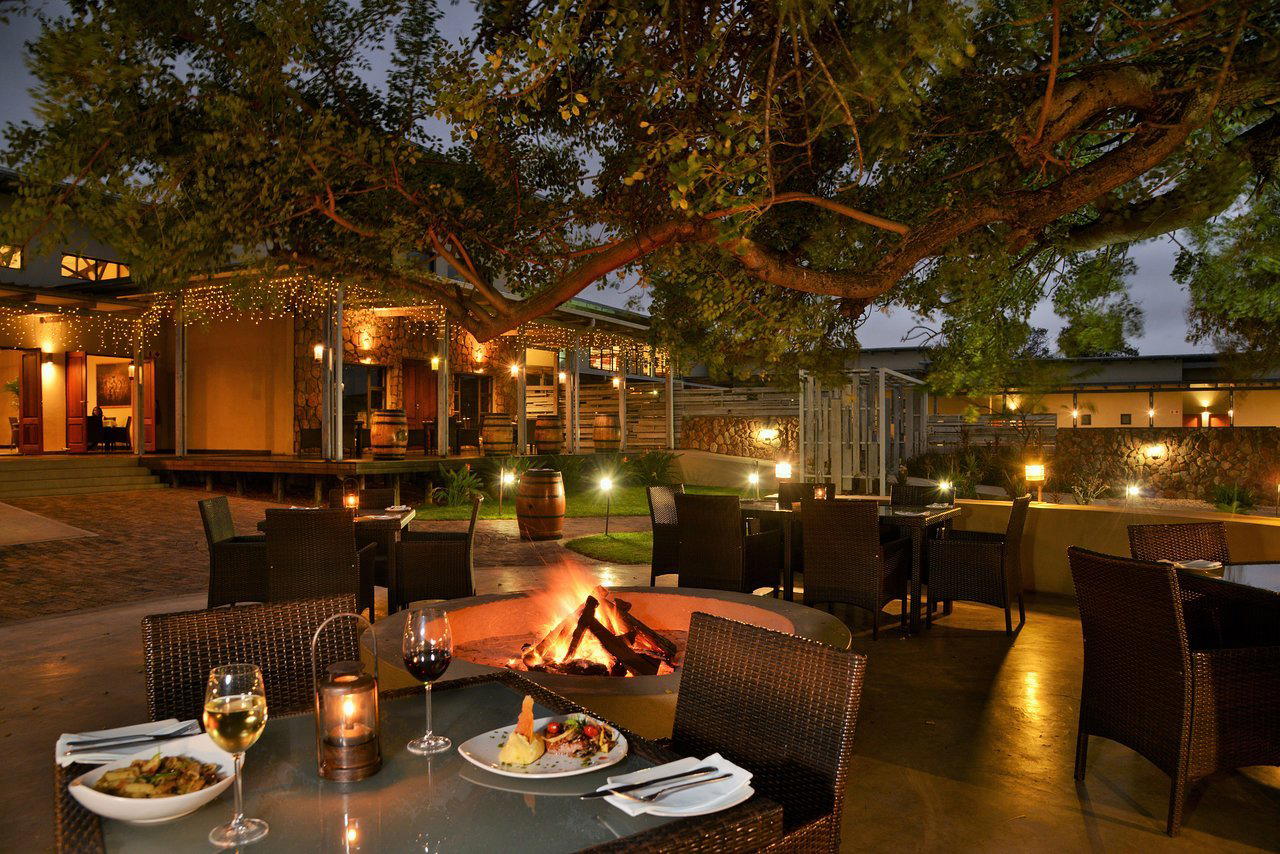
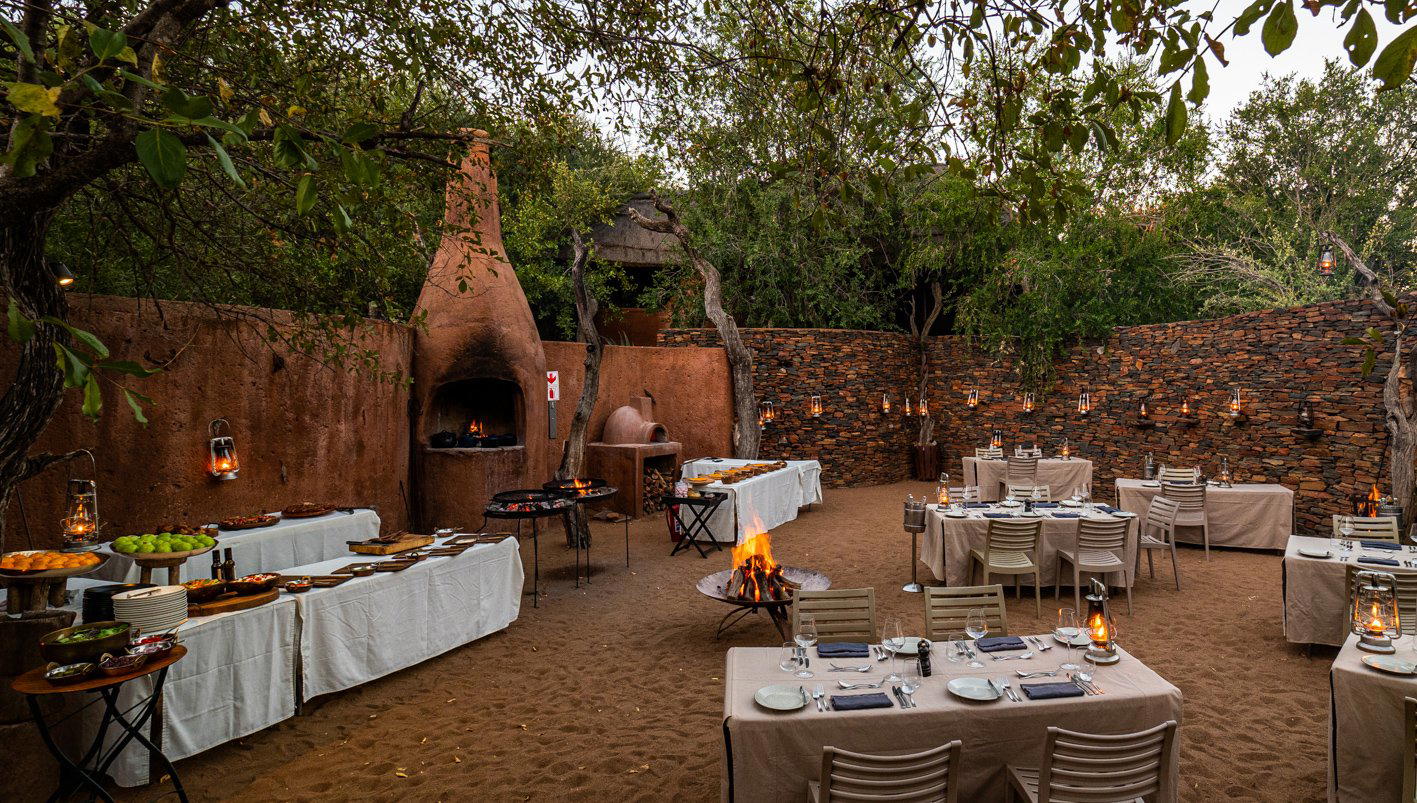
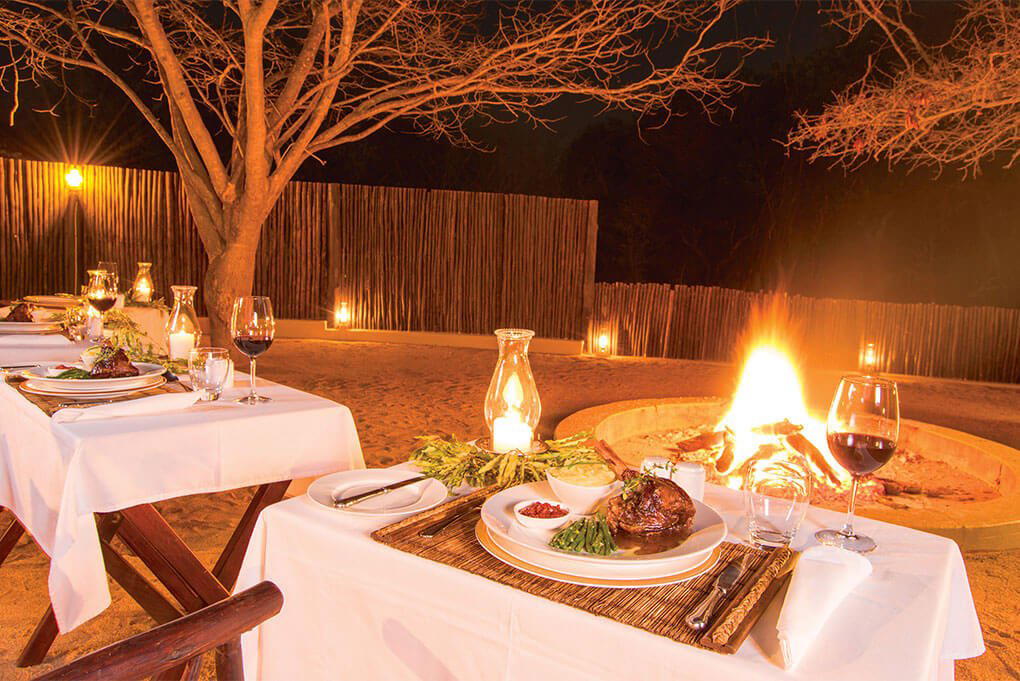
That same specificity extends to dining. Gourmet dinners served by starlight or in the lodge's dining room are adjusted around the day's events rather than running on a fixed restaurant schedule. Guests who have spent the afternoon with the HERD team or returned from a long game drive encounter food and timing calibrated to where they are in the day. This is the practical expression of anticipatory service: the logistics flex around the guest, not the other way around.
The Suites and the Villa
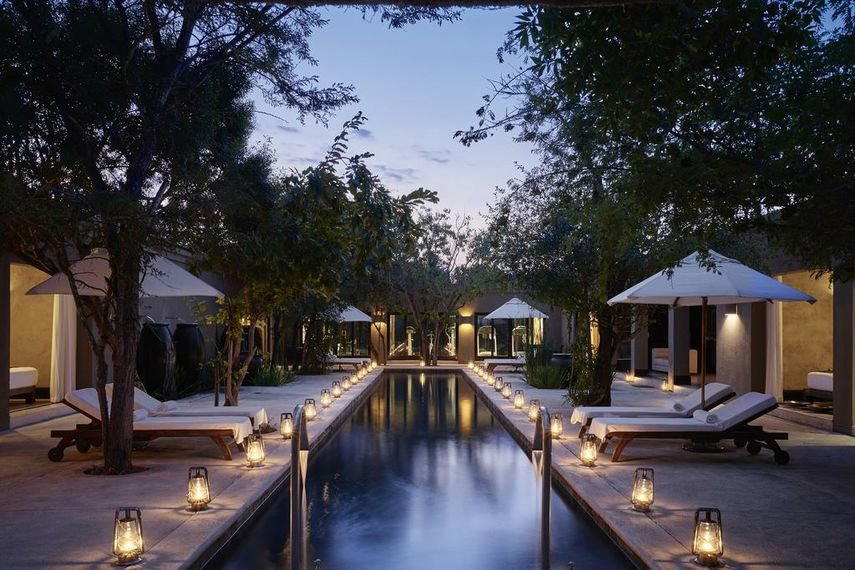
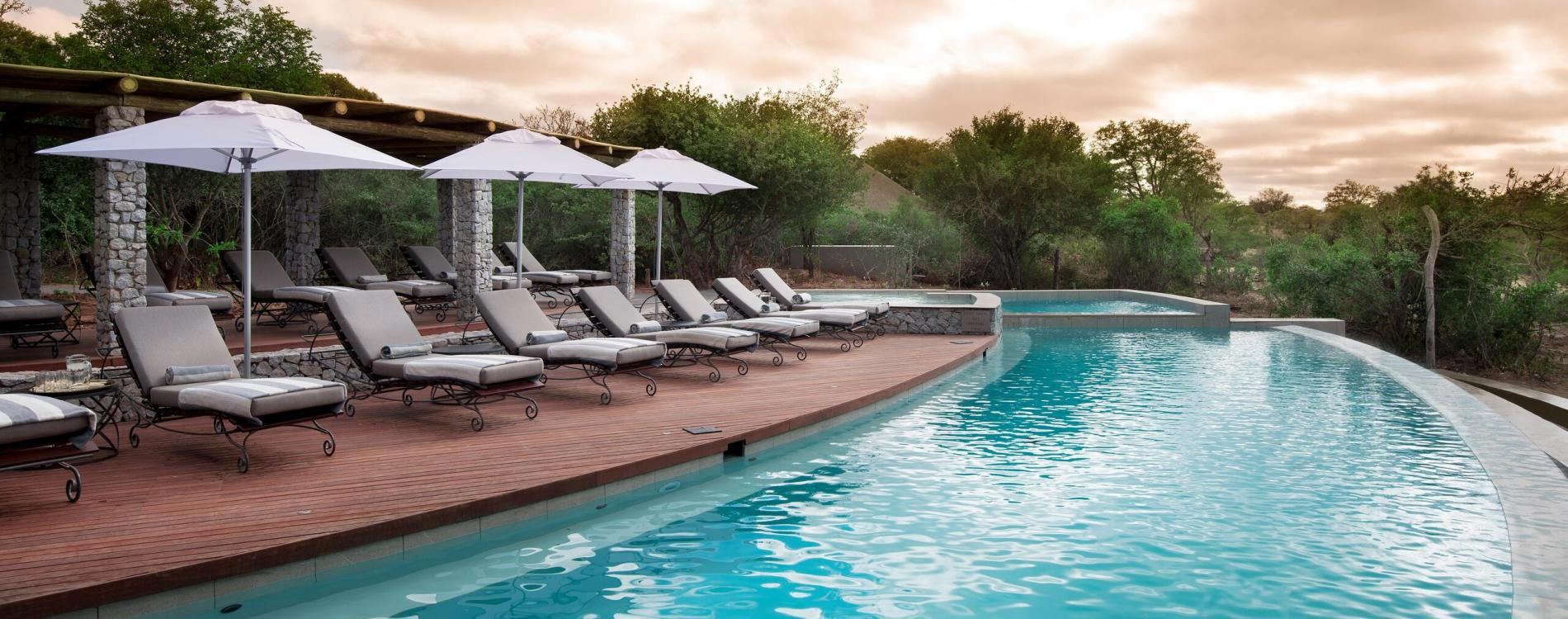
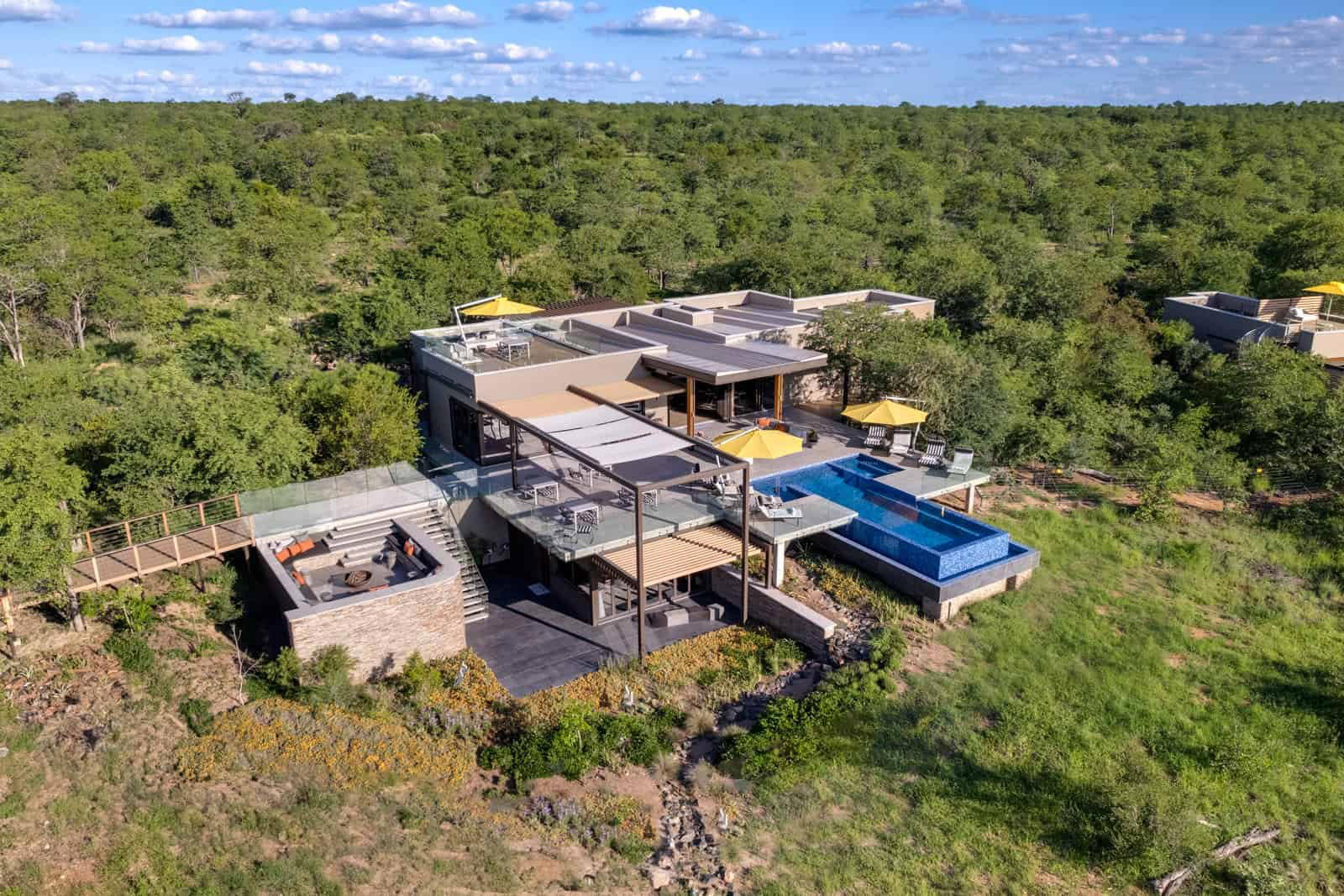
The six individual suites are built for privacy first. Each occupies its own footprint within the reserve, with a private deck and plunge pool oriented toward the bush rather than toward other rooms. Interior specification includes king beds, freestanding stone baths, and traditional fireplaces, all of which signal a deliberate choice to anchor the suites in materials and forms that reference the landscape rather than import an urban luxury vocabulary.
The Zindoga Villa sits above the suite tier in both scale and configuration, suited to family groups or parties who want to occupy a self-contained property within the reserve. For families specifically, the lodge's positioning is coherent: the conservation programming gives younger guests structured, substantive engagement with wildlife that game drives alone cannot provide, while the villa format gives parents the separation and space that communal lodge dining often erodes.
Comparable properties in the Hoedspruit area, including Makanyi Private Game Lodge and Pondoro Game Lodge, offer strong safari experiences within private reserves, but the specific combination of Big Five access, elephant conservation programming, and polished hospitality in a nine-room property is distinctive in the Limpopo region. Further afield, Singita in Kruger National Park represents the other major operator at this tier, though with a different conservation focus and a larger multi-property footprint.
Getting There and Planning the Stay
Hoedspruit Eastgate Airport (HDS) sits approximately 7 kilometres from the reserve, translating to roughly 20 minutes by road. Transfers from HDS to the lodge are complimentary. South African Airways operates scheduled flights to HDS from both OR Tambo International in Johannesburg (approximately 480 kilometres by road) and Cape Town International, making the routing accessible without charter dependency, though charter flights remain an option for parties arriving from elsewhere. Kruger Mpumalanga International Airport provides an alternative entry point at approximately 120 kilometres from the property.
Rates begin at US$2,577 per night, positioning the lodge at the upper end of the Greater Kruger market alongside properties such as Tulela Safari Lodge and andBeyond Ngala Tented Camp. For context on how this price tier compares across South Africa's broader premium accommodation market, Mount Nelson in Cape Town and Clouds Estate in Stellenbosch represent comparable spending levels in different formats. The Hoedspruit area guide at our full Hoedspruit restaurants guide covers broader regional context for planning a multi-stop itinerary.
For guests approaching from Johannesburg and needing a city stop, African Pride Melrose Arch and Hyatt Regency Johannesburg provide options in the Sandton corridor near OR Tambo. Those routing through Cape Town might consider Hyatt Regency Cape Town as a transit base before connecting north.
Cuisine Lens
Comparable venues nearby, for context on price, style, and recognition.
| Venue | Cuisine | Price | Awards | Notes |
|---|---|---|---|---|
| Jabulani SafariThis venue — the venue you are viewing | Luxury safari lodge with British colonial influences and contemporary African design elements. | $$$$ | Michelin 2 Key | Not listed |
| Pondoro Game Lodge | Luxurious safari lodge blending modern comforts with African wilderness | $$$$ | 5-Star | Balule Nature Reserve |
| andBeyond Ngala Tented Camp | luxury tented safari camp | $$$$ | 5-Star | Ngala Private Game Reserve |
| Makalali Private Game Reserve | Ethnic-style bush retreat blending West African influences with contemporary design; three separate intimate camps along riverbanks offering personalized safari experiences. | $$$$ | 5-Star | Hoedspruit |
| Malewane Lodge at Royal Malewane | Quintessential luxury African bush lodge with four distinct lodge styles: classic Malewane, colorful Waterside, contemporary Farmstead, and tented Masiya’s Camp. | $$$$ | 5-Star | Thornybush Private Game Reserve |
| Kateka - The Safari and Wellness Experience | Modern luxury safari lodge blending wilderness immersion with holistic wellness sanctuary | $$$$ | 5-Star | Klaserie Private Nature Reserve |
Recognition history
Dated appearances from independent guides and award organizations, with the underlying list record or original source where available.
Relais Chateaux Award
Relais Chateaux
Virtuoso Luxury Hotel Partner
Virtuoso
Michelin 2 Keys
Michelin
Relais Chateaux Award
Relais Chateaux
At a Glance
- Romantic
- Elegant
- Scenic
- Ornate
- Sophisticated
- Honeymoon
- Romantic Getaway
- Family Vacation
- Anniversary
- Celebration
- Private Villa
- Butler Service
- Destination Spa
- Garden
- Terrace
- Panoramic View
- Private Dining
- Spa
- Pool
- Room Service
- Concierge
- Wi Fi
- Garden
- Spa
- Pool
- Room Service
- Concierge
- Wi Fi
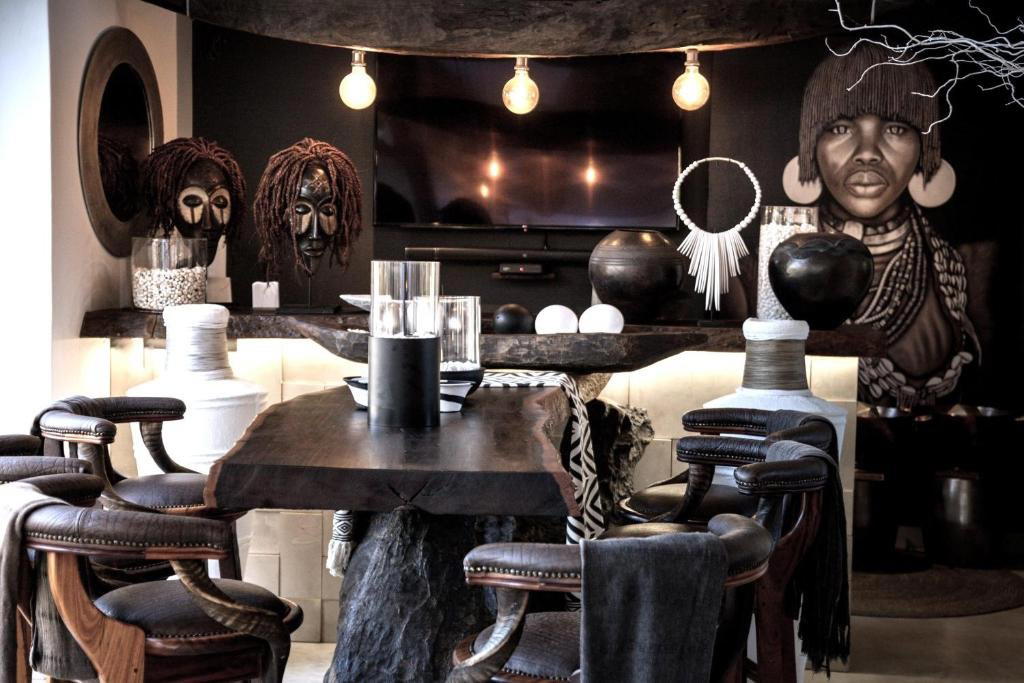
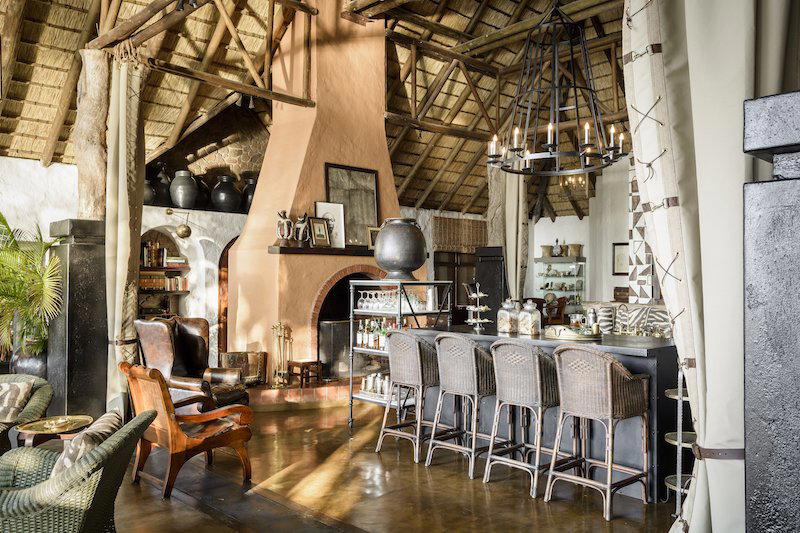
Luxurious and serene with African-inspired design featuring mud walls, candlelit dinners, and intimate settings overlooking waterholes and wildlife.