Afghan Laziz
Afghan Laziz on Baslerstrasse brings the flavours of Afghan cooking into Zurich's District 9, a neighbourhood more accustomed to industrial repurposing than restaurant destination status. The kitchen draws on a tradition built around slow-cooked meats, hand-rolled flatbreads, and spice profiles that sit at the crossroads of Central Asian and Persian influence. For Zurich diners willing to move beyond the city centre, it represents a direct, unfussy entry point into a cuisine with almost no other local representation.
Pearl is the En Primeur Club membership app — saves, bookings, and concierge access live there. Same editors, same standards.
- Address
- Baslerstrasse 50, 8048 Zürich, Switzerland
- Phone
- +41438830471
- Website
- afghanlaziz.com
- Directions
- Get directions
 Saves & bookings on Pearl
A Cuisine Almost Absent from Zurich's Dining Map
Afghan cooking occupies a near-invisible position in Zurich's restaurant scene. While the city's culinary offer has expanded steadily outward from its Swiss-French fine dining core, with sharing formats at IGNIV Zürich by Andreas Caminada, creative tasting menus at The Counter, and polished Italian at Eden Kitchen & Bar, the cuisines of Central Asia remain largely absent. Afghan Laziz on Baslerstrasse 50, in the western stretch of District 9, fills a gap in Zurich's dining map.
That absence matters because Afghan cooking is not a minor culinary tradition. It sits at a geographic and cultural intersection that has shaped its character across centuries: the spice routes connecting Persia, the Indian subcontinent, and the Silk Road all left traces in the rice preparations, the dairy-heavy sauces, and the use of dried fruit and nuts in savoury dishes. Zurich diners who encounter it for the first time through Afghan Laziz are stepping into a tradition with real depth, not a novelty.
District 9 as Context: Eating Outside the Postcode Premium
Baslerstrasse 50 sits in a part of Zurich that has none of the dining infrastructure of Langstrasse or the architectural polish of the Kreis 1 lakefront. District 9 developed around industrial use and working-class residential life, and the dining offer there has always tracked value over prestige. That is not a criticism. Particularly direct and satisfying eating in any city happens in neighbourhoods where rents do not demand that a plate of food justify the postcode.
This pattern holds across European cities with significant diaspora communities: the leading representations of particular culinary traditions often appear in neighbourhoods where overhead is low enough that the kitchen can focus on cooking rather than concept. Afghan Laziz fits that model, placing itself in a district where the audience is practical and the pricing expectations reflect the surroundings rather than a Michelin-adjacent ambition. By contrast, the Swiss dining institutions that draw international attention, from Schloss Schauenstein in Fürstenau to Hotel de Ville Crissier, operate in an entirely different register, one defined by destination dining logic rather than neighbourhood utility.
Lunch vs. Dinner: How the Two Services Differ
Afghan restaurants across Europe tend to read differently at lunch and at dinner, and that divide is worth understanding before visiting the restaurant. At midday, the pace is faster, the clientele often includes workers from the surrounding district, and the kitchen defaults to the dishes that hold and reheat well: slow-cooked rice dishes, braised meats, lentil-based preparations. These are the formats that Afghan home cooking has always centred on, and they perform leading when eaten in a practical, unhurried way rather than as a composed evening meal.
Evening service shifts the social logic. Families and groups tend to arrive later, the portions are often ordered to share across a table, and the bread basket becomes more central. Hand-rolled Afghan flatbread, whether bolani (stuffed flatbread, typically with potato and leek or pumpkin) or naan in the Central Asian form, functions differently at dinner: it is less a side item and more the structural element around which everything else is organised. Diners who approach the restaurant in the evening with a sharing format in mind are likely to get more from the meal than those who order individually.
Afghan cooking also rewards patience in a way that changes how each service feels. Dishes built around qorma (slow-cooked meat stewed with tomato, onion, and spice) or mantu (steamed dumplings with a yoghurt and pulses base) are not fast-kitchen preparations. At lunch, this can mean slightly condensed versions or made-ahead batches. At dinner, with more time in the kitchen and more people ordering, the full preparation cycle is more likely to be in effect. For first-time visitors, a weekday dinner on a quieter night represents the cleaner entry point into what the kitchen can do.
Where Afghan Laziz Sits in Zurich's Broader Dining Picture
Zurich's dining scene rewards those who look beyond the well-documented tier of fine dining. The city has a documented cluster of high-recognition restaurants that draw visitors from across Switzerland and beyond, from Memories in Bad Ragaz to Cheval Blanc by Peter Knogl in Basel, each anchored in the French-influenced fine dining tradition that has defined Swiss restaurant culture at the upper tier. Within Zurich itself, addresses like The Restaurant and Widder occupy that same register.
The restaurant operates in a different register. It operates in the city's functional middle, where the criteria shift to authenticity and value. In a city where eating out at any level involves a Swiss cost base, a restaurant delivering Afghan cooking at accessible price points, in a neighbourhood without a premium location surcharge, occupies a position that few others in Zurich can fill. For comparison, international fine dining destinations like Le Bernardin in New York City or Lazy Bear in San Francisco operate at the far end of a market where scarcity and format drive the experience. The restaurant operates at the opposite end of the same spectrum: the value is in access and directness, not in choreography.
For visitors building a broader Swiss eating itinerary, it is worth noting that high-recognition destinations are distributed across cantons, from Einstein Gourmet in Sankt Gallen to Da Vittorio in St. Moritz, Mammertsberg in Freidorf, La Table du Valrose in Rougemont, focus ATELIER in Vitznau, and Maison Wenger in Le Noirmont. The restaurant is not in that itinerary, and it does not need to be. It answers a different question about what to eat in Zurich. Our full Zurich restaurants guide covers both registers.
Planning a Visit
Baslerstrasse 50 is reachable from Zurich's central tram network without significant difficulty; District 9 connects to the city centre via the western tram lines, making it a practical destination for an evening without a car. Neighbourhood restaurants of this type do not always operate the full week, and weekend evenings in particular can draw local regulars who fill the room without advance notice.
That accessibility is part of the appeal.
Price and Recognition
Comparable venues nearby, for context on price, style, and recognition.
| Venue | Cuisine | Price | Notes |
|---|---|---|---|
| Afghan LazizThis venue — the venue you are viewing | Altstetten, Authentic Afghan Street Food | $ | Not listed |
| Masri | Altstetten, Egyptian Street Food | $ | Not listed |
| El Marrakesh | Wollishofen, Authentic Moroccan | $$ | Not listed |
| Rosita's Food & Drinks | Not listed | $ | Aussersihl, Portuguese-Inspired Sandwiches |
| Hasan's Sandwich | Oerlikon, Turkish Sandwiches & Ciabattas | $ | Not listed |
| Bei Fouad | Schwamendingen, Lebanese Street Food | $$ | Not listed |
At a Glance
- Trendy
- Casual Hangout
- Group Dining
- Solo
- Open Kitchen
- Local Sourcing
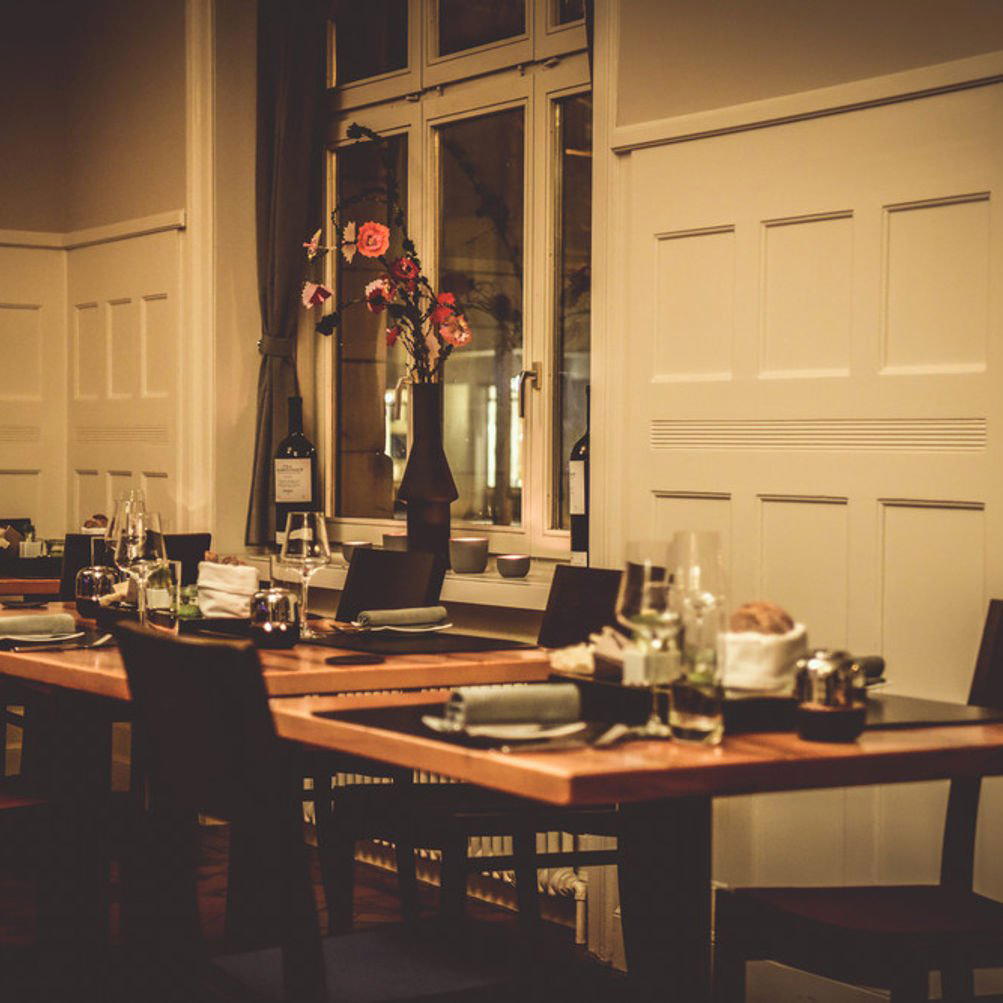
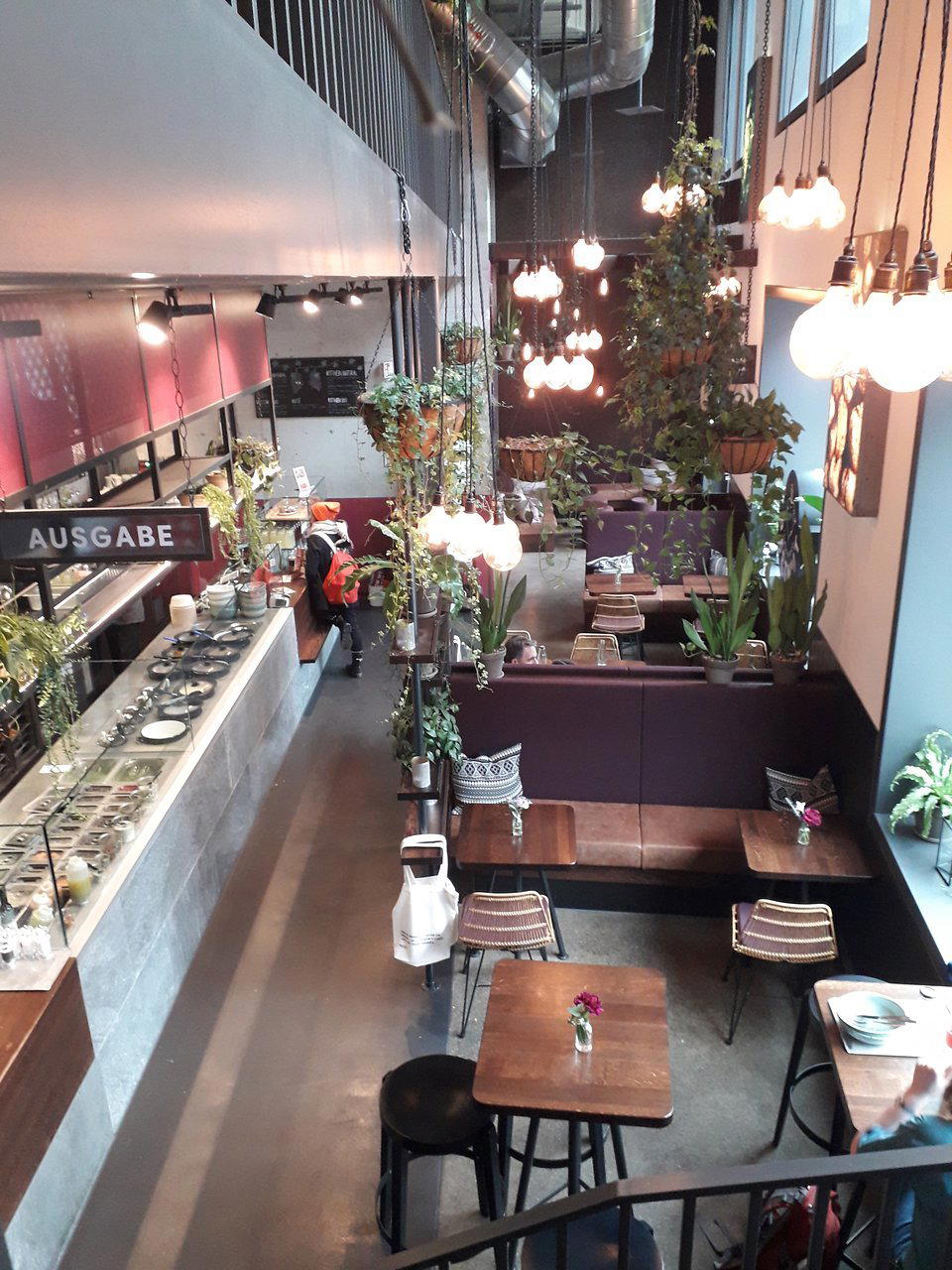
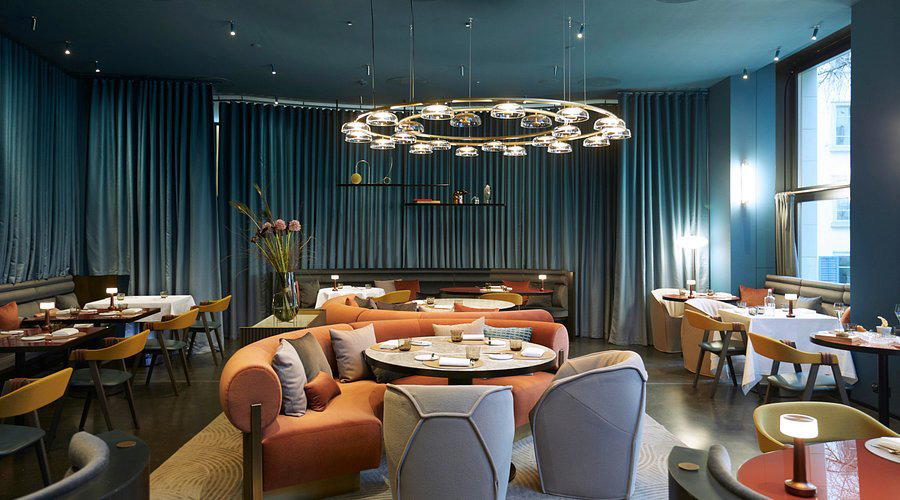
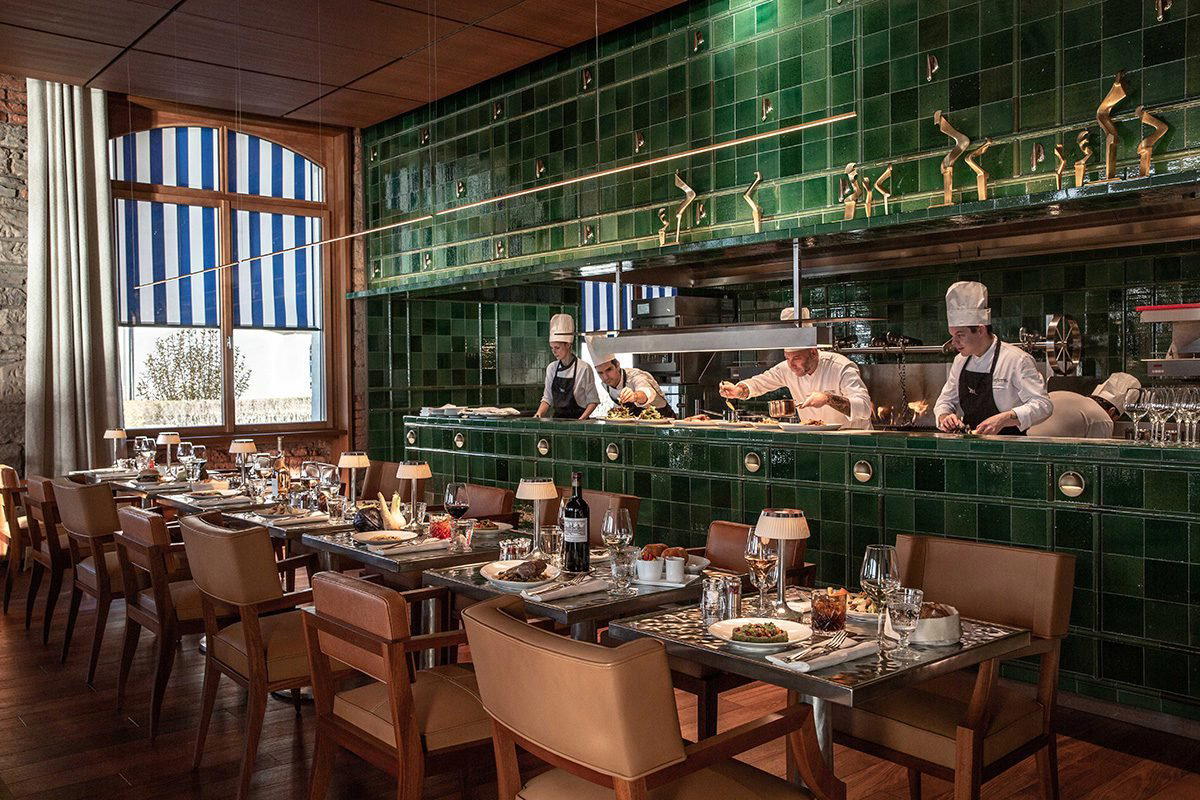
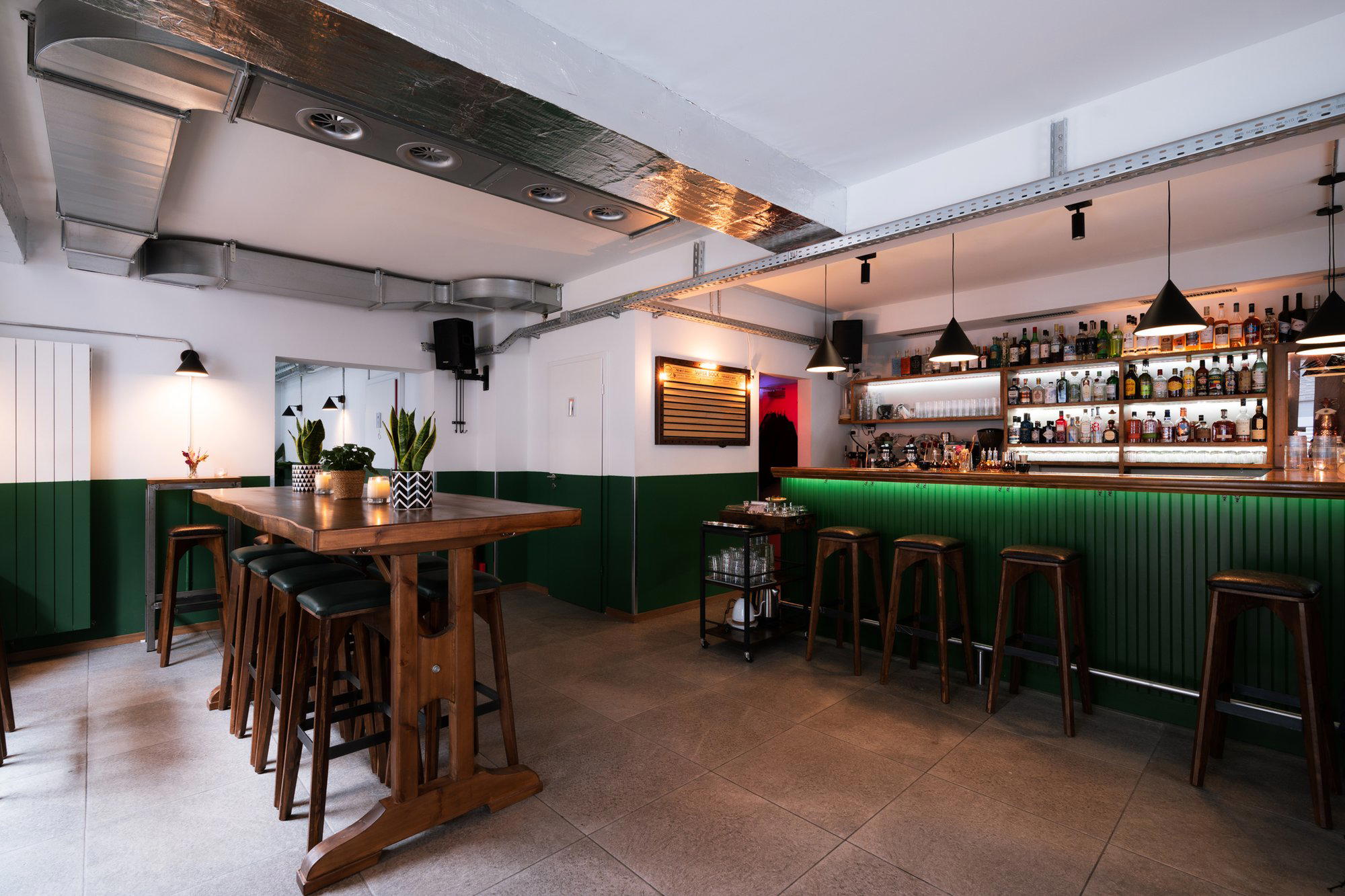
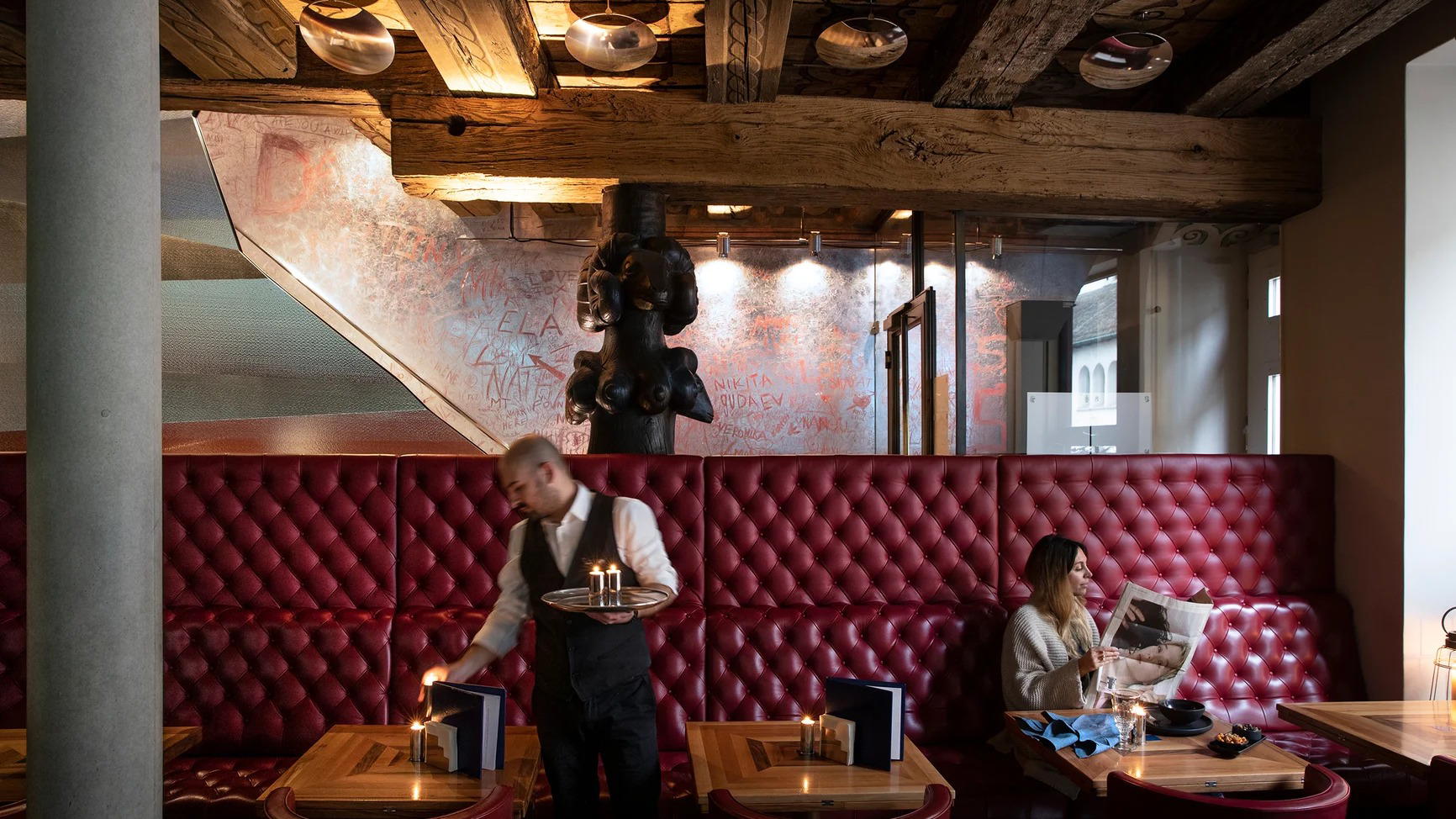
Casual, lively street food atmosphere with authentic Afghan hospitality and cultural connection.