Adler

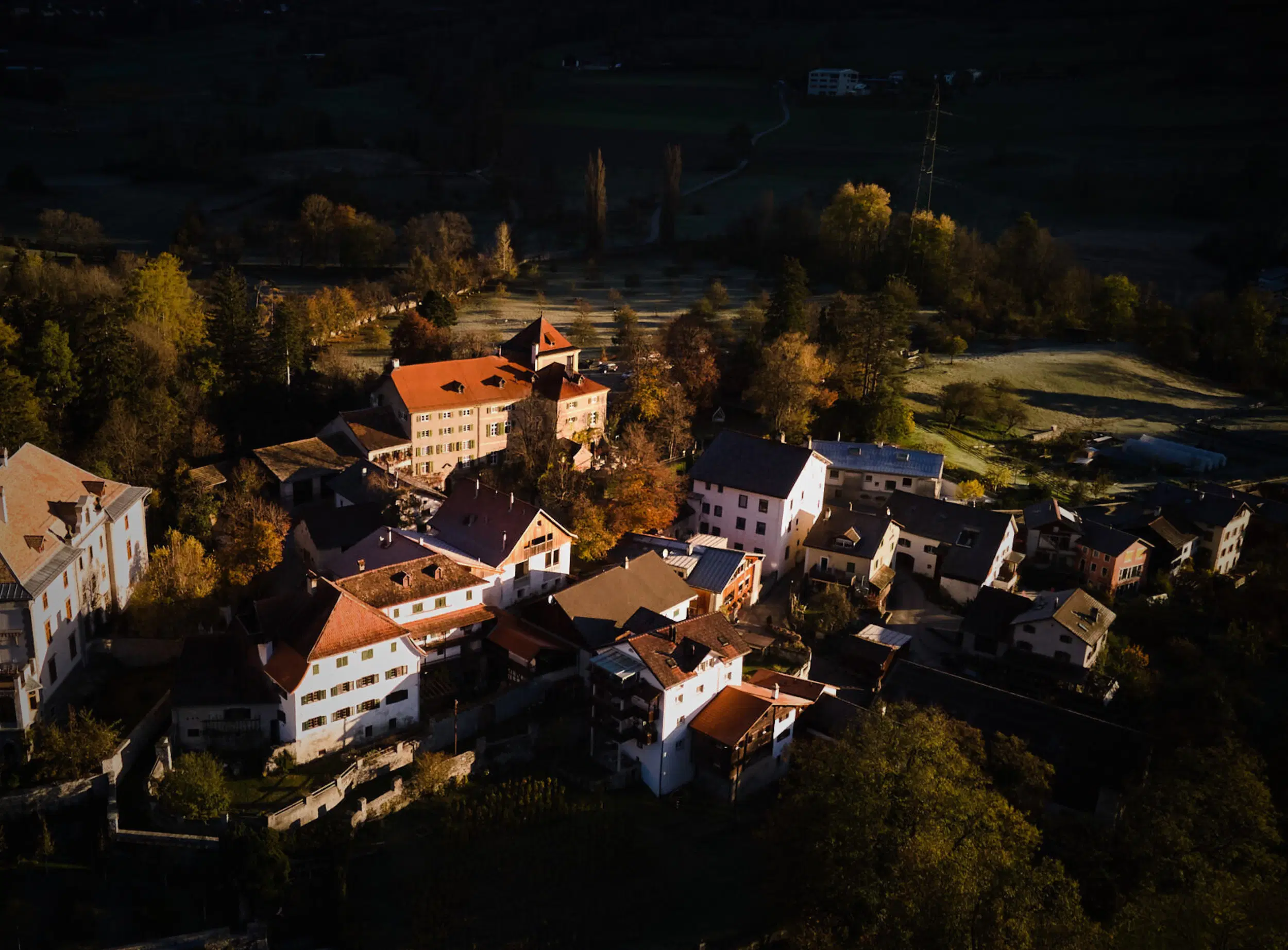
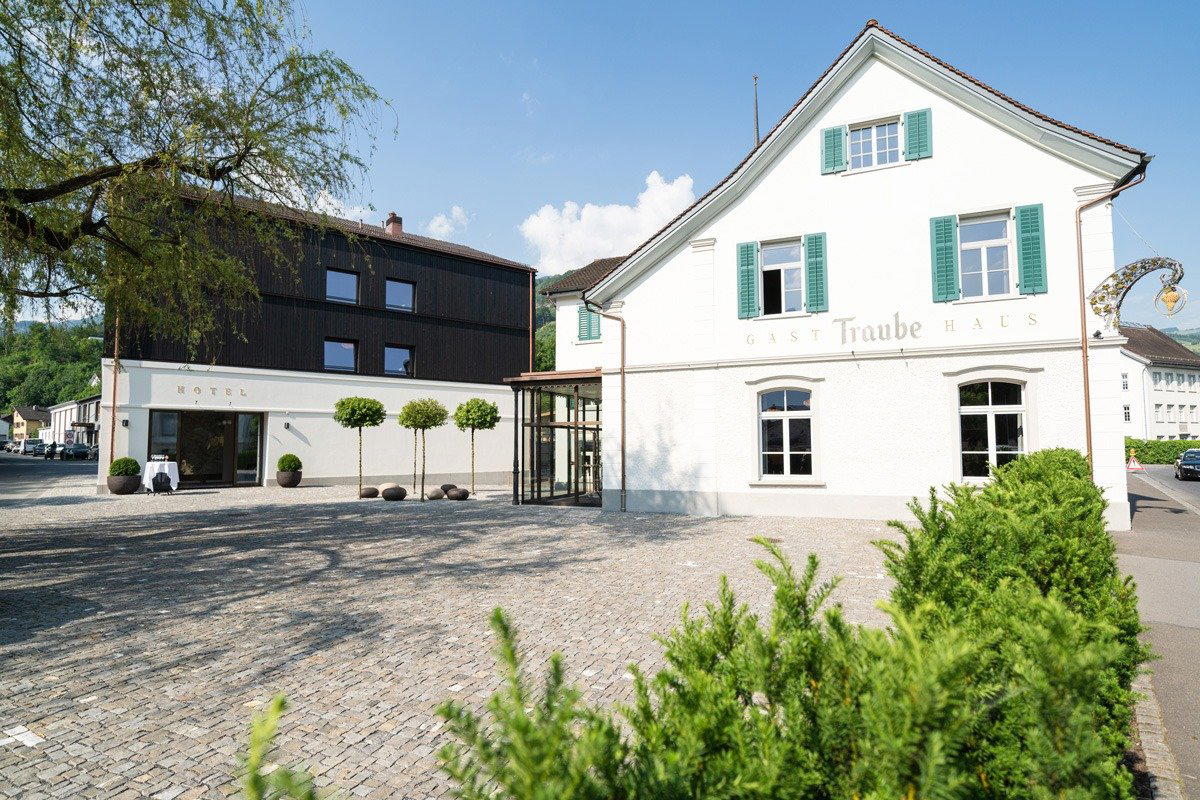
Adler sits at the heart of Fläsch, one of the smallest and most wine-focused villages in Graubünden, earning a Michelin Plate in 2025 for its seasonal cooking rooted in alpine and regional produce.
Pearl is the En Primeur Club membership app — saves, bookings, and concierge access live there. Same editors, same standards.
- Address
- Krüzgass 2, 7306 Fläsch, Switzerland
- Phone
- +41 81 302 61 64
- Website
- adlerflaesch.ch
- Directions
- Get directions
 Saves & bookings on Pearl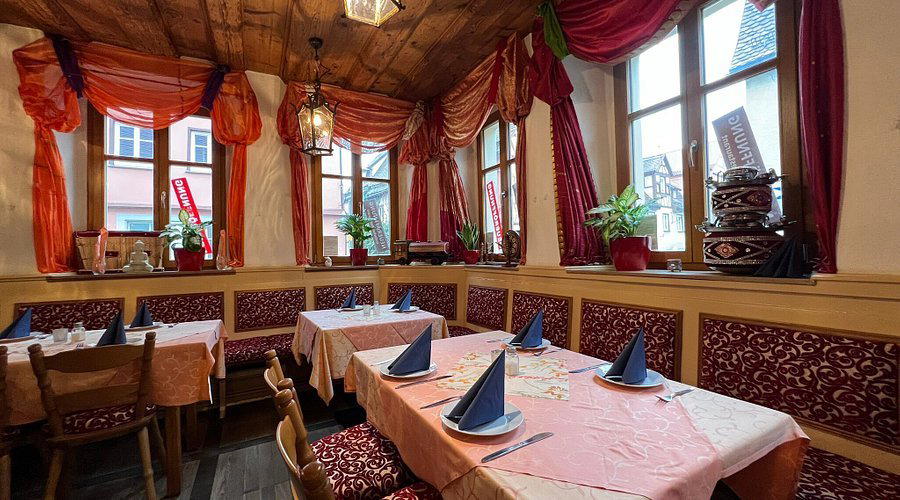
A Village Table at the Edge of the Vineyards
Fläsch sits at the northern tip of the Bündner Herrschaft, where the Rhine bends west and the vineyards of Graubünden give way to the first foothills of the Alps. It is one of Switzerland's smallest wine villages, a place where the distance between cellar, garden, and kitchen is measured in footsteps rather than supply chains. Arriving at Krüzgass 2, you are not approaching a resort dining room or a hotel annex, you are at a village address, the kind that Swiss wine travellers have been noting in notebooks for years while the broader hospitality world looked elsewhere. That context matters before you even read a menu.
Adler earned a Michelin Plate in 2025, a recognition that signals consistent kitchen quality without the theatrical apparatus of a full star programme. In the Swiss Graubünden dining hierarchy, that places it in a tier occupied by restaurants that earn their standing through produce and craft rather than through the infrastructure of destination hotels. For comparison, the region's ceiling is set by properties like Schloss Schauenstein in Fürstenau and Memories in Bad Ragaz, both carrying three Michelin stars and pricing and formats to match. Adler's €€€ positioning places it a full tier below in price, and in a different conversation altogether about what dinner in this corner of Switzerland should feel like.
Seasonal Cooking in a Wine-Growing Context
The Bündner Herrschaft is better known internationally for its Pinot Noir than for its kitchens, but the two have always been intertwined here. Villages like Fläsch, Maienfeld, Jenins, and Malans share a microclimate, warm, sheltered, with soils that shift from limestone to gravel, that shapes both what grows in the vineyards and what appears on tables. Seasonal cuisine in this setting is not a marketing designation. It reflects the agricultural rhythm of a place where wine growers also keep kitchen gardens, where alpine pastures are close enough to dictate what the butcher has in any given week.
Adler's classification as seasonal cuisine places it in a tradition of alpine and pre-alpine cooking where the calendar does the menu planning. This is not the tasting-menu formalism of, say, focus ATELIER in Vitznau or IGNIV Zürich by Andreas Caminada, both of which operate at €€€€ with multi-course structures designed around chef-led narratives. Adler's approach belongs to a different lineage: the Gasthaus tradition, where the season, not the chef's biography, sets the terms. That tradition has produced some of Switzerland's most honest and least-photographed meals.
For those interested in exploring comparable approaches elsewhere in Europe, Kirchenwirt in Leogang offers a similar seasonal framing in an alpine Austrian context, and Fields by René Mathieu in Luxembourg extends the philosophy toward a more forested, foraged register. Each represents a regional answer to the same question: what does the land produce here, and how do you cook it plainly enough to hear the answer?
Where Adler Sits in the Eastern Switzerland Dining Scene
Eastern Switzerland has developed two distinct restaurant cultures that rarely overlap. One is the grand-hotel model, anchored by properties with long international reputations and tasting menus priced accordingly, Da Vittorio in St. Moritz and 7132 Silver in Vals are examples of that category. The other is the village-restaurant model, smaller in scale, embedded in local agricultural networks, and operating with less fanfare and considerably more accessibility.
Adler belongs firmly to the second culture. In small Swiss villages, that kind of sustained rating reflects genuine local confidence, not algorithmic volume. The Michelin Plate in 2025 adds a layer of external credibility without shifting the restaurant's identity toward the destination-dining segment.
For those building an itinerary around the Bündner Herrschaft wine route, Adler fits naturally into a day in Fläsch. The village's wine production, dominated by Pinot Noir from growers who have farmed these slopes for generations, creates an obvious pairing logic for any kitchen working with local ingredients. Nearby, PINOT (International) offers another perspective on dining in Fläsch, and the two together give the village more serious table options than its size would suggest.
The Wider Swiss Seasonal Table
Switzerland's seasonal-cuisine category spans a wide range of ambition and price. At the upper end, Hotel de Ville Crissier in Crissier and Cheval Blanc by Peter Knogl in Basel use regional ingredients as the foundation for technically complex, multi-award-winning programmes. Further along the spectrum, restaurants like Einstein Gourmet in Sankt Gallen and Colonnade in Lucerne operate in urban hotel settings with their own relationship to seasonality and local sourcing.
What distinguishes the village-restaurant position is the absence of those layers of infrastructure. There is no hotel lobby, no sommelier programme built around an international cellar, no private dining wing. The cooking lives or dies by what comes in from nearby farms and what the kitchen does with it that week. For a certain kind of traveller, one who has already done the starred circuit and wants something closer to the ground, that constraint is precisely the point.
Planning Your Visit
Adler is located at Krüzgass 2 in Fläsch, a village best reached by car from Chur (approximately 20 kilometres north) or by the regional rail network that connects the Rhine valley towns. As a Michelin-recognised restaurant in a small Swiss village, advance booking is advisable, particularly during the summer wine-tourism season when the Bündner Herrschaft draws visitors from across the German-speaking world. The €€€ price range positions it as a considered dinner rather than a casual stop, though still well below the €€€€ programmes of the region's starred properties.
Fast Comparison
Comparable venues nearby, for context on price, style, and recognition.
| Venue | Cuisine | Price | Awards | Notes |
|---|---|---|---|---|
| AdlerThis venue — the venue you are viewing | Modern French with South Tyrolean Influences | $$$$ | Michelin Plate | Not listed |
| PINOT | Regional Swiss Seasonal Cuisine | $$ | Bib Gourmand | Fläsch |
| Pavillon | Modern French Fine Dining | $$$$ | Not listed | Enge |
| Baur au Lac | Modern French Brasserie | $$$$ | Not listed | Enge |
| Sablier | Contemporary French Rooftop Dining | $$$ | Michelin Plate | Seebach |
| Bad Schauenburg | Classic French Fine Dining | $$$ | Michelin Plate | Liestal, Basel-Landschaft |
Recognition history
Dated appearances from independent guides and award organizations, with the underlying list record or original source where available.
Michelin Plate
Michelin
At a Glance
- Cozy
- Rustic
- Elegant
- Intimate
- Classic
- Date Night
- Special Occasion
- Open Kitchen
- Terrace
- Extensive Wine List
- Sommelier Led
- Local Sourcing
- Vineyard
- Mountain
Current opening hours
- Monday
- Closed
- Tuesday
- Closed
- Wednesday
- Closed
- Thursday
- 12–3 PM, 6:30–11 PM
- Friday
- 12–3 PM, 6:30–11 PM
- Saturday
- 12–3 PM, 6:30–11 PM
- Sunday
- 12–3 PM, 6:30–11 PM
Hours can change for holidays and private events. Last verified .
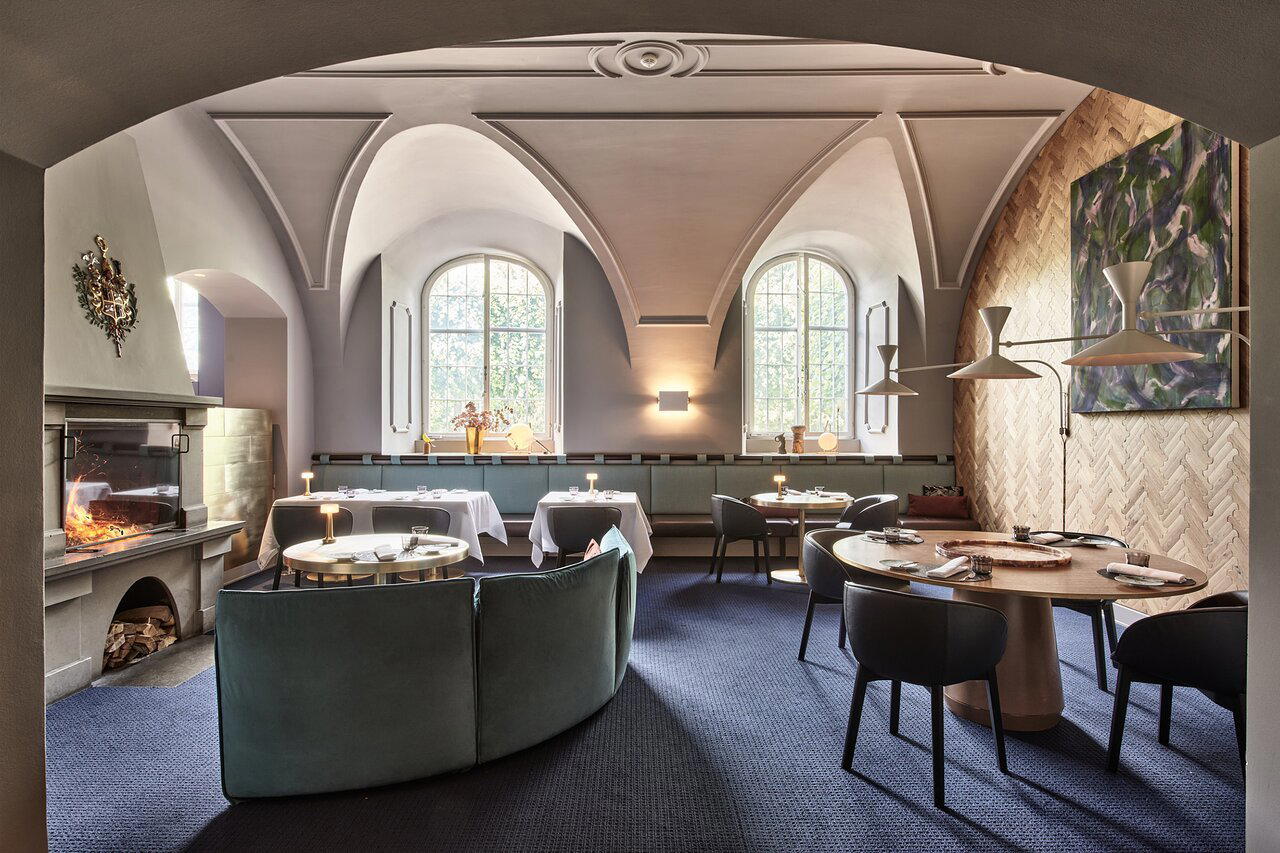
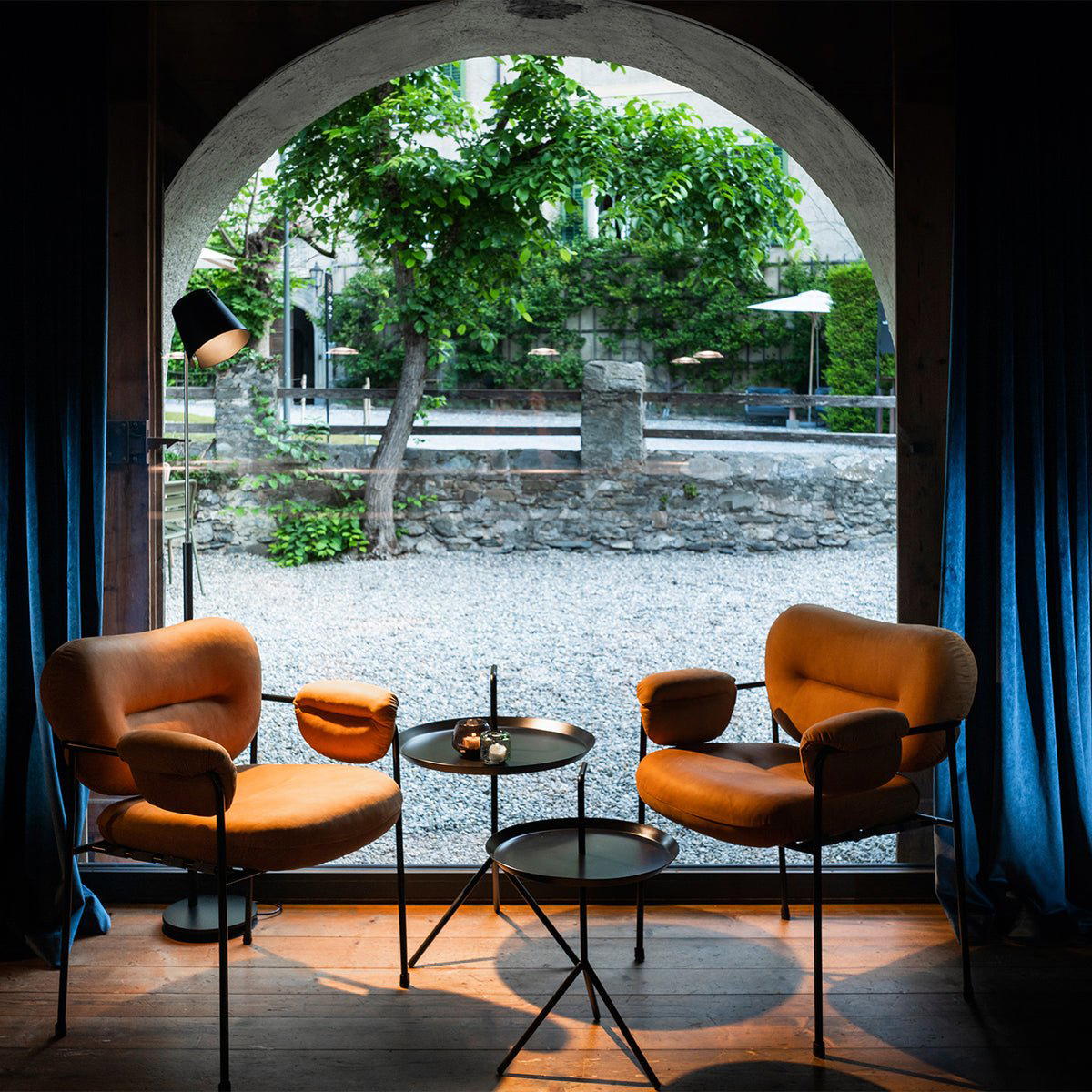
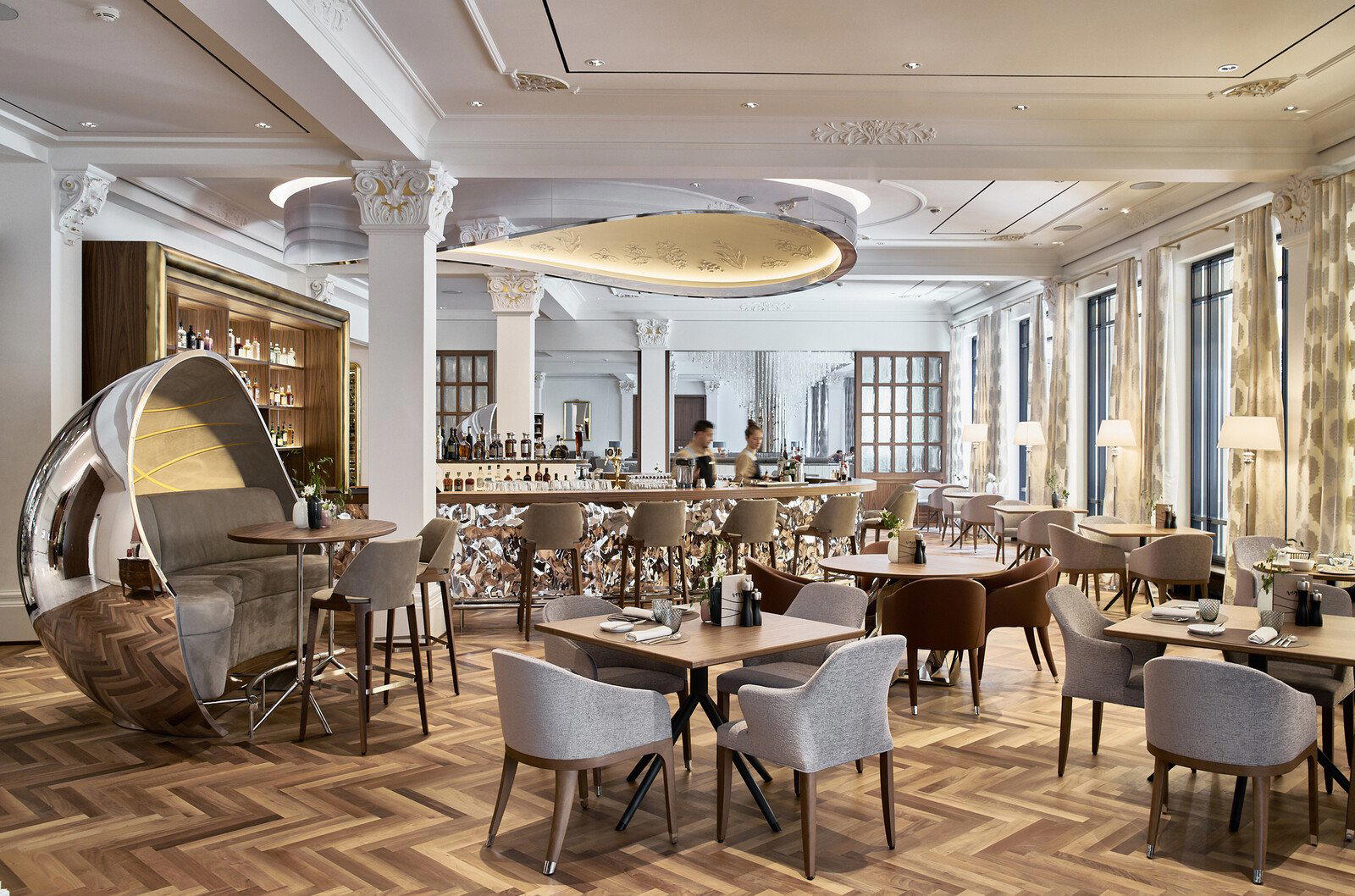
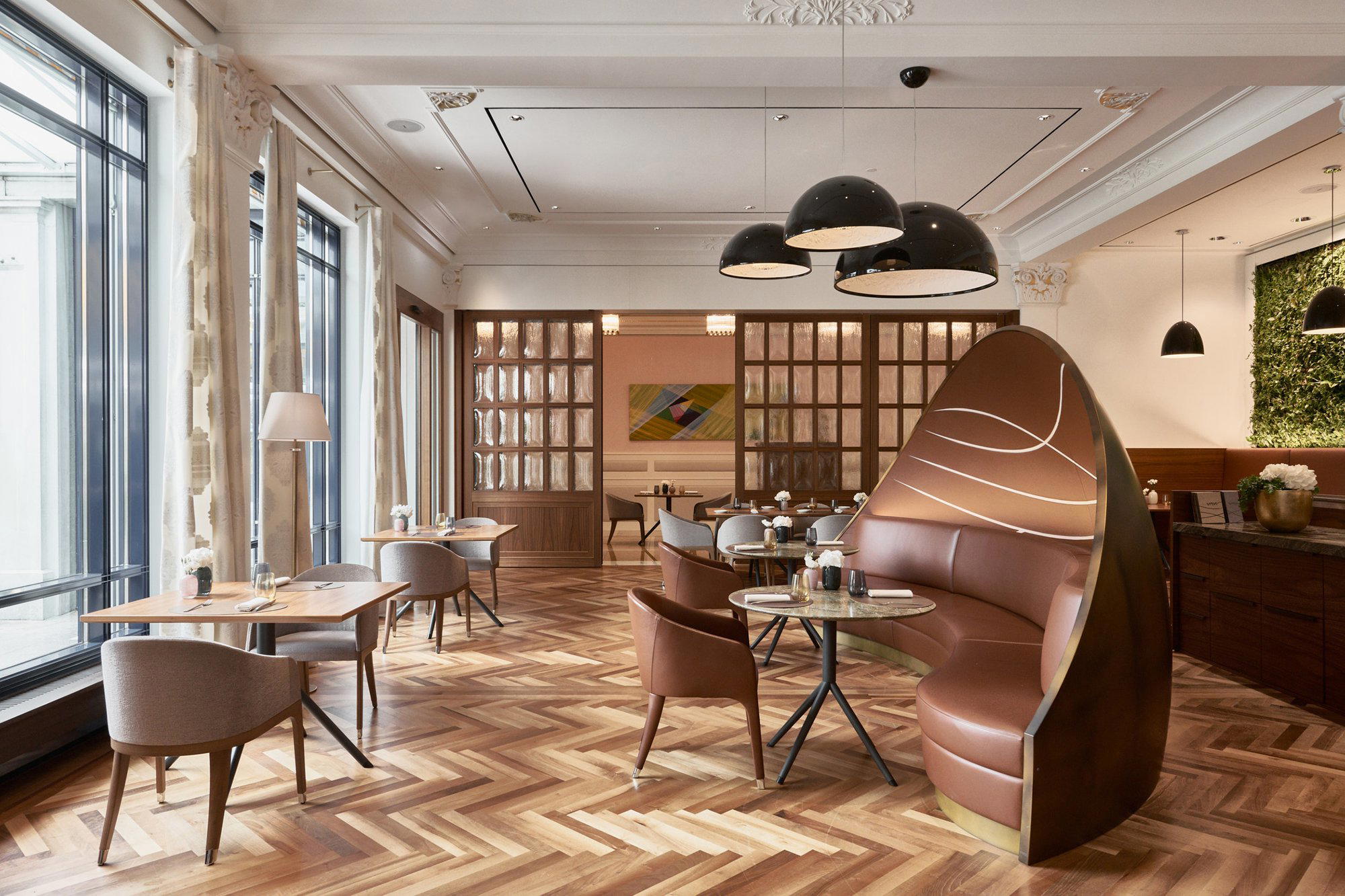
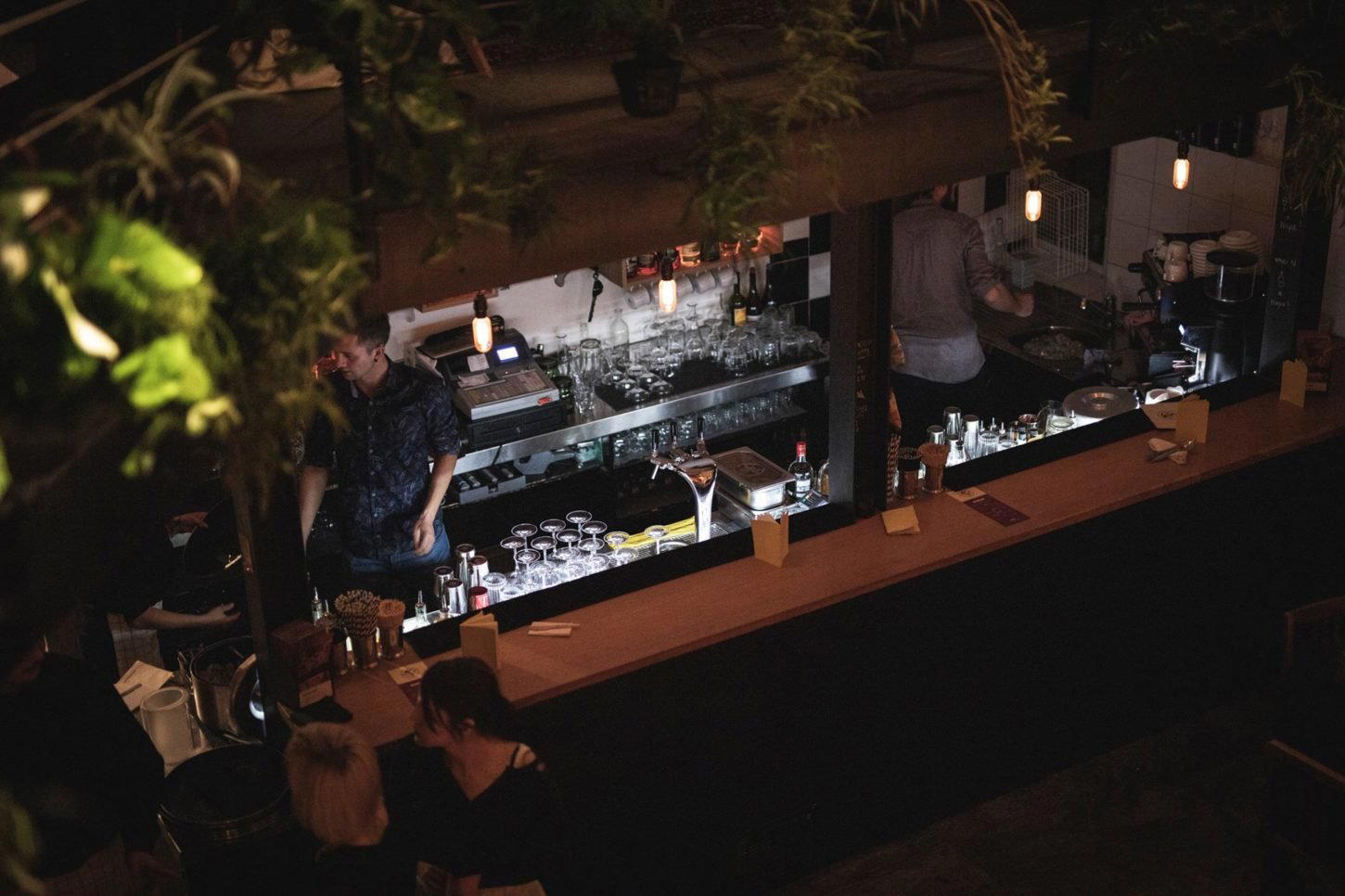
Cozy and intimate with timeless rustic charm from wood-panelled interiors, warm lighting, and a welcoming family atmosphere.