Our verdict
Açude sits in Arcozelo, a quiet stretch of the Lima Valley where northern Portugal's agricultural character is most legible on the plate. Positioned in the Minho region's broader tradition of hyper-local, produce-driven cooking, the restaurant occupies a setting shaped by the valley's river, pasture, and smallholder farming culture — a counterpoint to the more formal fine-dining circuit further south.

Pearl is the En Primeur Club membership app — saves, bookings, and concierge access live there. Same editors, same standards.
- Address
- Caminho São Gonçalo, 4990-150 Pte. de Lima, Portugal
- Phone
- +351965740022
- Hours
- Mon–Sat 12–3 PM, 7–10 PMSun 12–3:30 PM
- Website
- restauranteacude.com
- Directions
- Get directions
- Booking
- Book on TheFork
The menu
What to order
- Polvo à lagareiro
- Bacalhau com broa
- Arroz de sarrabulho
- Lampreia do rio Lima
Where the Lima Valley Comes to the Table
The Lima Valley in northern Portugal operates on a different register from the country's more celebrated dining corridors. While Belcanto in Lisbon and Vila Joya in Albufeira anchor Portugal's presence on the international fine-dining circuit, the Minho region has historically kept its culinary identity close to the land: smallholder agriculture, river fishing, and a kitchen culture that treats the ingredient as the argument rather than the technique. Açude, addressed at Caminho São Gonçalo in Arcozelo, sits inside that tradition. Arcozelo itself is a civil parish of Ponte de Lima, the oldest municipality in Portugal, a town whose weekly market has run continuously since 1125 and whose surrounding farmland still supplies kitchens in the area with cabbages, maize, and the kind of pork that takes its flavour from chestnut and acorn forage rather than industrial feed.
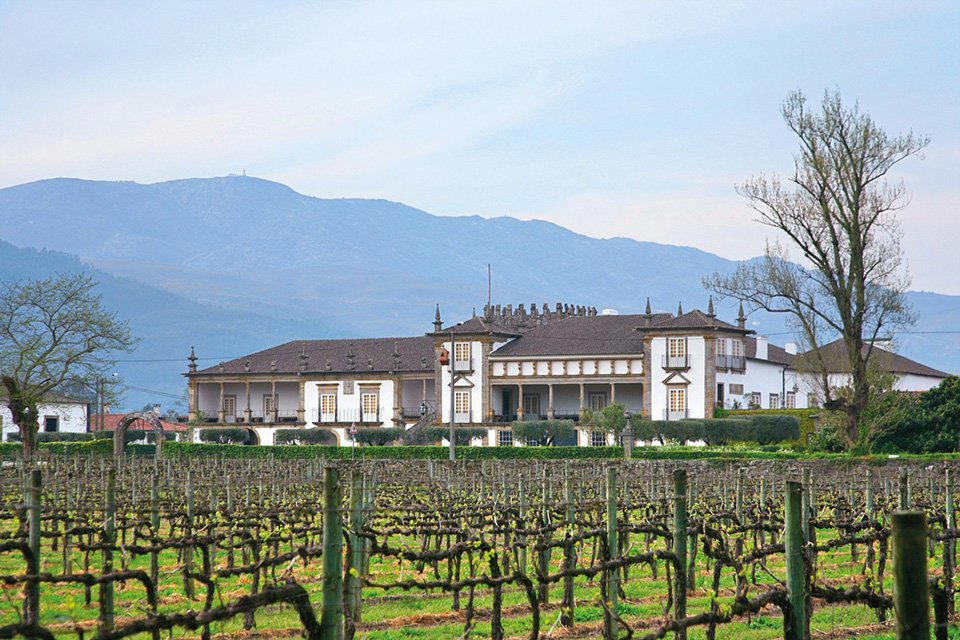
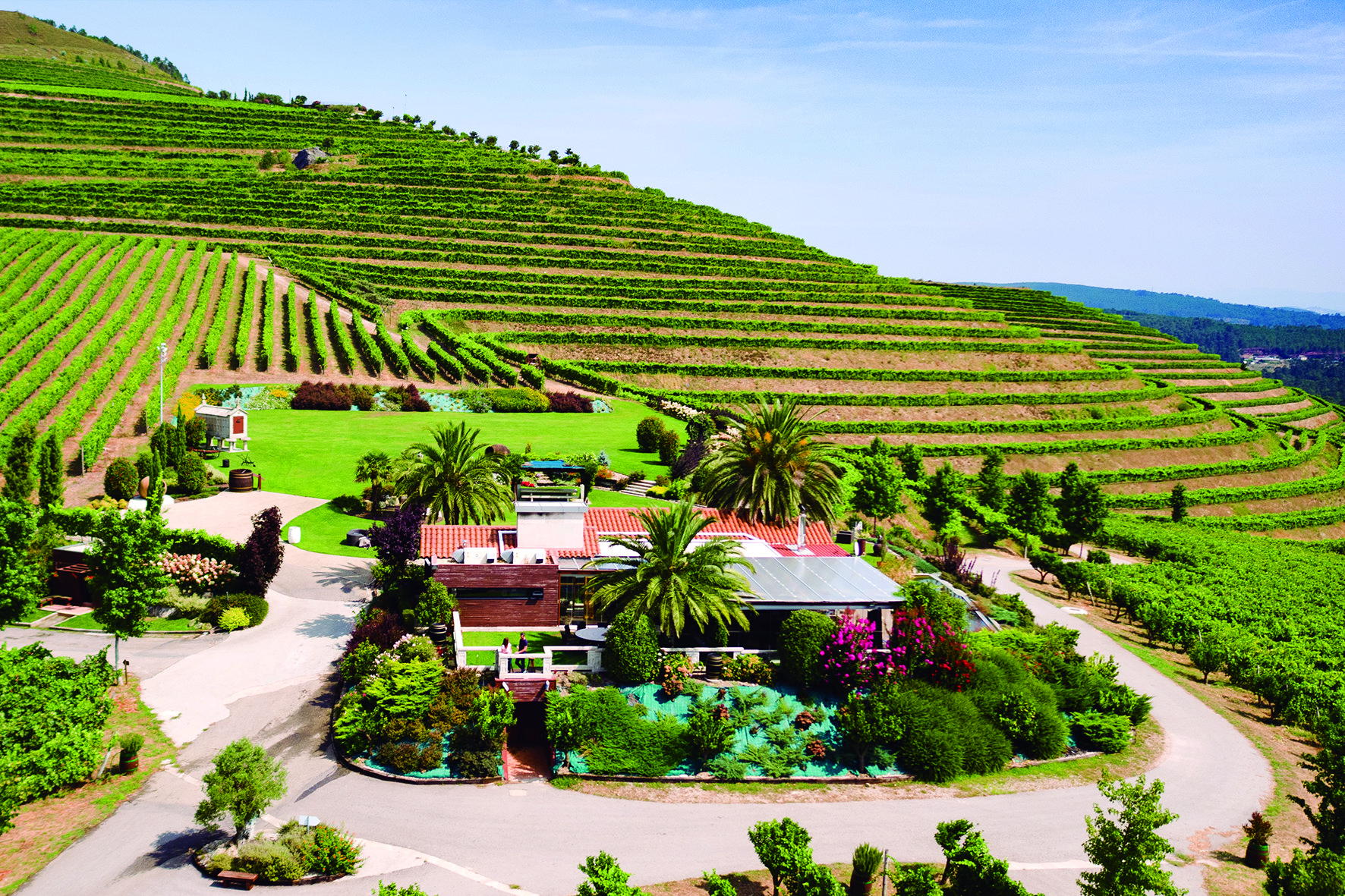
Approaching this part of the Lima Valley, the agricultural character is immediate and physical. The river cuts low and wide through green terraced land; the roads narrow between stone walls and vine pergolas trained overhead in the traditional Minho fashion, producing the region's acid-bright vinho verde from grapes that never see a trellis. The setting frames what follows at the table before a dish is ordered.
The Minho Sourcing Tradition and Why It Matters Here
Northern Portugal's cooking has always been shaped by proximity rather than aspiration. The Minho is one of Portugal's wettest regions, which means dairy pasture, river fish, and a variety of greens and legumes that are less common further south. Caldo verde — the national soup of shredded couve-galega in potato broth — came from this climate and this soil. So did rojões, the fatty braised pork that functions as a Sunday meal across the Lima Valley, made from animals raised close enough that the producer and the kitchen are often the same family or the next-door neighbour.
That sourcing proximity is what distinguishes Minho cooking from the more travelled fine-dining model, where ingredients may be excellent but often arrive from a distance. Restaurants in this part of Portugal that take their sourcing seriously are working within a geographic specificity that places like Mesa de Lemos in Passos de Silgueiros and Ó Balcão in Santarém have demonstrated can anchor a serious restaurant identity without requiring Michelin-facing technique as the central proposition. The ingredient is the credential.
For Açude, positioned in a civil parish whose name is Portuguese for a mill dam or weir, a reference to the water management infrastructure that shaped agriculture in this valley for centuries, the address itself is a sourcing statement. The Lima's water system historically irrigated the fields that produced the ingredients that fed the population. That relationship between landscape and larder is not incidental; it is the context within which the kitchen operates.
Arcozelo in Portugal's Broader Dining Picture
Portugal's fine-dining circuit is heavily weighted toward the Algarve, Lisbon, and Porto, where restaurants like Ocean in Porches, Antiqvvm in Porto, Il Gallo d'Oro in Funchal, Fortaleza do Guincho in Cascais, and Casa de Chá da Boa Nova in Leça da Palmeira carry the country's critical recognition. That lower profile is not a deficiency; it is a structural feature of how northern Portugal eats and where it directs its attention.
Nearby in Arcozelo, Petiscas represents the more casual, petisco-format end of local dining, small plates, shared tables, the social rhythm of a neighbourhood restaurant rather than a destination one. What the address and location data confirm is a kitchen operating in a rural parish context, which in the Minho typically means an emphasis on regional ingredients, generous portion culture, and a price register below the country's formal fine-dining tier. For a broader map of what Arcozelo and Ponte de Lima offer, our full Arcozelo restaurants guide covers the range.
Internationally, the model of sourcing-led rural restaurants has found recognition at places like Lazy Bear in San Francisco, where provenance and producer relationships are foregrounded as explicitly as technique. In Portugal's context, that philosophy tends to operate quietly rather than programmatically, embedded in practice rather than declared as a menu concept.
Planning a Visit to Açude
Açude is located at Caminho São Gonçalo, 4990-150 Ponte de Lima, in the parish of Arcozelo. Ponte de Lima is accessible by car from Porto in approximately 70 kilometres via the A3, making it a feasible day trip from the city or a natural stop on a longer Lima Valley itinerary that might also include the region's wine estates and the medieval town centre. No phone number or website is currently listed in public records for Açude, which suggests that local contact methods, stopping in directly or asking at the Ponte de Lima tourist office on Praça da República, may be the most reliable approach for current hours and availability. Northern Portuguese restaurants in rural parishes frequently keep informal booking practices, with walk-in tables available outside the peak Sunday lunch window. Visiting midweek allows the most flexibility. The surrounding area offers accommodation in converted manor houses (solares) and quintas that are characteristic of the Minho, making an overnight stay a practical complement to a serious meal.
Restaurants in the wider Portuguese north worth pairing on a longer itinerary include Palatial in Braga, which operates at a different register and price tier, and The Yeatman in Vila Nova de Gaia for those extending south toward Porto. For a contrasting approach to sourcing-led cooking in the Atlantic European context, Al Sud in Lagos and Gusto by Heinz Beck in Almancil represent the Algarve's more formal interpretation of Portuguese ingredient culture. Further afield, Lab by Sergi Arola in Sintra and Le Bernardin in New York City illustrate the range of approaches to produce-driven cooking across different price tiers and national contexts.
Frequently asked questions
Is Açude a family-friendly restaurant?
Açude is set in Arcozelo, a rural parish outside Ponte de Lima, which gives it the kind of unhurried, unpretentious setting that works well for family groups comfortable with a destination-dining trip. The broader Minho tradition favours generous, produce-led cooking rather than formal tasting-menu rigidity, which tends to suit mixed groups. Confirm specifics directly with the venue before visiting with young children.
How would you describe the vibe at Açude?
Açude sits in Arcozelo on Caminho São Gonçalo, away from the commercial centre of Ponte de Lima, so the atmosphere is shaped more by the Lima Valley's agricultural calm than by any urban dining-scene energy. Northern Portugal's restaurant culture in this corridor runs toward the local and rooted rather than the theatrical. Expect something closer to a serious regional table than a destination showpiece.
Is Açude worth visiting from Porto as a day trip to the Lima Valley?
Ponte de Lima is roughly 90 minutes from Porto by car, placing Açude in Arcozelo within practical day-trip range for those tracing northern Portugal's wine and food corridors. The Lima Valley sits at the heart of vinho verde country, and the drive through the Minho makes the journey part of the proposition. Combining a meal at Açude with the Ponte de Lima town centre — one of Portugal's oldest weekly markets operates there — gives the trip a logical shape.
What should I eat at Açude?
The body of Açude's cooking draws on the Minho's sourcing tradition, where proximity to the land and Portugal's wettest, most productive agricultural region sets the menu's direction. Specific dishes are best confirmed directly with the restaurant, as the offer follows seasonal availability in this part of northern Portugal. The Ponte de Lima area is particularly associated with local lamb, freshwater fish from the Lima River, and vinho verde produced a short distance from the table.
What's the address for Açude?
Açude is located at Caminho São Gonçalo, 4990-150 Pte. de Lima, Portugal, Arcozelo.
Do they take walk-ins at Açude?
No booking phone number or website is currently listed in public records, so reaching out through available local channels ahead of your visit is the practical approach.
What's the signature at Açude?
Based on its context within the Lima Valley and the Minho sourcing tradition, Açude's defining quality appears to be its rootedness in northern Portugal's produce rather than any single headline dish. The region's cooking is built on proximity: what the land and rivers of the Minho deliver, season by season, shapes what reaches the table in Arcozelo. Specific signature dishes are best confirmed with the restaurant directly.
Quick Comparison
Comparable venues nearby, for context on price, style, and recognition.
| Venue | Cuisine | Price | Notes |
|---|---|---|---|
| AçudeThis venue — the venue you are viewing | Traditional Portuguese Riverside | $20–30 | Not listed |
| Petiscas | Traditional Portuguese Petiscaria | $20–30 | Arcozelo |
| Adega Amigos da Penha | Traditional Portuguese Rural Cuisine | Not listed | Aldeia da Pena, São Pedro do Sul |
| bbgourmet Boavista | Modern Portuguese | $20–30 | Lordelo do Ouro |
| Cachorrinho Gazela | Portuguese Cachorrinho Hot Dogs | $10–20 | Sé |
| Coelho da Rocha | Traditional Portuguese | $20–30 | Campo de Ourique |
Continue exploring
More in Arcozelo
Restaurants in Arcozelo
Browse all →
Bars in Arcozelo
Browse all →
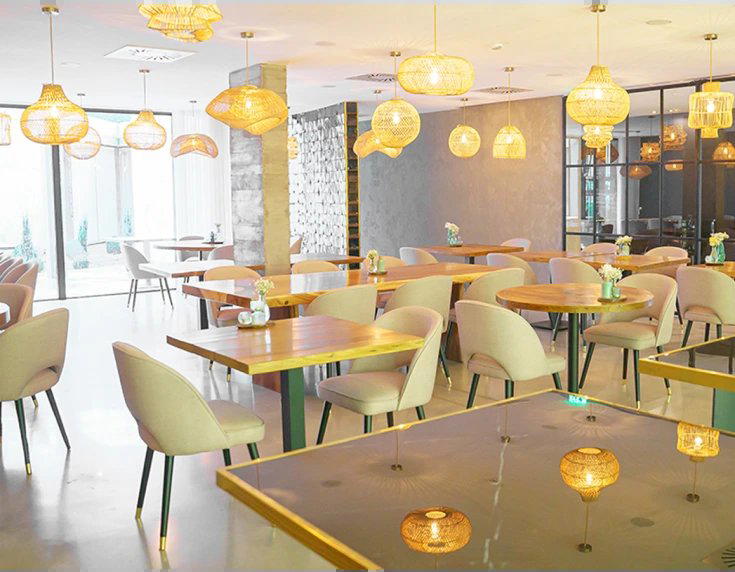
Hotels in Arcozelo
Browse all →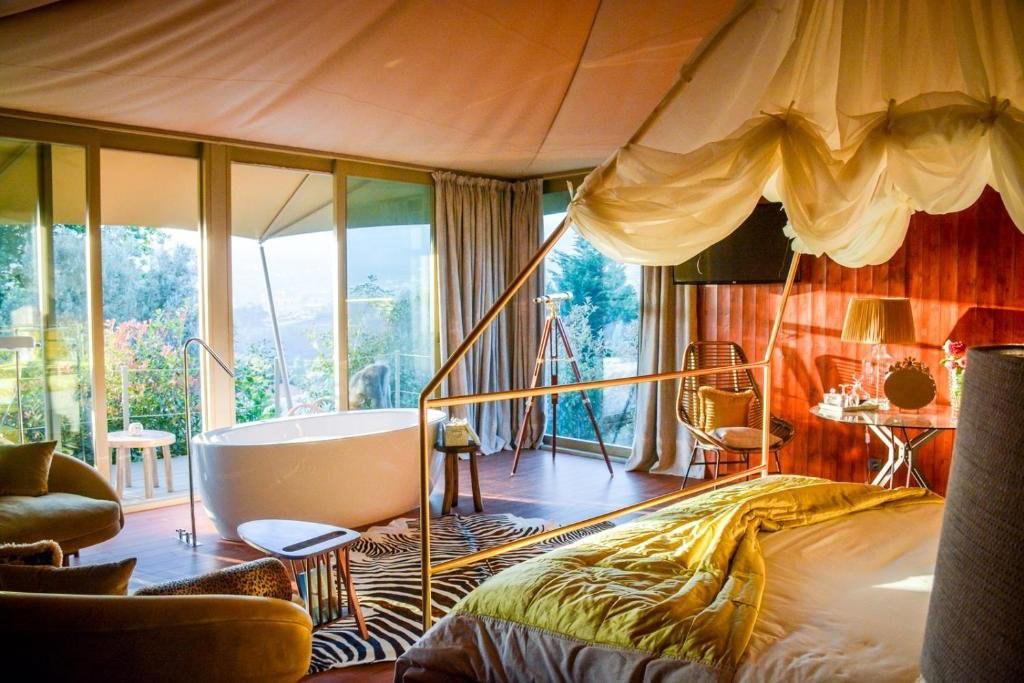
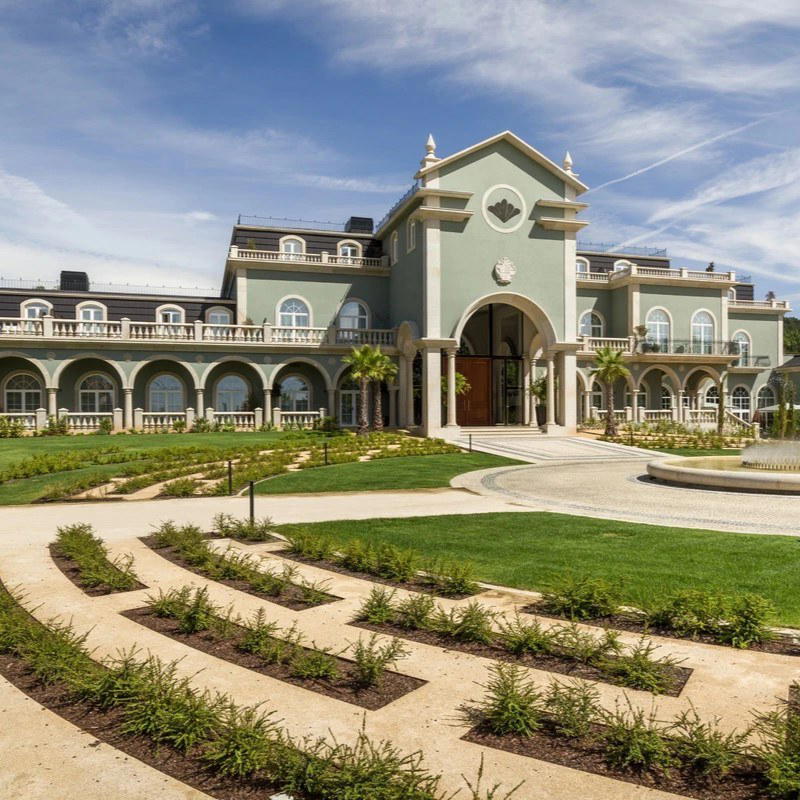
Açude
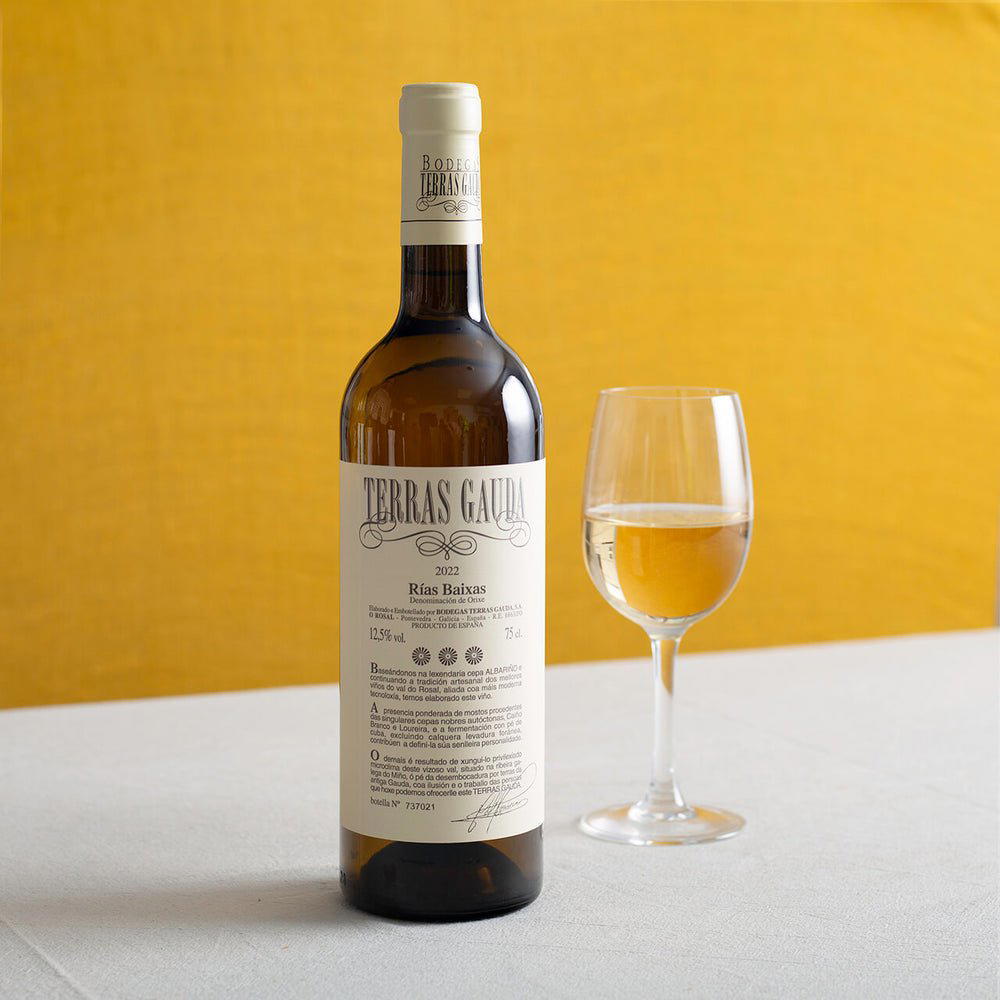
The wine
- Wine program
- Exceptional wine program
- Extensive wine list
Details
- Romantic
- Scenic
- Cozy
- Date Night
- Special Occasion
- Group Dining
- Waterfront
- Terrace
- Extensive Wine List
- Waterfront
- A La Carte
Current opening hours
- Monday
- 12–3 PM, 7–10 PM
- Tuesday
- 12–3 PM, 7–10 PM
- Wednesday
- 12–3 PM, 7–10 PM
- Thursday
- 12–3 PM, 7–10 PM
- Friday
- 12–3 PM, 7–10 PM
- Saturday
- 12–3 PM, 7–10 PM
- Sunday
- 12–3:30 PM
Hours can change for holidays and private events. Last verified .
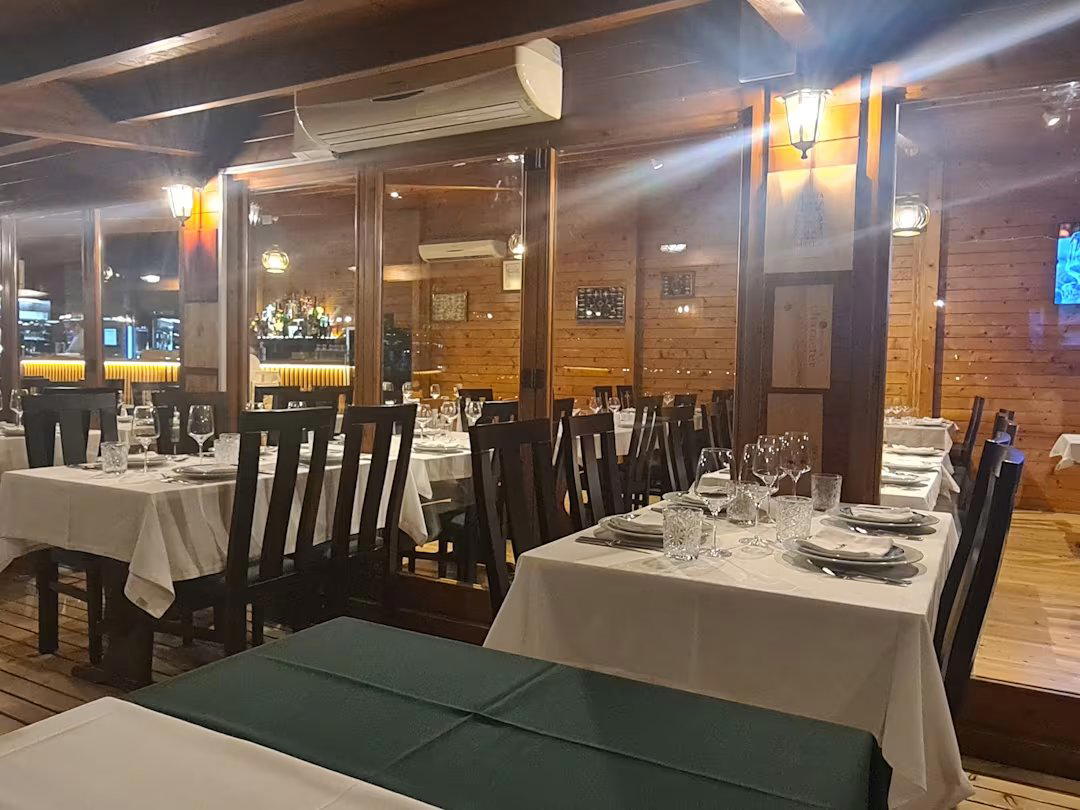
Pleasant luminosity with a romantic atmosphere overlooking the river.