Our verdict
In the historic center of Guimarães, Adega Amigos da Penha represents the kind of address that anchors a neighbourhood's relationship with its own food traditions. The cooking here sits within the northern Minho and Braga regional canon, where ingredient provenance and local sourcing have always mattered more than culinary spectacle. For visitors to the Costa region, it offers a counterpoint to the formal dining rooms that dominate Portugal's award circuit.

Pearl is the En Primeur Club membership app — saves, bookings, and concierge access live there. Same editors, same standards.
- Address
- 4810-041 Guimaraes, Portugal
- Phone
- +351963397729
- Hours
- Mon–Thu ClosedFri–Sat 3 PM–12 AMSun Closed
- Directions
- Get directions
The menu
What to order
- Cabritinho assado
- Costeleta
- Chouriça assada
Where Guimarães Eats for Itself
Portugal's most recognized restaurant addresses cluster along a predictable axis: Lisbon's creative fine dining, as seen at Belcanto in Lisbon, the Algarve's international-facing tables like Ocean in Porches and Vila Joya in Albufeira, and Porto's growing constellation of serious kitchens. What sits outside that axis, in towns like Guimarães, is a different kind of dining culture entirely: one that has always prioritised the regulars over the reviewers. Adega Amigos da Penha operates inside that tradition. Its address in the 4810 postal district places it in the heart of a city that UNESCO has protected as a World Heritage Site since 2001, where the medieval quarter's granite archways and cobbled lanes create a physical context that rewards slow, grounded eating over destination-restaurant theatrics.
The Sourcing Logic of Northern Portugal
Understanding what Adega Amigos da Penha represents requires some grounding in the food geography of the Minho region. Northern Portugal produces ingredients that rarely travel far from where they're grown or raised: broa de Avintes, the dense corn bread that anchors so many local meals; Barrosã beef from cattle raised in the high plateaus of Trás-os-Montes; bacalhau prepared in the styles that trace back to fishing communities along the Atlantic coast; and the acidic, low-alcohol Vinho Verde that the region has bottled for centuries. In the adega tradition (the word translates literally as wine cellar, but in practical use describes an informal tavern where wine and food meet on direct terms), what ends up on the table is determined largely by what the local supply chain makes available. This is ingredient sourcing in its most direct form: not a philosophy adopted for marketing purposes, but an operational reality that has shaped northern Portuguese cooking for generations.
That regional specificity separates Guimarães's adega circuit from the kind of fine dining you find at Casa de Chá da Boa Nova in Leça da Palmeira or Antiqvvm in Porto, where the kitchen's relationship with producers is mediated by a tasting-menu format and a strong authorial hand. In an adega, the mediation is minimal. The ingredient is closer to the surface.
What the Format Tells You
The adega format has survived in northern Portugal precisely because it resists the upgrade pressure that has remade so much of the country's dining scene. While destinations like The Yeatman in Vila Nova de Gaia and Fortaleza do Guincho in Cascais have positioned themselves as reference addresses for wine-driven gastronomy, the adega has continued to operate on the logic of the neighbourhood: serve good food from local sources at prices the community can sustain, and let the wine list lean on what the region grows. At Adega Amigos da Penha, that format means a room that functions as social infrastructure for the Penha area of Guimarães, not as a destination engineered for visiting critics. The gap between these two modes of operation matters more than it might first appear. The adega is not a lower-grade version of fine dining. It is a different genre, with different measures of success.
Across Portugal, the most interesting regional kitchens are increasingly those that sit between categories: too serious about their ingredients to be dismissed as casual, too committed to local tradition to be absorbed by the international fine-dining apparatus. Mesa de Lemos in Passos de Silgueiros and Ó Balcão in Santarém sit in a related zone, though their award recognition has brought a different kind of visibility. Adega Amigos da Penha remains in an earlier, quieter position in that spectrum.
Guimarães as a Dining Context
The city has a legitimate claim to being the birthplace of the Portuguese nation, and that historical weight gives the local food culture a particular kind of gravity. Eating in Guimarães is, in some sense, eating inside the oldest layer of Portuguese identity, before the maritime expansion that brought in spices and global influences, and before the Lisbon creative scene began reinterpreting everything in tasting-menu form. The northern table is older, more austere, and more directly tied to what the land and the Atlantic together produce.
For context on where Guimarães fits within a broader Portugal itinerary: the city sits roughly 50 kilometres north of Porto, accessible by train in under an hour from Porto's Campanhã station, making it a realistic day trip or short stay for anyone building a route through the Minho. Those working a longer northern circuit might pair it with Palatial in Braga (20 minutes west by car) and Oculto in Vila do Conde further south, giving a cross-section of northern Portugal's current range from adega informality to structured contemporary cooking. For those more focused on the Algarve and the south, the contrast with addresses like Al Sud in Lagos or Gusto by Heinz Beck in Almancil illustrates how sharply Portuguese regional identity diverges between north and south. Our full Costa restaurants guide maps this variation across the country's dining geography.
For international reference points: the commitment to place-specific sourcing and informal format at Guimarães's better adegas carries some structural resemblance to what Lazy Bear in San Francisco has done in positioning a communal, produce-driven format against the white-tablecloth norm, or the rigorous ingredient focus that defines Le Bernardin in New York City at the other end of the formality scale. The method is entirely different, but the insistence on letting good sourcing do most of the work is a shared instinct.
Planning a Visit
Adega Amigos da Penha is located at 4810-041 Guimarães, in the Penha area of the city. The Penha neighbourhood sits above the historic centre, near the sanctuary and wooded hill that gives it its name, which makes the area worth exploring on foot before or after eating. The walk from the medieval centre takes roughly 20 to 25 minutes, or a short taxi ride.
Frequently asked questions
Is Adega Amigos da Penha good for families?
The adega format in northern Portugal has historically served multigenerational tables, and Adega Amigos da Penha, situated in the Penha area of Guimarães, fits that pattern. The setting is communal rather than formal, which tends to work well for groups eating together.
What's the overall feel of Adega Amigos da Penha?
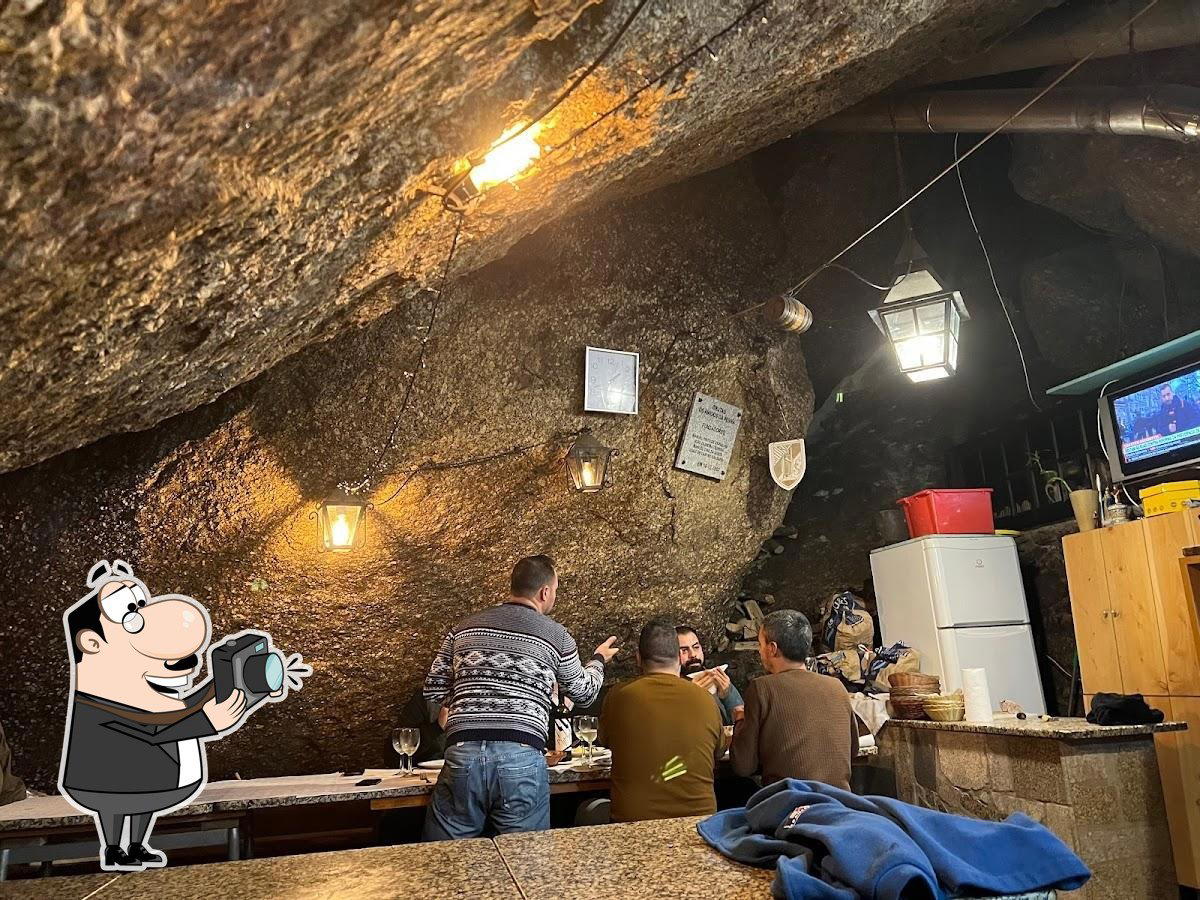
This is a working adega in the Penha district of Guimarães, a city with one of the most historically grounded food cultures in Portugal. The atmosphere is functional and local-facing rather than destination-restaurant theatrical. Expect the kind of room where regulars outnumber tourists and the food is the point, not the decor.
How does Adega Amigos da Penha fit into the Guimarães food scene compared to restaurants in Lisbon or Porto?
Guimarães sits apart from the Lisbon and Porto restaurant circuits that attract most international food press, and Adega Amigos da Penha, located in the Penha area at 4810-041 Guimarães, represents the kind of adega that serves a city eating for itself rather than for a Michelin inspector. The Minho region produces its own distinct ingredients, from vinho verde to local charcuterie, that rarely appear in the capital's menus. That geographic and cultural distance from the country's showcase dining addresses is precisely what gives a Guimarães adega its particular character.
What's the address for Adega Amigos da Penha?
Adega Amigos da Penha is located at 4810-041 Guimaraes, Portugal, Costa.
Can I walk in to Adega Amigos da Penha?
No booking policy data is publicly confirmed for Adega Amigos da Penha. Traditional adegas in Guimarães have generally operated on a walk-in basis during service hours, particularly at lunch, when local trade is heaviest.
What's the defining dish or idea at Adega Amigos da Penha?
The defining idea is format itself: the adega as a format resists the renovation pressure that has reshaped much of Portuguese dining since the 2010s tourism surge. In Guimarães, a city whose food identity predates Lisbon's creative fine-dining moment by centuries, a venue operating under this model is making a clear statement about what northern Portuguese eating looks like when it is feeding its own community rather than performing for visitors.
Quick Comparison
| Venue | Cuisine | Price | Awards | Notes |
|---|---|---|---|---|
| Adega Amigos da PenhaThis venue — the venue you are viewing | Traditional Portuguese Rural Cuisine | Not listed | Not listed | Not listed |
| Belcanto | Contemporary Portuguese Fine Dining | $200–300 | 2 Michelin Stars · World's 50 Best #42 | Modern Portugese, Creative |
| Casa de Chá da Boa Nova | Modern Portuguese Seafood | $50–100 | 2 Michelin Stars · La Liste Top Restaurants | Portugese, Seafood |
| Ocean | Modern Portuguese Fine Dining | $200–300 | 2 Michelin Stars · La Liste Top Restaurants | Contemporary European, Creative |
| Lab by Sergi Arola | Modern Mediterranean Fine Dining | $200–300 | 1 Michelin Star | Progressive Spanish, Creative |
| Midori | Japanese-Portuguese Fusion | $150–200 | 1 Michelin Star | Japanese |
Continue exploring
More in Costa
Restaurants in Costa
Browse all →
Bars in Costa
Browse all →

Hotels in Costa
Browse all →
Details
- Rustic
- Cozy
- Scenic
- Family
- Casual Hangout
- Terrace
- Historic Building
- Local Sourcing
- Mountain
- A La Carte
Current opening hours
- Monday
- Closed
- Tuesday
- Closed
- Wednesday
- Closed
- Thursday
- Closed
- Friday
- 3 PM–12 AM
- Saturday
- 3 PM–12 AM
- Sunday
- Closed
Hours can change for holidays and private events. Last verified .
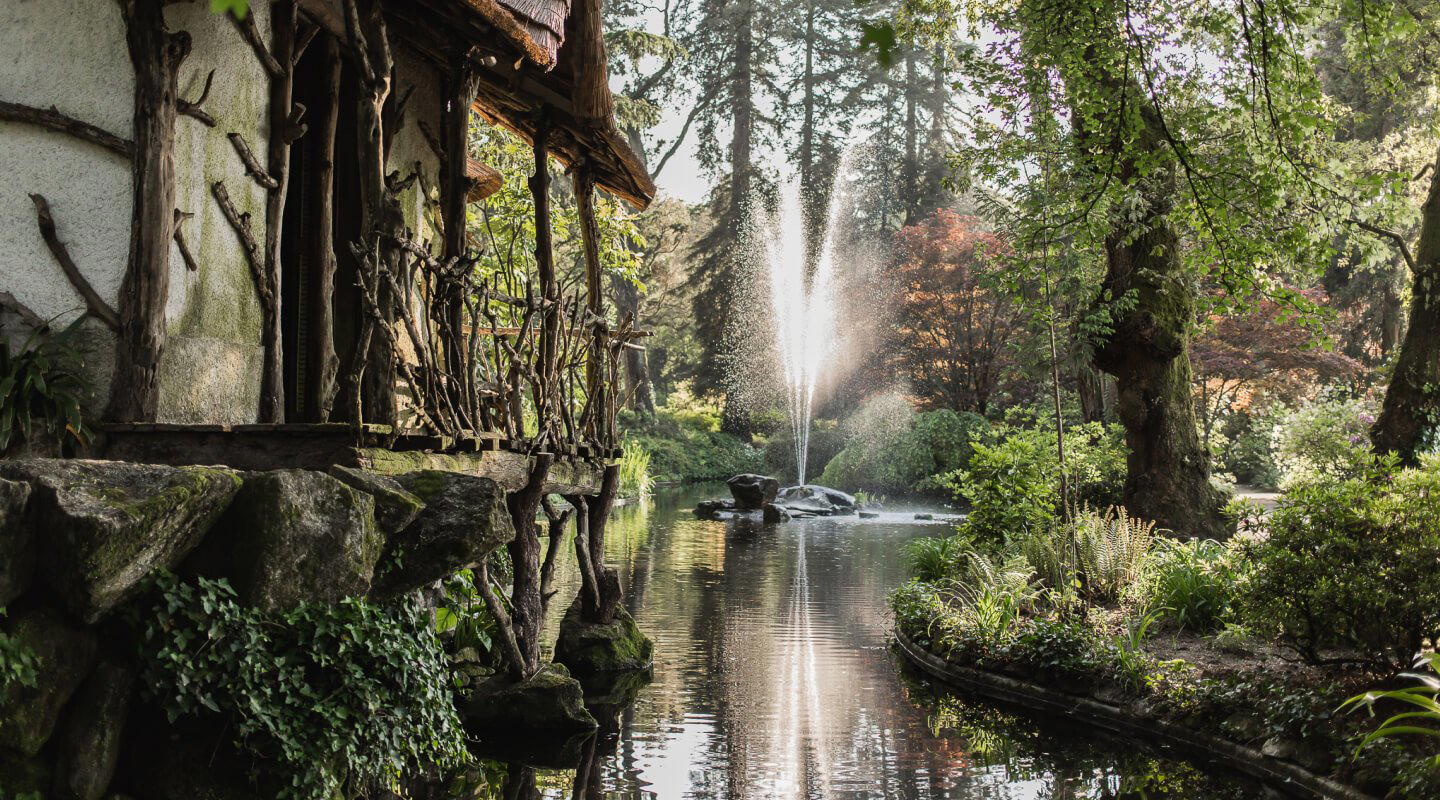
Rustic family-run atmosphere amidst nature, with a cool shaded terrace under vines well-suited for leisurely meals.