Acme Oyster House

Acme Oyster House serves Classic New Orleans Seafood & Oysters with chargrilled oysters, raw oysters, po boys, and gumbo; a beer program supports lunch, dinner, and late-night plans.
Pearl is the En Primeur Club membership app — saves, bookings, and concierge access live there. Same editors, same standards.
- Address
- 724 Iberville St, New Orleans, LA 70130
- Phone
- (504) 522-5973
- Website
- acmeoyster.com
- Directions
- Get directions
 Saves & bookings on Pearl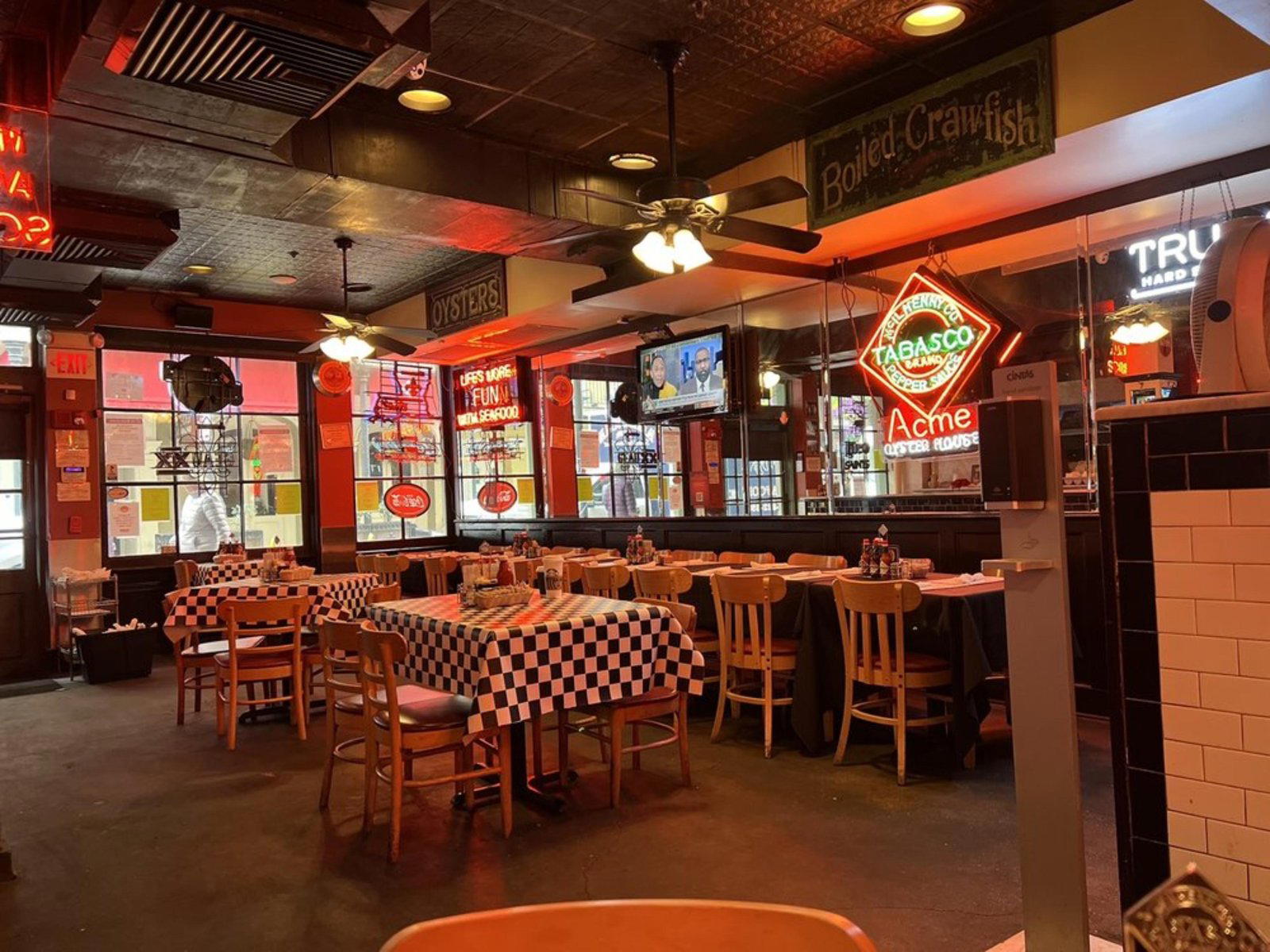
The French Quarter Oyster Counter and What It Represents
Acme Oyster House is a casual New Orleans seafood restaurant at 724 Iberville St in the French Quarter. On Iberville Street, a block from Bourbon and two from the river, the line outside Acme Oyster House tells you something about how New Orleans eats. It is not a line for spectacle or for tasting-menu theater. It is a line for oysters, cold beer, and a shucking counter that has been operating in some form since 1910. The French Quarter has accumulated its share of white-tablecloth ambitions over the decades, but the raw bar remains the format that locals return to most reliably, and Acme is the address that anchors that tradition at street level.
Opinionated About Dining, the North American critical survey that tracks value-driven excellence across the continent, ranked Acme at #488 on its Cheap Eats list in 2024 and moved it to #529 in 2025, having recommended it consistently since at least 2023. Those rankings matter less as a hierarchy and more as a signal: this is a room that serious eaters across the country have verified is worth the queue. The consensus spans critics and casual visitors alike.
The Raw Bar Tradition in New Orleans
Gulf oyster culture operates on different terms than the Pacific Northwest or the New England half-shell circuit. The Gulf produces oysters that tend toward plump, briny, and meaty rather than the clean, mineral-forward profile of colder Atlantic waters. Eating them well requires fast work at the counter: oysters shucked to order, served cold, consumed quickly. The technique at a serious Gulf raw bar is not precious. The knife work is practiced and efficient, the pace is high, and the turnover on the ice is constant. Slow service degrades the product.
Acme operates within that tradition. The counter format, which puts the shucking station in direct view of the diner, is a transparency mechanism as much as a design choice. You watch the knife enter the hinge, feel the shell resist, see the liquor settle. At a busy service, a practiced shucker processes dozens of oysters with the kind of repetitive precision that only comes from years at the station. The raw bar counter in New Orleans traces a lineage that runs from the old French Market through the canal-street oyster saloons of the early twentieth century, and the Iberville Street address fits within that longer arc.
For context on how the raw bar format plays in other cities: 167 Raw in Charleston operates a similar counter-driven model in the Lowcountry, while L'Huitrerie Régis in Paris compresses the format to its minimum viable expression, a dozen covers and a single supplier. The New Orleans version is larger and louder, consistent with a city that tends not to do restraint.
Where Acme Sits in the New Orleans Dining Picture
New Orleans operates a dining spectrum wider than most American cities of comparable size. At the formal end, rooms like Saint-Germain and Re Santi e Leoni represent the contemporary tasting-menu tier, while Emeril's, carrying two Michelin stars, anchors the Cajun fine-dining category. Bayona and Zasu occupy a mid-range American contemporary tier with serious kitchen credentials. Acme does not compete in any of those brackets. Its competitive set is the category of democratic, tradition-driven New Orleans seafood institutions where price accessibility and product quality coexist. That is a genuinely difficult combination to maintain in a city with high tourism pressure, and the consistent OAD recognition suggests Acme has managed it over multiple years.
The difference between Acme and the broader tourist-trap oyster bar category that populates the French Quarter is partly about sourcing discipline and partly about speed. A raw bar that takes its product seriously rotates inventory fast enough that nothing sits. The oyster you eat at a high-turnover counter in New Orleans is almost certainly fresher than the oyster you eat at a table service restaurant that treats shellfish as a supporting character.
Seafood at the National Level: The Reference Points
For readers who orient by national benchmarks, the gap between a raw bar institution and a fine-dining seafood room is worth articulating. Le Bernardin in New York City and Providence in Los Angeles represent what happens when seafood cooking becomes highly technical and ingredient costs push into luxury territory. The French Laundry in Napa, Alinea in Chicago, and Lazy Bear in San Francisco operate in a different register entirely, where the meal is an extended event. Single Thread Farm in Healdsburg layers agricultural sourcing into that equation. None of those comparisons apply here. Acme's value proposition is the opposite: a focused product, minimal intervention, and a price point that treats oysters as everyday food rather than ceremony.
Planning Your Visit
Acme Oyster House at 724 Iberville Street opens every day of the week from 11 am to 10 pm, which makes it one of the more accessible formats in the French Quarter for visitors working across midday or early evening. The hours are consistent across all seven days. The format and queue culture suggest walk-in is the default mode. Arriving early in the lunch window or before the dinner rush builds tend to offer shorter waits. The dress code is casual, consistent with the counter-service register and the Iberville Street location. The OAD Cheap Eats classification places this in a price tier accessible to most visitors without advance budgeting.
Budget Reality Check
Comparable venues nearby, for context on price, style, and recognition.
| Venue | Cuisine | Price | Awards | Notes |
|---|---|---|---|---|
| Acme Oyster HouseThis venue — the venue you are viewing | Oyster Bar | $$ | Not listed | Not listed |
| Deanie's Sea Food Kitchen | Not listed | $$ | Not listed | Lower Garden District, New Orleans Seafood |
| Stanley | French Quarter, American Cajun Brunch | $$ | Not listed | Not listed |
| Liuzza’s by the Track | Not listed | $ | Not listed | Esplanade Ridge, Classic New Orleans Creole Seafood |
| Grand Isle Restaurant | Not listed | $$ | Not listed | Central Business District, Louisiana Seafood & Cajun |
| Atchafalaya | East Riverside, Contemporary Creole | $$ | Michelin Plate | Not listed |
Recognition history
Dated appearances from independent guides and award organizations, with the underlying list record or original source where available.
Opinionated About Dining Cheap Eats in North America Ranked #529
Opinionated About Dining
Opinionated About Dining Cheap Eats in North America Ranked #488
Opinionated About Dining
Opinionated About Dining Cheap Eats in North America in Recommended
Opinionated About Dining
Continue exploring
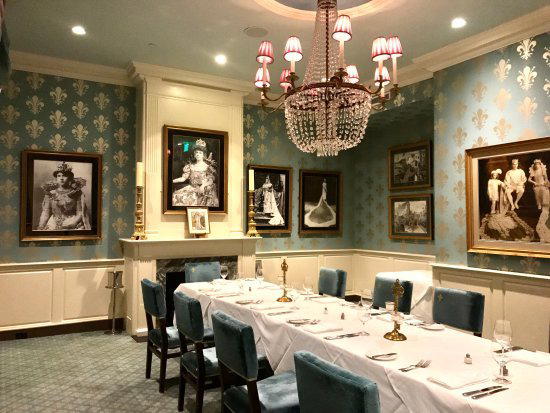
More in New Orleans
Restaurants in New Orleans
Browse all →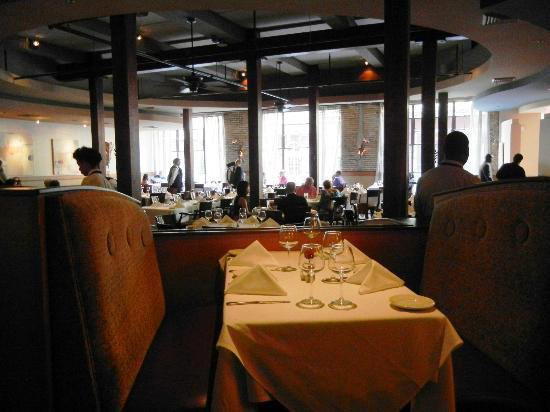
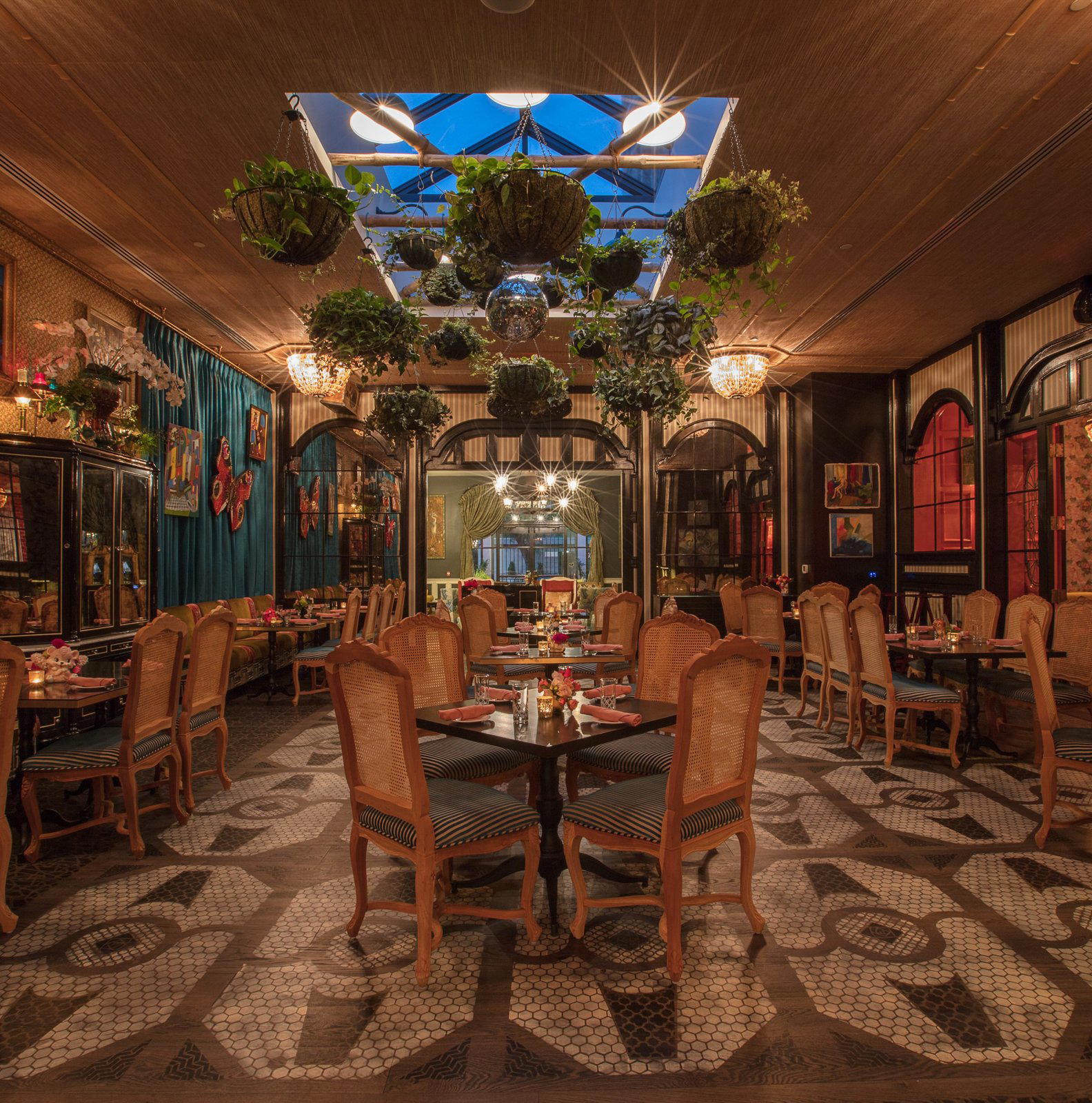
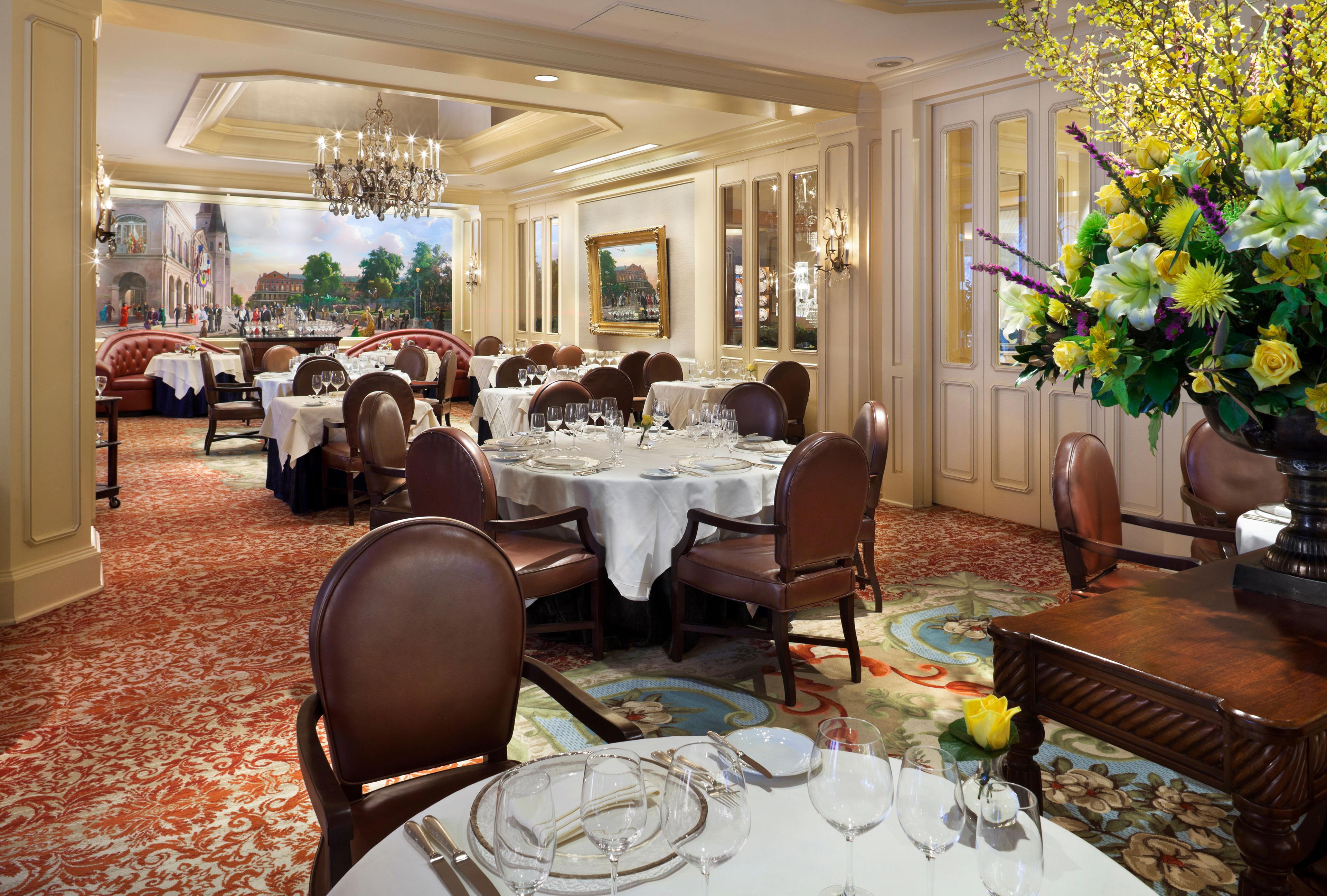
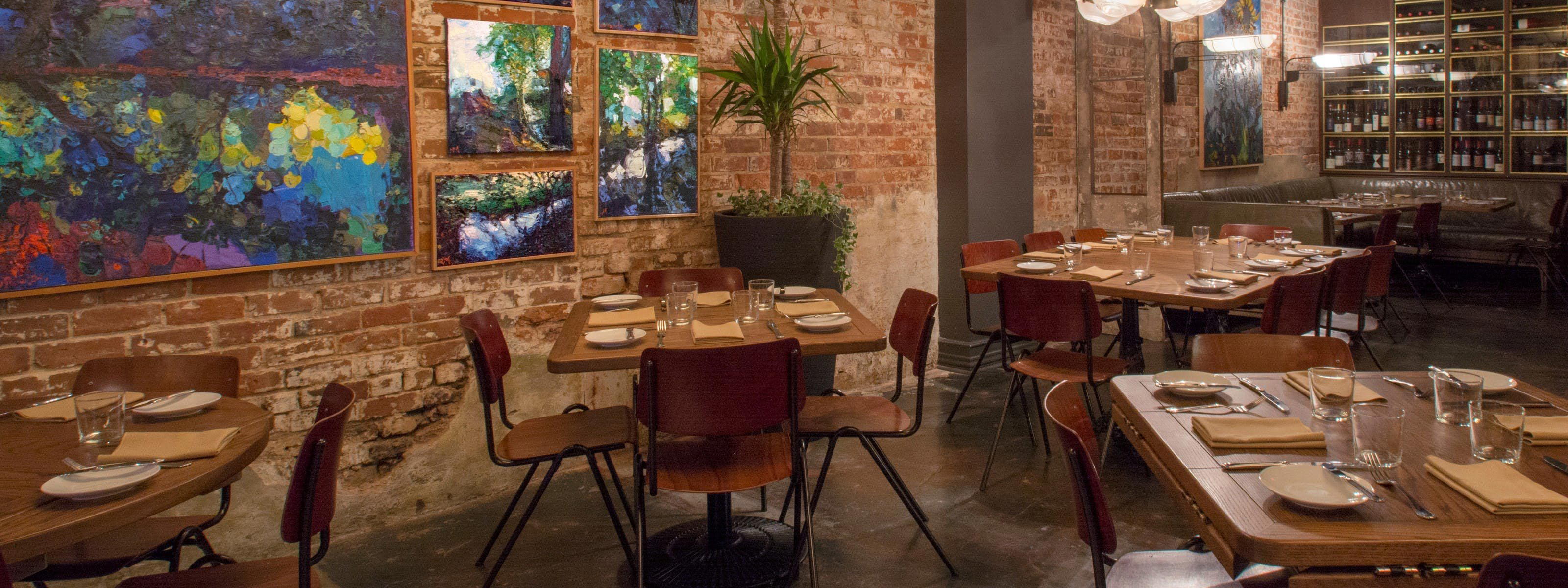
Bars in New Orleans
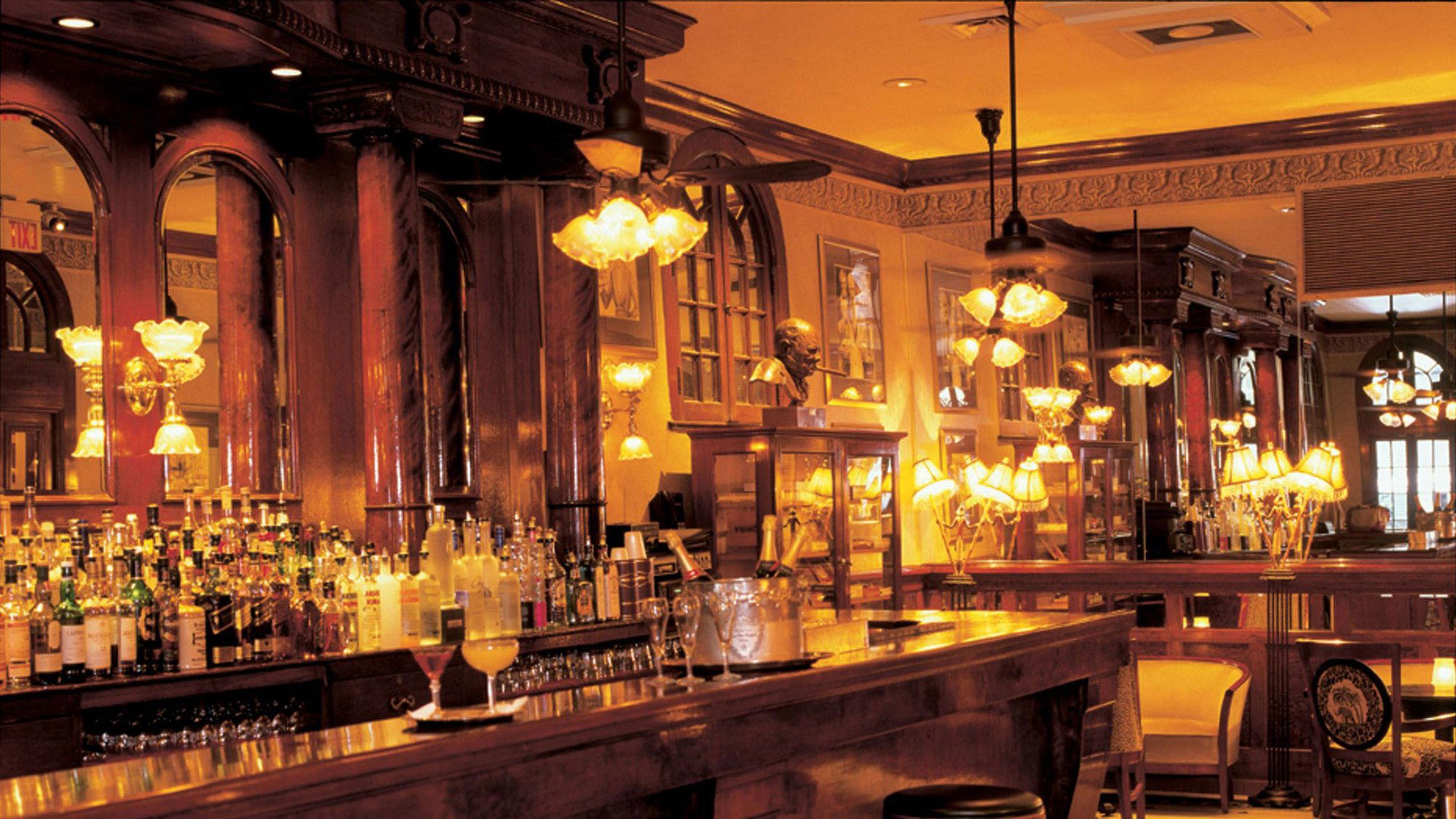
Browse all →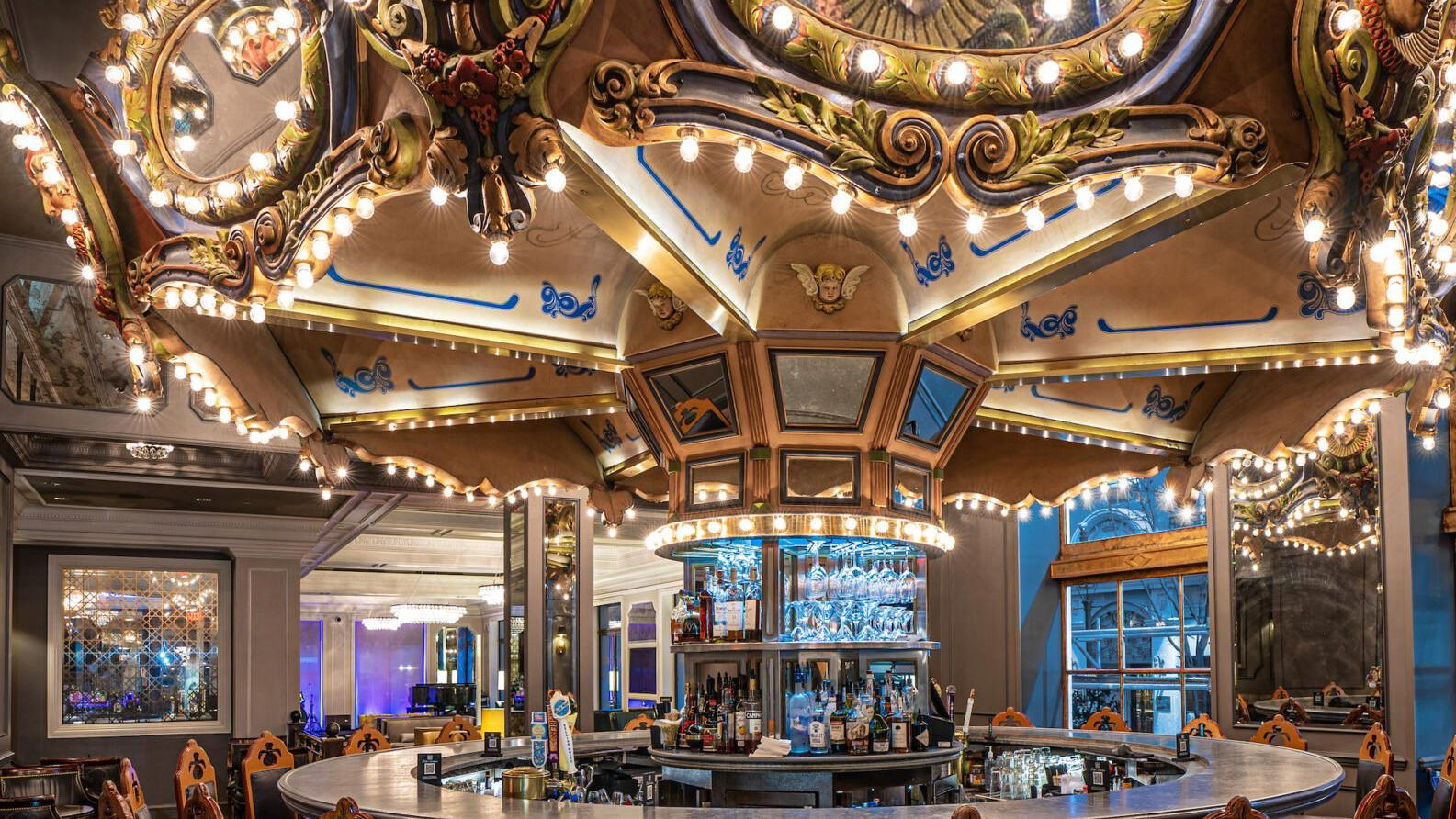
At a Glance
- Lively
- Well Known
- Energetic
- Casual Hangout
- Group Dining
- Late Night
- Open Kitchen
- Beer Program
Current opening hours
- Monday
- 11 AM–9 PM
- Tuesday
- 11 AM–9 PM
- Wednesday
- 11 AM–9 PM
- Thursday
- 11 AM–10 PM
- Friday
- 11 AM–10 PM
- Saturday
- 11 AM–10 PM
- Sunday
- 11 AM–9 PM
Hours can change for holidays and private events. Last verified .
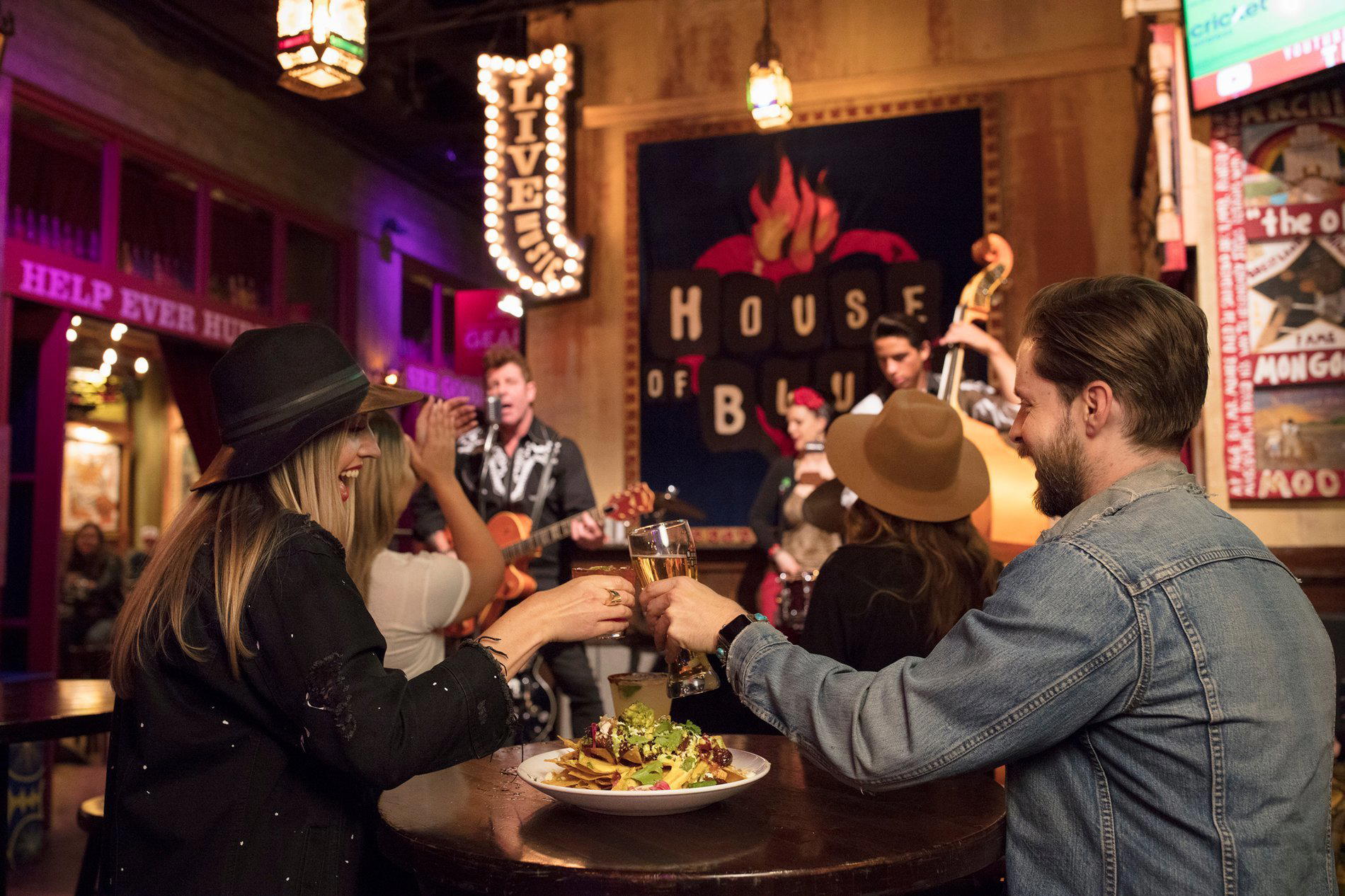
Loud, bustling, fast-paced atmosphere with cheerful service and gritty New Orleans dive-bar feel.