
Acane arrives in Parekklisia just outside Limassol carrying a name rooted in Incan fermentation mythology and a culinary direction already drawing serious attention. The restaurant connects ingredient provenance with a philosophy that treats fermentation not as technique but as origin story. For the Limassol dining scene, it represents a genuinely new register.
Pearl is the En Primeur Club membership app — saves, bookings, and concierge access live there. Same editors, same standards.
- Address
- Amathountos 198, Pareklisia 4533, Cyprus
- Phone
- +357 25 353536
- Website
- acane.com.cy
- Directions
- Get directions
 Saves & bookings on Pearl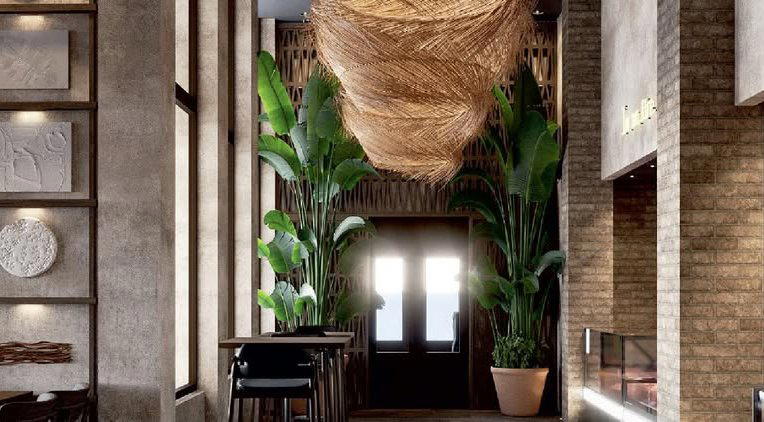
Where Parekklisia Meets a New Kind of Ambition
The coastal villages south of Limassol have long played host to quietly serious restaurants, places that trade on proximity to local producers and distance from the city's louder tourist strip. Parekklisia, situated along the Amathountos coastal road, sits in that tradition. Acane has positioned itself within this geography deliberately: far enough from the centre to signal intent, close enough to draw the clientele that Limassol's expanding dining scene has been cultivating for the better part of a decade. The address at 198 Amathountos places the restaurant in a stretch where the sea is a presence rather than a backdrop, and the surrounding agricultural land feeds directly into the kind of sourcing logic that serious kitchens now treat as non-negotiable.
The name Acane references the Incan god of fermentation and wine, a choice that announces something immediately about the kitchen's orientation. Fermentation here is not a garnish or a contemporary flourish applied to an otherwise conventional menu. It functions as a conceptual anchor, shaping how ingredients are selected, prepared, and sequenced. In a region like Cyprus, where the island's own winemaking tradition extends back millennia and indigenous grape varieties have survived repeated outside influence, that framing carries genuine weight. For a broader sense of how Limassol's restaurant scene is developing, see our full Limassol restaurants guide.
Ingredient Logic in a Mediterranean Context
Cyprus occupies a specific agricultural position that its better kitchens have only recently started to exploit systematically. The island sits at the intersection of Levantine, Anatolian, and broader Mediterranean growing traditions, with a climate that produces everything from citrus and carob to game and high-altitude herbs. The challenge for any serious Cypriot restaurant has always been converting that raw material richness into a coherent culinary language rather than a nostalgic survey of local staples.
Acane's framing through fermentation provides exactly that kind of organising principle. Fermented and aged ingredients carry information about their origin in ways that raw produce often cannot: the terroir of a vegetable expressed through lacto-fermentation, the mineral register of a locally raised protein extended through careful curing. At restaurants operating in this register elsewhere, from Arpège in Paris with its kitchen garden discipline to Aponiente in El Puerto de Santa María with its marine ingredient archaeology, the through-line is a kitchen that treats sourcing as the first creative act. Acane appears to be working in that same mode, applying it to the specific larder that the Limassol hinterland and the surrounding sea make available.
Cyprus's indigenous produce is not incidental to this approach. The island's carob production, once its primary agricultural export, has found renewed interest among ingredient-led kitchens. Local halloumi, made under protected designation rules from Cypriot sheep and goat milk, behaves differently under heat and fermentation than industrial variants. Wild herbs from the Troodos range, varieties that don't appear in mainland European supply chains, offer flavour compounds that can anchor a dish to a specific landscape. A kitchen built around fermentation has structural reasons to source these ingredients seriously, because they produce more interesting outcomes than commodity alternatives.
The Scene Acane Is Entering
Limassol's restaurant development over the past decade has followed a pattern visible in other mid-sized Mediterranean cities: an initial wave of international and fusion concepts, followed by a more considered return to local produce and technique, now reaching a point where a handful of restaurants are trying to define a genuinely local fine dining language. Acane arrives at that inflection point. Its recent opening means it is building its reputation in real time, and the early signals suggest the kitchen is operating with enough ambition to sit in the upper tier of what Limassol currently offers.
The broader regional context matters here. Cyprus receives comparatively little attention from the international food press relative to its culinary depth. The island's wine tradition, built on varieties like Xynisteri and Maratheftiko that have no direct equivalents elsewhere, remains largely unknown outside specialist circles. For those tracking Cyprus's emerging wine identity, our full Limassol wineries guide maps the producers worth knowing. A restaurant that takes its name from a fermentation deity and appears to treat local wine culture seriously is well-placed to function as a useful entry point into both. The Cypriot approach to fermented and aged products, from commandaria wine to the various preserved meats of the interior villages, gives a kitchen operating in this register a genuine archive to draw from.
Arzak in San Sebastián built its reputation partly on that producer relationship depth; Atelier Crenn in San Francisco made sourcing transparency a structural element of the dining experience. Acane is operating in a context where those precedents exist but local equivalents remain rare, which gives it room to define terms that other Limassol restaurants have not yet claimed.
Planning a Visit
Acane is located at 198 Amathountos, Parekklisia, on the coastal road southeast of Limassol's centre, a drive that takes roughly fifteen to twenty minutes from the city's main hotel district depending on traffic. Given the restaurant's trajectory since opening, booking ahead is advisable: restaurants in this category and with this level of early attention tend to fill quickly, particularly on weekends. Our full Limassol hotels guide covers particularly useful bases for those planning a longer stay around the dining.
Comparison Snapshot
Comparable venues nearby, for context on price, style, and recognition.
| Venue | Cuisine | Price | Notes |
|---|---|---|---|
| AcaneThis venue — the venue you are viewing | Latin American-inspired Grill | $$$ | Not listed |
| MEZE Taverna Restaurant | Traditional Cypriot Meze Taverna | $$ | Old Town |
| Salone Pizza Pasta Bar | Modern Italian Pizza & Pasta | $$ | Limassol City |
| NAMMOS | Mediterranean Seafood with Far East Influences | $$$$ | Limassol City |
| Wolfgang's Steakhouse | Classic New York Steakhouse | $$$$ | Moutagiaka |
| Ha Noi Vietnamese Restaurant | Authentic Vietnamese | $ | Germasogeia |
Recognition history
Dated appearances from independent guides and award organizations, with the underlying list record or original source where available.
Star Wine List
Star Wine List
Continue exploring
More in Limassol
Restaurants in Limassol
Browse all →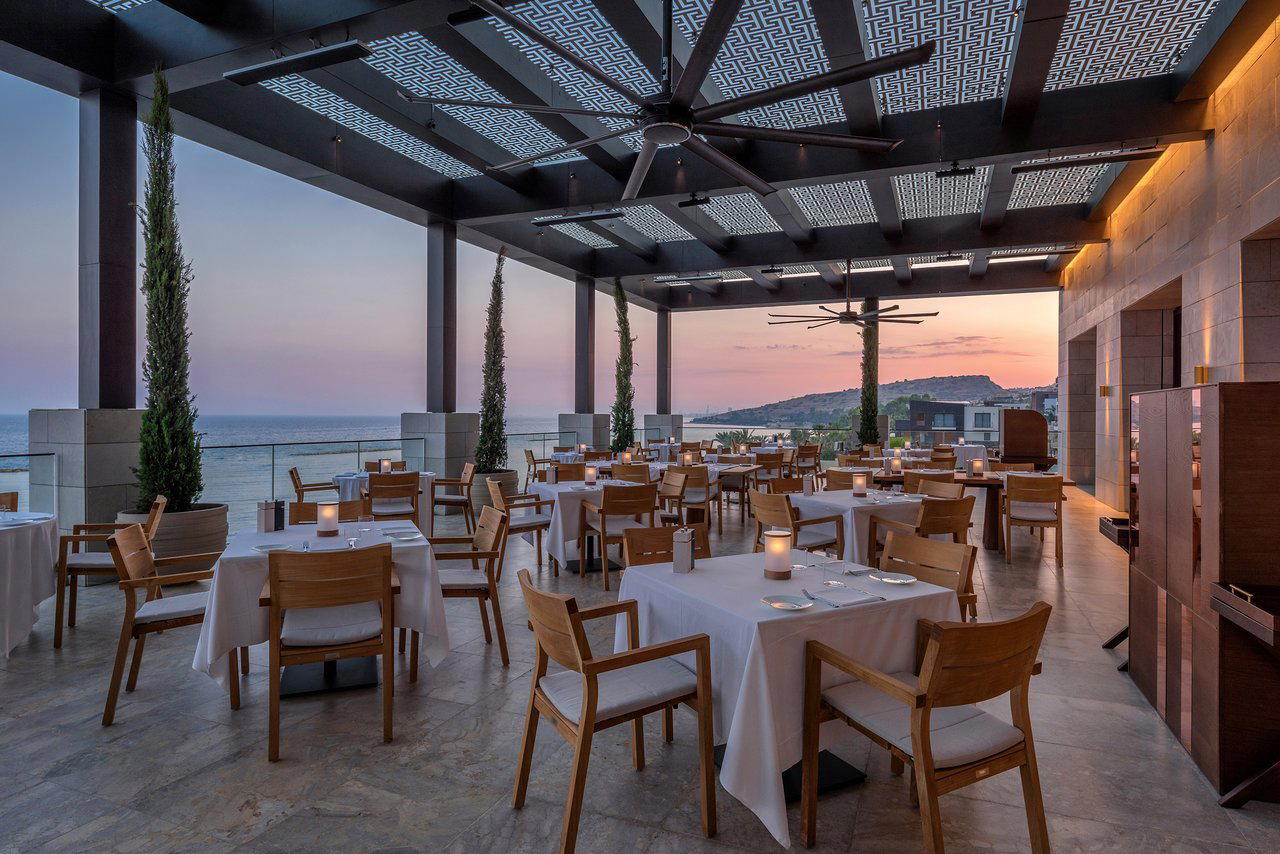
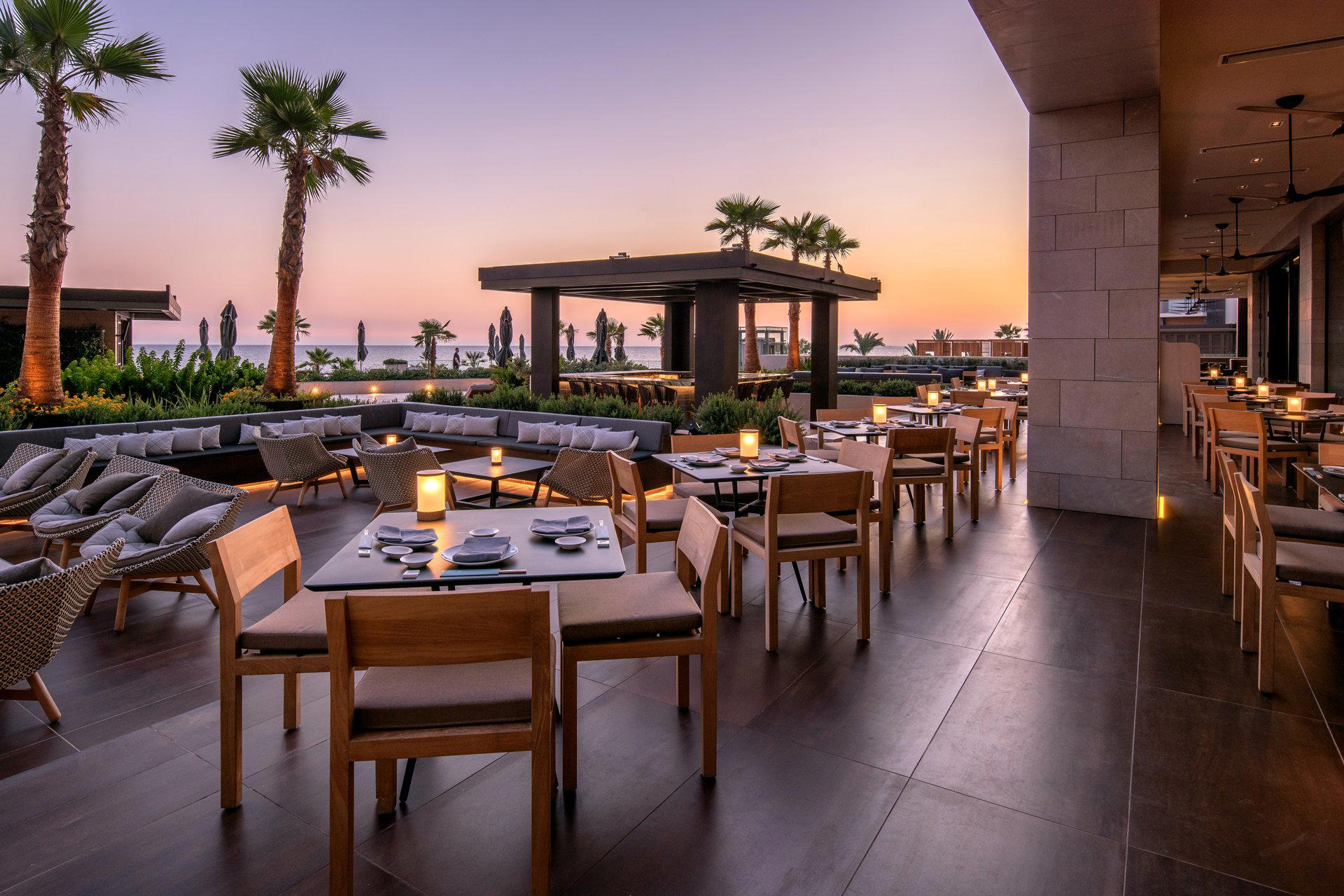
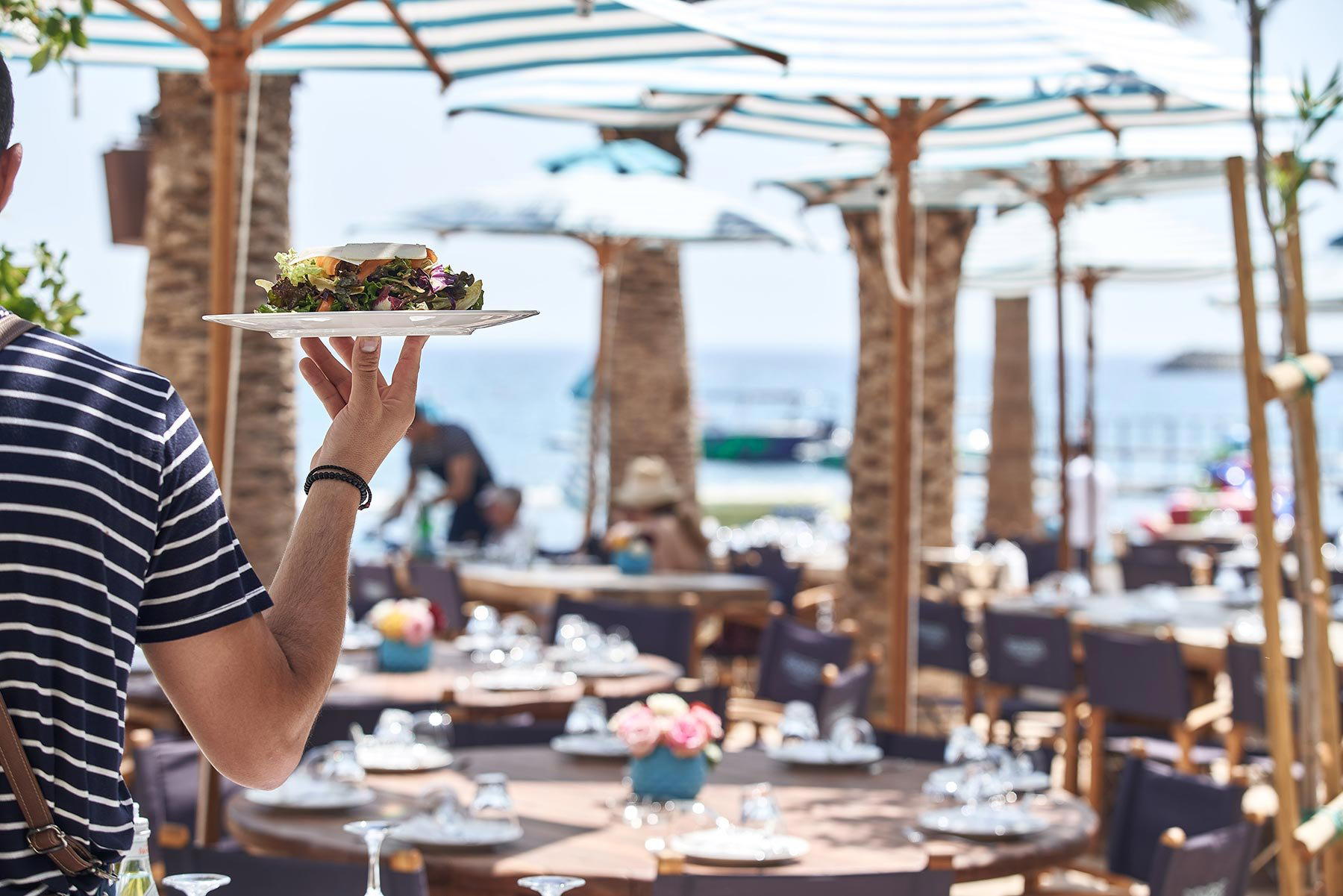
Bars in Limassol
Browse all →
Hotels in Limassol
Browse all →


At a Glance
- Lively
- Trendy
- Modern
- Group Dining
- Date Night
- Casual Hangout
- Open Kitchen
- Extensive Wine List
- Craft Cocktails
- Local Sourcing
Current opening hours
- Monday
- 6 PM–12 AM
- Tuesday
- 6 PM–12 AM
- Wednesday
- 6 PM–12 AM
- Thursday
- 6 PM–12 AM
- Friday
- 6 PM–12 AM
- Saturday
- 6 PM–12 AM
- Sunday
- 6 PM–12 AM
Hours can change for holidays and private events. Last verified .
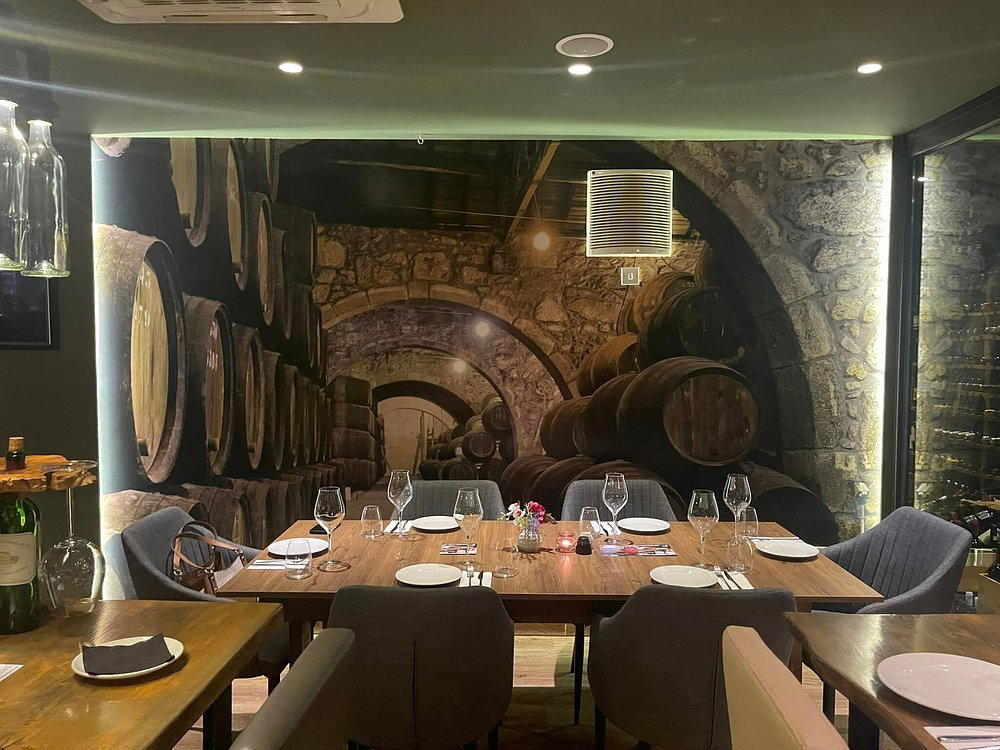
Lively atmosphere with contemporary decor featuring wood, stone, and indoor plants, impressive interior and tableware.