Skip to Main Content
← Collection
Paphos, Cyprus

7 st. Georges Tavern

LocationPaphos, Cyprus
We're Smart World

<h2>Where the Soil Meets the Table in Yeroskipou</h2><p>The road into Yeroskipou, a village that sits just east of Paphos along the coast, carries the particular quietness of a place that tourists pass through rather than stop in. That is, broadly, what makes the dining here different from the harbour-front strip. The tavernas along these streets answer to a local clientele that knows what Cypriot food is supposed to taste like, which means the quality threshold is set by lived memory rather than TripAdvisor positioning. 7 St. Georges Tavern operates inside that tradition: a family-run room where the sourcing model is not a marketing choice but a practical reality, with the produce grown, cultivated, and processed by the owner Georges and his family before it reaches the kitchen.</p><p>That kind of vertical integration is rare in any restaurant category. At high-end addresses like <a href="https://www.enprimeurclub.com/restaurants/arpge-paris-restaurant">Arpège in Paris</a>, the farm-to-table model carries three Michelin stars and a price tag to match; at <a href="https://www.enprimeurclub.com/restaurants/aponiente-el-puerto-de-santa-mara-restaurant">Aponiente in El Puerto de Santa María</a>, it frames a conceptual argument about marine ecosystems. In Yeroskipou, the same logic arrives without the premium packaging. The family grows the food. The food comes to the table. The price-to-quality ratio, by multiple accounts, is generous. That transparency of supply chain is something diners at far more celebrated rooms often have to take on faith.</p><h2>The Mechanics of Cypriot Mezze</h2><p>Cypriot mezze, the mezetho format, operates differently from the small-plates models now common across European restaurant culture. It is not a tasting menu reframed for casual settings. It is a ritual of accumulation: dishes arriving in waves, each one occupying its moment before making room for the next, the full spread only becoming legible as the meal progresses. The vegetable component is central to Cypriot mezze in a way that gets underplayed when the format is described from the outside. At 7 St. Georges, vegetables appear across nearly every dish on the spread, and a section of the menu is devoted entirely to plant-based preparations, which reflects both the agricultural focus of the family operation and the older Cypriot culinary tradition of treating the garden as the kitchen's primary resource rather than its garnish.</p><p>Organic cultivation without certification bureaucracy is common in small-scale Cypriot family farming, where the methods are inherited rather than acquired. What matters here is that the produce is grown by the people serving it, which compresses the supply chain to its minimum and removes the interpretive distance that enters when a restaurant sources from third parties. The vegetables arrive at the table with the authority of something that was in the ground recently.</p><h2>Reading the Room</h2><p>Taverna dining in Cyprus carries specific spatial codes. Covered outdoor terraces, ceramic surfaces, the sound of a room that is full but not loud. The emphasis is on duration rather than throughput. Meals here are not timed. The mezze format structurally resists rushing, since the kitchen controls the rhythm of service and the sheer number of small preparations means the table is never cleared and reset in the way a two-course sitting would be. For the traveller arriving from a dining culture where the bill arrives shortly after the last bite, the pacing requires a small adjustment in expectation and then becomes its own reward.</p><p>Paphos as a dining destination has historically split between resort-facing venues oriented toward international visitors and a smaller cluster of locally-rooted addresses that the residential and agricultural community actually uses. Yeroskipou sits in the latter geography. The distance from the Paphos tourist centre is short by car but substantial in atmosphere. For context on the broader Paphos food scene, our <a href="https://www.enprimeurclub.com/restaurants/paphos">full Paphos restaurants guide</a> maps the range from resort dining to village tavernas. The <a href="https://www.enprimeurclub.com/bars/paphos">Paphos bars guide</a>, <a href="https://www.enprimeurclub.com/wineries/paphos">Paphos wineries guide</a>, and <a href="https://www.enprimeurclub.com/hotels/paphos">Paphos hotels guide</a> cover the adjacent categories for those building a longer itinerary, along with the <a href="https://www.enprimeurclub.com/experiences/paphos">Paphos experiences guide</a> for cultural programming.</p><h2>Why the Sourcing Model Is the Review</h2><p>The awards field for 7 St. Georges reads less like a conventional accolade and more like a sourcing statement: everything served is organically grown, cultivated, and processed by the owner and his family. In restaurant terms, that is a significant claim, and one that is straightforwardly verifiable by asking where anything on the table came from. The absence of a price range in published listings is consistent with the taverna model, where menus are often spoken rather than printed and prices reflect market availability rather than fixed positioning. The price-to-quality ratio is noted favourably by those who have eaten here, which in a family agricultural operation is a function of removing the intermediary cost layers that accumulate in conventional supply chains.</p><p>By comparison, the sourcing transparency at addresses like <a href="https://www.enprimeurclub.com/restaurants/lazy-bear">Lazy Bear in San Francisco</a> or <a href="https://www.enprimeurclub.com/restaurants/atelier-crenn">Atelier Crenn</a> is communicated through formal tasting notes and supplier credits. At <a href="https://www.enprimeurclub.com/restaurants/alinea">Alinea in Chicago</a>, the kitchen's relationship with ingredients is mediated through technique. None of those approaches are wrong, but they are structurally different from a family that controls the full cycle from seed to plate. The informality of the taverna setting does not diminish that supply chain discipline; it just presents it without ceremony. For those interested in similar farm-rooted approaches within Cyprus, <a href="https://www.enprimeurclub.com/restaurants/acane-limassol-restaurant">Acane in Limassol</a> offers another point of reference for ingredient-driven eating on the island.</p><h2>Planning a Visit</h2><p>7 St. Georges Tavern is located at Anthipolochagou Georgiou Savva 37 in Yeroskipou, accessible by car from central Paphos in a short drive east along the coastal road. Phone and website details are not publicly listed, which is consistent with a family operation where walk-in and word-of-mouth remain the primary access routes. Given the small-scale, family-run nature of the kitchen, visiting on a weekday or arriving outside peak summer holiday weeks reduces the risk of a full house. The mezze format means the meal takes time, so arriving with the expectation of a long table rather than a quick lunch aligns with how the kitchen works. Those using Paphos as a base for exploring the western Troodos foothills or the Akamas peninsula will find Yeroskipou a natural stopping point on the return route.</p><h2>Frequently Asked Questions</h2><dl><dt>Is 7 St. Georges Tavern okay with children?</dt><dd>Given the relaxed taverna format and the accessible price point in Paphos terms, this is a practical option for families.</dd><dt>What kind of setting is 7 St. Georges Tavern?</dt><dd>It is a family-run village taverna in Yeroskipou, just outside Paphos, rooted in Cypriot agricultural tradition and recognised for its organically sourced produce and generous price-to-quality ratio.</dd><dt>What is the dish to order at 7 St. Georges Tavern?</dt><dd>Order the mezetho spread. The Cypriot mezze format is the kitchen&rsquo;s core expression, and given that all produce is grown by the family, the vegetable dishes and pure plant preparations are where the sourcing model is most directly visible on the plate.</dd><dt>What is the leading way to book 7 St. Georges Tavern?</dt><dd>No website or phone listing is publicly available, which suggests walk-in is the primary method. Arriving early, particularly during summer months when Paphos sees higher visitor volume, is the practical approach.</dd><dt>What do critics highlight about 7 St. Georges Tavern?</dt><dd>The consistent thread in recognition is the full-cycle organic sourcing: produce grown, cultivated, and processed by owner Georges and his family, combined with a Cypriot mezze format that keeps vegetables central throughout the meal and a price-to-quality ratio that reflects the absence of commercial supply chain costs.</dd></dl>

7 st. Georges Tavern restaurant in Paphos, Cyprus
About

Where the Soil Meets the Table in Yeroskipou

The road into Yeroskipou, a village that sits just east of Paphos along the coast, carries the particular quietness of a place that tourists pass through rather than stop in. That is, broadly, what makes the dining here different from the harbour-front strip. The tavernas along these streets answer to a local clientele that knows what Cypriot food is supposed to taste like, which means the quality threshold is set by lived memory rather than TripAdvisor positioning. 7 St. Georges Tavern operates inside that tradition: a family-run room where the sourcing model is not a marketing choice but a practical reality, with the produce grown, cultivated, and processed by the owner Georges and his family before it reaches the kitchen.

That kind of vertical integration is rare in any restaurant category. At high-end addresses like Arpège in Paris, the farm-to-table model carries three Michelin stars and a price tag to match; at Aponiente in El Puerto de Santa María, it frames a conceptual argument about marine ecosystems. In Yeroskipou, the same logic arrives without the premium packaging. The family grows the food. The food comes to the table. The price-to-quality ratio, by multiple accounts, is generous. That transparency of supply chain is something diners at far more celebrated rooms often have to take on faith.

Members Only

The shortlist, unlocked.

Hard-to-book tables, cellar releases, and concierge-planned trips.

Get Exclusive Access →

The Mechanics of Cypriot Mezze

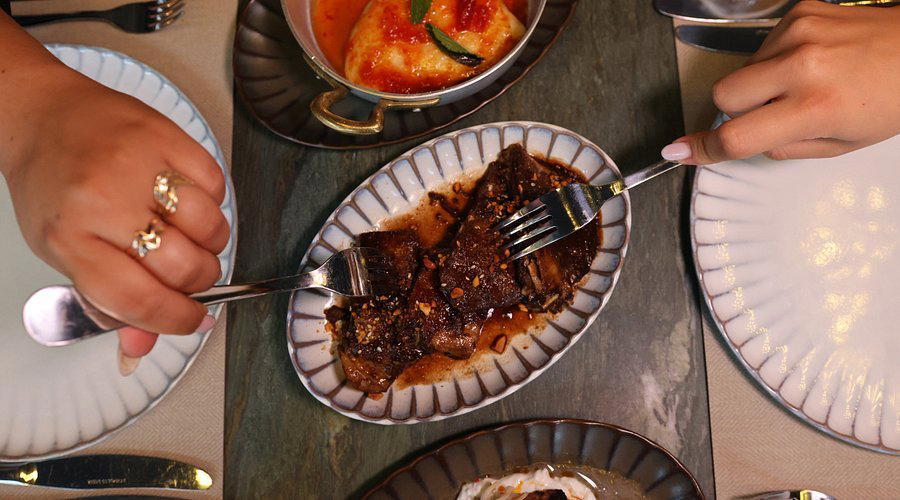
Cypriot mezze, the mezetho format, operates differently from the small-plates models now common across European restaurant culture. It is not a tasting menu reframed for casual settings. It is a ritual of accumulation: dishes arriving in waves, each one occupying its moment before making room for the next, the full spread only becoming legible as the meal progresses. The vegetable component is central to Cypriot mezze in a way that gets underplayed when the format is described from the outside. At 7 St. Georges, vegetables appear across nearly every dish on the spread, and a section of the menu is devoted entirely to plant-based preparations, which reflects both the agricultural focus of the family operation and the older Cypriot culinary tradition of treating the garden as the kitchen's primary resource rather than its garnish.

Organic cultivation without certification bureaucracy is common in small-scale Cypriot family farming, where the methods are inherited rather than acquired. What matters here is that the produce is grown by the people serving it, which compresses the supply chain to its minimum and removes the interpretive distance that enters when a restaurant sources from third parties. The vegetables arrive at the table with the authority of something that was in the ground recently.

Reading the Room

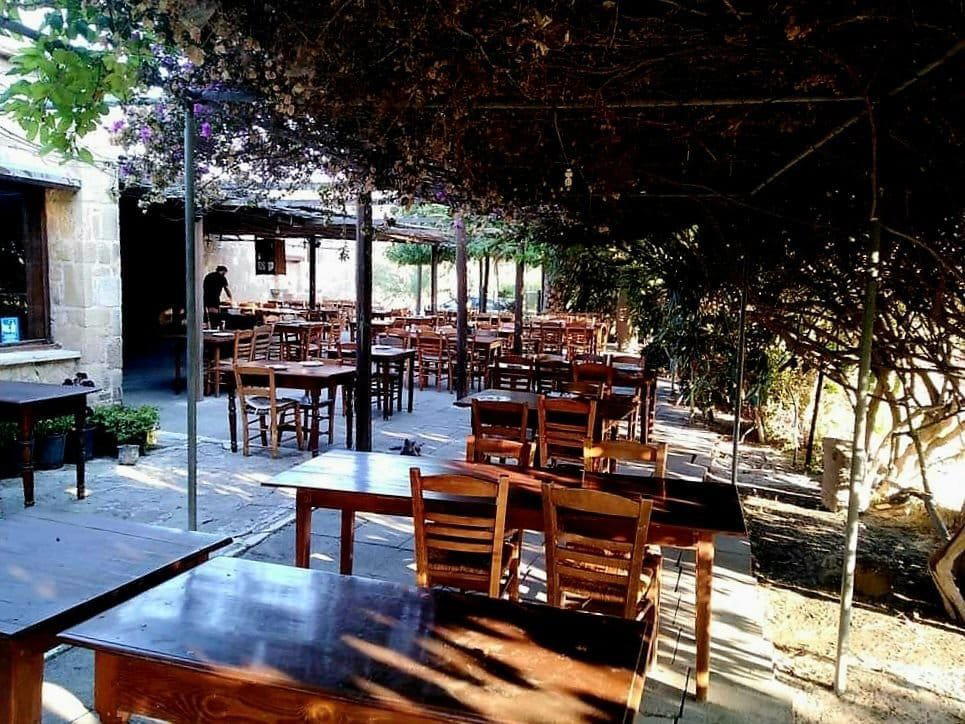
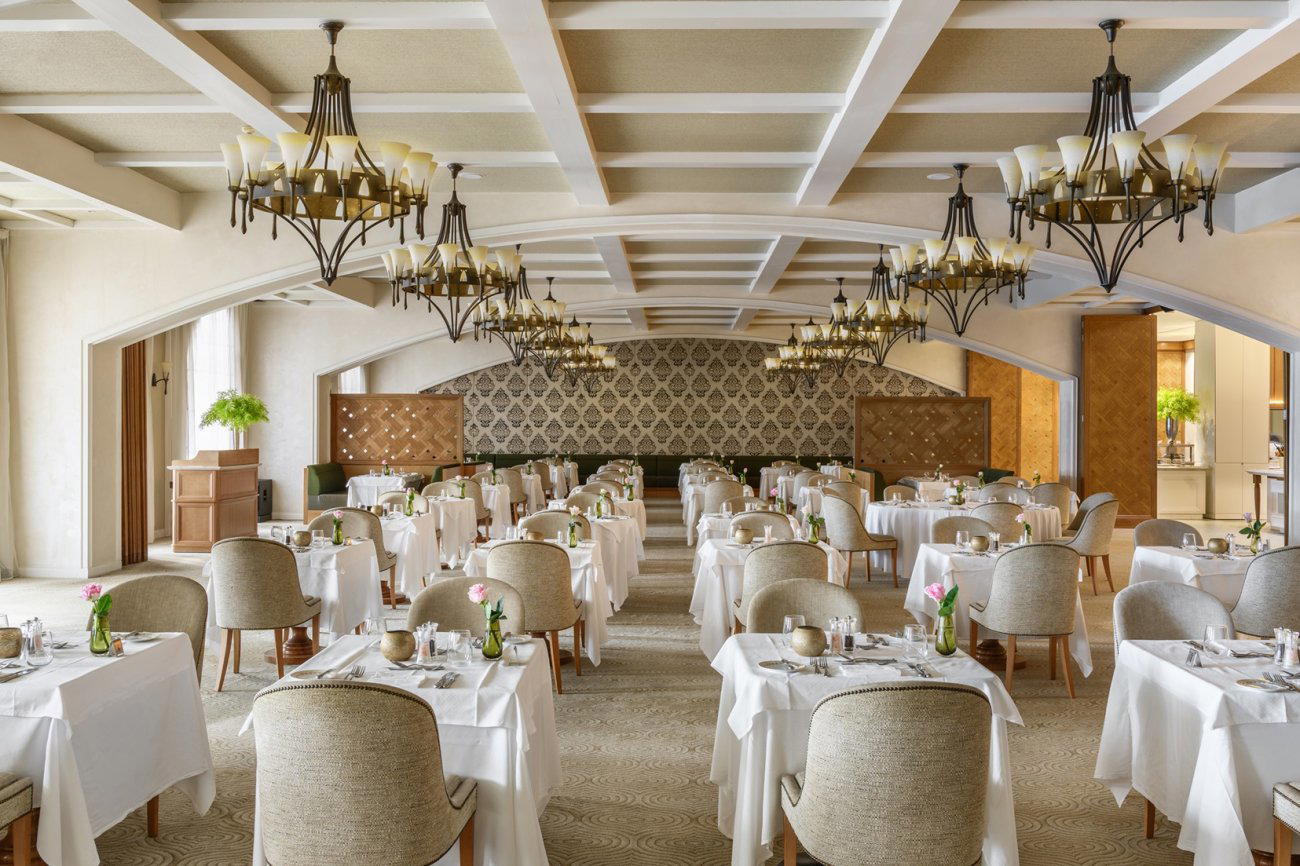
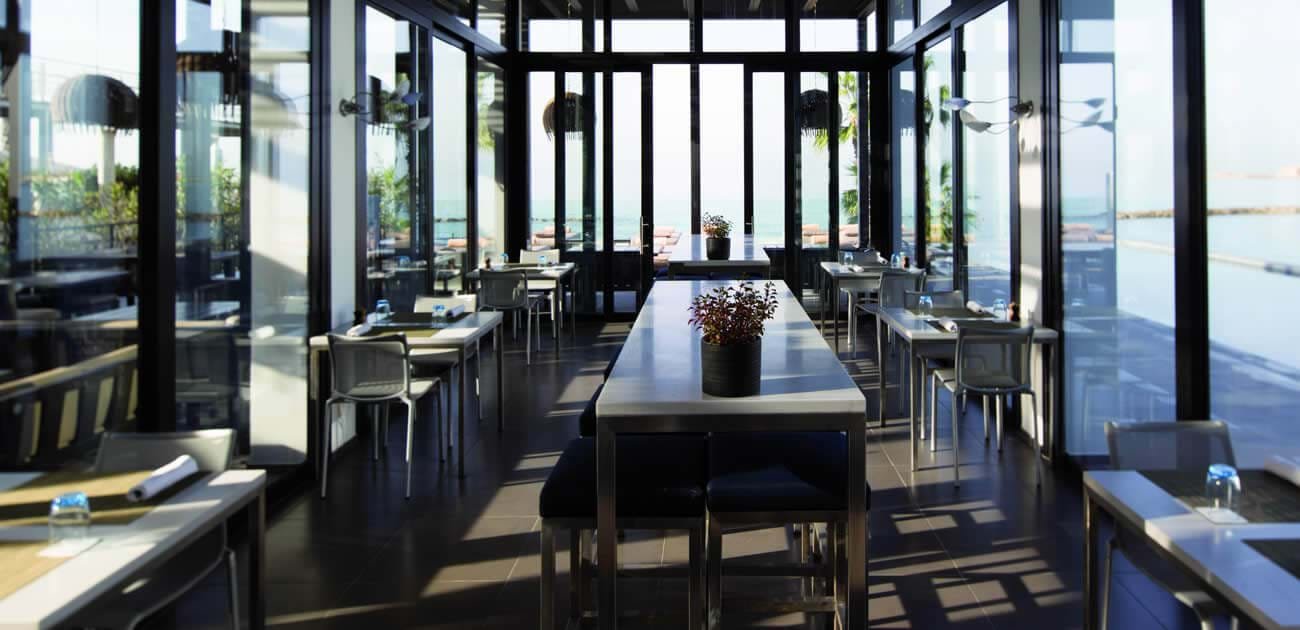
Taverna dining in Cyprus carries specific spatial codes. Covered outdoor terraces, ceramic surfaces, the sound of a room that is full but not loud. The emphasis is on duration rather than throughput. Meals here are not timed. The mezze format structurally resists rushing, since the kitchen controls the rhythm of service and the sheer number of small preparations means the table is never cleared and reset in the way a two-course sitting would be. For the traveller arriving from a dining culture where the bill arrives shortly after the last bite, the pacing requires a small adjustment in expectation and then becomes its own reward.

Paphos as a dining destination has historically split between resort-facing venues oriented toward international visitors and a smaller cluster of locally-rooted addresses that the residential and agricultural community actually uses. Yeroskipou sits in the latter geography. The distance from the Paphos tourist centre is short by car but substantial in atmosphere. For context on the broader Paphos food scene, our full Paphos restaurants guide maps the range from resort dining to village tavernas. The Paphos bars guide, Paphos wineries guide, and Paphos hotels guide cover the adjacent categories for those building a longer itinerary, along with the Paphos experiences guide for cultural programming.

Why the Sourcing Model Is the Review

The awards field for 7 St. Georges reads less like a conventional accolade and more like a sourcing statement: everything served is organically grown, cultivated, and processed by the owner and his family. In restaurant terms, that is a significant claim, and one that is straightforwardly verifiable by asking where anything on the table came from. The absence of a price range in published listings is consistent with the taverna model, where menus are often spoken rather than printed and prices reflect market availability rather than fixed positioning. The price-to-quality ratio is noted favourably by those who have eaten here, which in a family agricultural operation is a function of removing the intermediary cost layers that accumulate in conventional supply chains.

By comparison, the sourcing transparency at addresses like Lazy Bear in San Francisco or Atelier Crenn is communicated through formal tasting notes and supplier credits. At Alinea in Chicago, the kitchen's relationship with ingredients is mediated through technique. None of those approaches are wrong, but they are structurally different from a family that controls the full cycle from seed to plate. The informality of the taverna setting does not diminish that supply chain discipline; it just presents it without ceremony. For those interested in similar farm-rooted approaches within Cyprus, Acane in Limassol offers another point of reference for ingredient-driven eating on the island.

Planning a Visit

7 St. Georges Tavern is located at Anthipolochagou Georgiou Savva 37 in Yeroskipou, accessible by car from central Paphos in a short drive east along the coastal road. Phone and website details are not publicly listed, which is consistent with a family operation where walk-in and word-of-mouth remain the primary access routes. Given the small-scale, family-run nature of the kitchen, visiting on a weekday or arriving outside peak summer holiday weeks reduces the risk of a full house. The mezze format means the meal takes time, so arriving with the expectation of a long table rather than a quick lunch aligns with how the kitchen works. Those using Paphos as a base for exploring the western Troodos foothills or the Akamas peninsula will find Yeroskipou a natural stopping point on the return route.

Frequently Asked Questions

Is 7 St. Georges Tavern okay with children?
Given the relaxed taverna format and the accessible price point in Paphos terms, this is a practical option for families.
What kind of setting is 7 St. Georges Tavern?
It is a family-run village taverna in Yeroskipou, just outside Paphos, rooted in Cypriot agricultural tradition and recognised for its organically sourced produce and generous price-to-quality ratio.
What is the dish to order at 7 St. Georges Tavern?
Order the mezetho spread. The Cypriot mezze format is the kitchen’s core expression, and given that all produce is grown by the family, the vegetable dishes and pure plant preparations are where the sourcing model is most directly visible on the plate.
What is the leading way to book 7 St. Georges Tavern?
No website or phone listing is publicly available, which suggests walk-in is the primary method. Arriving early, particularly during summer months when Paphos sees higher visitor volume, is the practical approach.
What do critics highlight about 7 St. Georges Tavern?
The consistent thread in recognition is the full-cycle organic sourcing: produce grown, cultivated, and processed by owner Georges and his family, combined with a Cypriot mezze format that keeps vegetables central throughout the meal and a price-to-quality ratio that reflects the absence of commercial supply chain costs.

Fast Comparison

These are the closest comparables we have in our database for quick context.

Collector Access

Need a table?

Our members enjoy priority alerts and concierge-led booking support for the world's most difficult tables.

Get Exclusive Access
Members Only

The shortlist, unlocked.

Hard-to-book tables, cellar releases, and concierge-planned trips.

Get Exclusive Access →