Abacá



Michelin Plate · Esquire Best New Restaurants #30
Our verdict
Among San Francisco's mid-price Filipino restaurants, Abacá operates at a different register than the Filipino fast-casual spots that preceded it. Based inside the Kimpton Alton Hotel in Fisherman's Wharf, it earned a Michelin Plate in 2024 and an Opinionated About Dining ranking of #364 in North America for 2025, placing it firmly among the city's most recognised mid-range dining destinations. The menu moves between traditional Filipino techniques and Northern California produce with clarity and confidence.

Pearl is the En Primeur Club membership app, where members save venues, book tables and use the concierge.
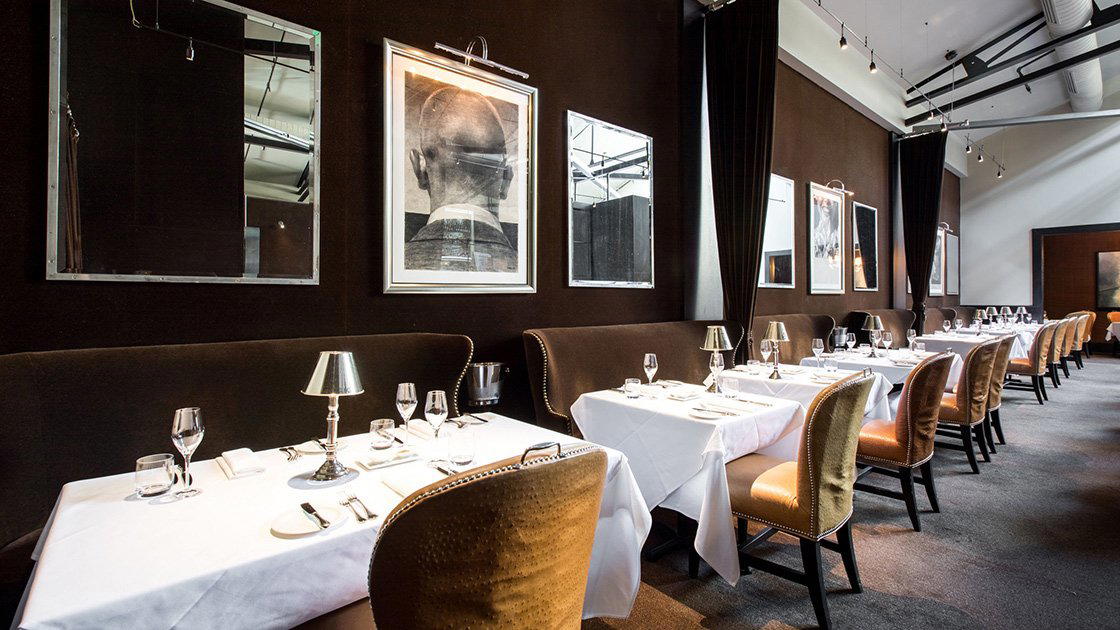
The menu
What to order
- Lumpia
- Sisig Fried Rice
- Kamayan feast
Filipino Dining in San Francisco: Where Abacá Fits
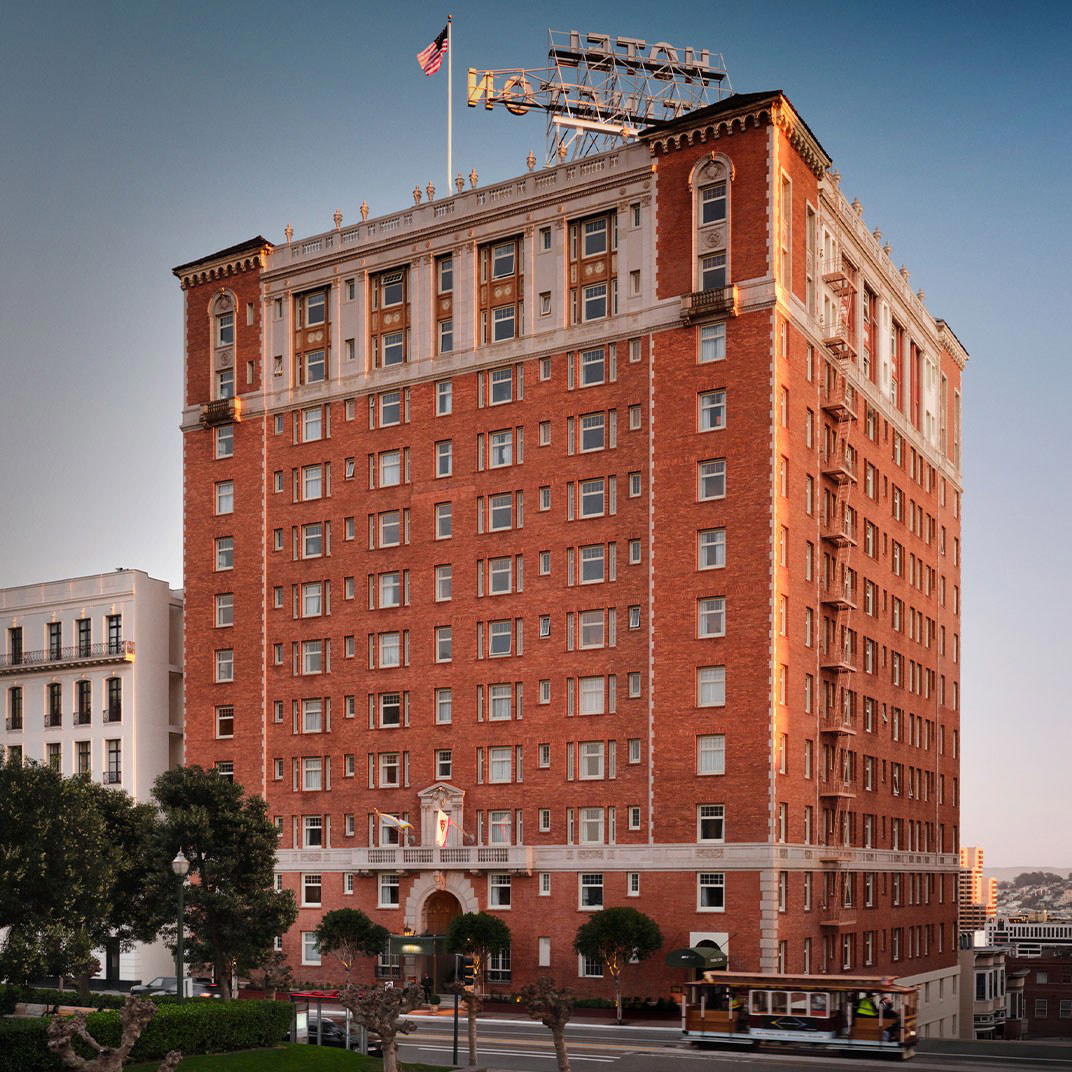
San Francisco has long had a significant Filipino-American population, yet for decades the city's dining scene reflected that community primarily through turo-turo canteens and family-style spots in SoMa and Daly City. The shift toward contemporary Filipino cooking at sit-down restaurants is a relatively recent phenomenon nationally, and Abacá arrived at the front of that wave. When it opened inside the Kimpton Alton Hotel at 2700 Jones Street in Fisherman's Wharf, it occupied territory that few San Francisco restaurants had mapped: Filipino technique applied with the same seriousness and NorCal-produce discipline that defines the city's better contemporary American kitchens. Esquire named it among its Leading New Restaurants in the United States at number 30 in 2021, and the recognition has continued to accumulate since. A Michelin Plate followed in 2024, and Opinionated About Dining ranked it 364th among casual restaurants across North America in 2025, up from 471st the year prior.
At the $$-tier, it is not competing with Atelier Crenn, Benu, or Quince, all of which occupy the $$$$-tier with three Michelin stars. Nor does it sit beside the tasting-menu ambition of Lazy Bear or Saison. What Abacá does instead is bring editorial-level Filipino cooking to a price range where that cooking has rarely appeared with this consistency of recognition.
The Ritual of the Meal at Abacá
Filipino dining has its own customs of abundance and pacing that differ from the European tasting-menu format that dominates San Francisco's high-end tier. The Filipino table is historically a communal one, where dishes arrive in a pattern that mixes proteins, vinegars, and rice across the duration of a meal rather than following a strict linear progression. Abacá works within that tradition while adapting it to a hotel restaurant format that serves both breakfast and dinner, with weekend brunch on Saturday and Sunday from 8 am to 1:30 pm.
Dinner runs Sunday through Tuesday and Thursday through Friday from 5 to 9 pm, with Wednesday dinner-only service from 5 to 9 pm. The morning sessions, Monday, Tuesday, Thursday, and Friday from 7 to 10 am, give the kitchen a second register to operate in, one where the in-house panaderia functions as its own draw. Filipino bread culture, shaped by Spanish colonial influence and local adaptation, produces a baking tradition distinct from European loaves, and the panaderia format allows that tradition to be expressed in a morning setting that functions independently of the dinner experience.
What this means in practice is that a visit to Abacá can take several forms depending on when you arrive. The Saturday and Sunday brunch slot has a different rhythm from a weeknight dinner, and the weekday morning window at the panaderia is a different proposition again. Each format asks something different from the diner, and the kitchen's ability to operate credibly across all three is part of what has kept the recognition consistent across several award cycles.
Pork, Vinegar, and NorCal Produce: The Structural Logic
Filipino cuisine's foundational flavor relationships, the interplay of vinegar, fermented shrimp paste, pork fat, and sugar cane, are not incidental to the menu at Abacá but structural to it. Pork features heavily across the menu, as with longganisa skewers served with cane vinegar and puffed rice, a dish that draws on the Filipino tradition of cured and spiced sausage while using the garnish to create textural contrast. That balance between traditional flavor architecture and contemporary technique is what the OAD recognition and Michelin Plate are effectively endorsing.
NorCal produce enters the equation as a sourcing discipline rather than a gimmick. Northern California's agricultural range, from the Sonoma Coast to the Central Valley, gives a kitchen committed to Filipino-American cooking access to ingredients that can absorb traditional techniques and emerge with a distinctly Californian character. The approach is not dissimilar in principle to what Single Thread Farm in Healdsburg or The French Laundry in Napa do with Japanese and French frameworks respectively, even though Abacá operates at a fraction of the price point and without tasting-menu scaffolding.
The dessert program is worth addressing separately because it represents a departure from the savory-primary model that most Filipino restaurants follow. Chef Francis Ang's pastry background informs a dessert section that has received specific attention in the restaurant's editorial coverage, with the baked goods available at the panaderia in the morning drawing on the same technical discipline as the evening dessert menu. This dual expression of the pastry program across both service formats is relatively unusual in the mid-price tier of any American city.
Context Beyond San Francisco
The broader rise of contemporary Asian-American cooking at the mid-to-upper-casual tier has parallels in other cities. Atomix in New York City sits at the opposite price extreme with Korean tasting-menu cuisine, while Providence in Los Angeles demonstrates how a coastal American city can sustain serious cuisine from a non-European tradition at the higher tiers. Internationally, 8½ Otto e Mezzo Bombana in Hong Kong and Alinea in Chicago each represent the upper bracket of their respective national scenes, as do Le Bernardin in New York City and Emeril's in New Orleans within American dining history. What distinguishes Abacá's position within this broader context is that it has built its recognitions at a mid-price tier in a category that has rarely been subject to serious national critical attention.
For the San Francisco visitor or resident working through the city's dining options beyond the Michelin three-star tier, Abacá represents a specific kind of value proposition: sustained critical recognition in a cuisine category that remains underrepresented at this level of execution. The Fisherman's Wharf location, often dismissed as tourist territory relative to the Mission or Hayes Valley, functions here as a neutral container rather than a culinary handicap. The Kimpton Alton Hotel provides a polished setting without imposing hotel-restaurant formality on the experience.
Planning a Visit
Abacá sits at 2700 Jones Street within the Kimpton Alton Hotel in Fisherman's Wharf. The restaurant carries a $$-tier price designation, placing it well below the $$$$-tier tasting-menu restaurants that define San Francisco's most-decorated dining tier. The kitchen operates across breakfast, brunch, and dinner formats on a schedule that varies by day of week, so confirming the relevant service time before arrival is practical due diligence. Weekend brunch runs Saturday and Sunday from 8 am to 1:30 pm, with dinner service across most of the week from 5 to 9 pm. The panaderia operates during the morning windows and functions as an entry point that requires less planning than a dinner reservation. For broader context on where Abacá fits within the city's full dining picture, see our full San Francisco restaurants guide, and for hotels, bars, wineries, and experiences in the city, the San Francisco hotels guide, bars guide, wineries guide, and experiences guide cover the remaining categories.
Frequently asked questions
Where is Abacá in San Francisco?
Abacá is located at 2700 Jones St, San Francisco, CA 94133, San Francisco.
Has Abacá won any awards?
Abacá has received recognition including: Opinionated About Dining Casual in North America Ranked #364 (2025); Chef Francis Ang, together with wife and co-owner Dian, sowed the seeds for this ode to Filipino cooking when they founded acclaimed pop-up, Pinoy Heritage. Born of a desi….
What dish is Abacá famous for?
Abacá has drawn consistent editorial attention for its longganisa skewers, a preparation rooted in the Filipino tradition of cured, spiced pork that chef Francis Ang serves with cane vinegar and puffed rice. The dish reflects a core structural logic of the menu: traditional Filipino flavor relationships used as a foundation for precise, creative execution. Esquire named Abacá among its Best New Restaurants in 2021, and the longganisa skewers featured prominently in that recognition.
Is Abacá more mid-range or high-end?
Pricing at Abacá is listed as $$.
What are the operating hours at Abacá?
Hours at Abacá: Hours: Monday 7–10 am, 5–9 pm Tuesday 7–10 am, 5–9 pm Wednesday 5–9 pm Thursday 7–10 am, 5–9 pm Friday 7–10 am, 5–9 pm Saturday 8 am–1:30 pm, 5–9 pm Sunday 8 am–1:30 pm, 5–9 pm.
A compact comparison to help you place this venue among nearby peers.
| Venue | Cuisine | Price | Awards | Notes |
|---|---|---|---|---|
| AbacáThis venue (the venue you are viewing) | Modern Filipino-Californian | $50–100 | Michelin Plate · Esquire Best New Restaurants #30 | Not listed |
| Lazy Bear | Modern American Tasting Menu | Not listed | 2 Michelin Stars · World's 50 Best #25 | Progressive American, Contemporary |
| Benu | Modern Asian Fusion Fine Dining | $150–200 | 3 Michelin Stars · World's 50 Best #33 | French - Chinese, Asian |
| Atelier Crenn | Contemporary French Fine Dining | $300–500 | 3 Michelin Stars · World's 50 Best #44 | Modern French, Contemporary |
| Quince | Modern French Fine Dining | $300–500 | 3 Michelin Stars · World's 50 Best #48 | Italian, Contemporary |
| Saison | Modern French-Italian | Not listed | Michelin Plate | Progressive American, Californian |
Recognition history
Dated appearances from independent guides and award organizations, with the underlying list record or original source where available.
Michelin Plate
Michelin · 2026 Michelin Plate
Opinionated About Dining Casual in North America Recommended
Opinionated About Dining
Esquire Best New Restaurants #30
Esquire
Full recognition history (8 entries)
Michelin Plate
Michelin
Opinionated About Dining Casual in North America Ranked #364
Opinionated About Dining
Michelin Plate
Michelin
Opinionated About Dining Casual in North America Ranked #471
Opinionated About Dining
Opinionated About Dining Casual in North America Recommended
Opinionated About Dining
Continue exploring
More in San Francisco
Restaurants in San Francisco
All restaurants in San Francisco →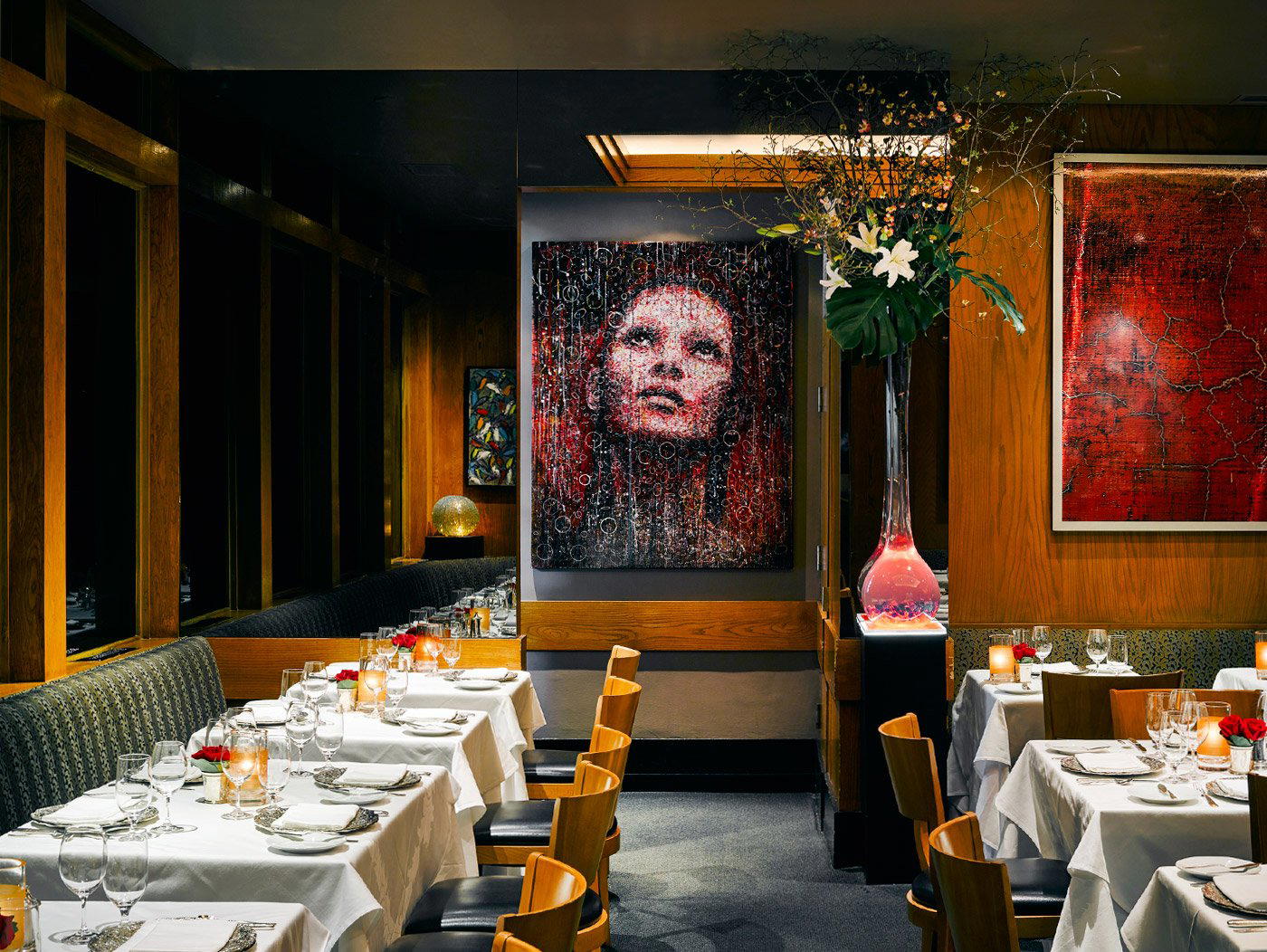
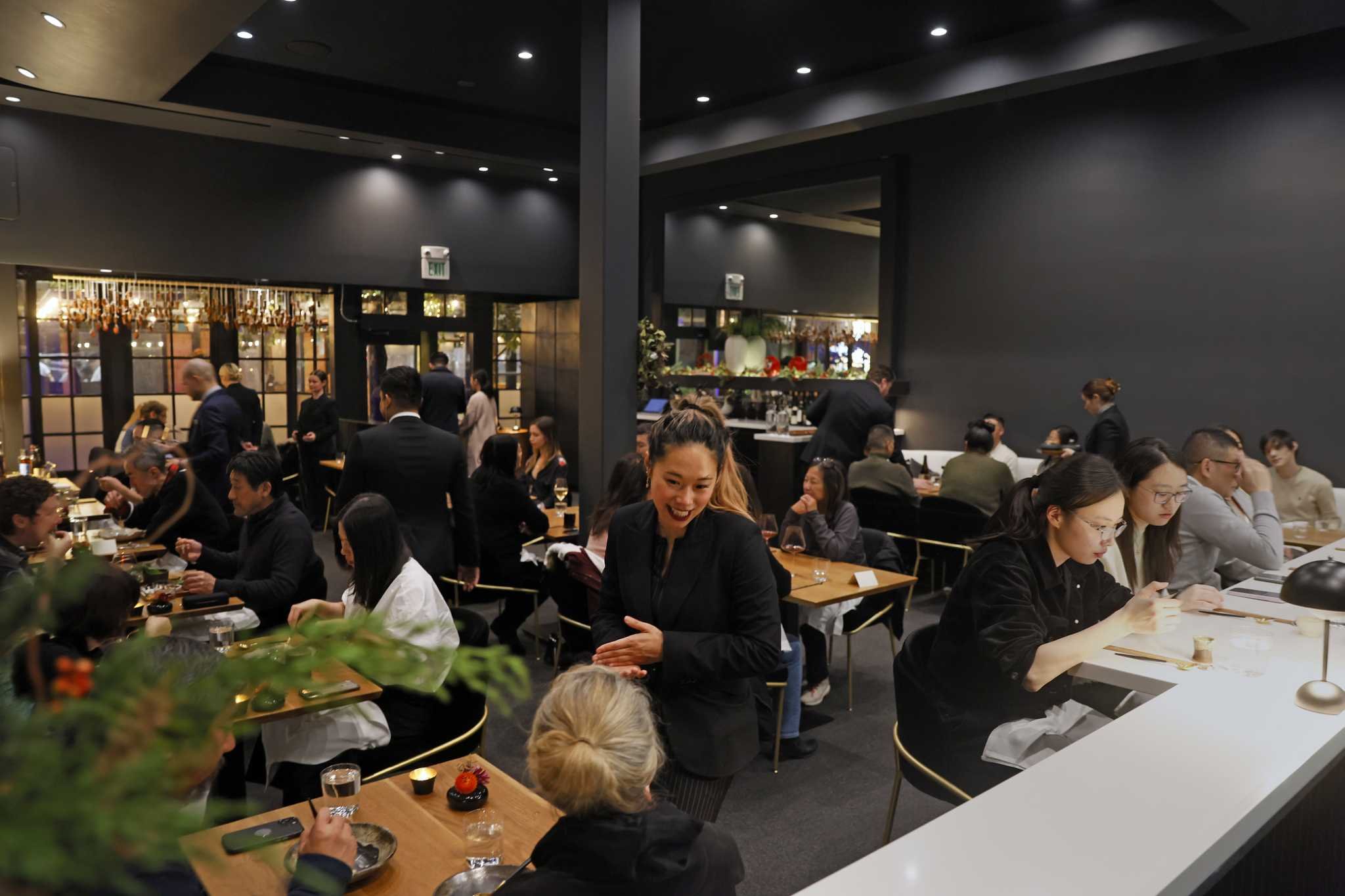
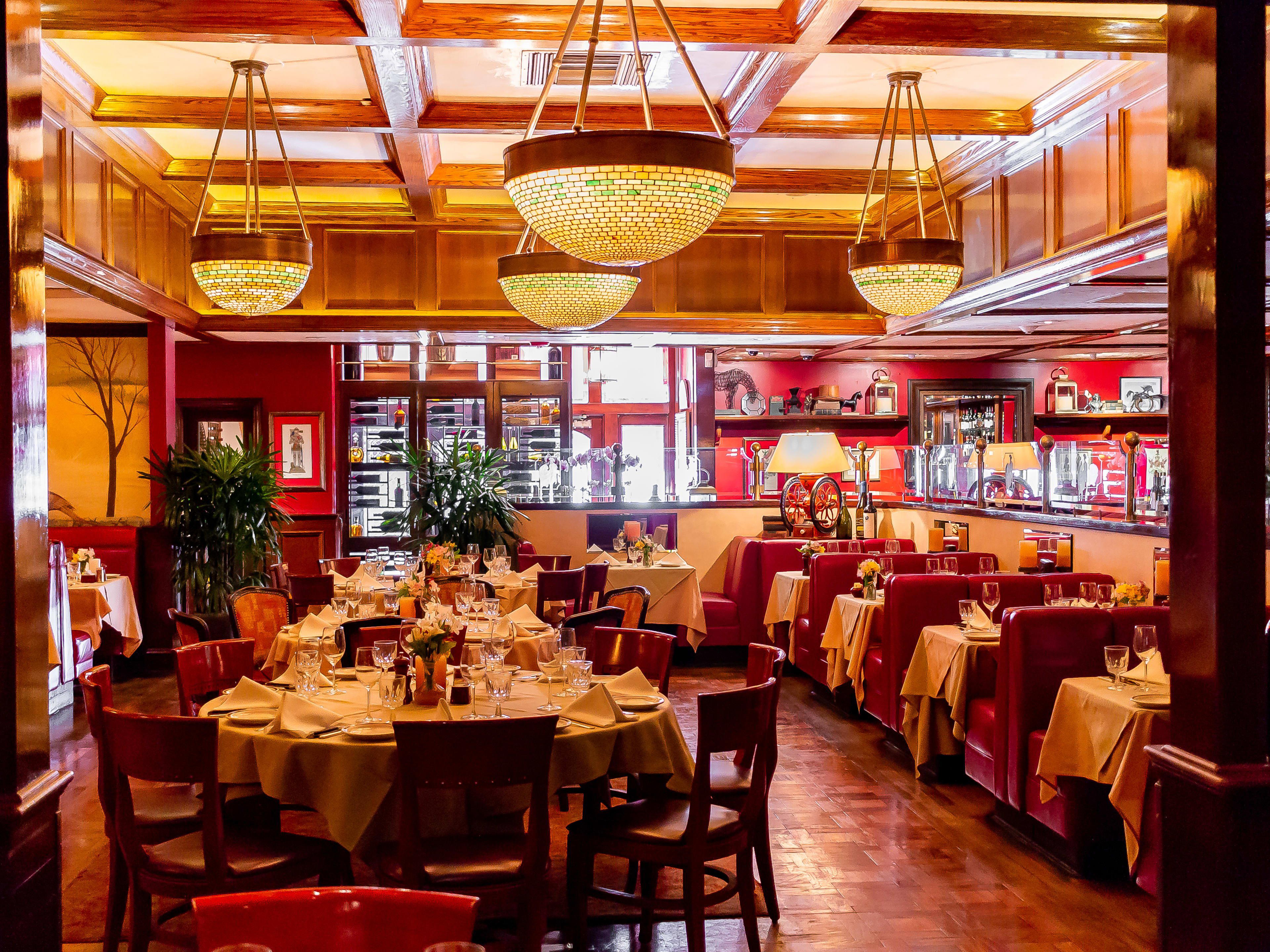
Bars in San Francisco
All bars in San Francisco →



Details
- Modern
- Elegant
- Lively
- Trendy
- Date Night
- Special Occasion
- Celebration
- Brunch
- Open Kitchen
- Terrace
- Hotel Restaurant
- Craft Cocktails
- Local Sourcing
- Street Scene
- A La Carte
- Small Plates
- Tasting Menu
- Craft Cocktails
- Vegetarian Friendly
Current opening hours
- Monday
- 7–10 AM, 5–9 PM
- Tuesday
- 7–10 AM, 5–9 PM
- Wednesday
- 5–9 PM
- Thursday
- 7–10 AM, 5–9 PM
- Friday
- 7–10 AM, 5–9 PM
- Saturday
- 8 AM–1:30 PM, 5–9 PM
- Sunday
- 8 AM–1:30 PM, 5–9 PM
Hours can change for holidays and private events. Hours as of .
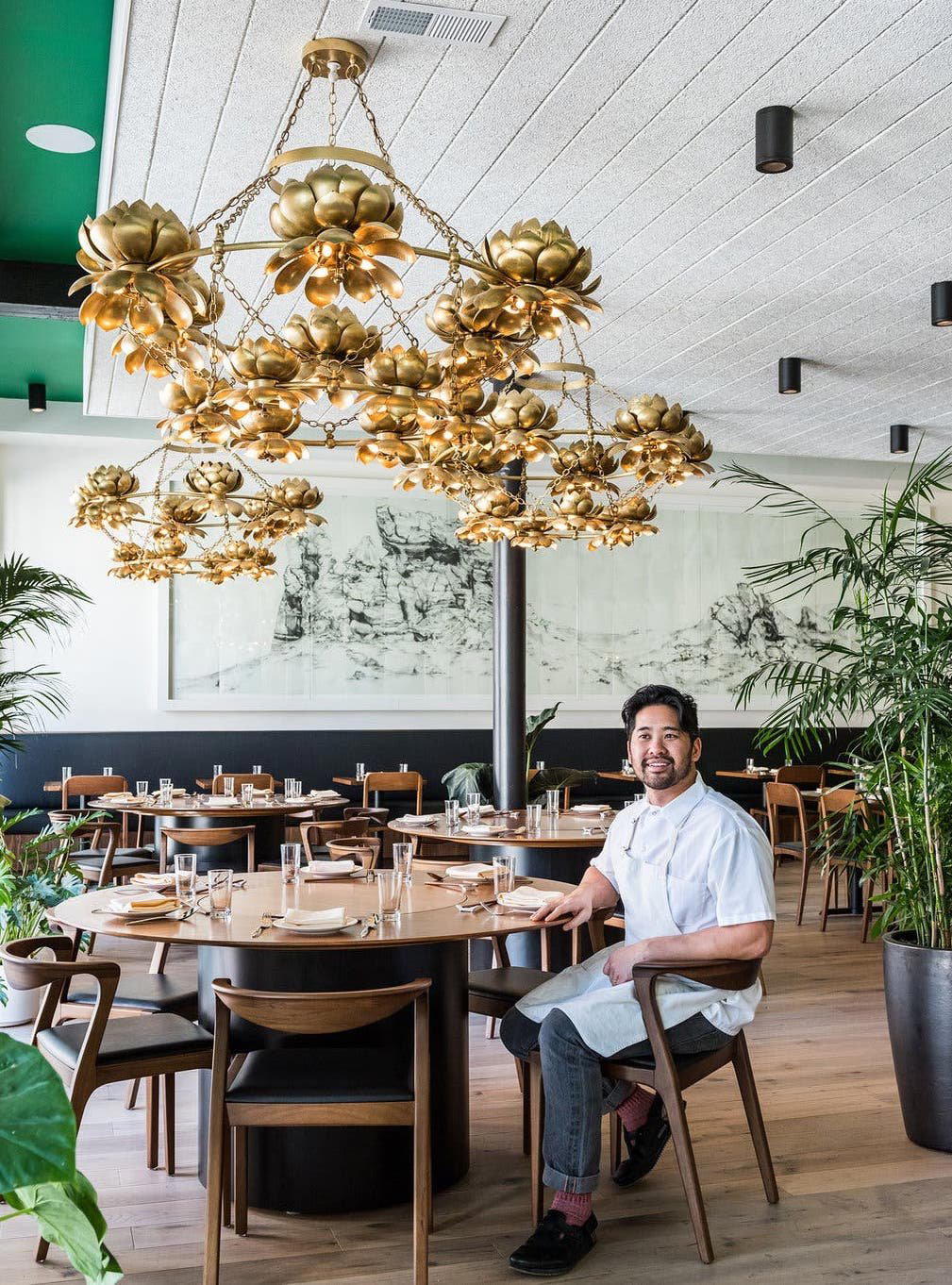
Airy atelier-style space with natural lighting, lush decor giving upscale tropical vibes, and a cool outdoor terrace.