A la Maison
Our verdict
Saint-Tropez Away From the Water The dining scene in Saint-Tropez splits along a fairly legible axis. On one side you have the port-facing terraces and the hotel dining rooms commanding top-end prices: La Vague d'Or at Cheval Blanc holds three Michelin stars and occupies a tier shared by very few addresses on the Côte d'Azur, while La Terrasse at the same property operates at a similarly formal register. On the other side are the places you find by walking the old town's narrower streets rather than following the marina crowds. A la Maison, at 52 Rue Gambetta, sits on that quieter side of the equation. Rue Gambetta runs through the residential fabric of central Saint-Tropez, away from the quay and the yacht-watching terraces. The pace of that street is different: fewer groups moving in formation, more locals carrying shopping, the occasional cat stationed on a doorstep. It is the kind of address that filters guests by intention rather than visibility, and that filtering tends to shape what gets served and how. The Provençal Sourcing Tradition Restaurants in the Var département have long had access to an ingredient network that kitchens in Paris or Lyon might organize entire menus around. The local market system runs year-round, with the Place des Lices market in Saint-Tropez drawing producers from across the surrounding hills every Tuesday and Saturday. Tomatoes, courgettes, and aubergines from the arrière-pays — the inland back-country behind the coast — are harvested at a ripeness rarely achievable in northern supply chains, and the fishing boats working out of Cogolin and Grimaud land catches at a proximity that larger resort kitchens across the region have historically used to anchor their menus. This sourcing geography matters because it defines what Provençal cooking at its most direct looks like: preparations that add relatively little to ingredients that have already done most of the work. The cuisines of the Côte d'Azur's interior operate differently from French cooking farther north. Compare this to the approach at places like Arpège in Paris, where a kitchen actively transforms even exceptional vegetables through elaborate technique, or Bras in Laguiole, where Aubrac terroir is filtered through a defined, idiosyncratic cooking language. In the Var, the tradition leans more toward restraint in processing: the ingredient takes precedence over the method. Restaurants like Mirazur in Menton have found international recognition partly by holding to that principle while adding contemporary structure. A la Maison's positioning on a residential street in Saint-Tropez places it in the same broader context: a neighbourhood address drawing on the same regional supply that has made this corner of Provence one of France's more ingredient-fortunate dining environments. The contrast with the high-production hotel restaurants is as much about format as it is about quality. Colette and Arev St Tropez both operate at the contemporary modern-cuisine register within the village; A la Maison reads differently, as a more embedded, neighbourhood-scaled room. What the Address Signals In a town where summer prices at the port reach the outer limits of what French coastal dining charges, a side-street location on Rue Gambetta carries implicit pricing information. The address does not promise the same formal service scaffolding as Arnaud Donckele's Louis Vuitton address or the theatrical tasting formats found at three-star houses such as Flocons de Sel in Megève or Troisgros in Ouches. What it does suggest is a mode of eating more in keeping with how the Var's longer-standing restaurants have historically operated: a room with character rather than spectacle, and cooking that assumes the quality of the raw material rather than performing around it. Across Provence, the restaurants that have built durable reputations often sit in exactly this kind of setting. Auberge du Vieux Puits in Fontjoncouse holds three Michelin stars from a village of fewer than 200 residents. La Table du Castellet operates from a hilltop village most visitors would pass without stopping. The pattern suggests that in southern France, the dining address that requires effort to find tends to signal intent on the kitchen's part, even when the format stays informal. Visiting Saint-Tropez: Timing and Context Saint-Tropez in July and August is a different proposition than in May, June, September, or October. Summer concentrates the crowds, raises prices across every category, and makes booking decisions more consequential. A side-street restaurant like A la Maison is likely to be quieter during peak weeks than the marina-adjacent tables, but that relative quiet comes at a cost in availability too: the pool of restaurants willing to absorb walk-ins contracts sharply in high season. The shoulder months are generally the more rewarding time to explore the old town's residential addresses, when the rhythm of the village returns to something closer to normal and the Place des Lices market operates without the summer augmentation that brings in more vendors but also more foot traffic. Getting to Saint-Tropez itself requires some planning. There is no direct rail connection; the nearest TGV station at Les Arcs-Draguignan is roughly an hour away by road, and driving the peninsula in season means contending with the single-road approach that concentrates traffic at predictable times. Arriving by boat from Sainte-Maxime or Saint-Raphaël is faster in summer and deposits visitors directly at the port, a few minutes on foot from Rue Gambetta. For a broader map of what the village offers across formats and price points, our full Saint-Tropez restaurants guide covers the range from hotel fine dining to neighbourhood tables. Those comparing across the wider French restaurant circuit might also find value in the contrast with longer-established regional houses: Auberge de l'Ill in Illhaeusern, Georges Blanc in Vonnas, and Paul Bocuse's Auberge du Pont de Collonges all represent a more institutionalized approach to French regional cooking, built around decades of accumulated identity. A la Maison operates at a different scale and with a different set of reference points, closer to the neighbourhood trattoria model than to the grand maison tradition. For those curious how that neighbourhood-restaurant format translates across the Atlantic, Lazy Bear in San Francisco and Le Bernardin in New York show how American dining rooms have absorbed and reinterpreted the French bistro and brasserie inheritance in their own ways. Frequently Asked Questions Would A la Maison be comfortable with kids?Saint-Tropez restaurants at the port end of the price range tend to run formal enough that small children require some management.How would you describe the vibe at A la Maison?The address on Rue Gambetta places it within Saint-Tropez's residential old town rather than its show-facing marina circuit, suggesting something closer to a neighbourhood dining room than a destination table. That positions it differently from the awards-circuit rooms at Cheval Blanc and the contemporary modern-cuisine addresses in the village centre.What dish is A la Maison famous for? What can be said is that a restaurant embedded in Saint-Tropez's old town has access to the same Var market supply used by the region's most decorated kitchens, including the produce markets at Place des Lices and local Mediterranean fish landings. Any kitchen working in this context has a strong raw material foundation to draw from, regardless of format or cuisine orientation.Is A la Maison open year-round, or is it a seasonal operation?Many Saint-Tropez restaurants operate on a seasonal model, closing through winter and reopening in spring, which is a common pattern across the Côte d'Azur's village dining scene. No confirmed opening calendar is available for A la Maison, so visitors planning outside the core May-to-October window should verify directly. The shoulder season months of May, June, and September generally offer the most favourable conditions in Saint-Tropez for neighbourhood-restaurant dining.

Pearl is the En Primeur Club membership app — saves, bookings, and concierge access live there. Same editors, same standards.
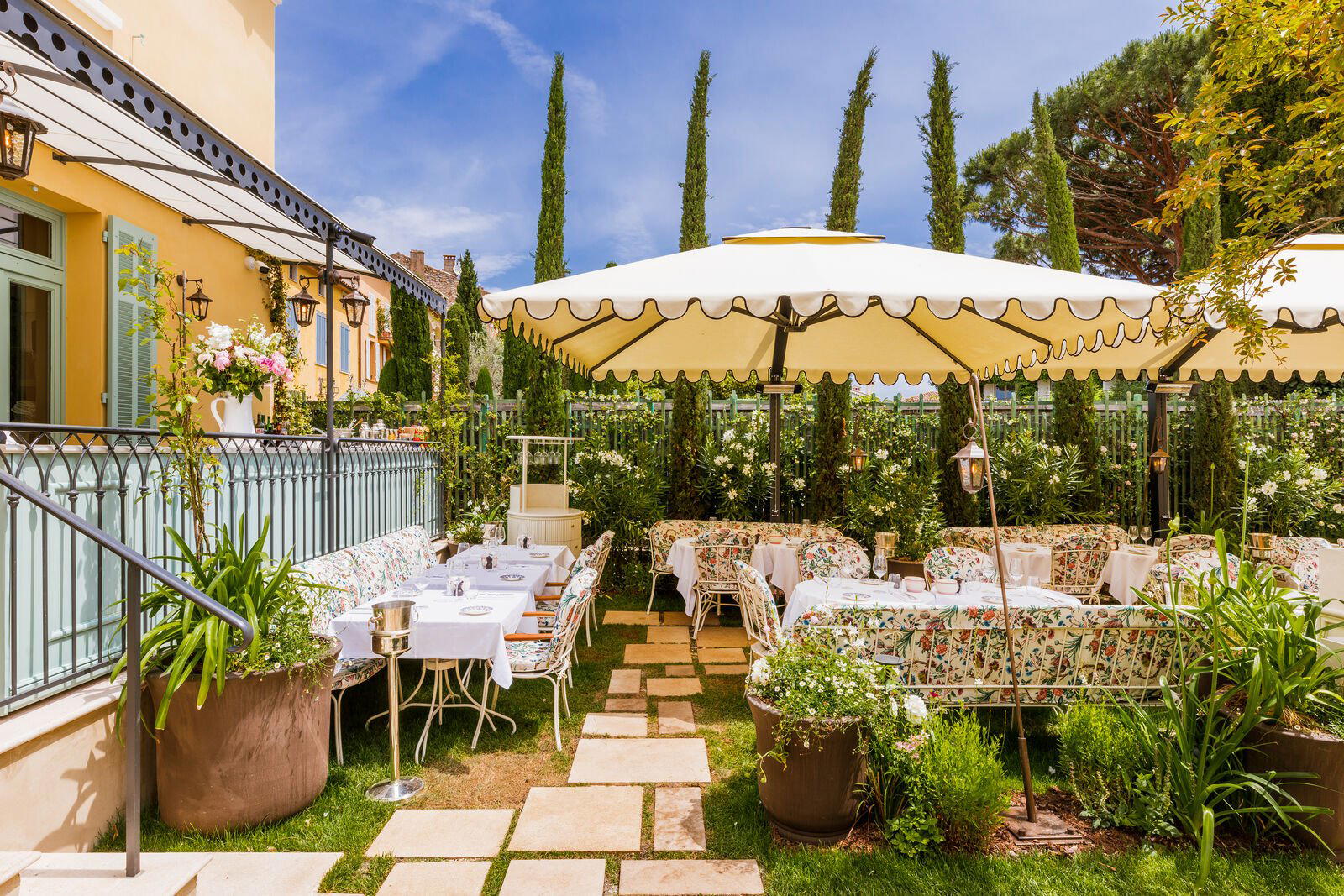
Saint-Tropez Away From the Water
The dining scene in Saint-Tropez splits along a fairly legible axis. On one side you have the port-facing terraces and the hotel dining rooms commanding top-end prices: La Vague d'Or at Cheval Blanc holds three Michelin stars and occupies a tier shared by very few addresses on the Côte d'Azur, while La Terrasse at the same property operates at a similarly formal register. On the other side are the places you find by walking the old town's narrower streets rather than following the marina crowds. A la Maison, at 52 Rue Gambetta, sits on that quieter side of the equation.
Rue Gambetta runs through the residential fabric of central Saint-Tropez, away from the quay and the yacht-watching terraces. The pace of that street is different: fewer groups moving in formation, more locals carrying shopping, the occasional cat stationed on a doorstep. It is the kind of address that filters guests by intention rather than visibility, and that filtering tends to shape what gets served and how.
The Provençal Sourcing Tradition
Restaurants in the Var département have long had access to an ingredient network that kitchens in Paris or Lyon might organize entire menus around. The local market system runs year-round, with the Place des Lices market in Saint-Tropez drawing producers from across the surrounding hills every Tuesday and Saturday. Tomatoes, courgettes, and aubergines from the arrière-pays — the inland back-country behind the coast — are harvested at a ripeness rarely achievable in northern supply chains, and the fishing boats working out of Cogolin and Grimaud land catches at a proximity that larger resort kitchens across the region have historically used to anchor their menus.
This sourcing geography matters because it defines what Provençal cooking at its most direct looks like: preparations that add relatively little to ingredients that have already done most of the work. The cuisines of the Côte d'Azur's interior operate differently from French cooking farther north. Compare this to the approach at places like Arpège in Paris, where a kitchen actively transforms even exceptional vegetables through elaborate technique, or Bras in Laguiole, where Aubrac terroir is filtered through a defined, idiosyncratic cooking language. In the Var, the tradition leans more toward restraint in processing: the ingredient takes precedence over the method. Restaurants like Mirazur in Menton have found international recognition partly by holding to that principle while adding contemporary structure.
A la Maison's positioning on a residential street in Saint-Tropez places it in the same broader context: a neighbourhood address drawing on the same regional supply that has made this corner of Provence one of France's more ingredient-fortunate dining environments. The contrast with the high-production hotel restaurants is as much about format as it is about quality. Colette and Arev St Tropez both operate at the contemporary modern-cuisine register within the village; A la Maison reads differently, as a more embedded, neighbourhood-scaled room.
What the Address Signals
In a town where summer prices at the port reach the outer limits of what French coastal dining charges, a side-street location on Rue Gambetta carries implicit pricing information. The address does not promise the same formal service scaffolding as Arnaud Donckele's Louis Vuitton address or the theatrical tasting formats found at three-star houses such as Flocons de Sel in Megève or Troisgros in Ouches. What it does suggest is a mode of eating more in keeping with how the Var's longer-standing restaurants have historically operated: a room with character rather than spectacle, and cooking that assumes the quality of the raw material rather than performing around it.
Across Provence, the restaurants that have built durable reputations often sit in exactly this kind of setting. Auberge du Vieux Puits in Fontjoncouse holds three Michelin stars from a village of fewer than 200 residents. La Table du Castellet operates from a hilltop village most visitors would pass without stopping. The pattern suggests that in southern France, the dining address that requires effort to find tends to signal intent on the kitchen's part, even when the format stays informal.
Visiting Saint-Tropez: Timing and Context
Saint-Tropez in July and August is a different proposition than in May, June, September, or October. Summer concentrates the crowds, raises prices across every category, and makes booking decisions more consequential. A side-street restaurant like A la Maison is likely to be quieter during peak weeks than the marina-adjacent tables, but that relative quiet comes at a cost in availability too: the pool of restaurants willing to absorb walk-ins contracts sharply in high season. The shoulder months are generally the more rewarding time to explore the old town's residential addresses, when the rhythm of the village returns to something closer to normal and the Place des Lices market operates without the summer augmentation that brings in more vendors but also more foot traffic.
Getting to Saint-Tropez itself requires some planning. There is no direct rail connection; the nearest TGV station at Les Arcs-Draguignan is roughly an hour away by road, and driving the peninsula in season means contending with the single-road approach that concentrates traffic at predictable times. Arriving by boat from Sainte-Maxime or Saint-Raphaël is faster in summer and deposits visitors directly at the port, a few minutes on foot from Rue Gambetta. For a broader map of what the village offers across formats and price points, our full Saint-Tropez restaurants guide covers the range from hotel fine dining to neighbourhood tables.
Those comparing across the wider French restaurant circuit might also find value in the contrast with longer-established regional houses: Auberge de l'Ill in Illhaeusern, Georges Blanc in Vonnas, and Paul Bocuse's Auberge du Pont de Collonges all represent a more institutionalized approach to French regional cooking, built around decades of accumulated identity. A la Maison operates at a different scale and with a different set of reference points, closer to the neighbourhood trattoria model than to the grand maison tradition. For those curious how that neighbourhood-restaurant format translates across the Atlantic, Lazy Bear in San Francisco and Le Bernardin in New York show how American dining rooms have absorbed and reinterpreted the French bistro and brasserie inheritance in their own ways.
Frequently asked questions
Would A la Maison be comfortable with kids?
How would you describe the vibe at A la Maison?
What dish is A la Maison famous for?
Is A la Maison open year-round, or is it a seasonal operation?
Continue exploring
More in Saint-Tropez
Restaurants in Saint-Tropez
All restaurants in Saint-Tropez →
Bars in Saint-Tropez
All bars in Saint-Tropez →
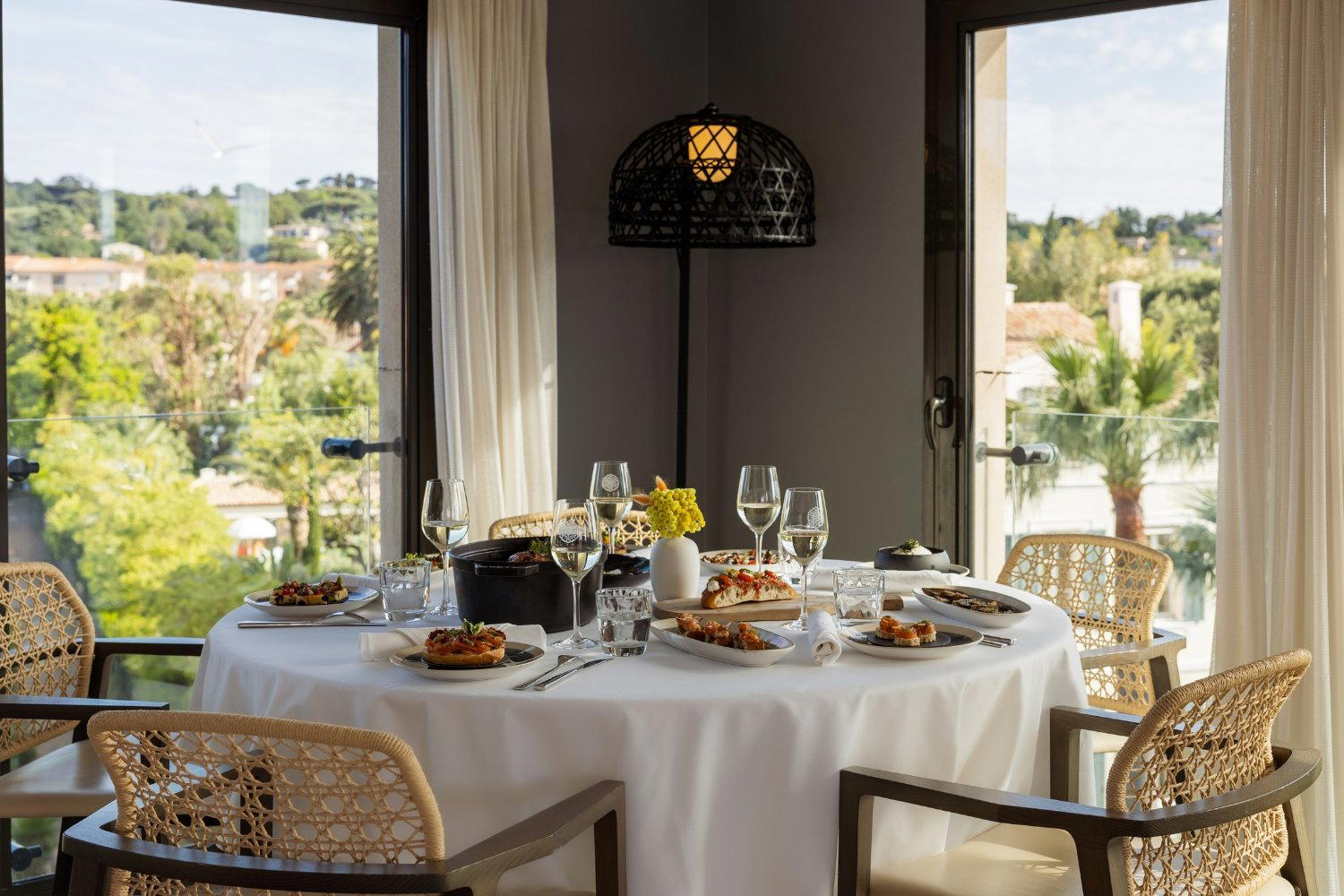
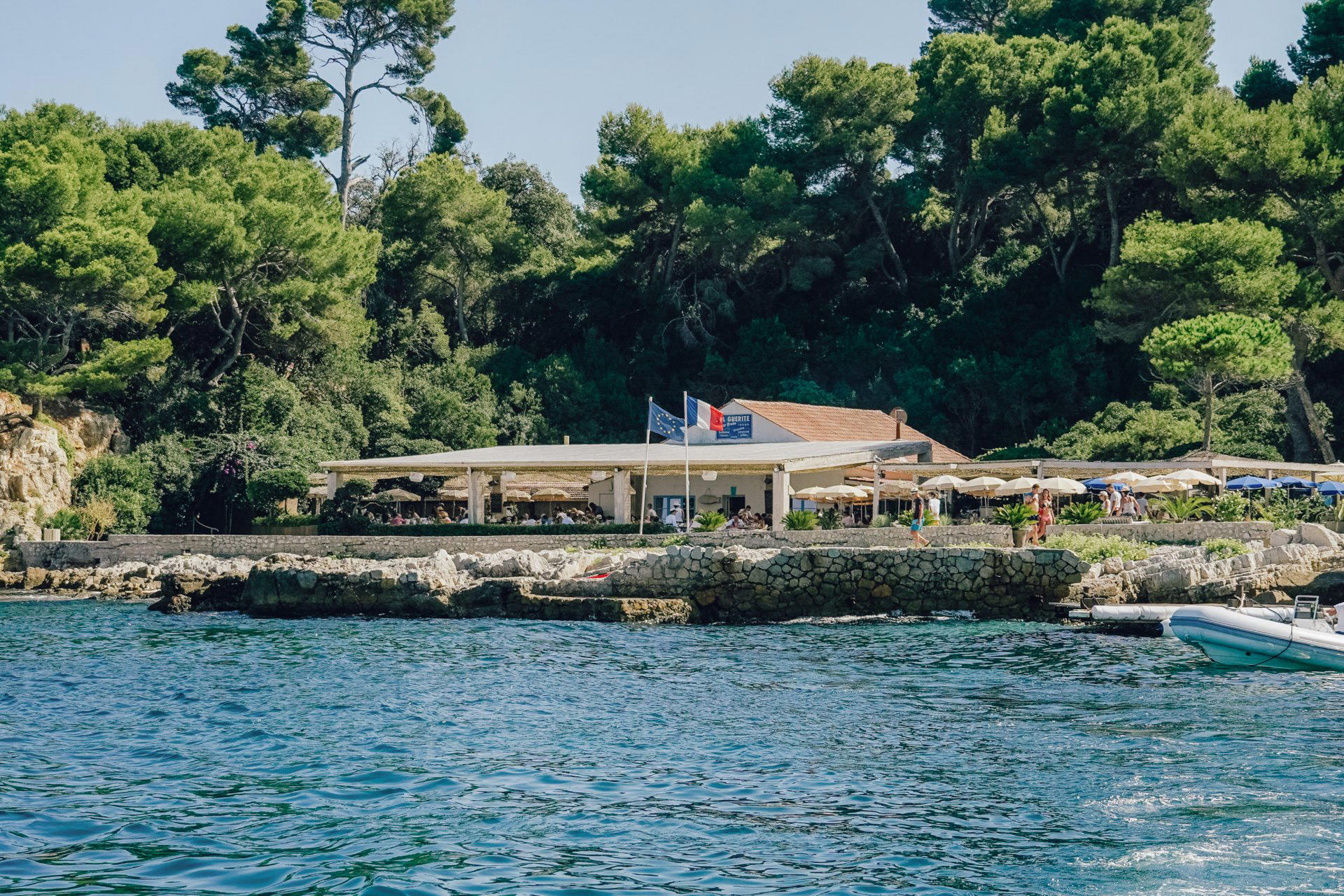
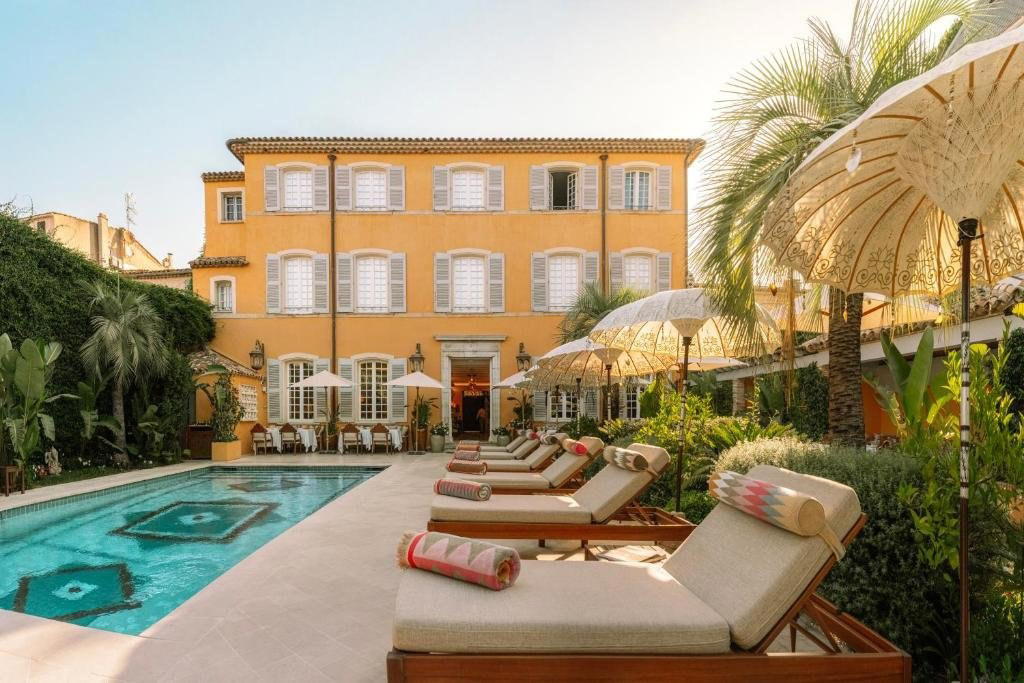
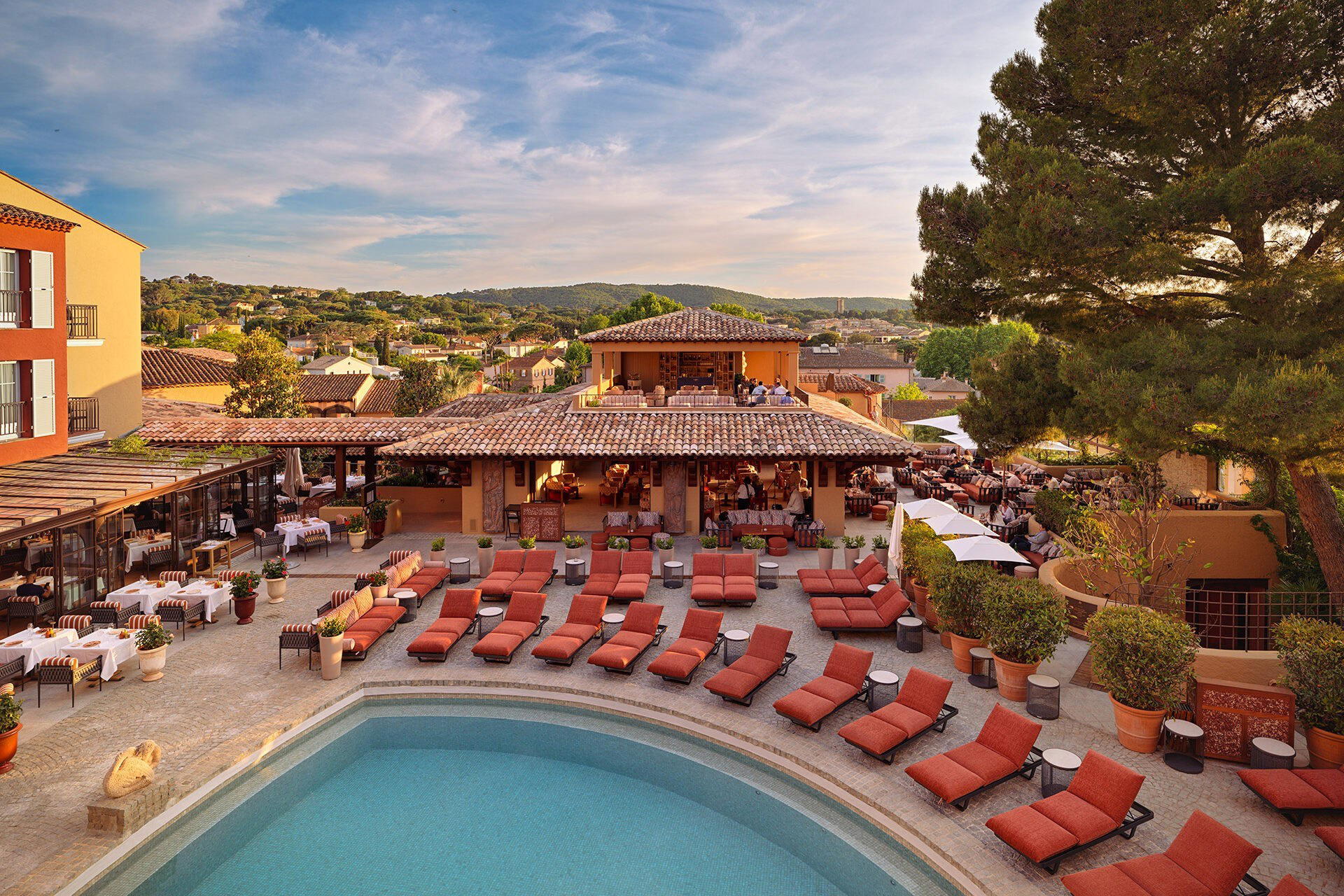

Details
- Romantic
- Elegant
- Intimate
- Ornate
- Historic
- Cozy
- Brunch
- Special Occasion
- Garden
- Hotel Restaurant
- Historic Building
- Courtyard
- Local Sourcing
- Garden
- A La Carte
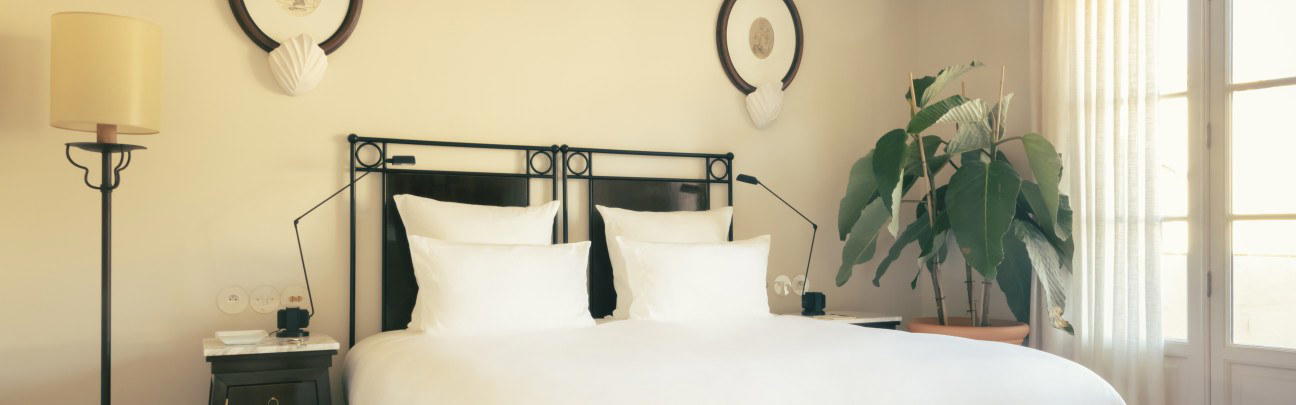
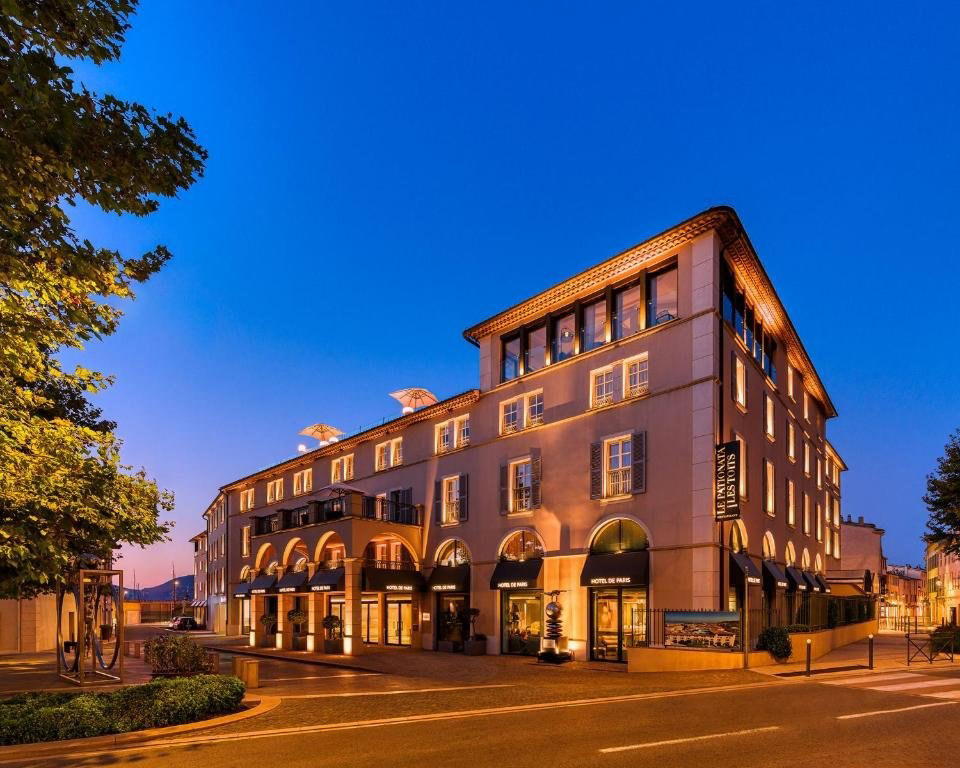
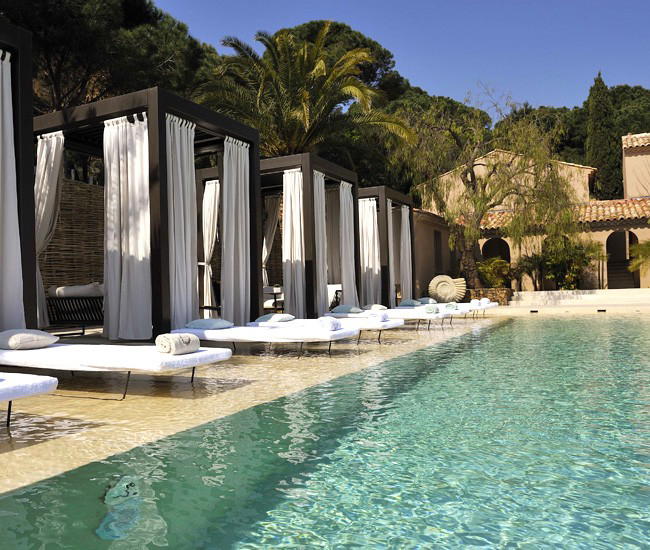
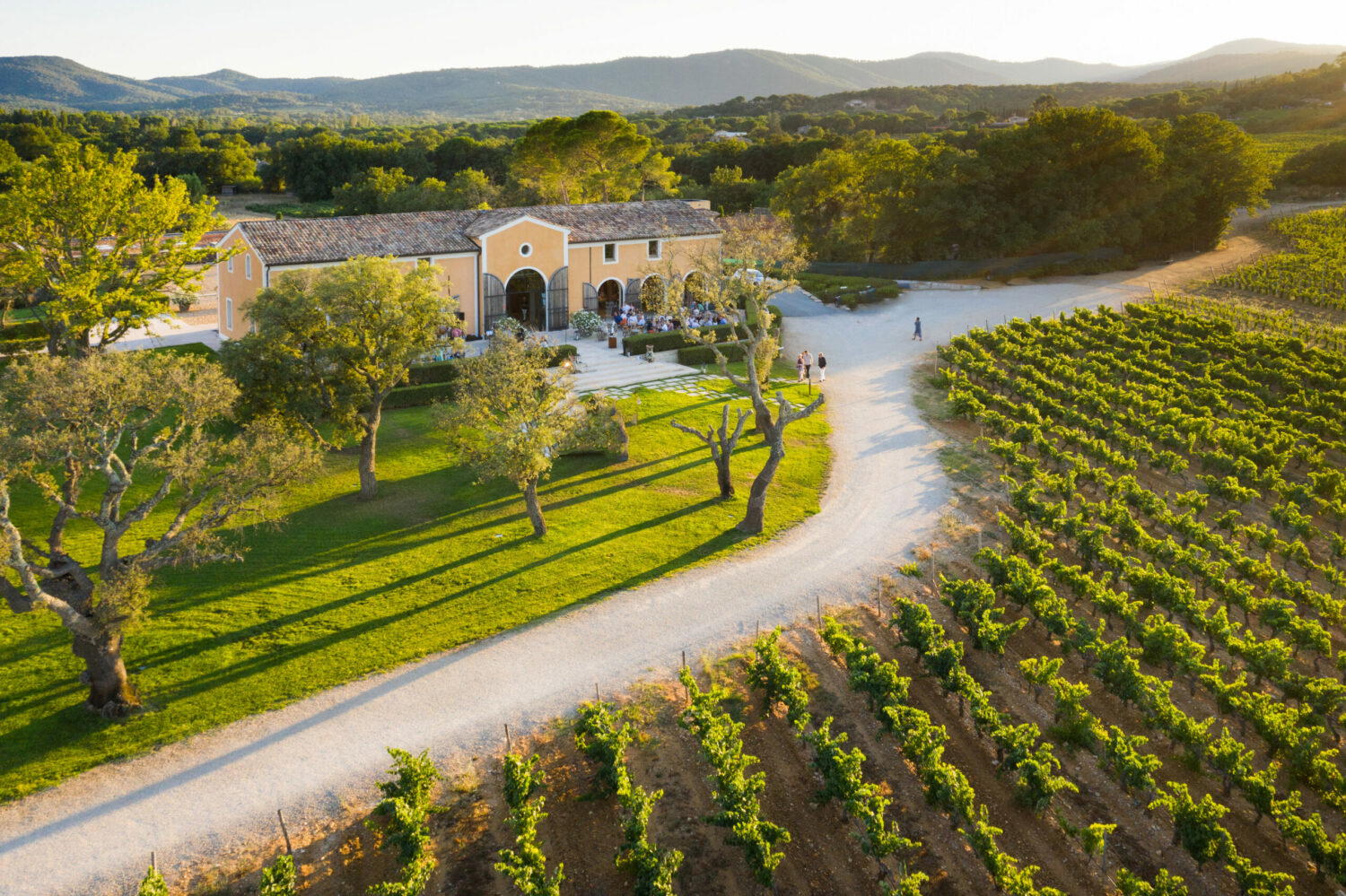
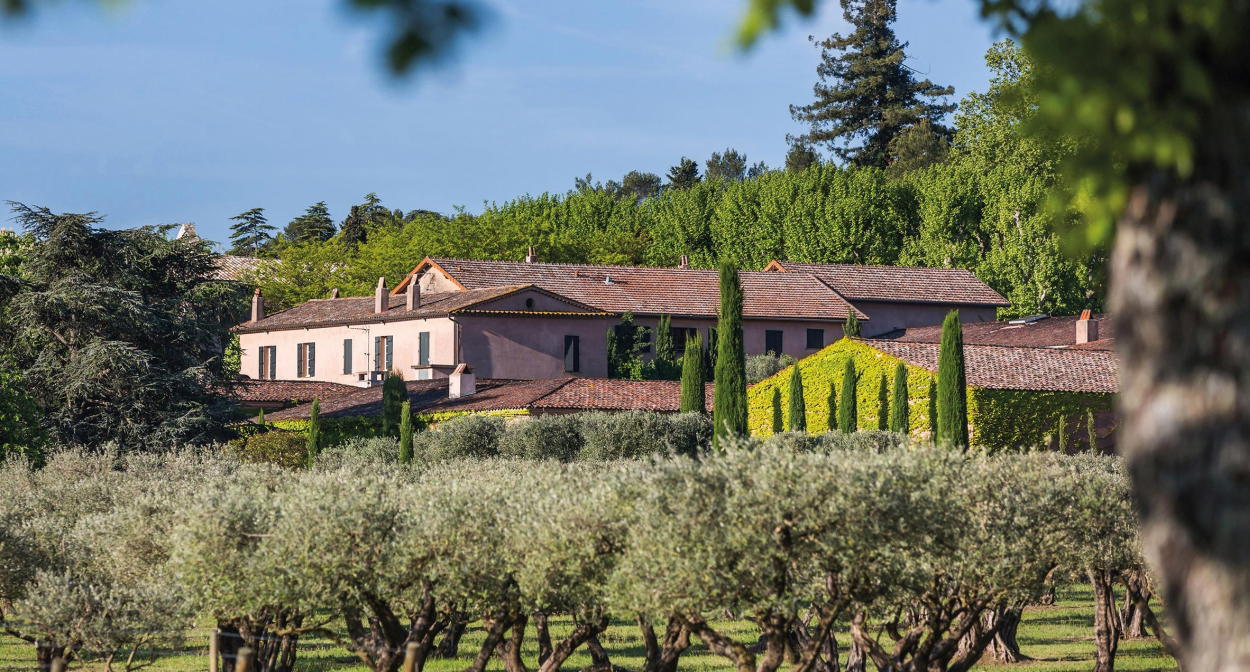
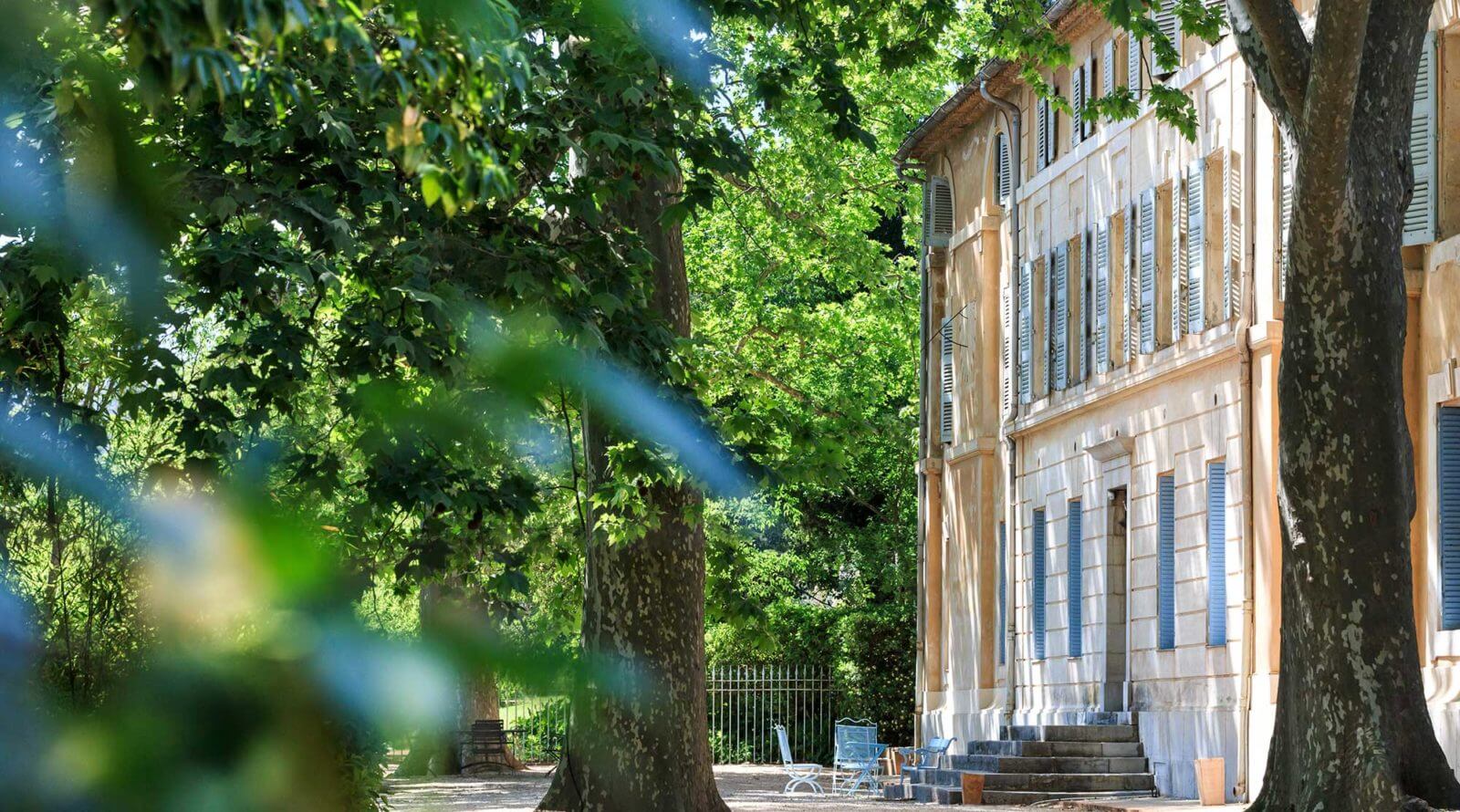
Serene oasis with luxuriant gardens, sumptuous oriental decor including Indian rugs and 19th-century art, evoking a peaceful escape from the village bustle.