Our verdict
Eating Under the Almond Tree: Dominica's Village Dining Tradition In Dominica, the most instructive dining rarely happens in hotels or capital-city restaurants. It happens in villages, on terraces, beside the sea, where the distance between the fisherman's boat and the plate is measured in minutes rather than supply chains. Baroui, a small Atlantic-coast settlement north of Roseau, operates in exactly this mode. The terrace at 4 Seasons Restaurant and Bar, shaded by an almond tree whose canopy functions as both architectural feature and working part of the island's ecology, situates the diner inside that tradition rather than observing it from a comfortable remove. For context on where this fits within the wider scene, see our full Baroui restaurants guide. The setting itself communicates something about Dominican dining culture that no amount of interior design could replicate. Almond trees of this type, Terminalia catappa, are common to Caribbean coastal villages and provide both shade and a structural gathering point. A meal taken beneath one is, in a modest but meaningful sense, a meal taken as part of the village rather than apart from it. That positioning distinguishes this end of the island's dining culture from the resort-corridor experience most arriving visitors encounter first. What the Soil and Sea Deliver Here Dominica's culinary identity is rooted in an unusual agricultural density for the Eastern Caribbean. The island's volcanic soil supports a breadth of cultivation that larger, flatter islands cannot match: dasheen, plantain, breadfruit, christophine, yam, and a range of root vegetables that form the starch base of local cooking. Fishing villages along the Atlantic coast, including Baroui and its immediate neighbours, supplement that plant abundance with pelagic fish, flying fish, and, seasonally, spiny lobster. The ingredient sourcing that defines cooking in this part of Dominica is, in most cases, hyper-local by necessity rather than by trend: geography and infrastructure make the global supply chain largely irrelevant. This matters when assessing what 4 Seasons Restaurant and Bar represents in the context of the island's dining. Venues of this type, village-scale, terrace-format, operating within walking distance of both garden and sea, are the custodians of Dominican cooking in its least mediated form. The seasonality is real rather than signalled: what is available reflects what has been caught or grown, and the menu follows accordingly. Compare this with properties that have built a more formalised frame around similar ingredients, such as Secret Bay in Tibay, which takes a design-led, higher-tariff approach to the same volcanic-soil bounty, and the distinction in register becomes clear. Elsewhere on the island, Sardonyx Restaurant and Bar in Mero and Palisades Restaurant in Roseau represent the more structured end of Dominican dining. Keepin' It Real in Toucari operates closer to the same informal-local register as Baroui's offerings. Understanding where 4 Seasons sits within that spread matters: this is not aspirational fine dining, and it does not try to be. It occupies the tier where provenance is guaranteed by proximity and authenticity is structural rather than marketed. The Atlantic Coast as Dining Context The Atlantic-facing villages of Dominica attract a different visitor profile than the western Leeward Coast, which holds most of the island's larger resorts. Travellers reaching Baroui tend to be moving through the island rather than staying adjacent to it, which shapes the dining dynamic considerably. Casual stops, road-trip meals, and unhurried lunches taken with a view across the water define the rhythm here. This is the same logic that governs village restaurants across the Eastern Caribbean, from Calibishie in Dominica's far north, where Coral Reef Bar and Restaurant performs a similar role, to the rivermouth settings around Indian River in Portsmouth. The physical environment at 4 Seasons is worth taking seriously as part of the dining experience. An open terrace in this part of the Caribbean functions as a specific kind of engagement with place: wind off the Atlantic, ambient coastal light, the sounds of a working village. These conditions are not incidental backdrop; they are part of what differentiates eating here from eating anywhere further along the hospitality spectrum. No amount of technical kitchen skill at, say, Le Bernardin in New York City or Osteria Francescana in Modena produces the particular sense of occasion that an unenclosed terrace in a Caribbean village does at midday. How to Approach a Visit Planning for a meal in Baroui requires accepting that the infrastructure and communication norms of village dining in Dominica differ materially from restaurant culture in larger tourism economies. No website, phone, or booking platform is listed for 4 Seasons Restaurant and Bar, which is consistent with the operating model of most independent village restaurants across the Eastern Caribbean. The practical approach is to stop in advance or plan for flexibility in your schedule. Villages of this size tend to keep practical hours centred on lunchtime and early evening, but these are shaped by what has been caught or prepared, not by a fixed menu cycle. Visitors driving the east coast circuit from Roseau or coming from the northern end of the island near Portsmouth will find Baroui on the main coastal route. The terrace location, under the almond tree, functions as its own address marker in a village where street numbers carry little navigational weight. Travelling with local context, or asking at your accommodation, will resolve any wayfinding question more efficiently than mapping apps. For those building an east-coast day around multiple stops, Islet View Restaurant and Bar in Castle Bruce offers a comparable village-terrace format further south along the same coast. The comparison set for 4 Seasons is not, and should not be, Michelin-starred restaurants or hotel dining rooms. Framing it against venues like Atomix in New York City, CORE by Clare Smyth in London, The Ledbury in London, Arpège in Paris, Lazy Bear in San Francisco, Emeril's in New Orleans, Quattro Passi in Marina del Cantone, or Le Calandre in Rubano would miss the point entirely. What this terrace in Baroui offers is a specific type of encounter with Caribbean food culture that those establishments, operating in entirely different registers and economies, cannot replicate. The value proposition is not technical sophistication; it is directness of sourcing, rootedness in place, and the particular honesty of cooking that has nowhere to hide. Frequently Asked Questions What is 4 Seasons Restaurant and Bar known for?4 Seasons Restaurant and Bar is associated with Dominica's village dining tradition: an open terrace setting beneath an almond tree in Baroui, serving food shaped by the island's volcanic-soil produce and Atlantic-coast fishing culture. The format is informal and place-specific rather than destination-fine-dining, which is consistent with the eating culture of the eastern Atlantic coast of the island.What should I eat at 4 Seasons Restaurant and Bar? Expect Dominican home-cooking register rather than adapted Caribbean fusion.What kind of setting is 4 Seasons Restaurant and Bar?The setting is an outdoor terrace in the village of Baroui, on Dominica's Atlantic coast, shaded by a mature almond tree. There is no resort infrastructure, no formal entrance sequence, and no curated dining-room ambience. The experience is village-scale, open to the coastal environment, and consistent with how independent restaurants in small Eastern Caribbean communities operate.How far ahead should I plan for 4 Seasons Restaurant and Bar?No booking platform or phone contact is currently listed, which is typical of village-scale restaurants in this part of the Caribbean. Planning in the sense of confirming the venue is open before making the drive is advisable, either by stopping in ahead of your intended meal or by asking locally in Dominica. Build schedule flexibility rather than counting on confirmed reservations.Is 4 Seasons Restaurant and Bar suitable for children?An open terrace in a small Dominican village, serving direct local food in an informal, outdoor setting, is generally well-suited to children. There is no formal dress code or structured tasting-menu format that would create a tension between adult dining conventions and younger travellers. The open-air environment and village scale make it accessible across age groups.Does 4 Seasons Restaurant and Bar source its ingredients locally?The geographic and economic context of Baroui, a small Atlantic-coast village in Dominica, makes hyper-local sourcing the structural default rather than a stated policy. Dominica's volcanic soil supports a broad agricultural base, and Atlantic fishing villages in this part of the island work with local catch. The proximity of production to plate at venues of this type is a function of where they are, not a marketing position.

Pearl is the En Primeur Club membership app — saves, bookings, and concierge access live there. Same editors, same standards.
- Address
- Baroui, Dominica (on the terrace under the almond tree)
- Directions
- Get directions
The menu
What to order
- Lobster
Eating Under the Almond Tree: Dominica's Village Dining Tradition
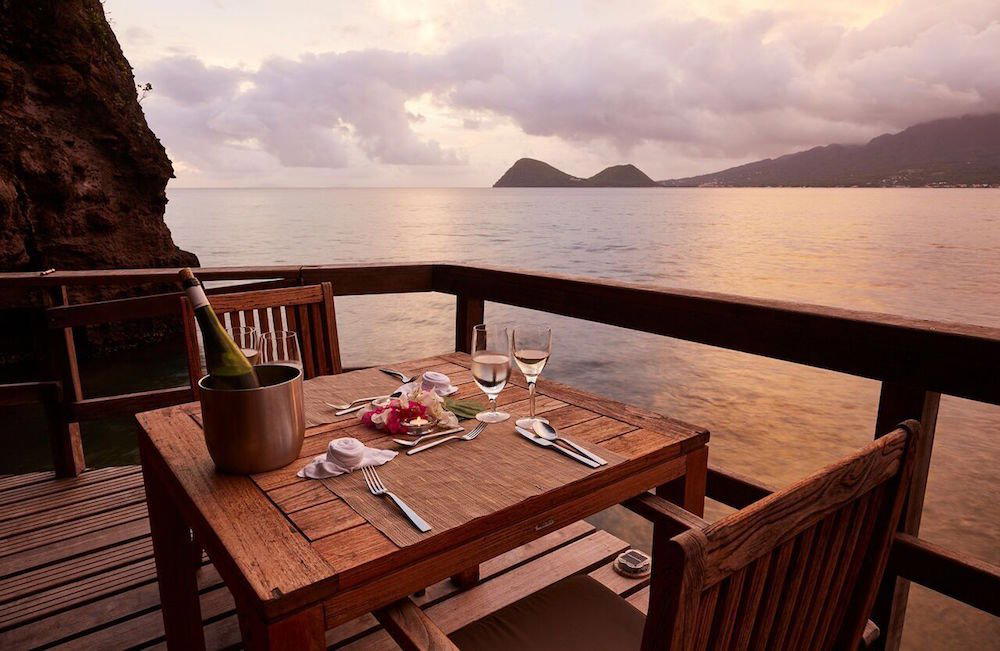
In Dominica, the most instructive dining rarely happens in hotels or capital-city restaurants. It happens in villages, on terraces, beside the sea, where the distance between the fisherman's boat and the plate is measured in minutes rather than supply chains. Baroui, a small Atlantic-coast settlement north of Roseau, operates in exactly this mode. The terrace at 4 Seasons Restaurant and Bar, shaded by an almond tree whose canopy functions as both architectural feature and working part of the island's ecology, situates the diner inside that tradition rather than observing it from a comfortable remove. For context on where this fits within the wider scene, see our full Baroui restaurants guide.
The setting itself communicates something about Dominican dining culture that no amount of interior design could replicate. Almond trees of this type, Terminalia catappa, are common to Caribbean coastal villages and provide both shade and a structural gathering point. A meal taken beneath one is, in a modest but meaningful sense, a meal taken as part of the village rather than apart from it. That positioning distinguishes this end of the island's dining culture from the resort-corridor experience most arriving visitors encounter first.
What the Soil and Sea Deliver Here
Dominica's culinary identity is rooted in an unusual agricultural density for the Eastern Caribbean. The island's volcanic soil supports a breadth of cultivation that larger, flatter islands cannot match: dasheen, plantain, breadfruit, christophine, yam, and a range of root vegetables that form the starch base of local cooking. Fishing villages along the Atlantic coast, including Baroui and its immediate neighbours, supplement that plant abundance with pelagic fish, flying fish, and, seasonally, spiny lobster. The ingredient sourcing that defines cooking in this part of Dominica is, in most cases, hyper-local by necessity rather than by trend: geography and infrastructure make the global supply chain largely irrelevant.
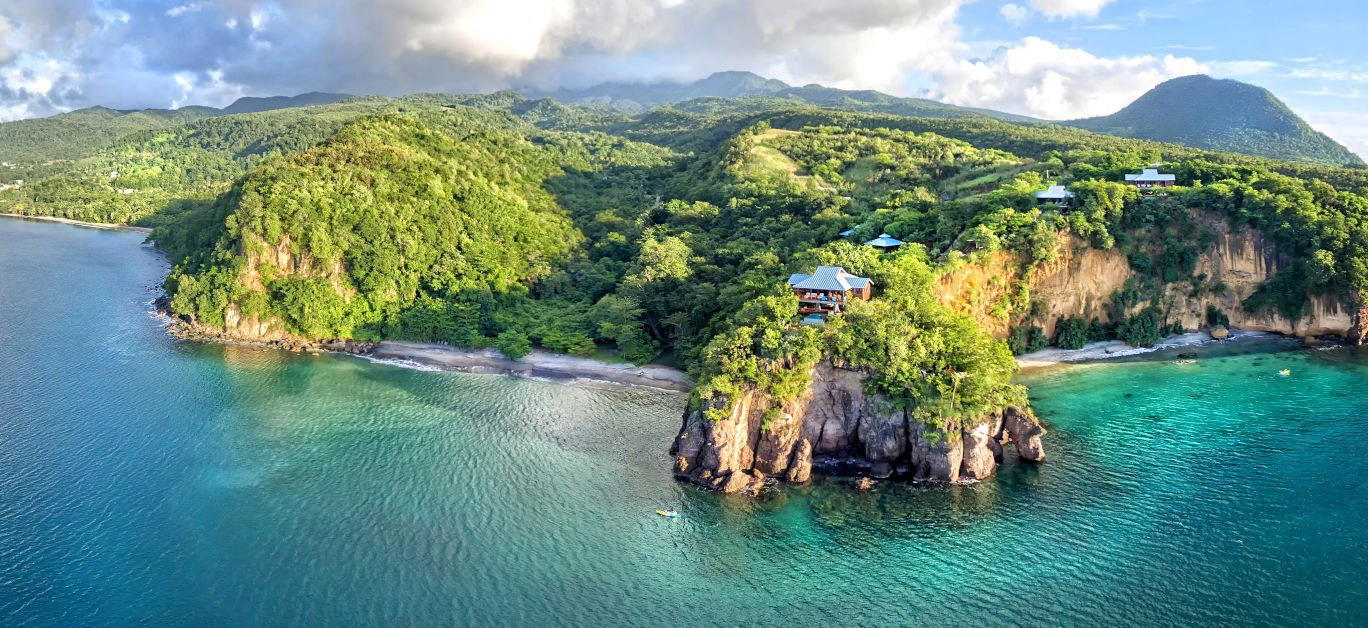
This matters when assessing what 4 Seasons Restaurant and Bar represents in the context of the island's dining. Venues of this type, village-scale, terrace-format, operating within walking distance of both garden and sea, are the custodians of Dominican cooking in its least mediated form. The seasonality is real rather than signalled: what is available reflects what has been caught or grown, and the menu follows accordingly. Compare this with properties that have built a more formalised frame around similar ingredients, such as Secret Bay in Tibay, which takes a design-led, higher-tariff approach to the same volcanic-soil bounty, and the distinction in register becomes clear.
Elsewhere on the island, Sardonyx Restaurant and Bar in Mero and Palisades Restaurant in Roseau represent the more structured end of Dominican dining. Keepin' It Real in Toucari operates closer to the same informal-local register as Baroui's offerings. Understanding where 4 Seasons sits within that spread matters: this is not aspirational fine dining, and it does not try to be. It occupies the tier where provenance is guaranteed by proximity and authenticity is structural rather than marketed.
The Atlantic Coast as Dining Context
The Atlantic-facing villages of Dominica attract a different visitor profile than the western Leeward Coast, which holds most of the island's larger resorts. Travellers reaching Baroui tend to be moving through the island rather than staying adjacent to it, which shapes the dining dynamic considerably. Casual stops, road-trip meals, and unhurried lunches taken with a view across the water define the rhythm here. This is the same logic that governs village restaurants across the Eastern Caribbean, from Calibishie in Dominica's far north, where Coral Reef Bar and Restaurant performs a similar role, to the rivermouth settings around Indian River in Portsmouth.
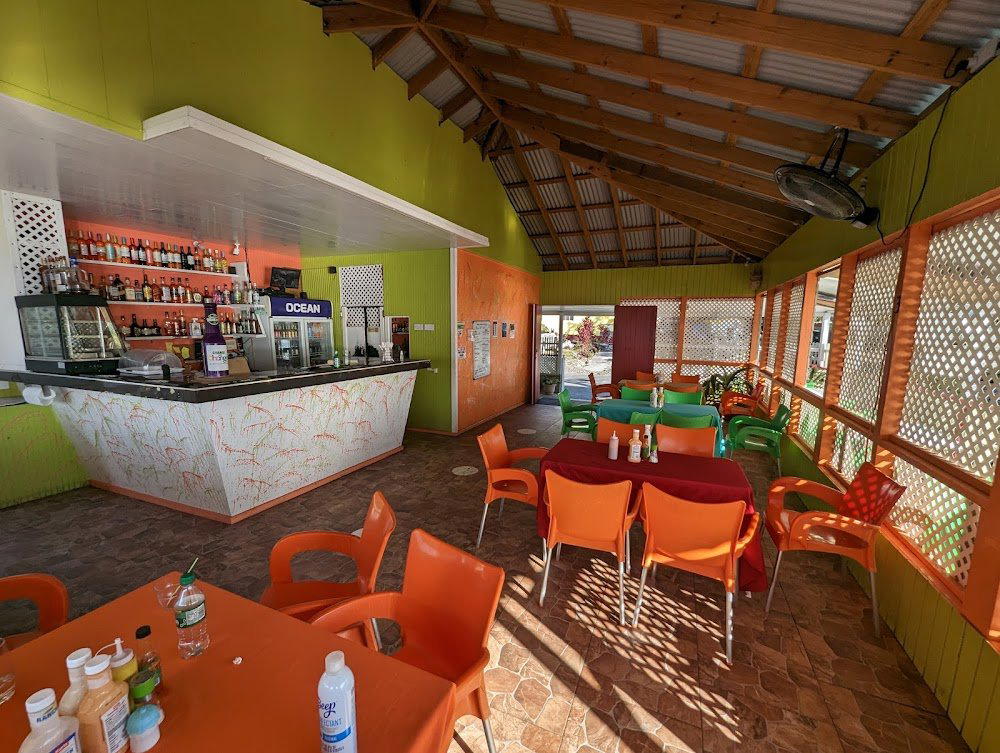
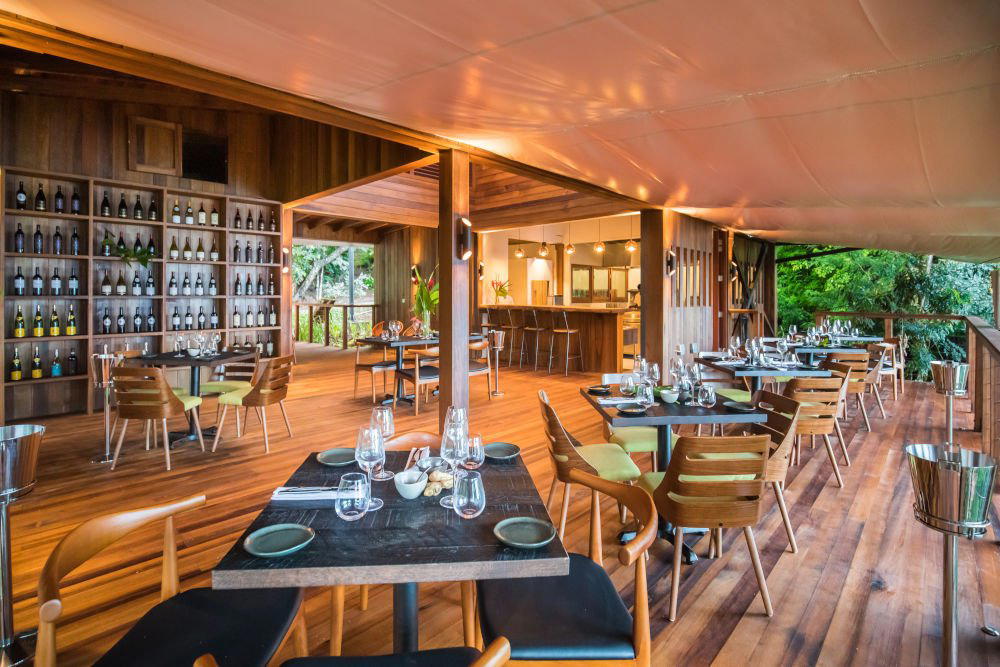
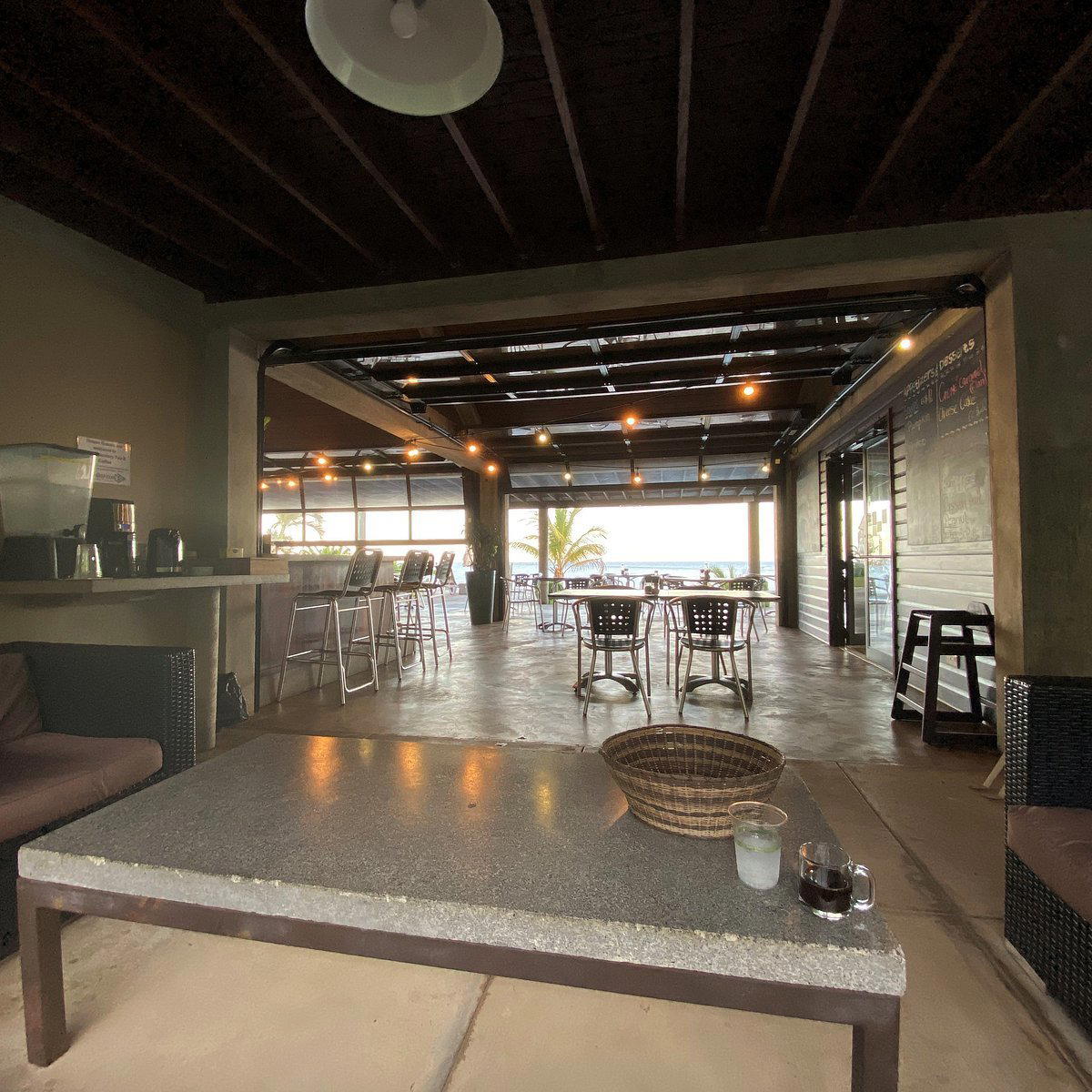
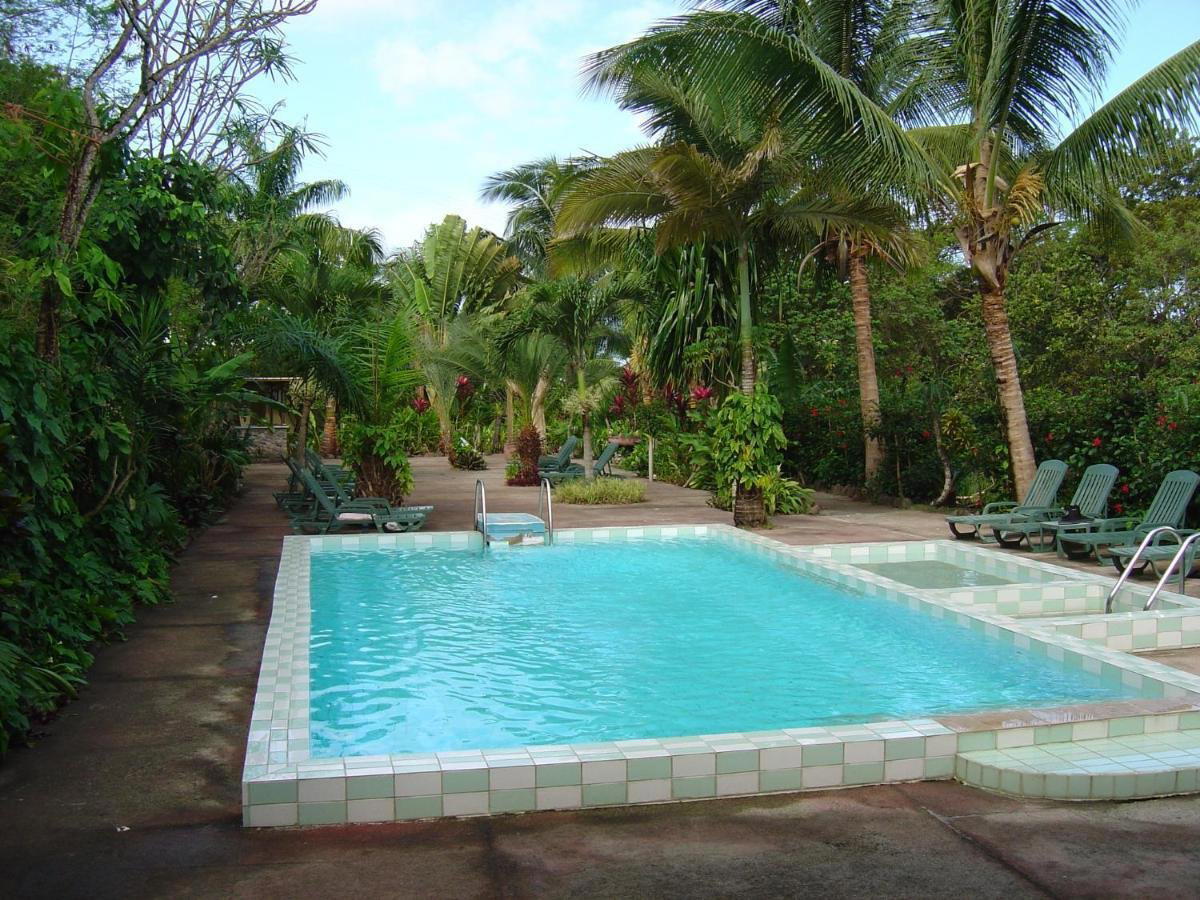
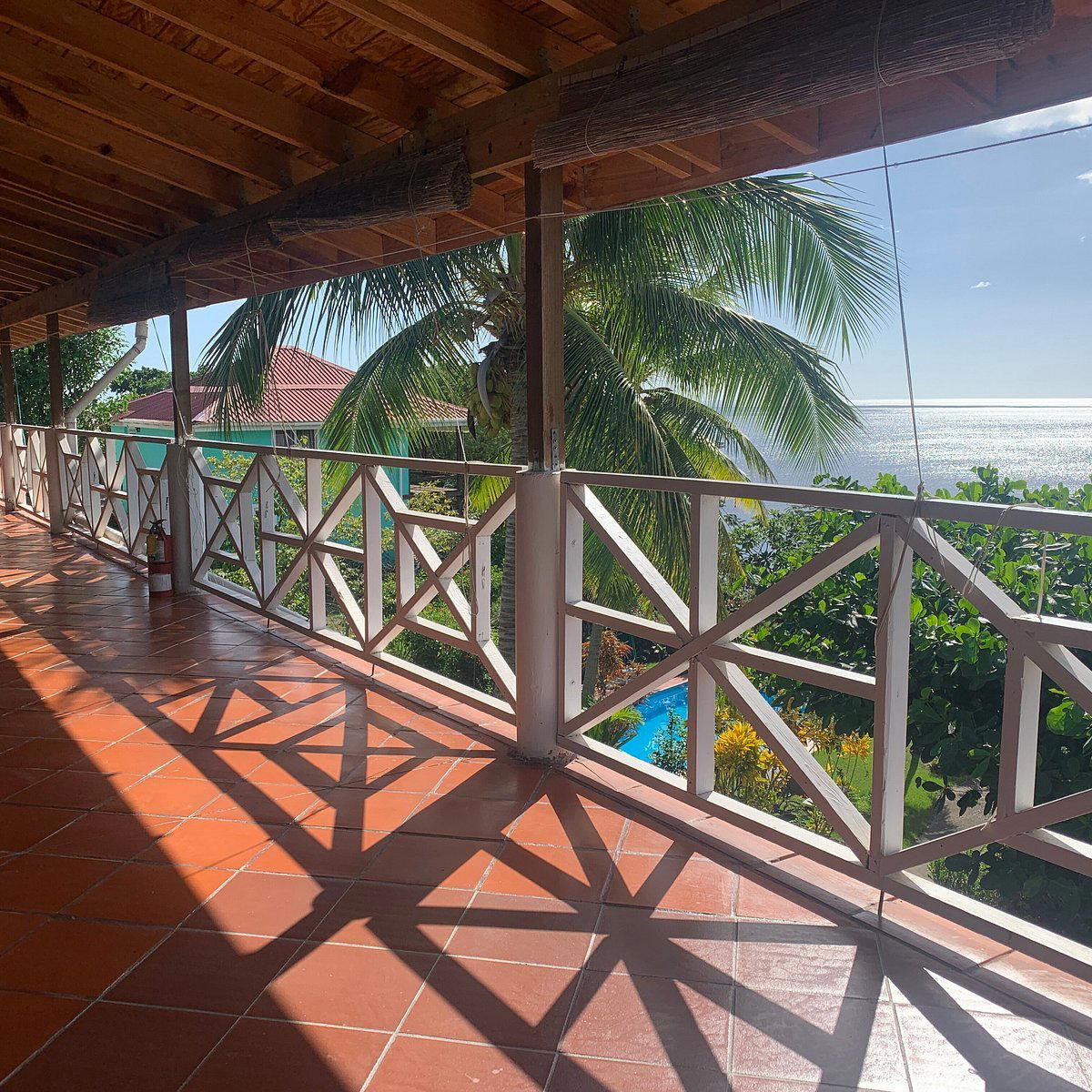
The physical environment at 4 Seasons is worth taking seriously as part of the dining experience. An open terrace in this part of the Caribbean functions as a specific kind of engagement with place: wind off the Atlantic, ambient coastal light, the sounds of a working village. These conditions are not incidental backdrop; they are part of what differentiates eating here from eating anywhere further along the hospitality spectrum. No amount of technical kitchen skill at, say, Le Bernardin in New York City or Osteria Francescana in Modena produces the particular sense of occasion that an unenclosed terrace in a Caribbean village does at midday.
How to Approach a Visit
Planning for a meal in Baroui requires accepting that the infrastructure and communication norms of village dining in Dominica differ materially from restaurant culture in larger tourism economies. No website, phone, or booking platform is listed for 4 Seasons Restaurant and Bar, which is consistent with the operating model of most independent village restaurants across the Eastern Caribbean. The practical approach is to stop in advance or plan for flexibility in your schedule. Villages of this size tend to keep practical hours centred on lunchtime and early evening, but these are shaped by what has been caught or prepared, not by a fixed menu cycle.
Visitors driving the east coast circuit from Roseau or coming from the northern end of the island near Portsmouth will find Baroui on the main coastal route. The terrace location, under the almond tree, functions as its own address marker in a village where street numbers carry little navigational weight. Travelling with local context, or asking at your accommodation, will resolve any wayfinding question more efficiently than mapping apps. For those building an east-coast day around multiple stops, Islet View Restaurant and Bar in Castle Bruce offers a comparable village-terrace format further south along the same coast.
The comparison set for 4 Seasons is not, and should not be, Michelin-starred restaurants or hotel dining rooms. Framing it against venues like Atomix in New York City, CORE by Clare Smyth in London, The Ledbury in London, Arpège in Paris, Lazy Bear in San Francisco, Emeril's in New Orleans, Quattro Passi in Marina del Cantone, or Le Calandre in Rubano would miss the point entirely. What this terrace in Baroui offers is a specific type of encounter with Caribbean food culture that those establishments, operating in entirely different registers and economies, cannot replicate. The value proposition is not technical sophistication; it is directness of sourcing, rootedness in place, and the particular honesty of cooking that has nowhere to hide.
Frequently asked questions
What is 4 Seasons Restaurant and Bar known for?
What should I eat at 4 Seasons Restaurant and Bar?
What kind of setting is 4 Seasons Restaurant and Bar?
How far ahead should I plan for 4 Seasons Restaurant and Bar?
Is 4 Seasons Restaurant and Bar suitable for children?
Does 4 Seasons Restaurant and Bar source its ingredients locally?
Continue exploring
More in Baroui
Restaurants in Baroui
Browse all →
Details
- Scenic
- Family
- Casual Hangout
- Waterfront
- Hotel Restaurant
- Local Sourcing
- Waterfront
- A La Carte
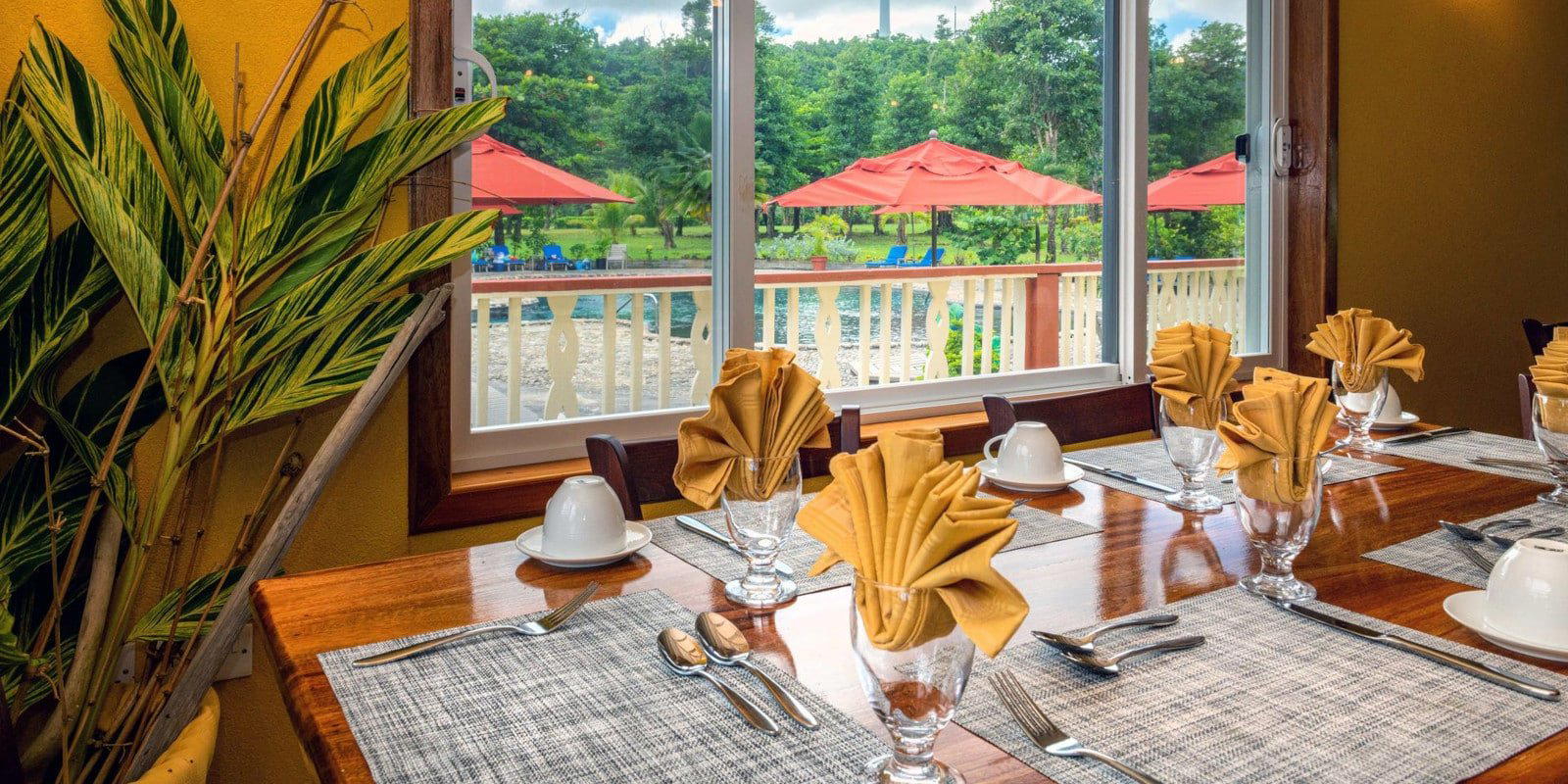
Relaxed beachfront dining with outdoor seating and tropical garden views.